John Frankenheimer makes danger convincing by showing us skilled people under pressure and keeping the action clear. We recommend his thrillers for that precision, with a reservation about the thinly written characters in Ronin.
Fi1m perspective
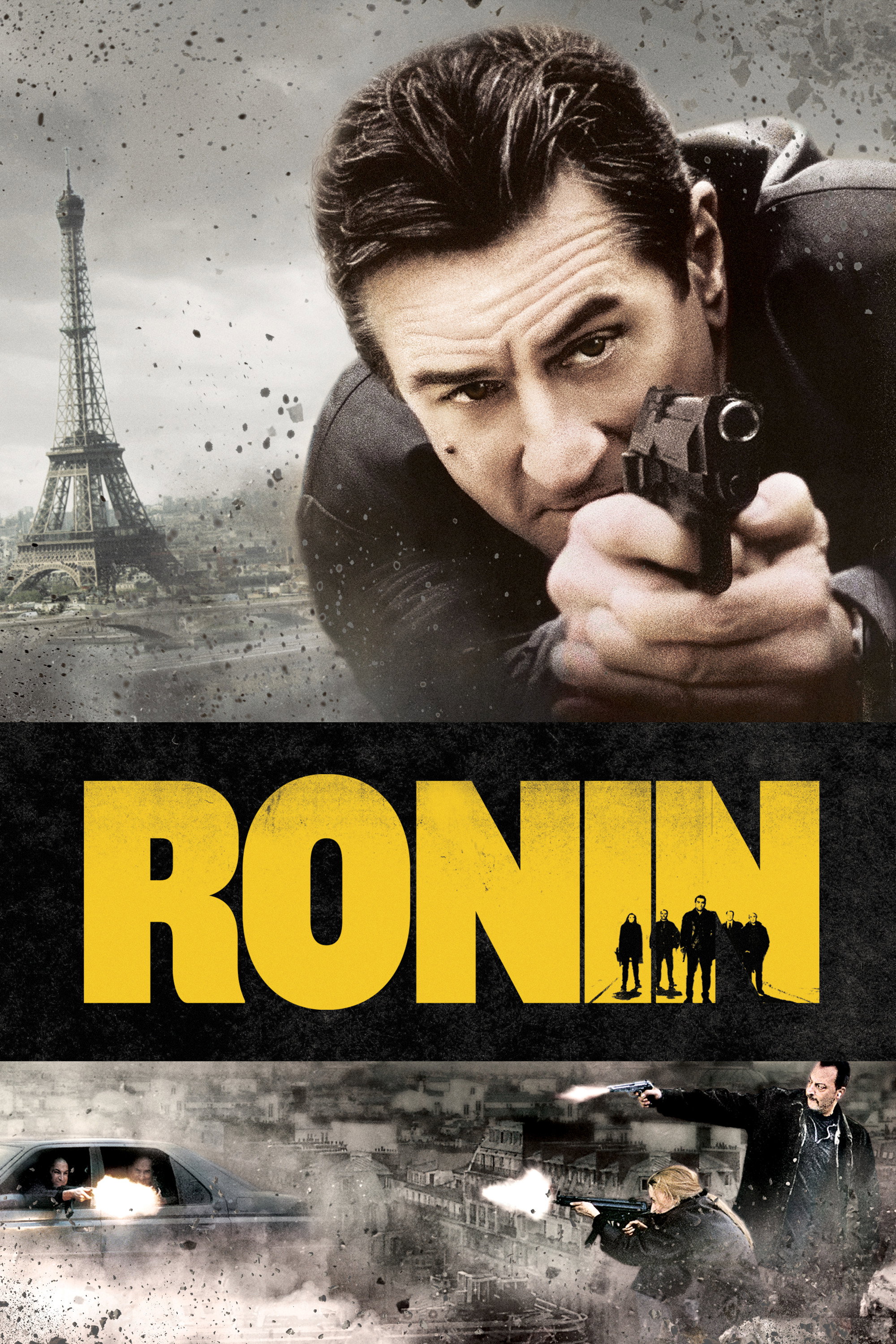
In Ronin (1998), we can follow what the drivers are doing even when the cars are moving fast enough to make watching uncomfortable. Frankenheimer gives us time to appreciate the handling as well as worry about the consequences. Robert Fraisse’s cinematography gives the cars weight, while Antony Gibbs’s editing keeps the movement clear under pressure. We tensed up because the driving looked physical and the danger close enough to hurt. This is the Frankenheimer we recommend: exact about the work, even when the writing leaves the people doing it indistinct.
His years directing live television helped form that attention to where people stand and how a shot holds them together. In his characteristic deep-focus compositions, a face close to the lens and a distant performer stay sharp, leaving us to watch both. Close-range wide-angle lenses can make the space itself uncomfortable. In The Manchurian Candidate (1962) and Seven Days in May (1964), his unsettling framing suits stories about powerful institutions and men under pressure.
The 1960s also brought The Train (1964), with its large-scale action, and the practical racing of Grand Prix (1966). Seconds (1966) took the experiments with the camera into psychological science fiction. His feature work became more uneven through the 1970s and 1980s. Renewed acclaim came through television in the 1990s, before Ronin brought him back to feature-film action. We would approach the later films selectively rather than assume the assurance of the chases extended to everything he made.
Our reservation is that his command of movement can make a script seem more substantial than it is. Ronin keeps us interested in how the job will be done, but gives us too little reason to care about several of the people doing it. Robert De Niro and Jean Reno help make those suspicious dealings enjoyable, though the characters remain underwritten. Start with Ronin if action is the attraction, but do not expect the characters to be as carefully worked out as the driving.
Biography
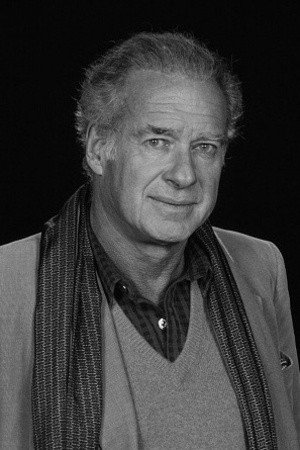
John Frankenheimer was an American film and television director. Born in New York City on 19 February 1930, he died in Los Angeles on 6 July 2002.
He began his career in live television before moving to feature films in the early 1960s. His best-known works include the political thrillers The Manchurian Candidate (1962) and Seven Days in May (1964), the biographical drama Birdman of Alcatraz (1962), the war film The Train (1964), the racing drama Grand Prix (1966) and the action thriller Ronin (1998).
In the 1990s Frankenheimer returned to television and won four consecutive Primetime Emmy Awards for the television films Against the Wall (1994), The Burning Season (1994), Andersonville (1996) and George Wallace (1997).