Film review

Once Were Warriors

1994 · Directed by Lee Tamahori · 1h 39m · MPA R

In a sentenceWe spent much of this family drama hoping someone would leave home

Drama

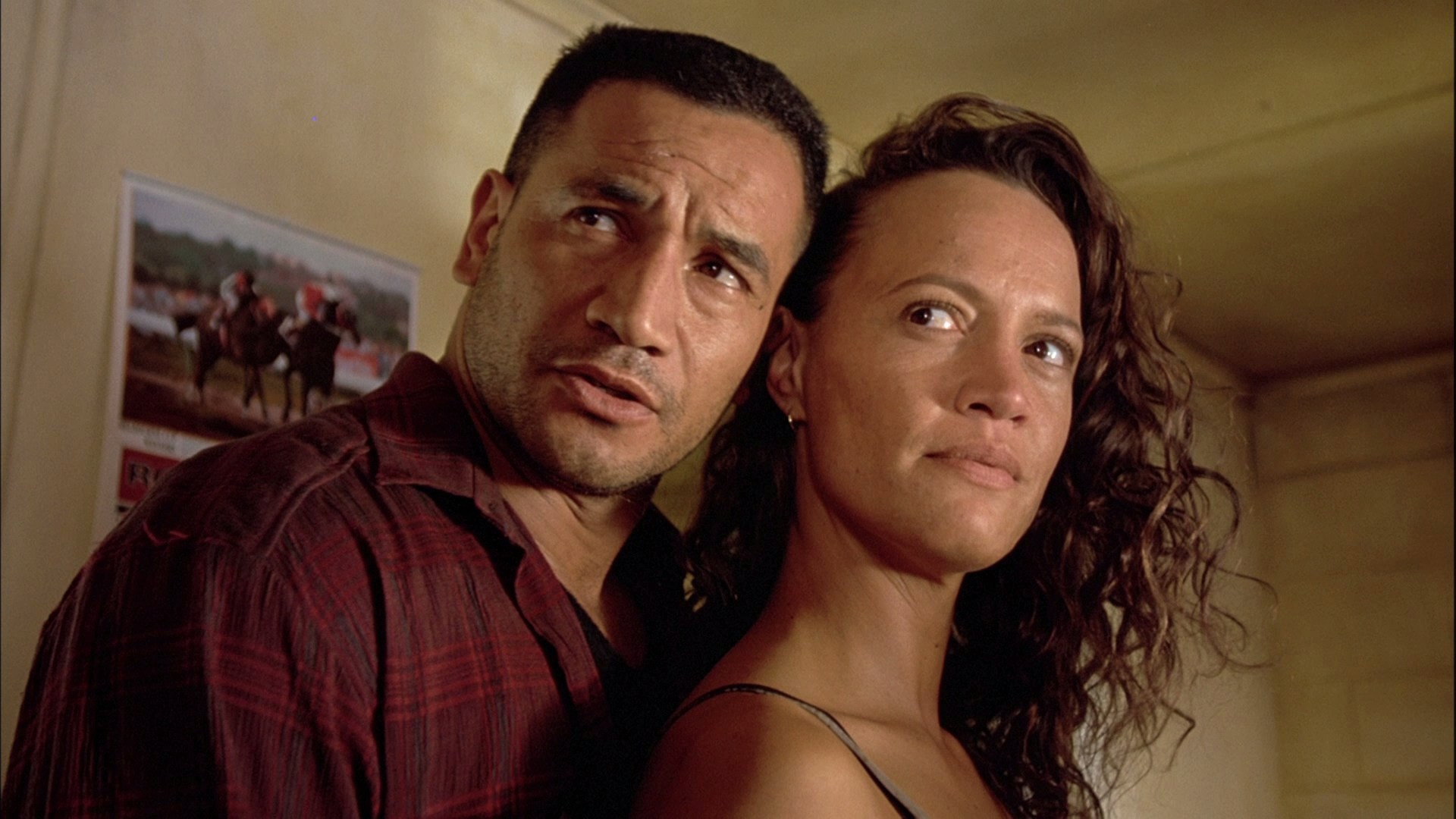
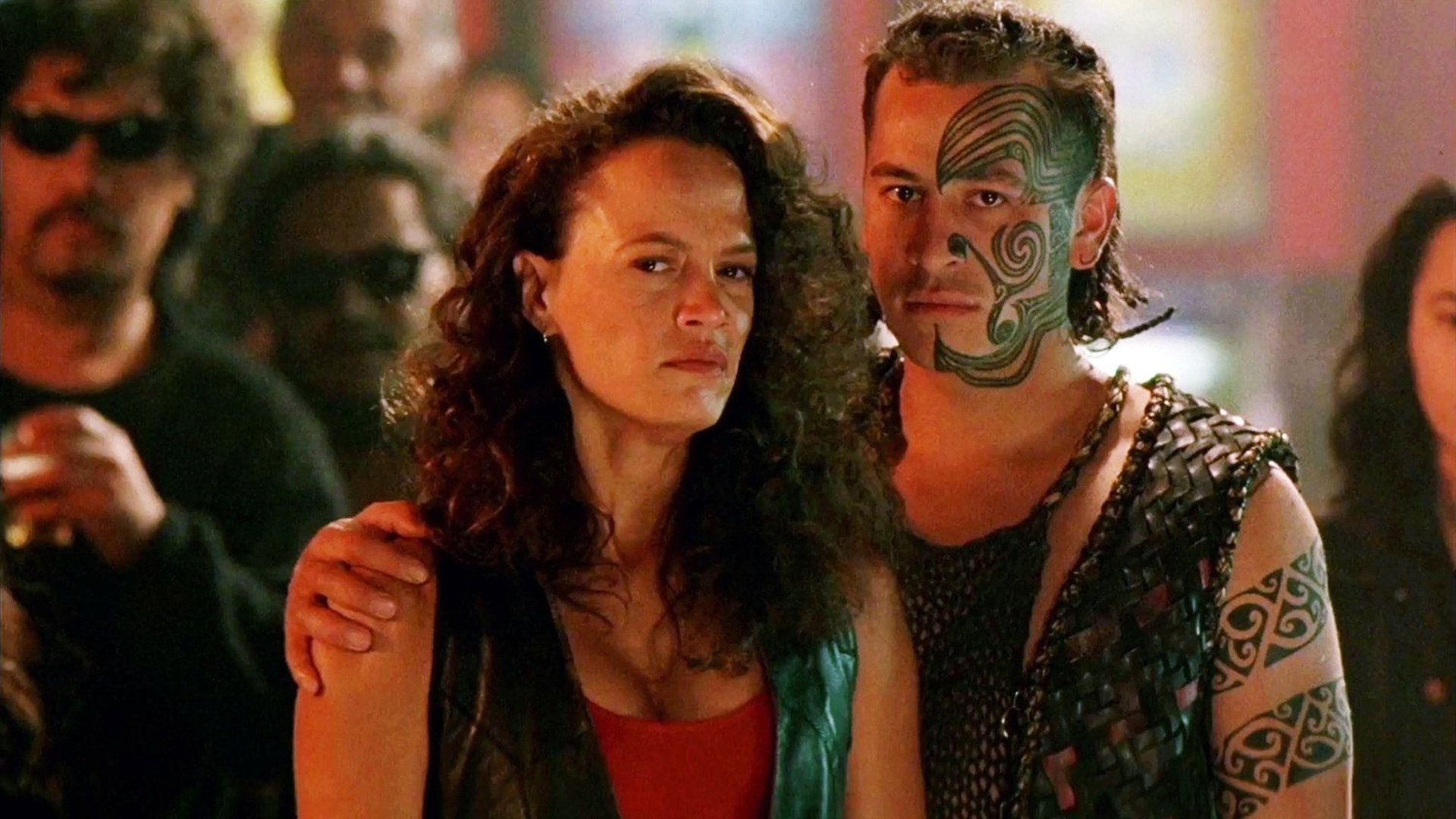
Beth Heke (Rena Owen) struggles to keep her family together amid violence and domestic strife. The Hekes are an urban Māori family in New Zealand, and the pressures inside their home reach the children as well as the adults. Jake Heke (Temuera Morrison) is at the centre of those troubles. Grace (Mamaengaroa Kerr-Bell), Nig (Julian Arahanga) and Boogie (Taungaroa Emile) each face the consequences of life in the household. Beth’s efforts to preserve her family unfold alongside the pressures on a culture that remains part of their lives.

Plays from YouTube when you press play; nothing loads from them until then.

Fi1m review

Rena Owen is reason enough to see Lee Tamahori’s painful family drama, which sometimes piles on more misery than it needs. We recommend it, with a firm warning about the domestic violence and little prospect of an easy evening.

Lee Tamahori’s Once Were Warriors is a family drama we recommend, with a warning that its domestic violence is difficult to watch. It follows the Hekes, an urban Māori family, and Beth’s struggle to keep them together. Riwia Brown’s screenplay asks us to understand why that task matters to her, even when we want her spared the effort. The film can be blunt, but Rena Owen’s Beth is compelling enough to make its bluntness worth bearing.

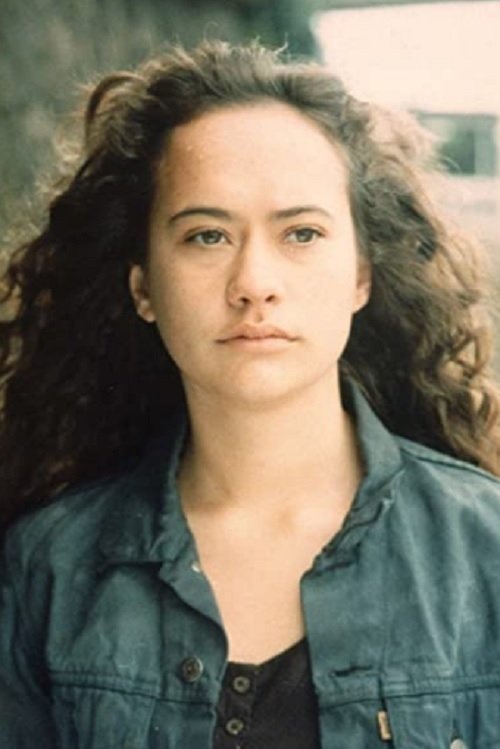
Owen gives Beth a fierceness that never makes the harm seem manageable. Her performance allows us to admire Beth’s strength while questioning how much more she should have to bear. We were horrified by the violence against her. Owen makes her struggle to keep the household together so pressing that we cannot treat the assaults as set pieces and wait for the film to move on.

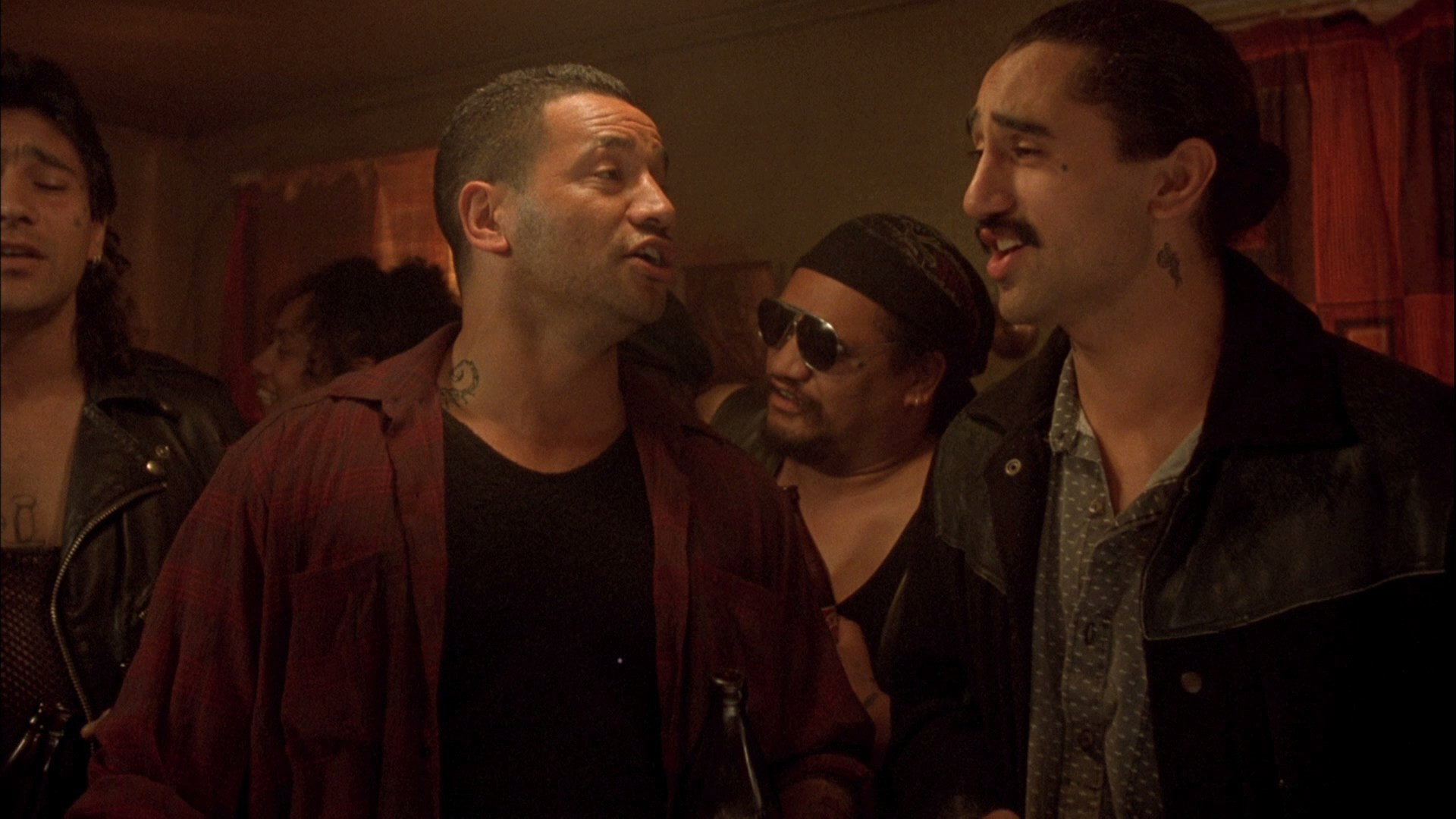
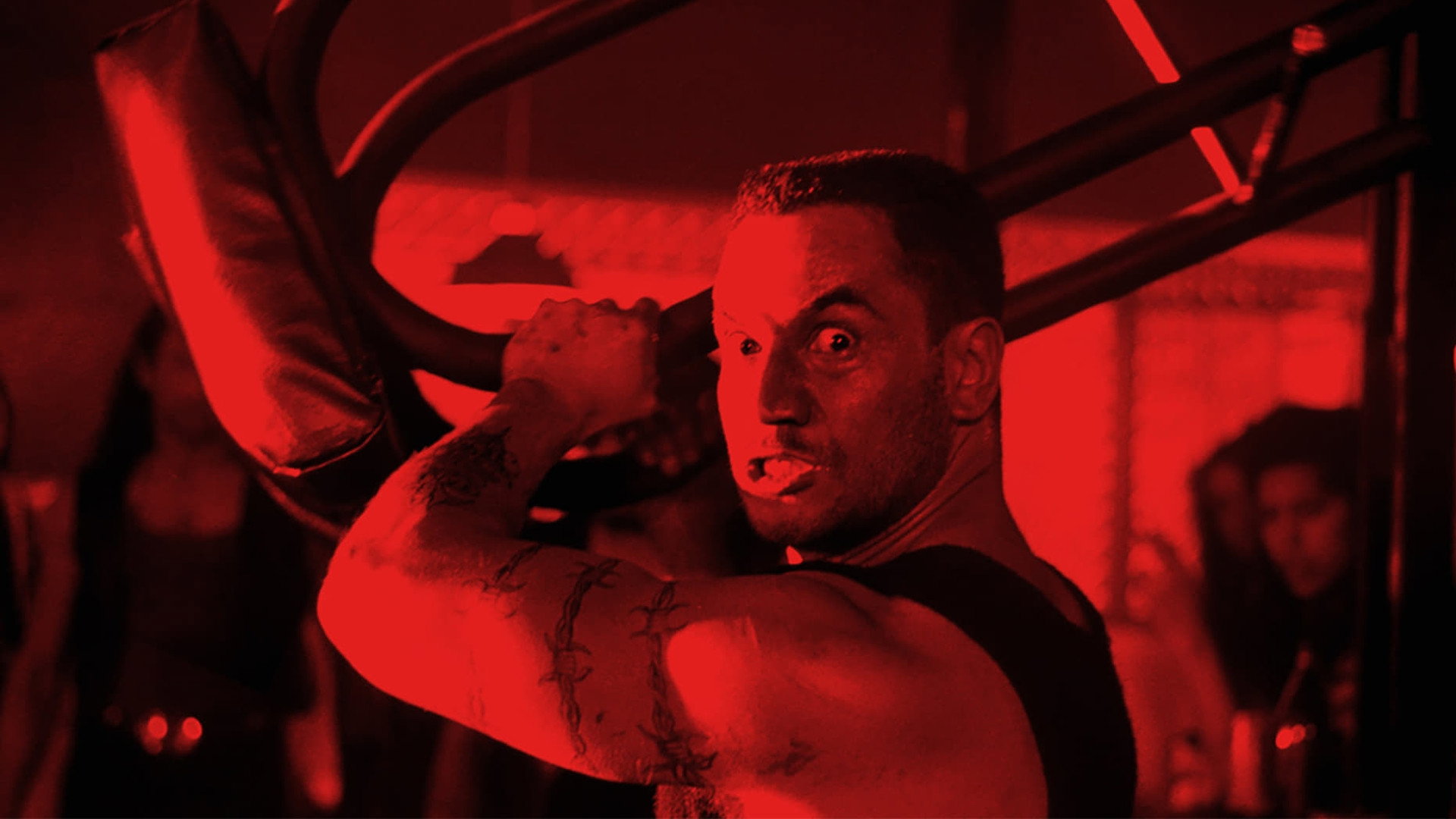
Temuera Morrison’s Jake Heke gives the domestic strife a frightening physical presence, but Owen prevents him from monopolising our attention. That matters in a drama where force could easily overwhelm every other kind of behaviour. The children show what the adults’ troubles cost those with little say in them. Mamaengaroa Kerr-Bell plays Grace, Julian Arahanga is Nig and Taungaroa Emile is Boogie, and their presence keeps the drama from shrinking to a contest between its leads.

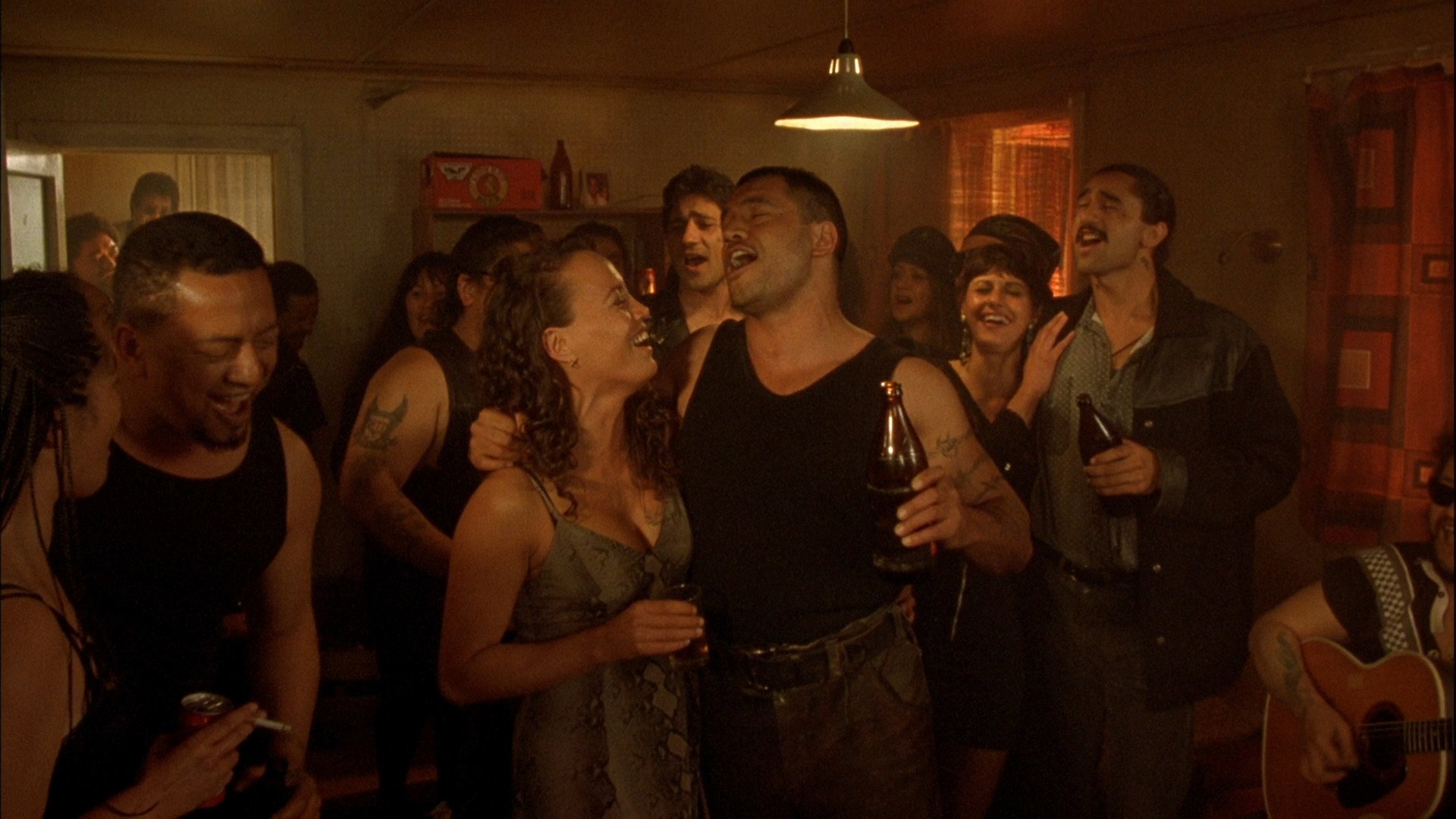
Stuart Dryburgh’s cinematography gives the urban setting a visual force that matches the actors’ intensity. The stylishness is useful: the Hekes’ lives never seem like material assembled for a lecture on domestic violence. Tamahori keeps our attention on people living through it, with a threatened Māori culture still present beyond their immediate troubles. The drawback is that this forceful way of filming can make already painful material feel overemphasised.

Michael Horton’s editing makes the 99 minutes feel tightly packed, with little relief from the family’s troubles. That concentration gives the drama momentum, although it also makes the accumulated suffering feel too deliberately arranged. Murray Grindlay and Murray McNabb’s music helps sustain the emotional pressure. It works within Tamahori’s emphatic approach, but we occasionally wished the film would let Owen supply all the force a scene needed.

The film belongs to the blunt end of social melodrama, where family trouble is made to speak about a wider society. Brown and Tamahori sometimes make those connections too obvious, piling on suffering after we have understood the damage. The children are particularly vulnerable to being used to demonstrate what is wrong with the adults. Yet the performances keep making the Hekes feel like people worth attending to, even when the writing is arranging their troubles too neatly.

The domestic violence deserves a plain warning, especially for anyone whose own experience may make it difficult to watch. We recommend the film for its performances, provided an unrelenting family drama is what the evening can bear. Give it your attention, and leave room afterwards for something quieter.

Critical consensus AI synthesised

5 of 6
Positive
4
Mixed
1
Negative
0
Empire
1 January 2000 · Caroline Westbrook
80*

The critic highlights the film's hard-hitting depiction of domestic violence in a Maori family and its status as New Zealand's biggest grossing movie, praising Rena Owen's towering performance as Beth and Lee Tamahori's stylish direction that avoids becoming overly didactic.

Read the full review →
Time Out
10 September 2012 · NF
80*

The critic calls the film an emotionally raw, visually stylish first feature with the intensity of the best social melodrama. It praises the indomitable spirit of the central character Beth as she struggles to hold her family together amid violence and dysfunction, while evoking the residual vibrancy of a threatened culture.

Read the full review →
Variety
30 May 1994 · festival review · David Stratton
75*

The film rigorously exposes the barren lives of an urban Maori family in a rugged and painful portrait. It is one of the best to emerge from New Zealand in quite a while, thanks to strong performances and assured direction, though its unrelenting violence may limit appeal.

Read the full review →
The New York Times
24 February 1995 · Janet Maslin
70*

A brutally effective family drama about vicious brawls and domestic strife in the Heke household. Rough around the edges and crudely obvious at times, it still presents a raw, disturbing story that uses the children to show the toll of their parents' problems.

Read the full review →
Los Angeles Times
3 March 1995 · Kenneth Turan
65*

A relentless sledgehammer of a film that unblinkingly explores the grim reality behind New Zealand's postcard image through the troubles of a Maori family. Powerful and raw with potent performances, but it overdoes the piling up of woes and blunts its own impact.

Read the full review →

Cast

Stills

If you liked this, try…

Nil by Mouth poster87

Nil by Mouth

1997 · Another family living with violence, with performances that resist easy judgements.

Moolaadé poster

Moolaadé

2004 · A woman’s resistance to communal cruelty, given time, humour and conviction.

The 400 Blows poster91

The 400 Blows

1959 · For the children adults keep discussing without properly looking at them.

Samson and Delilah poster

Samson and Delilah

2009 · An Aboriginal love story whose tenderness survives an unsparing account of hardship.

The Quiet Girl poster

The Quiet Girl

2022 · A quieter account of childhood neglect, attentive to what care can change.