Film review

Nil by Mouth

1997 · Directed by Gary Oldman · 2h 08m · MPA R

In a sentenceRay Winstone makes sitting on our own sofa feel like being trapped in somebody else’s front room

Drama

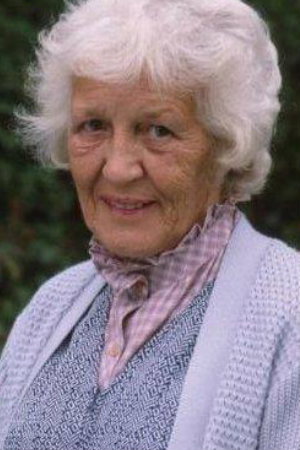
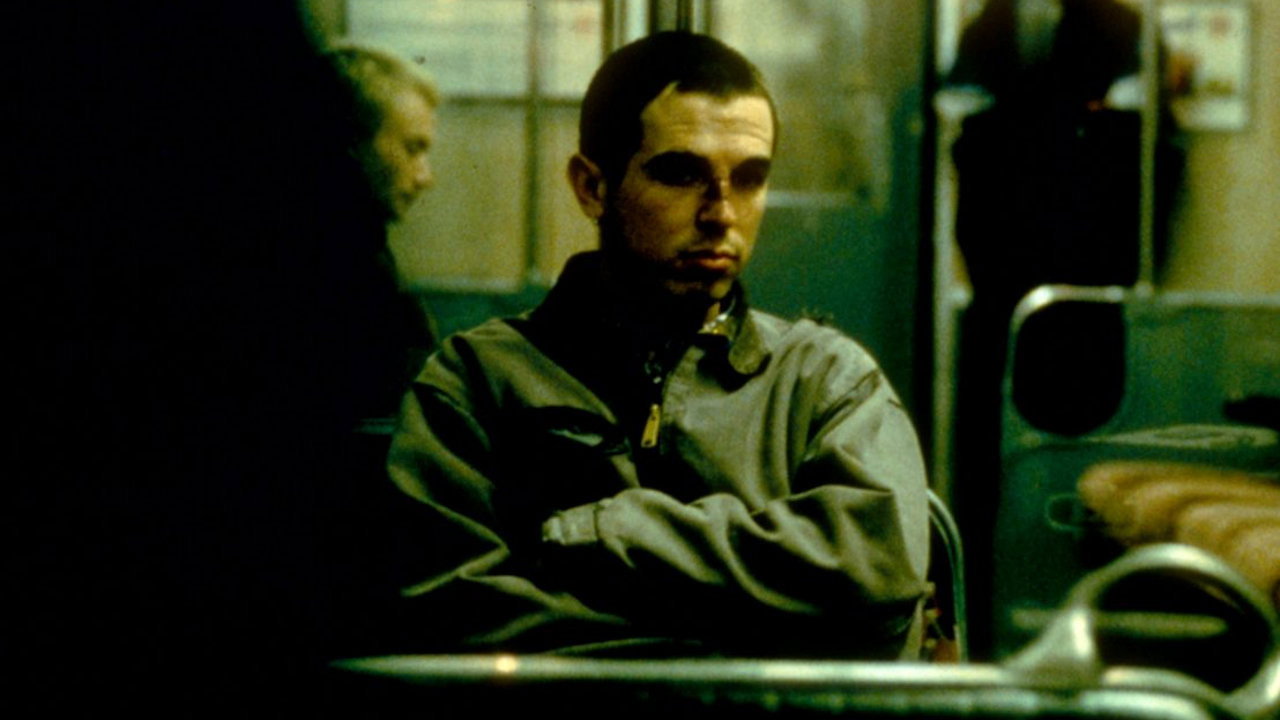
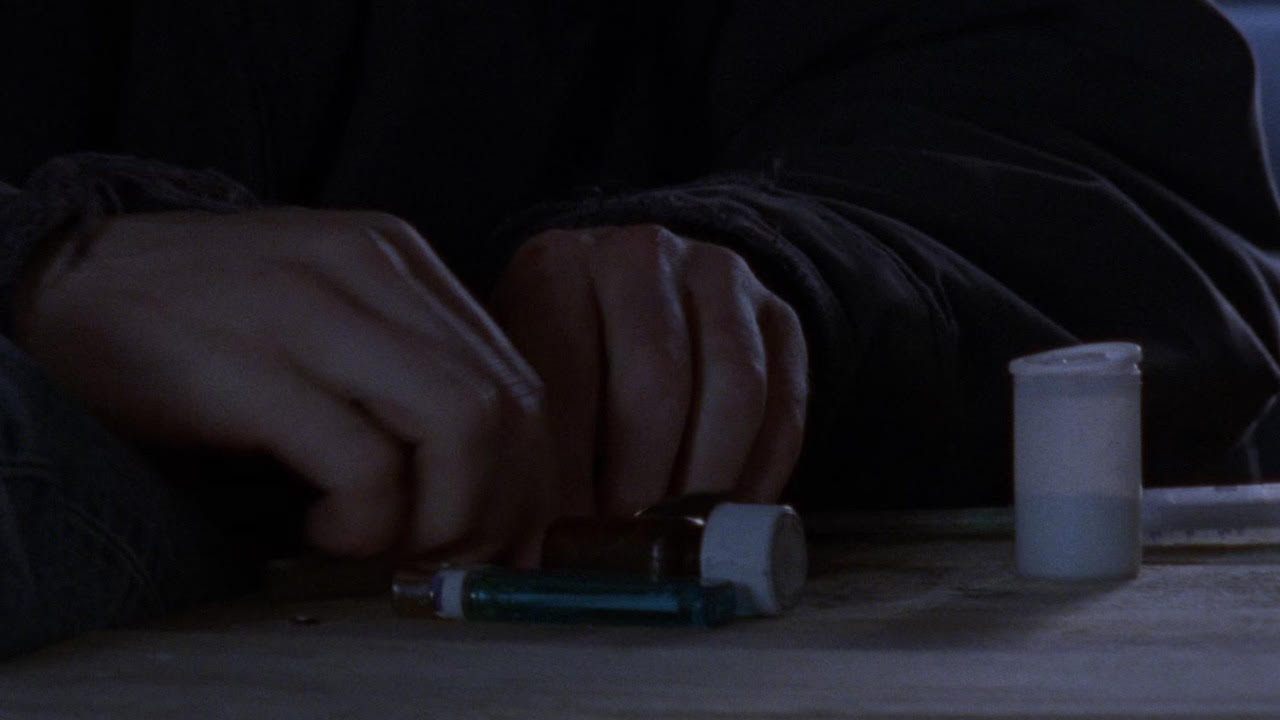
In south London, a working-class family lives with alcoholism, drug use and violence that repeatedly enters the home. Ray Winstone plays Ray, Kathy Burke plays Valerie and Charlie Creed-Miles plays Billy, with Laila Morse as Janet and Edna Doré as Kath. Family loyalty keeps people close while addiction and abuse put their relationships under strain. Humour remains part of daily life, alongside the work of surviving it. Written and directed by Gary Oldman, the drama follows people caught in cycles of harm, with particular attention to the women who have to endure the consequences.

Plays from YouTube when you press play; nothing loads from them until then.

Fi1m review

Gary Oldman’s family drama is gruelling, compassionate and worth the difficult evening, with Ray Winstone frightening and Kathy Burke deeply moving. It runs a little long, and an explanatory speech does work the actors have already done.

Gary Oldman’s Nil by Mouth is a distressing, compassionate drama that we recommend with a firm warning about its domestic violence. Oldman writes and directs a south London family story in which alcoholism and abuse have become part of ordinary life. He is interested in the people who keep going within that household, including the women whose endurance is too easily taken for granted. The humour matters, too, because the family can still enjoy one another’s company.

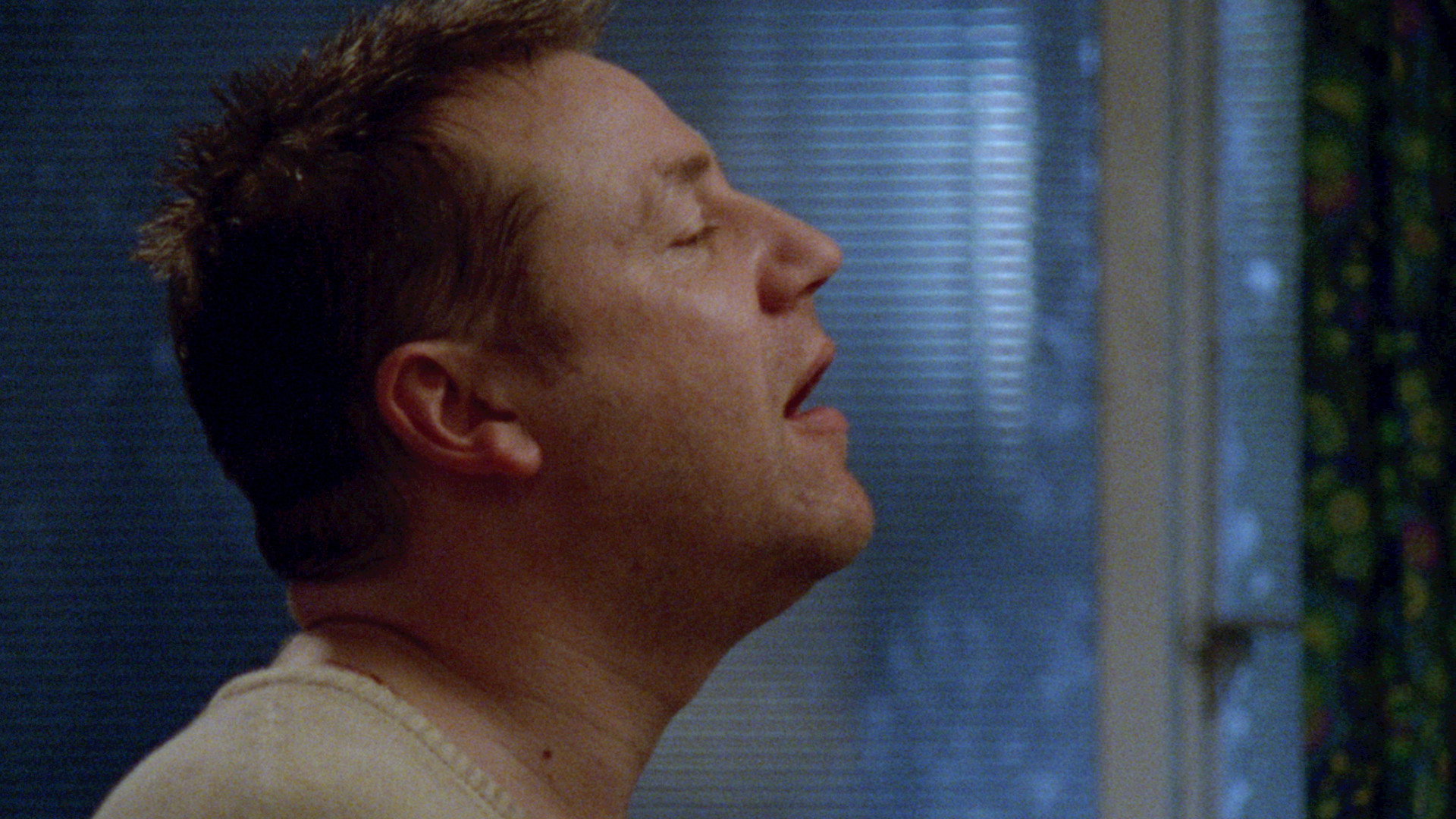
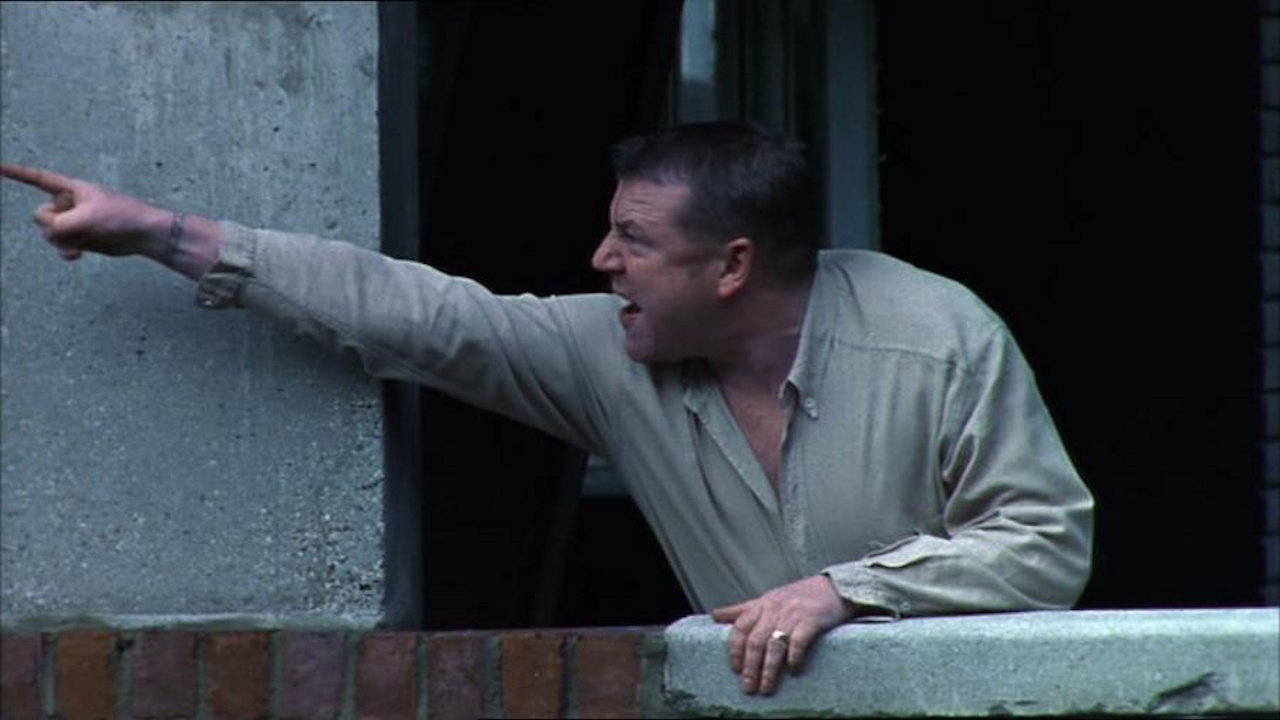
Ray Winstone’s Ray is hard to watch without becoming tense, because his aggression seems so familiar to the people around him. Winstone frightened us. He makes Ray recognisable without asking us to make allowances for the damage he does. Oldman keeps Ray within the same family life that contains the jokes and the loyalty, so the violence never becomes a separate attraction.

Kathy Burke’s Valerie gives the film much of its warmth, and stops suffering from becoming the only thing we know about this family. Burke makes endurance look tiring, and never asks us to applaud it. Her performance is moving because Valerie remains somebody whose company might be enjoyable, even when her circumstances are appalling. Charlie Creed-Miles, Laila Morse and Edna Doré help make the family feel particular, rather than a group assembled to represent social problems. Oldman’s writing gives them humour and the sound of south London speech.

Ron Fortunato photographs the tower-block surroundings in pale, grainy images that make them feel inhospitable. The lighting is carefully judged, so the roughness of the images does not mean losing sight of the people. Hugo Luczyc-Wyhowski’s production design makes the homes convincing without turning every room into a display of deprivation. The domestic spaces feel cramped by the people sharing them. That sense of enforced company makes the scenes at home harder to sit through.

Brad Fuller’s editing gives the performances room, although at 128 minutes the film sometimes makes the family’s exhaustion too much our own. We begin to feel the length once the misery has been firmly established, and further time in it does not always deepen our understanding. Eric Clapton’s music adds feeling that the voices have already supplied, and we could have done with less of that assistance. The dialogue can be painful enough on its own, even when the humour gives us a moment’s relief.

Oldman is less sure when he explains his characters, and one explanatory monologue briefly makes the writing too insistent. It tells us how to understand behaviour that the acting has already made intelligible. This is a small weakness in a social-realist drama that generally trusts people to be inconsistent, abrasive and still worth caring about. Its attention to the women’s endurance is especially valuable, because their lives remain important beyond what they reveal about the men.

The domestic abuse makes this a difficult choice for a shared evening, however much we admire the acting. It deserves the time, but there is no need to pretend that being willing to watch it is a test of seriousness. Leave a little quiet afterwards.

Critical consensus AI synthesised

84
Positive
6
Mixed
0
Negative
0

The consensus is strongly positive, with critics praising Gary Oldman’s debut for its honesty about family violence and working-class life in South London. Praise centres on Ray Winstone and Kathy Burke, whose performances make the brutality frightening while giving weight to the people enduring it. The reviews also value the vivid dialogue, raw images and attention to humour and loyalty, finding compassion in a film that offers little comfort.

The differences are mainly in the strength of the enthusiasm, with reservations about individual passages and the demands the film makes on its audience. The Independent notes minor problems in the final reels, while The New Yorker questions an explanatory monologue. Variety identifies the length and thick accents as possible barriers, but still praises the film’s generosity towards its characters; these are qualifications within a broadly favourable response, not objections to its bleak subject matter.

The Times
4 November 2022 · ★★★★★ · Kevin Maher
100

The critic describes the film as an extraordinary quasi-autobiographical account of south London male violence and domestic abuse cycles, singling out Ray Winstone’s terrifying, dense performance as the defining element alongside Kathy Burke’s grace note.

Read the full review →
The Guardian
3 November 2022 · Peter Bradshaw
90*

The critic calls the film a blistering, wrenchingly emotional social-realist tragedy and urban pastoral about family violence and emotional aridity, praising its formal accomplishment, energy, and the full-tilt performances, especially from Ray Winstone and Kathy Burke.

Read the full review →
The Independent
11 October 1997
85*

The critic calls it the most arresting British film of the year and a major achievement, hailing its gritty witty script, blistering lead performances and raw cinematography. They single out the harrowing yet plausible depiction of a dysfunctional family and the skilful lighting of the tower-block settings, while noting minor issues with the final reels.

Read the full review →
Empire
1 January 2000 · Neil Jeffries
80*

The critic finds Oldman's directorial debut hard to watch but compelling and unforgettable, praising its realistic and stylish portrayal of violent working-class life in South London. They single out the awesome performances from the entire cast, especially Burke and Winstone, and the way the film exposes the downward spiral of abuse and deprivation.

Read the full review →
The AV Club
29 March 2002 · Joshua Klein
70*

The review praises Oldman's directorial debut as an intense, unsettling semi-autobiographical portrait of working-class English life that achieves documentary-like realism through grainy footage and natural performances. It singles out the warts-and-all approach to issues like drug use and domestic violence, noting the film avoids glossy melodrama while showcasing Oldman's passion behind the camera.

Read the full review →
Los Angeles Times
6 February 1998 · Kevin Thomas

The critic hails Oldman's raw, vital debut as a compassionate look at impoverished South Londoners enduring domestic violence, addiction and dead-end lives. He singles out the ensemble performances and the director's feel for the characters' loyalty and humor amid brutality.

Read the full review →

Cast

Stills

Awards

European Film Award for Best Cinematographer, 1997

Nominated
European Film Award for Best Cinematographer

If you liked this, try…

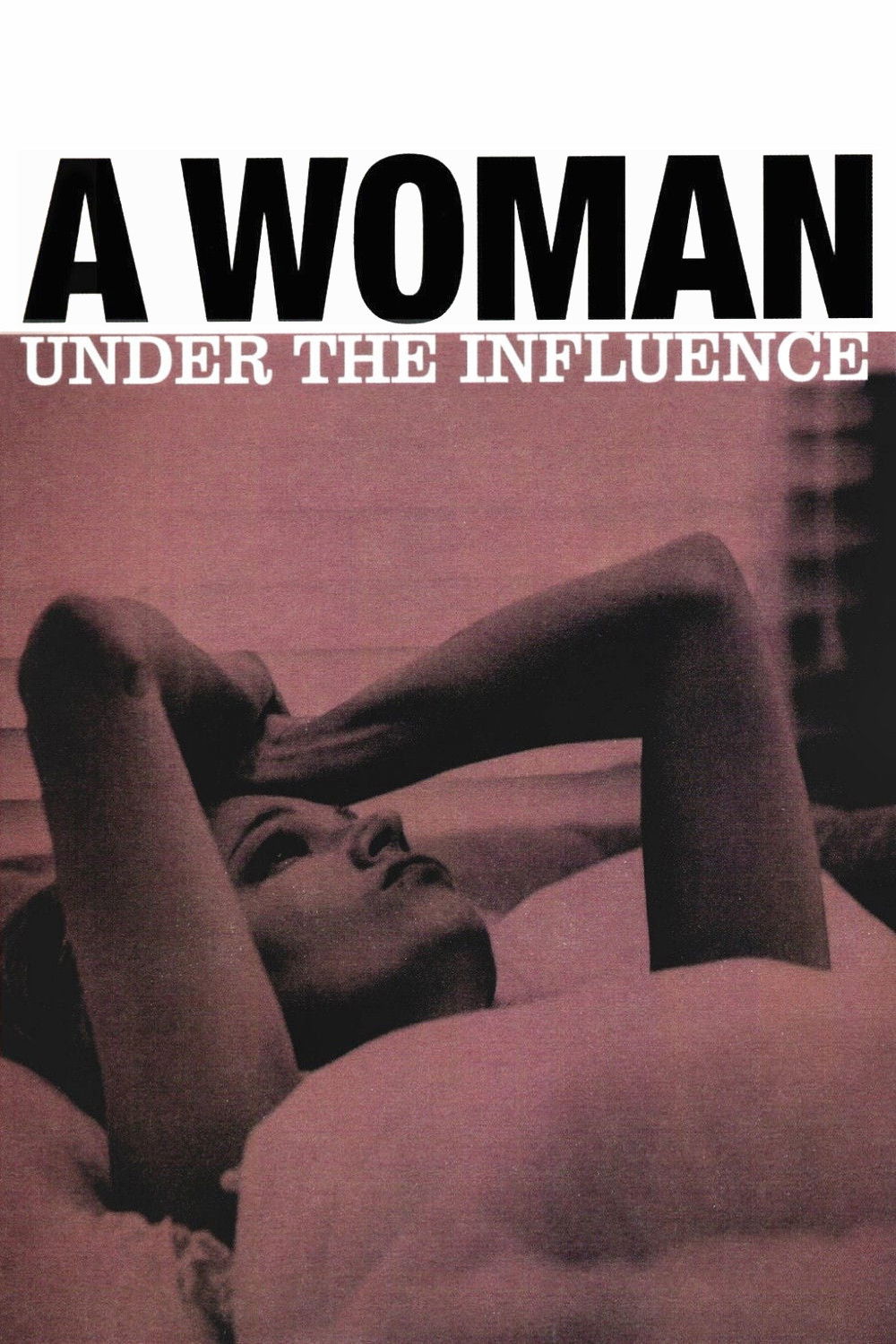
A Woman Under the Influence poster

A Woman Under the Influence

1974 · For another family drama where difficult behaviour never cancels the need for care.

Once Were Warriors poster82

Once Were Warriors

1994 · Another close look at domestic brutality, with the women given proper weight.

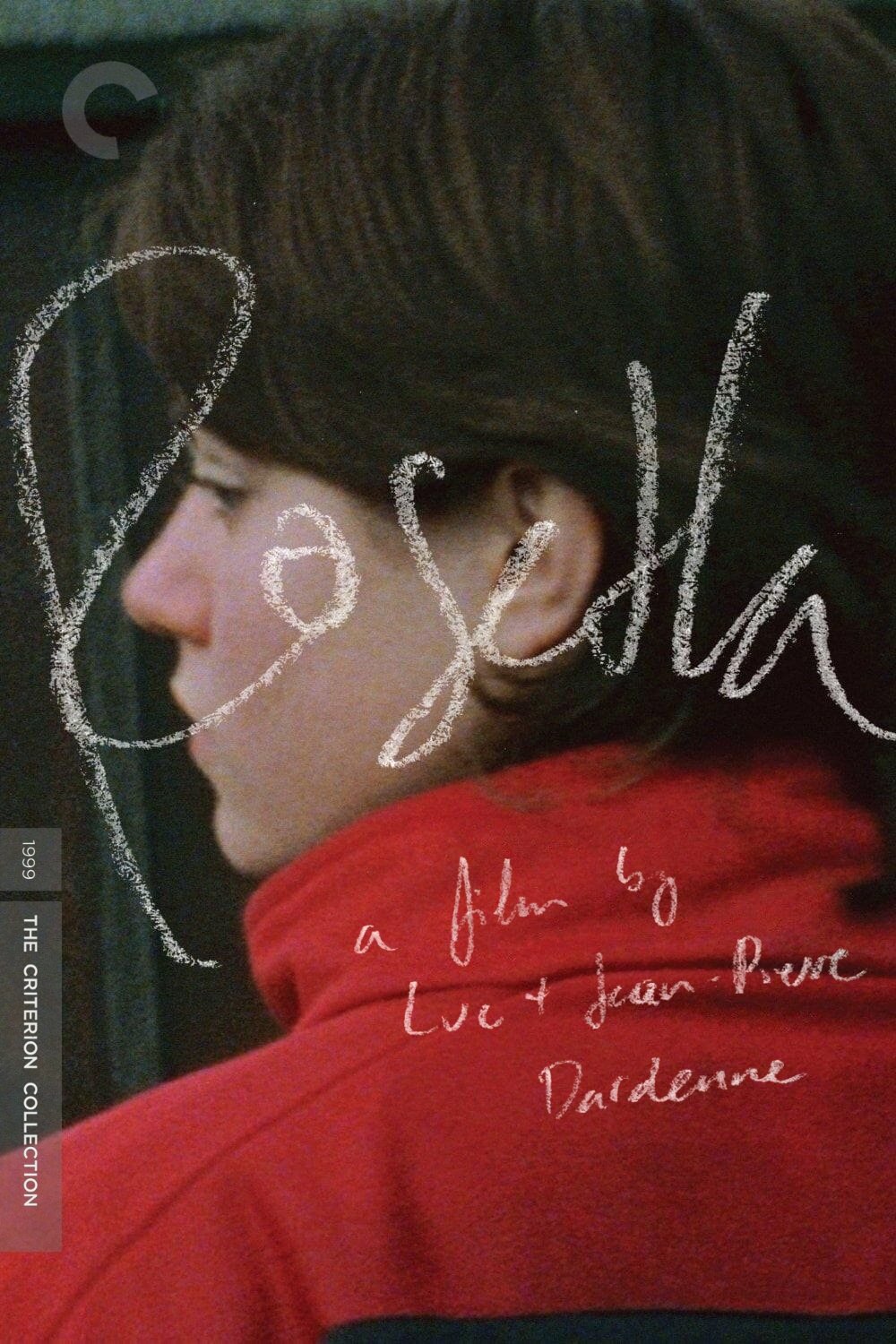
Rosetta poster

Rosetta

1999 · For a young woman’s exhausting struggle to get and keep a job.

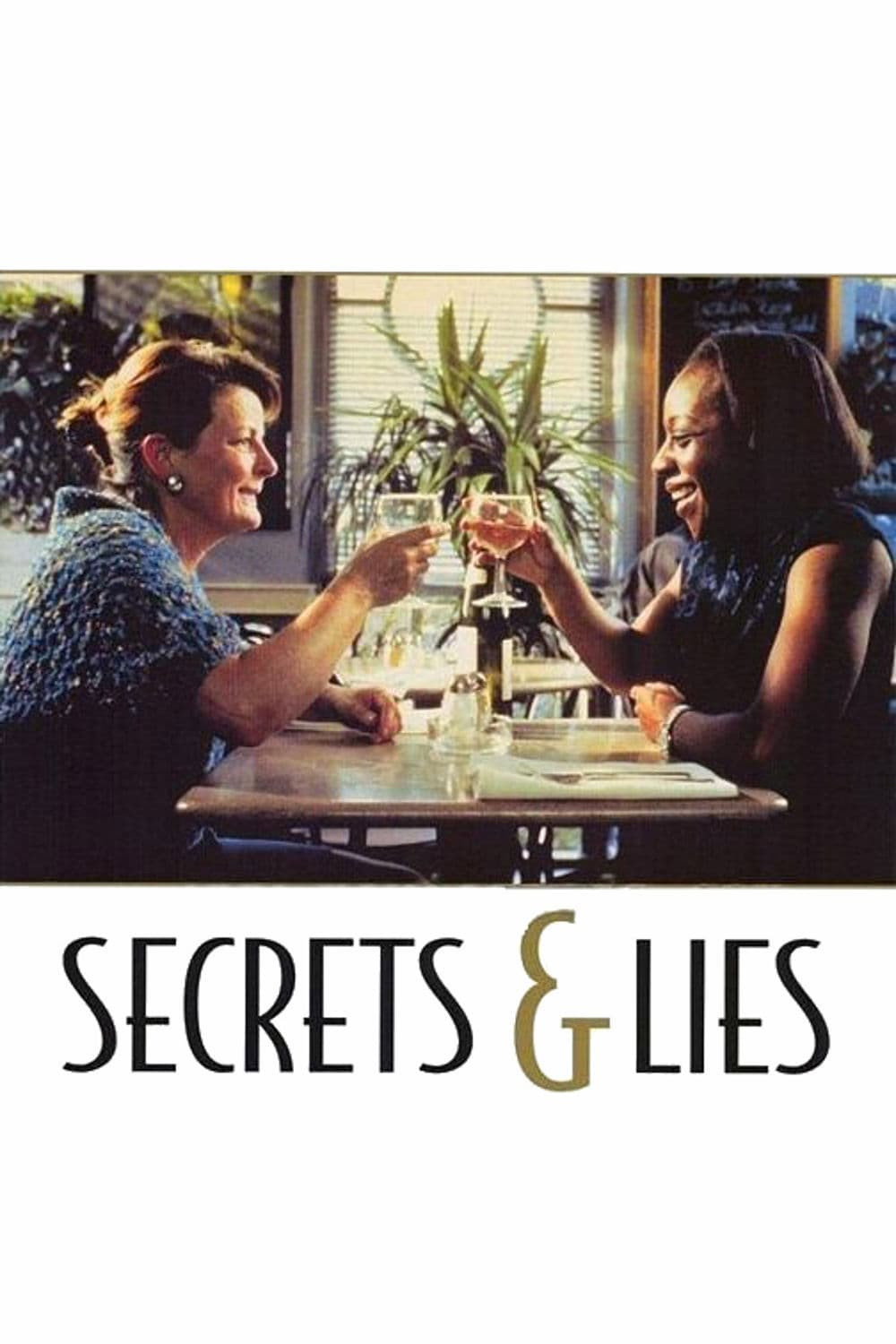
Secrets & Lies poster88

Secrets & Lies

1996 · More room to laugh, with equally close attention to a family’s hurts.

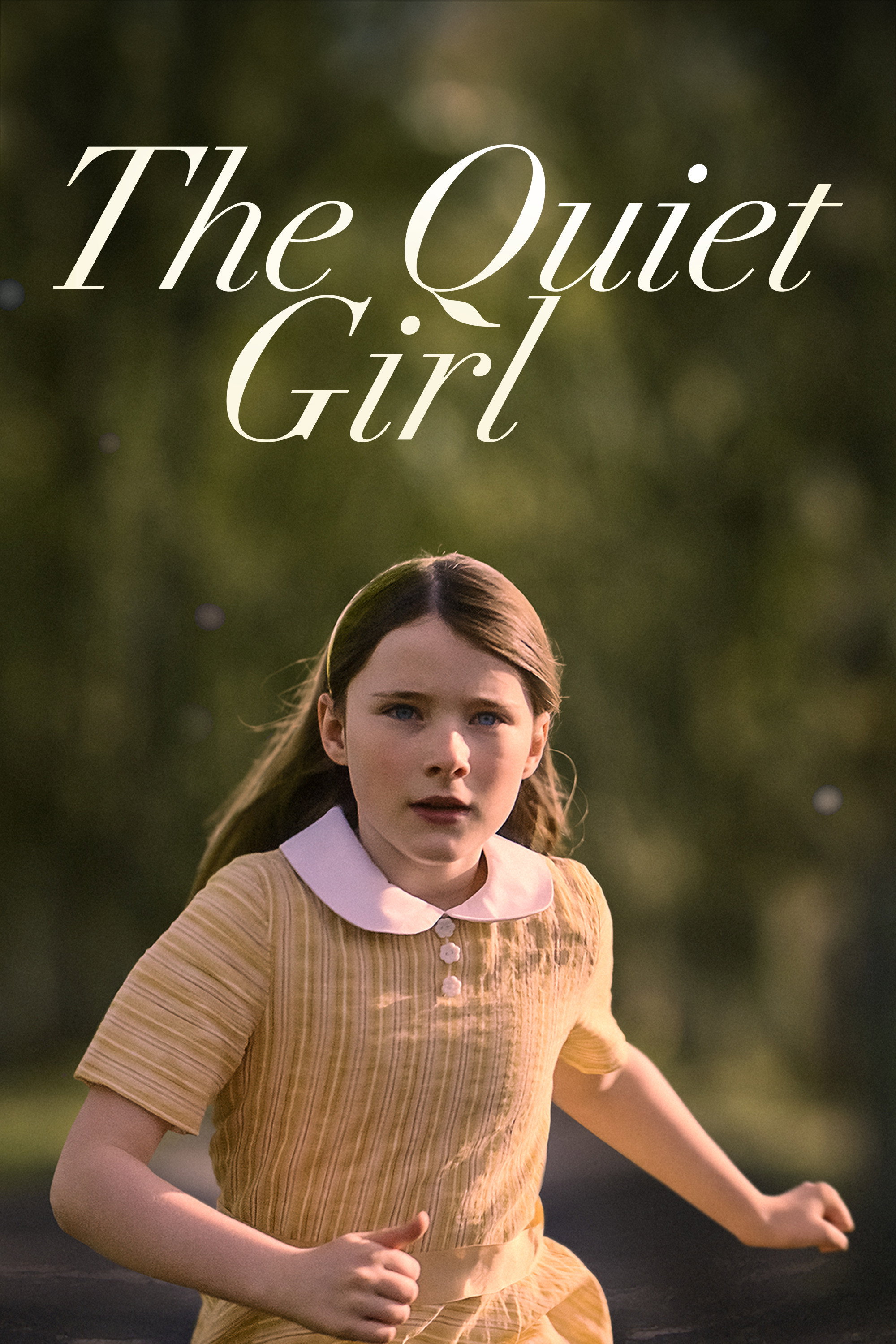
The Quiet Girl poster

The Quiet Girl

2022 · A quieter account of neglect, attentive to the practical business of kindness.