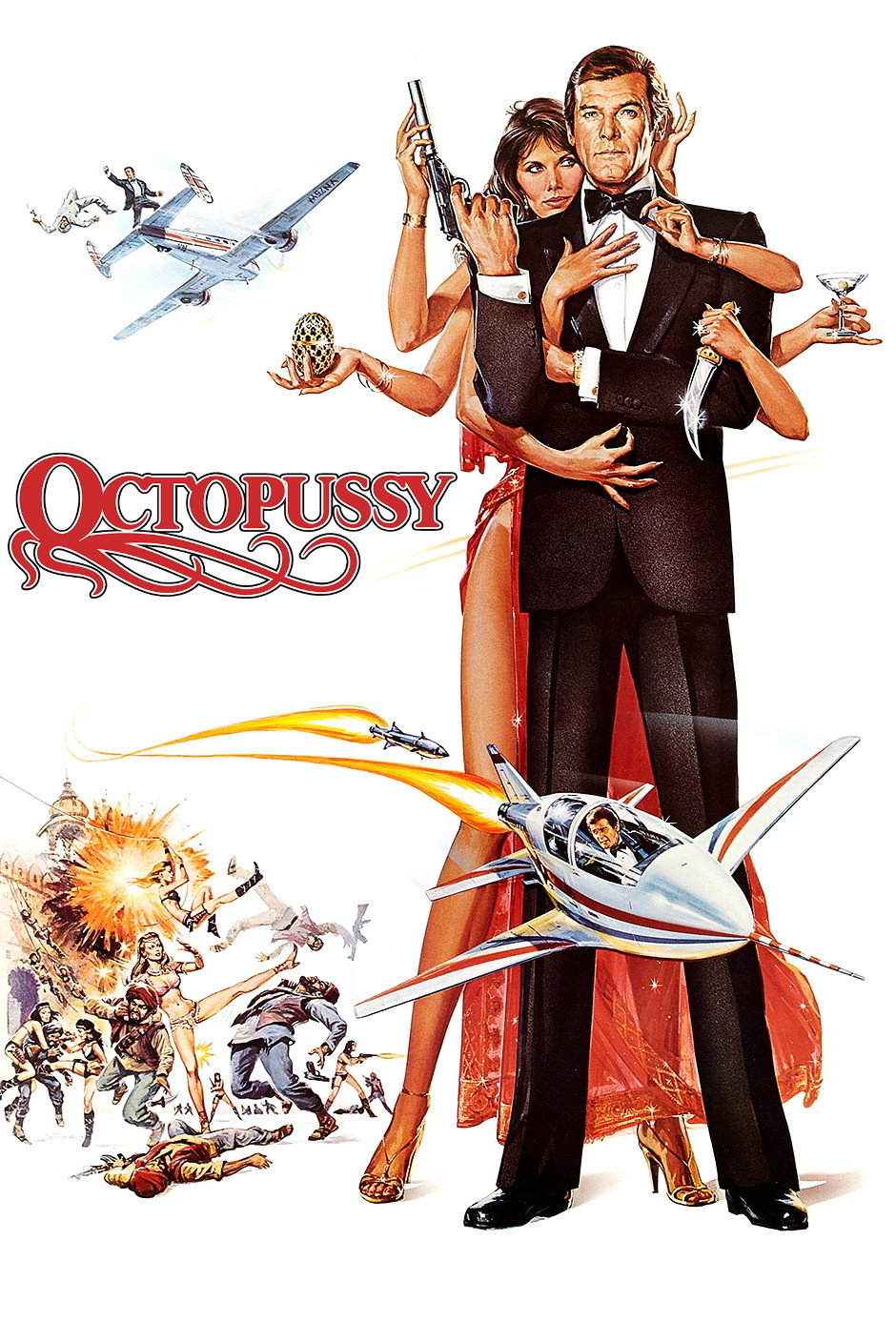
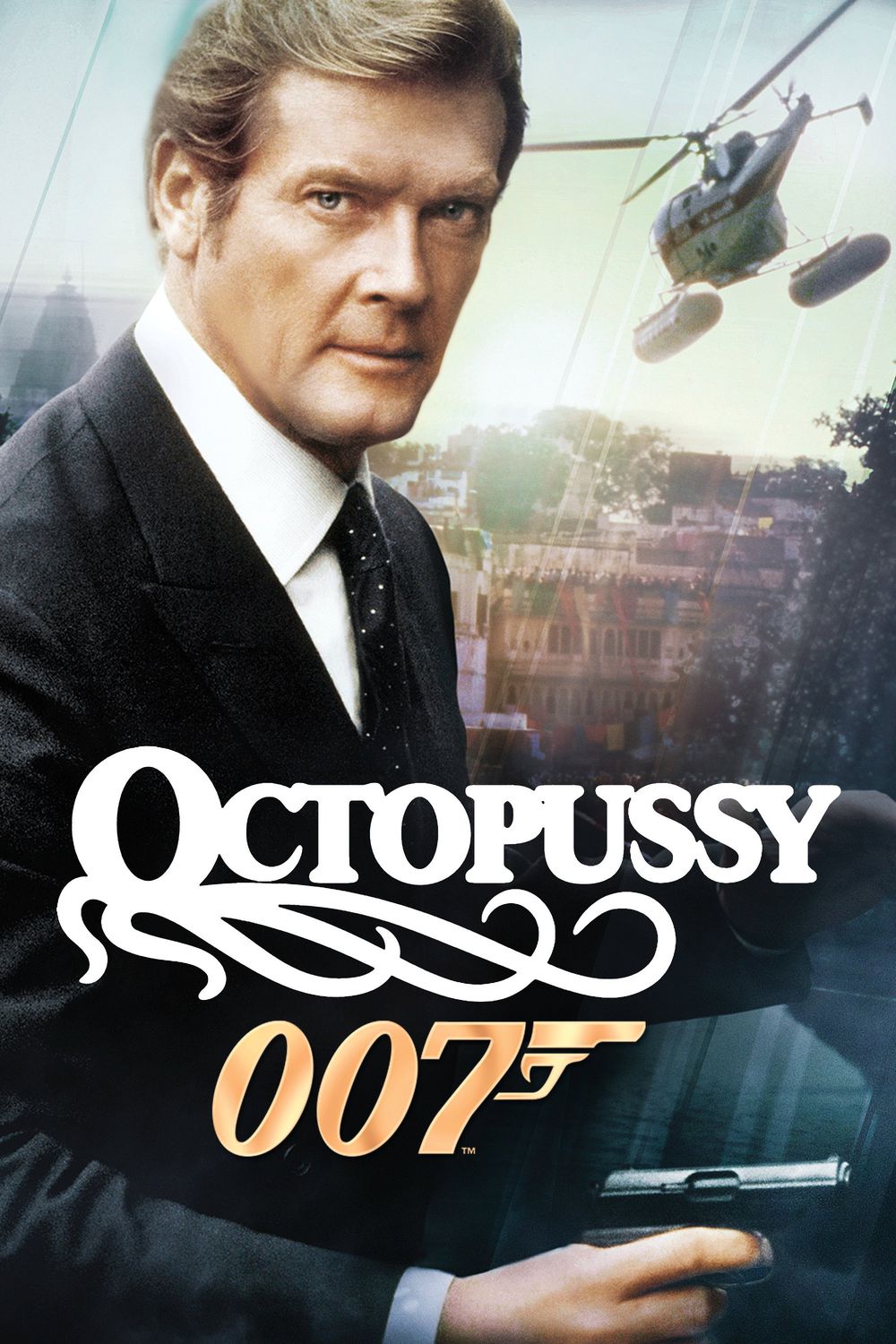
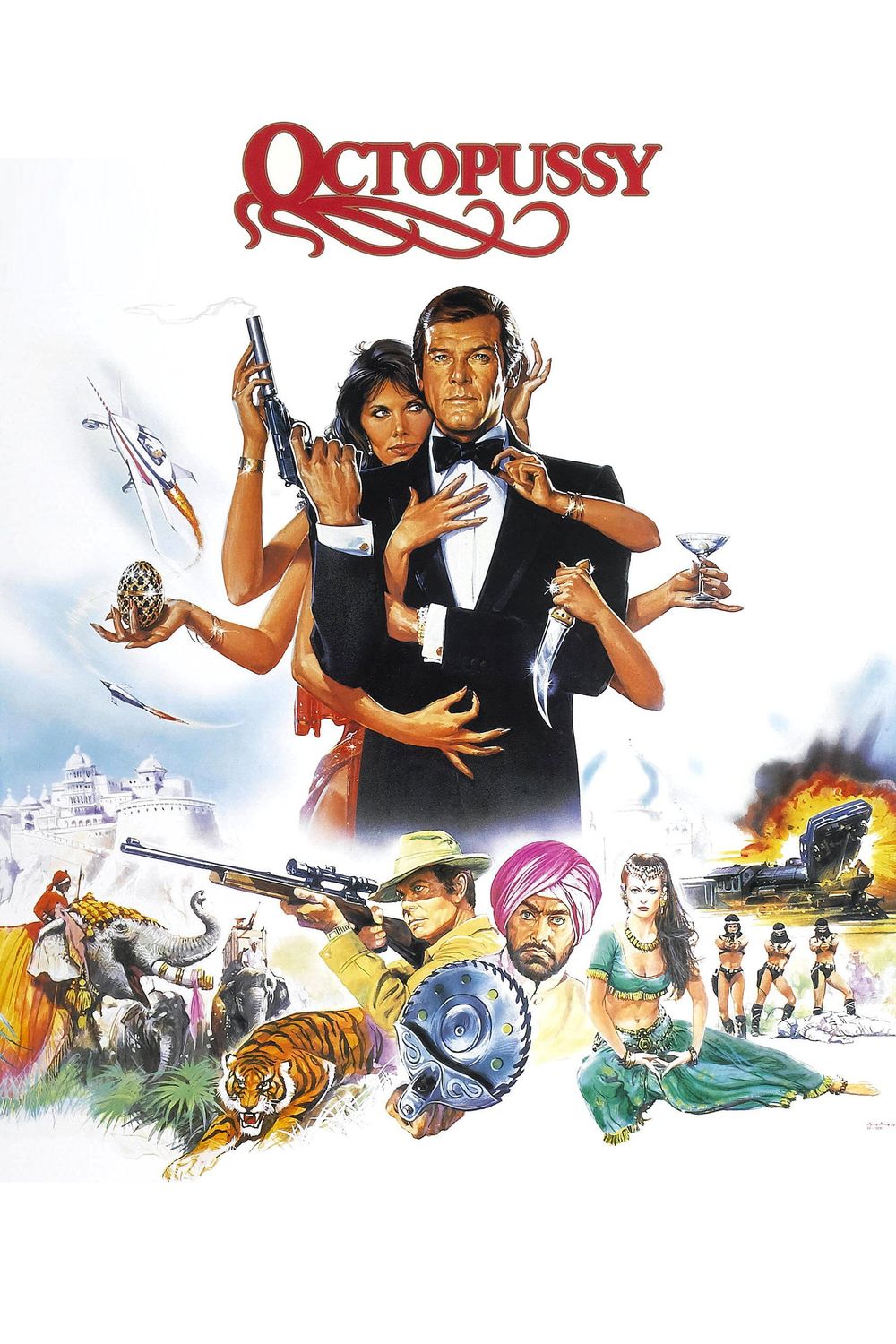
John Glen’s Bond film has a proper Cold War plot at the bottom of it and keeps burying it under jokes. India looks splendid, Louis Jourdan and Steven Berkoff are good value, and Roger Moore is running out of road. One for the fond.
John Glen’s Bond film has a proper Cold War story underneath it. James Bond (Roger Moore) is sent after Kamal Khan (Louis Jourdan), a smooth, well-funded operator based in India, and behind Khan stands a Soviet general, Orlov (Steven Berkoff), who wants the Red Army in Western Europe. The screenplay, by George MacDonald Fraser, Richard Maibaum and Michael G. Wilson, knows this is a good spine for a thriller. It then keeps losing its nerve about it.
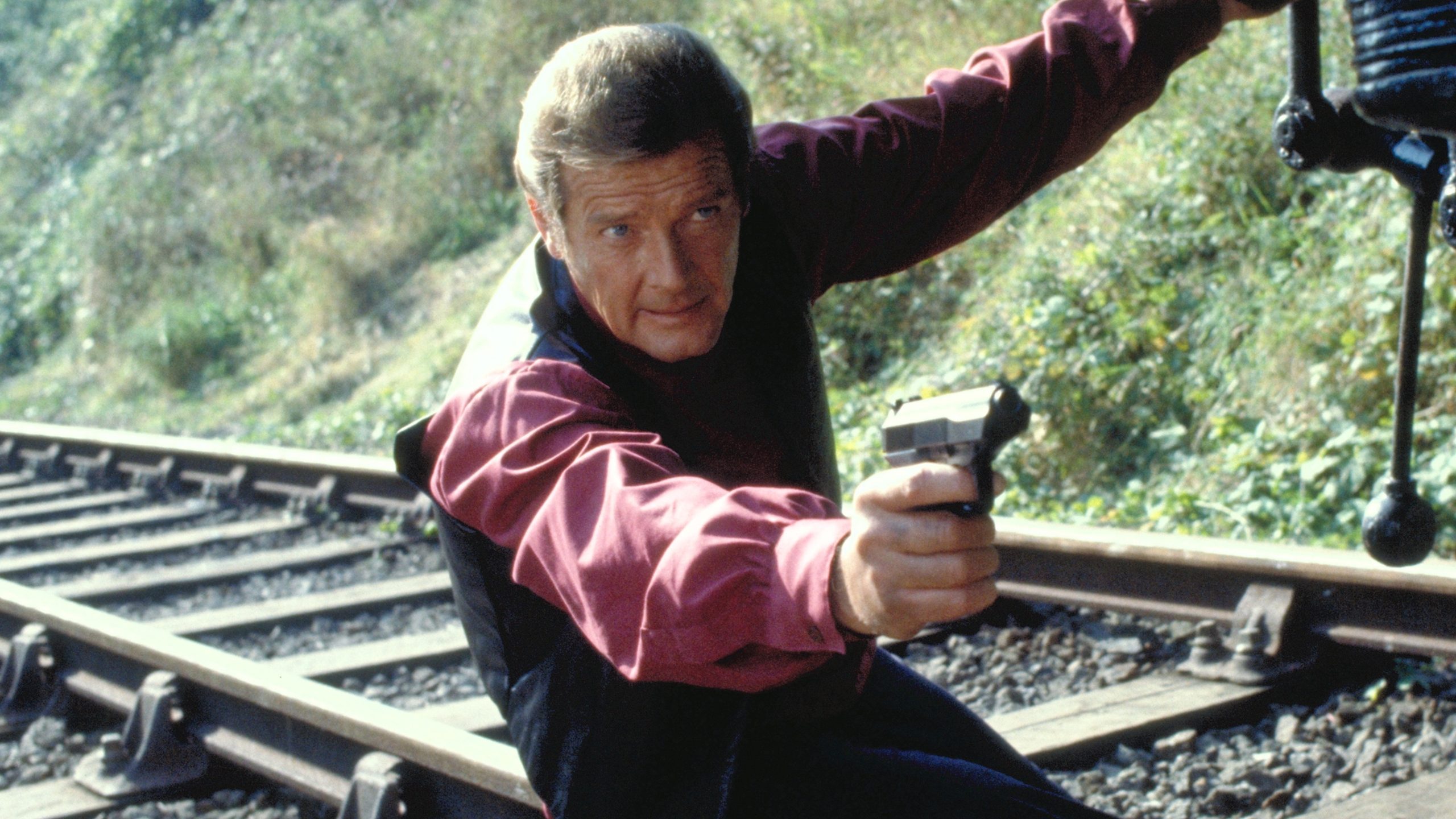
The pre-credits sequence is aerial stunt work, and it had us gripped in the old way. Alan Hume keeps the horizon in the frame so that we always know how far there is to fall, and for a few minutes nobody is joking. The film never asks us to feel anything like it again. Within the hour the gags have taken charge, and Moore is playing a man to whom danger is something that happens to other people.
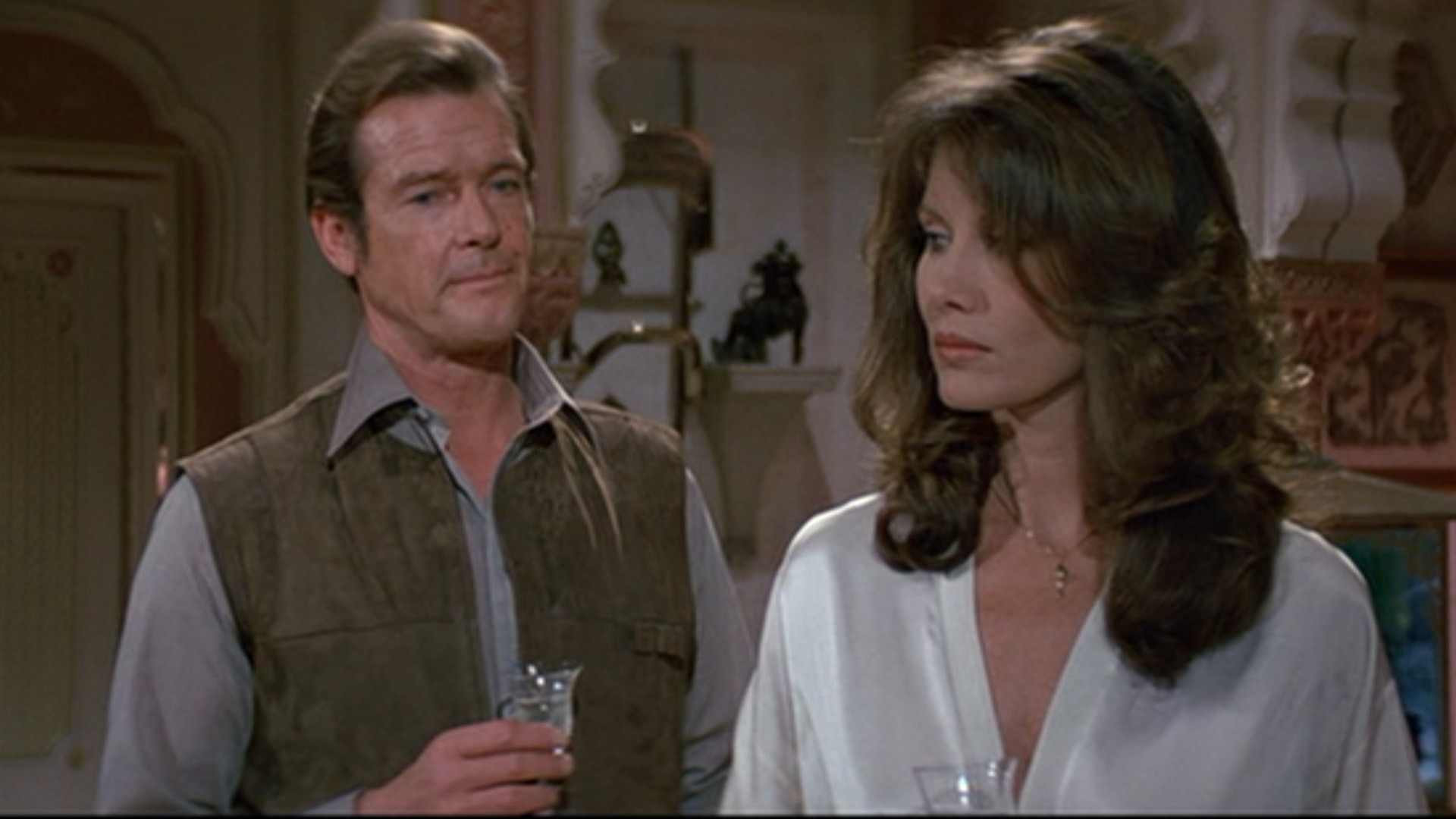
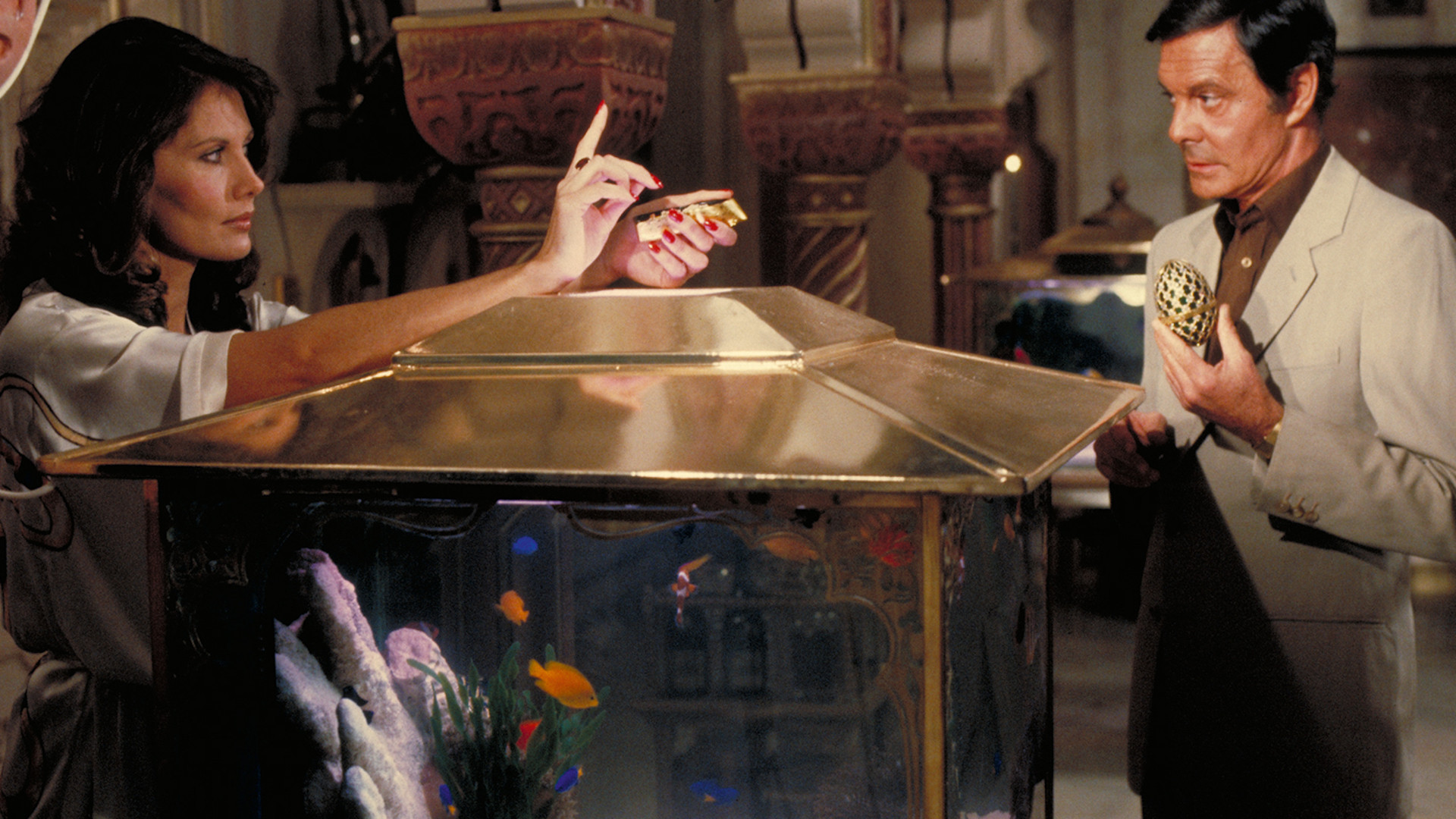
India is the film’s great asset, and Hume and Peter Lamont make the most of it. The palace on the lake where Octopussy (Maud Adams) lives is shot in the gold of early evening, and Lamont fills the rooms with brass, silk and a bed the size of a small boat. Khan’s hilltop palace is white stone and empty courtyards. Emma Porteous dresses the palace in red saris and Khan in high-collared suits, and never once lets him look warm. The chase through the streets, cut fast by Henry Richardson and Peter Davies, is the film’s best sustained action, half stunt and half slapstick and honest about being both.
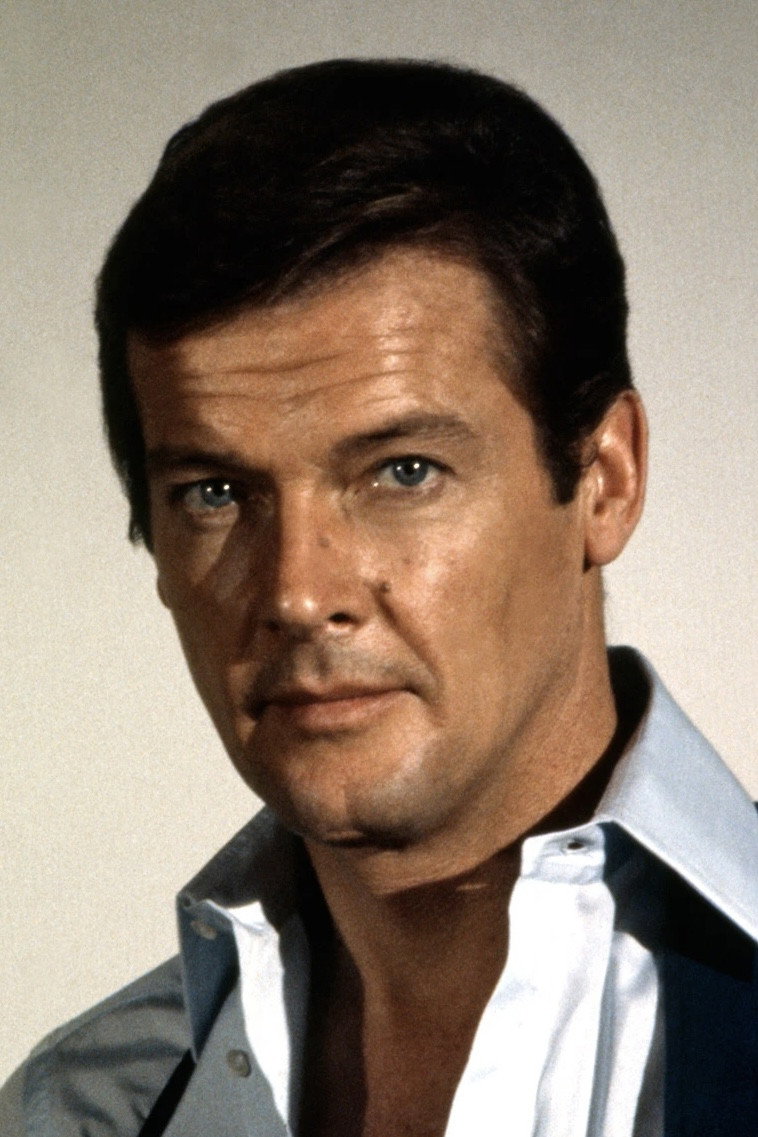
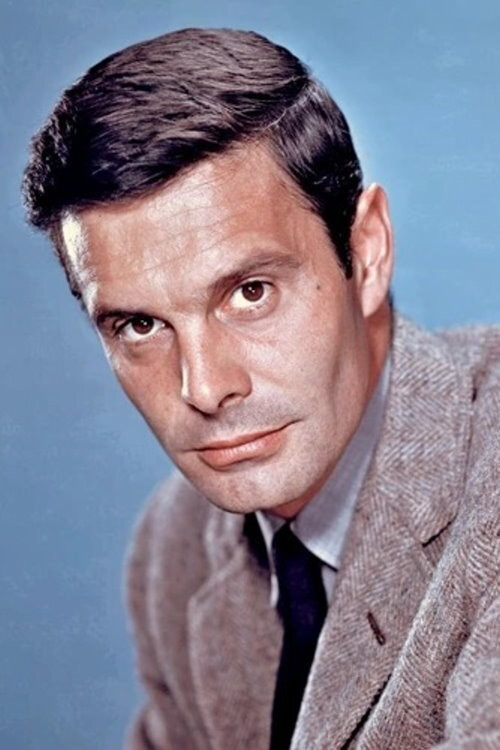
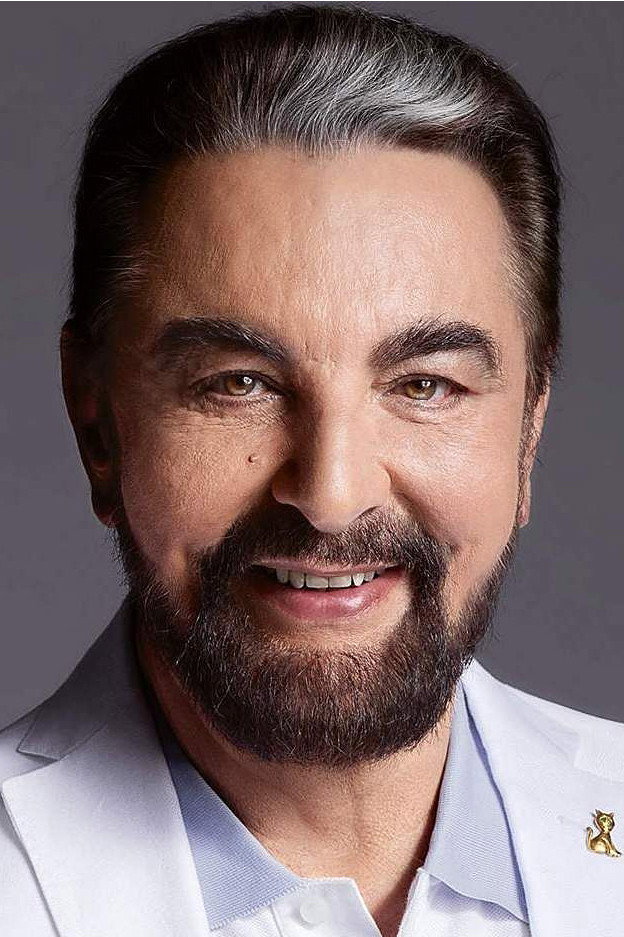
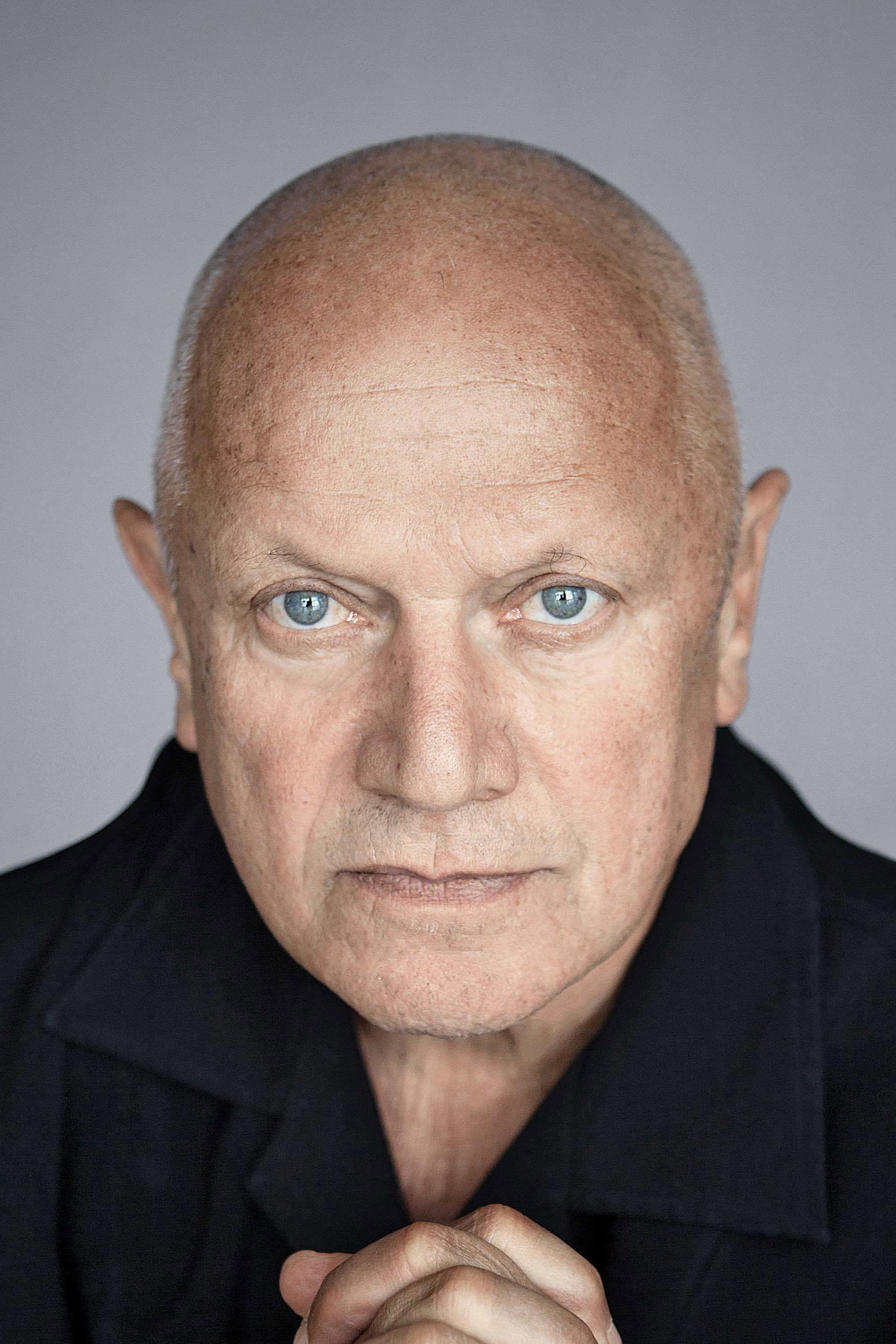
Jourdan is a pleasure: silk-voiced, unhurried, never raising his voice even when he is losing. Berkoff plays Orlov at full volume, pounding tables and shouting about Europe, and the two of them together are an odd, workable pair. Kabir Bedi’s Gobinda crushes dice in his fist and says almost nothing, which suits him. Moore was 55 when the film opened, and it shows in the fights, which are cut around him, and in the love scenes, which are cut around everyone. He is still good at the raised eyebrow and the dry line. He is less good at being in danger, because the film no longer believes he is.
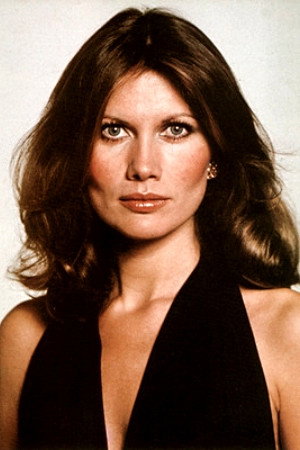
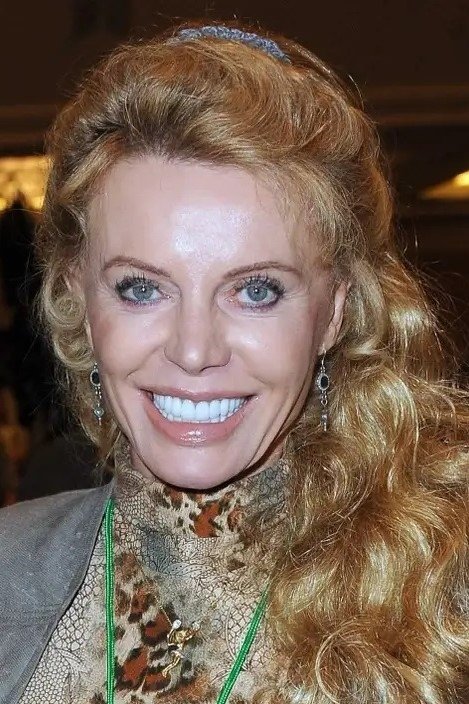
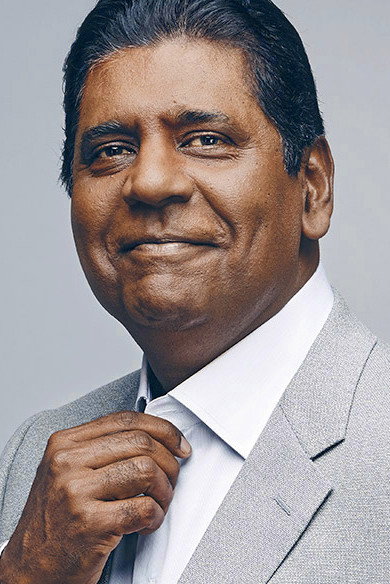
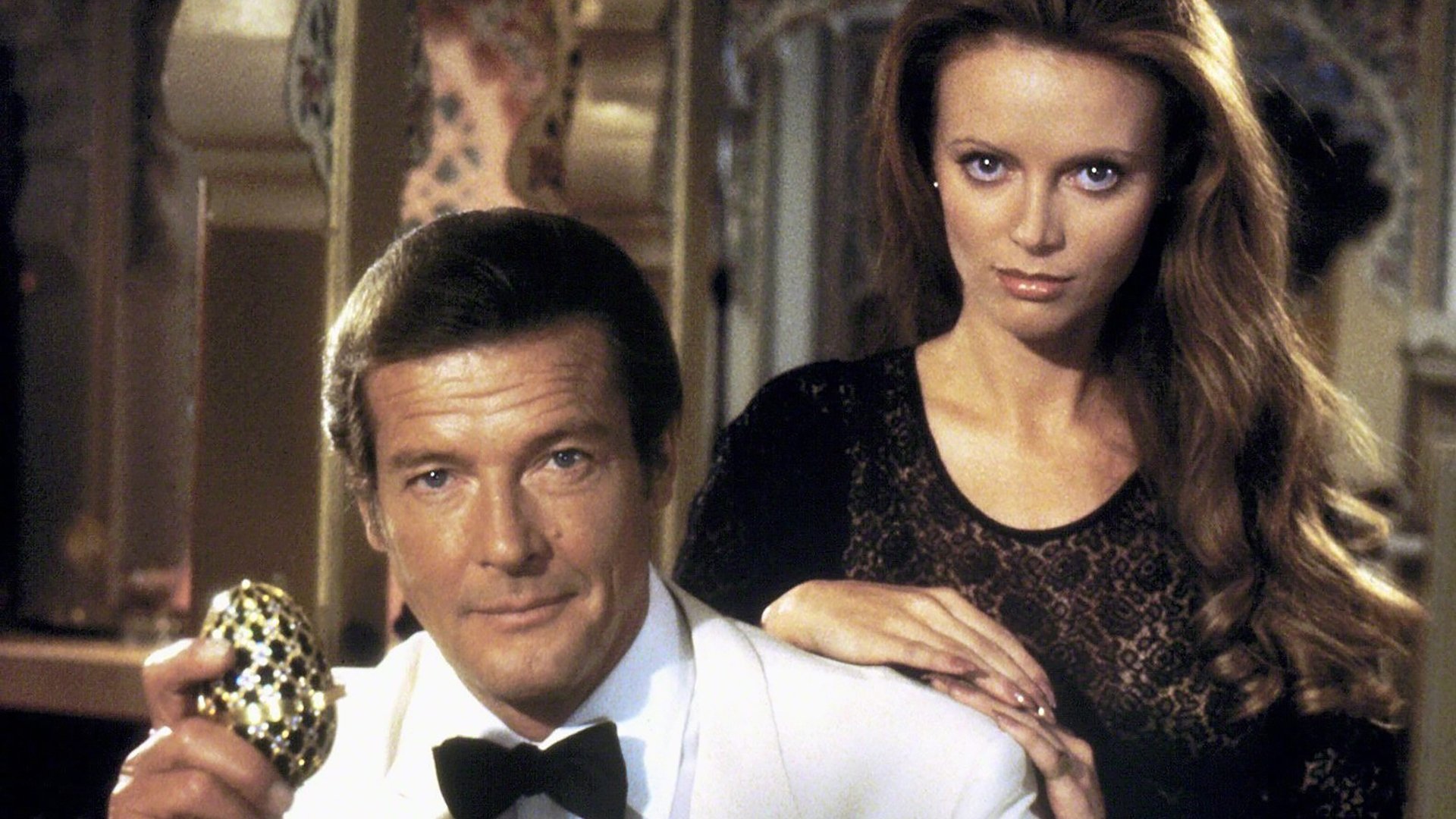
Adams plays the title character as a businesswoman who has made her peace with smuggling, and she and Moore are easy together, two adults with a history they are too polite to raise. Kristina Wayborn’s Magda gets the best exit in the film, down a balcony by way of her sari. Neither woman is given much to want beyond Bond, and the octopus cult is decoration rather than anything the film wants to think about. Vijay Amritraj is a cheerful sidekick and the target of several of the film’s weaker jokes, which tells you the level of the humour.
John Barry’s score is warm and brassy and does most of the work of persuading us the stakes are real, and the title song, All Time High, is a lovely tune. Around the middle, after Bond has been captured, the film loses its pace. We were bored for a stretch of twenty minutes, and bored by a film that has the fate of Western Europe on the table, which takes some doing. The last act gets the pace back, and we will not describe it beyond saying that it asks Moore to do things no Bond should be asked to do. It runs 131 minutes and carries a PG.
Glen moves the globe-spanning material along capably, and the gadgets are back in force. It opened in Britain on 5 June 1983, the same year as the rival Never Say Never Again, and it is the better-made of the two by some distance, which is not the same as being good.
See it for Jourdan, for India and for the opening, and bring someone who can forgive a joke at the wrong moment.