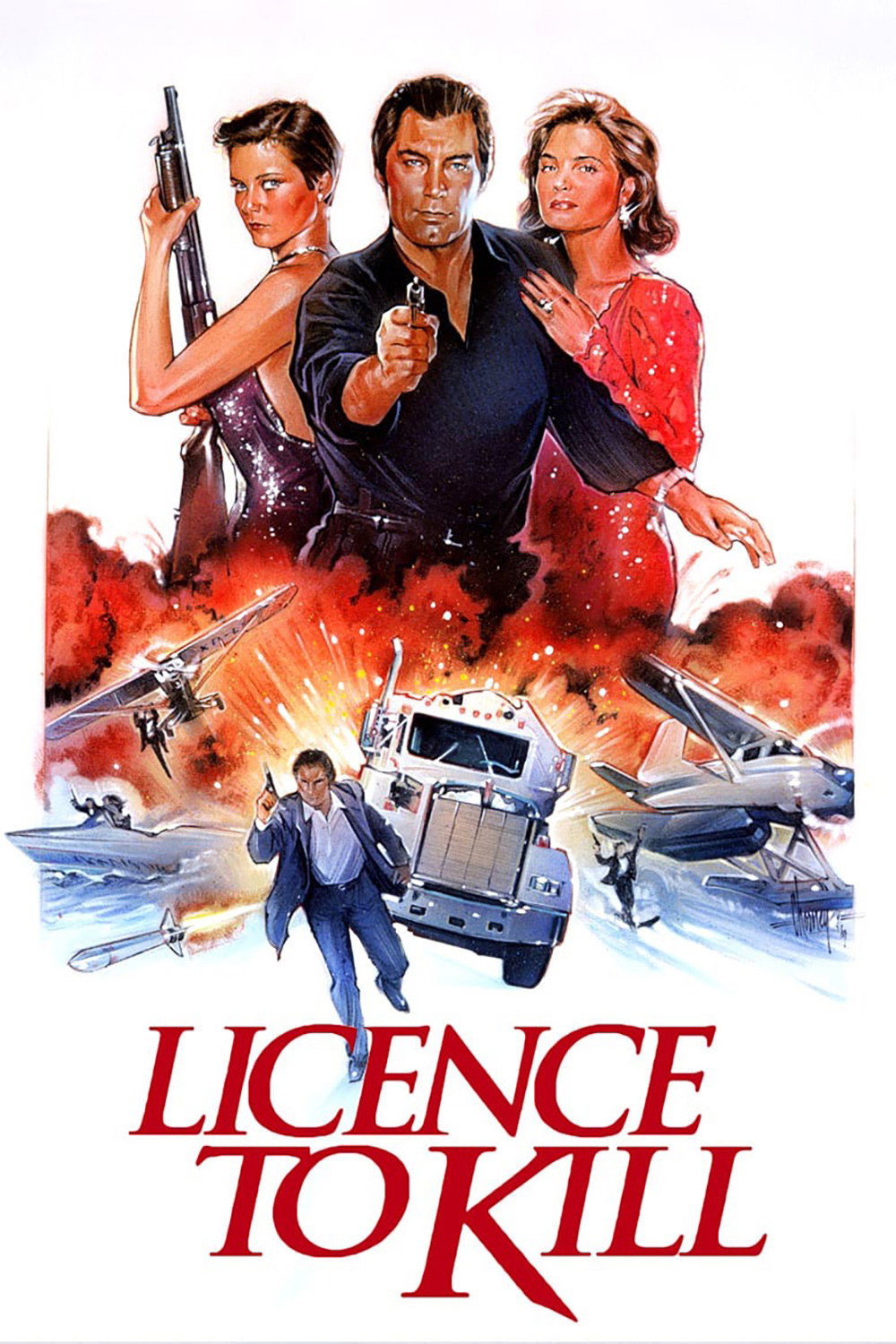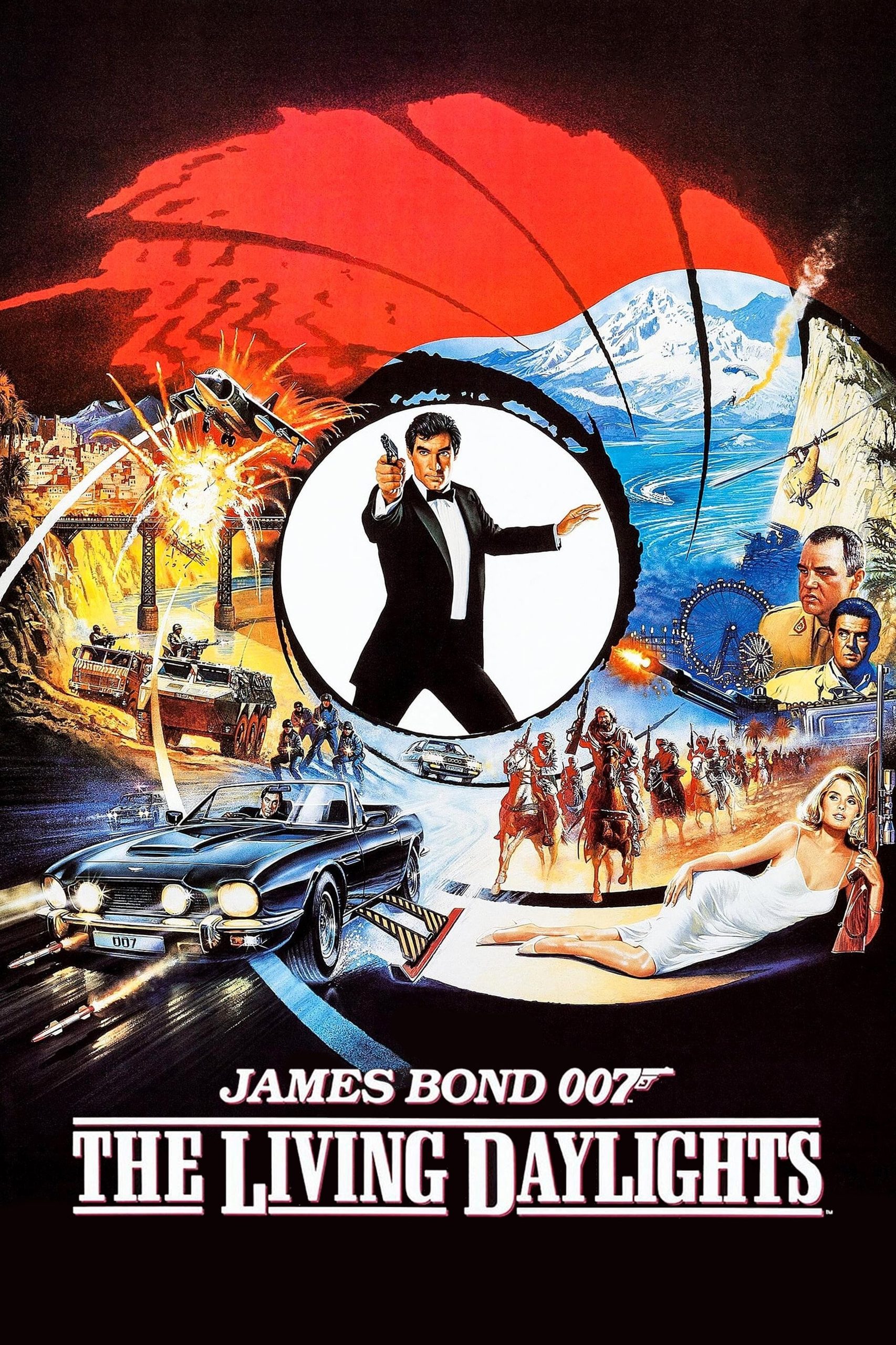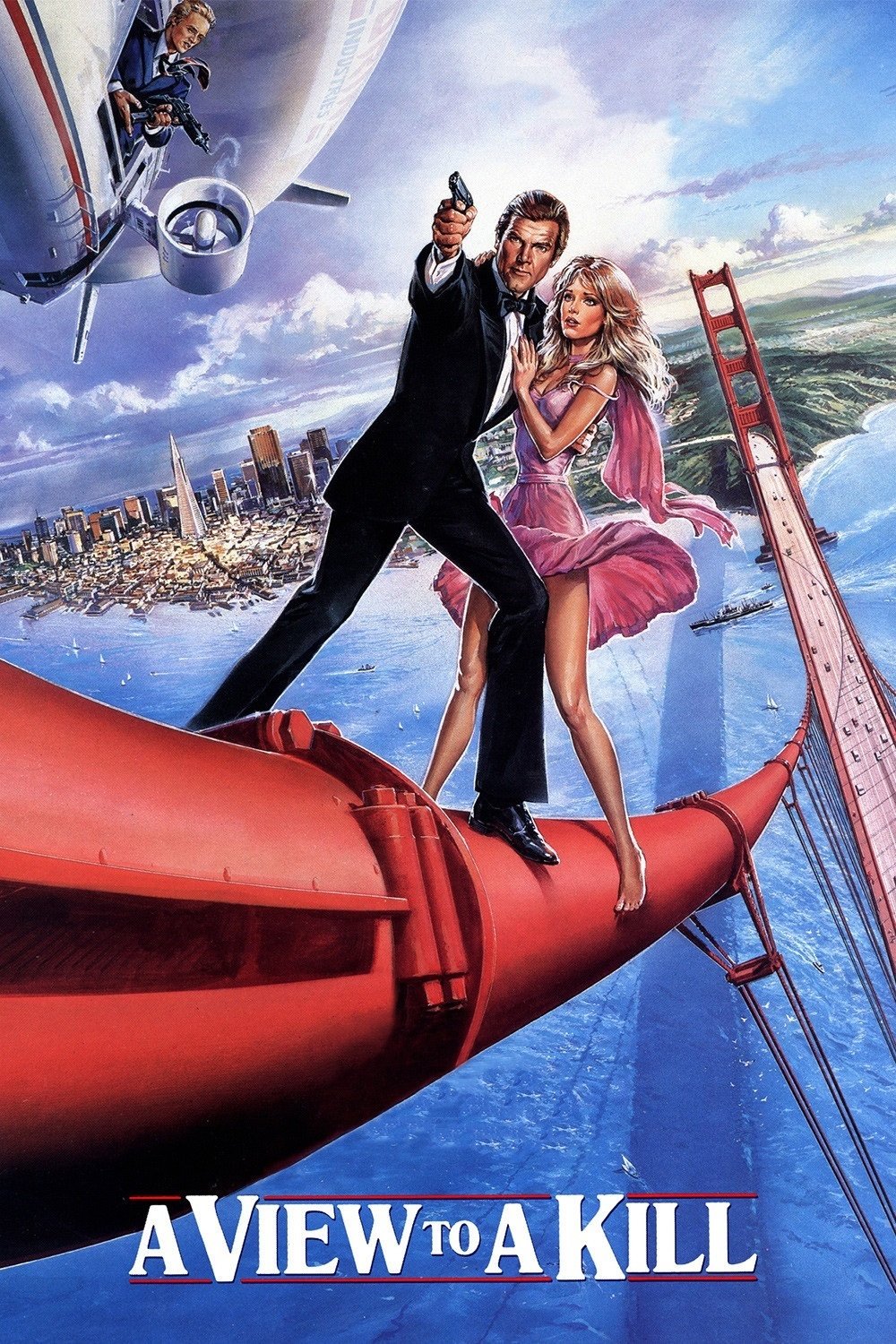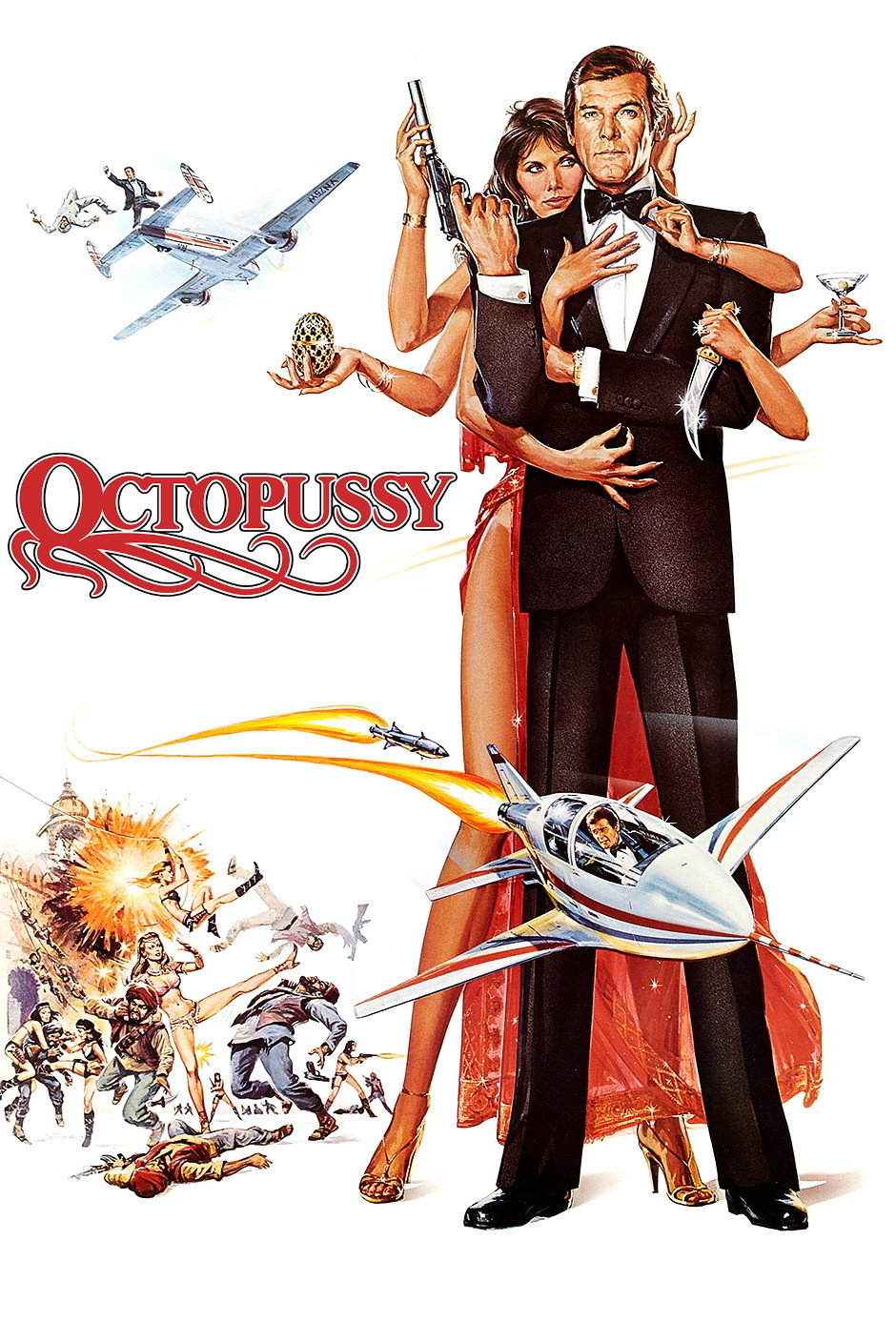
John Glen edited Bond before he directed it, and his five films run on what an editor values: a stunt you can follow, a fall you can hear, a joke bolted on before the next one. Reliable, physical, and rarely surprising.
Fi1m perspective
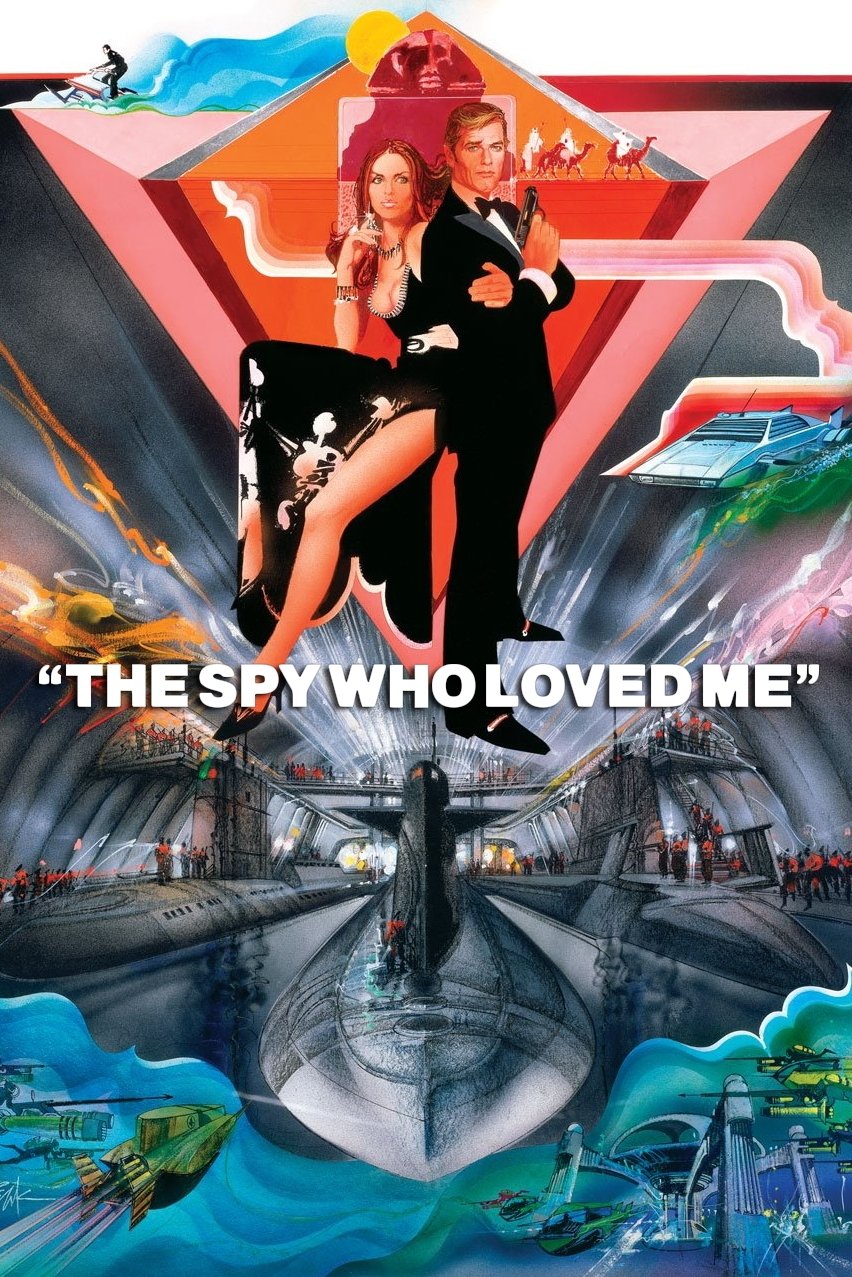
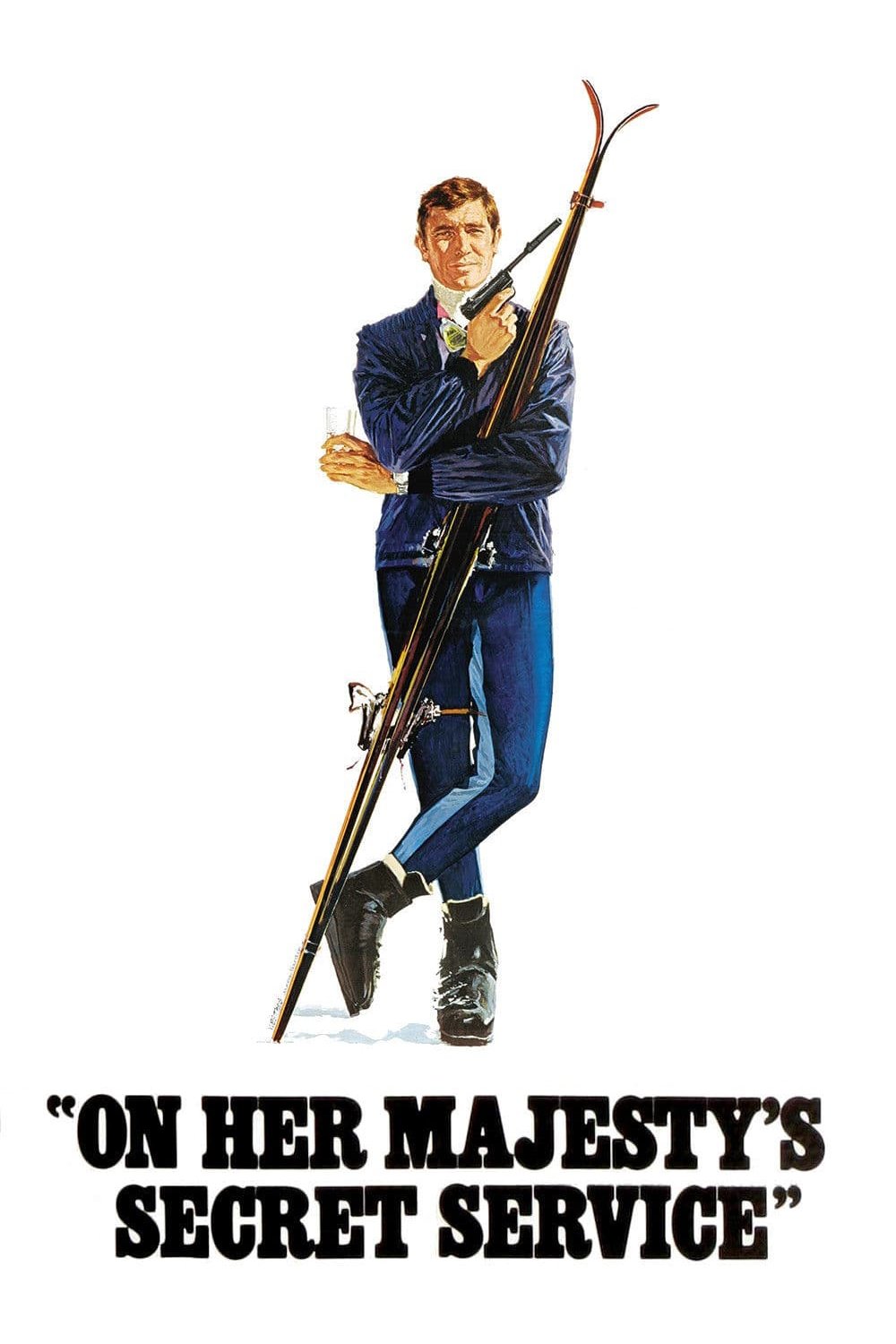
Somewhere in every John Glen Bond film a startled animal jumps at the camera, usually a pigeon, and somewhere in every one of them a man falls a long way and gives the same scream on the way down. Those two habits tell you most of what you need to know. Glen thinks in cuts and in sound effects because that is where he started, as editor and second unit director on On Her Majesty's Secret Service (1969), The Spy Who Loved Me (1977) and Moonraker (1979). The bobsled run in the first of those was his work, and it helped get him the chair.
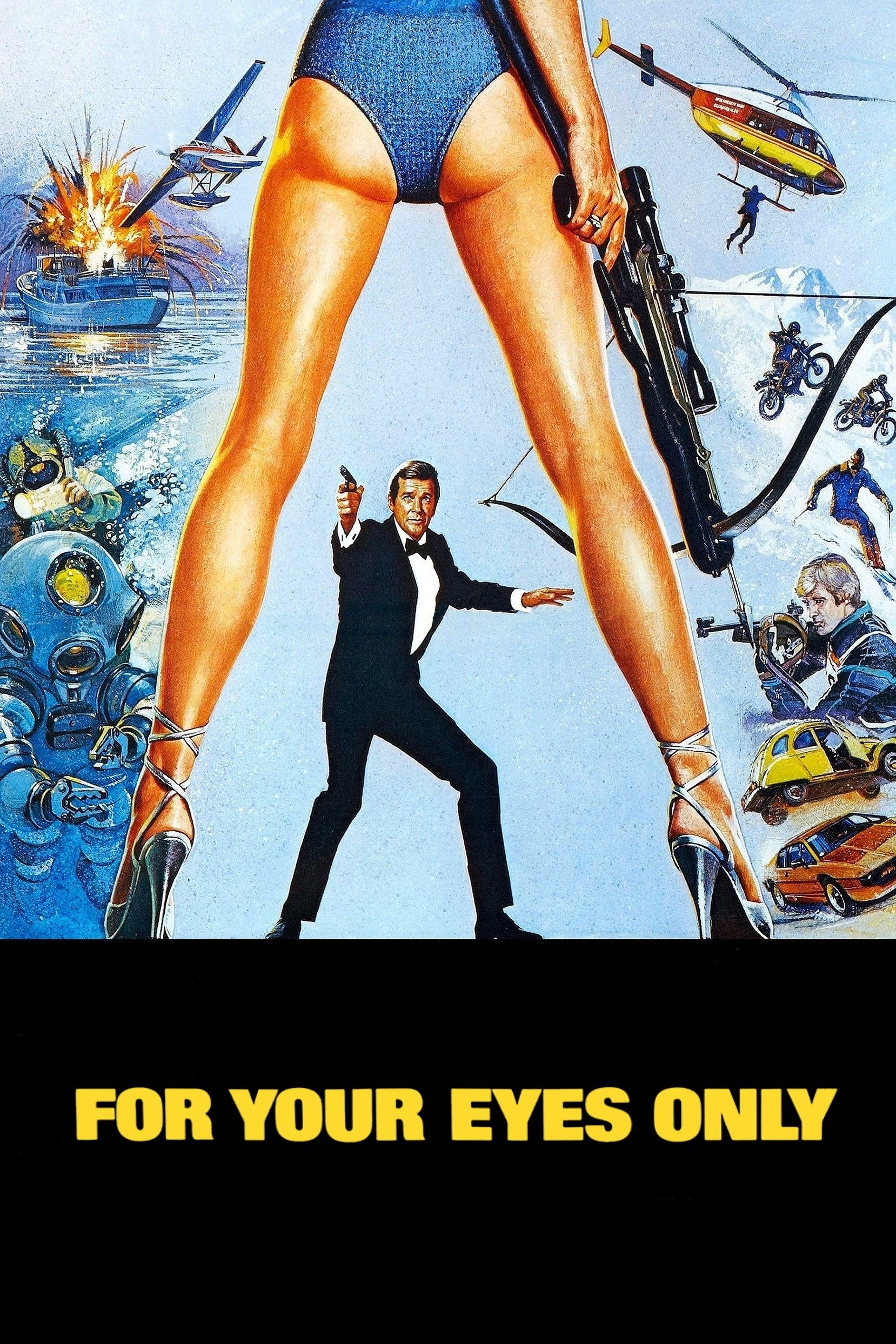
When he took over with For Your Eyes Only (1981), Bond had just been to space, and Glen brought him back down. Fewer gadgets, a heroine with a crossbow, villains who bleed. It is the soberest of the Roger Moore films and, for two sequences, among the best made in the series: the yellow Citroën 2CV rolling down a Spanish hillside, and the ski chase into the bobsleigh run at Cortina. The bobsleigh run still made us grip the armrest, because Glen puts the camera on the ice with Moore and does not cut away to spare anyone. John Grover's editing and Alan Hume's hard white light do the rest. It is still 128 minutes long, and about a third of them are marking time.
He directed the next four, all with Albert R. Broccoli producing and Peter Lamont designing, and the pattern held. Octopussy (1983) and A View to a Kill (1985) saw out the Moore years, and Octopussy shows the weakness of the method: Glen could shoot a stunt cleanly and then leave the slapstick around it in the cut. The Living Daylights (1987) introduced Timothy Dalton and a harder Bond, and it is one of Glen's own favourites; Licence to Kill (1989) went darker still. He once said, "I was keen to get back to the more serious Bond stuff, but with plenty of humour where it's all wrapped up in the action." The first half of that he managed more often than the second, where the humour tends to sit beside the action rather than inside it.
Outside Bond there is little to report. Christopher Columbus: The Discovery (1992) and The Point Men (2001) passed with small notice, and he retired after 2015. That is not a complaint. Glen never set up as an author; he was a craftsman handed a series that had drifted into orbit and asked to keep it on the ground, and for a decade he did. Start with For Your Eyes Only, watch the hillside and the ice, and forgive the pigeon.
Biography
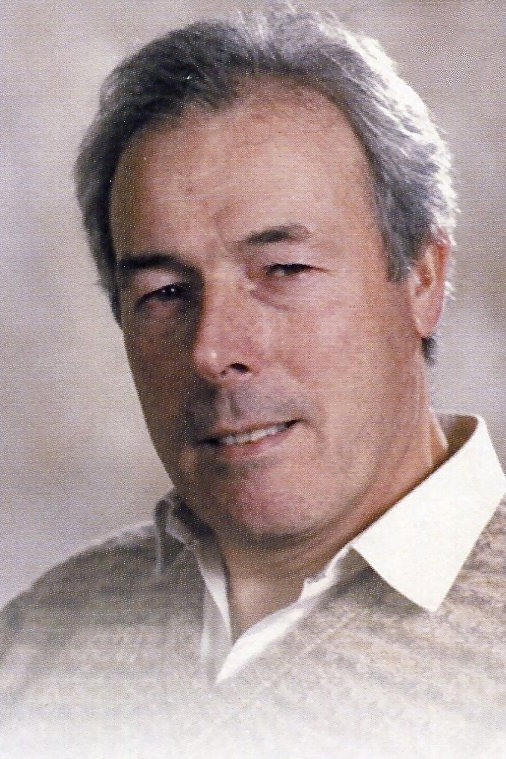
John Glen (born 15 May 1932) is an English film director and editor. He began working in film editing in the late 1940s at Shepperton Studios and later became a supervising editor and second unit director on television series and feature films.
Glen is best known for his work on the James Bond series. He served as editor and second unit director on On Her Majesty's Secret Service (1969), The Spy Who Loved Me (1977) and Moonraker (1979), and directed the five Bond films released in the 1980s: For Your Eyes Only (1981), Octopussy (1983), A View to a Kill (1985), The Living Daylights (1987) and Licence to Kill (1989).
His other credits as second unit director include Superman (1978) and The Wild Geese (1978). He also directed the feature films Christopher Columbus: The Discovery (1992) and The Point Men (2001), and the television series Space Precinct. In 2001 he published the memoir For My Eyes Only.