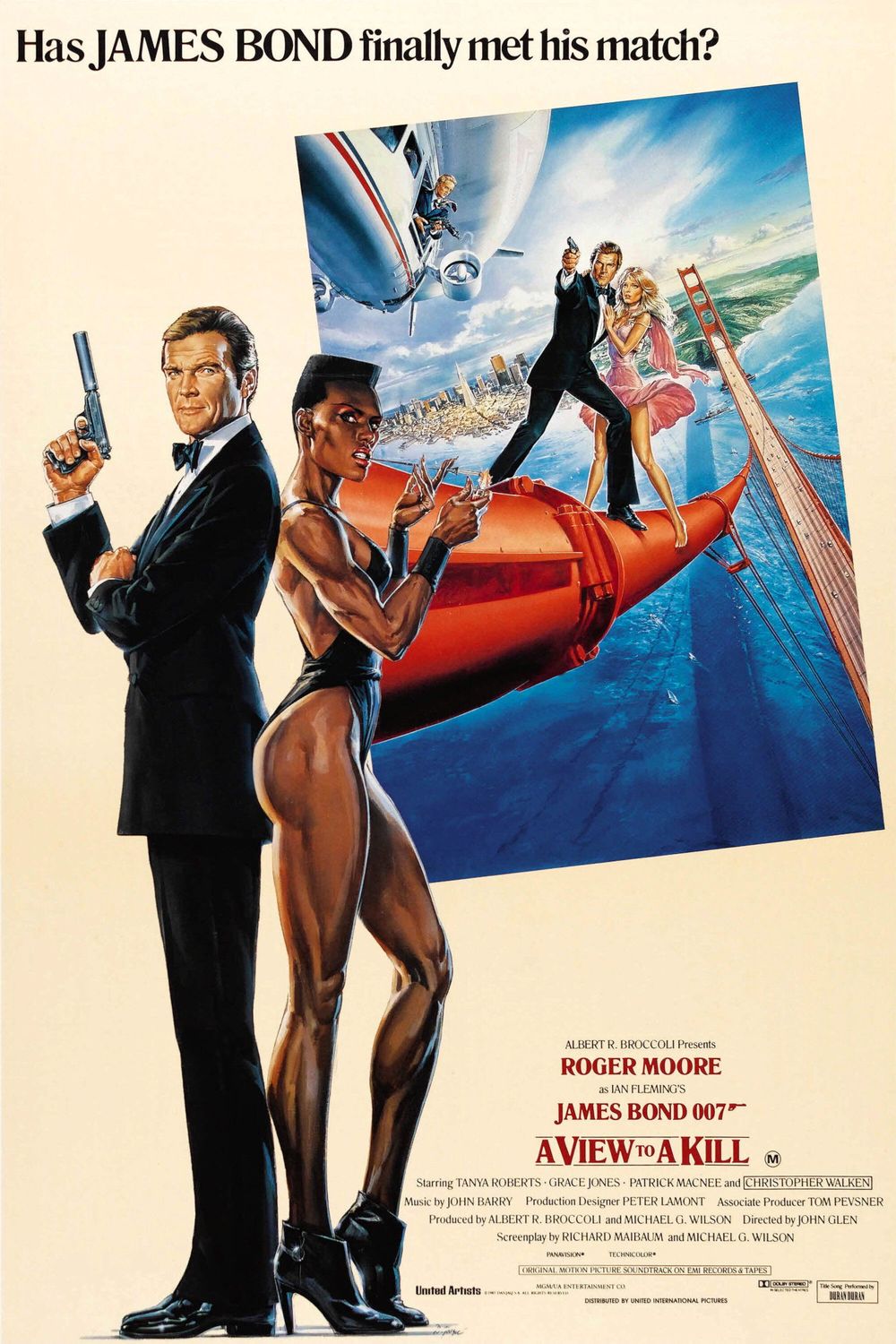
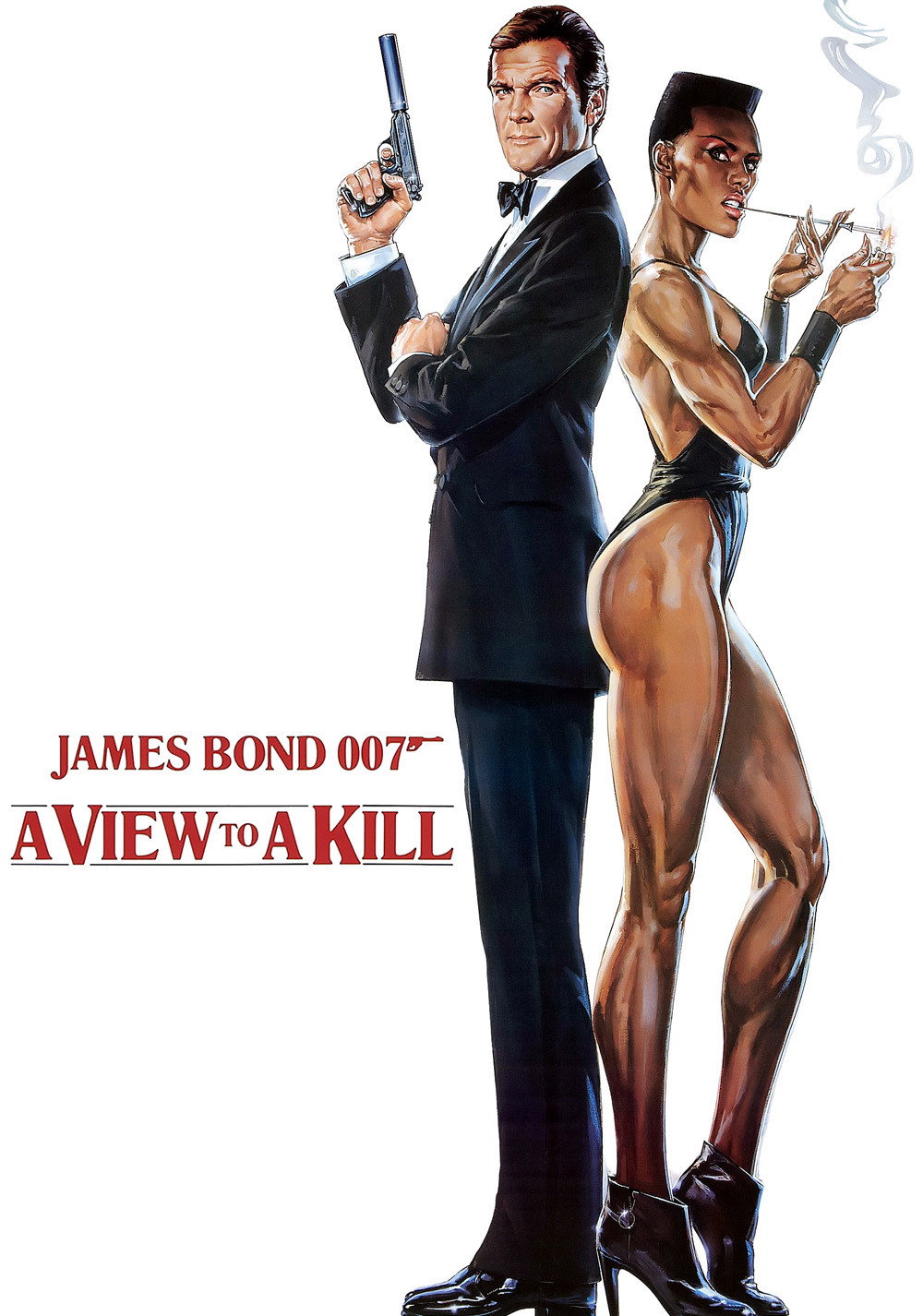
Roger Moore’s last Bond hands the picture to Christopher Walken and Grace Jones and lets Moore stroll along behind them. Two villains, one parachute jump and a John Barry score are worth something; the rest is a series going through its motions.
Roger Moore’s seventh and last outing as James Bond runs 131 minutes and follows the series template to the letter. A microchip is recovered from a dead agent in Siberia. It is traced to Zorin Industries and its owner, Max Zorin (Christopher Walken), who breeds racehorses that win too often. Bond goes to Ascot, then Paris, then Zorin’s stud farm outside Chantilly, then San Francisco, collecting a geologist called Stacey Sutton (Tanya Roberts) on the way. Richard Maibaum and Michael G. Wilson have written this film before, and John Glen has directed it before. The parts that work are the parts that stray from the template, and nearly all of them belong to the villains.
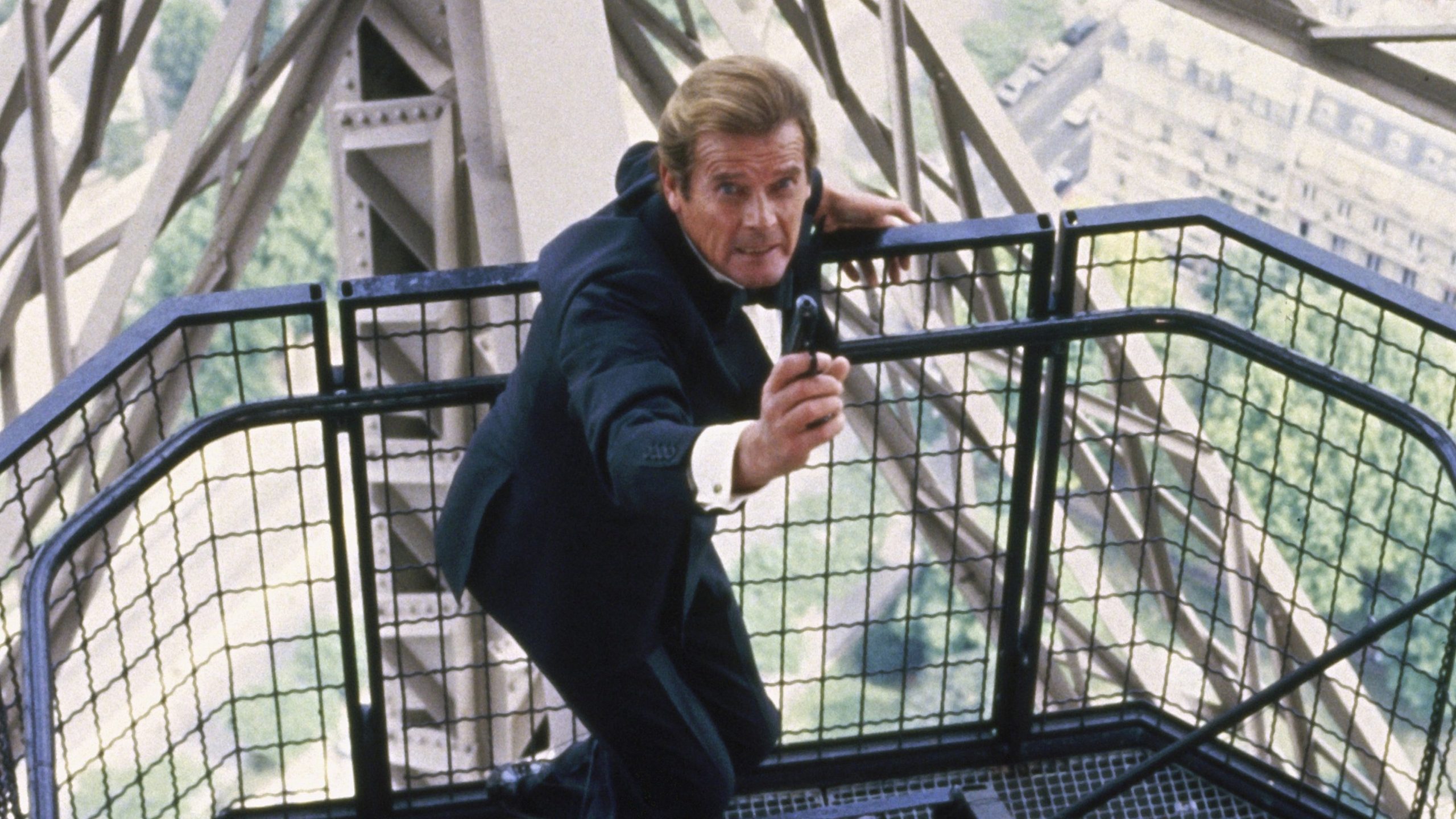
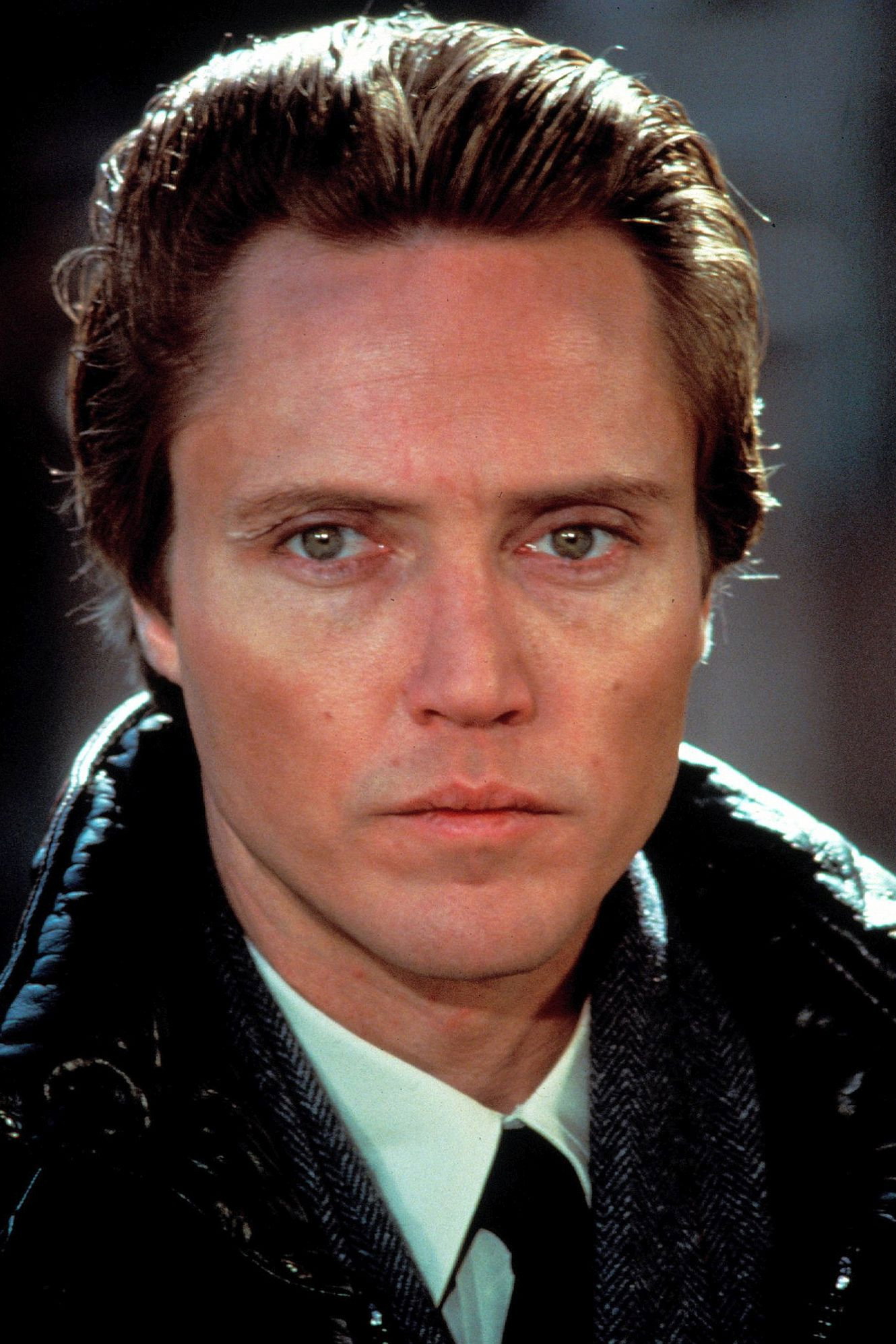
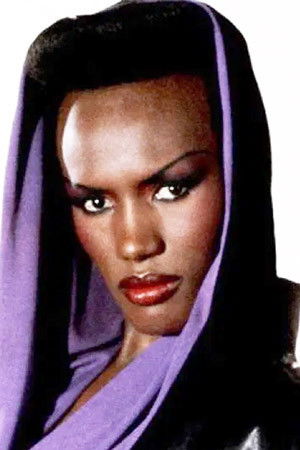
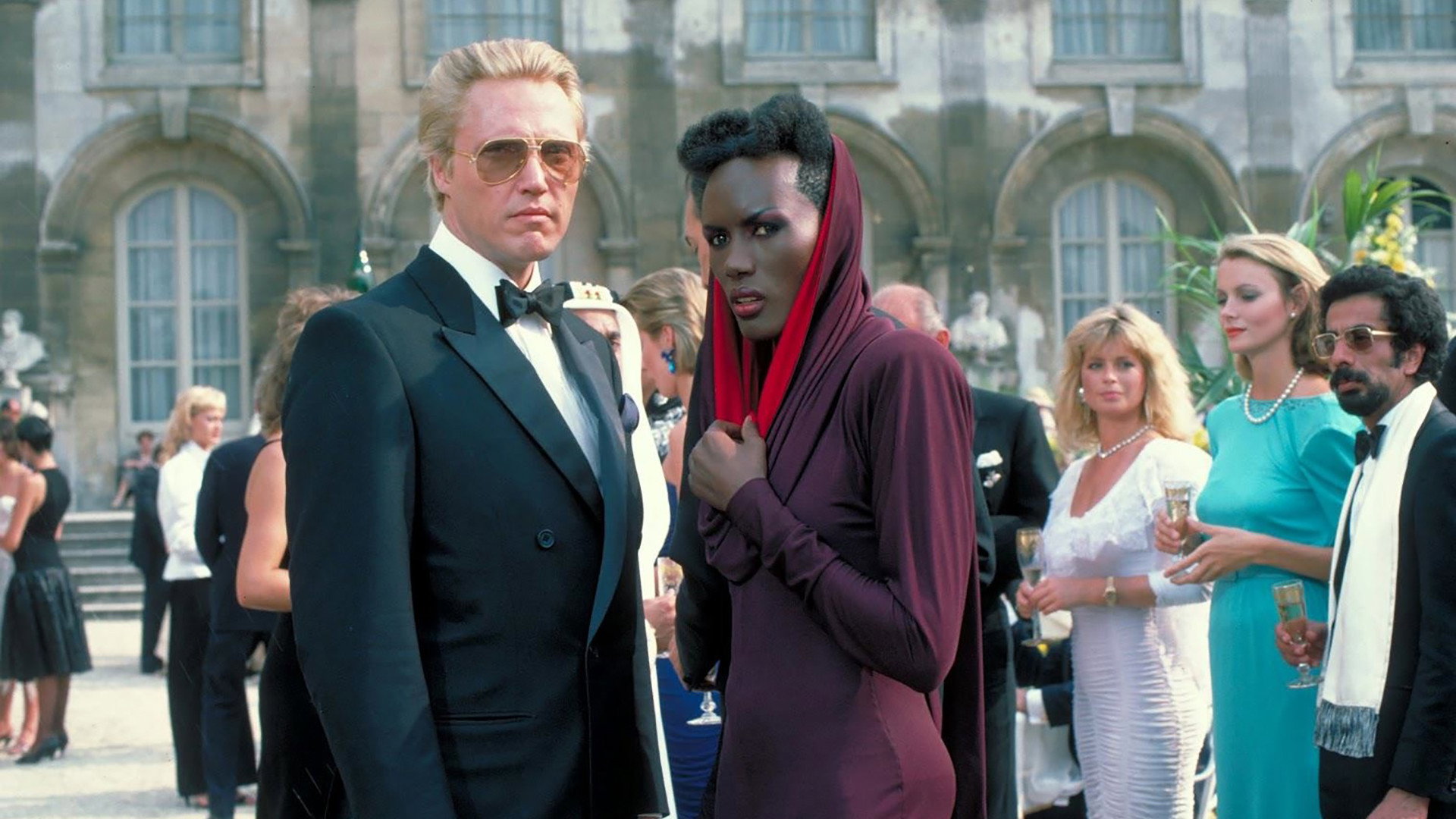
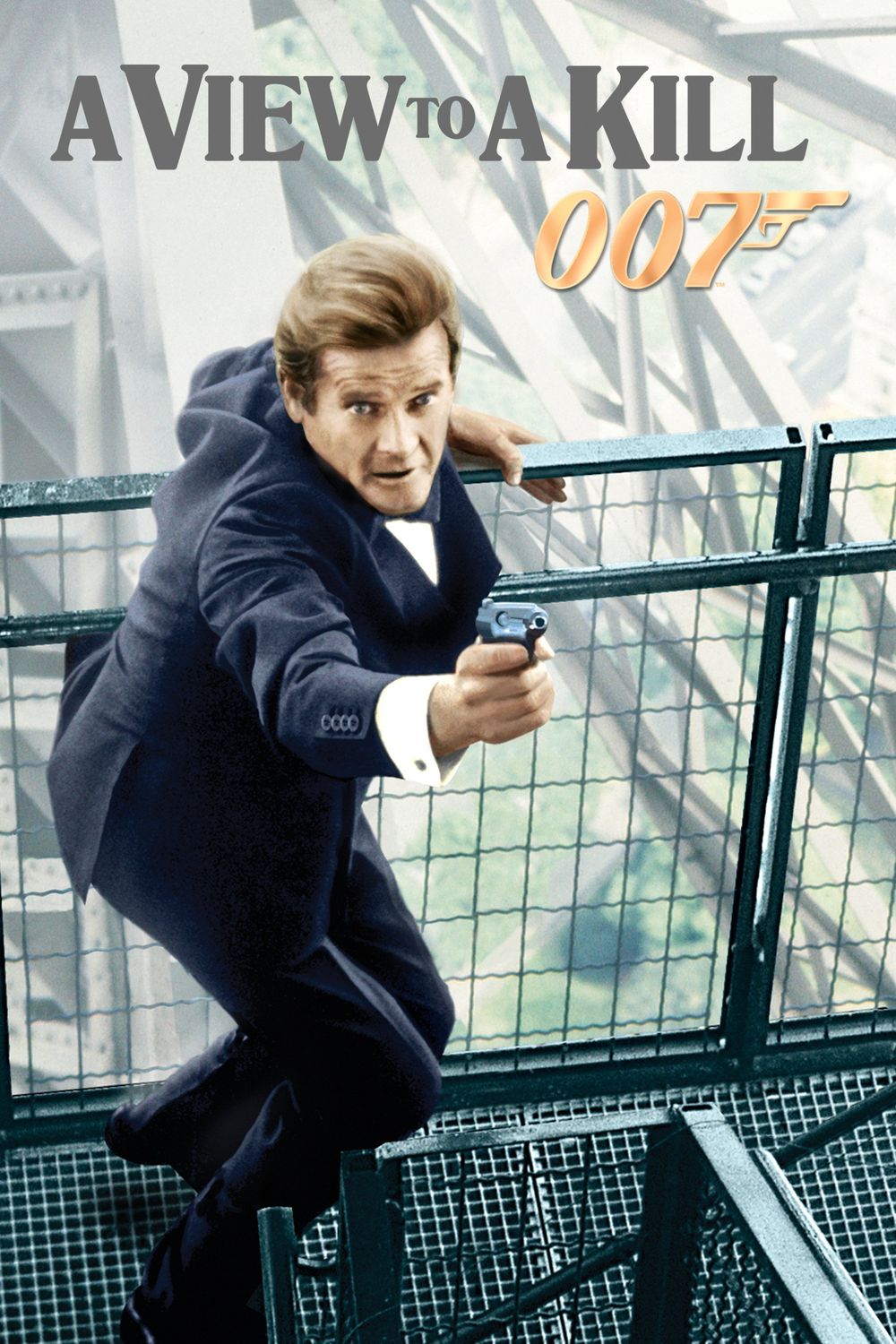
Walken plays Zorin as a rich boy who has got hold of the matches. He grins through Ascot, grins through a horse sale, grins at Bond across a dinner table, and the grin never reaches his eyes; he is not menacing in the old way but unstable, which is better. Grace Jones’s May Day is the other reason to watch. Emma Porteous dresses her in hoods, capes and shoulders you could stand a lamp on, and Jones moves as if the costume is only just containing her. When she steps off the Eiffel Tower under a parachute and Bond’s stolen taxi comes apart beneath her in the Paris traffic, we sat up. It is the one stretch of the film that knows exactly what it has.
The Chantilly section has the best writing in the script, and it is a comedy. Bond arrives as a horse buyer with Tibbett (Patrick Macnee) posing as his valet, and Moore and Macnee spend several scenes being rude to each other in front of the staff for the pleasure of it. Two old professionals enjoying a game; the film could have used more of that. John Barry’s score is the other thing holding it up. The Duran Duran title song is the loudest thing the series had yet put over its credits, and Barry’s own writing under the Paris chase has an ease the images do not.
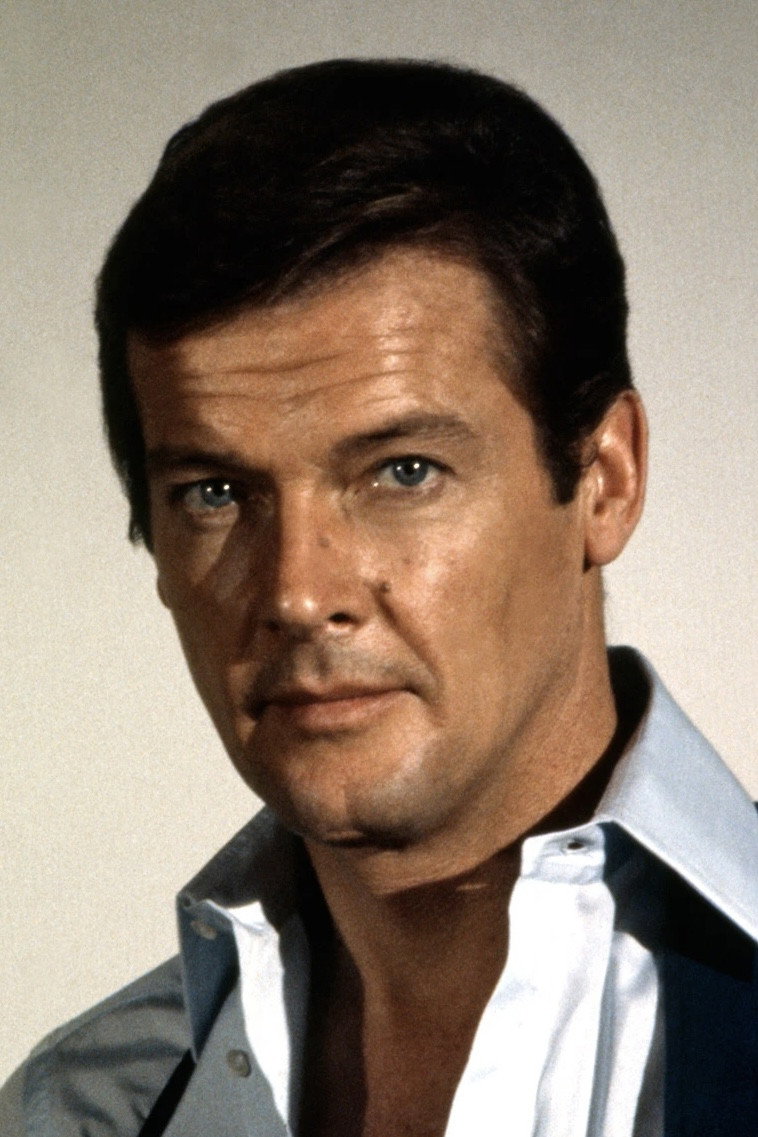
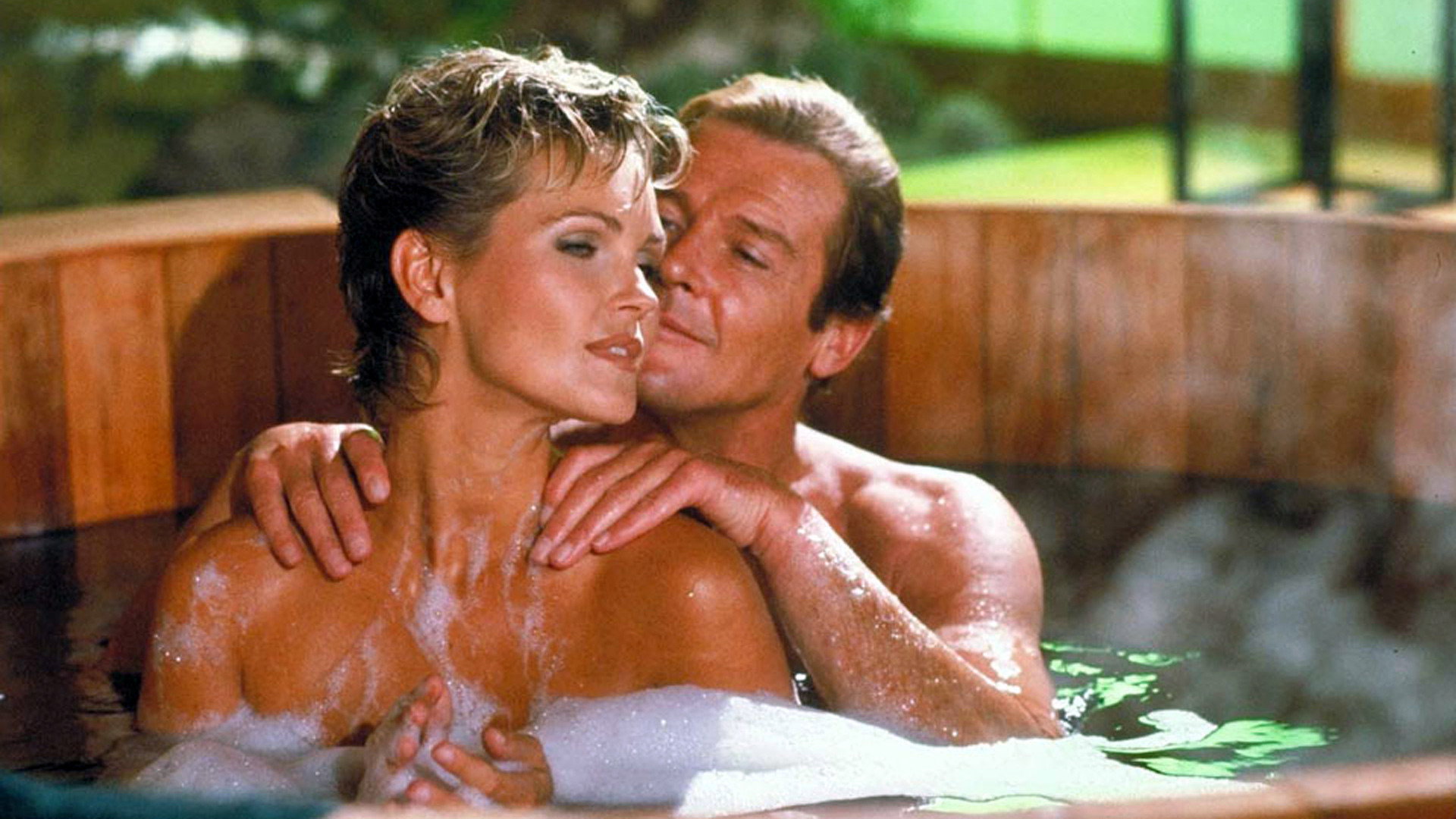
The trouble is Bond. The pre-credits ski chase turns into a snowboard gag scored with the Beach Boys, and we laughed at it once and then felt something we had not felt in six previous films: embarrassed for him. Peter Davies’s editing cannot hide the joins in the fights, and Alan Hume’s bright, even daylight does the doubles no favours. A hot-tub scene with Pola Ivanova (Fiona Fullerton) is played as though it were 1973. Moore still has the eyebrow and the timing, and when the script gives him a line to throw away he throws it well. It gives him fewer than it used to.
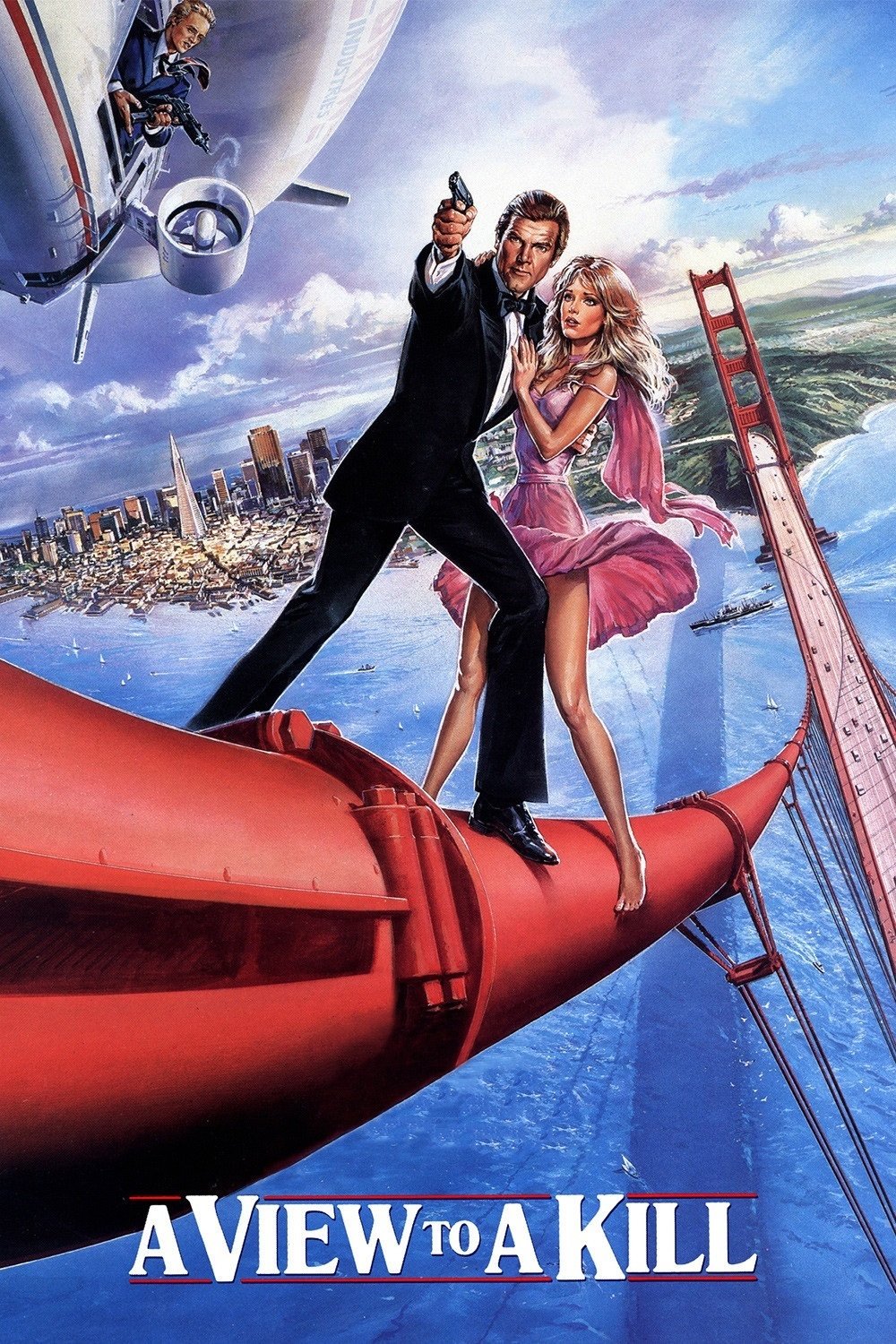
Tanya Roberts’s Stacey Sutton is a geologist written as someone who needs carrying. She shouts his name a good deal. The San Francisco half of the film is built around her, and it is the weaker half: a fire-engine chase that outstays its one joke, and a climax on the Golden Gate Bridge that we will not describe except to say it is careful work and it did not quicken our pulse. Peter Lamont’s sets are what they always are for this series, a château that looks expensive and a mine that looks like a mine. Nothing in the second half asks them to be more.
Set against Glen’s own For Your Eyes Only, from 1981, which was lean and stayed close to the ground, this is soft and long. Zorin’s scheme, when it is explained, is a rich man removing his competitors by force, and the mechanics would not have surprised anyone who saw Goldfinger in 1964. Most critics have it lower than we do, and several call it the worst in the series. We think that overlooks two villains and a composer doing more than the film around them earns.
Watch it for Walken, Jones, Macnee and Barry, and for Paris, which is over before the hour mark. After that you are watching a courteous actor being kind to a series that should have let him go one film earlier. The PG certificate is fair; this is a Sunday-afternoon film that once wanted to be a Saturday-night one.