Film review

Skyfall

2012 · Directed by Sam Mendes · 2h 23m · MPA PG-13

In a sentenceJudi Dench telling Bond off is reason enough to keep the intelligence service running

ActionAdventureThriller

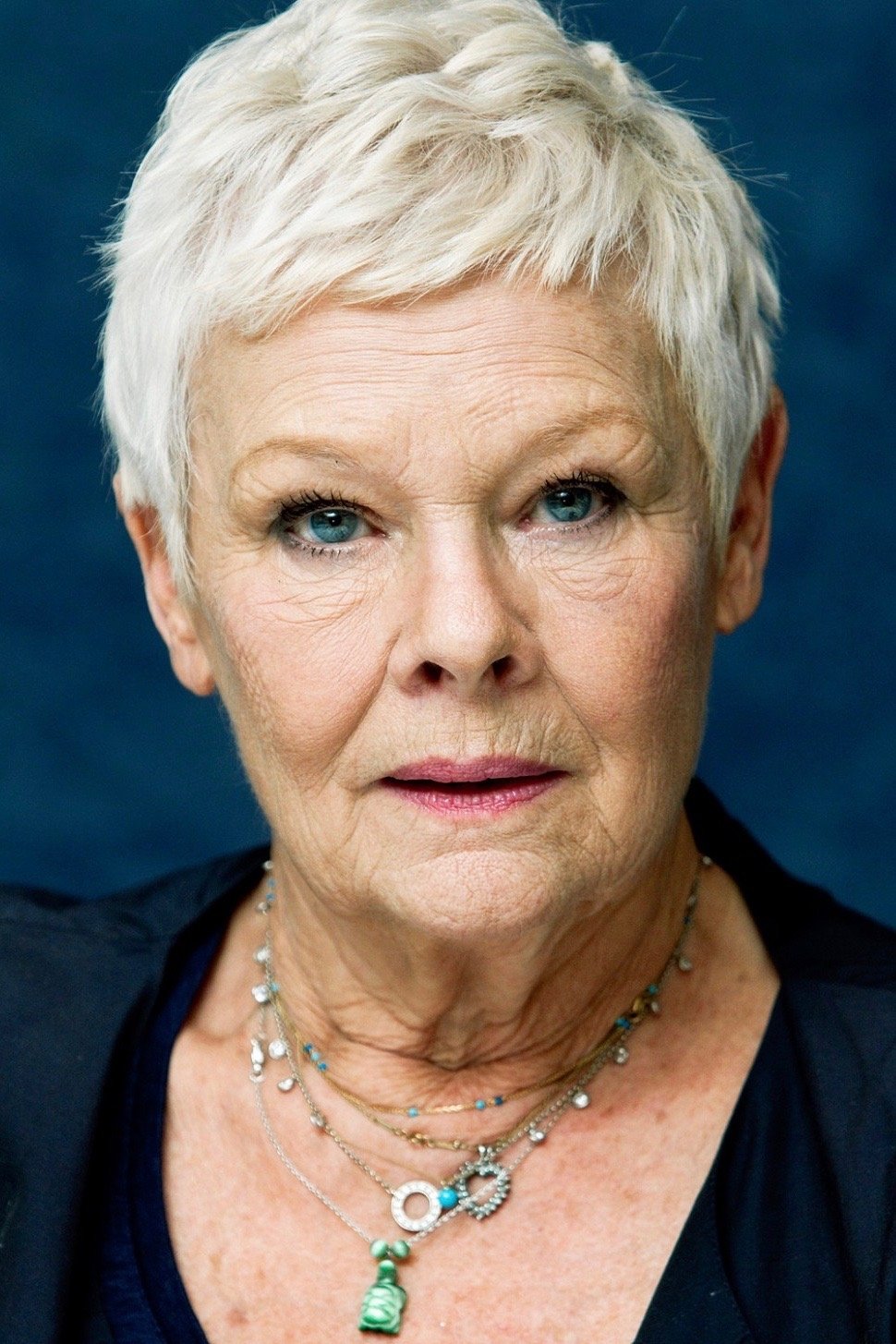
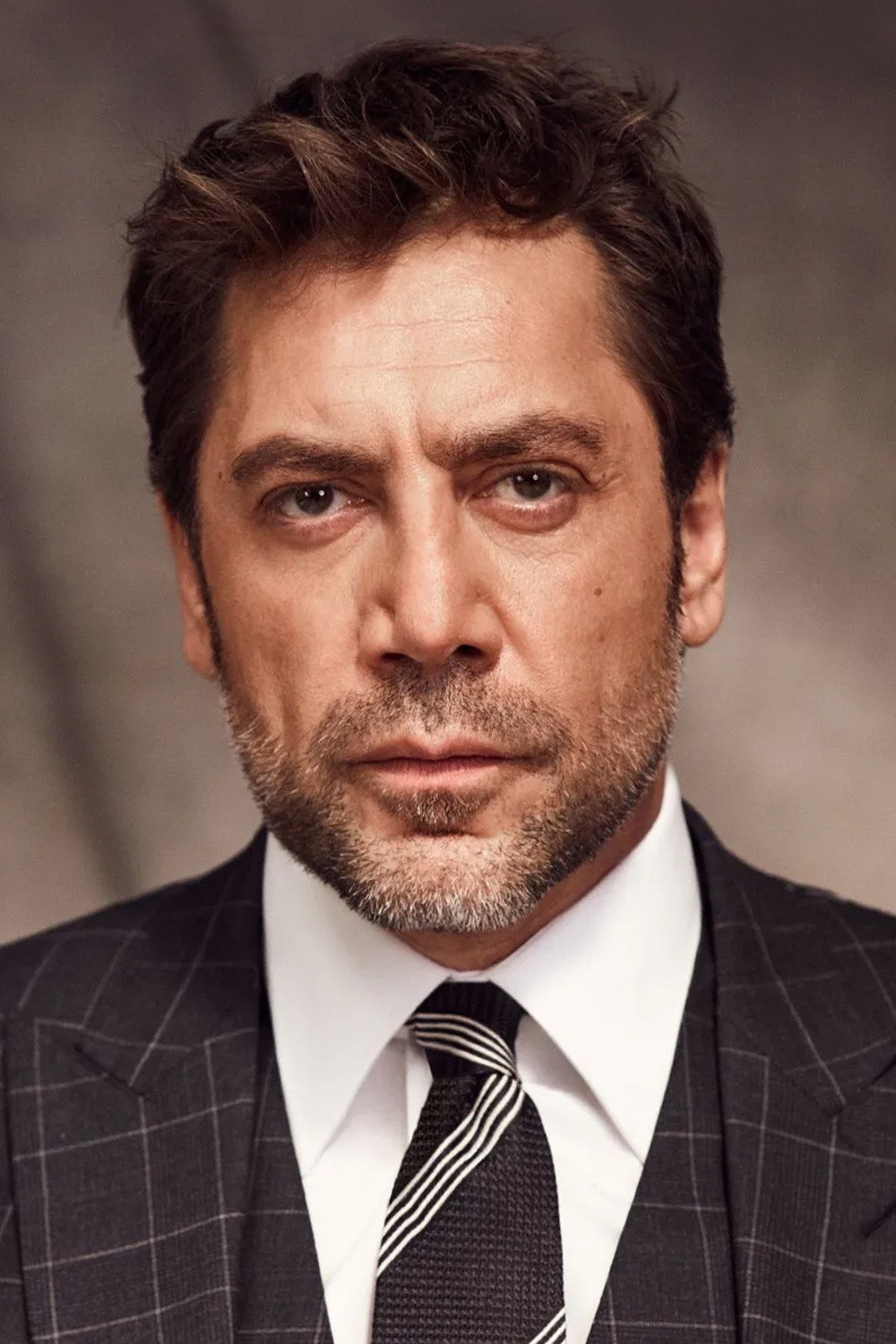
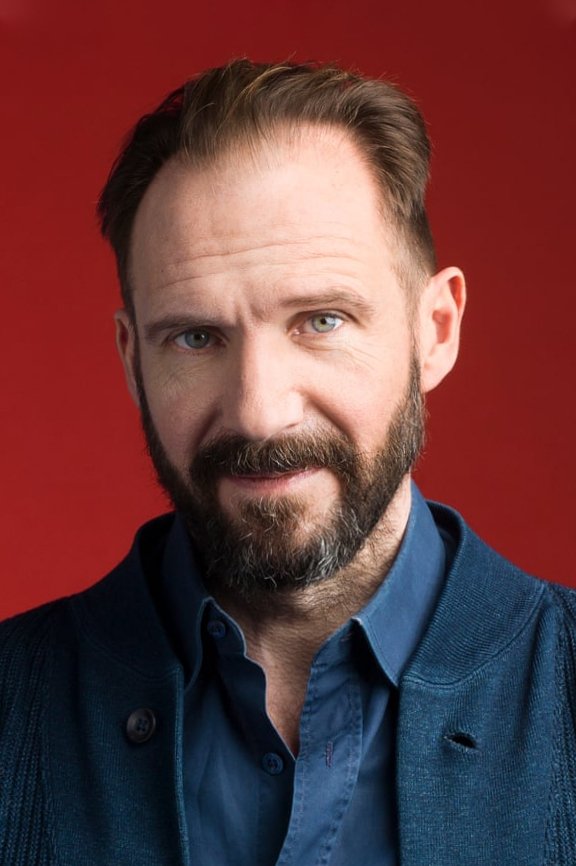
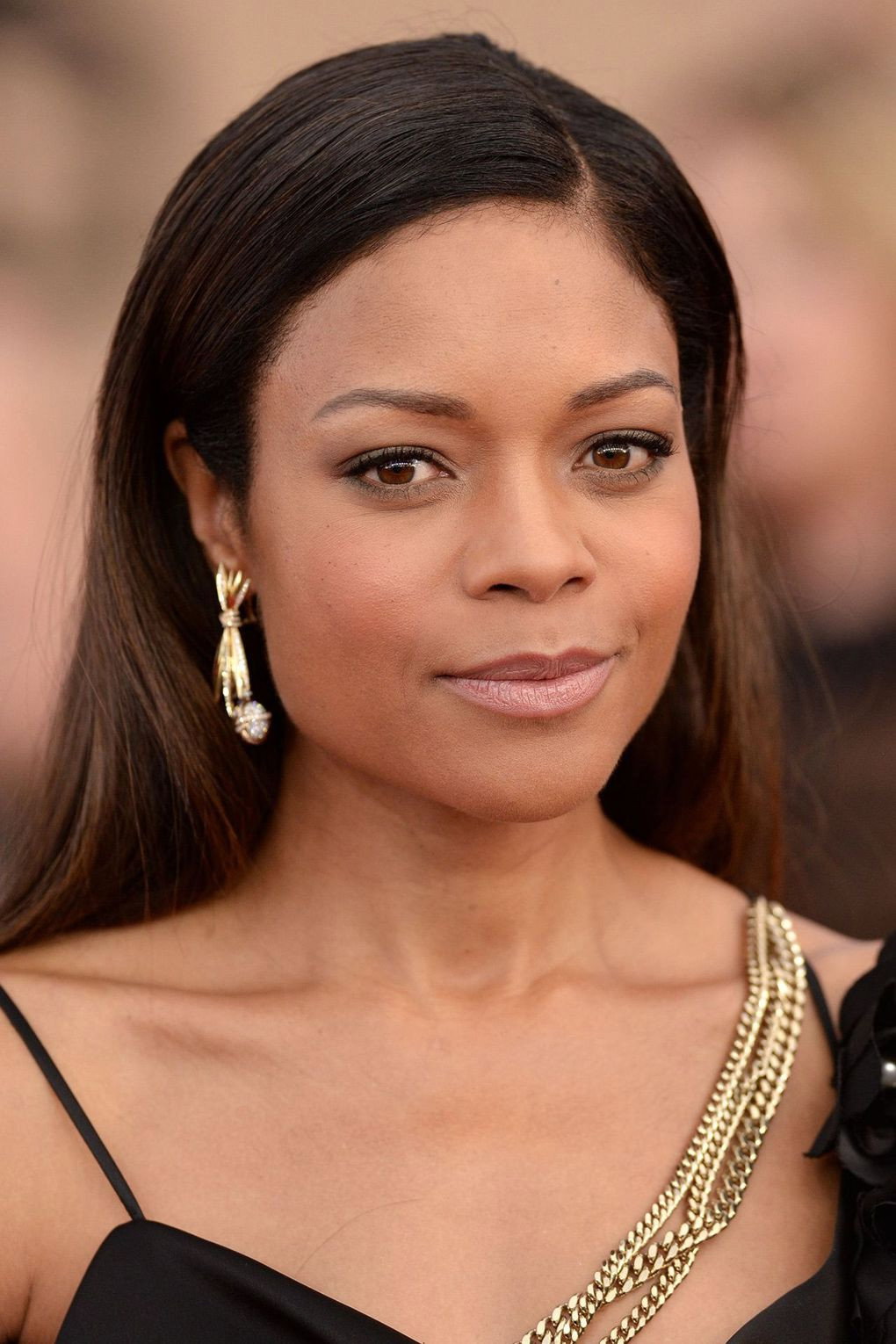
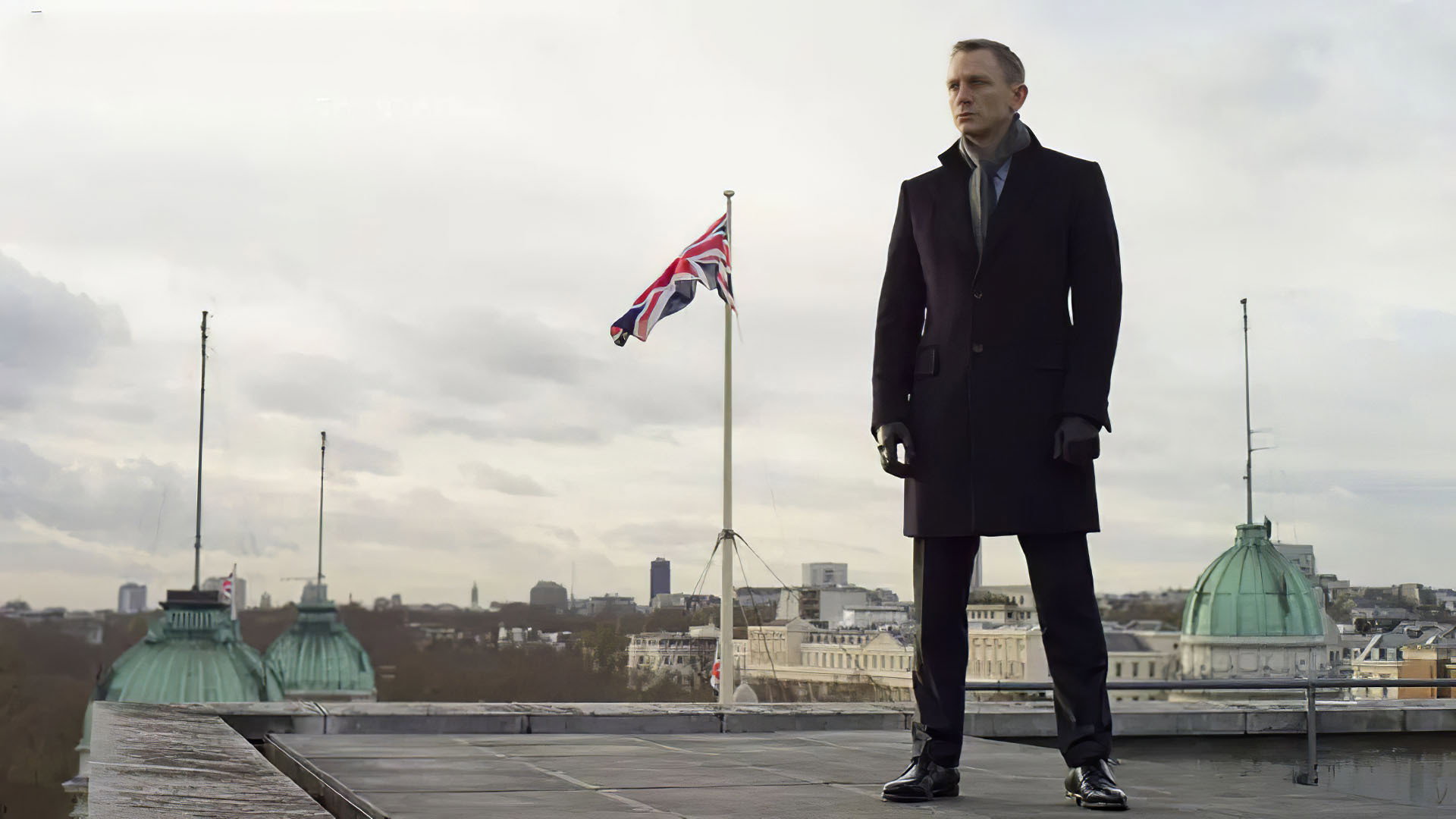
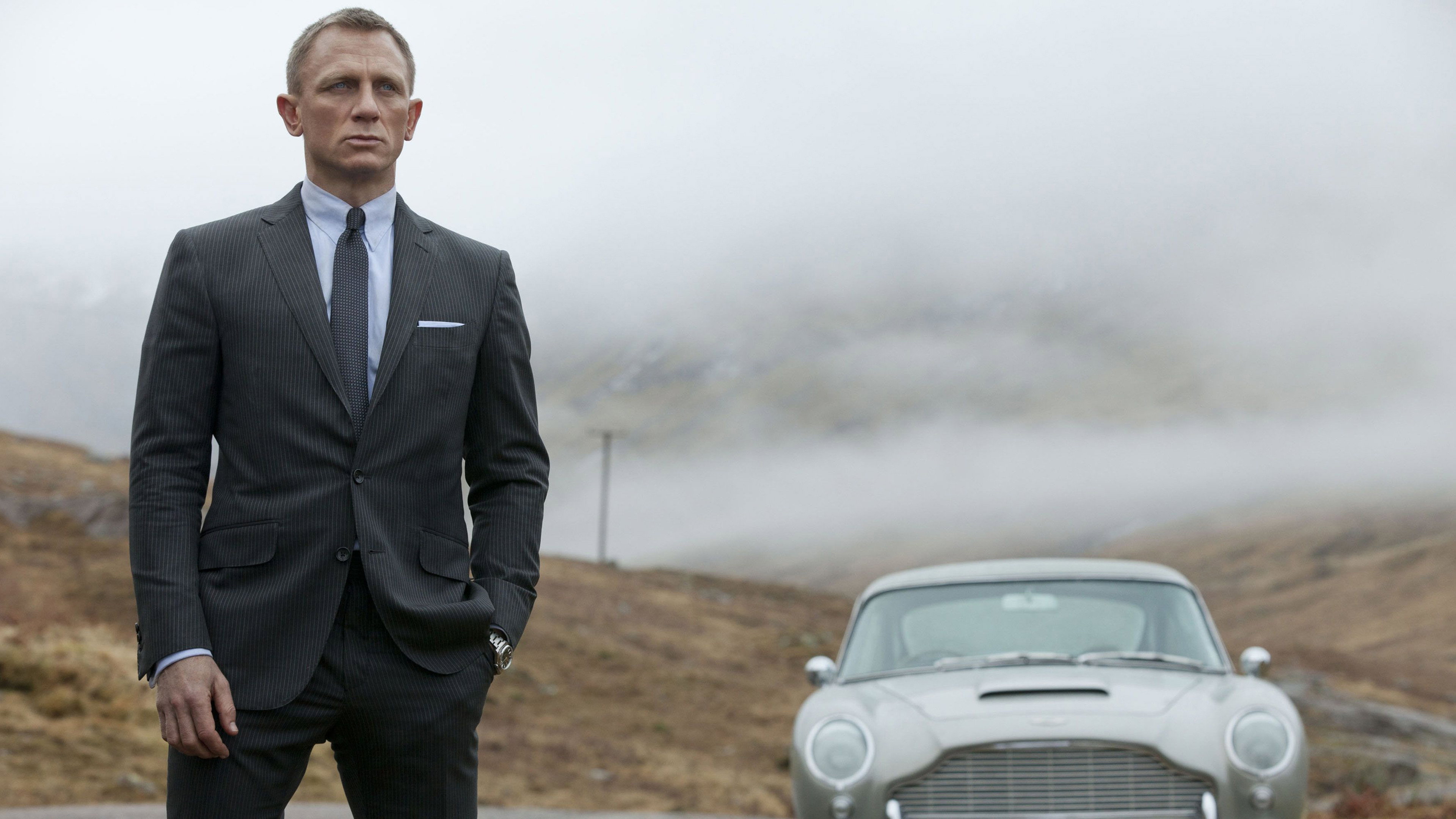
James Bond (Daniel Craig) faces a personal crisis that puts his relationship with M (Judi Dench) at the centre of his work. Silva (Javier Bardem) presents a threat that makes the conflict personal, while Bond’s past and his place in the intelligence service come under scrutiny. M takes a central role, with Gareth Mallory (Ralph Fiennes), Eve (Naomie Harris) and Q (Ben Whishaw) also involved. Sam Mendes directs this spy thriller, which combines Bond’s assignments with a closer look at the relationships behind his work.

Plays from YouTube when you press play; nothing loads from them until then.

Fi1m review

Sam Mendes makes an absorbing Bond thriller, with Daniel Craig and Judi Dench giving its personal troubles proper weight. Roger Deakins’ photography rewards close attention, though the screenplay explains more about Bond than we need.

Sam Mendes makes the relationship between James Bond and M worth the attention usually reserved for the villain. Skyfall is a confident, affecting thriller, and we recommend it despite a tendency to explain more about Bond than we need. Daniel Craig and Judi Dench make the personal stakes convincing. There is enough between these two to sustain our interest through 143 minutes, even when the film starts taking its time.

Craig makes Bond’s uncertainty visible without turning him into a man waiting to be rescued. His reserve gives Dench something solid to push against. We were moved by the effort she puts into remaining severe with him. Her clipped delivery makes M’s authority seem necessary to her, and not entirely comfortable. Craig responds with a watchfulness that makes even their professional exchanges feel personal.

Roger Deakins gives the action clean outlines and enough room for us to follow Craig’s movements. His care with faces matters too: Bond’s discomfort remains visible within the polished image. Dennis Gassner’s production design suits the film’s concern with authority, giving the confrontations a sense of formality. These are spaces in which people look accustomed to being obeyed. That formality works particularly well for Dench, whose performance makes authority seem like a daily responsibility rather than an excuse to issue orders.

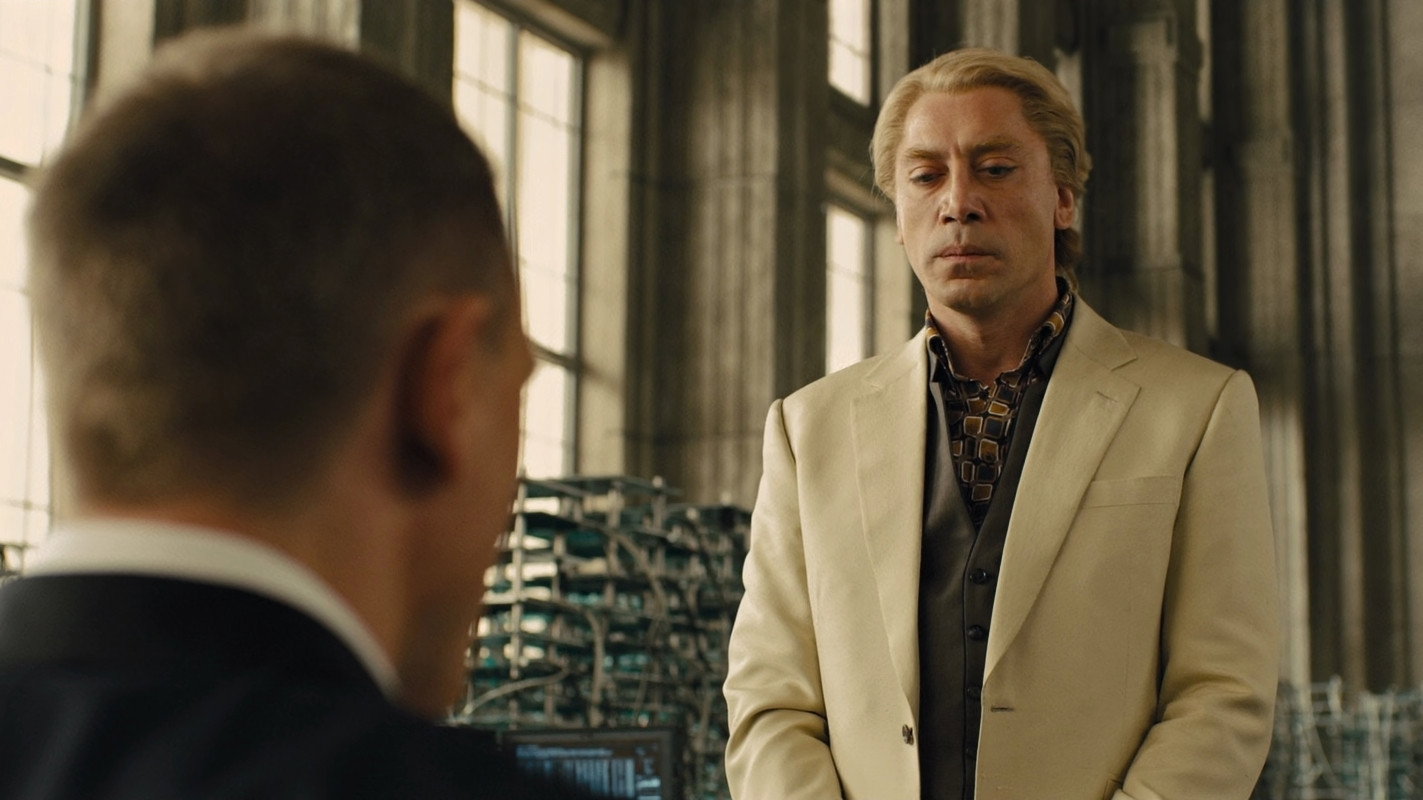
Javier Bardem’s Silva is a welcome disruption of all this restraint. Bardem makes the character’s theatricality unsettling, allowing us to enjoy the performance without forgetting the hostility underneath it. The broadness occasionally threatens to turn a confrontation into a solo performance, but he gives Craig a useful change of rhythm. Ben Whishaw supplies another as Q, making intelligence seem brisk and practical, and bringing some welcome impatience to a film whose principal characters have plenty to brood over.

Neal Purvis, Robert Wade and John Logan are less sure of how far to pursue Bond’s private troubles. His relationship with M already gives us plenty to consider, and the additional attention to his past can feel like an explanation delivered after we have understood. Craig and Dench do enough with a pause or a look that some of the psychological explanation feels unnecessary. Those stretches slow the film, and its length starts to tell.

Stuart Baird’s editing is more persuasive in the action than in these reflective passages. Physical movement has a clear rhythm, while some of the dramatic pauses feel like permission to admire the film’s seriousness. Thomas Newman’s score helps keep the action urgent without trying to supply all its excitement. The music gives Baird a steady pulse to work with, and helps the film regain pace after its longer conversations.

As a spy thriller, Skyfall takes an unusual amount of interest in the strain of doing the job. It still enjoys the well-cut suit and the extravagant adversary, so its seriousness seldom feels like a rebuke to anyone who came for entertainment. The balance will suit those who want Bond to remain a person when the action stops. Choose it when there is time to let Craig and Dench have their conversations.
Critical consensus AI synthesised

77
Positive
11
Mixed
0
Negative
2

Most critics welcome Skyfall as a confident Bond film that preserves the action, humour and style while giving its characters more emotional weight. Praise centres on Sam Mendes’ handling of Bond’s relationship with M, Roger Deakins’ cinematography and performances from Daniel Craig, Judi Dench and Javier Bardem. The prevailing view is that the personal stakes strengthen the familiar pleasures, with Bardem’s villain drawing particular attention for his menace and theatricality.

The disagreement is sharp rather than widespread, and much of it concerns that same attempt to humanise Bond. The Independent finds that backstory costs him some mystery and wit, despite admiring the set pieces and photography. The Financial Times sees the solemn approach as generic thriller-making with too little Bond elegance, while The New Yorker finds calculation rather than a coherent artistic vision. Elsewhere, reservations about uneven tone, underpowered action and a broad villain qualify otherwise favourable reviews.

Radio Times
★★★★★ · Jamie Healy
100

The critic lauds the film as one of the best in the series, praising Mendes for blending classic Bond elements with a compelling human drama between Bond and M. It highlights the strong performances, especially Javier Bardem as the villain, and the high production values including cinematography and the theme song.

Read the full review →
Evening Standard
10 December 2012
85*

The review celebrates the film as premium Bond with joyous set pieces, witty references to earlier films and strong performances, especially from Bardem and Whishaw.

Read the full review →
Time Out
26 October 2012 · ★★★★ · Dave Calhoun
80

Calhoun finds Skyfall a highly distinctive Bond film that successfully mixes tradition and progress with a sombre mood and stunning visuals. He singles out the emotional depth rooted in Bond's personal crisis and Bardem's creepy, challenging villain.

Read the full review →
Financial Times
25 October 2012 · Leo Robson
40*

The review finds the solemn, Bourne-influenced approach lacking in traditional Bond elements and elegance, resulting in a film that feels indistinguishable from generic thrillers despite some borrowings and performances.

Read the full review →
The New Yorker
8 November 2012 · Richard Brody
30*

The critic sees the film as a blend of emotion-tugging realism and calculation that ultimately lacks aesthetic principle or vision. One element singled out for complaint is its aspiration merely to self-perpetuation as a machine-like production.

Read the full review →
Empire
· Kim Newman

Skyfall delivers everything expected from a modern Bond while adding depth, strong visuals from Roger Deakins, a complex villain in Javier Bardem, and effective use of British locations and anniversary nods, making it cool, respectful of tradition, and fun.

Read the full review →

Cast

Stills

Awards

Academy Awards, 2013

Nominated
Best Cinematography
Nominated
Best Original Score
Nominated
Best Sound
Won
Best Sound Editing

If you liked this, try…