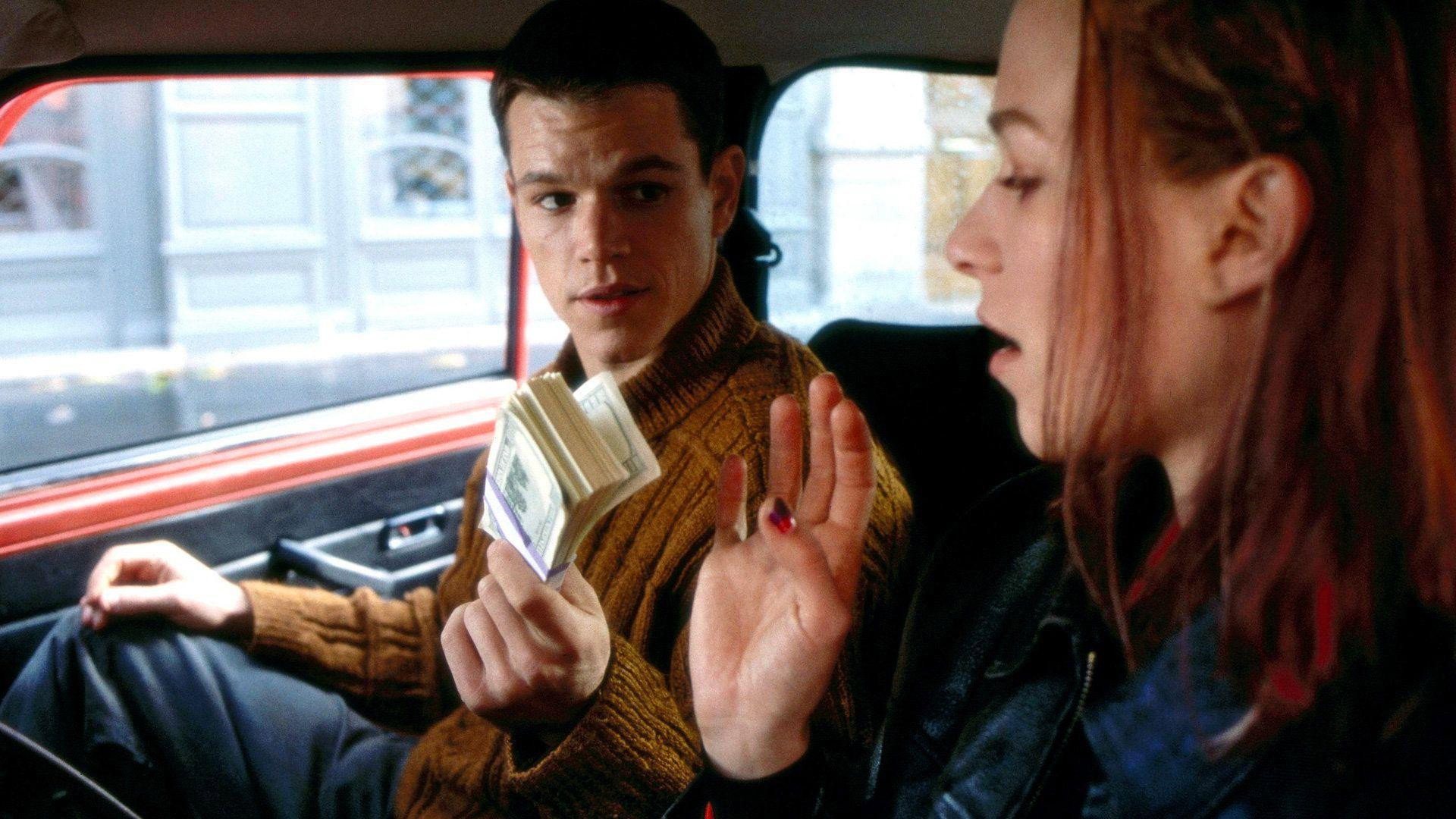
Doug Liman’s The Bourne Identity makes a familiar spy chase feel urgent and unexpectedly tender. Matt Damon and Franka Potente give it the human interest that the efficient, occasionally contrived plotting cannot supply.
The Bourne Identity is a brisk, unusually involving spy thriller whose plot is seldom as interesting as the people trying to get through it. Doug Liman understands the pleasure of watching somebody do a difficult job well, particularly when that somebody cannot remember learning it. Jason Bourne’s amnesia gives the action a useful unease: each display of competence raises another question about the man performing it. Matt Damon makes that uncertainty worth attending to between the fights.
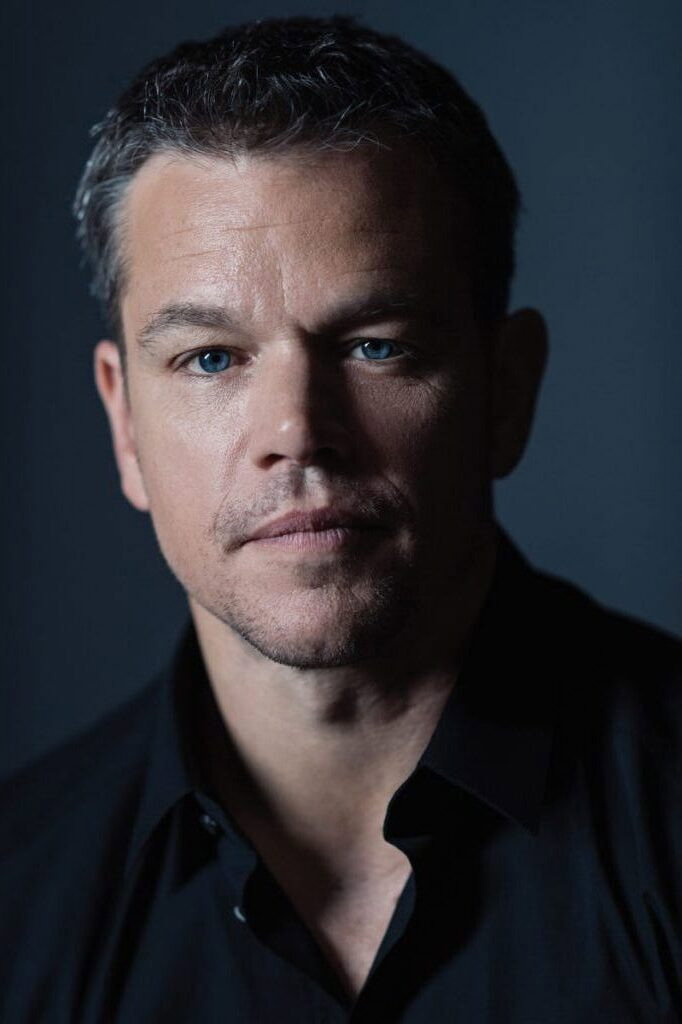
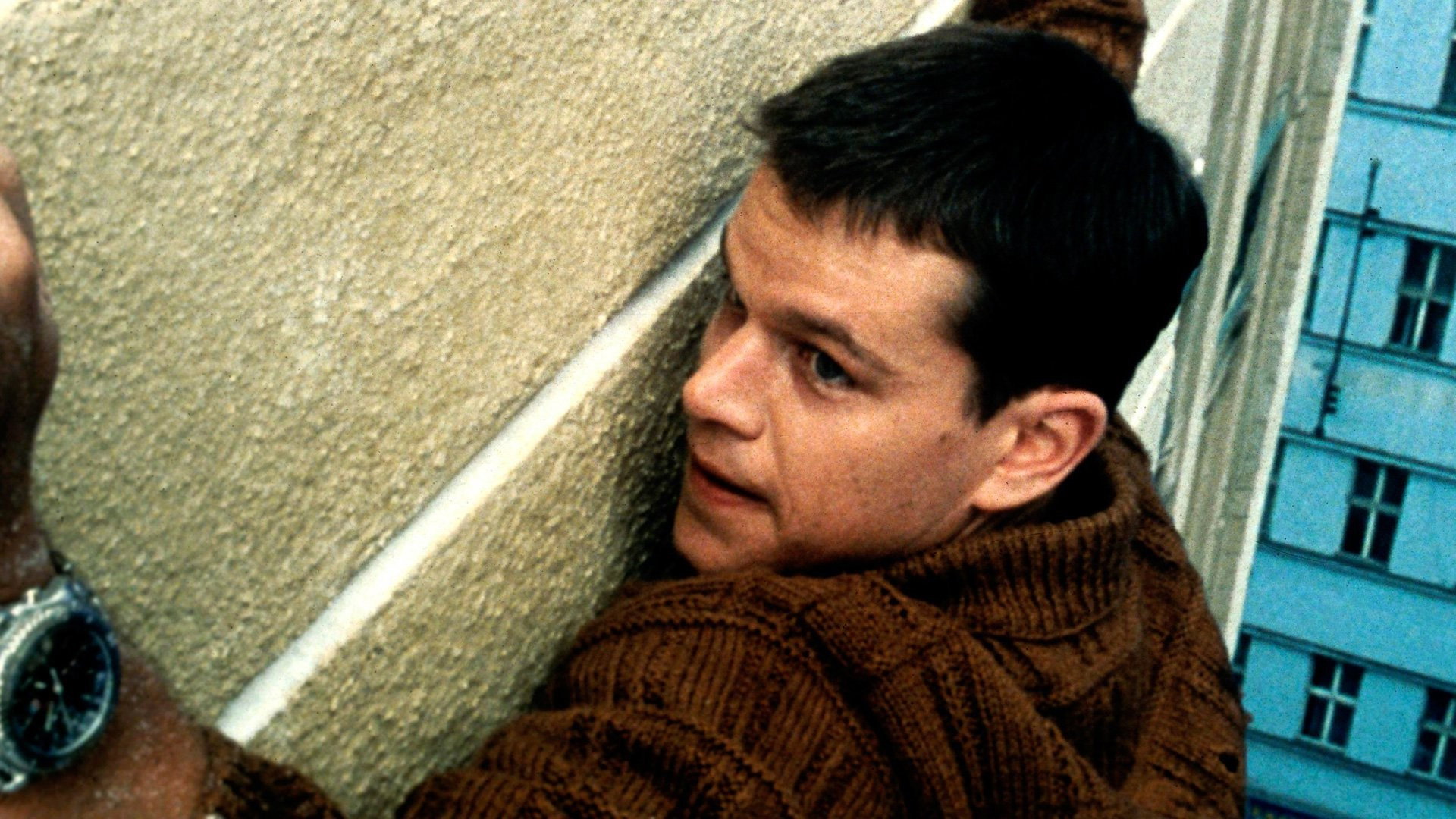
Damon is well suited to a character who can appear ordinary until violence becomes necessary. He keeps Bourne’s confusion low-key, never treating memory loss as permission to advertise distress in every exchange. The martial arts are convincing because his decisiveness is slightly disquieting; his ability to hurt people comes so readily that we begin to worry about it. There is enough suggestion of a conscience to prevent the competence from becoming smug. That makes him worth following even when the chase takes a familiar route.
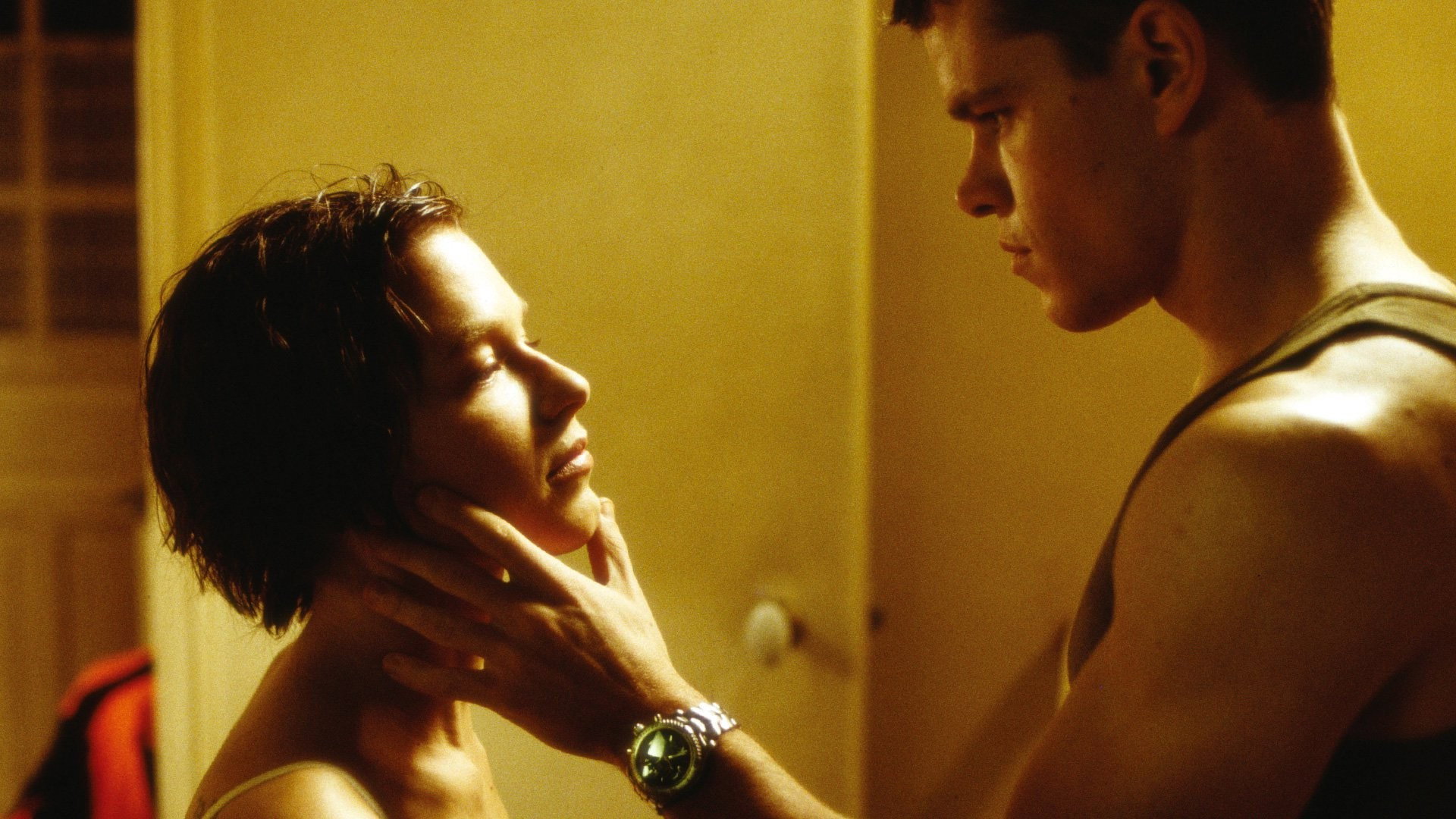
Franka Potente’s Marie makes the personal stakes easier to grasp. She gives their tentative companionship a warmth that does not require the thriller to stop and announce a romance. We were unexpectedly touched by the awkwardness between them. Damon and Potente make getting close to another person look like a difficult undertaking, and the tenderness matters because Bourne has so little else he can rely on. More time with the pair would have been welcome.
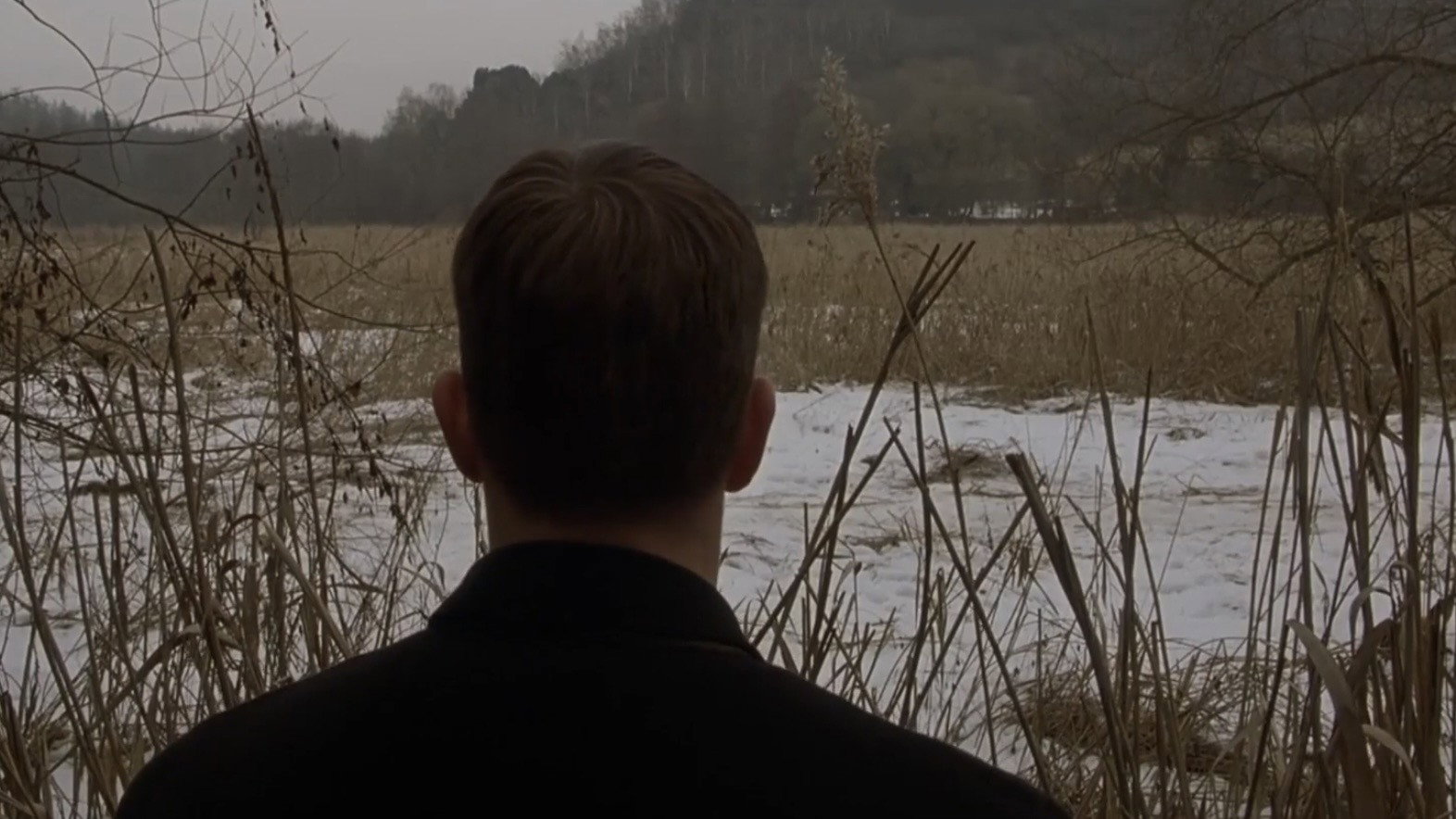
Oliver Wood’s cinematography makes good use of the European locations, giving the pursuit a sense of travel without treating every view as an attraction that requires our applause. There is polish here, and occasionally it makes the film look more comfortable than its hunted protagonist ought to feel. Dan Weil’s production design contributes to that smart finish, making the espionage surroundings persuasive without letting them dominate the action. Damon’s worried reserve helps keep our attention on Bourne: he never looks as though he is enjoying the itinerary.
Saar Klein’s editing is particularly effective in the chases, keeping the pace sharp without making every moment equally frantic. The car chase builds sustained pressure, with the stunts contributing to the pursuit rather than interrupting it. John Powell’s score helps keep that pressure on, giving the action momentum without having to provide all the excitement itself. The physical business remains interesting because Damon makes Bourne’s skill feel both dependable and troubling. We want him to get clear, but each fight gives us another reason to wonder about his past.
The screenplay by Tony Gilroy and William Blake Herron supplies less pleasure when it has to move the mystery along. The familiar pursuit plot sometimes relies on convenience, and the briskness cannot quite hide the joins. These are manageable irritations, though we occasionally become conscious of the writers arranging the next burst of action. The actors generally get us past them.
As a spy thriller, it has little interest in making a grand statement about the business of espionage. Its account of CIA ruthlessness gives Bourne something substantial to fear, and Liman keeps that threat close enough to sustain the pursuit. The film gets sufficient feeling from its leading actors to make the familiar machinery worth running again. At 119 minutes, it gives the action room without turning the evening into an endurance test. Choose it for Damon and Potente, and allow the plot a few shortcuts.