Film review

The Bourne Supremacy

2004 · Directed by Paul Greengrass · 1h 48m · MPA PG-13

In a sentenceMatt Damon looks as though he would like one quiet afternoon, preferably without a camera shaking in his face

ActionDramaThriller

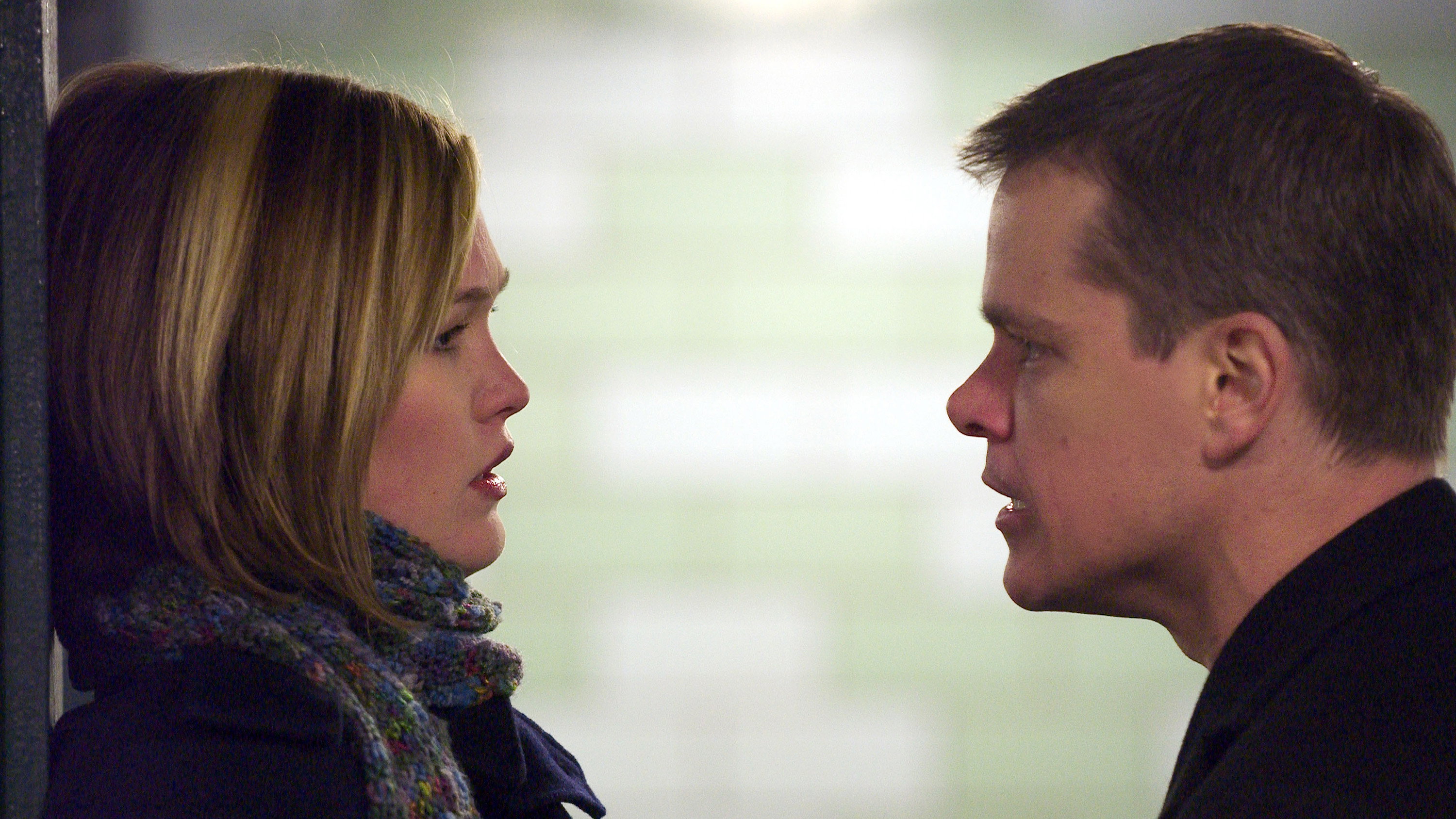
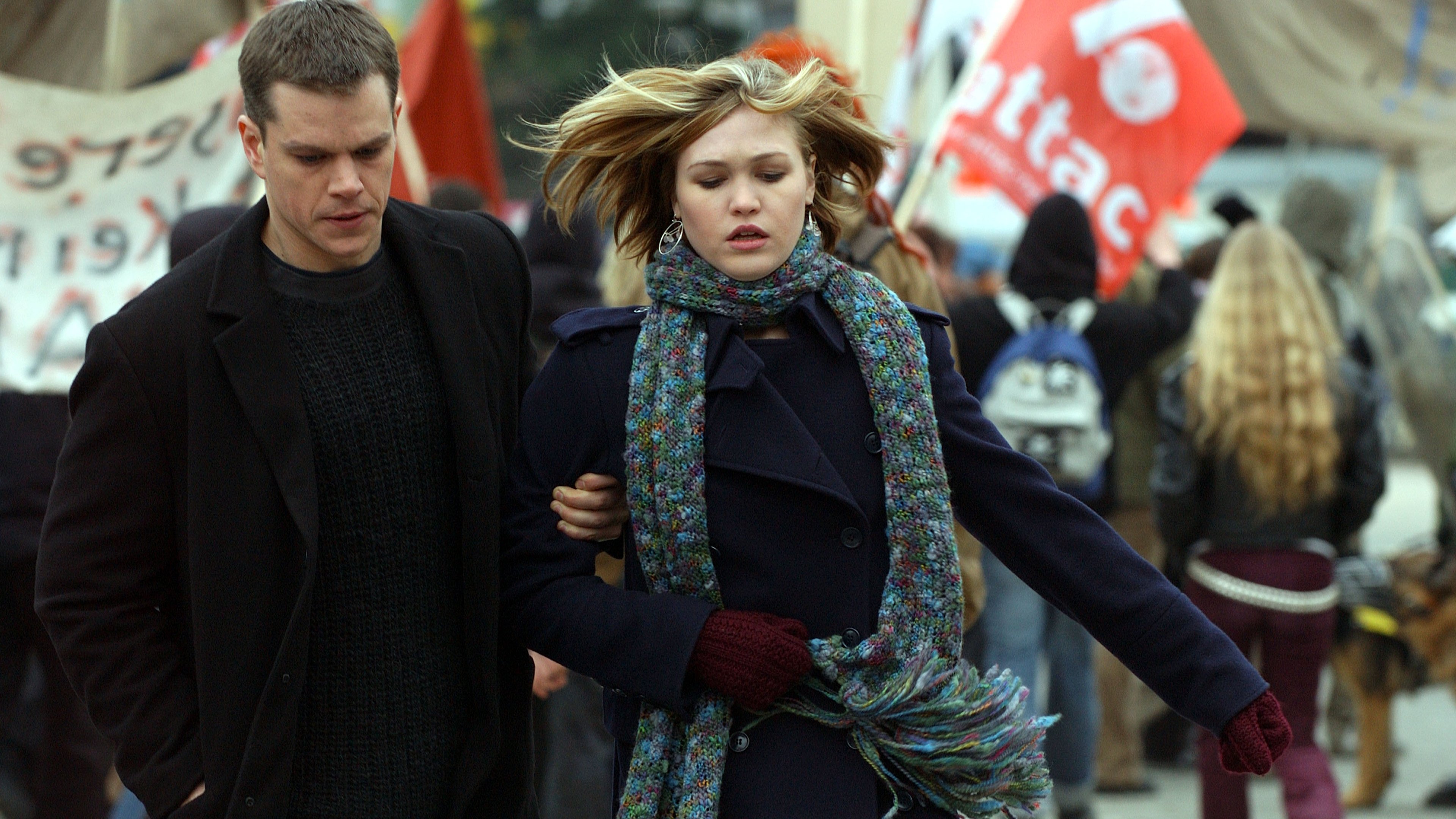
Jason Bourne (Matt Damon) is on the run, trying to piece together his identity while confronting the consequences of his past. His skills offer a way through danger, but they also connect him to the life he is struggling to understand. The pursuit brings espionage, escapes and close combat into a story of a man whose own history gives him little peace. Franka Potente plays Marie Helene Kreutz, Joan Allen is Pamela Landy, and Brian Cox is Ward Abbott, with Julia Stiles as Nicky Parsons. Paul Greengrass directs a screenplay by Tony Gilroy, based on Robert Ludlum’s novel.

Fi1m review

Paul Greengrass makes a tense spy thriller with an unusually troubled hero, and Matt Damon gives us reason to worry about him. The restless cutting occasionally obscures the action, but the pursuit holds us.

The Bourne Supremacy is a gripping thriller with one persistent nuisance: it sometimes makes us work too hard to see what is happening. Paul Greengrass gives the pursuit urgency, while Matt Damon gives us a reason to care who gets away. Tony Gilroy’s screenplay ties Bourne’s search for his identity to the consequences of his past. That gives the chases a troubling purpose, even when the details of the plot take more sorting out than they deserve.

Damon keeps the performance restrained enough for us to notice the strain. Bourne’s resourcefulness is satisfying to watch, but Damon never seems entirely comfortable inhabiting someone so capable of violence. We felt anxious watching him, because his quiet, guarded performance makes Bourne seem permanently braced for another threat. The physical skill is there, plainly, and the performance leaves us interested in what happens when he has a moment to think about using it.

Oliver Wood’s handheld photography makes that unease visible, keeping the image unsettled even when we would appreciate a moment to get our bearings. Editors Christopher Rouse and Richard Pearson cut with a speed that gives pursuit a convincing sense of decisions made under pressure. At its most effective, the technique makes us share Bourne’s need to notice something and act immediately. When we want to follow a movement all the way through, however, another cut can arrive before we have understood the last one.

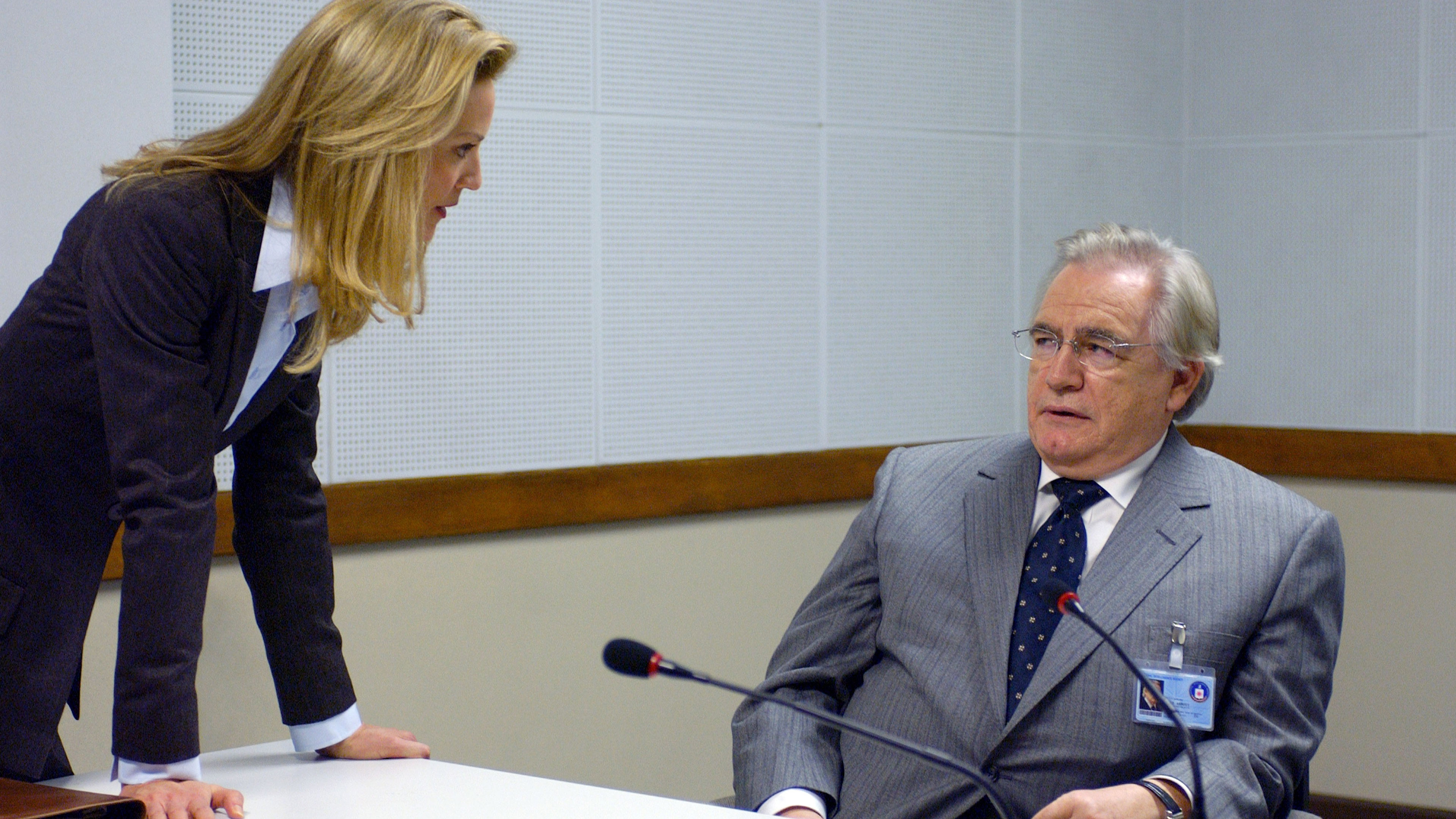
The supporting cast helps keep the film intelligible when its construction threatens to do otherwise. Joan Allen is particularly good as Pamela Landy, bringing a brisk intelligence to scenes that depend on people seeming capable. Brian Cox gives Ward Abbott an authority that needs little emphasis, and Julia Stiles makes Nicky Parsons worth watching without competing for attention. Their performances give the quieter stretches enough interest that we do not simply wait for Damon to start moving again.

Dominic Watkins’s production design earns its keep in the hotel escape: we are interested in the space because Bourne has to get out of it. The surroundings feel usable, and the sequence makes practical ingenuity exciting without requiring us to admire the furnishings. We are less persuaded by John Powell’s music when it presses for excitement that the cutting has already supplied. The score contributes to the urgency, though we occasionally wish it would leave the images to do the work.

Within the spy thriller, this degree of seriousness can become a burden, and Greengrass occasionally risks it. The film offers little relief from suspicion and pursuit, so its severity can begin to feel dutiful. Yet Bourne’s discomfort with his own past gives the violence consequences beyond the immediate question of who wins. We remain interested in what being good at this has done to him, which is more than the action alone could sustain.

At 108 minutes, there is little opportunity for that severity to become exhausting. Damon provides enough human uncertainty to keep the film involving through its busiest passages, and Greengrass makes the danger feel close enough to matter. We recommend it to anyone who likes a pursuit thriller that takes its fugitive seriously. The caveat is practical: if restless camerawork irritates rather than excites, there is a considerable amount of it to tolerate.

Critical consensus AI synthesised

71
Positive
9
Mixed
0
Negative
2

Most critics welcome The Bourne Supremacy as a forceful sequel, with praise centred on Paul Greengrass’s urgent direction and Matt Damon’s restrained performance. The handheld camerawork and rapid cutting give the action a physical immediacy that many find convincing, while the Moscow car chase draws particular praise for its pace and invention. Damon supplies a grounded presence amid the commotion, and several reviews find emotional weight in Bourne’s efforts to reckon with his past.

The disagreement is substantial, chiefly over whether that same restless technique helps or hinders the film. Some broadly favourable reviews find the editing confusing or showy, and opinions differ on how much room the action leaves for emotion. The Hollywood Reporter argues that the shaky camera creates distance from Bourne, despite intelligent performances. Slant Magazine is harsher about the characterisation, finding little psychological depth where admirers see a troubled, sympathetic protagonist.

Empire
· William Thomas
85*

The film builds on and exceeds the original Bourne Identity, delivering one of the finest big-budget thrillers in years through Greengrass's kinetic direction and Damon's underplayed performance. It mixes visceral action with emotional depth, ending on a quiet, touching note rather than a bang.

Read the full review →
Los Angeles Times
23 July 2004 · Manohla Dargis
85*

The critic commends Greengrass's brilliantly paced and cut direction that captures Bourne's fractured sense of time and space, especially in the exhilarating Moscow car chase, and notes the film's unexpected moral resonance.

Read the full review →
Radio Times
★★★★ · Adam Smith
80

Greengrass improves slightly on the original by delivering consistently exciting action without pushing credibility, thanks to his drama-documentary background. Damon impresses as the slick, silent, angry black hole of a Bourne.

Read the full review →
The AV Club
27 July 2004 · Scott Tobias
80*

The film steps up the efficiency of the original with dazzling kinetics and style, driven by Damon's relatable performance and a compelling identity quest. Greengrass brings purposeful physicality to the action sequences through jittery handheld cameras and purposeful fast-cutting.

Read the full review →
The New York Times
23 July 2004 · Stephen Holden
80*

The critic describes the film as reassuring post-9/11 entertainment comfort food and highlights its high-speed action realism, particularly an extended Moscow car chase, along with strong editing that sustains mood over plot.

Read the full review →
Screen Daily
19 July 2004 · festival review
70*

Greengrass imposes a relentless pace that makes a virtue out of plot confusion and delivers visceral thrills in chase sequences, especially the Moscow demolition derby. The documentary-style camerawork gives the film a distinctive feel, though the emphasis on action leaves little room for humour or emotion.

Read the full review →

Cast

Stills

If you liked this, try…