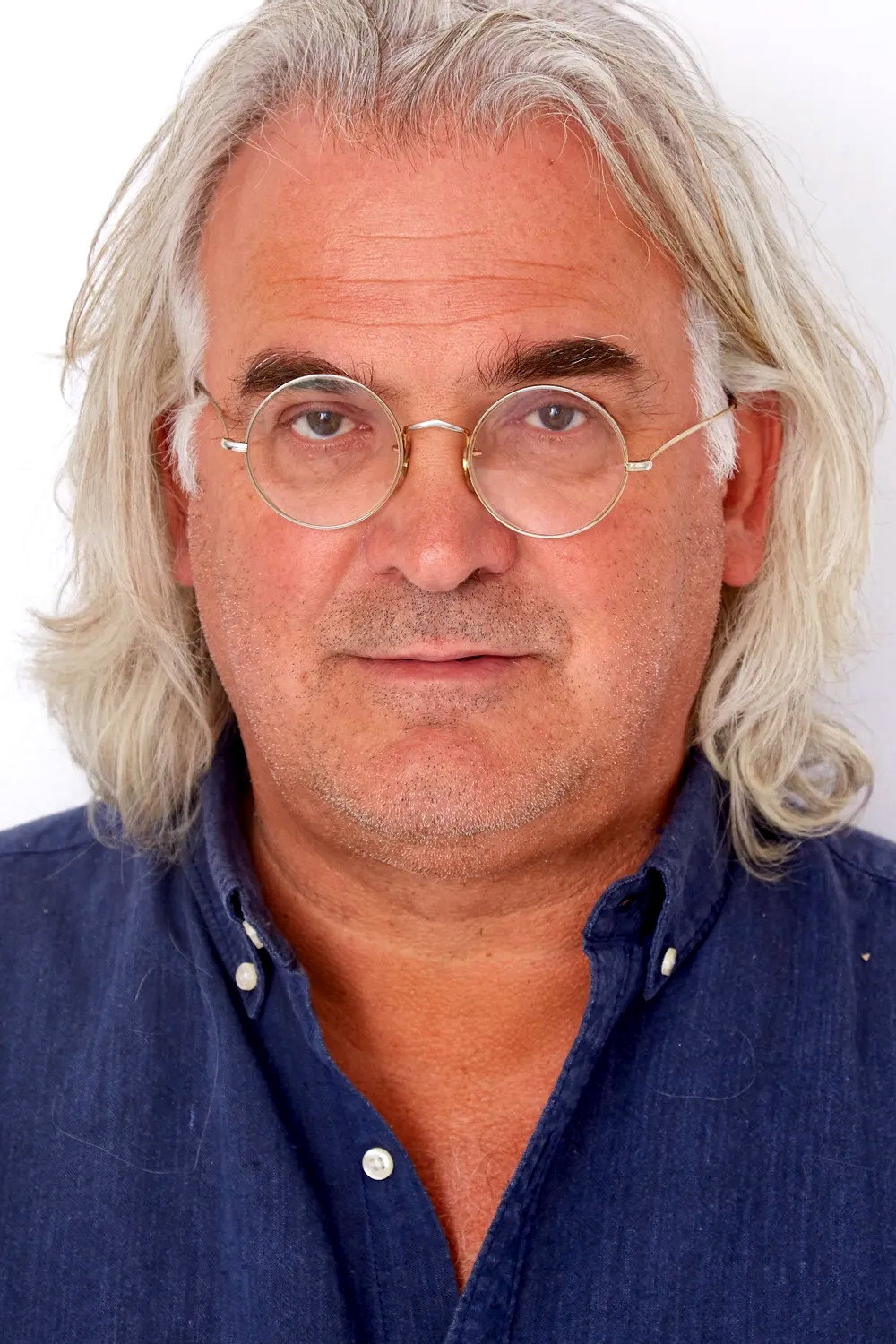
Paul Greengrass makes urgent, involving films by keeping us close to people under pressure. We admire the method, but The Uprising shows how readily constant movement can get in the way of a story.
Fi1m perspective
The camera shakes, the framing catches only part of the action, and the next cut arrives before we have settled. Paul Greengrass uses these habits to put us among people trying to keep up with events. His handheld camerawork and zoom lenses come from documentary practice, and the sense of being there is often persuasive. The difficulty is deciding when to stop moving and let a scene develop.
That approach developed through documentary work on World in Action, then television drama, before Bloody Sunday (2002) brought the feature breakthrough. He took it into Hollywood with The Bourne Supremacy (2004); The Bourne Ultimatum (2007) showed that fragmented editing need not cost an action film its clarity. Editor Christopher Rouse has collaborated with Greengrass on five films, a substantial working relationship for a director so dependent on the cut. Alongside the studio action, United 93 (2006) and Captain Phillips (2013) continued his work with real events.
The Uprising (2026) takes that urgency into a convincing medieval setting, with Andrew Garfield’s Ploughman at its centre. Greengrass approaches the Peasants’ Revolt through physical disorder, but his screenplay gives its participants too little time to make choices that count. Garfield makes Ploughman’s reluctance believable and lets him retain some dignity amid the disorder. He gives the rebellion a human interest that the screenplay cannot maintain on its own, while Katherine Waterston’s chilly Joan of Kent provides a useful contrast. There are people worth watching here, even when the film seems impatient to move on.
William Goldenberg’s energetic editing is part of the problem: successive action sequences arrive with much the same force. We grew weary during The Uprising, because another burst of action so often took the place of time with its characters. The crowded ensemble makes it harder to stay with Garfield, who is doing much of the work of making the rebellion matter. Greengrass is right to resist a tidy history lesson, and the film allows the revolt its moral complications. Choose The Uprising for Garfield, provided relentless historical action is already your sort of evening.
Biography
Paul Greengrass (born 13 August 1955) is an English film director, screenwriter and producer. He was born in Cheam, Surrey, and began his career in television journalism before moving into documentary and feature filmmaking.
His early feature Bloody Sunday (2002) won the Golden Bear at the Berlin International Film Festival. Greengrass is known for directing The Bourne Supremacy (2004), United 93 (2006), The Bourne Ultimatum (2007), Captain Phillips (2013) and Jason Bourne (2016). He received a BAFTA Award for Best Director for United 93 and an Academy Award nomination for the same film. In 2007 he co-founded Directors UK and served as its first president until 2014.
Greengrass wrote, directed and produced the historical drama The Uprising (2026).