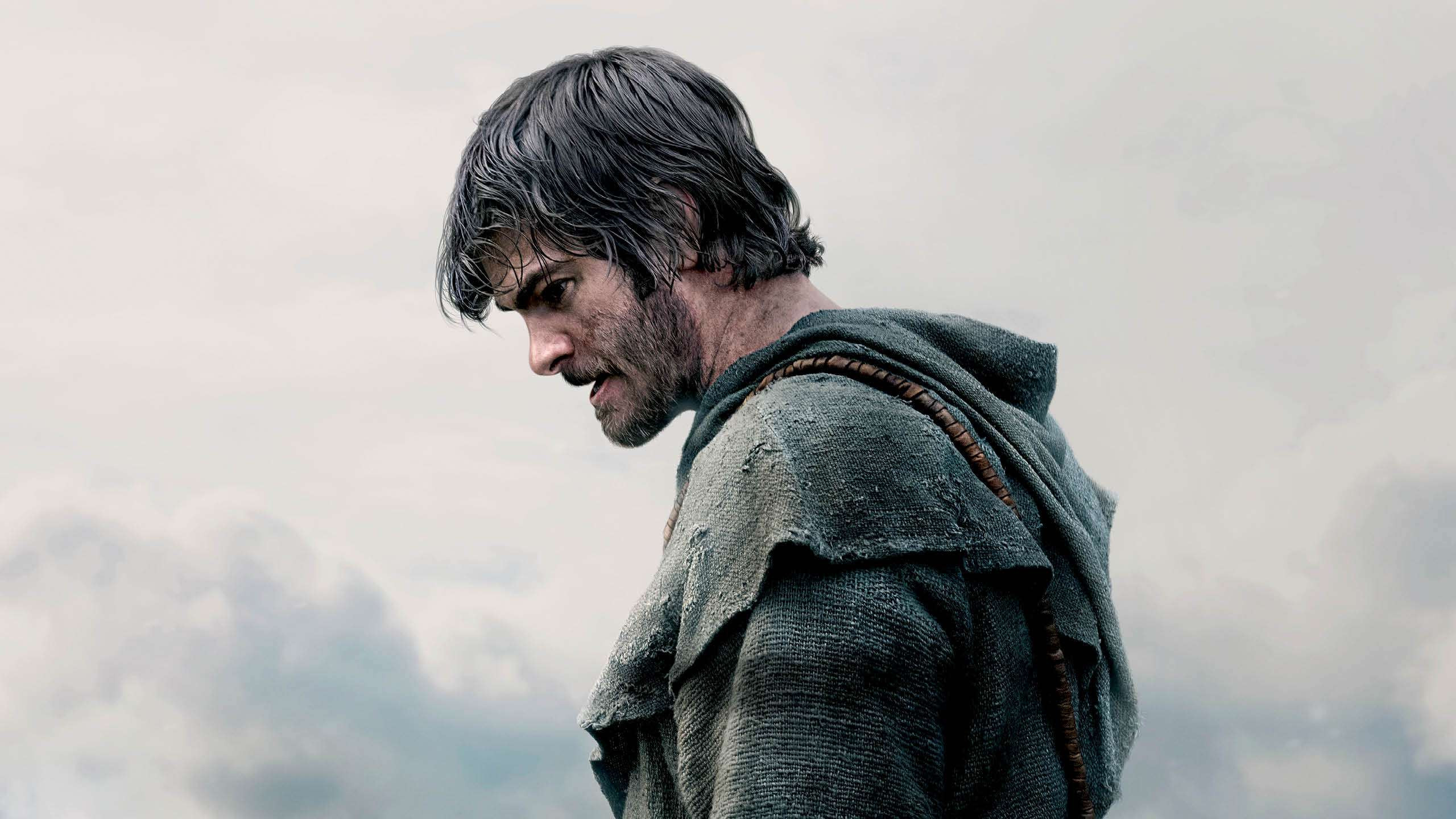
Paul Greengrass’s historical drama has a persuasive lead in Andrew Garfield and a convincing medieval setting. Its relentless action is harder to recommend: the movement does too much of the storytelling.
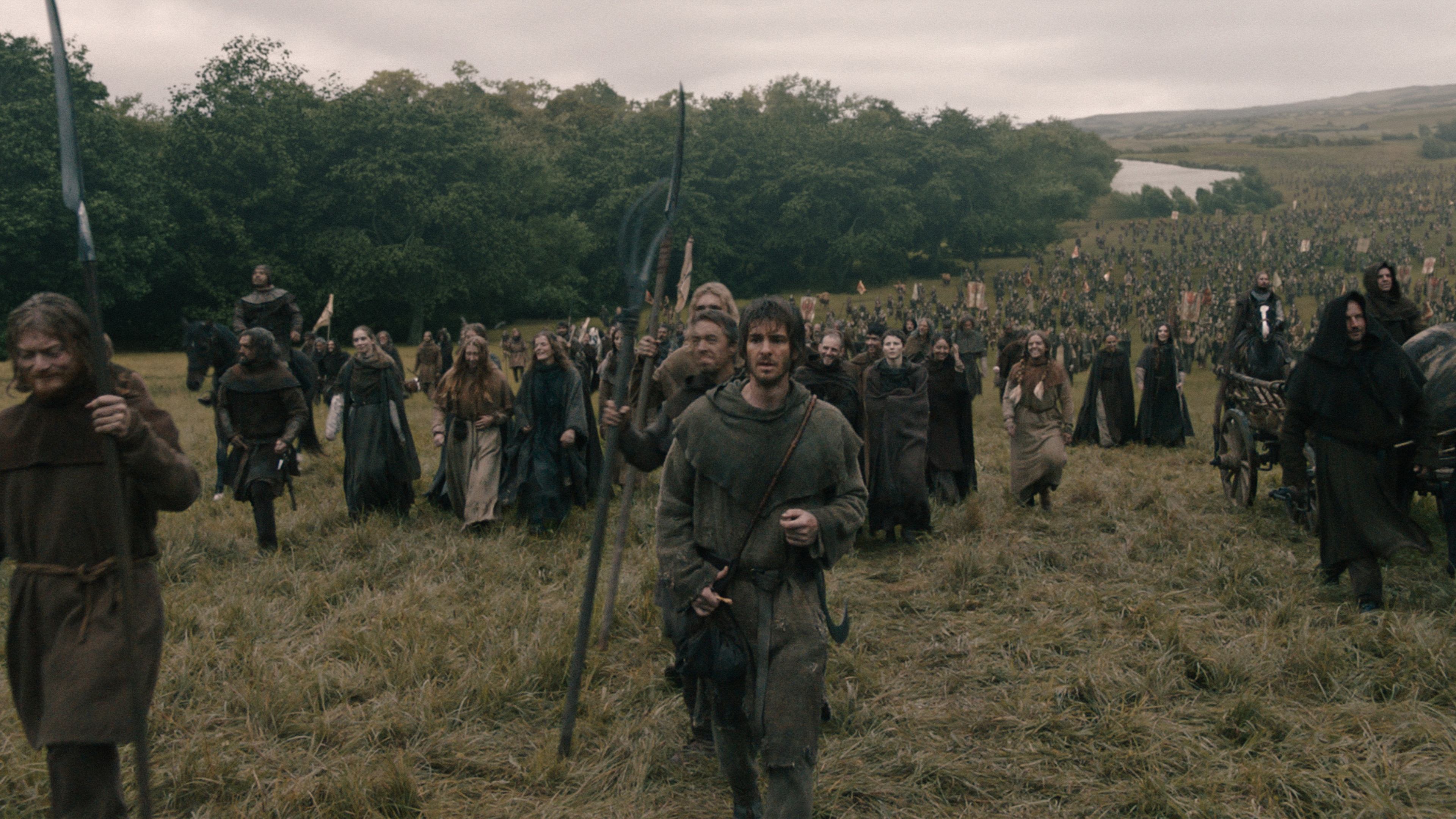
The Uprising is a decent historical action film with a persuasive lead and a serious problem with pacing. Paul Greengrass approaches the Peasants’ Revolt through physical disorder, putting the pressure of rebellion ahead of an orderly account of it. That is a reasonable choice for a story about people denied power and determined to take it. But across 128 minutes, his insistence on keeping everything urgent makes too much of the film feel much the same.
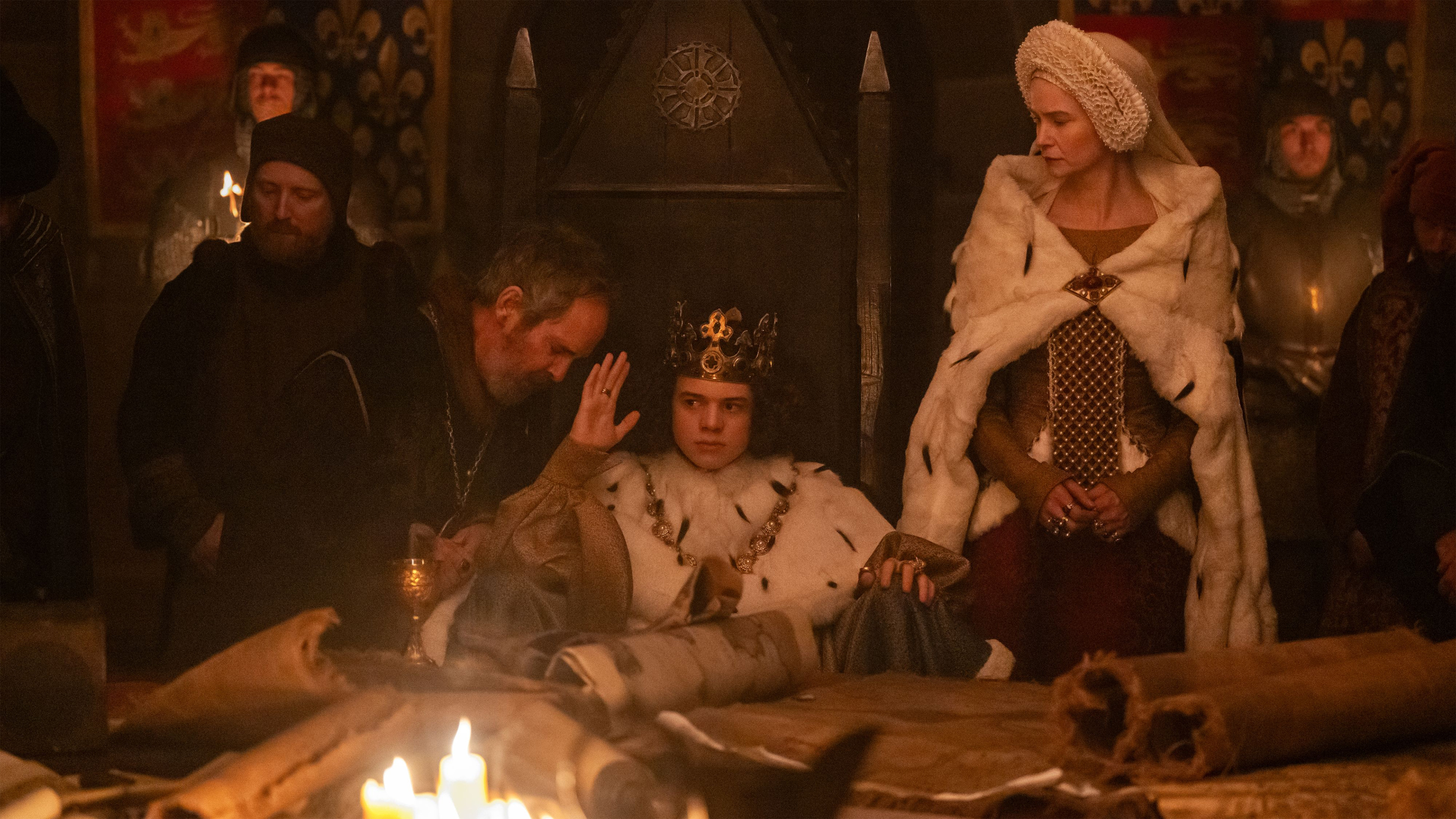
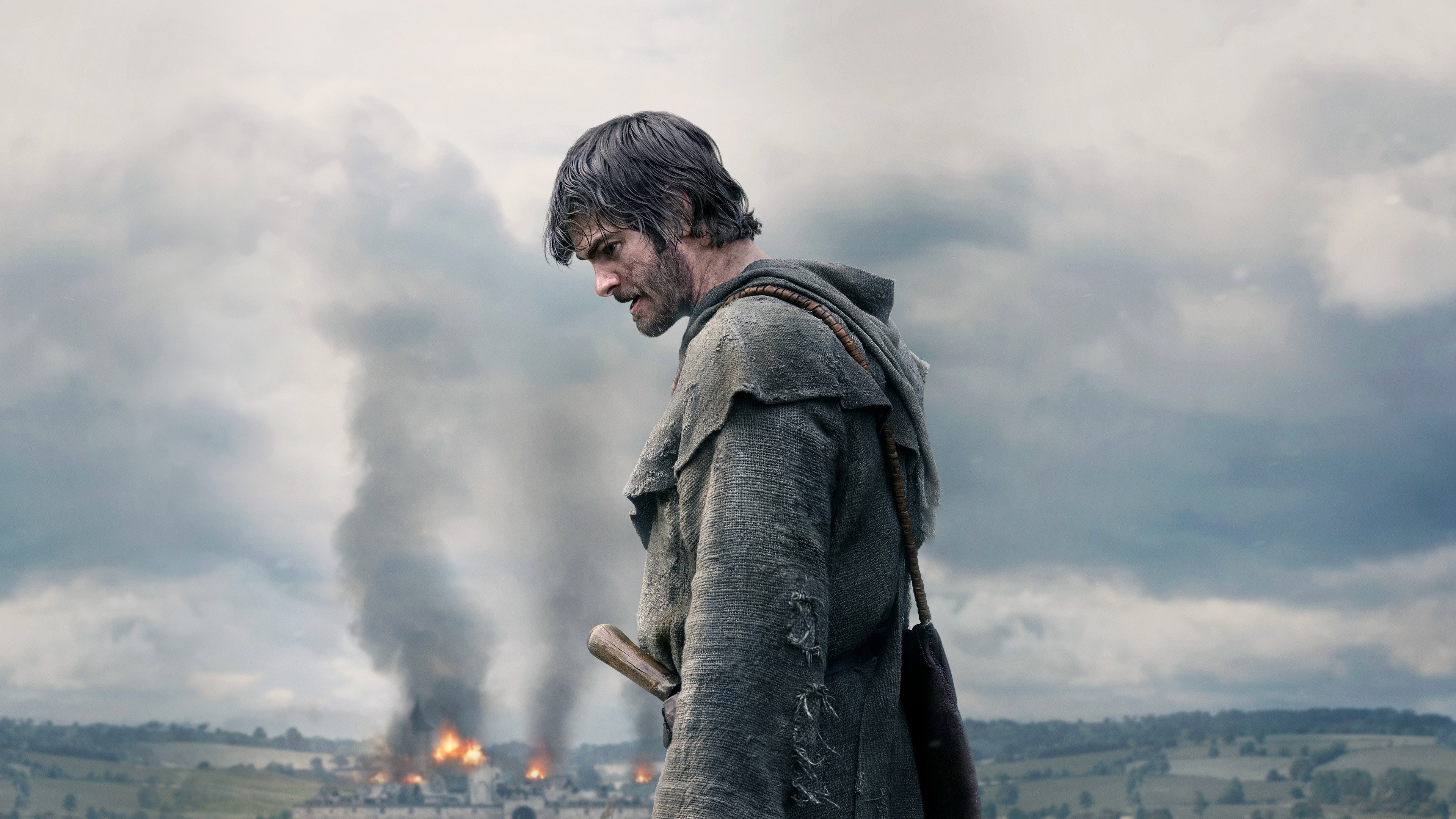
Andrew Garfield gives Ploughman enough reluctance to make his involvement in the revolt feel consequential. His dignity makes it possible to care about the rebellion without requiring everyone involved to be straightforwardly heroic. Garfield supplies much of the emotional continuity that Greengrass’s screenplay struggles to sustain, though the crowded ensemble too often competes with him. Katherine Waterston, as Joan of Kent, is sharply chilly, providing a useful contrast to the agitation around her.
Pål Ulvik Rokseth’s handheld photography brings the fighting close, with all the uncertainty that entails. At its most effective, the unstable frame makes a crowd feel difficult to control; elsewhere, it becomes difficult simply to follow. We found the fight scenes wearing, because the shaking made it harder to read the action and kept us at the same pitch of alarm. The aerial views provide welcome distance, and suggest that a clearer view need not make the violence less disturbing.
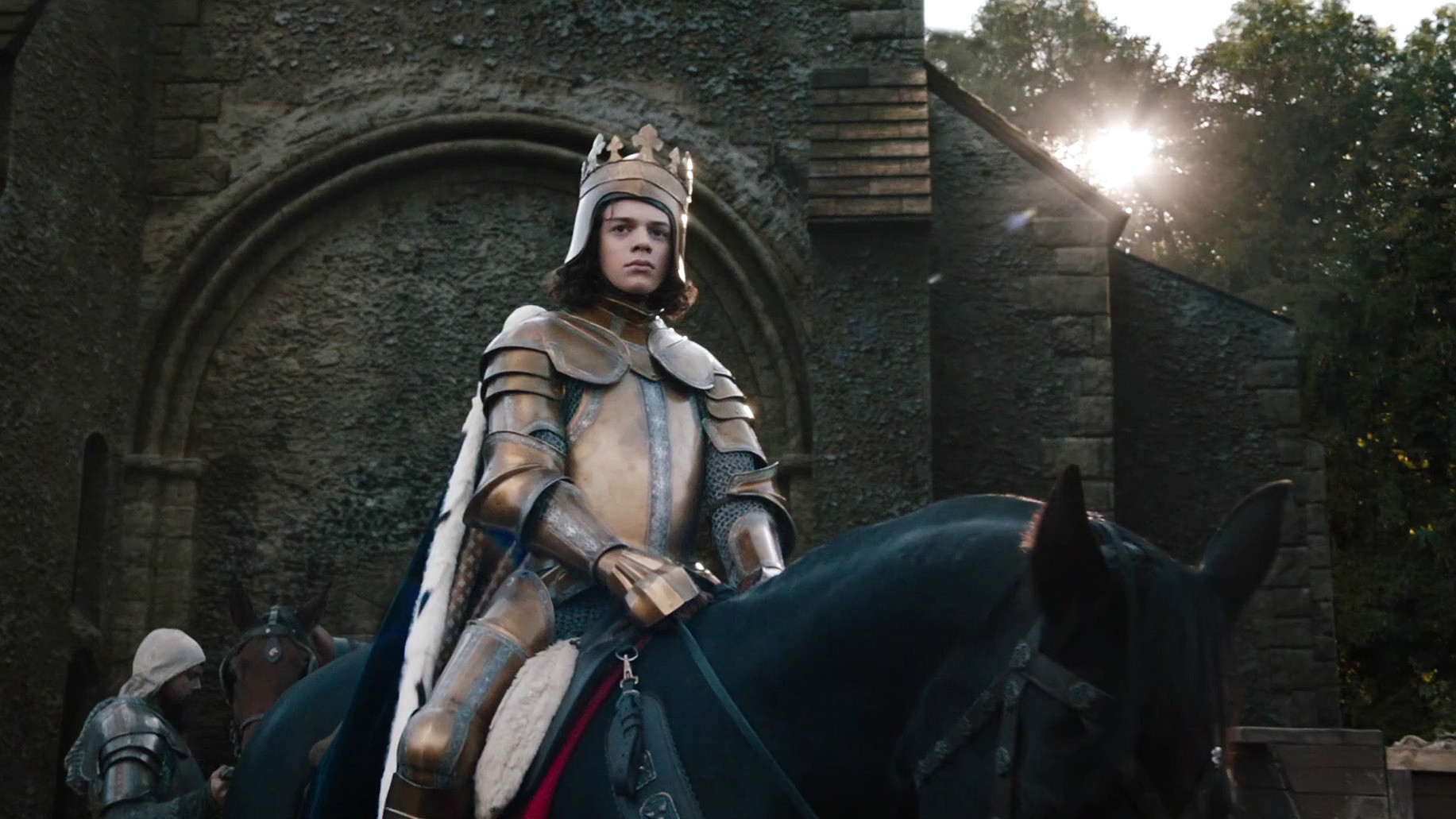
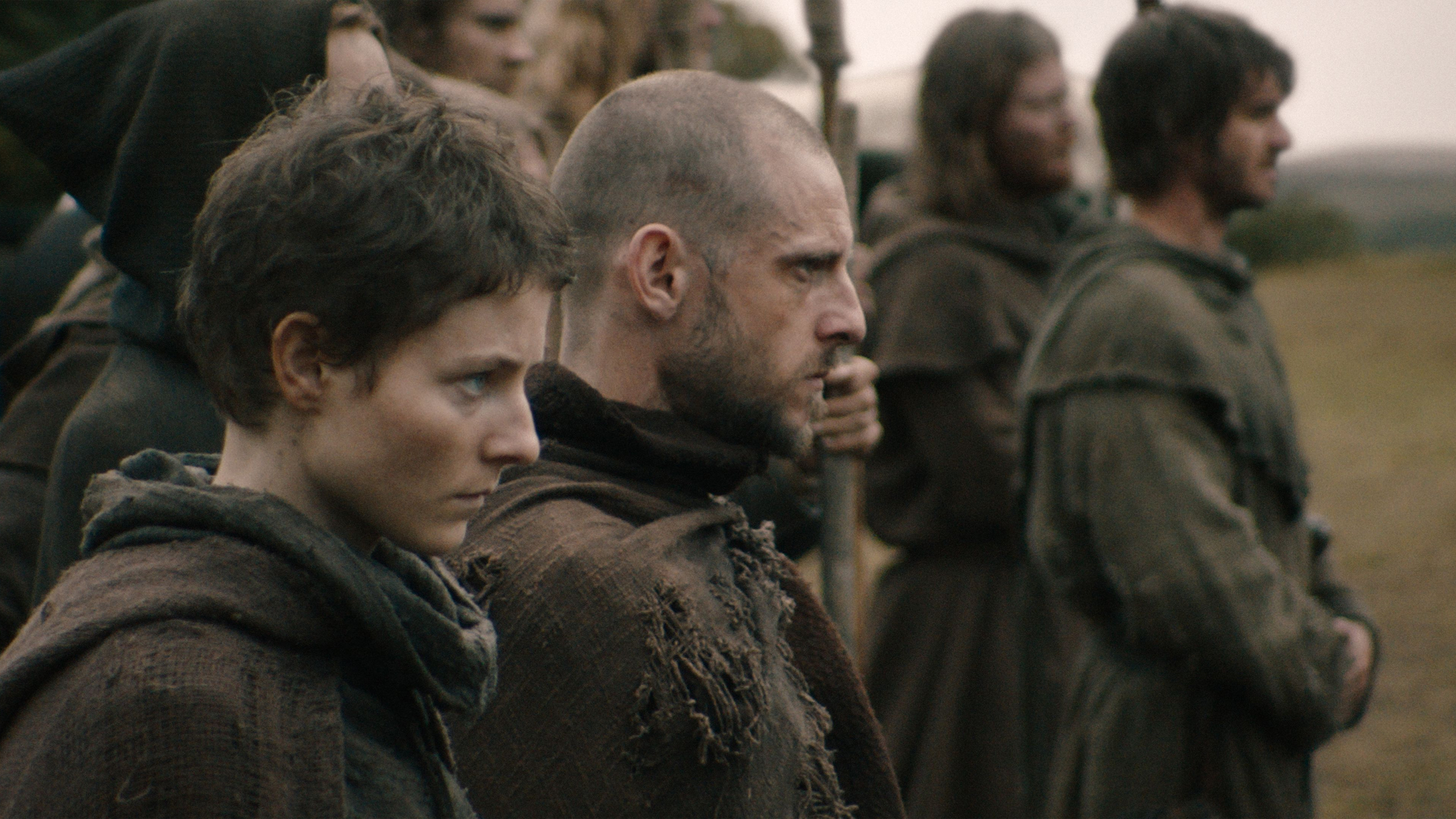
Nikolaj Danielsen’s production design makes medieval England look convincingly difficult to live in, although the emphasis on mud eventually becomes monotonous. The dirt helps establish the rebels’ hardship without requiring the dialogue to explain it. Volker Bertelmann’s score helps sustain the tension, and is effective on its own terms. What the film needs more urgently, however, is a quiet stretch in which its characters have room to become distinct.
William Goldenberg’s editing is energetic, yet the film needs more changes of pace than it gets. Sequence after sequence arrives with comparable force, so the sense of events developing begins to fade. Greengrass the writer has not given the action a strong enough dramatic progression, and the contemporary relevance of inequality cannot supply one for him. Too often, another stretch of action takes the place of time spent with the people involved.
Historical action films do not owe us a lecture, and Greengrass is right to avoid treating the rebellion as an illustrated lesson. There is moral complexity here, and a welcome sense that violent upheaval will not become tidy merely because its grievances are recognisable. But characters need time to make choices that carry some weight, and the film’s hurry too often works against that. Much of the work of making those choices matter falls to Garfield.
This remains a reasonable choice for anyone drawn to historical rebellion, with performances and period detail worth the patience it asks for. The pace is the caveat, and it is a substantial one. Frequent movement does not make this an easy evening. If handheld action already wears you down, even Garfield is unlikely to change that.