Film review

United 93

2006 · Directed by Paul Greengrass · 1h 51m · MPA R

In a sentencePeople trying to do their jobs, while we sit there wishing we could warn them

DramaHistoryThriller

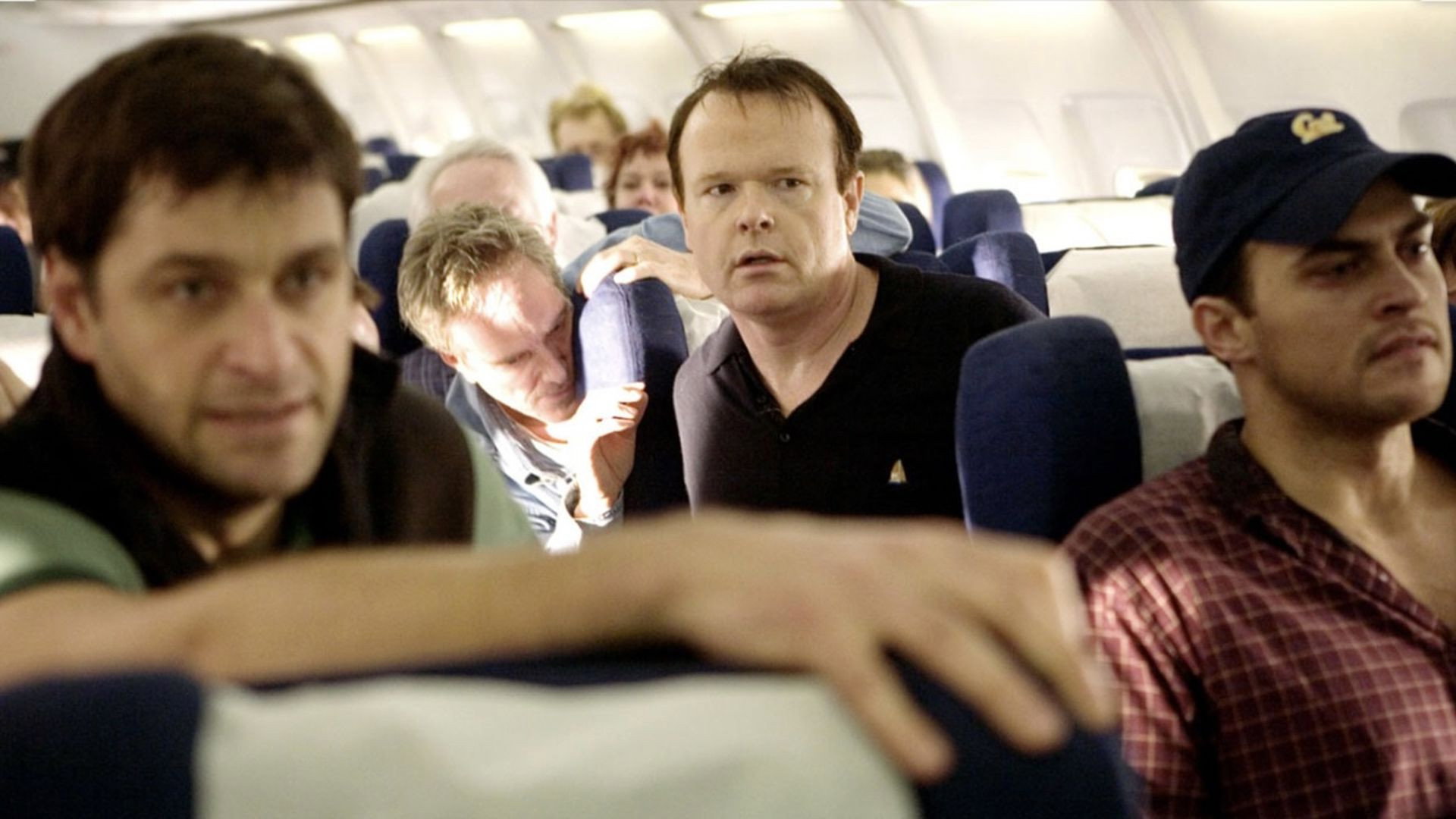
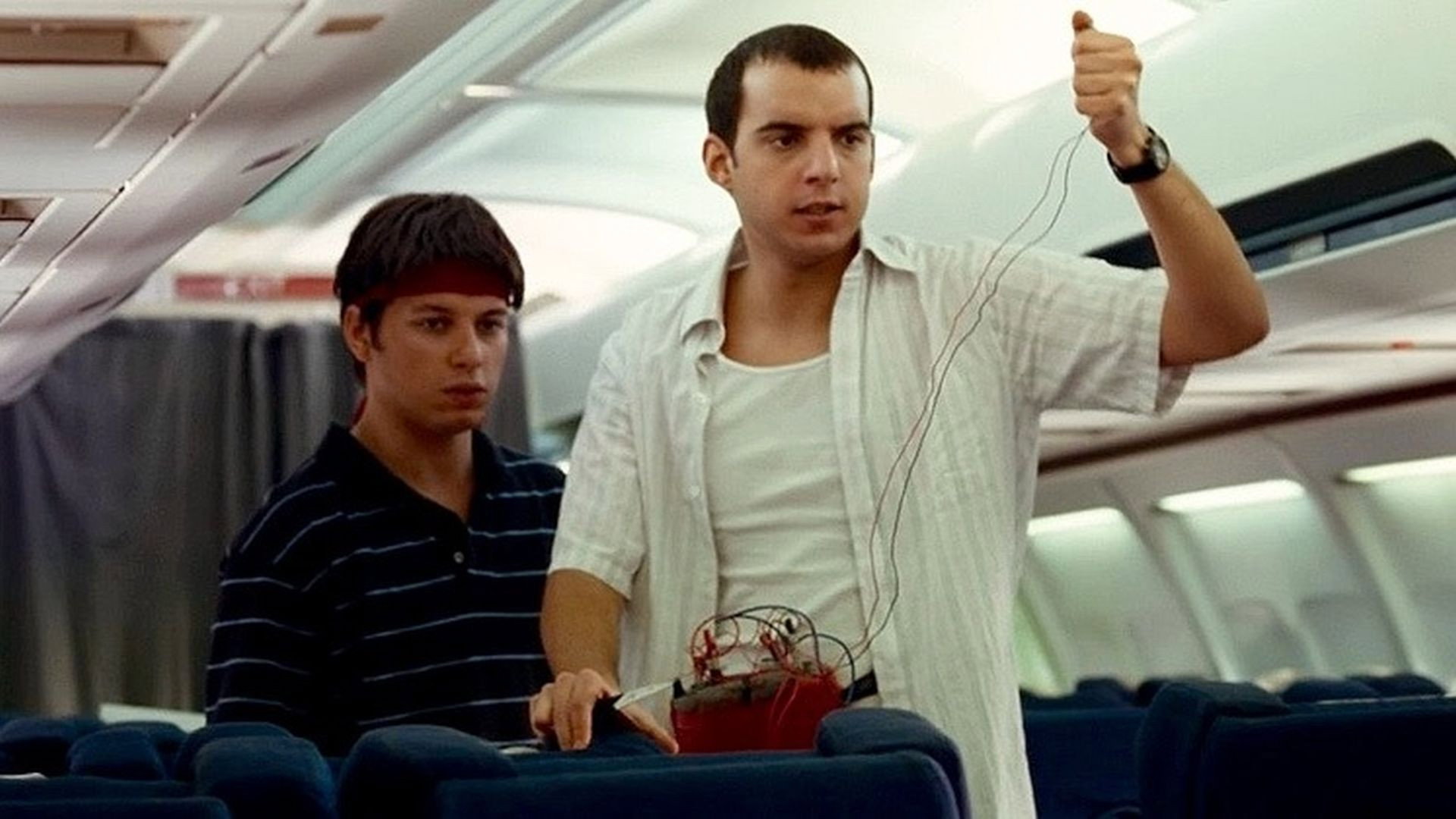
On 11 September 2001, four planes are hijacked. United 93 follows the people aboard one of them and those trying to respond from command centres, as information arrives in fragments and an ordinary working day becomes an emergency. J.J. Johnson plays Captain Jason M. Dahl, with Gary Commock as First Officer LeRoy Homer, Polly Adams as Deborah Welsh and Opal Alladin as CeeCee Lyles. Written and directed by Paul Greengrass, the film moves between the aircraft and the response on the ground, following passengers, crew and officials as they try to understand what is happening.

Plays from YouTube when you press play; nothing loads from them until then.

Fi1m review

Paul Greengrass’s United 93 is a frightening, disciplined reconstruction that deserves to be seen, though not casually. Its attention to people working through a crisis is patient and humane, but it tells us little about the hijackers’ motives.

Paul Greengrass’s United 93 is a film we recommend strongly, with the warning that its naturalism can make watching it acutely distressing. It reconstructs the hijacking of one of the four planes taken on 11 September 2001, keeping close to people facing events they cannot yet understand. Greengrass, who also wrote the screenplay, resists giving them the perspective that comes with knowing the history. At 111 minutes, it asks us to spend a sustained, uncomfortable stretch in their uncertainty.

The command-centre sequences are particularly effective because work continues while the situation becomes harder to grasp. Voices overlap, and the film makes listening itself difficult without making the people speaking seem foolish. We felt helpless during these exchanges, because we could hear people trying to understand a crisis whose significance we already knew. Greengrass lets their attempts to respond occupy the screen for long enough that the work itself becomes frightening.

Barry Ackroyd’s unsettled camera keeps us close enough to register the strain without settling into a comfortable view of it. The movement can be wearing, and there are moments when we would welcome a steadier look, but smoothness would also make this material easier to consume. Editors Clare Douglas, Christopher Rouse and Richard Pearson use the cross-cutting to keep separate efforts to comprehend the emergency in play. We have time to follow the work, even as the cutting denies us much relief from it.

Dominic Watkins makes the aircraft and command centres look like workplaces, which helps keep our attention on the people using them. John Powell’s score adds solemnity that we do not always need; we would have trusted those overlapping voices to carry still more of the strain. The film hardly needs encouragement to be upsetting. Even so, the craft generally avoids the grand presentation that could have made the reconstruction feel like an occasion for admiring the filmmakers.

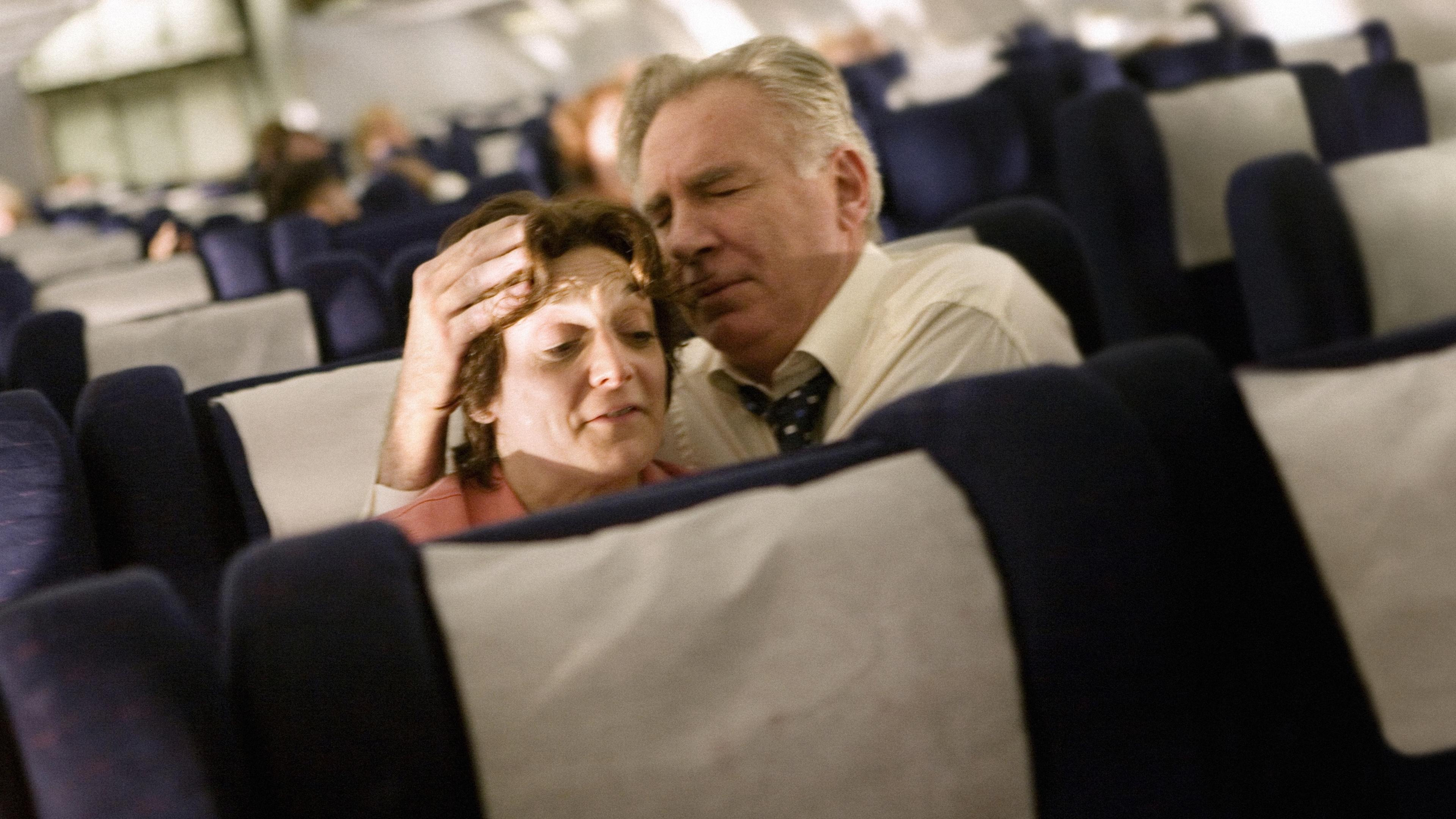
The ensemble approach also matters. J.J. Johnson as Captain Jason M. Dahl and Gary Commock as First Officer LeRoy Homer belong to a film that gives professional roles more weight than star entrances. Polly Adams’s Deborah Welsh and Opal Alladin’s CeeCee Lyles fit the same restrained approach, in which speech sounds necessary rather than prepared for an audience. Their restraint makes the film’s view of ordinary people convincing, even when we learn little about them.

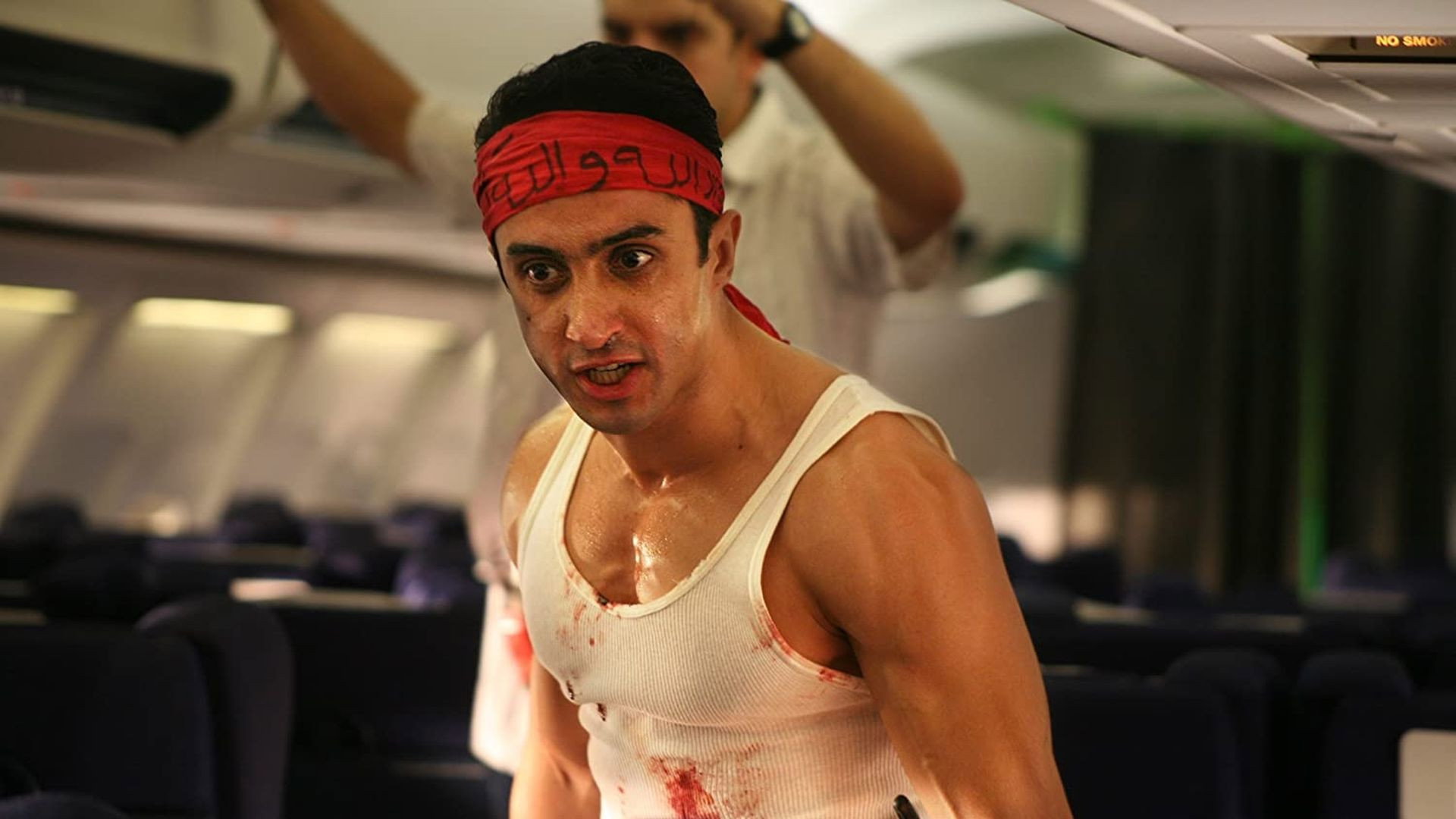
There is a cost to staying so close to the immediate emergency. Greengrass gives the hijackers too little beyond their part in it, and leaving their motives largely unexplored makes the film narrower than its seriousness might suggest. A reconstruction this convincing also risks being accepted as a complete account, when parts of it are necessarily speculative. We do not think either problem invalidates the film, but both should stop us treating it as a substitute for understanding the history.

As a historical thriller, it is unusually careful about the temptation to turn fear into excitement. The lack of jingoism matters, as does Greengrass’s reluctance to make ordinary behaviour sentimental. Those choices allow the distress to register without a speech explaining what we ought to feel. Give it an uninterrupted evening, and do not choose it simply because a thriller sounds relaxing.
Critical consensus AI synthesised

77
Positive
5
Mixed
1
Negative
0

Most critics respond strongly to Paul Greengrass’s restrained, intensely immediate reconstruction, praising its seriousness and attention to human decisions under pressure. The praise centres on the stripped-down docudrama approach: jagged camerawork, overlapping dialogue and cross-cutting make the confusion palpable without relying on conventional dramatic flourishes. Several reviews find that the avoidance of hindsight, sentimentality and jingoism gives the depiction of passengers, crew and officials its force.

The disagreement concerns what this realism explains, and whether reconstruction alone is enough. Empire admires the command-centre sequences but finds the treatment of the hijackers’ motivations limited; Slant Magazine goes further, judging the film ideologically muddled and its frenetic camerawork exploitative rather than illuminating. The spread is therefore substantial despite the predominantly positive response: most critics see sensitivity and discipline in Greengrass’s methods, while the strongest dissent questions the ethics of turning these events into an immersive experience.

The Guardian
2 June 2006 · Peter Bradshaw
95*

Paul Greengrass delivers a blazingly powerful and gripping real-time recreation of the hijacking that is the film of the year. The director singles out the docu-style intensity and the passengers' desperate uprising for particular impact in this ordeal cinema memorial.

Read the full review →
Empire
26 May 2006 · Dan Jolin
80*

Greengrass delivers an intensely real-time docudrama focused on the human decisions amid the crisis, with standout moments in the command centers. It serves as a vital historical document and cathartic portrayal but falls short in exploring the hijackers' motivations.

Read the full review →
The New York Times
28 April 2006 · Manohla Dargis
80*

The film is a persuasively narrated, scrupulously tasteful re-creation of the events aboard the fourth plane hijacked on Sept. 11. Greengrass employs jagged camerawork, overlapping naturalistic dialogue, and cross-cutting to deliver visceral, combat-zone verisimilitude while following the 9/11 Commission Report's trajectory.

Read the full review →
The Independent
16 June 2006 · Thomas Sutcliffe
75*

The film prioritizes restraint and naturalism over dramatic flair to respectfully depict the events. Its power comes from a determined avoidance of hindsight and artistic embellishment in portraying the passengers and crew.

Read the full review →
Slant Magazine
24 April 2006 · ★★/4 · Keith Uhlich
50

The critic finds the film ideologically muddled and exploitative, with frenetic handheld camerawork and a focus on recreation over clarity that turns the tragedy into a somber sideshow. He singles out the involvement of victims' families and the film's commercial tie-ins as particularly unsettling.

Read the full review →
Sight and Sound
1 July 2006 · Ali Jaafar

Greengrass recreates the events of the hijacked flight with serious-minded sensitivity and a stripped-down docudrama aesthetic, consulting victims' families and using real air-traffic officials. The film avoids jingoism and mawkishness while conveying the threat of the day and the bravery of ordinary people.

Read the full review →

Cast

Stills

Awards

Academy Awards, 2007

Nominated
Best Director
Nominated
Best Film Editing

Dallas-Fort Worth Film Critics Association Award for Best Film, 2006

Won
Dallas-Fort Worth Film Critics Association Award for Best Film

If you liked this, try…

Bloody Sunday poster

Bloody Sunday

2002 · Greengrass uses crowd movement and confusion to make public catastrophe painfully immediate.

The Battle of Algiers poster93

The Battle of Algiers

1966 · Another reconstruction that makes collective fear palpable without relying on a single hero.

The Guilty poster

The Guilty

2018 · A confined thriller about making consequential decisions with only fragments of information.

A Night to Remember poster

A Night to Remember

1958 · Procedural detail and an ensemble cast give a historical disaster its human scale.

The Assistant poster

The Assistant

2019 · Routine work becomes disturbing as an institution’s priorities emerge through ordinary behaviour.