Film review

Captain Phillips

2013 · Directed by Paul Greengrass · 2h 14m · MPA PG-13

In a sentenceTom Hanks attempts to remain professional in circumstances well beyond the scope of the staff handbook

ActionDramaThriller

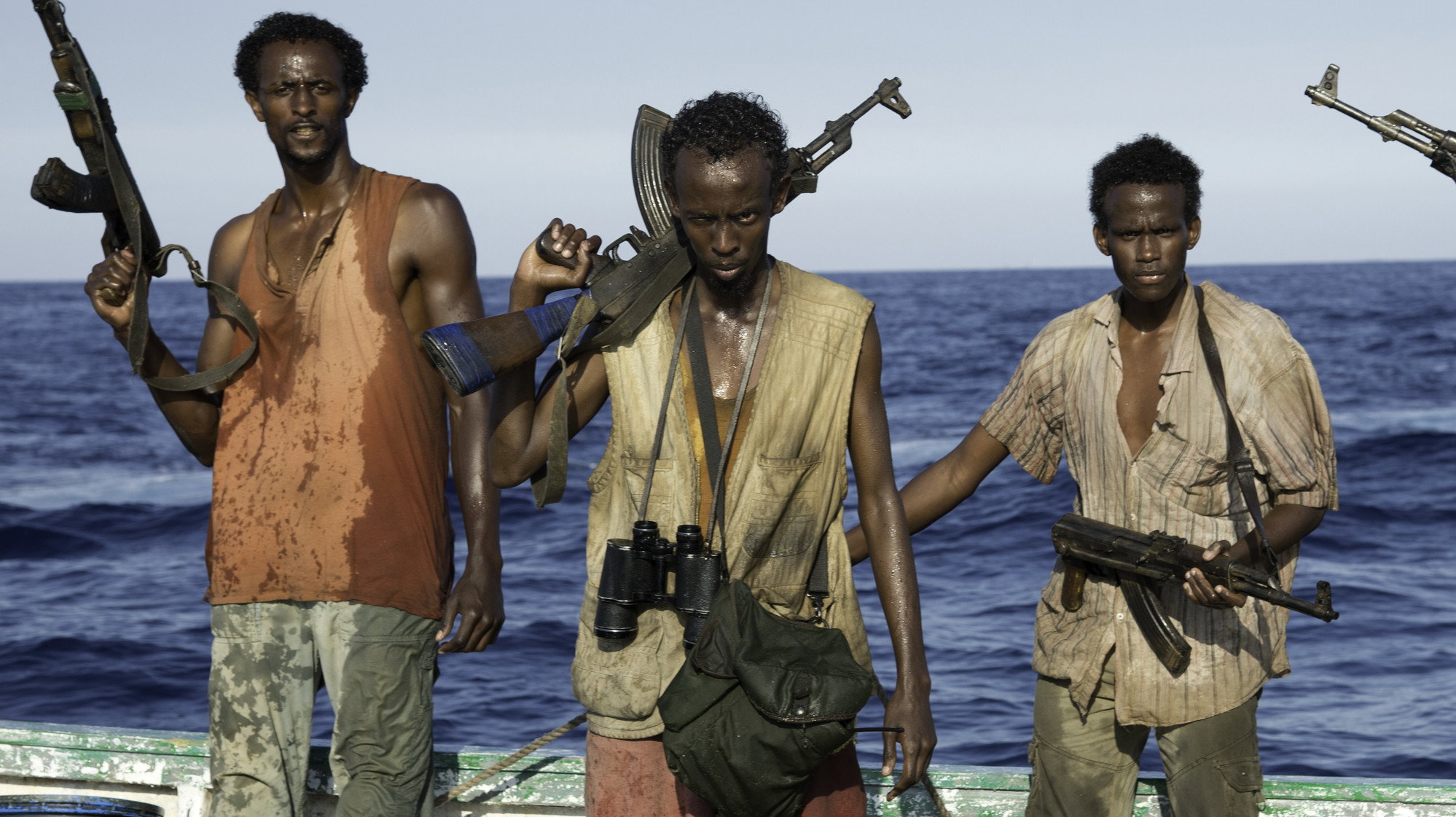
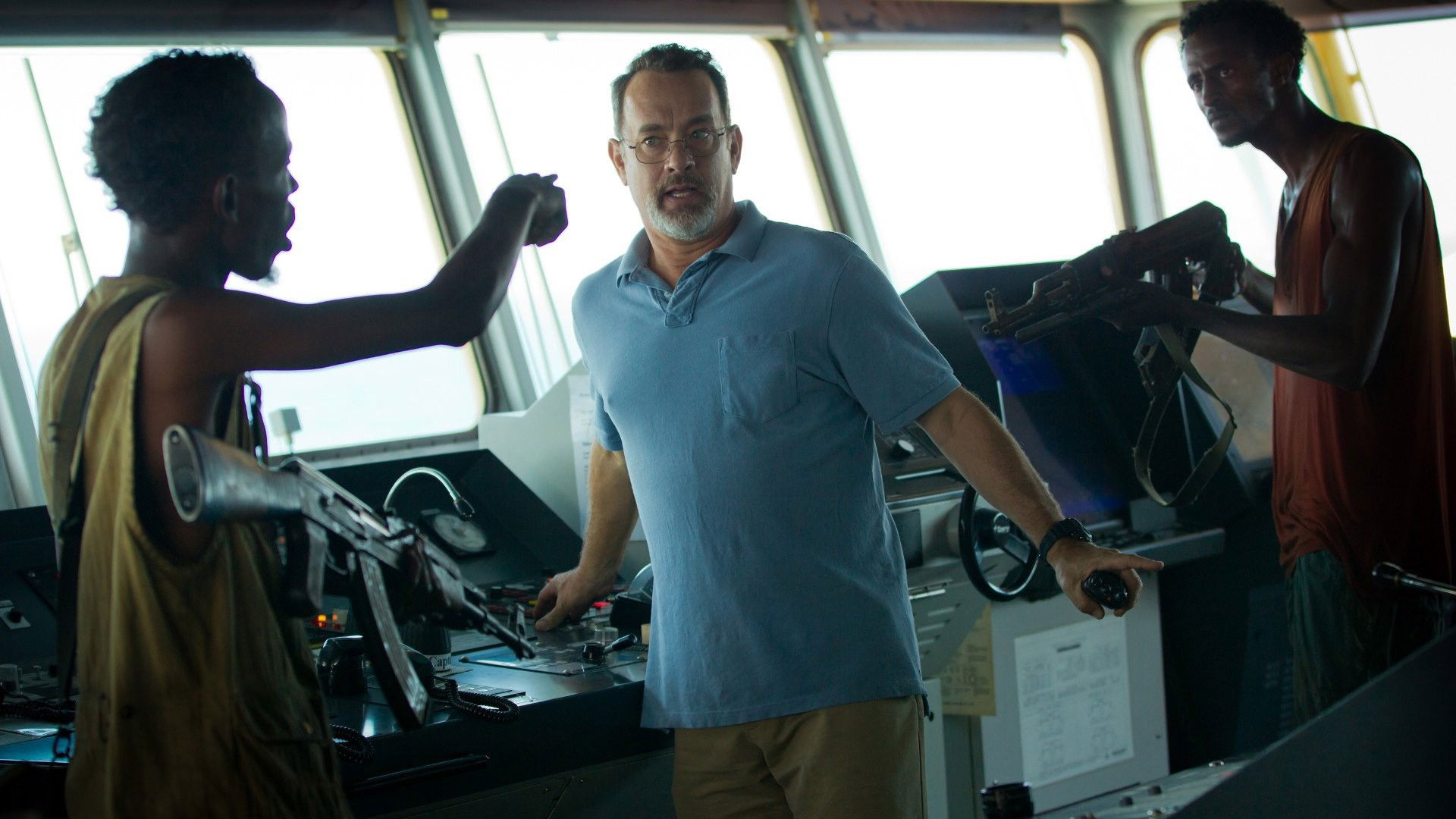
Tom Hanks plays Captain Richard Phillips, who commands an American container ship that comes under attack from Somali pirates. Barkhad Abdi plays Muse, the pirate leader confronting Phillips as a working voyage becomes a struggle for control. Phillips tries to protect his crew and manage the danger, while Muse presses his demands under pressures of his own. Directed by Paul Greengrass from a screenplay by Billy Ray, the film follows the confrontation at sea, concentrating on the decisions of both men as their options narrow and the threat of violence grows.

Plays from YouTube when you press play; nothing loads from them until then.

Fi1m review

Paul Greengrass makes an absorbing hijack thriller, with Tom Hanks and Barkhad Abdi giving the fear a human scale. The opening explains too much, but the tension soon becomes difficult to shake.

Paul Greengrass approaches Captain Phillips as a series of practical decisions taken under worsening pressure. An American container ship comes under attack from Somali pirates, and the film stays close to the work of trying to manage the danger. It is a gripping thriller, particularly good at making competence look fragile. The early explanation of the wider circumstances is heavy-handed, but once the confrontation takes hold, Greengrass trusts actions and faces.

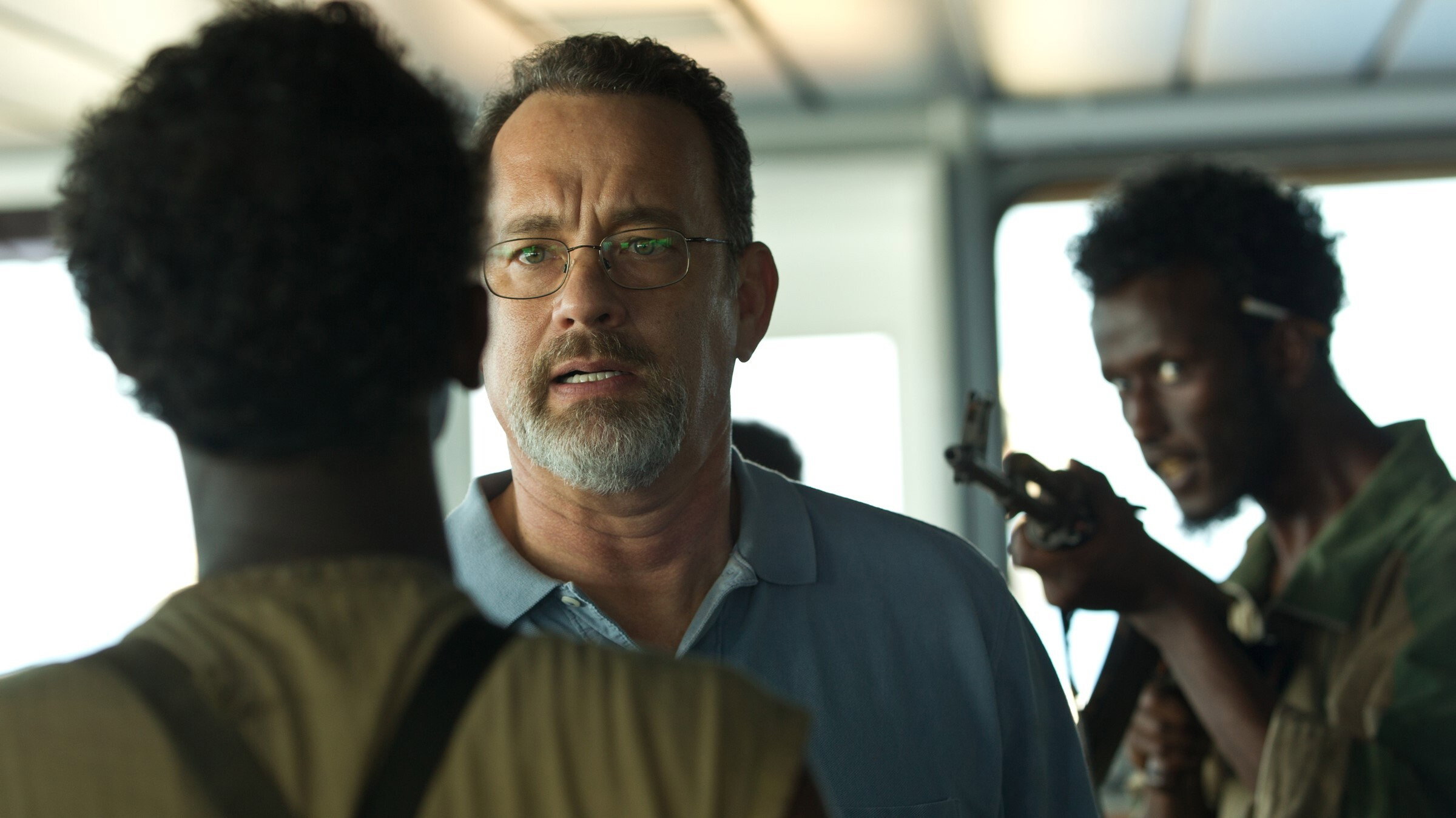
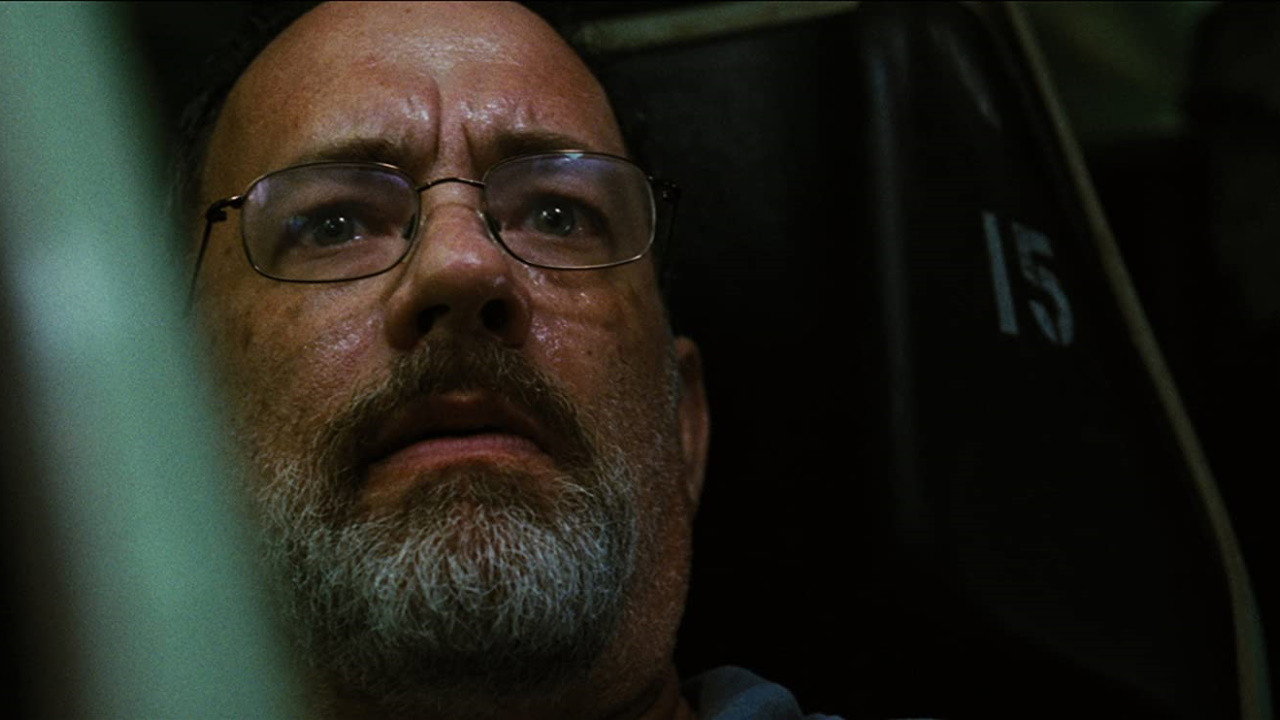
Hanks plays Captain Richard Phillips as a man who keeps trying to do his job after the usual rules have stopped helping. He is terse, watchful and not especially interested in being liked, which helps enormously. We were frightened by the effort it seems to cost him to stay still. His guarded movements and fixed attention suggest someone concentrating on the next manageable task because anything larger would be unbearable. The film gives him time to convey that fear without making a speech about it.

Barkhad Abdi’s Muse makes the threat harder to dismiss, because his authority also looks precarious. Abdi gives him the force of someone who needs his orders to sound final, with desperation showing through the bravado. In their exchanges, Hanks and Abdi keep testing how much confidence the other man has left. We can see why the film wants us to consider the pressures on both men, although their immediate positions are plainly unequal. Abdi earns that attention without asking us to forget what Muse is doing.

Barry Ackroyd’s handheld photography keeps the camera close enough to faces for small changes in confidence to register. The movement can be tiring, but it makes the struggle feel physically uncomfortable rather than merely busy. Christopher Rouse’s editing keeps the sequence of pressures clear: an action prompts a response, and that response creates a new problem. We can follow the decisions even while the camera is shaking. That is a considerable part of why the suspense holds for 134 minutes.

Paul Kirby’s production design is effective because the ship feels like somewhere people work. Its cramped spaces give the actors little room to retreat, and the resulting closeness makes the confrontations uncomfortable. Henry Jackman’s score is less helpful when it stresses danger that the performances have already made obvious. It maintains pressure, but the music sometimes pushes a scene that would be tense enough without it.

Billy Ray’s screenplay is weakest when it spells out the circumstances that have brought these men together. The opening exposition makes the comparison between their lives too tidy, and we can feel the dialogue preparing an explanation for the violence. The script acknowledges the economic pressures behind piracy, then moves on before examining them in much depth. The actors are more convincing when they show us frightened men trying to hold their positions. Abdi supplies much of the complexity through his performance.

Compared with a routine hijack thriller, this puts unusual weight on the strain of giving orders. Hanks never lets Phillips settle into the reassuring certainty of an action hero, and Abdi makes authority look like something Muse must keep proving. We recommend it warmly, with patience required for the opening explanations and a tolerance for the restless camera. Watch it when there is nothing else demanding attention, and leave a little quiet afterwards.

Critical consensus AI synthesised

79
Positive
13
Mixed
4
Negative
0

Most critics welcome Captain Phillips as a tense, intelligent thriller, with praise clustering around Paul Greengrass’s documentary-style direction and Tom Hanks’s restrained performance. The reviews repeatedly credit the close camerawork and urgent pacing with making the ordeal feel immediate, while Hanks gives the physical danger emotional weight. Barkhad Abdi also draws praise, and many critics find that the attention to the pirates’ circumstances prevents a simple division into heroes and villains.

The reservations come from a mixed minority rather than outright detractors, and centre on emotional distance and the handling of those circumstances. Variety admires the realism and performances but finds the film drier and less affecting than Greengrass’s earlier work. Slant Magazine considers the effort at even-handedness laboured, particularly in the early exposition. The Wrap raises a sharper objection: despite effective suspense, it finds the pirates one-dimensional and the racial politics troubling. The broad agreement on technical skill does not extend to the film’s empathy.

Radio Times
★★★★★ · Stella Papamichael
100

Greengrass re-creates the events with heart-pounding urgency and conveys the growing desperation of both Phillips and the lead pirate. The film builds to a dizzying emotional crescendo, with Hanks at the peak of his powers.

Read the full review →
Screen Daily
13 September 2013 · festival review
90*

The film is an enthralling action-drama driven by Tom Hanks's absorbing performance as the stoical captain kidnapped by Somali pirates. Elegantly directed with a sense of epic scale alongside gritty reality, it balances the stories of the two captains effectively.

Read the full review →
Empire
8 May 2013 · Dan Jolin
85*

The film is a riveting, emotionally complex and hugely intelligent dramatisation of a real-life ordeal. Greengrass and Hanks excel in an even-handed, detail-heavy procedural that explores shades of victimhood on both sides rather than simple heroism-versus-villainy.

Read the full review →
Los Angeles Times
10 October 2013 · Kenneth Turan
85*

Greengrass exceeds expectations with a propulsive, realistic thriller that mixes tense action, strong acting and subtle social commentary. It reminds viewers what mainstream cinema can achieve when it balances human behavior under stress with nuts-and-bolts authenticity.

Read the full review →
The Guardian
17 October 2013 · Peter Bradshaw
85*

This unbearably tense hijack thriller from Paul Greengrass is based on a true story from 2009 about a Somali pirate attack on an American container ship. It gives global context to the forces driving piracy and terrorism while delivering a quasi-war movie set in peacetime.

Read the full review →
Evening Standard
23 October 2013 · festival review
80*

This is a thrilling action film and a masterclass in what an action movie can really be, gripping throughout its 134 minutes. Greengrass seamlessly marries documentary skills with kinetic handheld camerawork and editing that follows the action zealously without CGI fakery.

Read the full review →

Cast

Stills

Awards

Academy Awards, 2014

Nominated
Best Film Editing
Nominated
Best Picture
Nominated
Best Sound
Nominated
Best Sound Editing
Nominated
Best Supporting Actor
Nominated
Best Writing, Adapted Screenplay

If you liked this, try…

A Hijacking poster

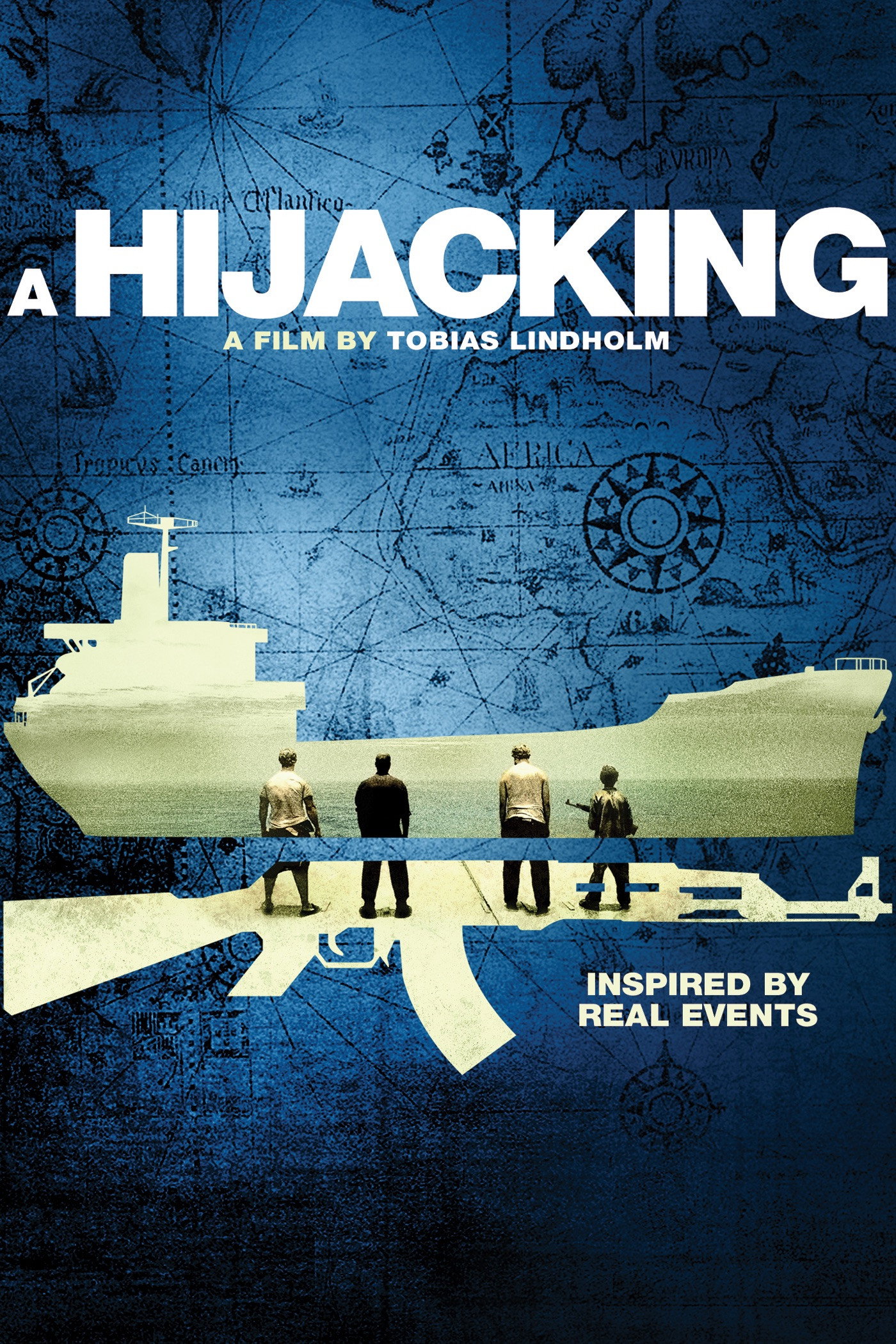
A Hijacking

2012 · A quieter maritime ordeal, with negotiation made almost as frightening as captivity.

The Wages of Fear poster

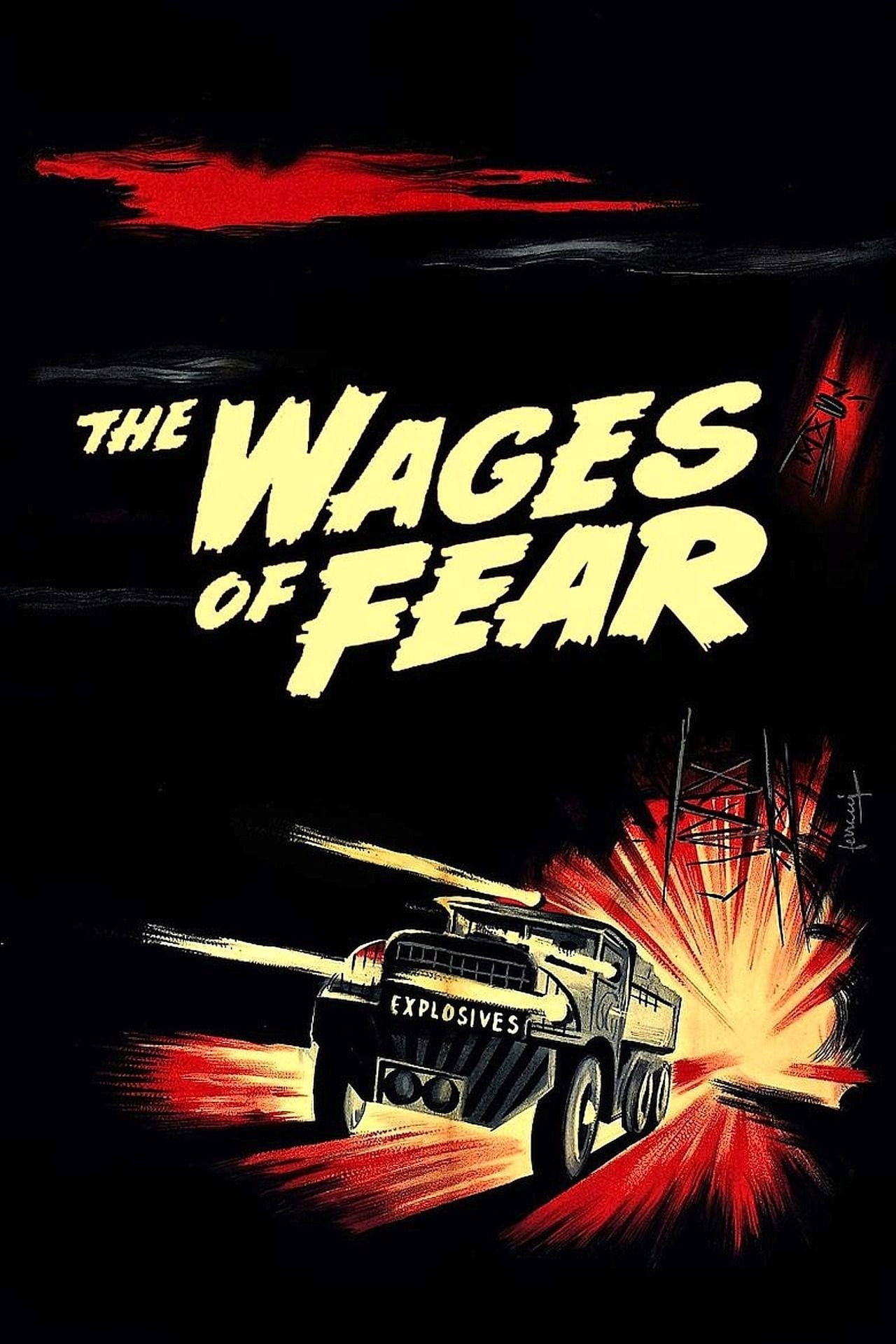
The Wages of Fear

1953 · Dangerous work becomes intolerable suspense, with every practical decision carrying a cost.

United 93 poster88

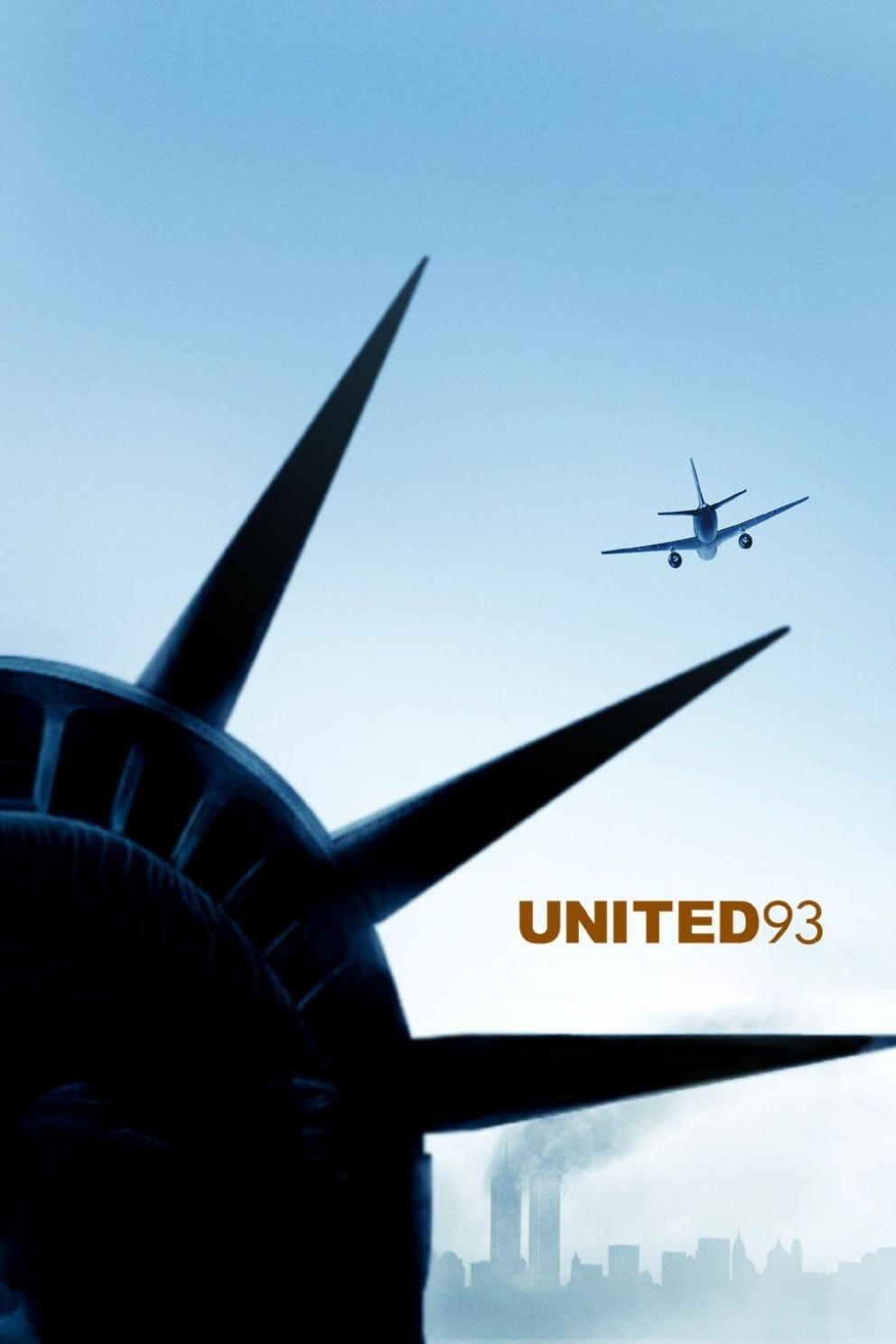
United 93

2006 · Greengrass makes procedure and ordinary behaviour under pressure almost unbearably tense.

The Taking of Pelham One Two Three poster

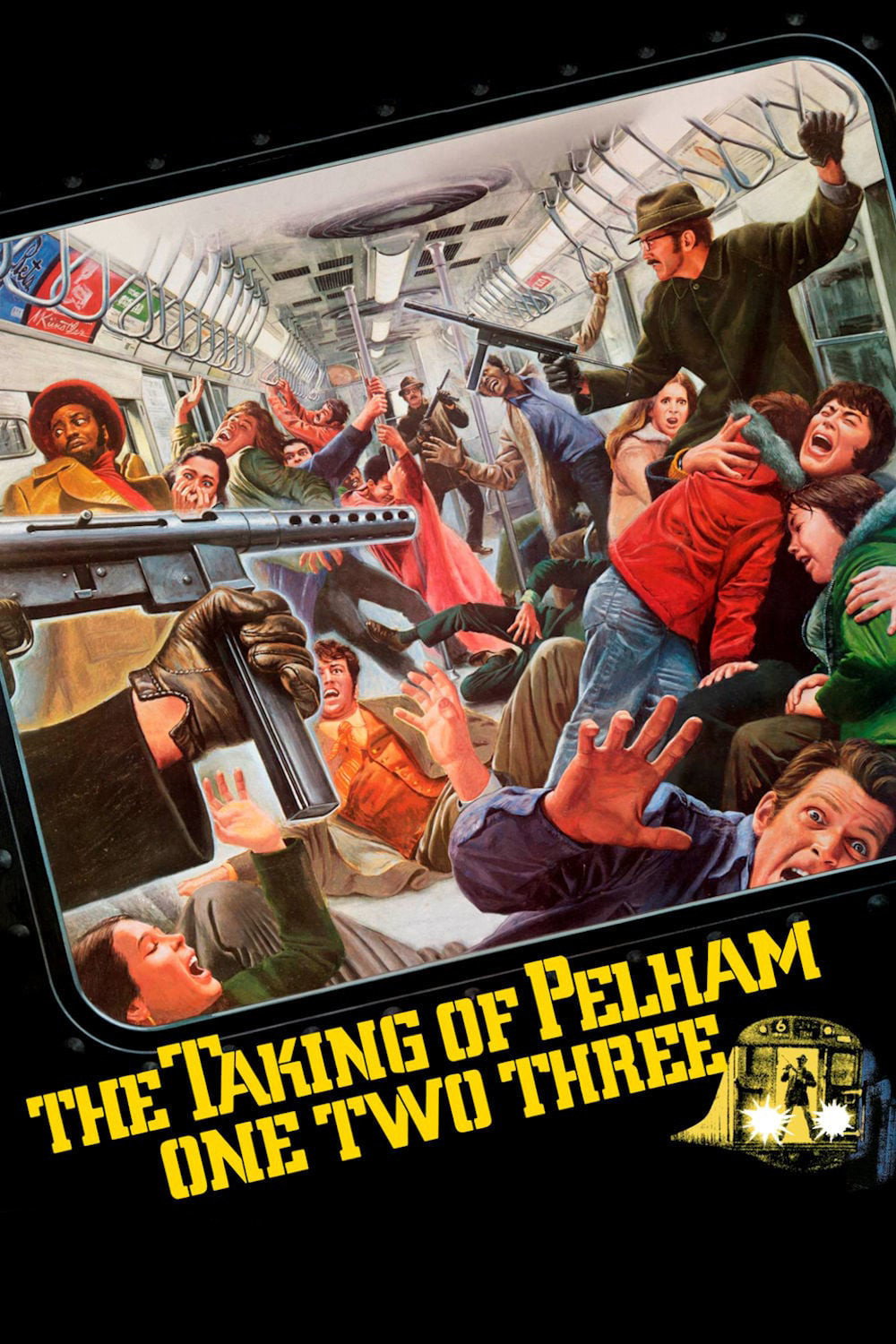
The Taking of Pelham One Two Three

1974 · Professionals confront a hijacking with procedural intelligence and considerably more dry humour.

Das Boot poster89

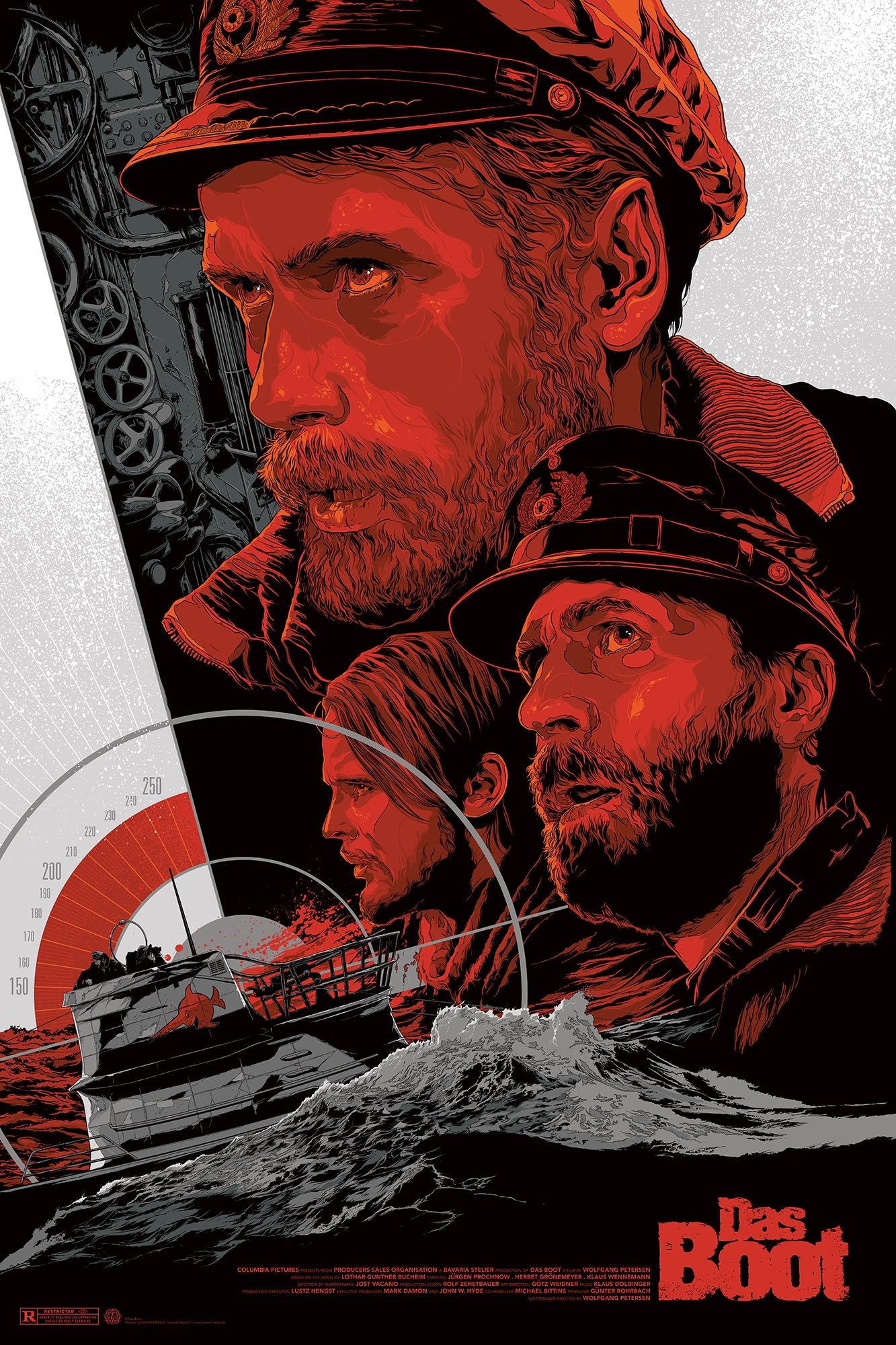
Das Boot

1981 · Cramped quarters and exhausted men make command feel like punishing physical work.