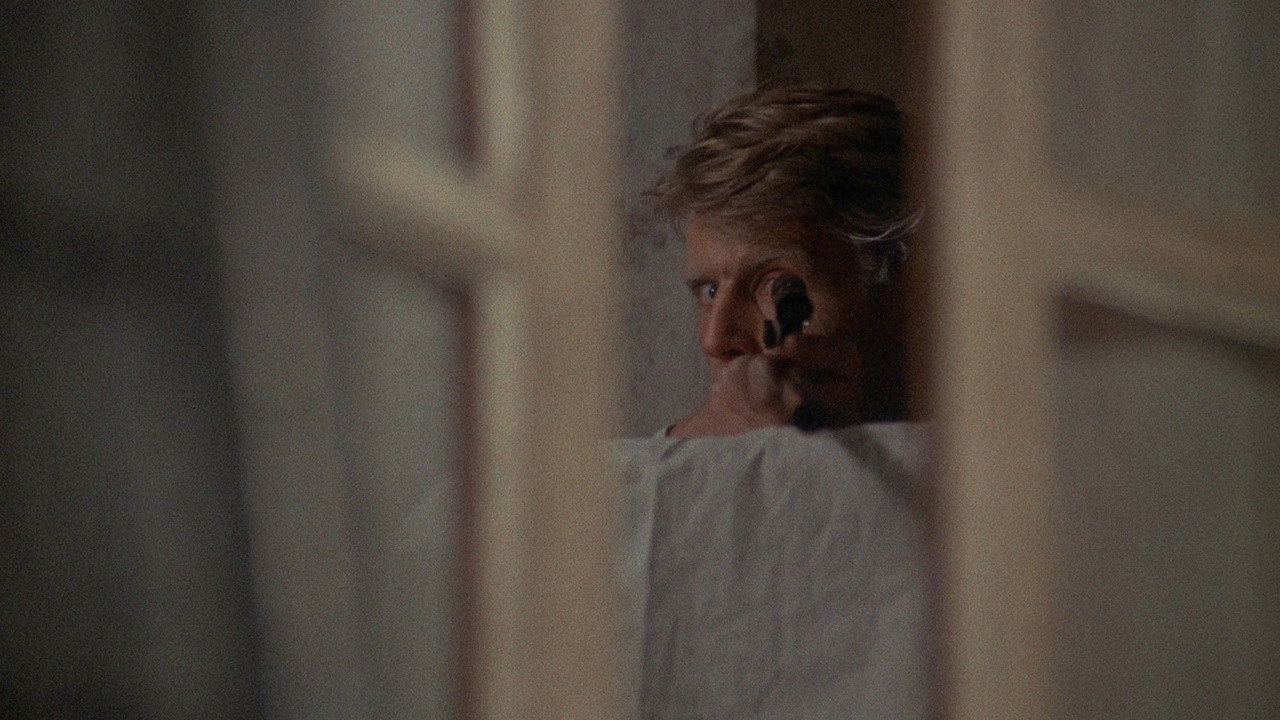
Fred Zinnemann’s patient assassination thriller makes the work absorbing. Edward Fox is chillingly persuasive, and the procedural detail sustains the long pursuit, though the politics receive disappointingly little attention.
Fred Zinnemann’s The Day of the Jackal is a gripping procedural thriller that trusts us to take an interest in how people do their jobs. One of those jobs happens to be assassination. Kenneth Ross, adapting Frederick Forsyth’s novel, gives the practical demands of the attempt and the opposing investigation room to develop, although the politics receive less attention than they deserve. The patient approach earns its 143 minutes.
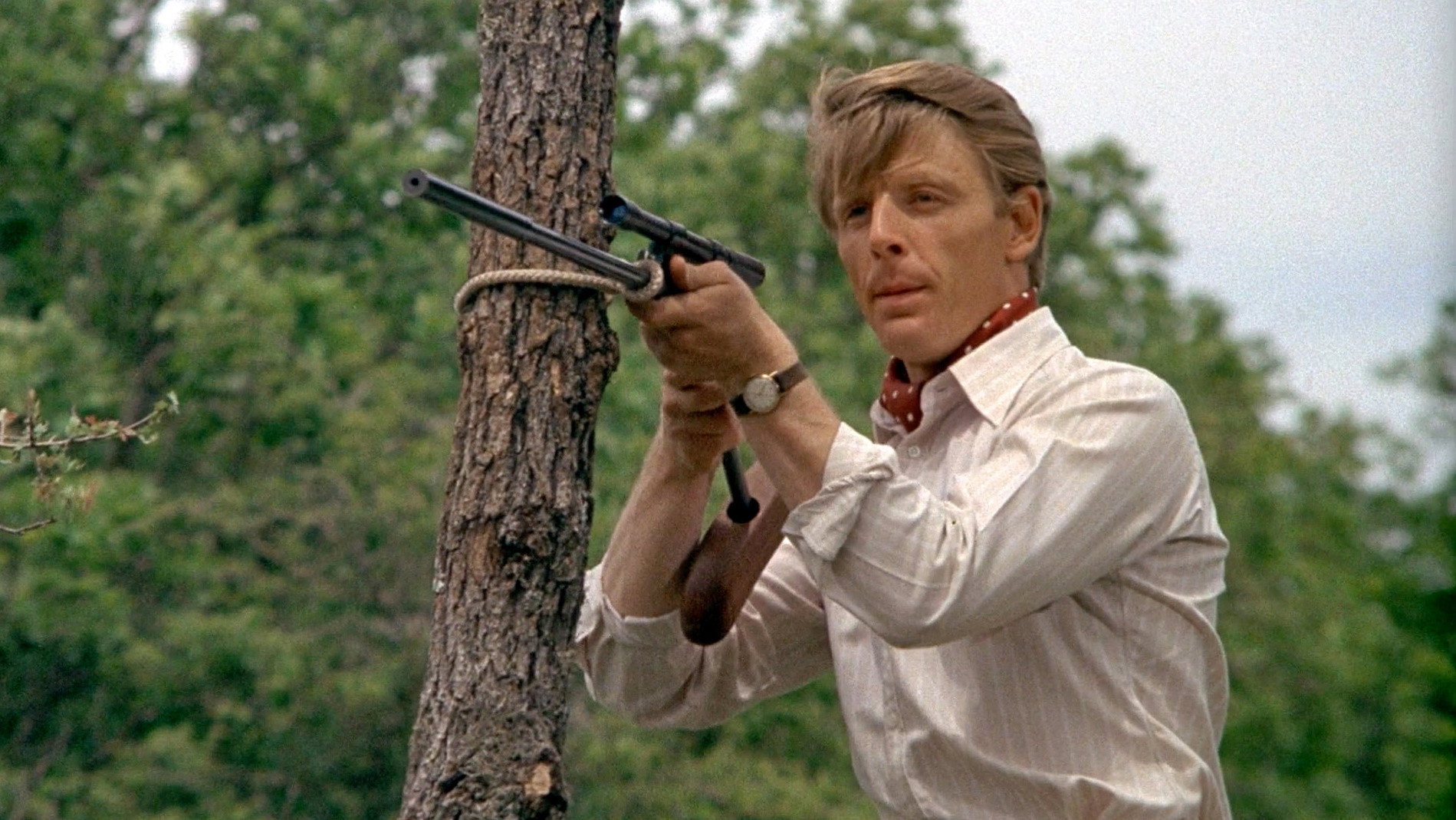
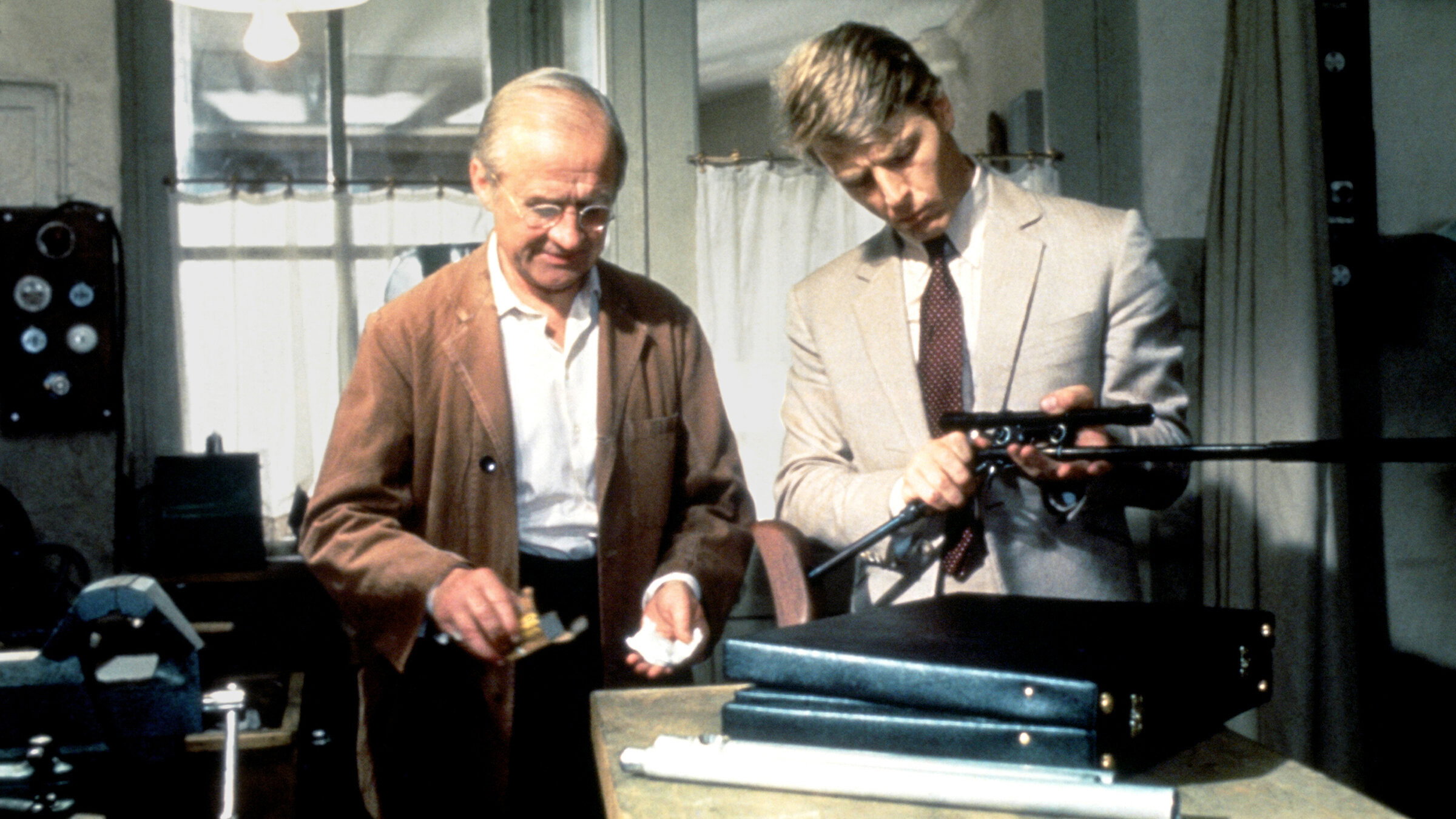
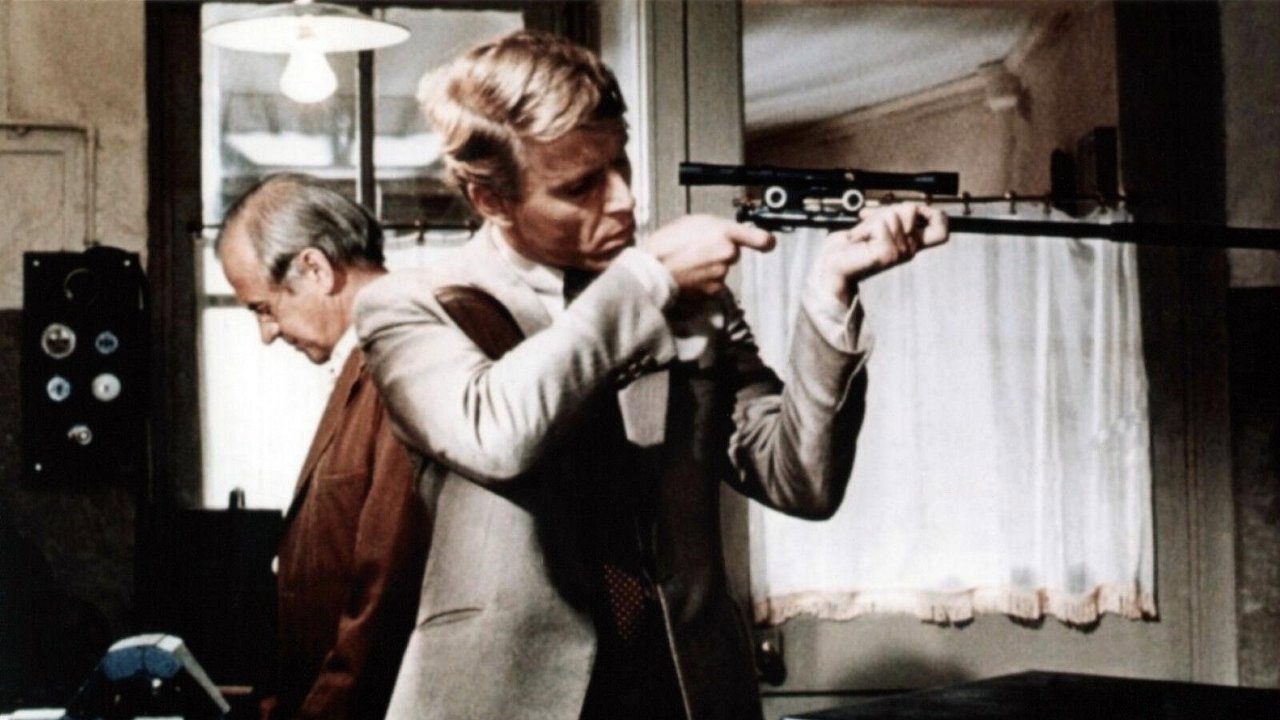
Edward Fox makes The Jackal unsettling through his lack of visible excitement. He treats the preparations as work requiring concentration, with little suggestion that political anger is driving him. We caught ourselves wanting those preparations to go smoothly, and felt uneasy about it. The performance encourages that response by making his competence easy to follow while giving us little emotional distraction. His reserve keeps our attention on whatever he needs to accomplish next.
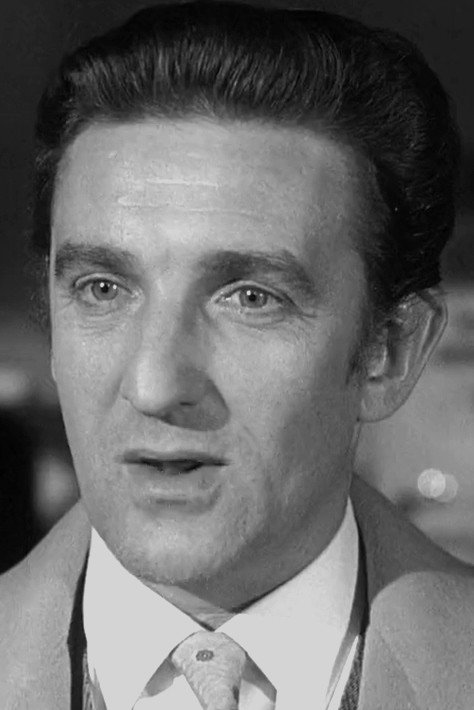
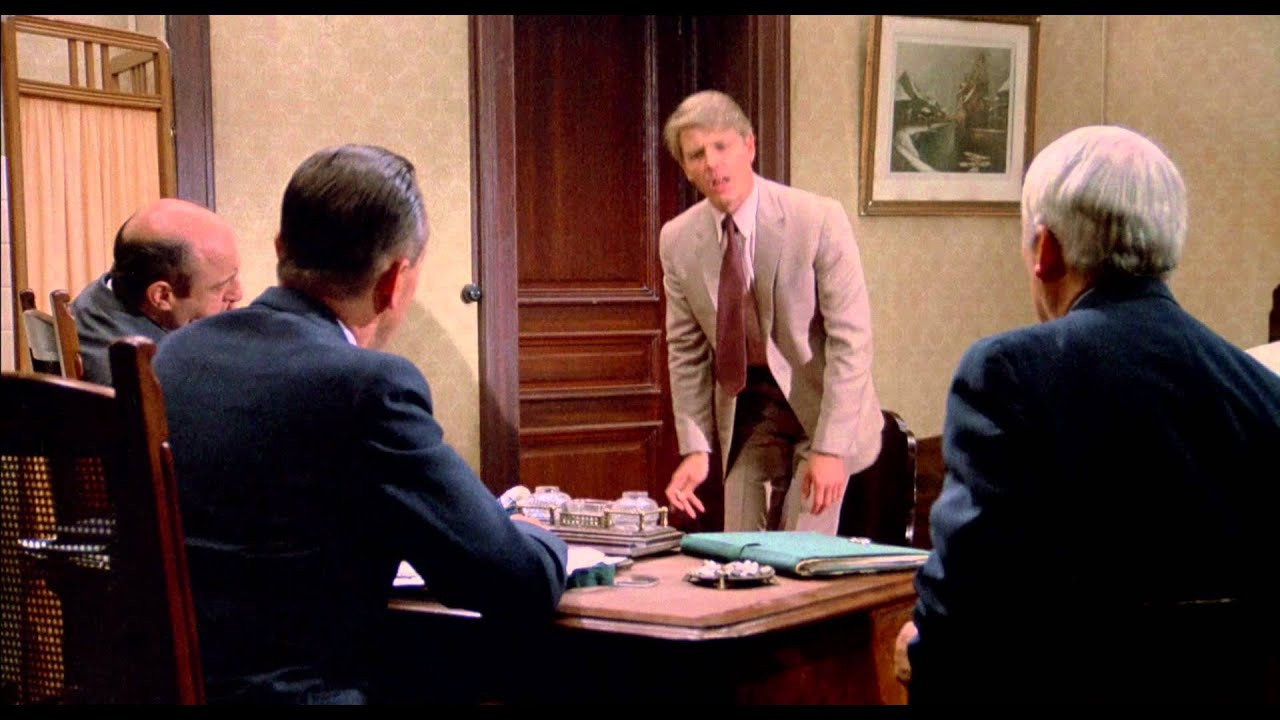
The opposing investigation has its own pace, slowed by the French security bureaucracy. Michael Lonsdale gives Deputy Commissioner Claude Lebel a patient, unshowy presence that suits this work. He makes persistence watchable without asking us to applaud it. The contrast with the assassin’s independence generates pressure, so that the pursuit can tighten without either man becoming frantic. Each side has a task to get through, and the film makes us attend to both.
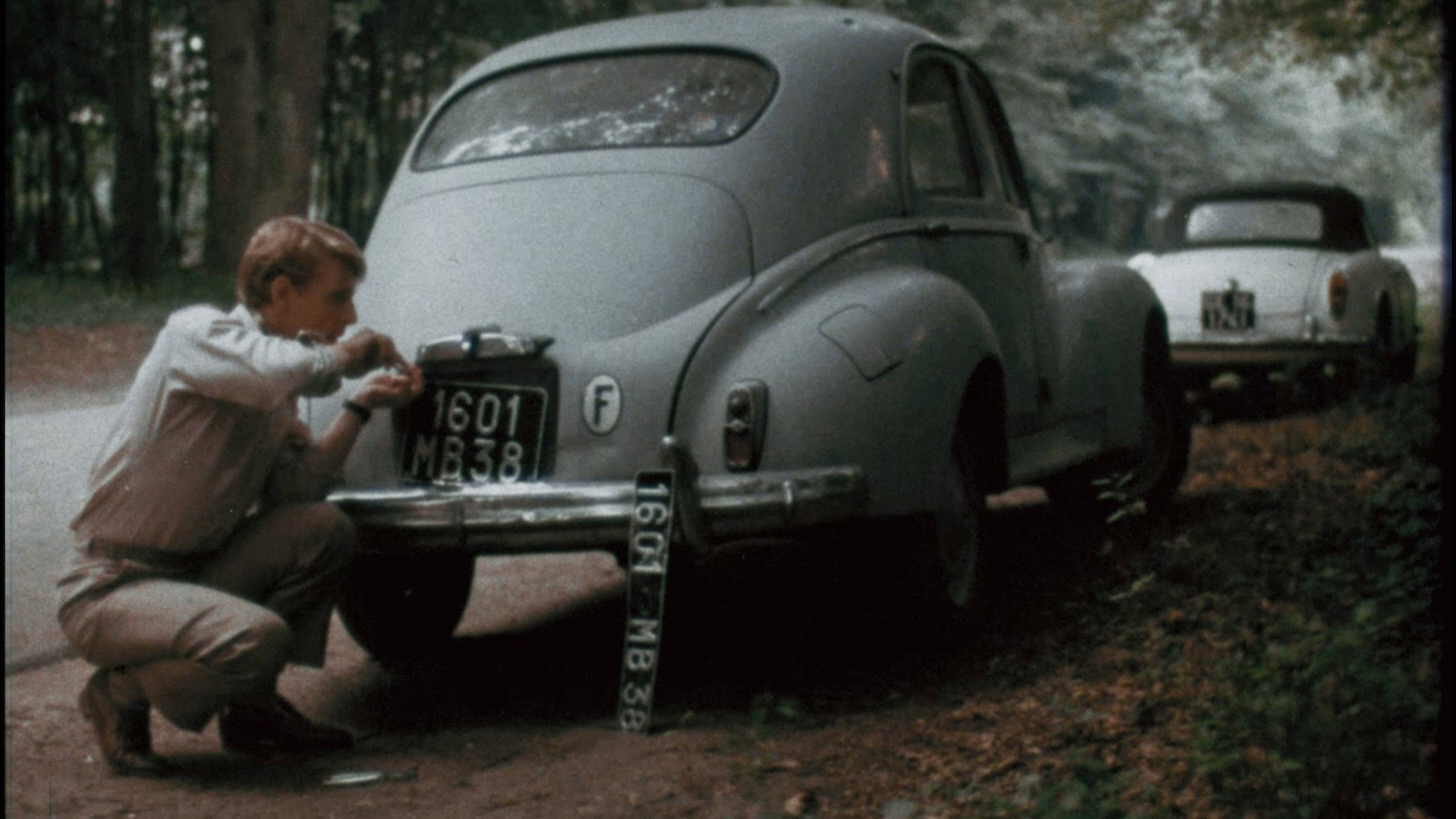
Jean Tournier’s cinematography gives the movement across Europe a matter-of-fact clarity that makes the concealment credible. The locations remain places where work has to be done, without the fuss that might announce a grand adventure. Ralph Kemplen’s editing is equally important: the alternation between preparation and pursuit lets us measure one side’s progress against the other’s. We need time to understand what has been accomplished before the next difficulty matters. The patient cutting supplies that time.
Georges Delerue’s music is effective in its restraint, leaving the procedural rhythm undisturbed. It allows the business on screen to hold our attention without continually insisting that something alarming is about to happen. As a thriller, the film puts considerable faith in our willingness to watch people prepare, wait and reconsider. The reward is a clear sense of mounting difficulty, in which a practical problem can demand our whole attention. There is little need to hurry the action once we understand what might go wrong.
The limitation is the treatment of politics. Kenneth Ross keeps the practical questions so prominent that the reasons for the assassination plot receive too little scrutiny; de Gaulle becomes chiefly the man around whom the job must be arranged. The supporting figures can feel similarly restricted to whatever assistance or obstruction they supply. This keeps the pursuit easy to follow, but it narrows the human interest, particularly beside the attention lavished on the assassin’s competence.
If the attraction of a thriller is seeing a difficult task carried out under pressure, this is an easy recommendation. It does ask for an evening’s concentration, and anyone looking for a close account of political extremism should look elsewhere. Nor does it offer much reassurance about our interest in the people doing the work. Give it your attention, but be prepared to question whose progress you are hoping to see.