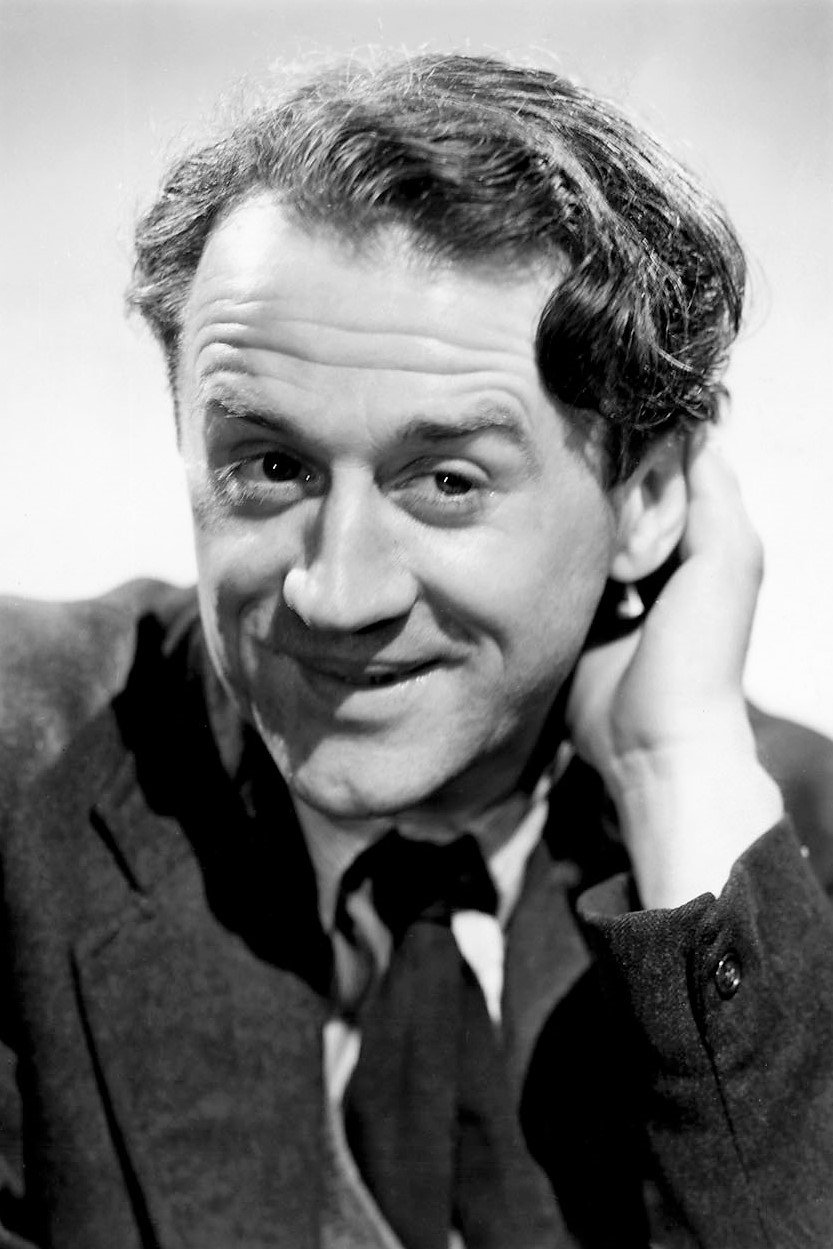
Cyril Cusack makes officials, clerics and other supporting figures worth listening to, with a distinctive delivery that can suggest sternness or melancholy. We rate him most in The Day of the Jackal, where practical detail earns its screen time.
Fi1m perspective
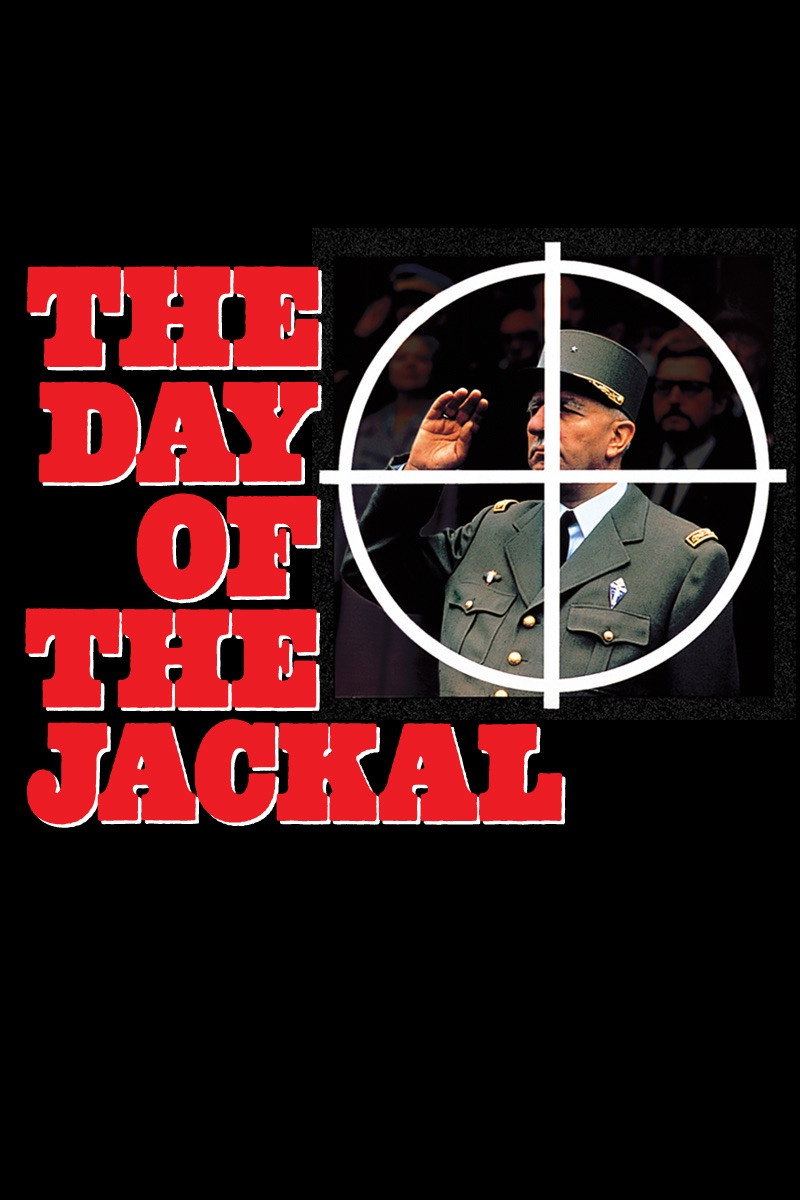
Cyril Cusack often turns up as someone other people are expected to listen to: a cleric, an official, a chief. His distinctive delivery can make a small authority figure seem stern or melancholy, rather than merely necessary to the plot. We rate that ability to give supporting parts a separate presence. In The Day of the Jackal (1973), his gunsmith has a place in the practical business that Fred Zinnemann makes so absorbing.
His breakthrough as Pat, the getaway driver in Carol Reed’s Odd Man Out (1947), gives us a useful starting point. By The Spy Who Came in from the Cold (1965), he was playing Control, the spy chief; in Truffaut’s Fahrenheit 451 (1966), he was the book-burning fire chief. The move from carrying out a job to giving orders makes sense for an actor with that capacity for sternness. These are roles in which the way a man speaks can matter as much as what he says. He continued in character parts, including Charrington in Nineteen Eighty-Four (1984) and Lord Castlewelland in My Left Foot (1989), well into his later career.
Zinnemann’s thriller puts that supporting presence to particularly good use. We were chilled by The Day of the Jackal because Edward Fox’s persuasiveness makes the patient preparation feel so credible. Cusack’s gunsmith belongs to the detail that sustains the long pursuit; taking such a role seriously is part of taking the story seriously. A thriller so interested in how a job gets done needs the smaller roles to hold our attention as well. The caveat is the pace: impatience with procedural detail will make this a long evening.
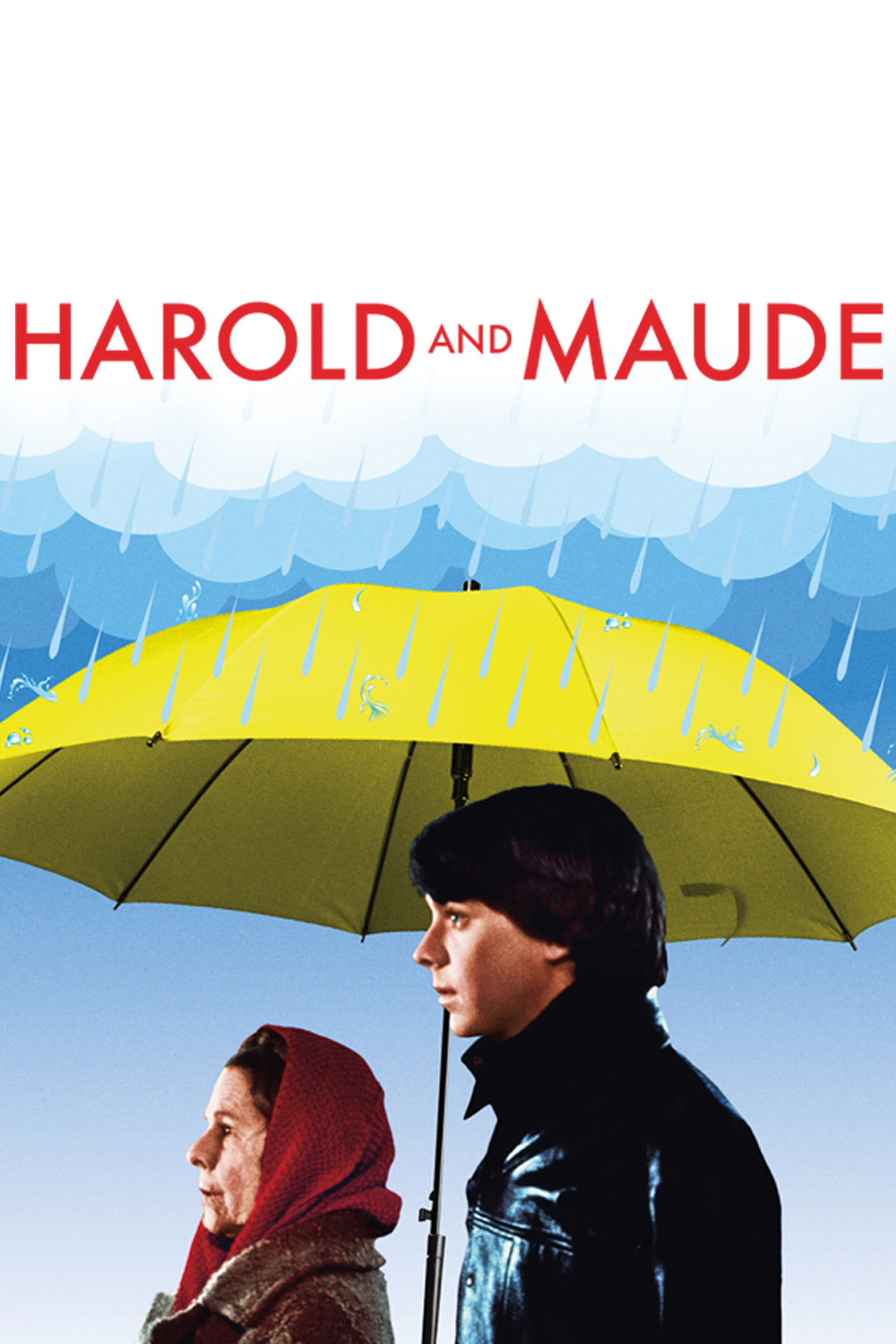
Hal Ashby’s Harold and Maude (1971), in which Cusack plays Glaucus, is worth seeing for different reasons. Bud Cort and Ruth Gordon make its morbid courtship funny and believable, though the script sometimes seems unduly impressed by its own unconventional behaviour. For a first encounter with Cusack’s work, choose The Day of the Jackal and give the preparation time.
Biography
Cyril James Cusack was an Irish actor. Born on 26 November 1910 in Durban, Natal, South Africa, he died on 7 October 1993 in London.
He joined the Abbey Theatre in Dublin in 1932, remaining with the company for 13 years and appearing in over 60 productions. He later performed with the Royal Shakespeare Company in London and founded his own theatre company in 1947, which staged productions in Dublin, Paris and New York. Cusack made his film debut as a child in 1918 and appeared in more than 90 films over a career spanning more than 70 years.
Among his screen roles were Glaucus in Harold and Maude (1971), Charrington in Nineteen Eighty-Four (1984), Captain Beatty in Fahrenheit 451 (1966), Control in The Spy Who Came In from the Cold (1965) and Lord Castlewelland in My Left Foot: The Story of Christy Brown (1989). He was the father of actresses Sinéad Cusack, Sorcha Cusack and Niamh Cusack.