Hal Ashby’s Harold and Maude makes its morbid courtship funny and unexpectedly touching. Bud Cort and Ruth Gordon keep the romance believable, even when the script grows too pleased with its own disregard for convention.
Harold and Maude is a funny, affecting romance with a weakness for telling us how to live. Hal Ashby takes a death-obsessed teenager and an elderly funeral enthusiast seriously enough to make their attachment matter, without asking us to regard either as entirely sensible. The risk is that every eccentricity will arrive already labelled as wisdom. Colin Higgins’s screenplay sometimes does precisely that, but its central pair are too engaging for the sermon to take over.
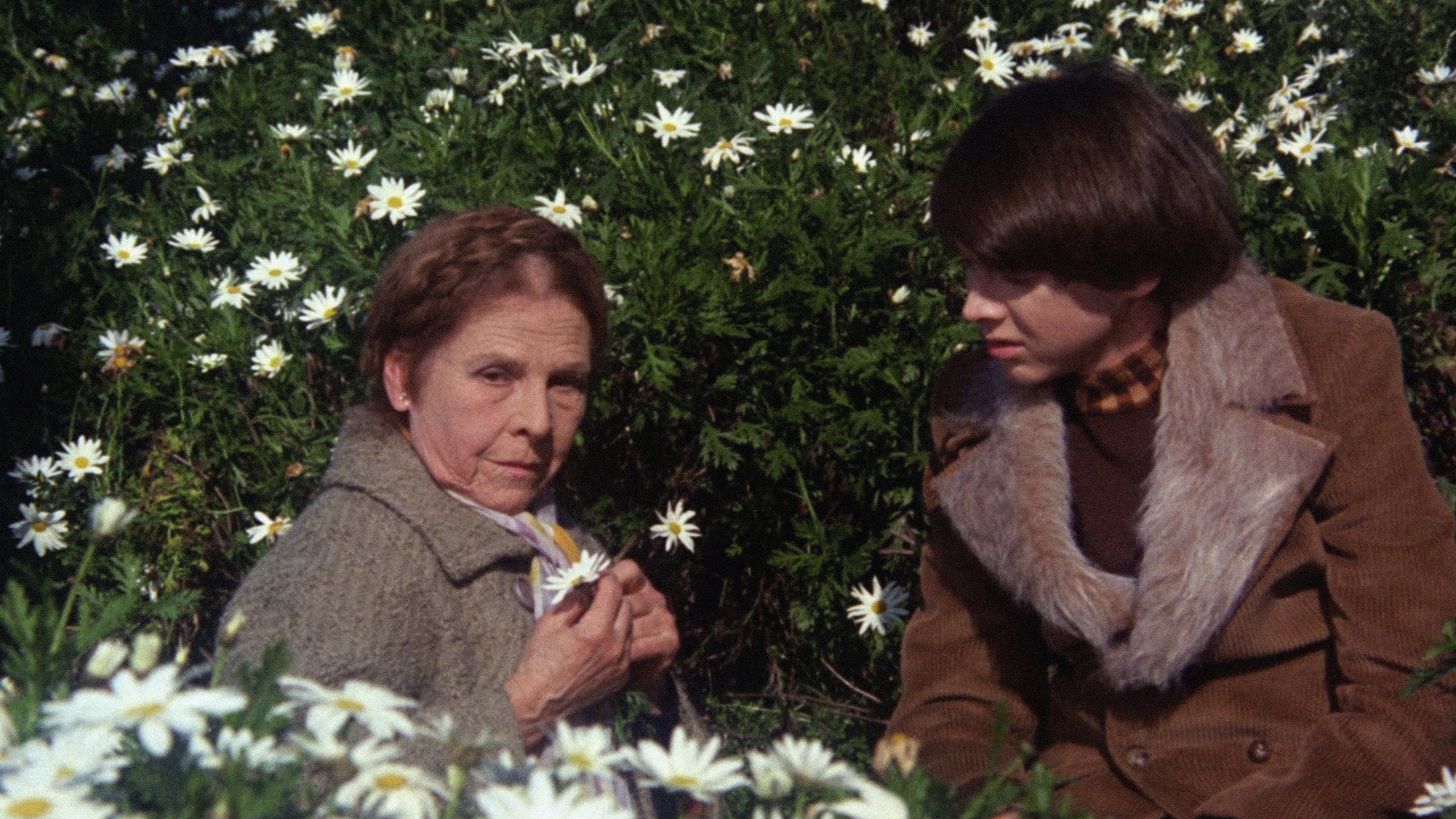
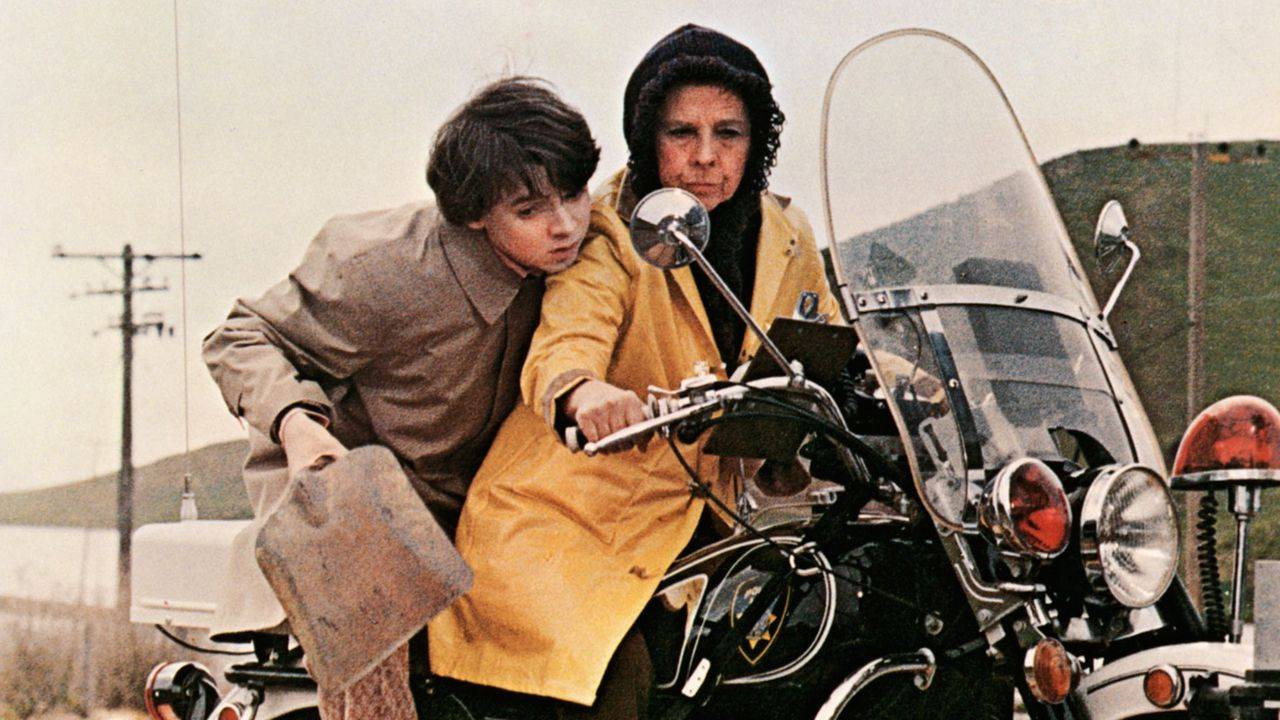
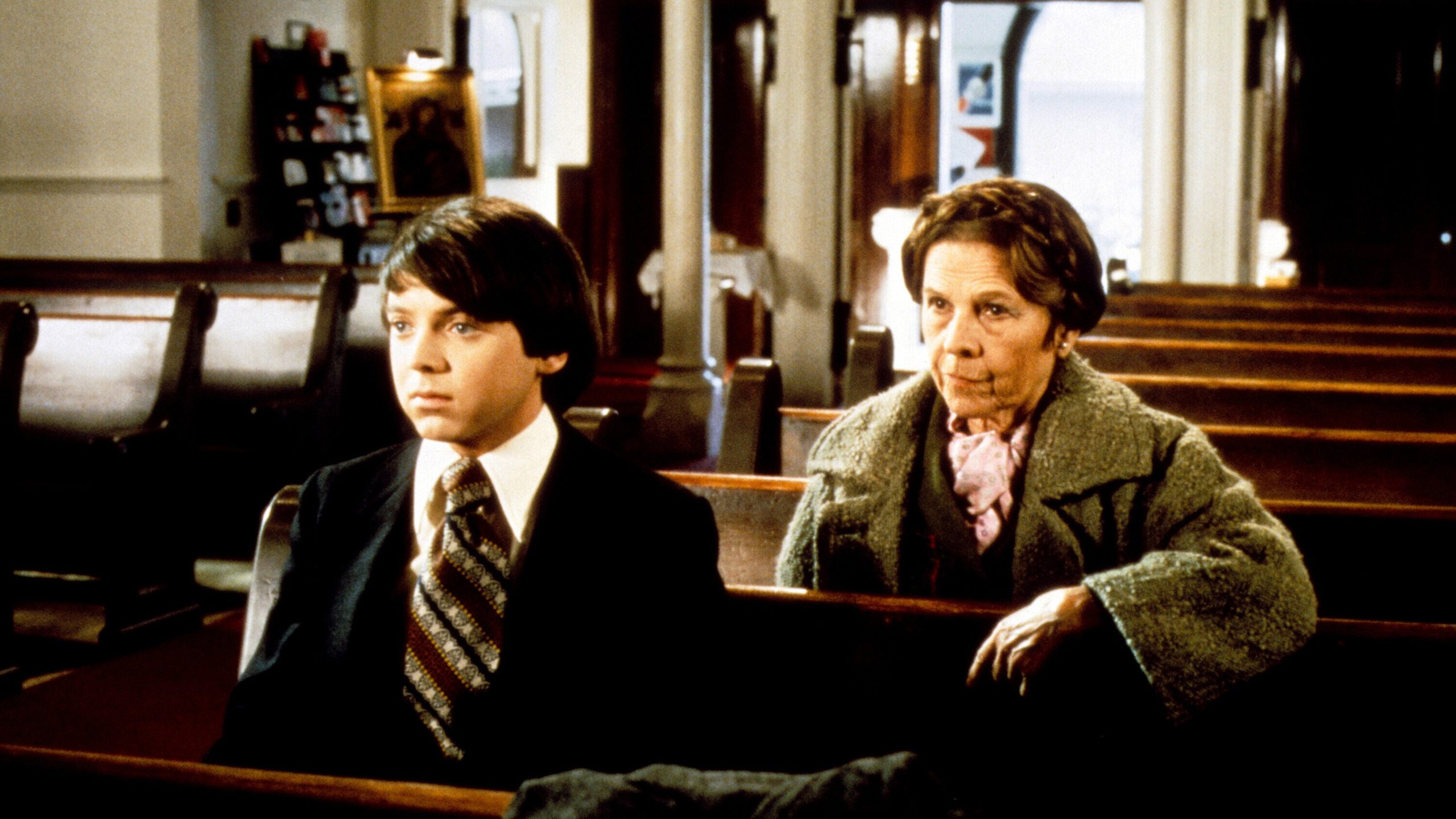
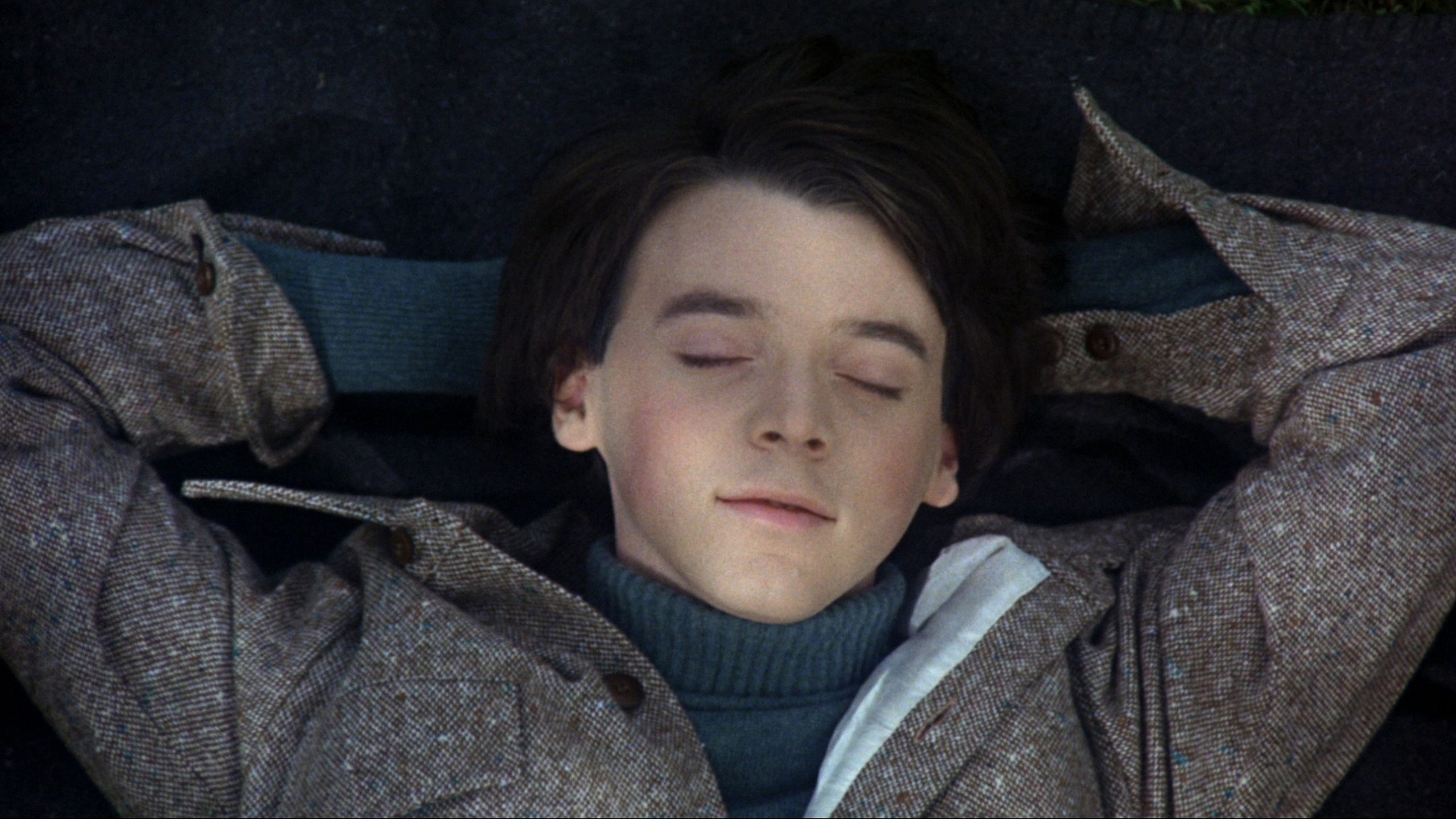
The opening’s staged suicides establish a difficult kind of comedy, with Harold’s private misery being offered up for public amusement. We laughed before we had quite decided whether we ought to, because Bud Cort gives the performances of death such painstaking seriousness. He makes Harold’s strangeness seem practised, something the boy can control while the business of living defeats him. The repetition can dull the joke, but the actor keeps enough hurt visible to stop Harold becoming merely an elaborate nuisance.
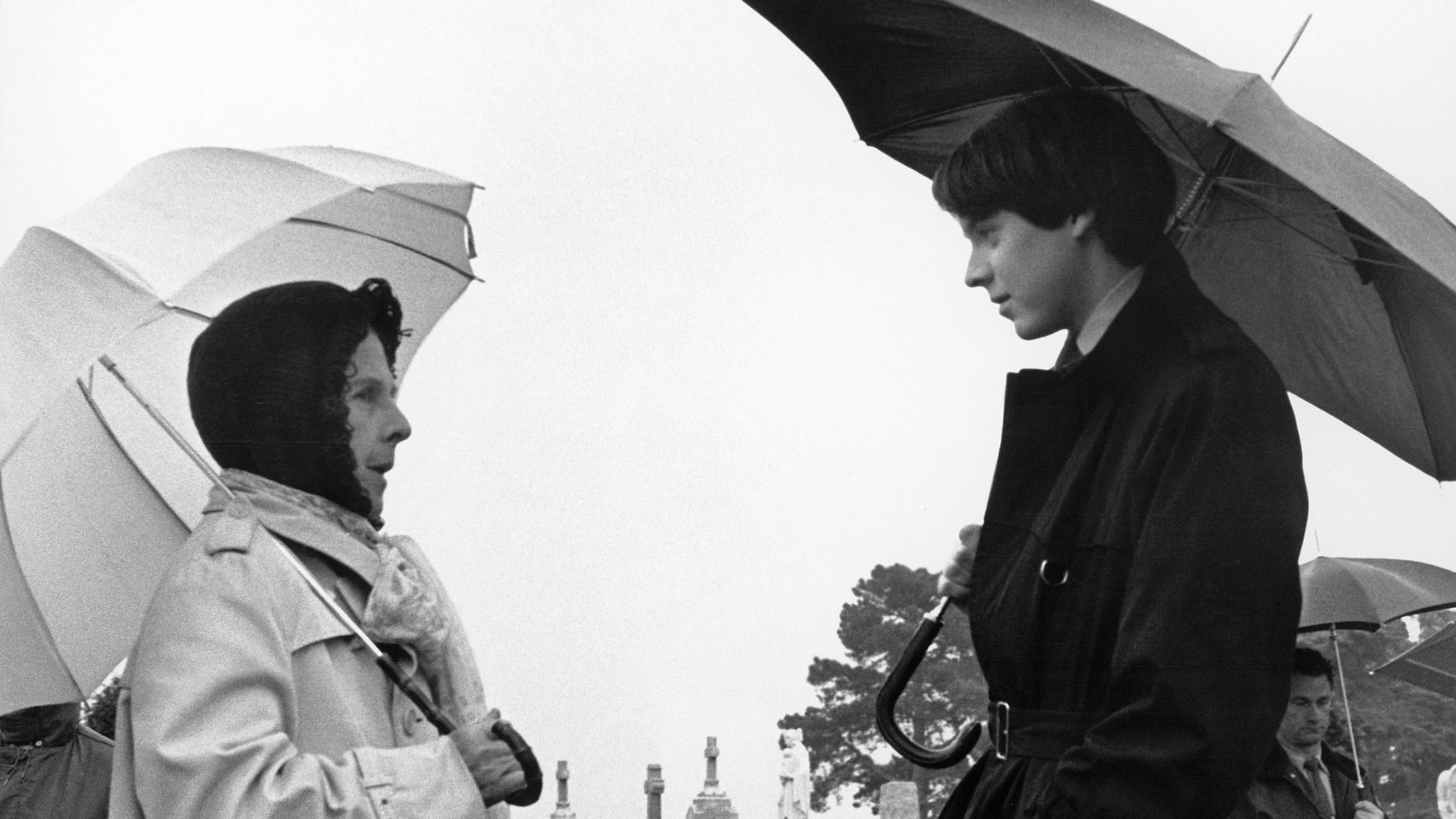
Ruth Gordon makes Maude’s enthusiasm persuasive because she seems to enjoy Harold’s company, rather than merely spotting someone who needs improvement. Her attention gives him something to respond to, and his reserve prevents their scenes from becoming a contest in colourful behaviour. We were moved by the growing ease between them: Bud Cort allows Harold to seem receptive without abruptly making him a different person. In a romance built around an age difference, that gradual adjustment makes their affection believable.
John A. Alonzo’s cinematography gives the macabre comedy a useful stillness; Harold’s behaviour is disturbing enough without the camera insisting on it. Editors Edward Warschilka and William A. Sawyer let the awkwardness hang around a joke, rather than hurrying us towards the reassurance of another one. Michael D. Haller’s production design is similarly restrained about competing with the actors. The surroundings help the film sustain its fairytale tone without making every scene feel like an exhibition of eccentric taste.
The weakness is how readily the writing divides people into those who understand freedom and those who require a lesson. Vivian Pickles gives Mrs. Chasen a comic firmness that helps, but Colin Higgins is much more curious about Harold and Maude than about anyone who might object to them. As satire, this can feel too easy: respectable behaviour becomes sufficient evidence of emotional failure. The supporting characters could have been allowed stronger objections without making the couple any less sympathetic.
The songs bring warmth without making the death jokes harmless, and their directness suits a film so willing to say what it believes. Sometimes the invitation to enjoy being alive becomes insistent, especially when Maude begins to resemble a treatment prescribed for Harold. This is a familiar danger in romances built around someone teaching someone else to live: the teacher can be denied much life of their own. Ruth Gordon’s pleasure in the part keeps that danger from swallowing the relationship.
At 92 minutes, the film has time to indulge its odd couple without asking us to adopt their entire philosophy. We recommend it with one reservation: a low tolerance for compulsory cheerfulness will be tested. The funeral humour is easier to take than some of the life advice.