Hal Ashby makes eccentric people worth spending time with, and we recommend him for his patience with actors and his feel for music. The reservation is that Harold and Maude sometimes mistakes being unconventional for being wise.
Fi1m perspective
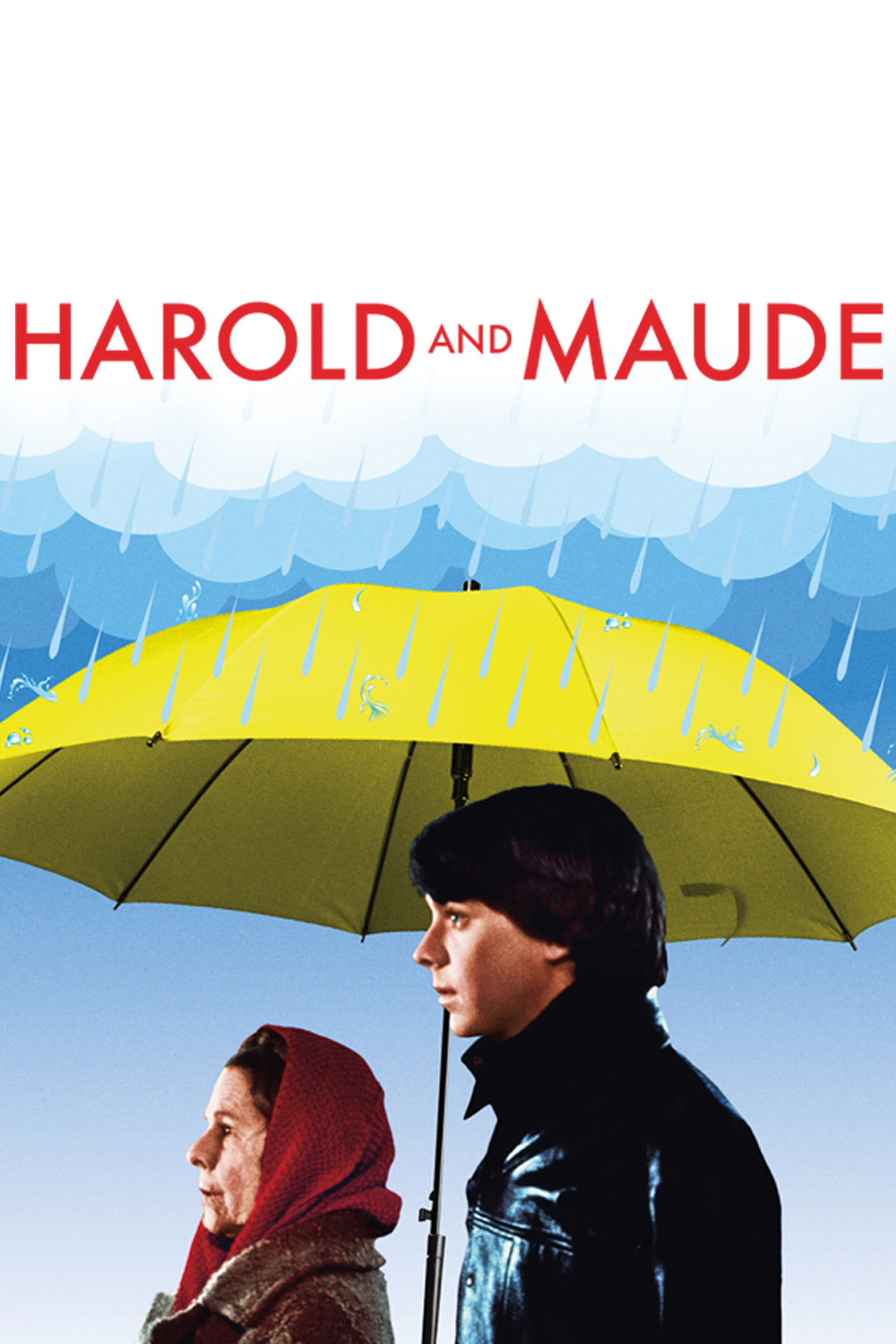
A death-obsessed teenager and an elderly funeral enthusiast could easily become a pair of jokes kept going too long. In Harold and Maude (1971), Ashby takes their attachment seriously without insisting that either is entirely sensible. Bud Cort and Ruth Gordon make the romance believable enough for its absurdities to matter. We were unexpectedly moved by their courtship because both performances give us people to care about beneath the eccentric behaviour.
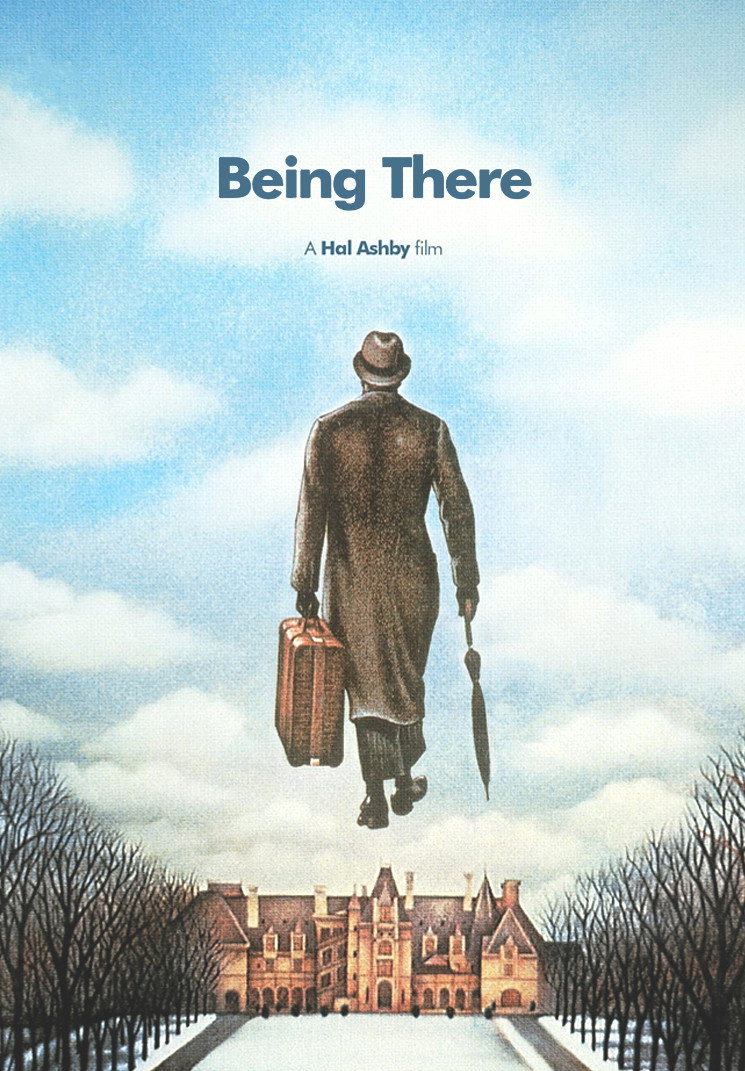
Ashby’s experience as an editor helps explain his attention to rhythm. He edited In the Heat of the Night (1967), and Norman Jewison encouraged him towards his directing debut, The Landlord (1970). He made seven features between 1970 and 1979, from The Landlord to Being There (1979). The naturalistic performances of The Last Detail (1973) and the social satire of Shampoo (1975) show how much variety there was within that run.
His recurring long shots give us time to observe people, while the montages make that observation part of a carefully paced story. In Harold and Maude, music and editing help make the comedy affecting. His collaborative approach gives actors and crew a substantial part in shaping the films. We value that willingness to let a performance hold our attention without constantly reminding us of the person directing it.
The difficulty comes when we are told what all this eccentricity ought to teach us. Colin Higgins’s screenplay for Harold and Maude sometimes presents unconventional behaviour as wisdom, and Ashby does not always keep the sermon in check. Cort and Gordon do much of that work for him: their attachment stays more interesting than the advice. We can believe in this couple and still wish the screenplay would leave the lesson alone.
Studio clashes and compromised projects mark the later career, with Lookin' to Get Out (1982) among the troubled films. We would approach that stretch selectively, without assuming that production trouble tells us how good a film is. Start with Harold and Maude, and do not feel obliged to take its advice.
Biography
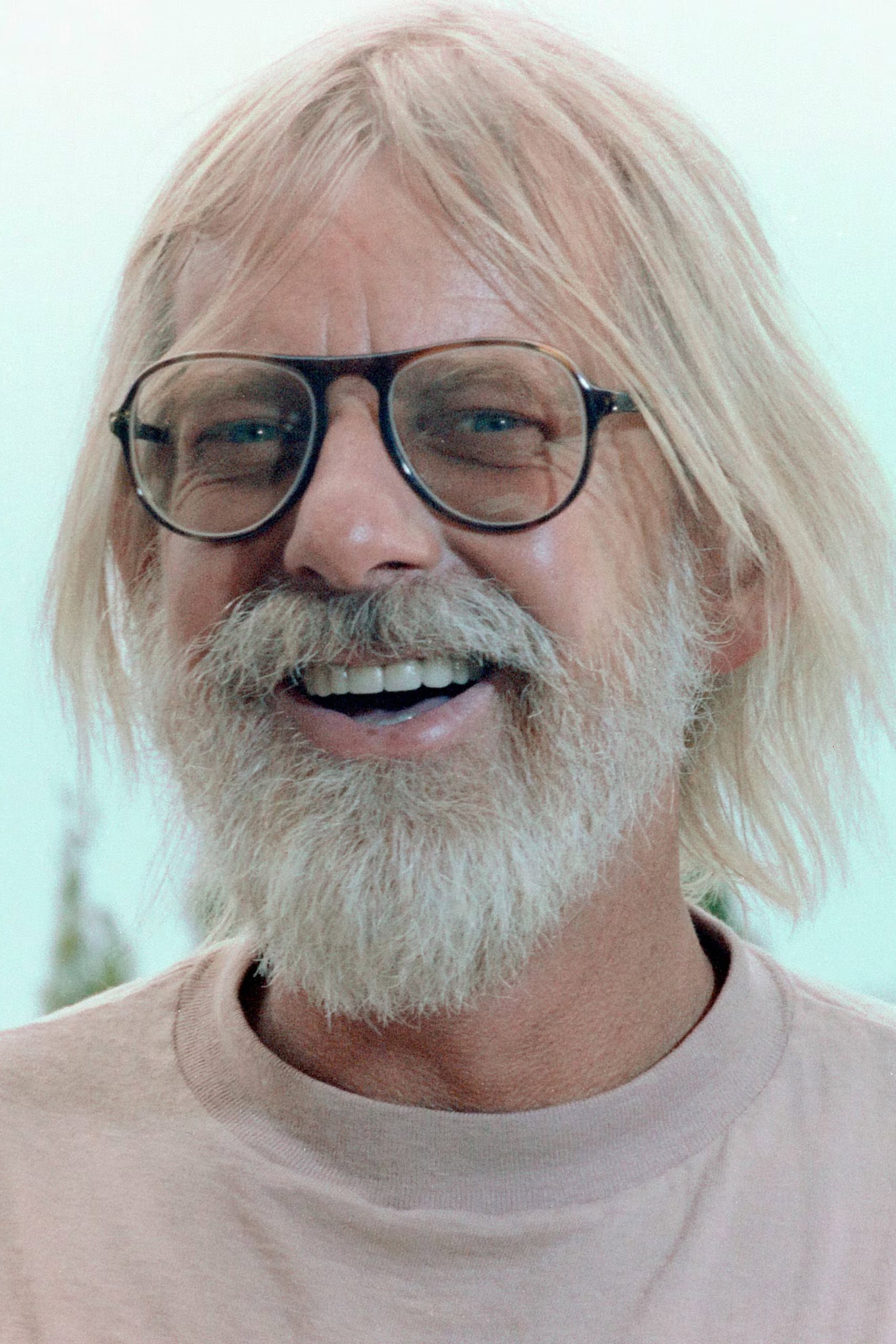
Hal Ashby was an American film director and editor. He began his career as an assistant editor before becoming a full editor, working with directors including Norman Jewison. He won the Academy Award for Best Film Editing for In the Heat of the Night (1967).
Ashby made his directorial debut with The Landlord (1970). His subsequent films include Harold and Maude (1971), The Last Detail (1973), Shampoo (1975), Bound for Glory (1976), Coming Home (1978) and Being There (1979). He received an Academy Award nomination for Best Director for Coming Home. Harold and Maude and Being There were later selected for the National Film Registry.
Ashby was born William Hal Ashby on 2 September 1929 in Ogden, Utah, and died on 27 December 1988 in Malibu, California.