Peter Sellers is quietly funny as a gardener mistaken for a political thinker. Hal Ashby’s patient satire sometimes repeats itself, but its warmth and carefully judged performances make it worth the pauses.
Hal Ashby’s Being There is a patient, funny satire about how eagerly important people will supply the wisdom they want to hear. We recommend it warmly, with a warning that its central joke occasionally takes longer than it needs. Chance, played by Peter Sellers, is a gardener whose ordinary observations are received as political wisdom. The comedy gives his listeners plenty of time to explain what they believe he means, while we know he means nothing of the sort.
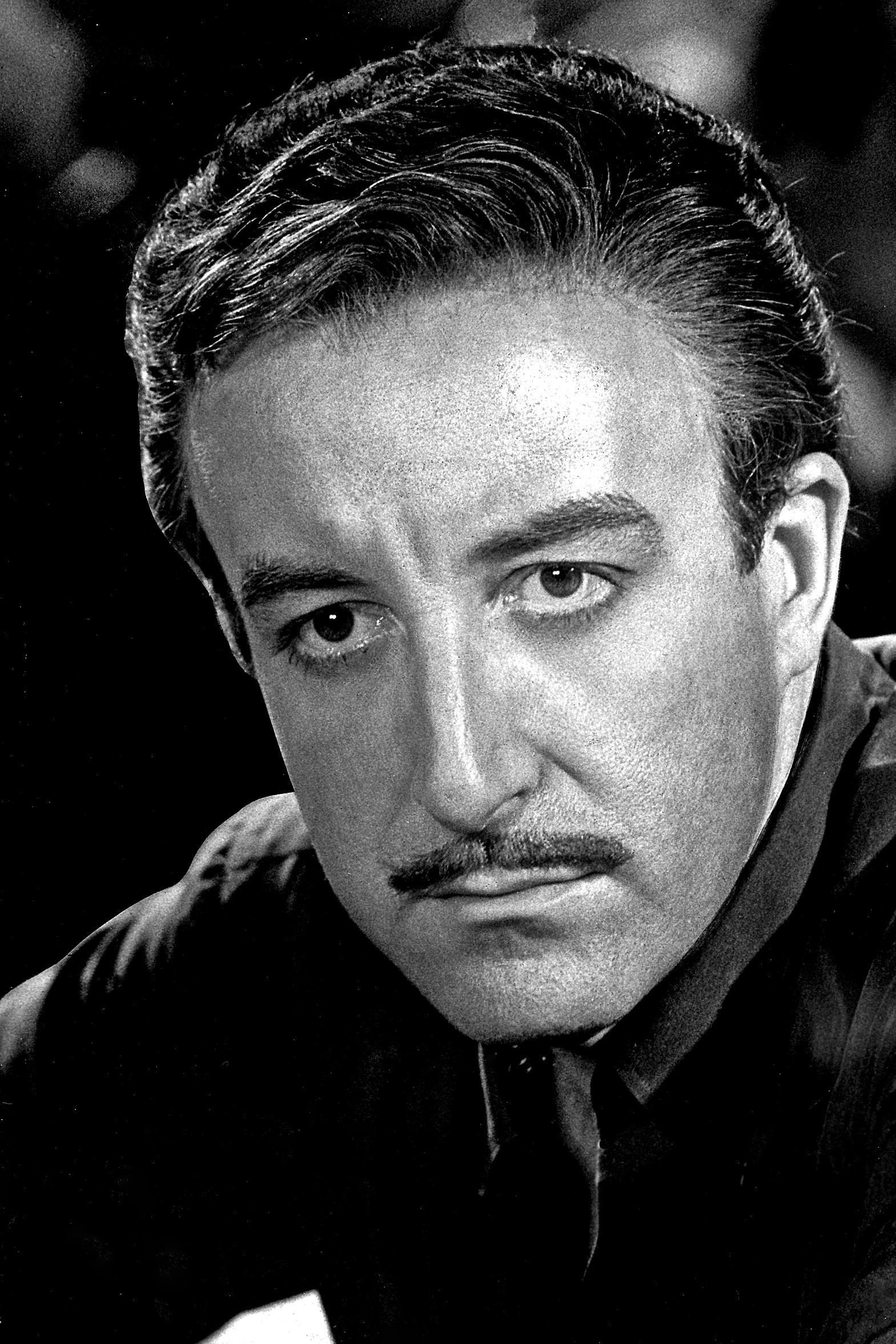
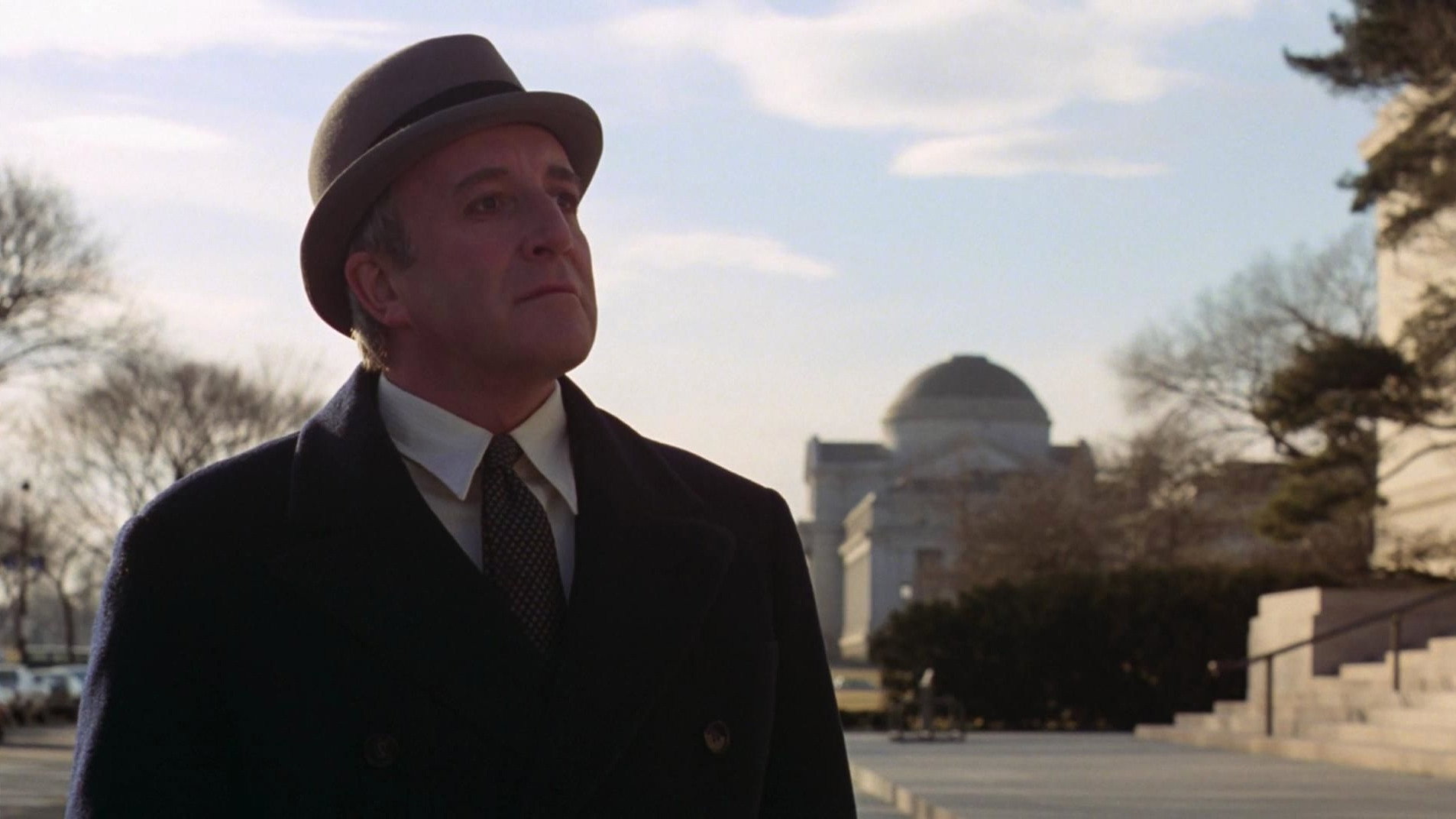
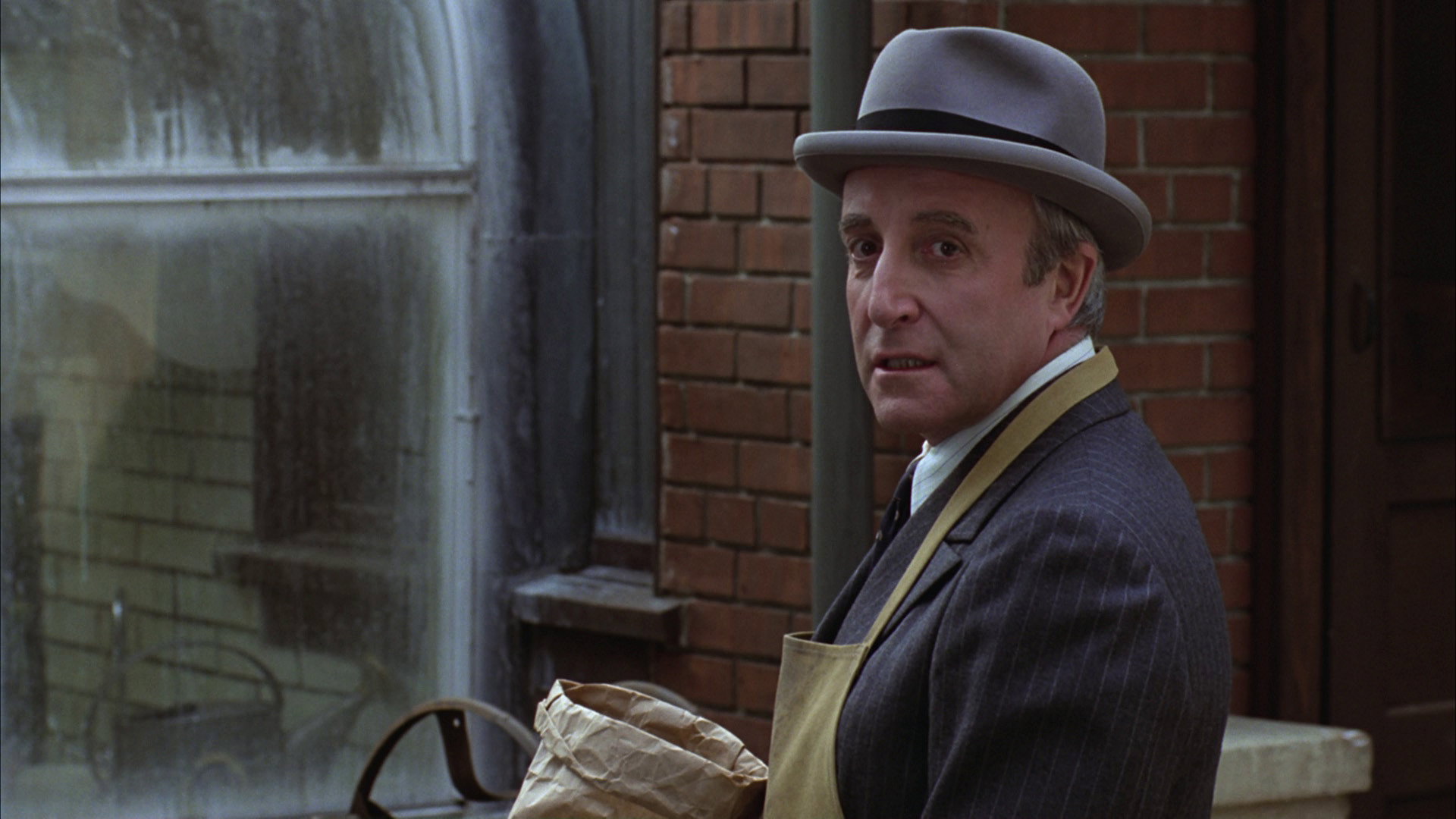
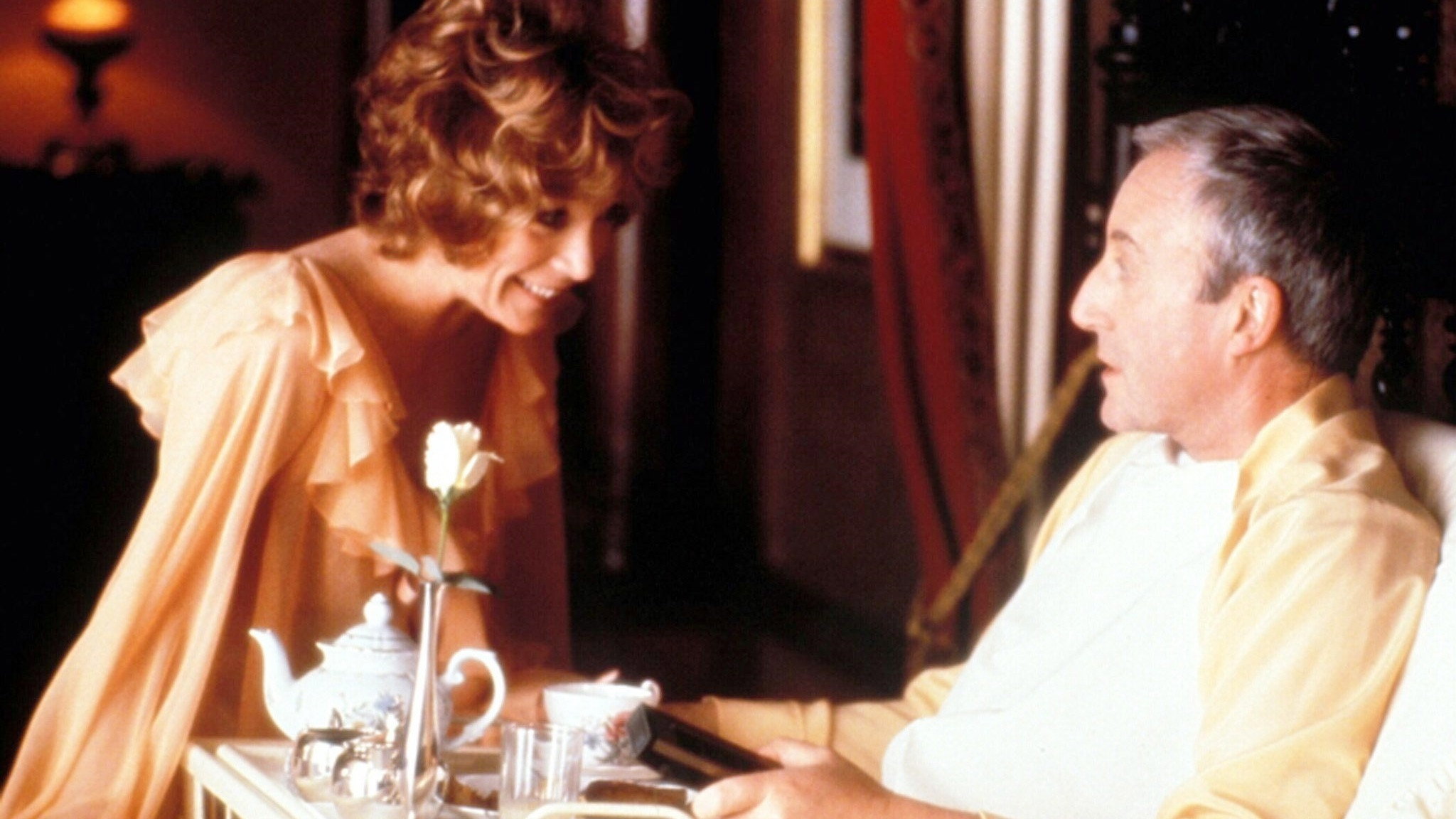
Peter Sellers keeps Chance’s manner so level that there is no reassuring nudge to tell us when to laugh. He never lets us think Chance knows more than he is saying. We laughed at the solemn attention paid to his gardening remarks, then felt uncomfortable about how readily everyone accepted them. The performance offers no suggestion that Chance is secretly enjoying a successful fraud, which leaves the people listening responsible for their own mistakes.
Jerzy Kosiński’s screenplay depends on Chance’s remarks being plain enough for us to understand why he says them, yet broad enough for somebody else to hear reassurance. That can sound like a mechanical way of writing comedy, and occasionally it is. Much of the pleasure comes from the courtesy with which these people listen, interpret and convince themselves. Hal Ashby gives their certainty room to become funny without having anyone announce the joke or explain it afterwards.
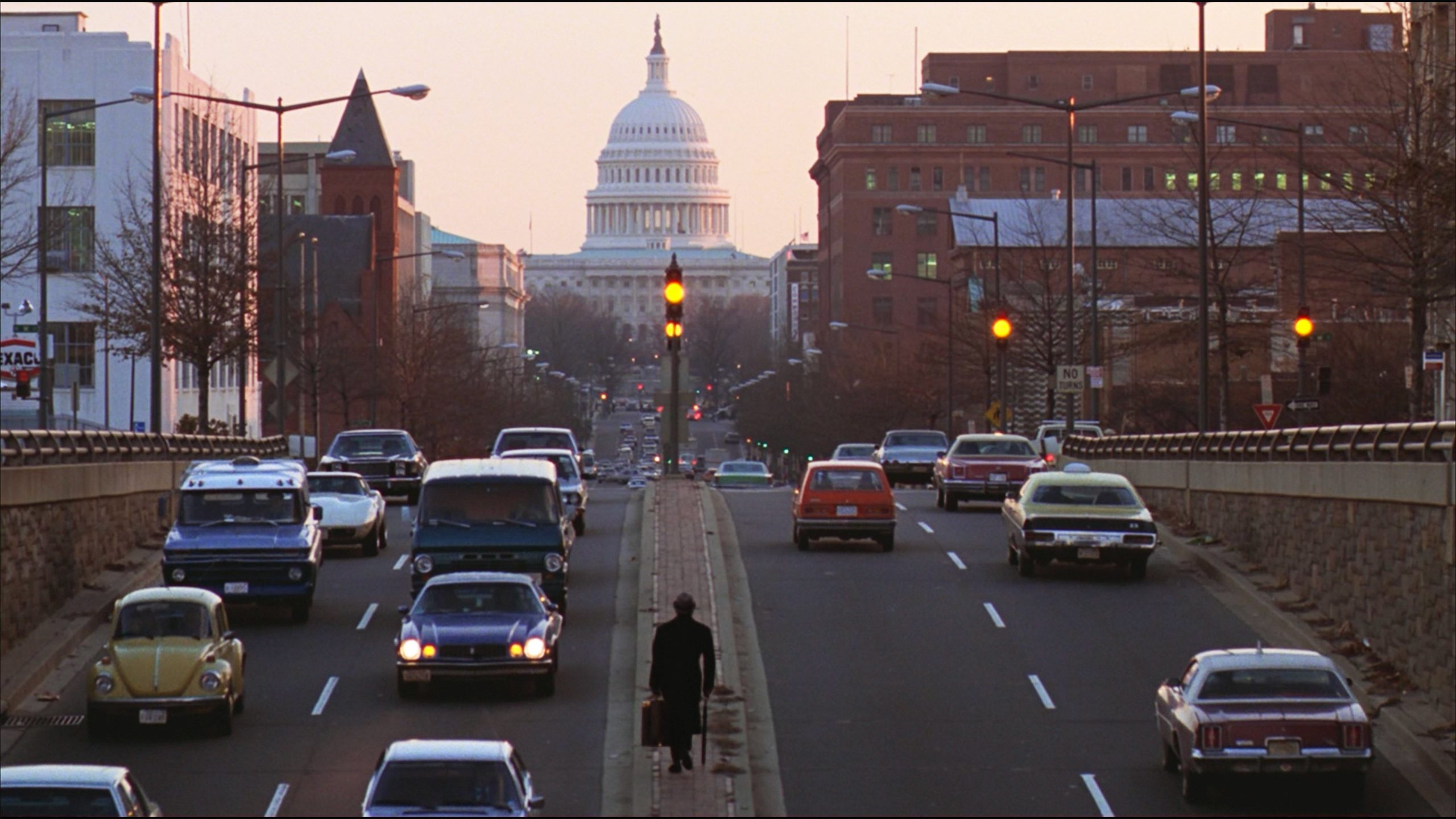
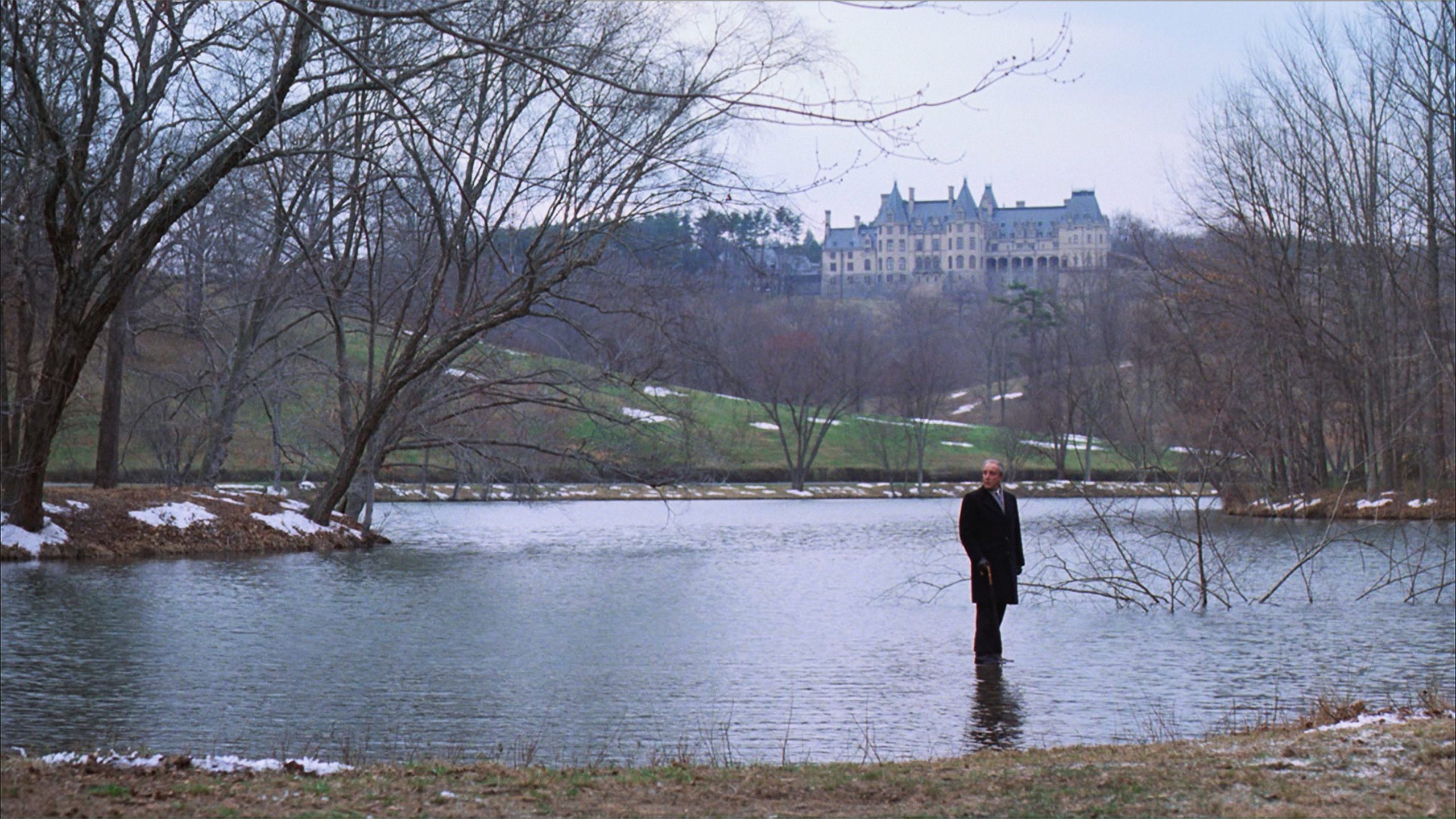
Caleb Deschanel’s cinematography feels suitably formal, and Michael D. Haller’s production design gives the powerful a convincing air of settled importance. Chance looks sufficiently at home for us to understand why his listeners might not question him. Don Zimmerman’s editing leaves space for a remark to sit, be considered and acquire an importance it does not deserve. The unhurried presentation helps us believe in these encounters, even when the conclusions drawn from them are ridiculous.
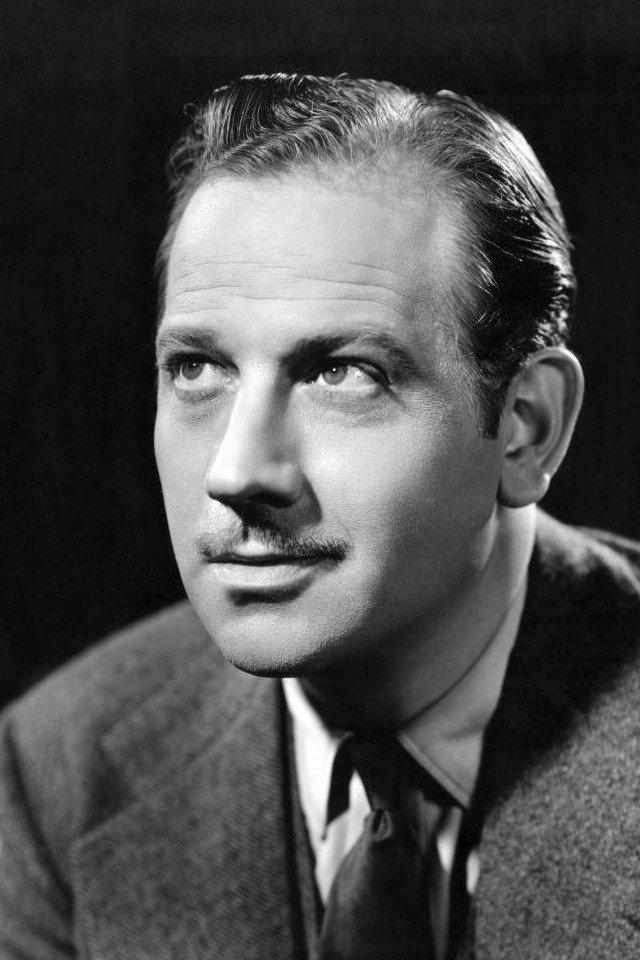
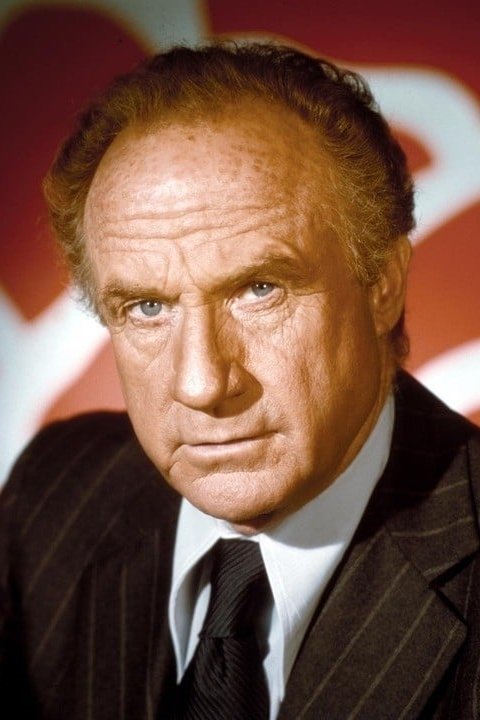
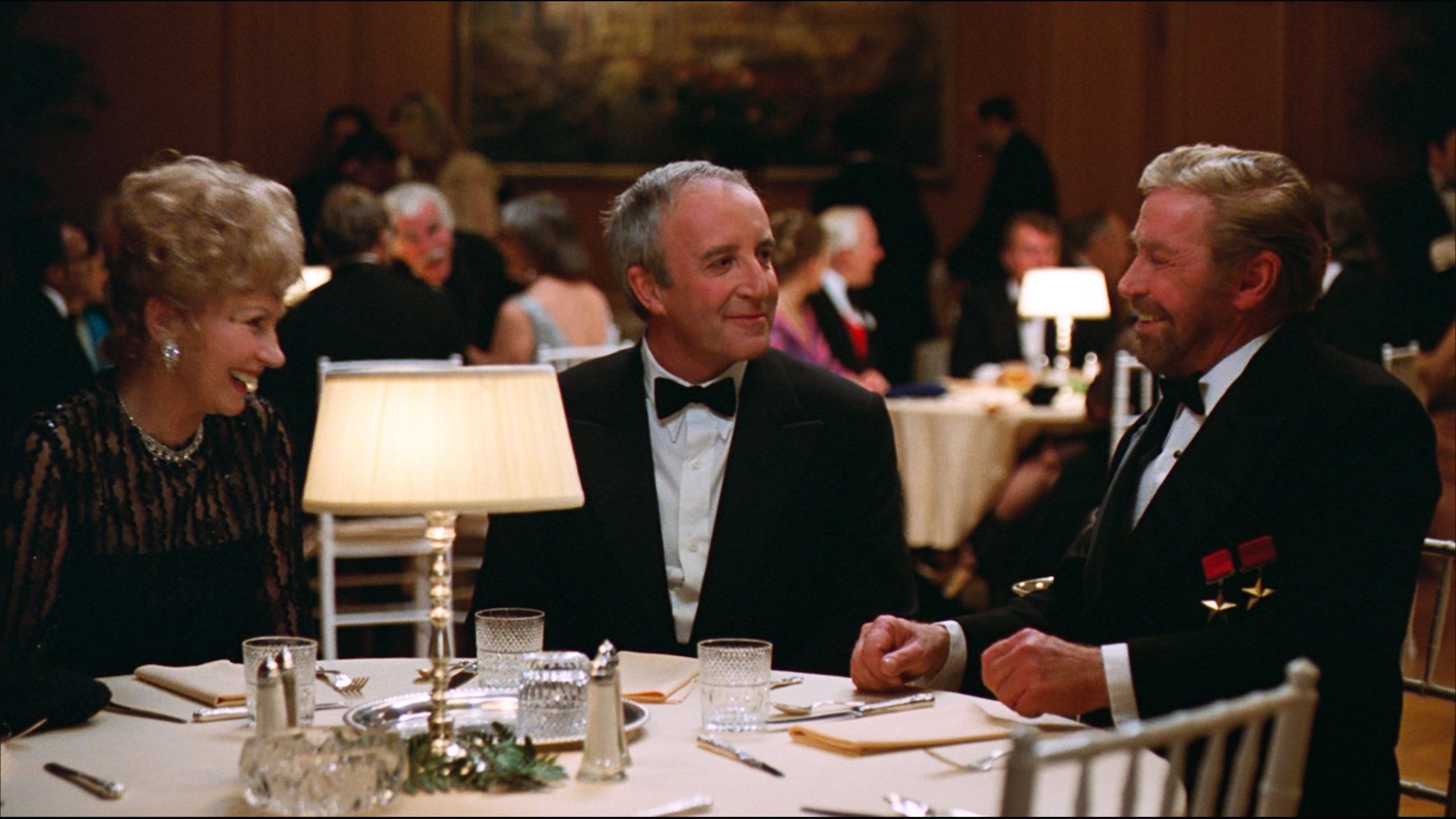
Shirley MacLaine, as Eve Rand, supplies warmth without making the film demand affection for everybody in it. Melvyn Douglas gives Benjamin Rand enough feeling for his interest in Chance to register as something more than a set-up for another misunderstanding. Their performances matter because the central role is deliberately so restricted; other people must provide the emotional changes that Chance cannot. Johnny Mandel’s music suits that gentler approach, supporting the tenderness without insisting that we find the gardener adorable.
At 130 minutes, the film does not always find enough new possibilities in its premise. Once a listener has confidently misunderstood Chance, the next listener has to do more than repeat the error with greater consequences. Some exchanges leave us ahead of the characters for too long, waiting for another variation on a joke we have already enjoyed. A little more resistance from the people accepting him might have sharpened these stretches without requiring the film to become louder or crueller.
Even then, the care taken with Chance keeps the laughter from settling into an easy mockery of his limitations. Political satire can become tiresome when it offers nothing beyond the satisfaction of feeling cleverer than everybody on screen. Here, the supporting performances complicate that satisfaction, particularly when somebody’s interest in Chance begins to feel affectionate. Watch it with someone who is happy to let a silence run.