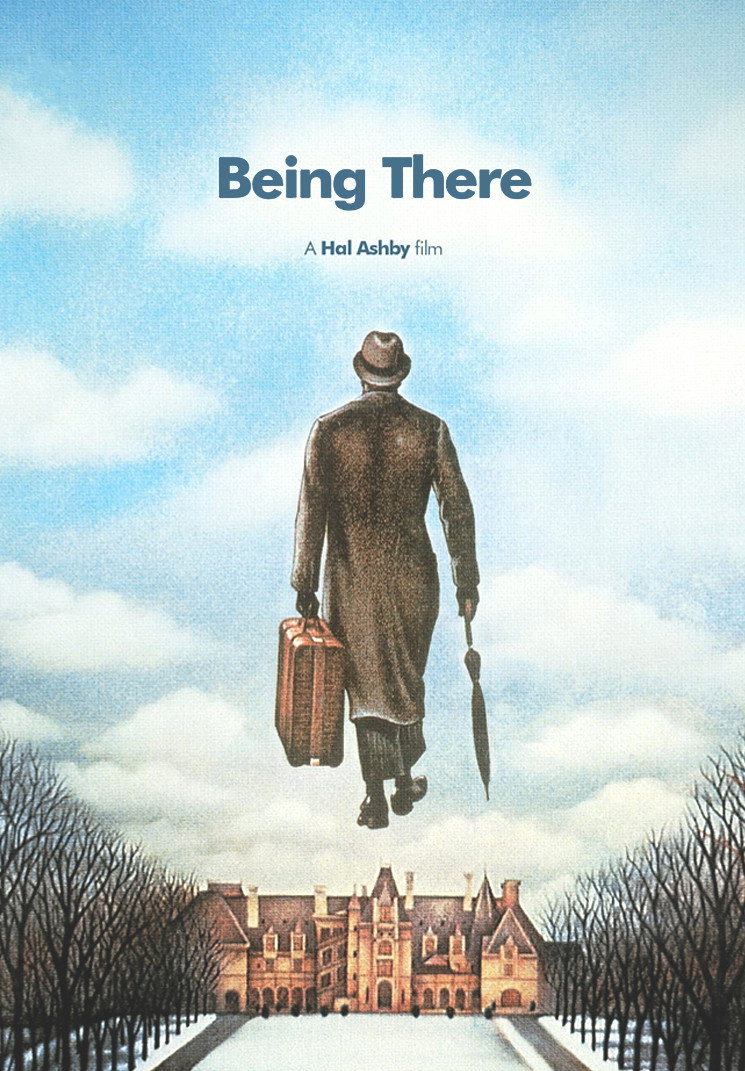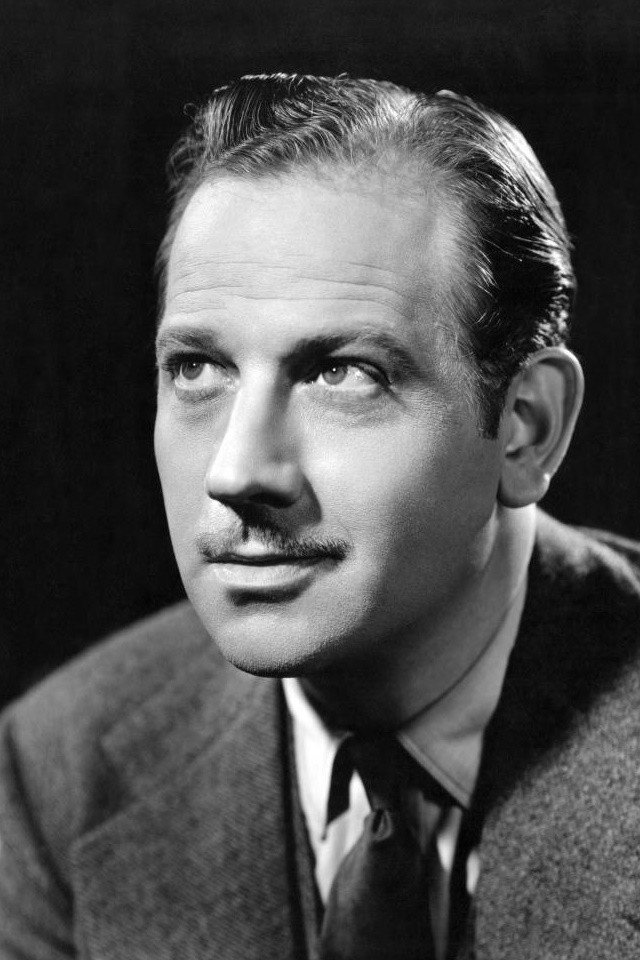
Melvyn Douglas could make polished manners funny and an older man's authority persuasive. We value his understated later work most: in Being There, he gives a comedy built on misunderstanding someone worth caring about.
Fi1m perspective
In Being There (1979), Benjamin Rand takes an interest in Chance that matters beyond the next misunderstanding. Melvyn Douglas gives him enough feeling to make us care about a man who might otherwise exist chiefly to keep the joke going. Peter Sellers's central performance is deliberately restricted, leaving the people around him to supply the emotional changes. Douglas accepts that responsibility without making a fuss. We were moved by Rand's affection for Chance because Douglas makes it feel sincere even when its cause is mistaken.
The earlier Douglas had spent much of his screen career making sophisticated romantic comedy look easy. Ninotchka (1939), opposite Greta Garbo, is the useful starting point for his comic timing and rapport with a leading lady. Hollywood too often treated that charm as sufficient material for a character. Those light-comedy parts could be thin, however capably he played them. The limitation matters when considering the later work: he had more to offer than another agreeable leading man.
After a hiatus from films between 1952 and 1961, he returned to screen work as a character actor. Homer Bannon, the principled rancher in Hud (1963), makes the change from the romantic leads plain. Tom Garrison, the difficult father in I Never Sang for My Father (1970), is a useful reminder that his older men were not all reassuring company. His dignity suited authority, but it did not have to make a character comfortable to be around.
Hal Ashby's patient direction in Being There gives the quieter acting time to register, though the satire sometimes repeats a point we have already understood. Douglas and Shirley MacLaine, as Eve Rand, supply warmth without asking us to feel affection for everybody. Johnny Mandel's music helps by supporting the tenderness rather than insisting that we adore Chance. Start here for Douglas, and allow for a satire that occasionally takes longer than it needs.
Biography
Melvyn Douglas, born Melvyn Edouard Hesselberg, was an American actor. He began his career on the stage in the late 1920s, making his Broadway debut in A Free Soul (1928), and entered films in the early 1930s under contract to Samuel Goldwyn. He became known during the Golden Age of Hollywood for suave leading roles, notably as Count Leon d'Algout opposite Greta Garbo in Ninotchka (1939).
Douglas later played mature and fatherly characters. He won the Academy Award for Best Supporting Actor for his performances as Homer Bannon in Hud (1963) and Benjamin Rand in Being There (1979), and received a nomination for I Never Sang for My Father (1970). He also won a Tony Award for The Best Man (1960) and an Emmy Award for a 1967 television performance. His final screen roles included The Changeling (1980) and Ghost Story (1981). He was married to actress and politician Helen Gahagan from 1931 until her death in 1980.