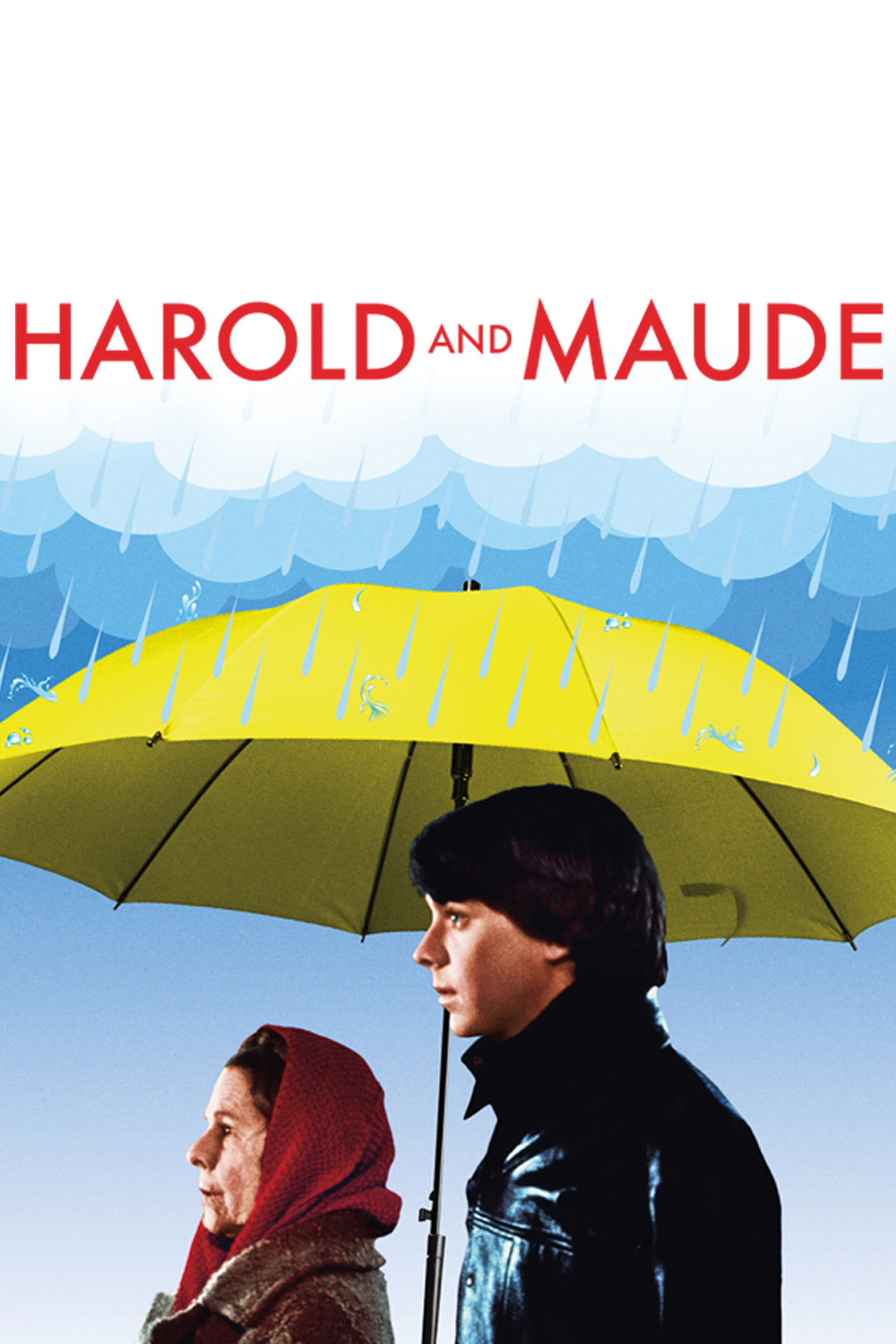
Ruth Gordon's strength is making an eccentric character interested in someone besides herself. In Harold and Maude, that attention makes an unlikely romance convincing, even when the script starts dispensing advice.
Fi1m perspective
Ruth Gordon's Maude enjoys Harold's company, and that matters more than any instruction she can give him about being alive. In Harold and Maude (1971), Gordon makes enthusiasm persuasive by directing it towards another person. We rate the performance for the warmth that makes an unconventional romance believable. The script can be too pleased with its own defiance of convention, but she gives us a reason to care about the people involved.
Writing was a substantial part of the work before those late character roles: she co-wrote Adam's Rib (1949) with Garson Kanin for George Cukor. The prominent acting parts resumed with Lucile Clover in Inside Daisy Clover (1965), followed by Minnie Castevet in Rosemary's Baby (1968). The recurring older eccentrics could make the casting look narrow, especially once Maude helped define her late-career image. But the mixture of comedy and darker material gave those parts more to do than provide reassuring company.
In Hal Ashby's Harold and Maude, the useful restraint comes from pairing Gordon with Bud Cort rather than asking both performers to be equally colourful. His Harold gradually becomes more receptive without turning into somebody else. We were moved by how comfortable they became together, because Gordon's enjoyment of him gives that change a reason. That is particularly important in a romance built around an age difference: the acting has to establish why these two people want to spend time together. Their scenes allow us to believe it.
The weakness is clearest when Maude seems to have been supplied as a cure for Harold. The script sometimes pushes its invitation to enjoy life harder than the relationship needs, and Gordon's evident pleasure in the part can only do so much. Treating an older woman as a lesson for somebody younger leaves less room for her own life, and even this performance cannot entirely escape that problem. Start with Harold and Maude, and forgive the advice for the sake of the company.
Biography
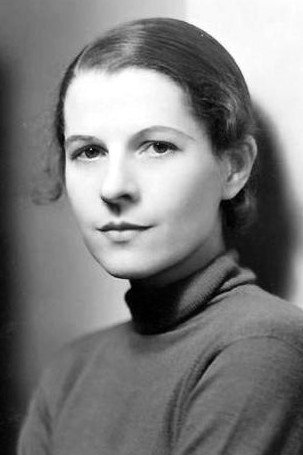
Ruth Gordon was an American actress, playwright and screenwriter. She began her career on Broadway at the age of nineteen after studying at the American Academy of Dramatic Arts, and her work in theatre, film and television spanned seven decades.
Gordon gained renewed recognition in later life for film roles including Minnie Castevet in Rosemary's Baby (1968), for which she won an Academy Award for Best Supporting Actress, and Maude in Harold and Maude (1971). She also appeared in Every Which Way but Loose (1978) and Any Which Way You Can (1980). As a writer she co-wrote screenplays with her husband Garson Kanin, including Adam's Rib (1949), receiving three Academy Award nominations for her writing. She won a Primetime Emmy Award for her guest role in the series Taxi (1979).