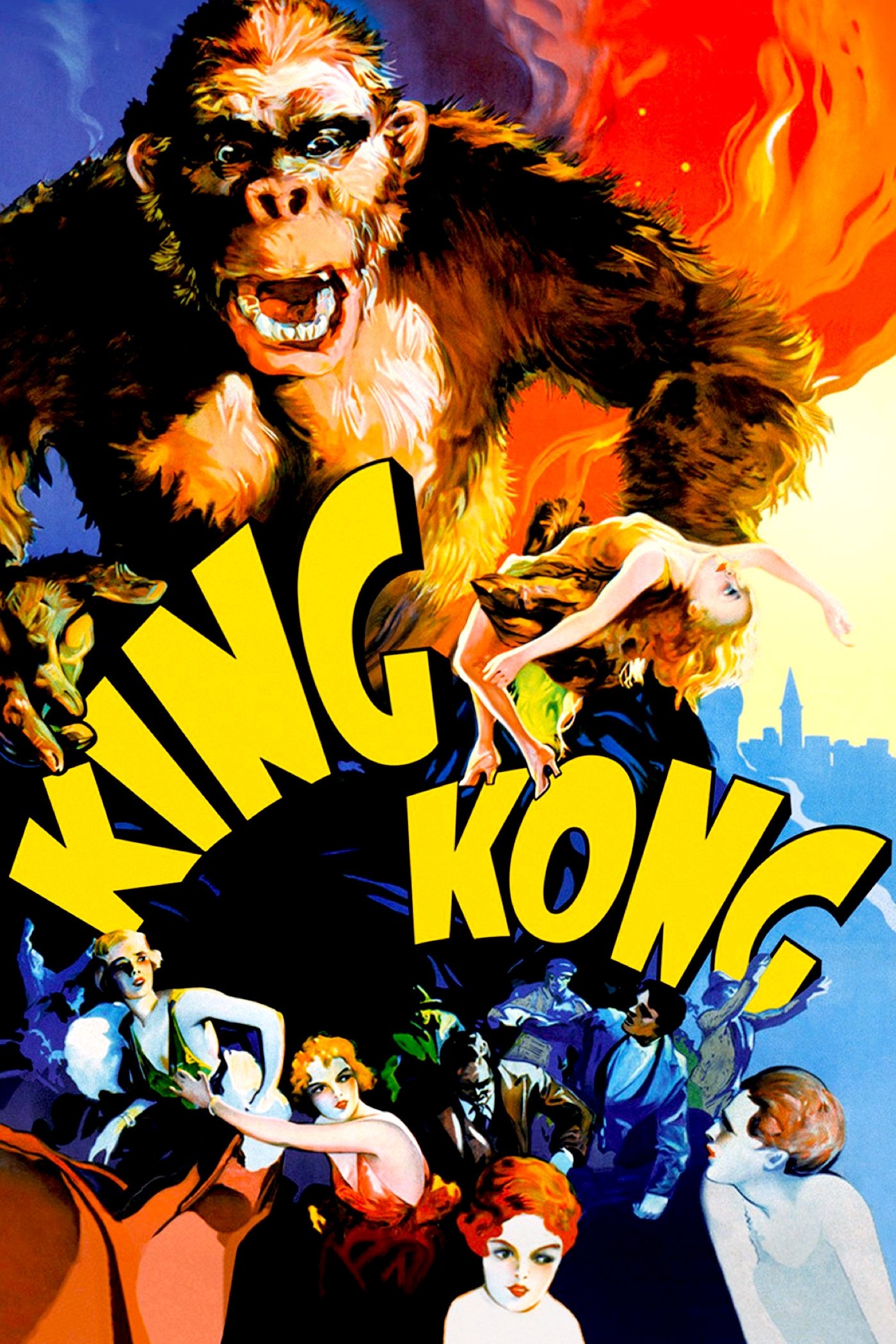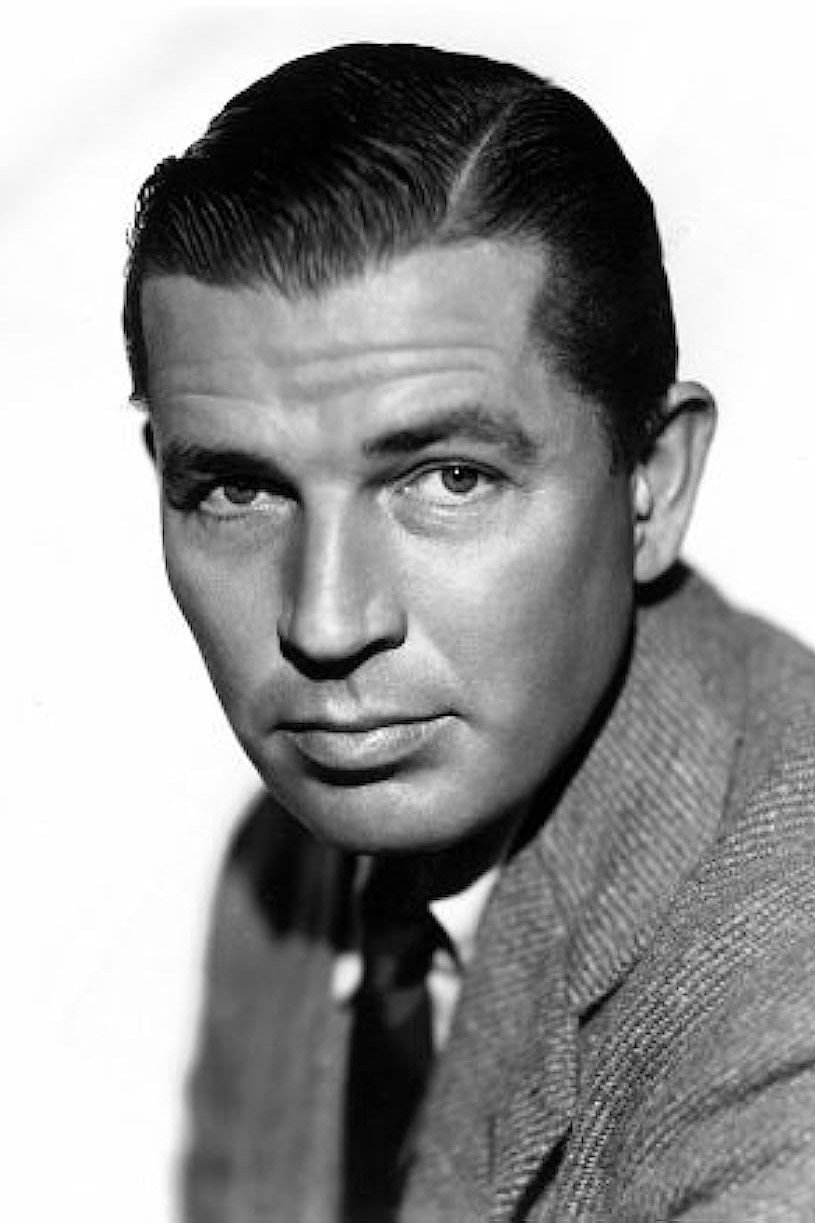
Bruce Cabot rescued Fay Wray in King Kong while the audience watched the ape. Handsome, solid and stiff as a hero, he was far better employed as the heavy, and spent the next thirty-five years proving it as villains, lawmen and sidekicks.
Fi1m perspective
Jack Driscoll's job in King Kong (1933) is to be the man Fay Wray is carried away from and the man she is carried back to. Bruce Cabot does it with a square jaw, a clear voice and no visible doubt, and the film hardly notices him. Watching it again we found we could describe every movement of the ape and not one thing Driscoll said, which is partly what the film intends and partly the measure of Cabot in it. We called him a less engaging presence than Robert Armstrong or Wray, and that still seems fair. He is the hero because the plot needed one.
It was enough to make him a lead, and it did not make him a star. He had been a sailor, an oil worker and a prize fighter before a meeting with David O. Selznick in 1931 put him in front of a camera. Within three years the studios had worked out what to do with him. In Fritz Lang's Fury (1936) he leads the lynch mob, opposite Spencer Tracy; the same year he is Magua, the Huron warrior, in The Last of the Mohicans; in Dodge City (1939) he is Jeff Surrett, the villain in a Warner Bros. Western with Errol Flynn. The heroes had gone to other people. That year the lead in Stagecoach went to John Wayne instead of him, which is the sort of loss a career does not recover from, and his did not.
What it became instead was steadier and, we suspect, more comfortable. After service in the Army Air Forces from 1942 to 1944 he settled into supporting work, mostly in Westerns, mostly as lawmen, heavies and sidekicks, and from Angel and the Badman (1947) onward mostly beside Wayne, who had taken his part in 1939 and then kept him employed for eleven films. He is Sheriff Maledon in Cat Ballou (1965) and Sam Sharpnose in Big Jake (1971). His last screen part, Bert Saxby in Diamonds Are Forever (1971), was in a Bond film, and he died the following year.
The case for Cabot is a case for the second tier. He could look like a man who might hit you, and he could look like a man you would want beside you when someone else did, and the pictures needed both in quantity. The case against him is King Kong: given the largest stage of his life, he stood on it correctly and let the animal take the film. If you want to see what he was for, skip the hero and find him in a crowd, holding a rope or a badge or a grudge. He is better there, and he seems to know it.
Biography
Bruce Cabot (born Étienne de Pelissier Bujac Jr.; 20 April 1904 – 3 May 1972) was an American film actor. He made his screen debut in an uncredited bit part in the 1931 serial Heroes of the Flames and appeared in early supporting roles before his breakthrough as Jack Driscoll in King Kong (1933).
Cabot appeared in nearly 100 feature films, often in supporting or villainous parts. He is noted for roles in The Last of the Mohicans (1936), Fury (1936) and Dodge City (1939). He served in the US Army Air Forces during the Second World War and later appeared in several films with John Wayne, including Angel and the Badman (1947) and Big Jake (1971).