Merian C. Cooper and Ernest B. Schoedsack’s King Kong remains an exciting, unexpectedly touching adventure. The human performances can be stiff, but the creature work and music make the ape worth caring about.
King Kong remains an exciting, surprisingly touching adventure, though some of its human acting needs patience. Merian C. Cooper and Ernest B. Schoedsack make us wait for the giant ape, establishing the island adventure before the creature arrives. That wait is a useful part of the pleasure, even if a few early exchanges feel longer than they need to. The film wants us curious about the island before it asks us to be frightened of what lives there.
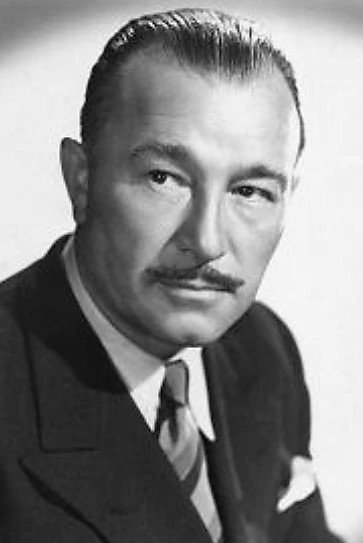
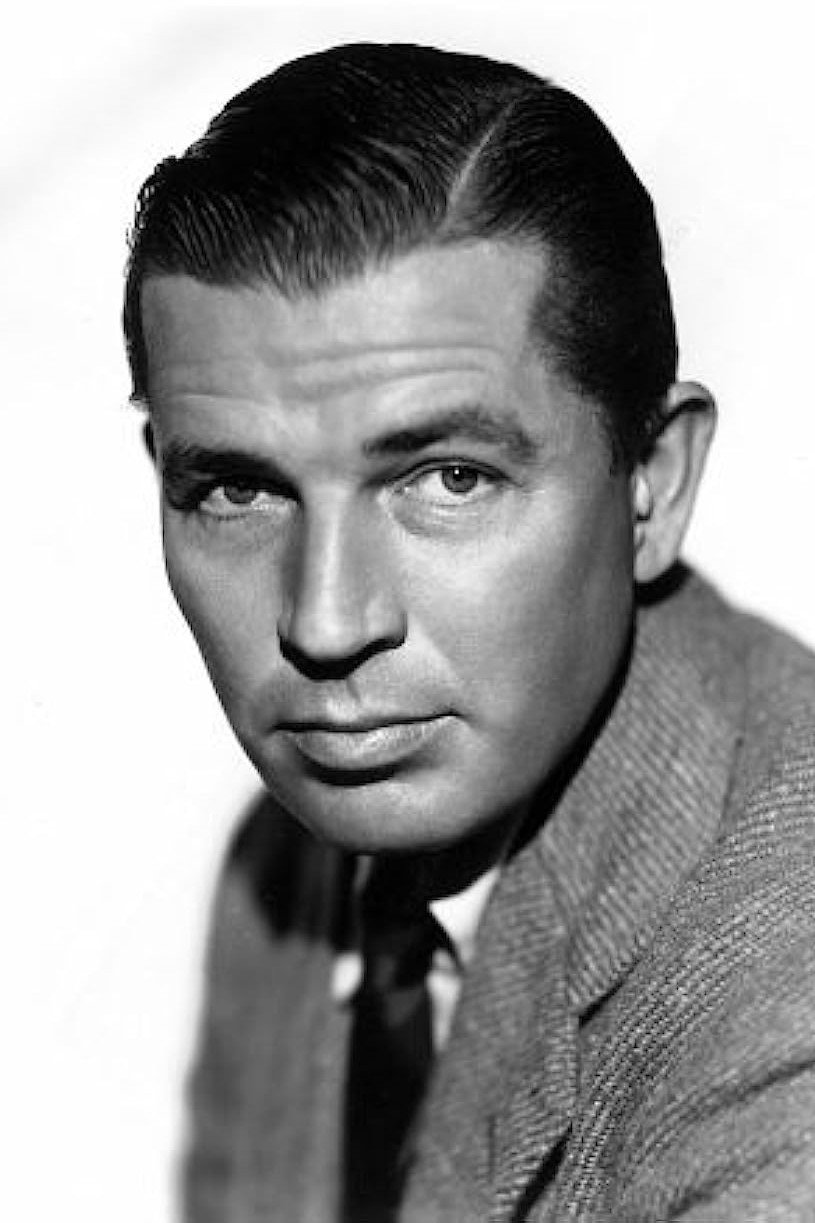
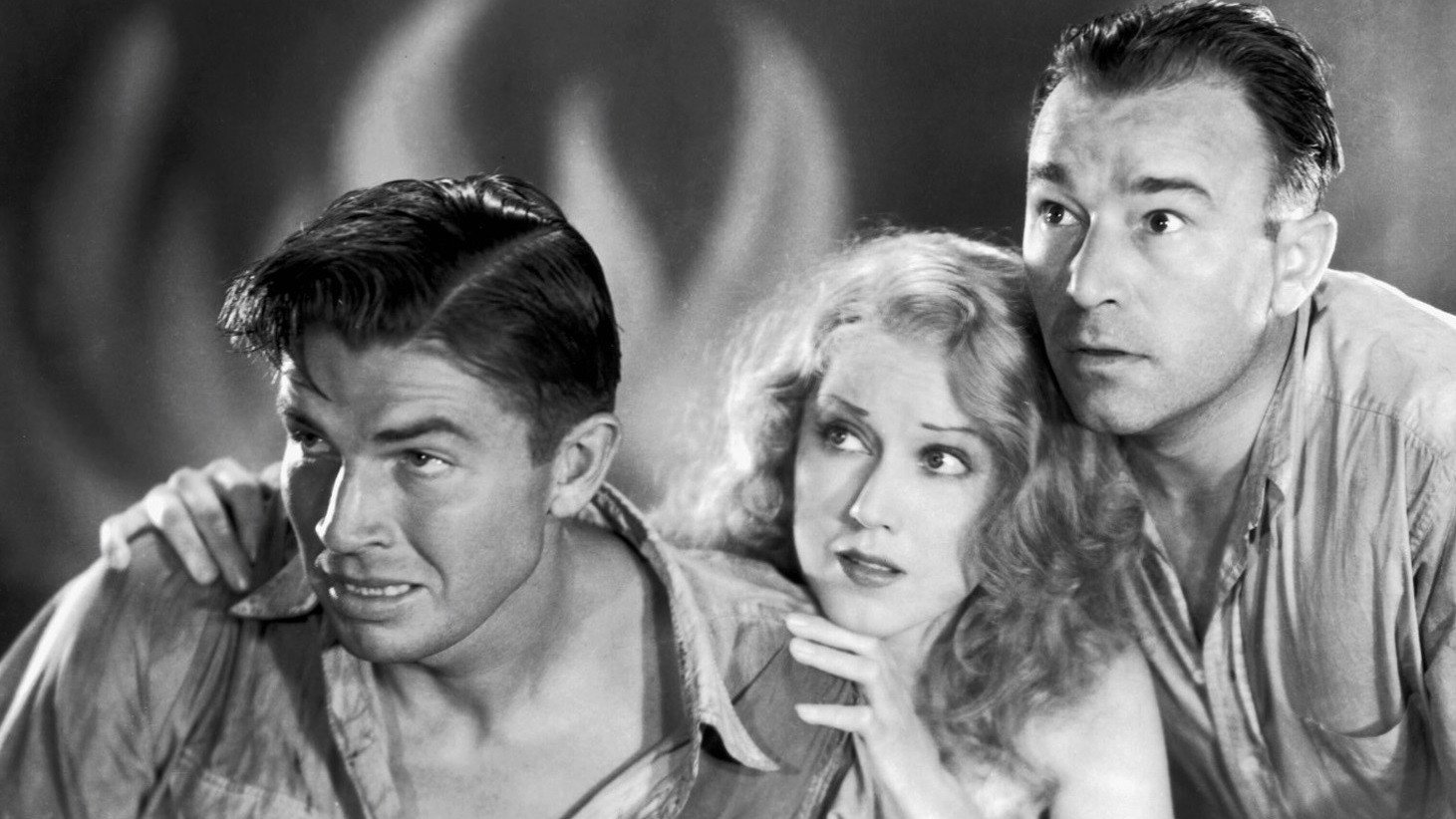
Robert Armstrong gives Carl Denham the brisk conviction of a man who expects other people to share his enthusiasm. It is an effective performance because his confidence remains persuasive even when we begin to question it. Fay Wray, as Ann Darrow, makes fear legible without much help from the writing, while Bruce Cabot’s Jack Driscoll is a less engaging presence. The screenplay by Ruth Rose and James Ashmore Creelman gives the humans plenty to react to, but their speech is sometimes too emphatic to sound like conversation.
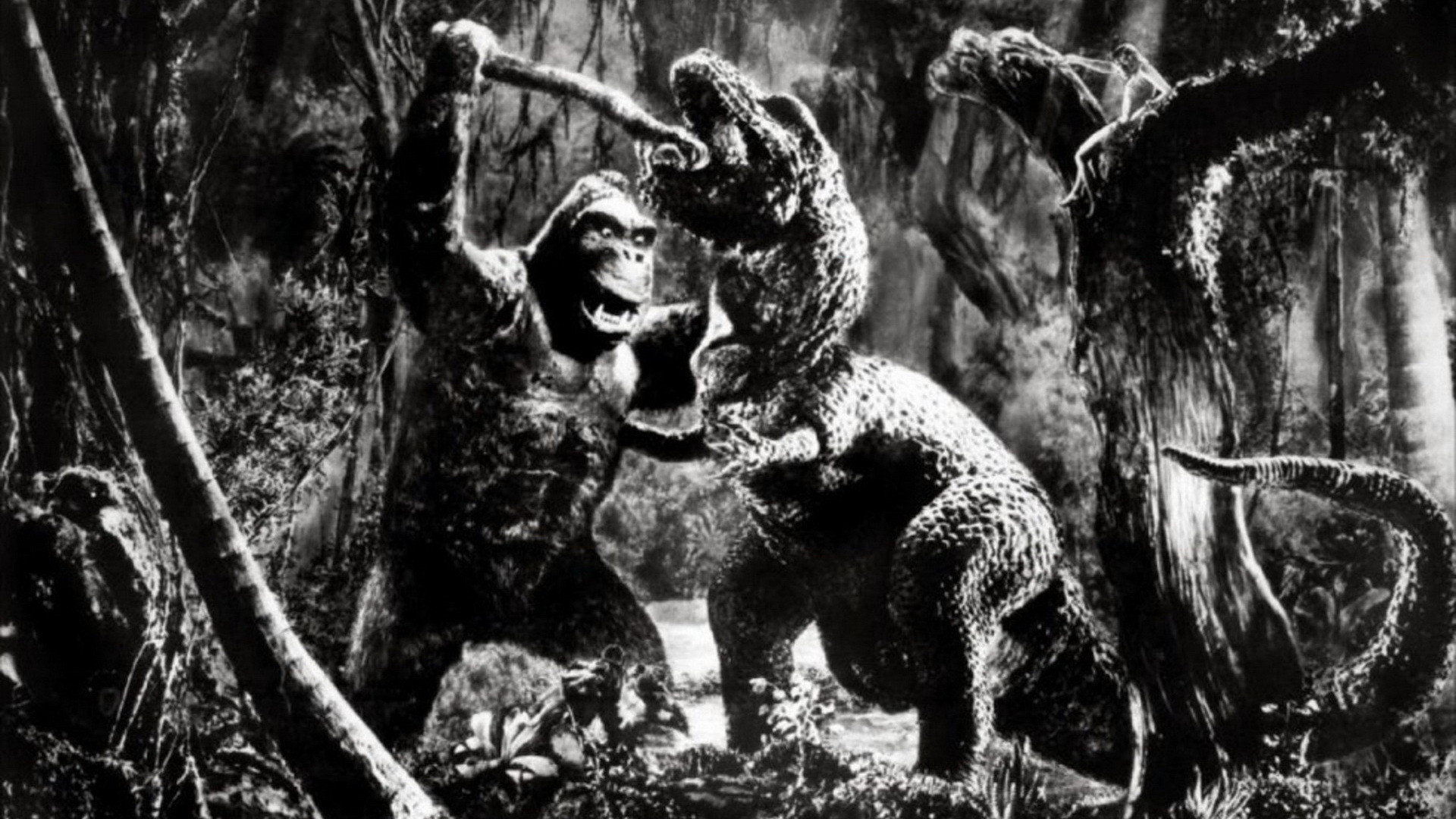
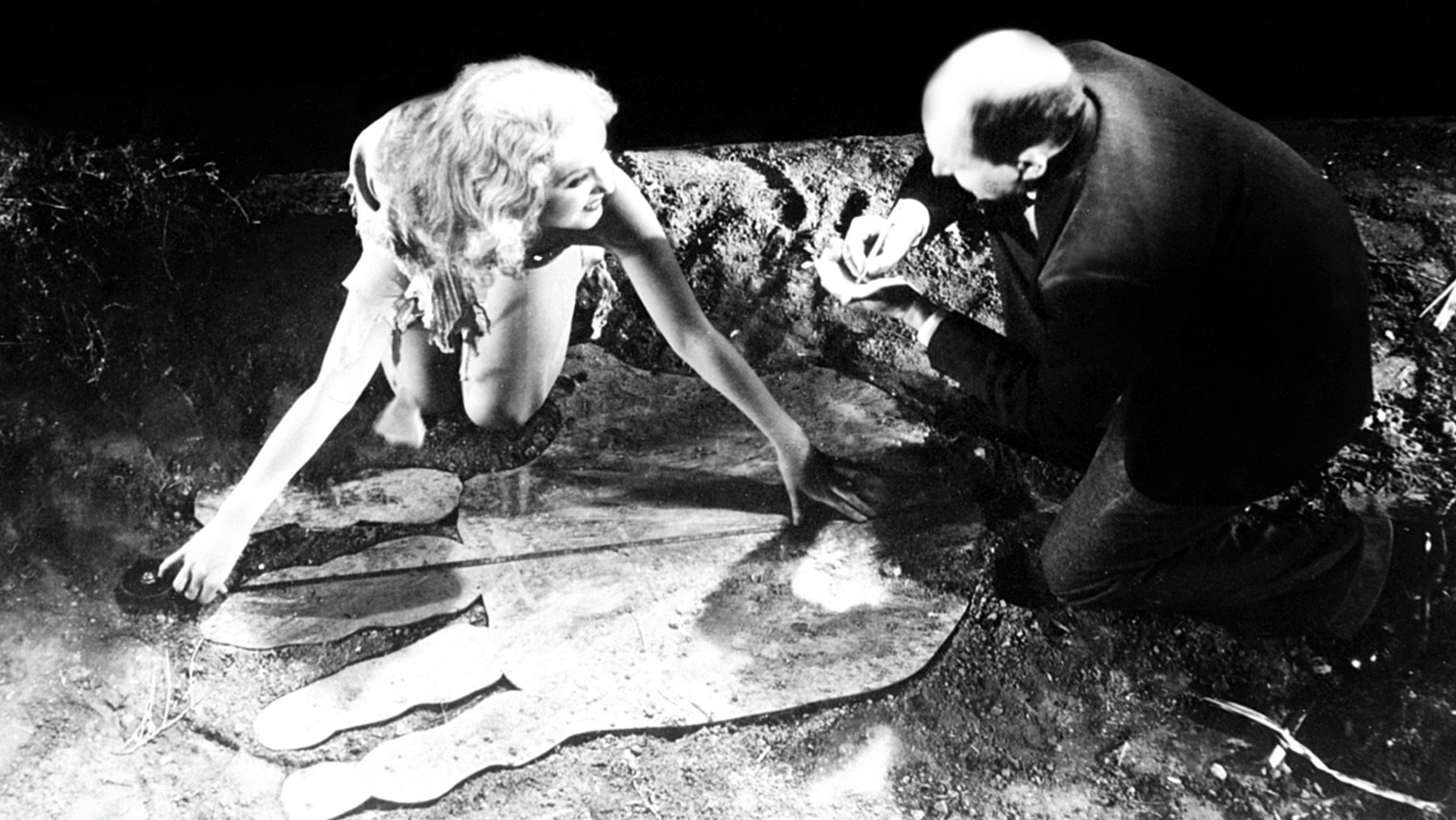
The jungle gives the adventure somewhere convincing to happen, even when the creatures plainly belong to fantasy. Cinematographers J.O. Taylor, Vernon L. Walker and Edward Linden give these surroundings a density that makes the visitors look exposed. The sets contribute as much as the scale of the monsters: there is enough detail around the creatures to keep us looking beyond the mechanics of their movement. We can recognise the artificial surroundings and still feel uneasy about what might emerge from them.
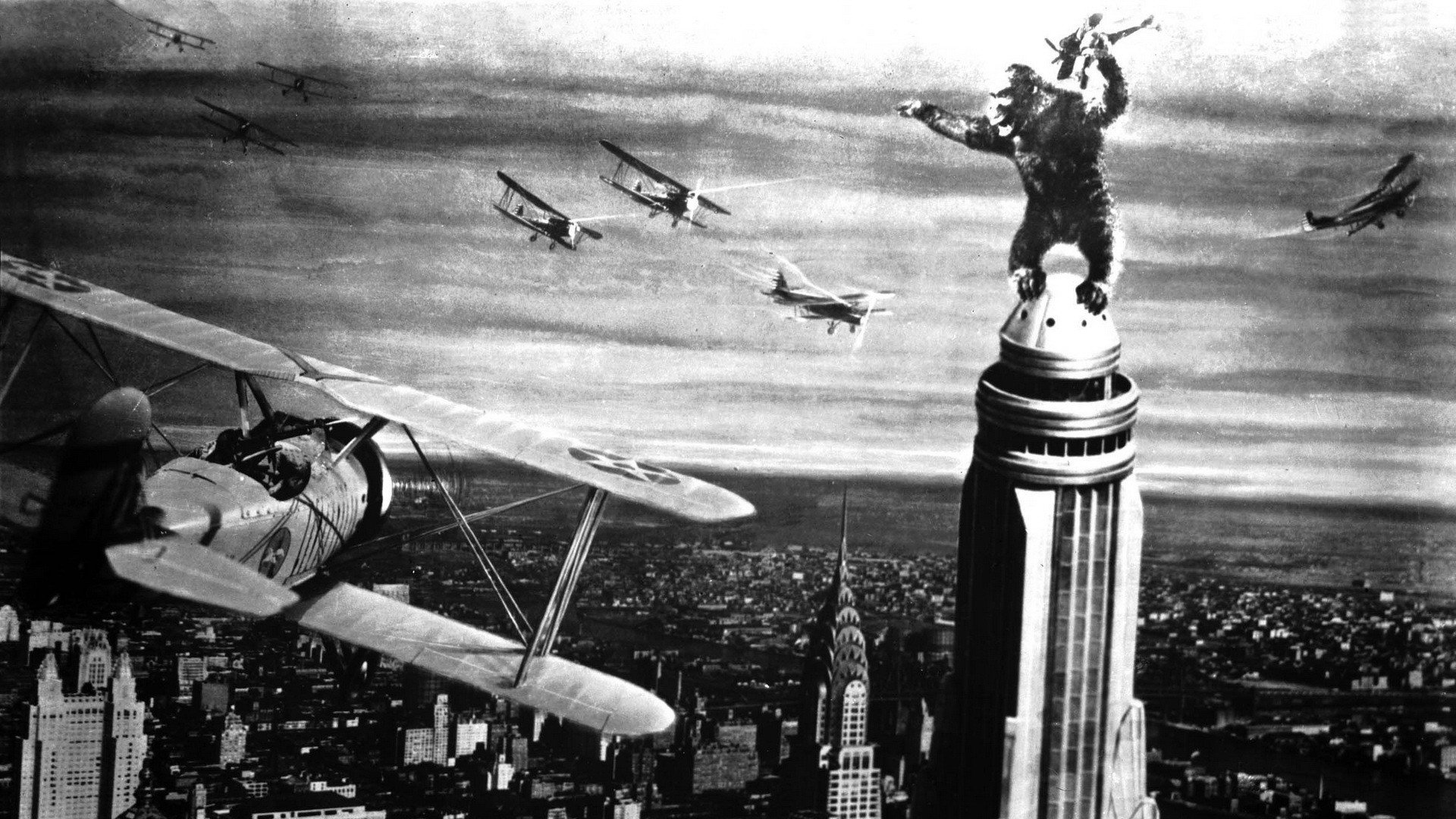
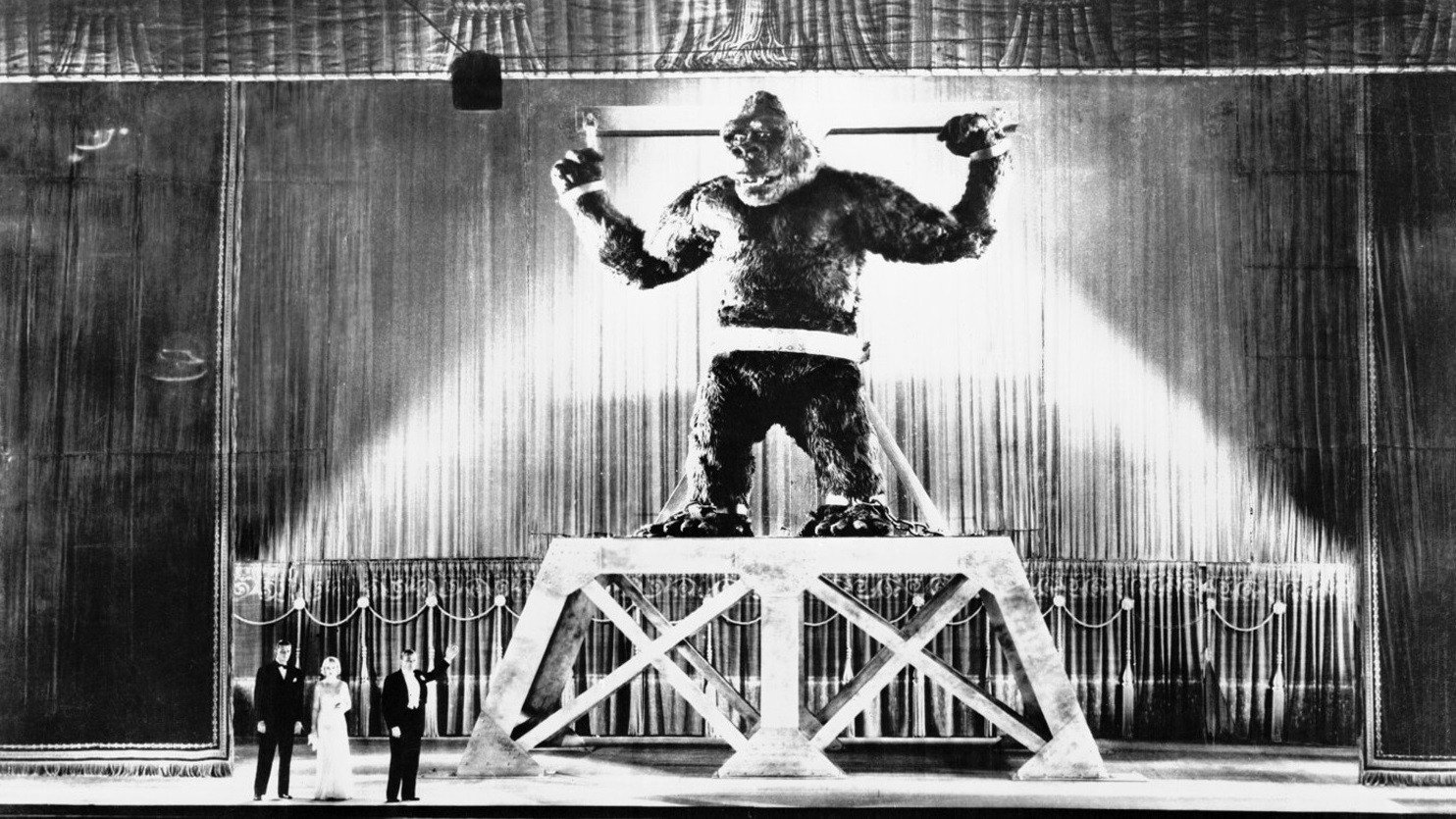
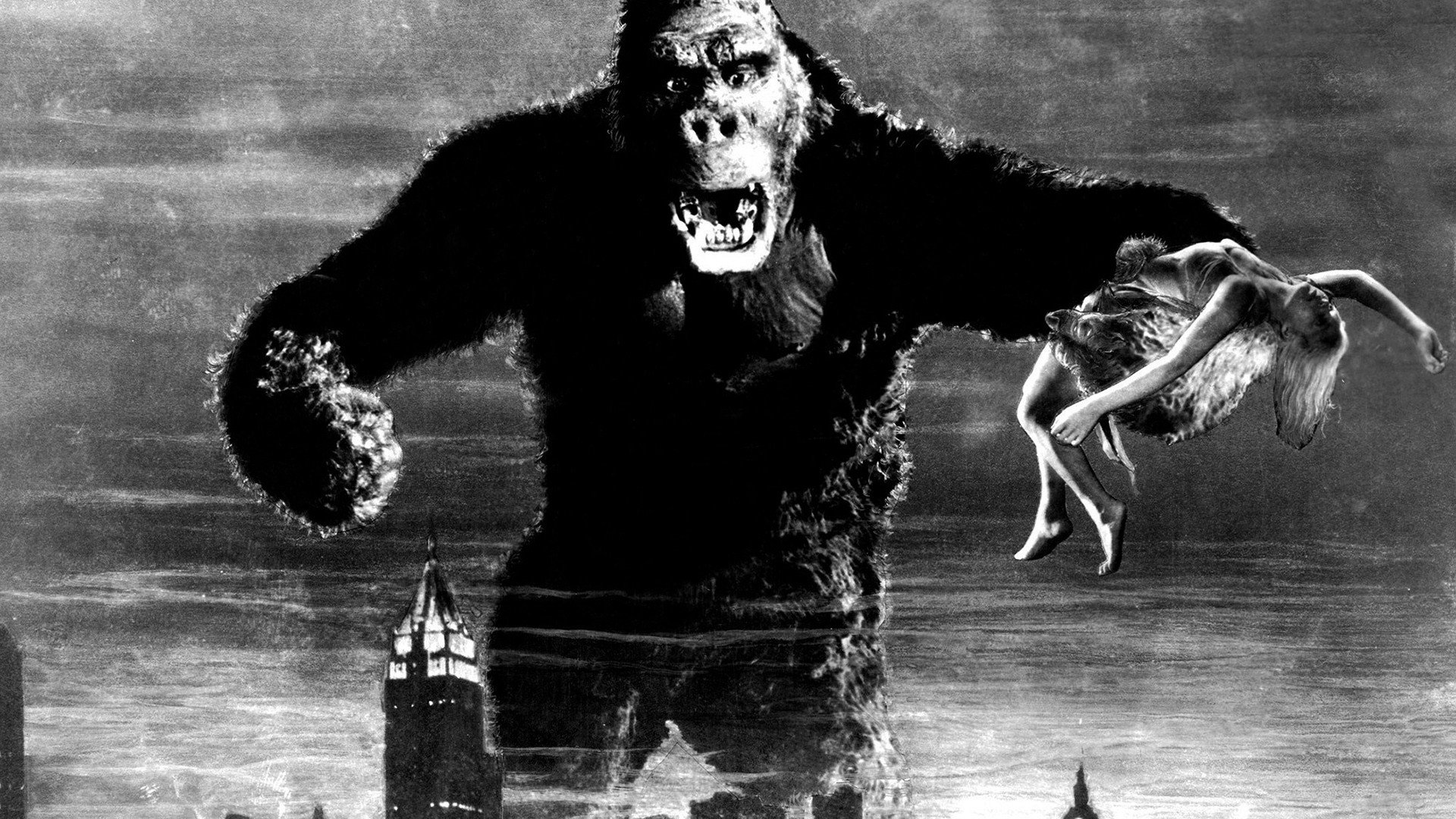
The stop-motion movement has a visible jerkiness, and occasionally the workings of the illusion draw attention to themselves. But Kong’s eyes hold us, and the changes in his expression give the action a purpose beyond putting another obstacle in front of the visitors. We were moved by how alert he seems, because those eyes make him appear to be assessing the people around him. The animation gives the ape enough feeling that we begin watching for his response, as we would with an actor.
The score by Max Steiner is central to that response, supplying force without making every encounter feel emotionally identical. The music keeps excitement and apprehension close together, so that admiring the creature does not make him harmless. Editor Ted Cheesman keeps the action sequences pressing forward, and the cuts prevent the technical display from becoming a succession of exhibits. The occasional awkward movement is less troublesome when the next piece of action gives us something else to worry about.
For a monster adventure, keeping us interested in the creature between the big disturbances is a considerable achievement. At 100 minutes, the film deserves to be watched straight through, without a running commentary on how the effects were done. Its PG certificate should not be mistaken for a promise of gentleness; recognising a model does not necessarily stop us fearing it. Give it an evening without making allowances for its age.