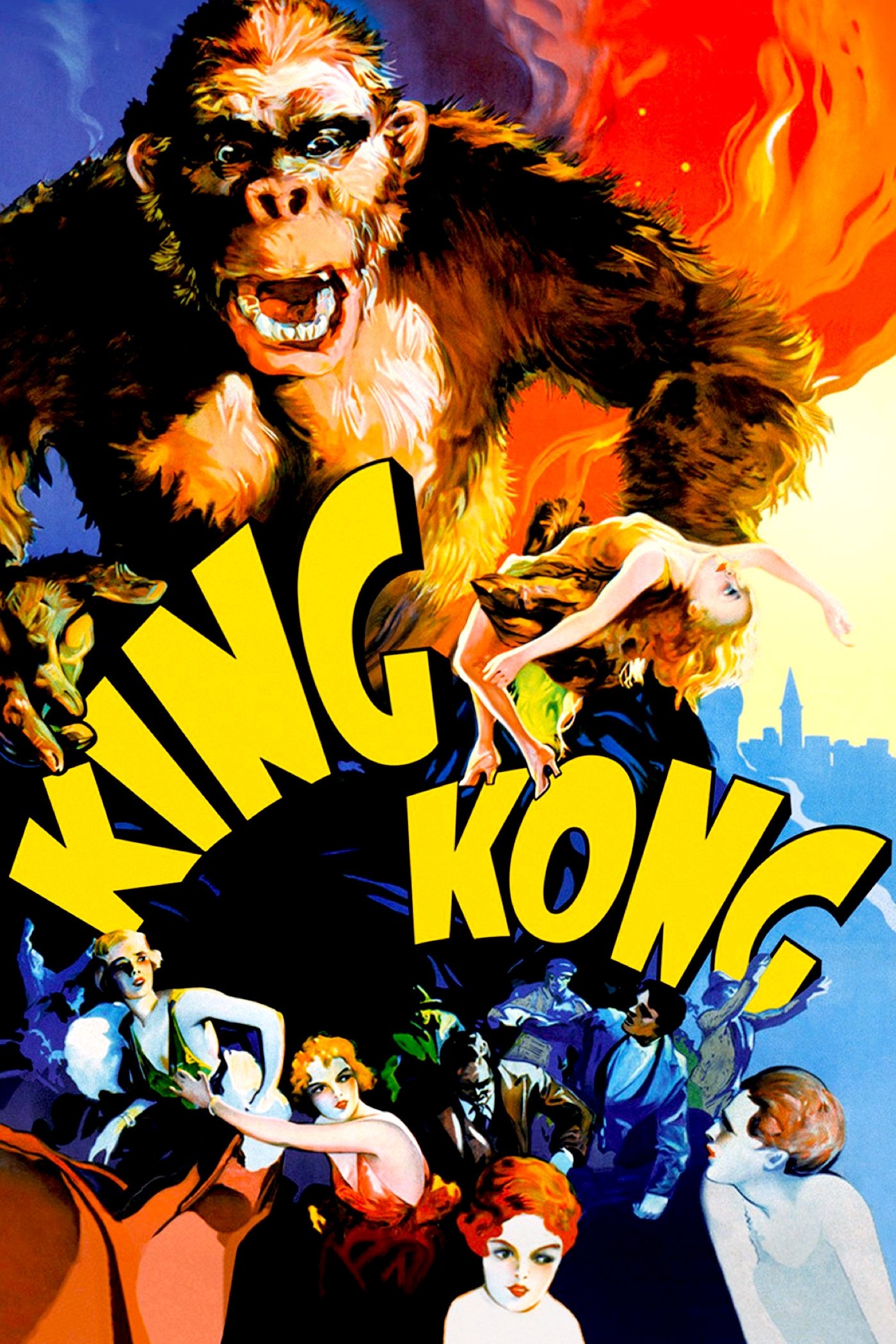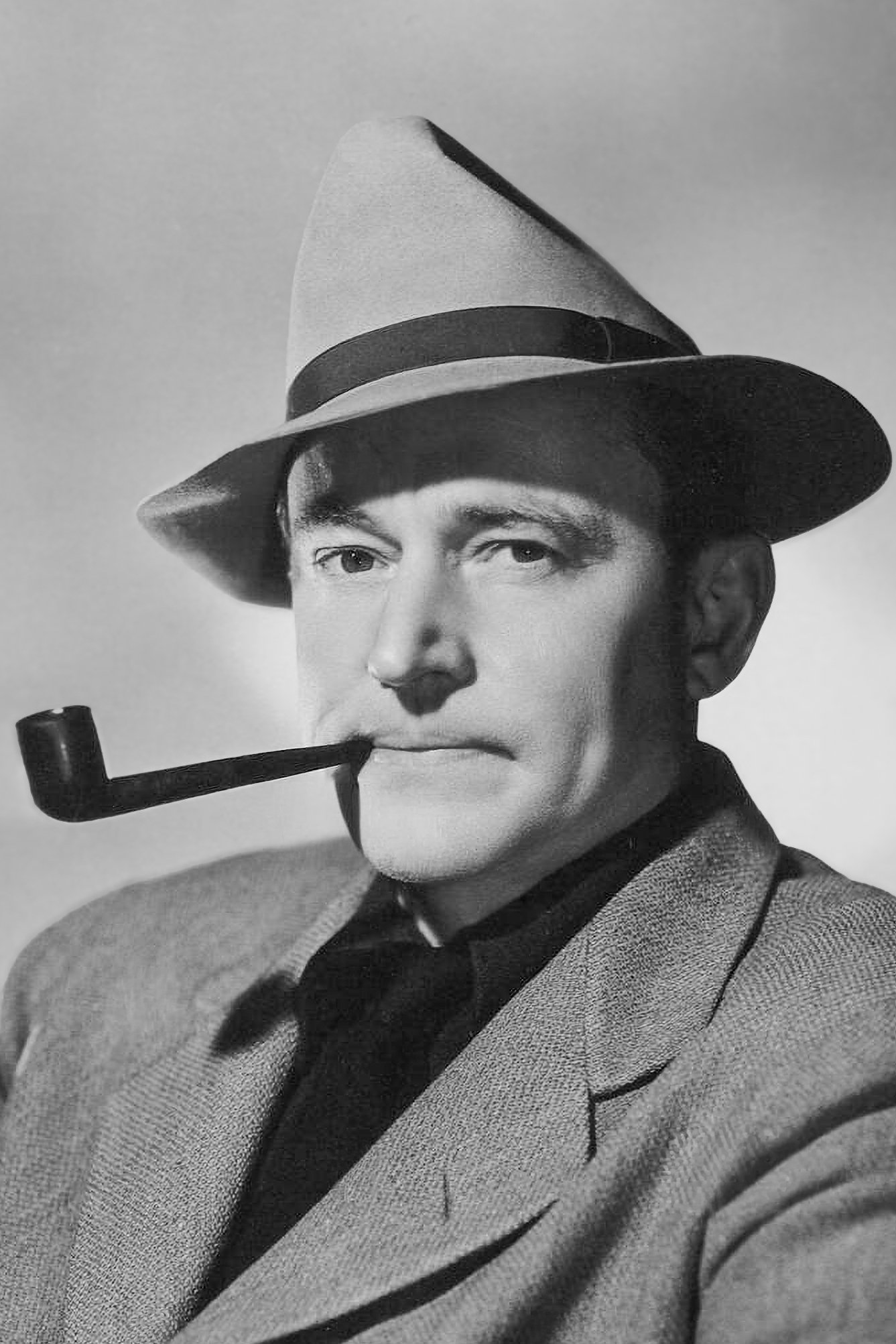
Merian C. Cooper made adventure his business, first with a camera in remote places and then with an ape on a soundstage. King Kong (1933) is the one to see; afterwards he ran production at RKO, produced Westerns with John Ford and pushed for bigger screens.
Fi1m perspective
The ape takes his time. King Kong (1933) opens with a film crew, a ship and an island nobody has properly mapped, and Merian C. Cooper and Ernest B. Schoedsack keep the creature off screen while all of that is established. A few of the early exchanges run longer than they need to and the human acting is stiff in places. But the wait is doing work: the film wants us curious about the island before it asks us to be frightened of what lives there, and by the time the creature arrives we are.
That habit came from somewhere. In the 1920s Cooper and Schoedsack made adventure documentaries on location, Grass (1925) and Chang (1927) among them, films about exploration and encounters with the unknown, drawn from their own travels. Cooper's motto for his productions was "Keep it distant, difficult and dangerous," and those early pictures earned it the hard way. King Kong, which Cooper conceived, produced and co-directed at RKO, where he went on to run production, is the same appetite moved indoors. The unknown island is built on a stage and the dangerous animal is built a frame at a time, with stop-motion and composite effects, and rear projection, that were pioneering work then.
Some of the film's contemporaries thought it a studio commercial project rather than anything artistic, and the honest answer is that it was a studio product, and it is also touching. We did not expect to be moved by a model, and we were, because the creature work and the music give Kong a curiosity and a hesitancy that the actors standing under him never quite manage.
With John Ford he formed Argosy Pictures, and the Westerns that came out of it, Fort Apache (1948), She Wore a Yellow Ribbon (1949), Rio Grande (1950) and The Searchers (1956), are Ford's films, but they are open-country, man-against-the-landscape stories of the kind Cooper had been chasing since Grass. He pushed Technicolor and then Cinerama, producing This Is Cinerama (1952) to show what the widescreen process could do.
See the ape first. Be patient with the people standing under him, and notice how long the film keeps you waiting before it lets you see him at all.
Biography
Merian C. Cooper was an American film producer, director and aviator. He co-directed and produced King Kong (1933) with Ernest B. Schoedsack, and appeared uncredited as one of the pilots who kills Kong.
Cooper began in film by documenting expeditions for the Explorers Club. He later produced several John Ford Westerns, including Fort Apache (1948), She Wore a Yellow Ribbon (1949), Rio Grande (1950) and The Searchers (1956). He is credited as co-inventor of the Cinerama film projection process.
He received an honorary Academy Award for lifetime achievement in 1952 and a star on the Hollywood Walk of Fame in 1960.