Film review

Godzilla

1954 · Directed by Ishirō Honda · 1h 36m · MPA NR

In a sentenceWe came for a monster knocking down model buildings and found ourselves worrying about the people inside

ThrillerHorrorScience Fiction

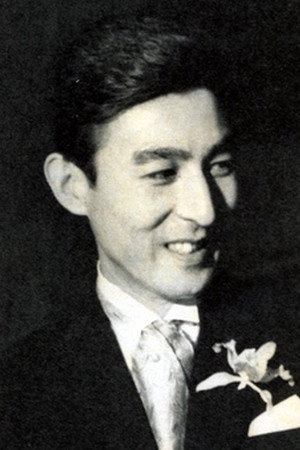
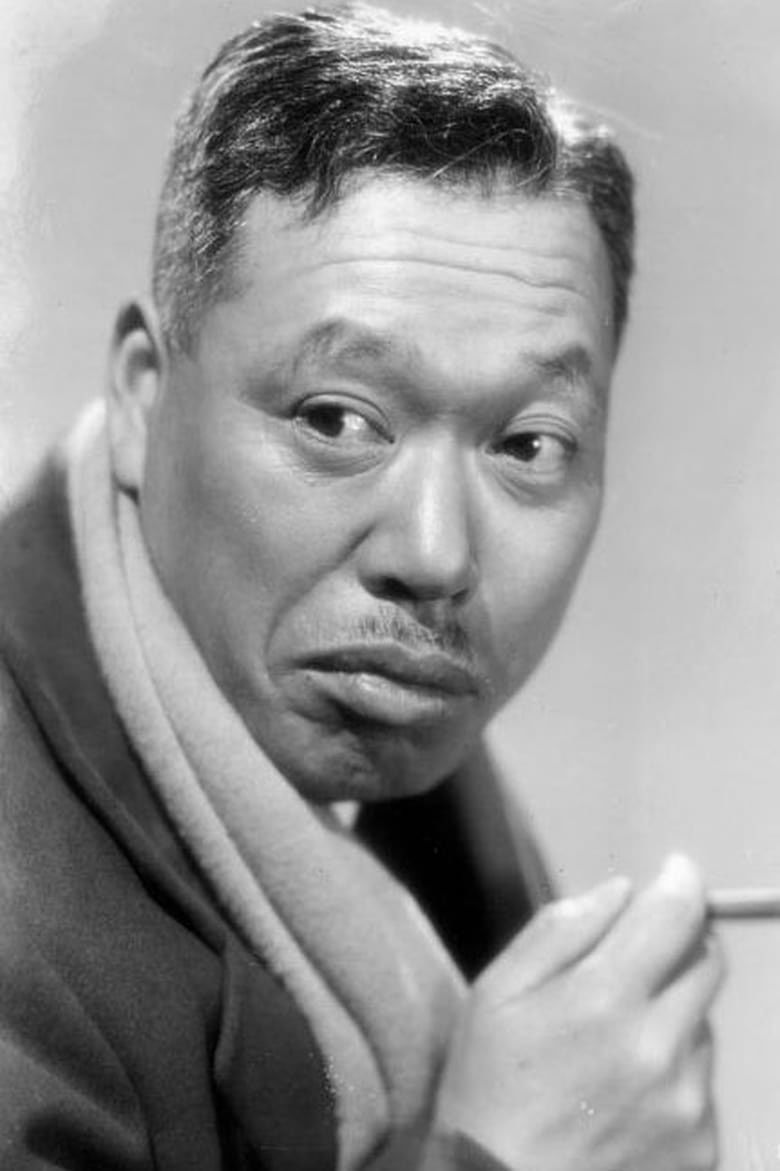
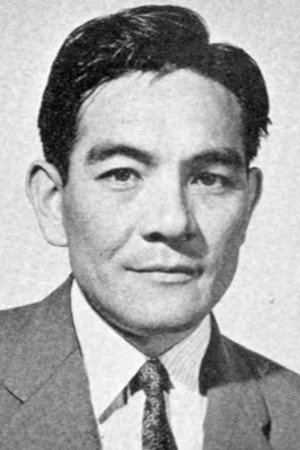
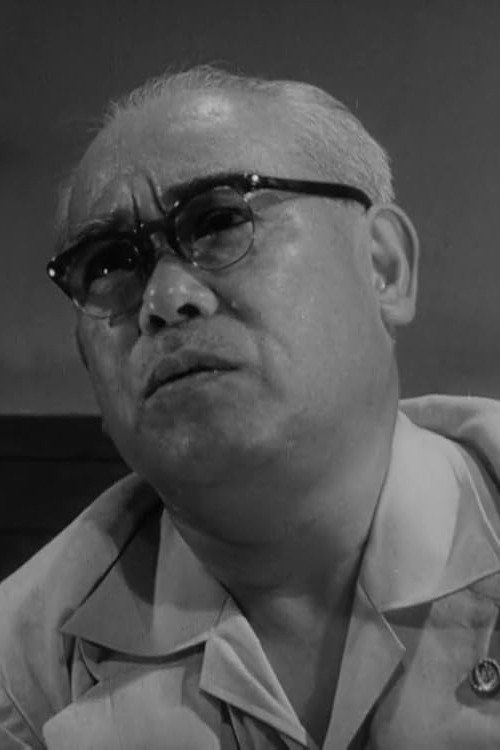
In Japan, Godzilla’s appearance turns fear of nuclear destruction into an immediate emergency. Hideto Ogata (Akira Takarada), Emiko Yamane (Momoko Kôchi), Kyohei Yamane (Takashi Shimura) and Daisuke Serizawa (Akihiko Hirata) are among those confronting the threat. Political debate, romantic attachments and questions of conscience complicate the response to a creature whose destructive power exceeds that of an ordinary animal. Stopping the devastation becomes urgent, but the means of doing so raises its own difficulties. The people facing Godzilla must consider what scientific power makes possible, who takes responsibility for using it, and what further harm their decisions might cause.

Fi1m review

Ishirō Honda makes a frightening monster film whose destruction hurts, helped by careful model-work and Akira Ifukube’s mournful score. The human exchanges can be stiff, but the fear and grief give them weight.

Godzilla is a forceful, upsetting monster film, with a stiffness in some of its human exchanges that is worth forgiving. Ishirō Honda takes nuclear fear seriously enough to let it govern the entertainment. The creature supplies the danger, but the film keeps asking what people have made possible through science and what they can bear to do about it. At 96 minutes, it has room for politics, romance and conscience without losing sight of the threat.

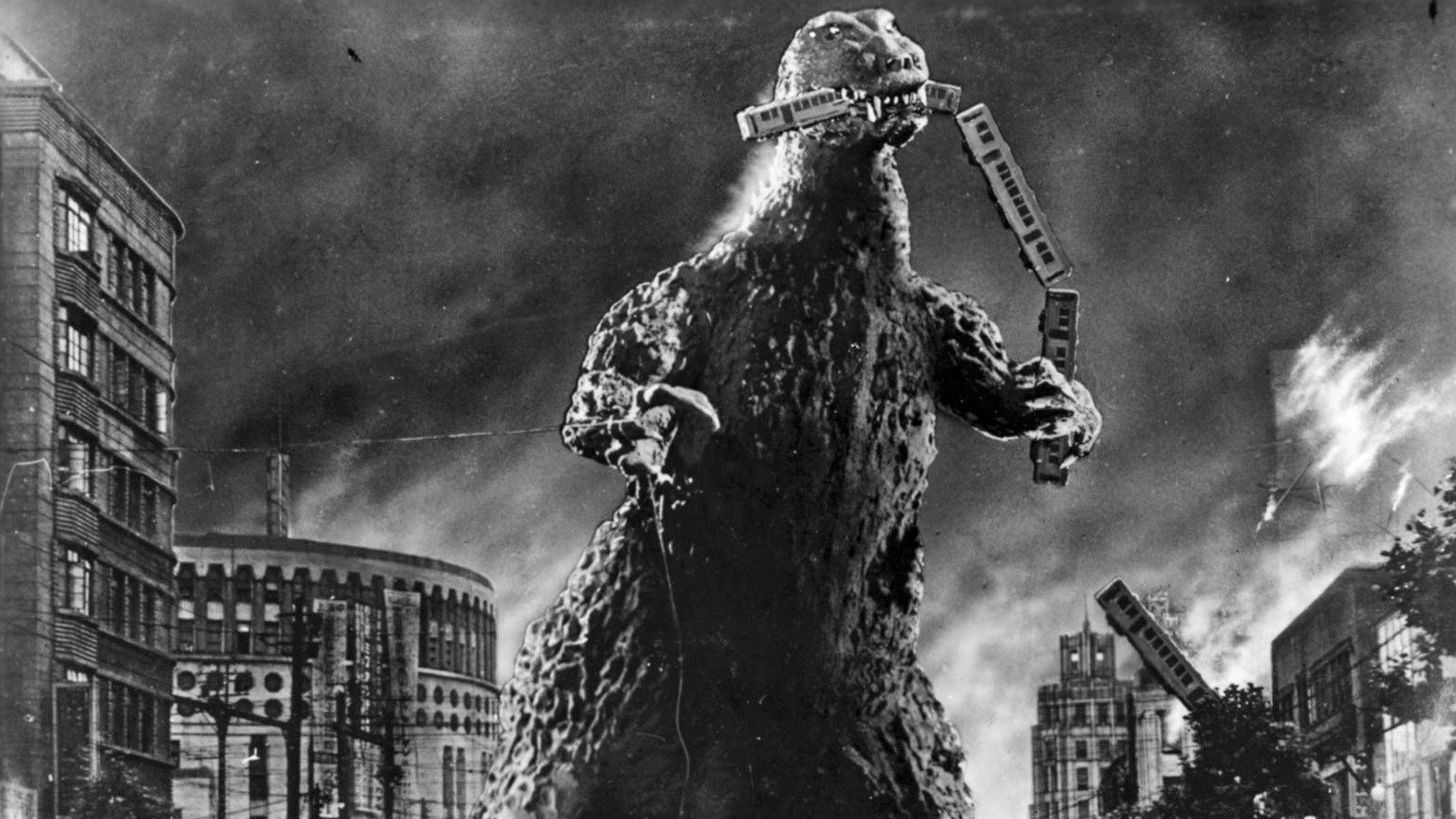
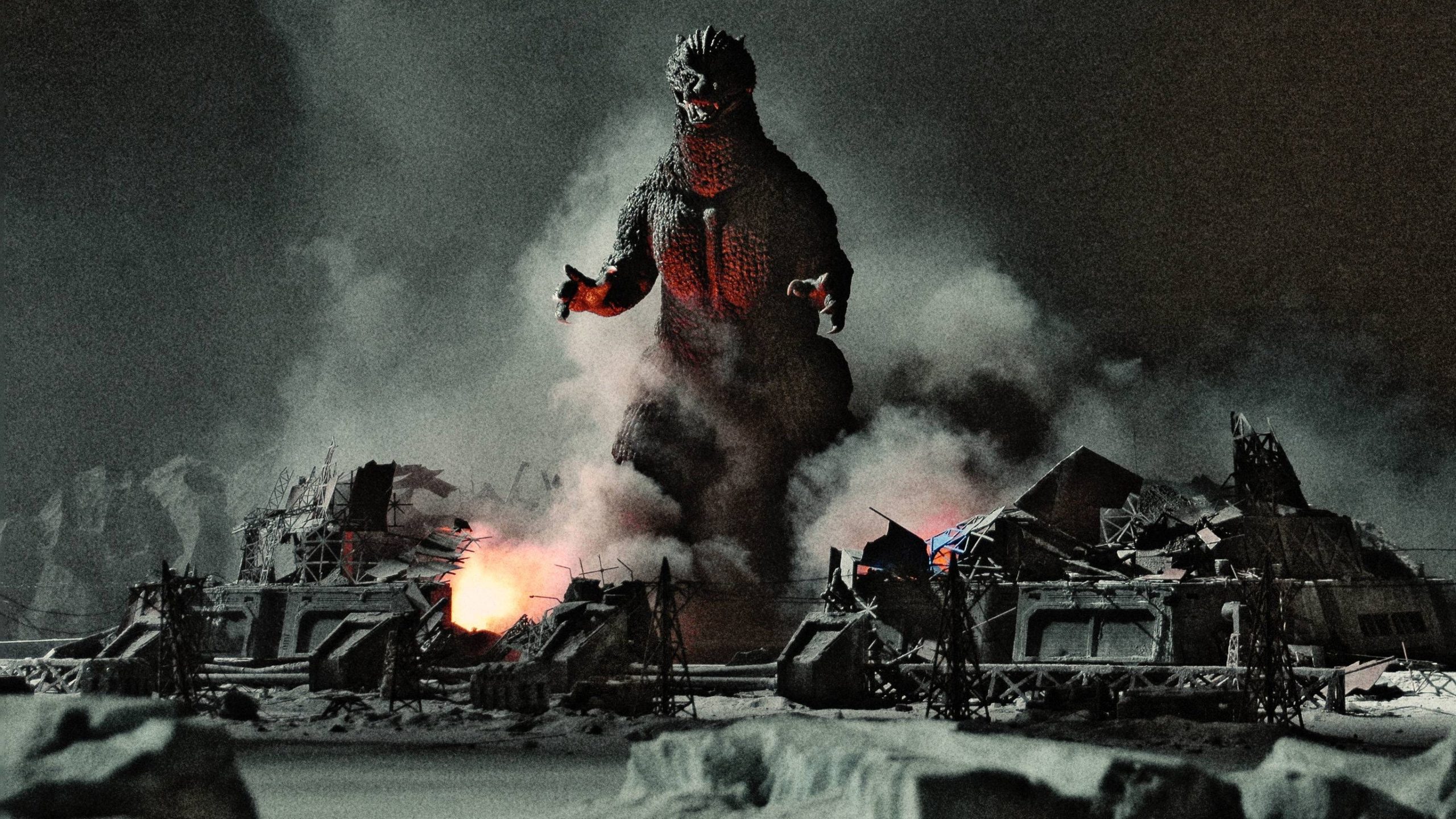
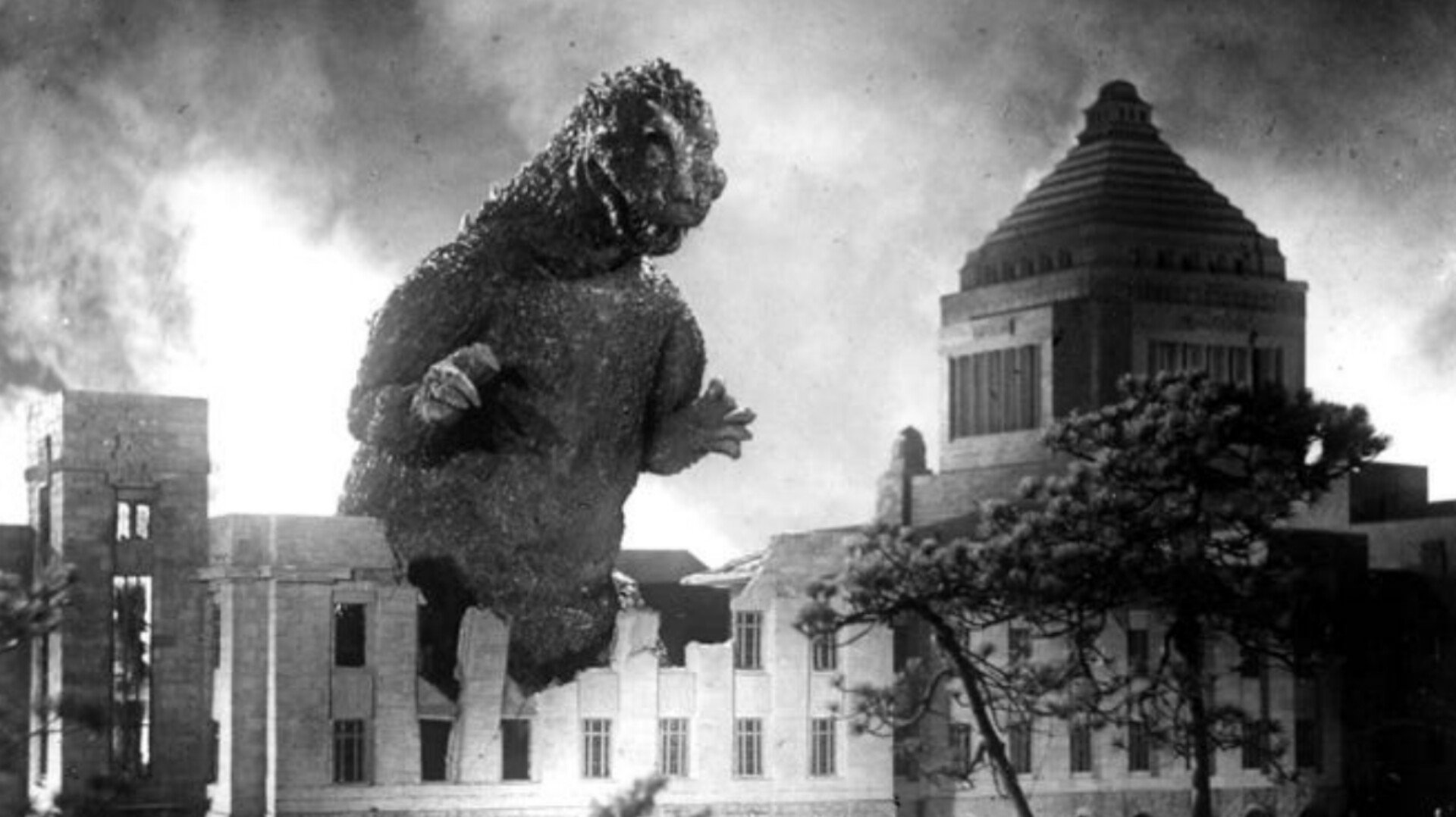
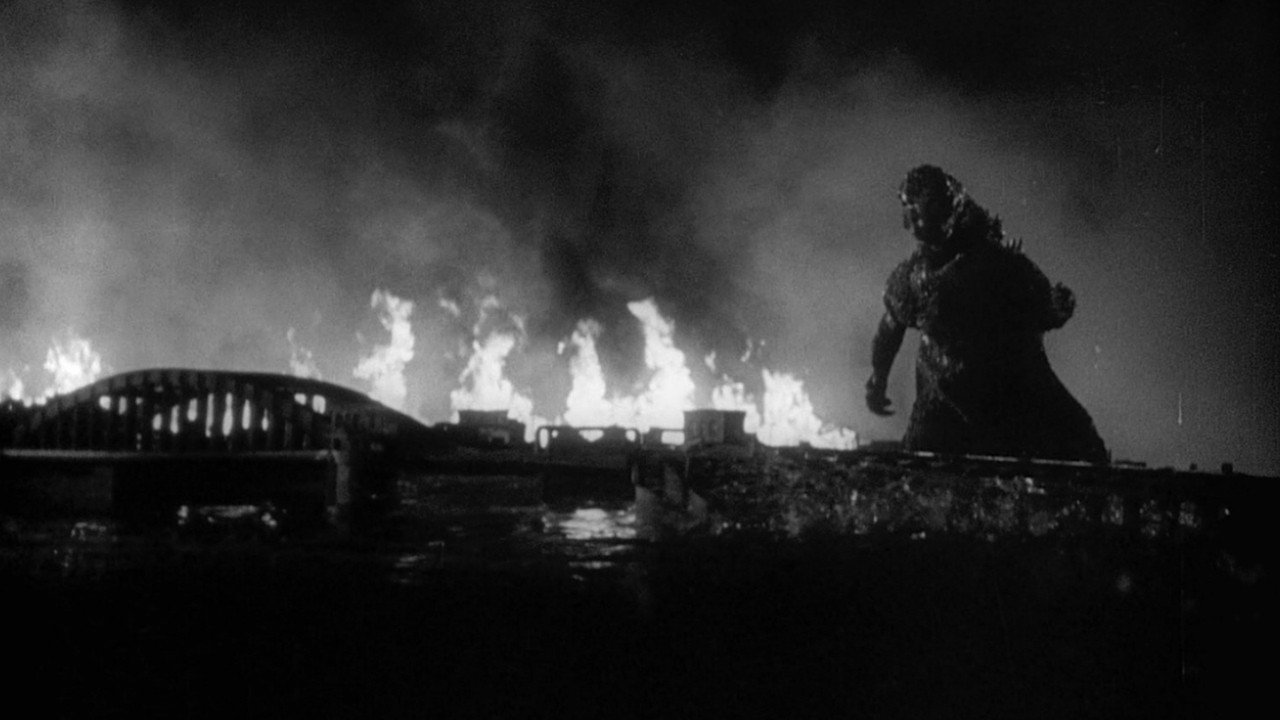
Satoru Chūko and Takeo Kita’s production design gives the miniature buildings enough solidity and detail to make their destruction unpleasant. We were surprised by how much we minded watching them come apart. The model-work encourages us to imagine a populated city, and the attention to human suffering keeps those imagined inhabitants in mind. There is pleasure in seeing practical effects so carefully worked out, though the destruction never feels arranged solely to reward our appetite for damage.

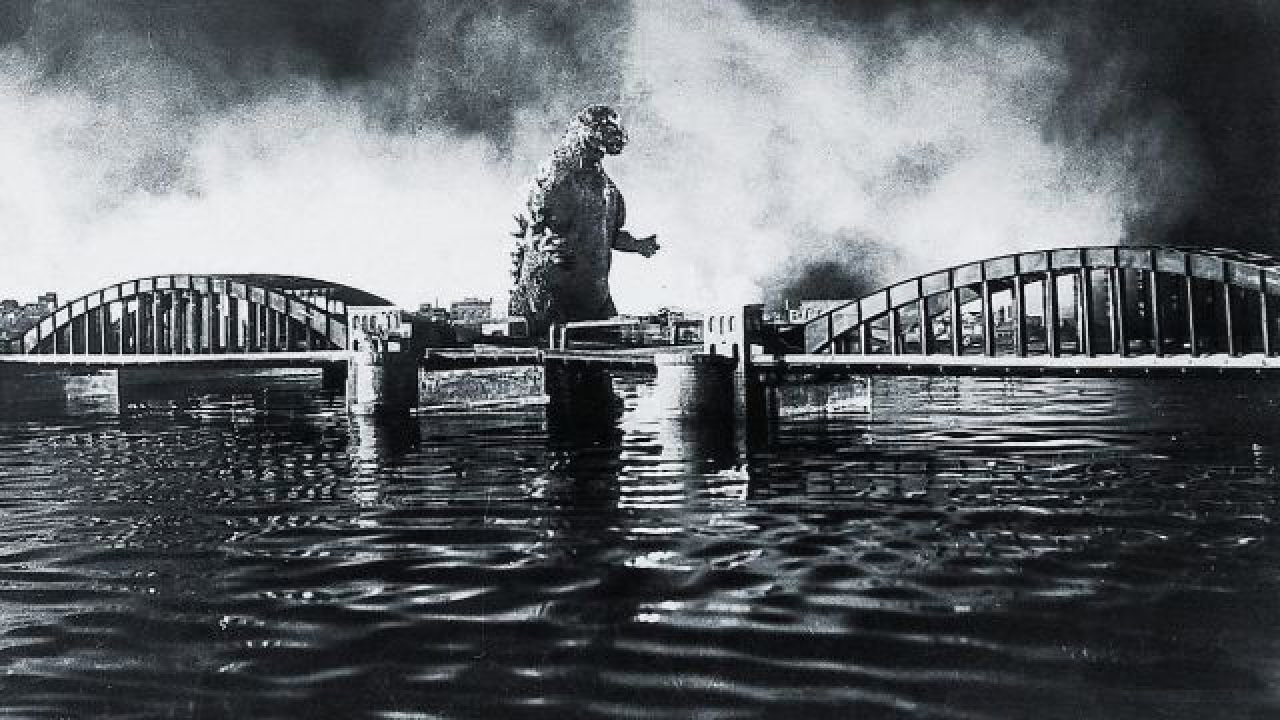
Masao Tamai’s cinematography makes effective use of darkness around the monster and the city. The buildings remain substantial enough to register as places, rather than a collection of objects waiting for their turn to fall over. Kazuji Taira’s editing keeps the damage connected to its human consequences, instead of letting the effects occupy a separate film. That connection matters more than speed: the destruction becomes increasingly distressing because we are made to consider what it does to people.

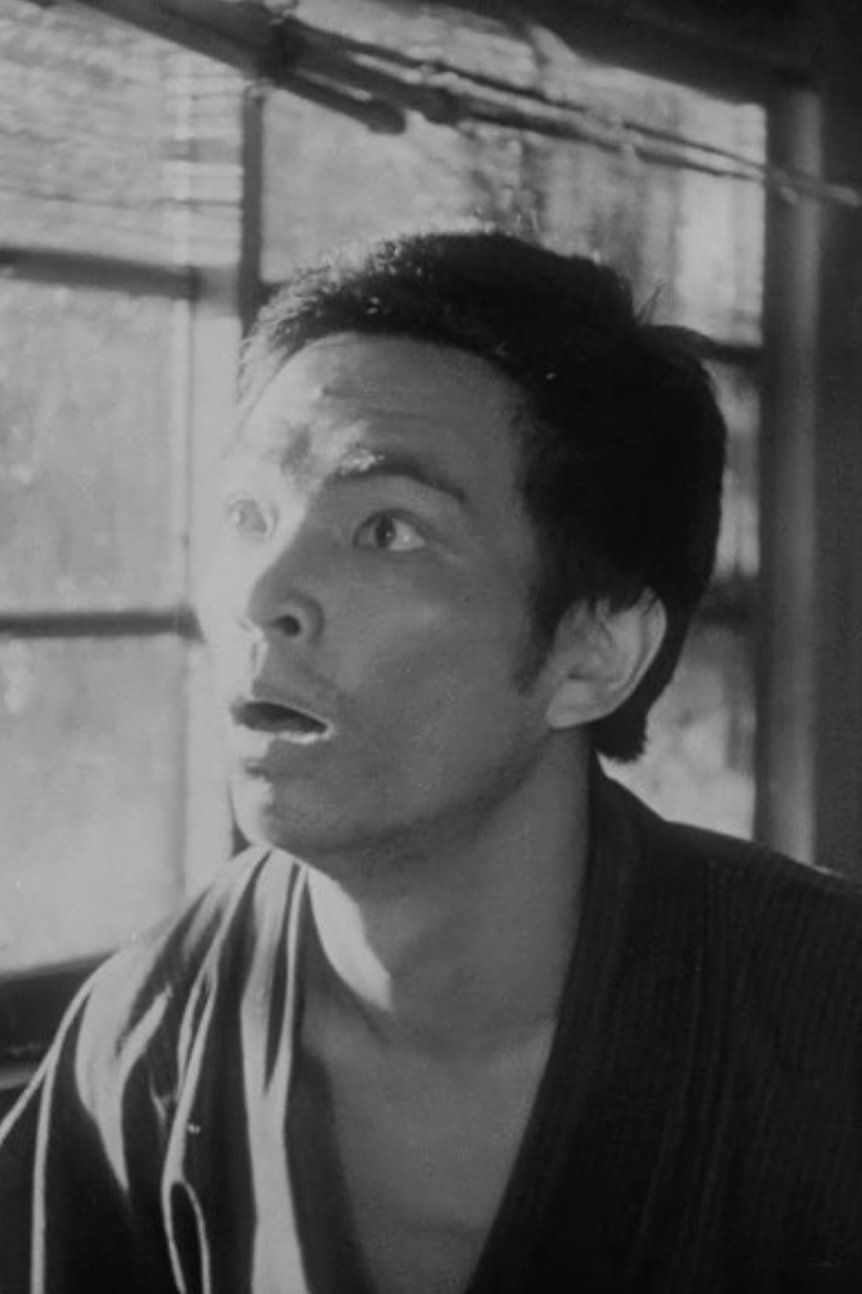
The performances sustain that seriousness. Takashi Shimura gives Kyohei Yamane a grave, attentive presence that makes the discussions worth listening to even when the writing slows them down. Akihiko Hirata’s Daisuke Serizawa makes the question of conscience feel painfully personal, which is important in a film carrying so much public anxiety. The actors do not apologise for the premise or offer reassuring amusement at its improbability, and their conviction helps the human scenes withstand the competition from the creature.

The less successful passages are those in which Takeo Murata and Ishirō Honda’s screenplay seems obliged to give every moral question its full hearing. We understand the need for the political discussion, but some of it feels laboured. The romance also asks for patience when the danger has already supplied a more urgent reason to care about these people. These are limitations in the handling of the drama, and the performances cannot entirely remove them.

Akira Ifukube’s score does much to keep the fear and sorrow together. Its force gives the monster weight, while its mournfulness prevents the destruction from becoming comfortable viewing. The music is emphatic, but it earns that emphasis because the film has made suffering central to what we see. It also helps sustain the tension when the dialogue becomes too deliberate and the human scenes need something beyond another carefully stated position.

For anyone accustomed to treating a monster as the main attraction, the emphasis on suffering may take some adjustment. There is little reason to ask this creature for a more interesting personality: its capacity for destruction is frightening enough, and the people supply the moral uncertainty. That makes this a more sombre evening than the miniature buildings might suggest. Allow for some stiff exchanges; the fear and grief are worth staying with.

Critical consensus AI synthesised

82
Positive
10
Mixed
0
Negative
1

Most critics find Godzilla a sombre, emotionally forceful account of nuclear fear that also works as a monster film. Praise centres on Honda’s direction, the miniature and effects work, and Ifukube’s mournful score, which give the destruction weight beyond spectacle. The reviews repeatedly stress the attention to human suffering: the grief, injuries and ruined city make the anti-war themes concrete, while the human drama gives the monster’s attacks their emotional force.

The agreement is strong rather than unanimous, with ten positive reviews and one negative. The New Yorker supplies the clear dissent, valuing the political context and questions of conscience but finding Godzilla himself insufficiently interesting to sustain the monster film. It also prefers the altered American version’s narrative framing, reversing other reviews’ preference for the Japanese original. The principal split concerns whether the serious human story strengthens the monster film or proves more compelling than the creature.

Slant Magazine
25 January 2012 · Budd Wilkins
90*

The review hails the film as the most viscerally powerful and metaphorically rich monster movie, with unmatched cinematic force in depicting devastation. Special praise goes to the integrated effects work, particularly the Tokyo rampage sequence, and the emotional depth of the human drama.

Read the full review →
The AV Club
12 May 2014 · A.A. Dowd
90*

The critic praises Honda’s film as an artful apocalyptic allegory of atomic anxiety and nuclear fallout that doubles as a strong monster movie. The nighttime Tokyo siege and Ifukube score are singled out as highlights of its skillful direction and iconic imagery.

Read the full review →
Time Out
11 October 2005 · WH
90*

The critic praises the restored original 1954 Japanese version as a marvellous, highly moving allegory of nuclear warfare with thrilling monster elements, superior to the Americanized edit. They single out the meticulous model-work, production design, soundscapes, and performances for praise.

Read the full review →
Vulture
31 March 2021
90*

The 1954 original is ranked the best Shōwa-era Godzilla film and called a masterpiece and extraordinary achievement. It is singled out for its terrifying atomic-bomb allegory, horror elements, and superior artfulness compared to the sequels.

Read the full review →
The Guardian
14 October 2005
85*

The critic praises the re-released 1954 film's muscular storytelling and passionate, ambiguous post-nuclear parable, noting its explicit evocation of Hiroshima and the bombing of Tokyo. Godzilla's killing is described as movingly sacrificial, a renunciation of violence.

Read the full review →
The New Yorker
18 April 2014 · Richard Brody
40*

The critic finds the original Japanese version a serious drama of politics, romance, and conscience rather than a kids' movie or grindhouse shocker, but ultimately disappointing as a monster film because Godzilla lacks interest or depth as a character. He praises the added context around nuclear themes and conscience but prefers the altered American version for its narrative framing and point of view.

Read the full review →

Cast

Stills

If you liked this, try…

The Beast from 20,000 Fathoms poster

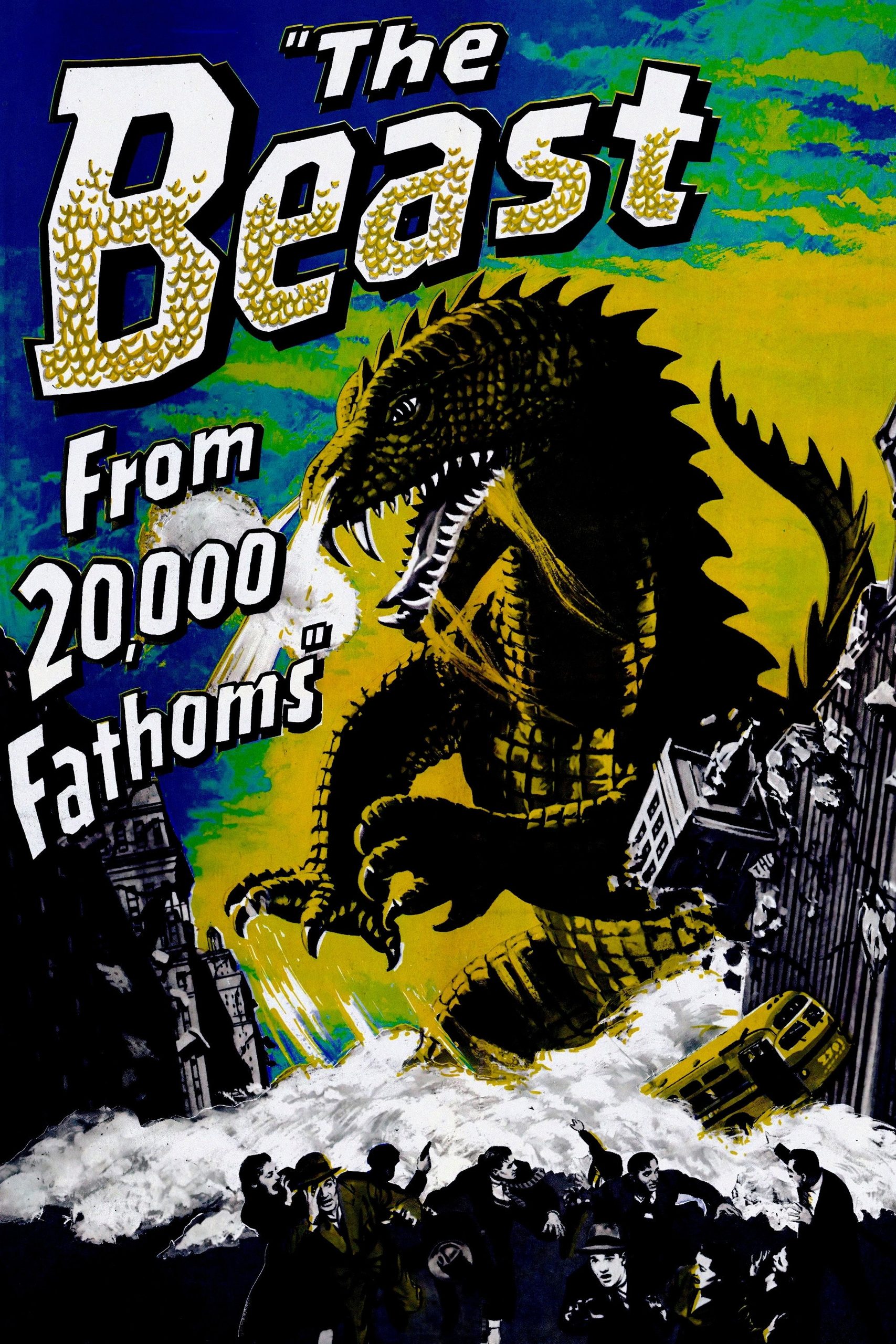
The Beast from 20,000 Fathoms

1953 · Another monster from the nuclear age, with more straightforward creature thrills.

The Host poster

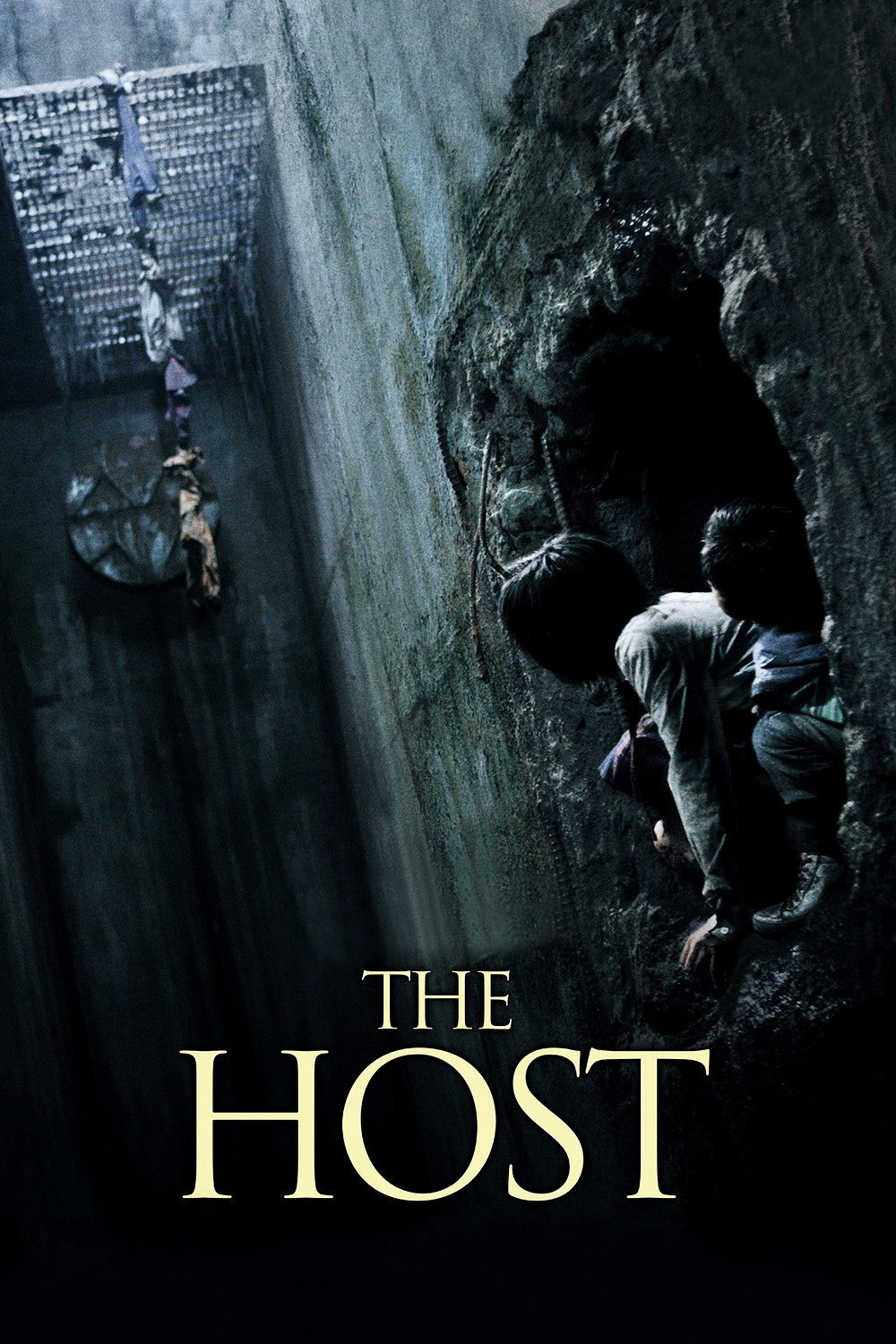
The Host

2006 · A family gives the monster panic an unruly, often funny human centre.

Shin Godzilla poster

Shin Godzilla

2016 · Bureaucratic procedure becomes part of the horror when the monster arrives.

Threads poster

Threads

1984 · Nuclear catastrophe without a creature to put distance between us and suffering.

The Spirit of the Beehive poster87

The Spirit of the Beehive

1973 · A child’s response to a screen monster opens onto quieter fears.