Critics’ reviews

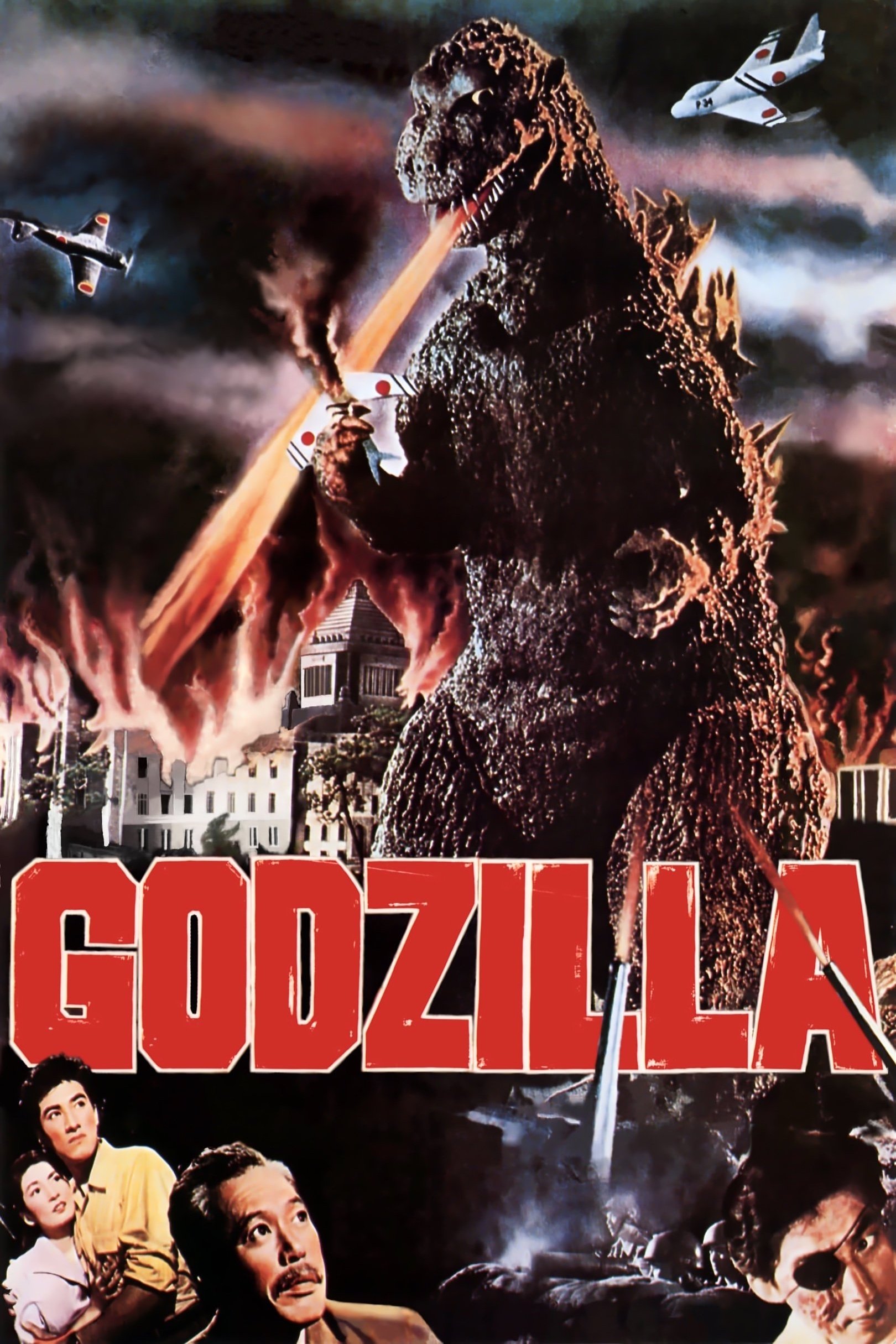
Godzilla (1954)

11 reviews from 11 publications. Critics’ score 82: 10 positive, 0 mixed, 1 negative.

Back to our review of Godzilla

82
Positive
10
Mixed
0
Negative
1

Most critics find Godzilla a sombre, emotionally forceful account of nuclear fear that also works as a monster film. Praise centres on Honda’s direction, the miniature and effects work, and Ifukube’s mournful score, which give the destruction weight beyond spectacle. The reviews repeatedly stress the attention to human suffering: the grief, injuries and ruined city make the anti-war themes concrete, while the human drama gives the monster’s attacks their emotional force.

The agreement is strong rather than unanimous, with ten positive reviews and one negative. The New Yorker supplies the clear dissent, valuing the political context and questions of conscience but finding Godzilla himself insufficiently interesting to sustain the monster film. It also prefers the altered American version’s narrative framing, reversing other reviews’ preference for the Japanese original. The principal split concerns whether the serious human story strengthens the monster film or proves more compelling than the creature.

Slant Magazine
25 January 2012 · Budd Wilkins
90*

The review hails the film as the most viscerally powerful and metaphorically rich monster movie, with unmatched cinematic force in depicting devastation. Special praise goes to the integrated effects work, particularly the Tokyo rampage sequence, and the emotional depth of the human drama.

Read the full review →
The AV Club
12 May 2014 · A.A. Dowd
90*

The critic praises Honda’s film as an artful apocalyptic allegory of atomic anxiety and nuclear fallout that doubles as a strong monster movie. The nighttime Tokyo siege and Ifukube score are singled out as highlights of its skillful direction and iconic imagery.

Read the full review →
Time Out
11 October 2005 · WH
90*

The critic praises the restored original 1954 Japanese version as a marvellous, highly moving allegory of nuclear warfare with thrilling monster elements, superior to the Americanized edit. They single out the meticulous model-work, production design, soundscapes, and performances for praise.

Read the full review →
Vulture
31 March 2021
90*

The 1954 original is ranked the best Shōwa-era Godzilla film and called a masterpiece and extraordinary achievement. It is singled out for its terrifying atomic-bomb allegory, horror elements, and superior artfulness compared to the sequels.

Read the full review →
The Guardian
14 October 2005
85*

The critic praises the re-released 1954 film's muscular storytelling and passionate, ambiguous post-nuclear parable, noting its explicit evocation of Hiroshima and the bombing of Tokyo. Godzilla's killing is described as movingly sacrificial, a renunciation of violence.

Read the full review →
The New Yorker
18 April 2014 · Richard Brody
40*

The critic finds the original Japanese version a serious drama of politics, romance, and conscience rather than a kids' movie or grindhouse shocker, but ultimately disappointing as a monster film because Godzilla lacks interest or depth as a character. He praises the added context around nuclear themes and conscience but prefers the altered American version for its narrative framing and point of view.

Read the full review →
Collider
5 March 2022 · Benjamin Crabtree
90*

The critic hails Honda's 1954 film as the greatest monster movie ever for its emotional human storytelling fused with potent nuclear allegory. They single out the practical effects, miniature work, and Ifukube score for creating a tactile, mournful cautionary tale about war and technological hubris.

Read the full review →
Den of Geek
29 October 2019 · Don Kaye
90*

In ranking the Showa-era films, the critic places the 1954 original at number one as a somber landmark of Japanese cinema and one of the best sci-fi films of its era. They single out its outpouring of grief over nuclear devastation, Honda's direction, Tsuburaya's effects, and Ifukube's score.

Read the full review →
Eye for Film
22 February 2006 · Anton Bitel
90*

The critic praises the original Japanese cut of Honda's film as a serious, chilling anti-war statement focused on nuclear devastation and human suffering, contrasting it favorably with the diluted American version and Emmerich's 1998 remake. The review highlights the monster's havoc alongside the resulting dead, injured, orphaned children, radiation burns, and ruined cities as its core strength.

Read the full review →
Paste
27 August 2019 · Jim Vorel
85*

The critic positions the original as a bleak, apocalyptic horror film unlike later kaiju entries, capturing postwar Japanese anxiety over nuclear annihilation. They highlight the mournful schoolgirls' choir sequence and the monster as a figurehead of imminent human demise.

Read the full review →
Digital Spy
10 May 2014 · Simon Kinnear
70*

The critic calls the 1954 original a punchy, politically resonant classic that serves as the true benchmark for the franchise. They single out the monster's memorable design, performance by the suit actor, and its roots as a visceral echo of Japan's nuclear trauma.

Read the full review →

Ordered by the weight we give each publication, then by score. Scores are normalised to 100; * means inferred from an unrated review. Summaries are ours, not quotations; follow the links for the reviews themselves. How we rate