Mick Jackson’s nuclear-war drama makes ordinary Sheffield lives matter before making their safety impossible to take for granted. We strongly recommend its sober, frightening realism, though this is a punishing evening with little room to recover.
Mick Jackson’s Threads is a frightening, forceful film about nuclear war, and we would recommend it to someone who normally avoids the subject. That recommendation comes with a warning: its 117 minutes are punishing, and there is little relief. Jackson begins with ordinary lives in Sheffield and makes the prospect of losing them hard to dismiss. The film earns its severity by giving us people whose troubles are small enough to recognise.
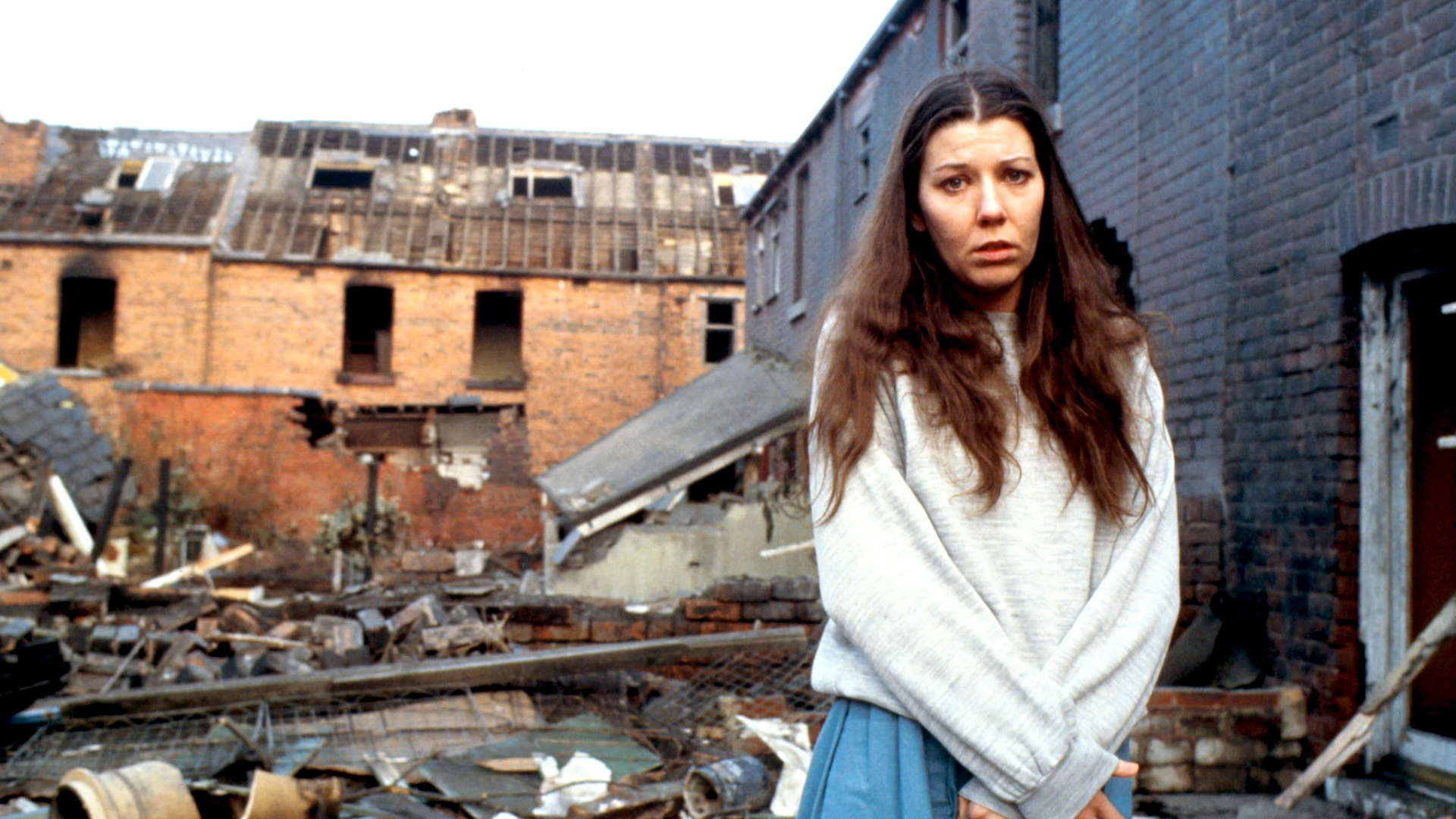
Barry Hines writes working-class people with concerns that do not conveniently stop when the larger danger arrives. Ruth Beckett and Jimmy Kemp have lives to get on with; the early family drama is allowed to take up space. Karen Meagher and Reece Dinsdale keep those scenes unforced, without making their characters unusually wise or likeable to secure our concern. The supporting performances retain that restraint even as the tension builds, allowing the families to seem occupied with their own difficulties rather than explaining the situation for our benefit.
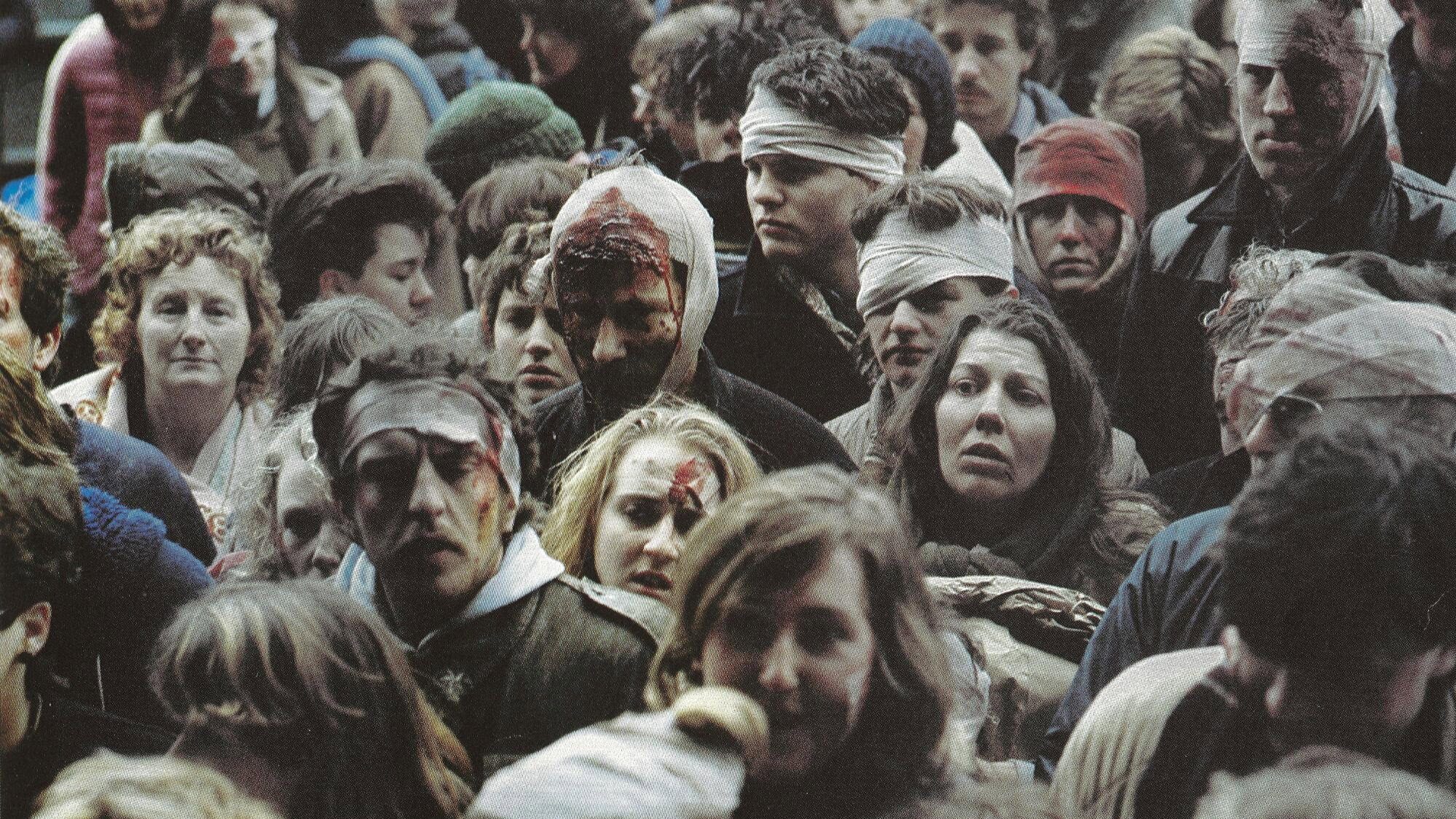
We were frightened before the war began. The early Sheffield scenes did it: the families carry on with recognisable concerns while the threat grows, and we found ourselves wanting the film to stay with those concerns. That response matters because Jackson has not needed spectacle to make us afraid of what might be lost. A story that initially resembles everyday television drama gives us time to care about the people in it, without asking us to imagine that they are prepared for any of this.
Andrew Dunn and Paul Morris’s cinematography lets Sheffield look ordinary, which is essential to the film’s effect. There is no need to make the place picturesque to persuade us it is worth saving. Christopher Robilliard’s production design contributes to that lived-in appearance, keeping the families’ surroundings as unshowy as the acting. Together, their work makes the early domestic scenes credible enough for the growing threat to feel like an intrusion.
Editors Jim Latham and Donna Bickerstaff manage the build-up with a firmness that stops its grimness becoming shapeless. The opening has room for domestic life, but the accumulating pressure steadily makes it harder to attend to anything else. This is deliberate, controlled pacing, and we remained absorbed even when we badly wanted a break. The restraint of the actors helps here too; Jackson can let the situation grow more frightening without requiring a corresponding increase in the volume of the performances.
The opening is also where our small reservation lies. Some of the family characterisation is blunt, and there are moments when we wanted another scene with a person before the film returned to its larger subject. Hines gives us enough to care, though not every supporting role feels equally individual. That limits the drama a little, but the plainness of the writing mostly serves the people who have to speak it.
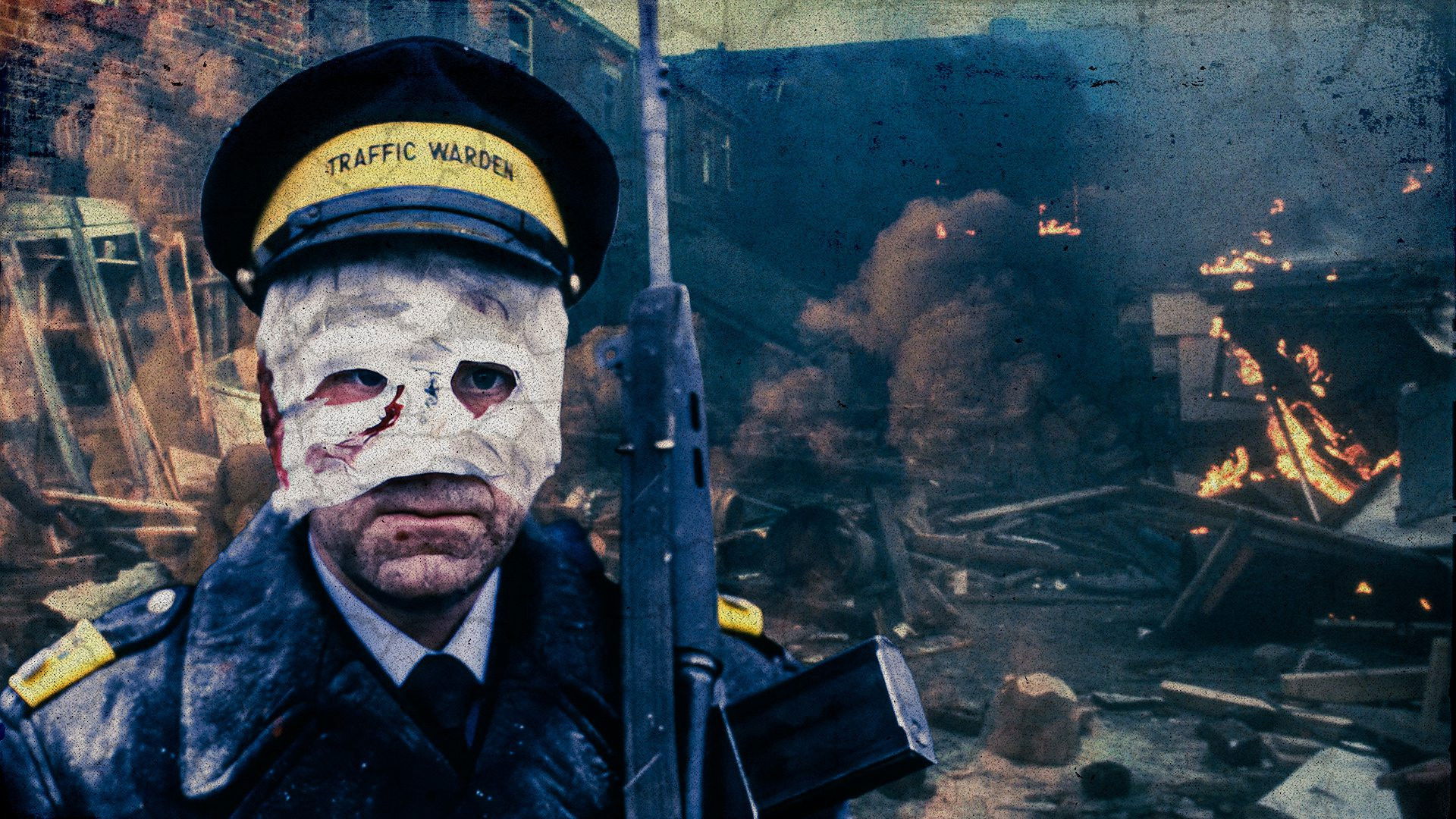
Against the usual pleasures of a disaster film, Threads asks for an unusually difficult evening. Watching the danger approach, we get little enjoyment from imagining how resourcefully we might cope ourselves. We recommend it because it makes the damage a nuclear war would do to ordinary people difficult to dismiss. Choose a night when neither of you needs cheering up.