Mick Jackson helped make science worth listening to in The Ascent of Man, then brought documentary bluntness to Threads. We value that seriousness, though the more conventional stretches of his Hollywood career give us less to recommend.
Fi1m perspective
In The Ascent of Man (1973), Jacob Bronowski takes time to explain human discovery, and the programme trusts us to listen. This patient television work is a strong reason to seek out Mick Jackson, although the achievement is shared. Adrian Malone and Dick Gilling are credited as directors and producers, with Jackson and David John Kennard also directing. We found Bronowski’s enthusiasm moving because his clear sentences made the importance of science feel immediate. There is pleasure in being taught by someone who cares about making himself understood.
The thirteen 50-minute episodes are best taken one lesson at a time, leaving space afterwards to consider what has been said. Its information needs checking against later work, a substantial caveat for a science programme and no reason to dismiss the clarity of its teaching. Jackson’s early BBC documentary work also included Connections (1978), with science historian James Burke. These credits matter because explaining a difficult subject is a skill easily overlooked when we talk about direction.
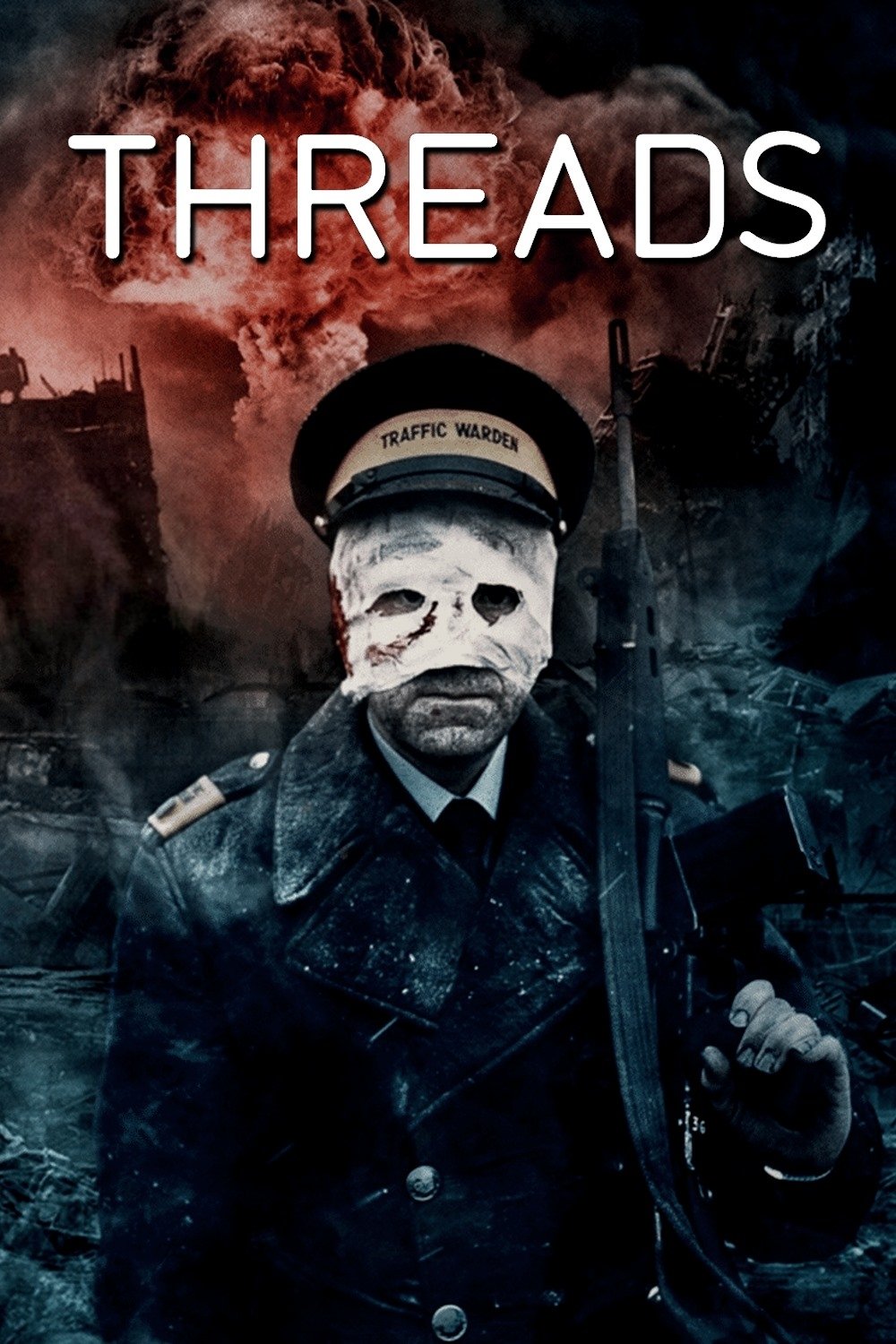
Jackson moved from documentaries into television drama during the 1980s. Threads (1984) uses handheld camerawork, minimal music and no polished effects to depict nuclear catastrophe. The roughness matters: it makes the horror feel less safely removed from ordinary experience. Hollywood features followed from the late 1980s, including the comedy L.A. Story (1991) and the romance-thriller The Bodyguard (1992). The conventional execution of Volcano (1997) gives us less reason to follow him into studio filmmaking, though it would be a poor basis for dismissing such varied work.
The later television biopic Temple Grandin (2010) and courtroom drama Denial (2016) return us to work grounded in research. These subjects suit the seriousness we value in his early programmes, and suggest why the Hollywood films should not dominate an account of his direction. We need not expect the same pleasures from every part of this career. Begin with one lesson from The Ascent of Man, and leave time afterwards to question it.
Biography
Mick Jackson is an English film and television director. He directed episodes of the BBC documentary series The Ascent of Man (1973) and went on to direct many documentary and drama productions for BBC TV and Channel 4 between 1973 and 1987.
Jackson is best known for the 1984 BAFTA Award-winning television film Threads. His feature films include L.A. Story (1991), The Bodyguard (1992), Volcano (1997) and Denial (2016). He has also directed television films and series episodes such as Temple Grandin (2010), for which he won an Emmy Award, Indictment: The McMartin Trial (1995) and episodes of Numb3rs.