Jacob Bronowski makes human discovery worth listening to, with clear sentences and an enthusiasm we found moving. Its information needs checking against later work, but the programme remains a rewarding introduction to why science matters.
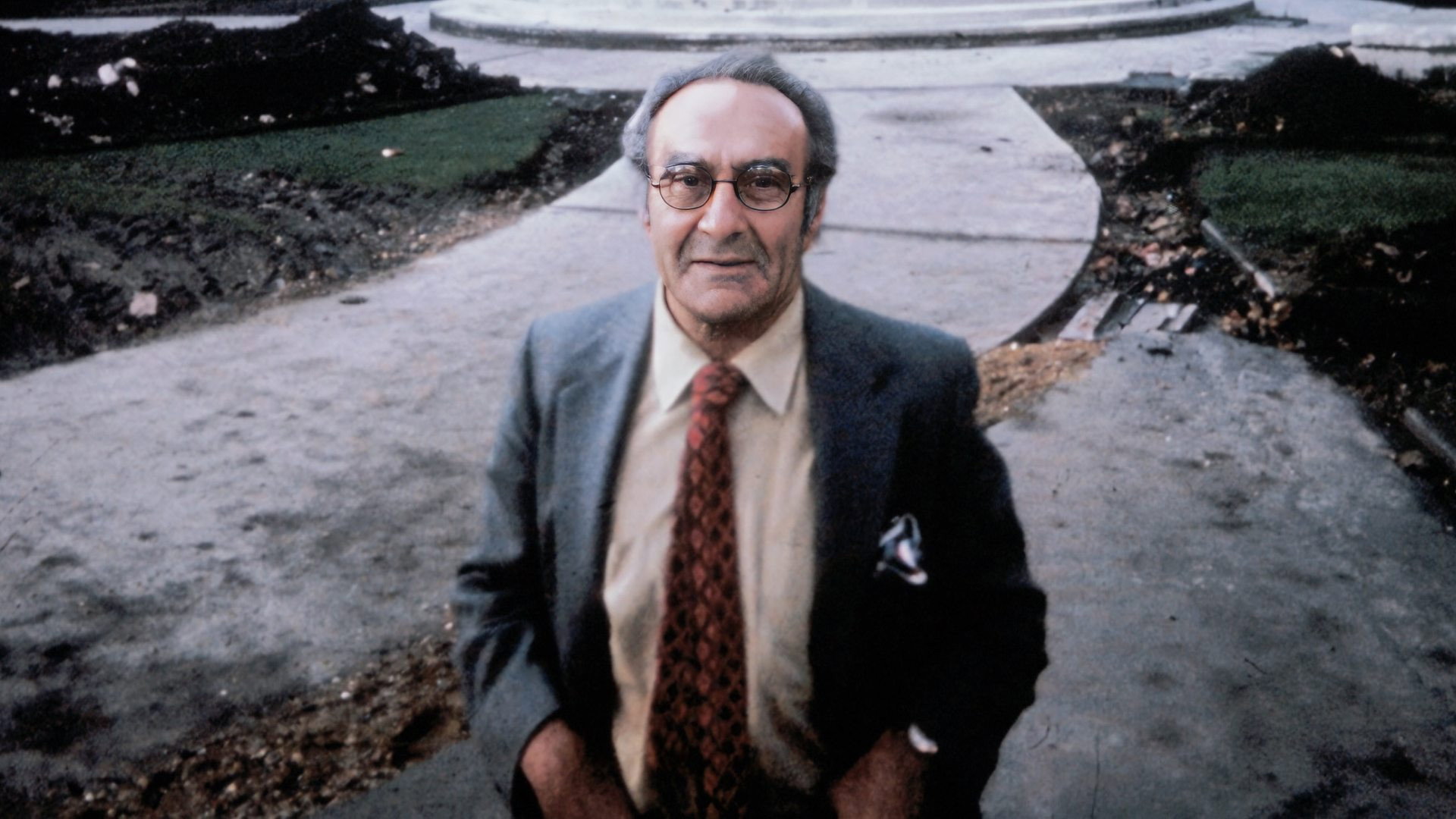
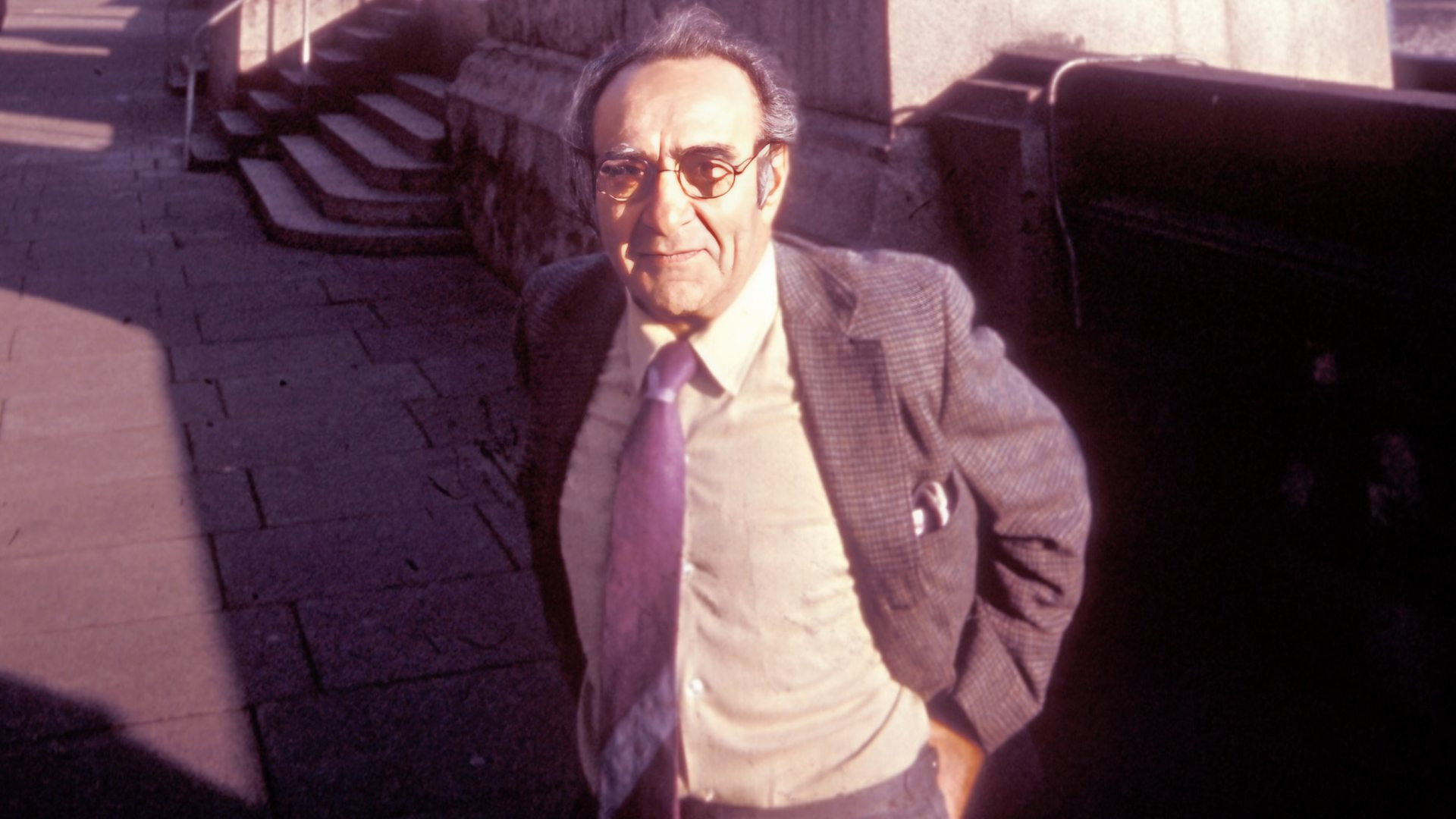
The Ascent of Man is a rewarding science programme whose main reason to watch is Jacob Bronowski. His history of human discovery asks us to care about how people learn, and his enthusiasm makes that a reasonable request. The qualification is the age of the information: this is a series from 1973, and we would not use it to settle a current scientific question. As an invitation to take science seriously, it still works.
He created and wrote the series as well as presenting it, and we can feel the benefit in the sentences. He sounds excited by what he is explaining, but he still takes care over each sentence. The broader question of why knowledge matters remains easy to follow. We want a science presenter to choose words carefully, and here that care gives the programme much of its warmth. There is pleasure in hearing a thought expressed clearly enough to follow without having to stop and translate it.
Adrian Malone and Dick Gilling are credited as both directors and producers, with Mick Jackson and David John Kennard also directing. Across thirteen episodes of 50 minutes, the series gives its account of humanity room to develop. Thirteen instalments are a commitment, and we would advise against treating the whole thing as a viewing challenge. The natural unit is the individual lesson, with time afterwards to consider what has been said.
We found his enthusiasm unexpectedly moving. The precision of his language is what does it: he makes the effort of explaining seem worthwhile, and assumes that our effort in listening will be worthwhile too. For a subject that can make us feel ill-equipped before anyone has started talking, that is a considerable kindness. That warmth is one reason to give a demanding subject an evening rather than deciding in advance that it belongs to somebody better qualified.
The age needs taking seriously, however. More recent accounts contain more up-to-date information, and the affection inspired by a presenter is no reason to ignore them. We would keep a distinction between enjoying this as a history of discovery and trusting it as a current reference. The clear language can make that distinction easy to forget, which is a drawback worth stating even when the language is the chief pleasure.
For us, good science television should leave the subject more approachable without making us complacent about what we know. This gives us a reason to go on learning. We recommend it for the clarity of the writing and the company of a presenter who cares about his subject. Start with one episode, and keep a more recent account nearby when a particular claim sends you looking for more.