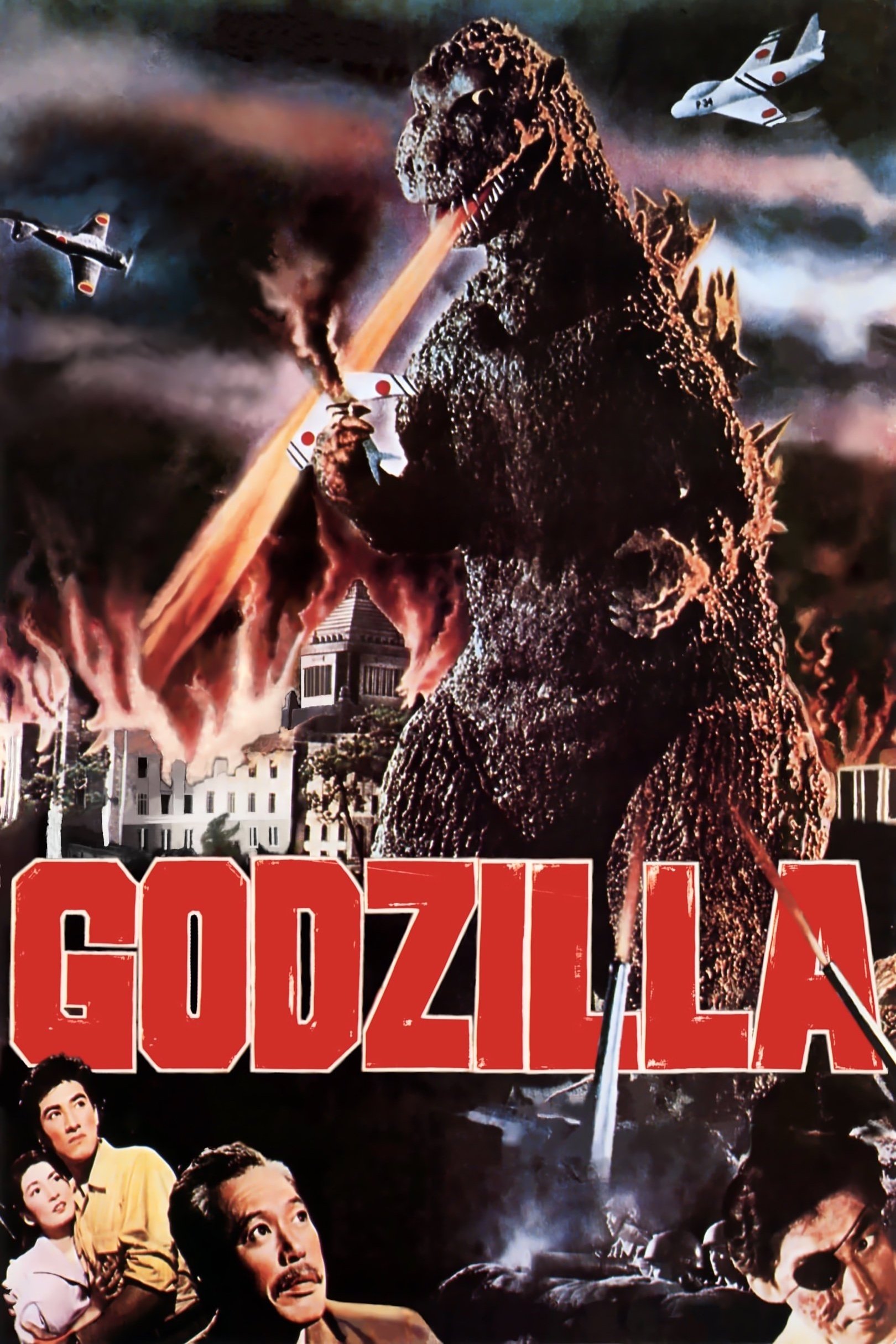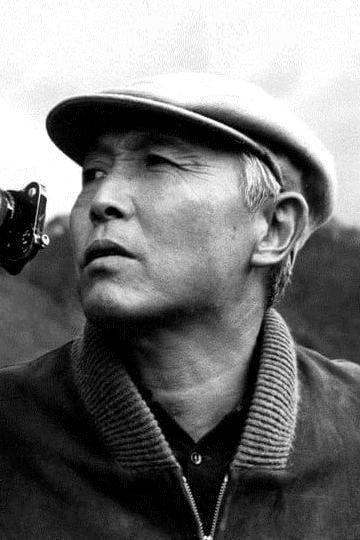
Ishirō Honda makes giant monsters frightening by taking the people beneath them seriously. Godzilla shows how powerful that can be, even when his characters spend too long discussing what they ought to do.
Fi1m perspective
In Godzilla (1954), Honda gives people time to consider what the creature’s arrival demands of them. Nuclear fear shapes both the danger and the decisions about science and responsibility. We found the destruction upsetting because Honda keeps its human cost in view, helped by Akira Ifukube’s mournful score. It is a frightening film, worth forgiving when the dialogue grows stiff.
Honda had directed the short documentary Ise-Shima (1949) before his breakthrough with Godzilla. His subsequent work for Toho included Rodan (1956) and Mothra (1961), part of a long succession of monster films. His recurring concern was how people behaved under pressure: whether they panicked, cooperated or tried to keep daily life going.
Special-effects supervisor Eiji Tsuburaya was a close collaborator, working with Honda on miniatures and performers in creature suits. The careful model-work in Godzilla gives the threat physical substance; Honda’s staging makes the destruction matter to the people caught in it. To regard him merely as a reliable studio craftsman is to overlook how firmly that human concern governs the film. He gives the effects room to frighten us without allowing the spectacle to make suffering seem incidental.
His patience is also where the film runs into trouble. The screenplay he wrote with Takeo Murata sometimes gives moral questions a fuller hearing than the drama needs, and the romance asks us to wait when danger has supplied a more urgent concern. These passages feel laboured. Taking the characters seriously is essential to what Honda achieves, but it does not make every exchange between them persuasive.
The later monster cycle became more formulaic as studio demands shifted, with some entries aimed at younger audiences. Honda’s feature directing ended with Terror of Mechagodzilla (1975); he later worked as an assistant to Akira Kurosawa, including on Ran (1985). Start with Godzilla, and do not expect the creature to provide a comfortable evening.
Biography
Ishirō Honda was a Japanese film director and screenwriter. He directed and co-wrote the screenplay for Godzilla (1954).
Honda trained at Nihon University and joined Toho Studios, where he worked as an assistant director on films including Akira Kurosawa’s Stray Dog (1949). After military service during the Second World War, including time as a prisoner of war, he made his feature directorial debut with The Blue Pearl (1951). He is best known for directing kaiju films such as Rodan (1956), Mothra (1961), King Kong vs. Godzilla (1962), Mothra vs. Godzilla (1964), Ghidorah, the Three-Headed Monster (1964) and Destroy All Monsters (1968), as well as later assisting Kurosawa on Kagemusha (1980) and Ran (1985).