Steven Spielberg’s dinosaur adventure is thrilling, patient and properly frightening. The human characters are thin, but the suspense makes us care about them anyway, and the creatures are worth the evening on their own.
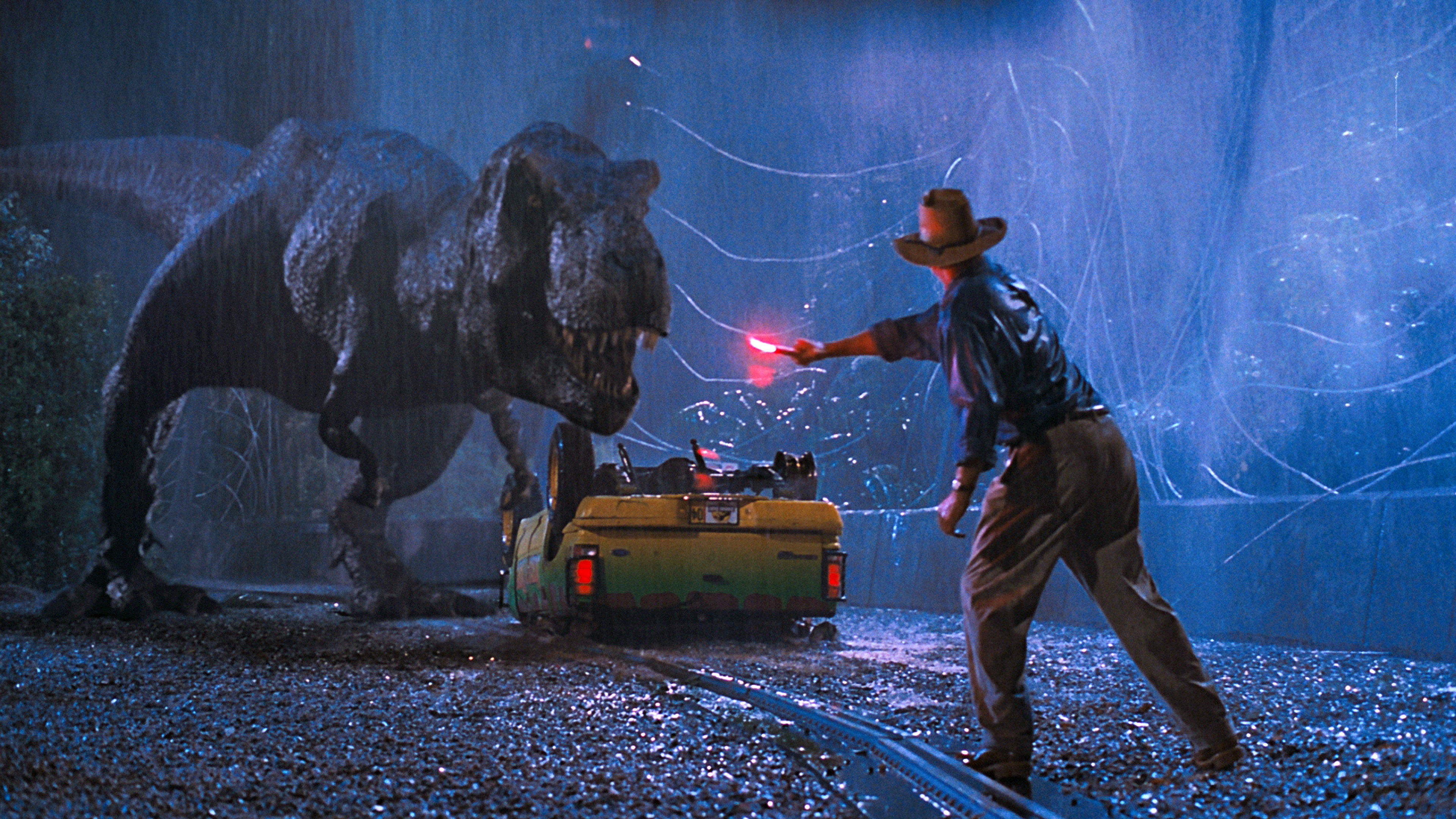
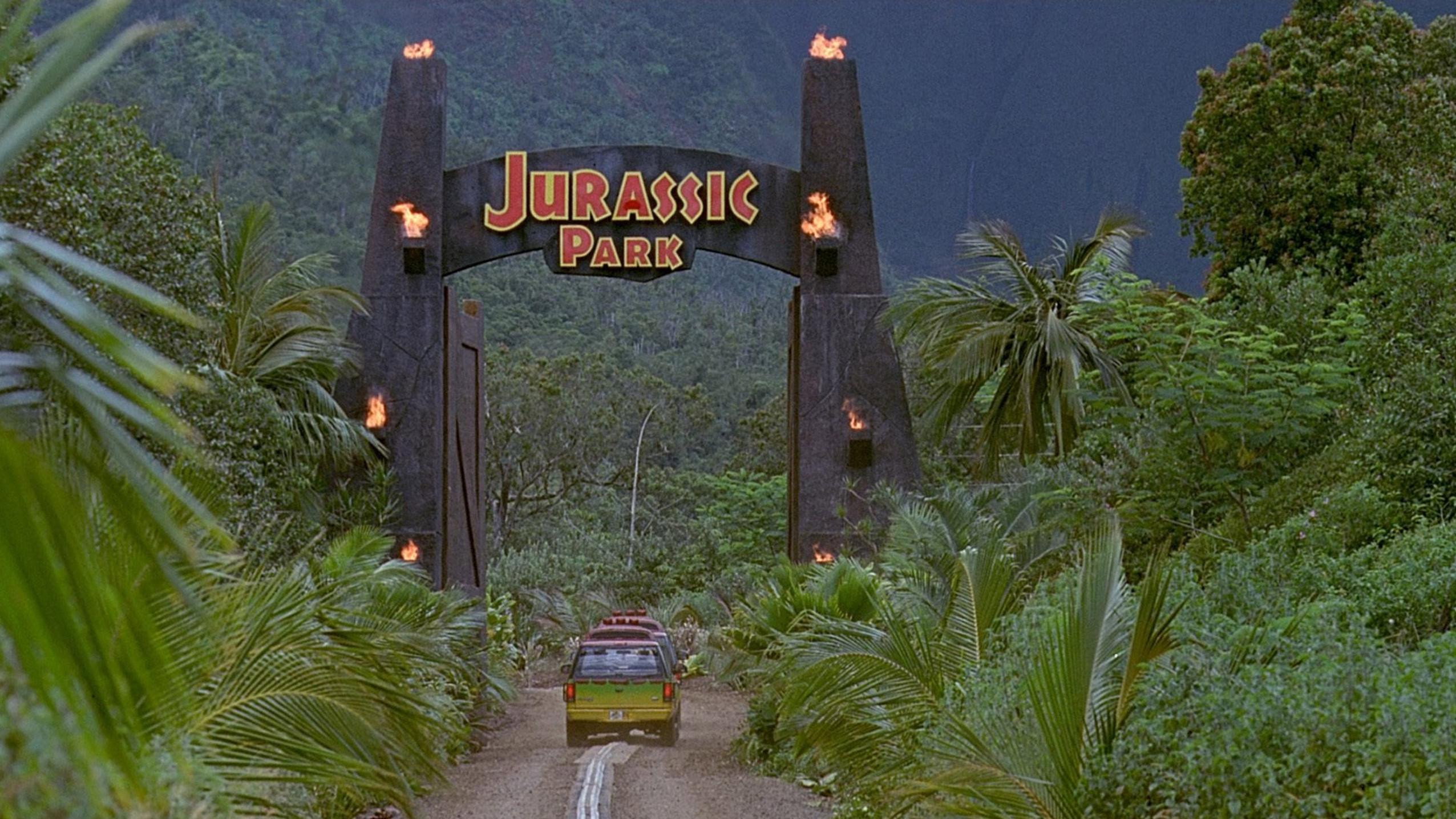
Jurassic Park is an excellent adventure film whose dinosaurs make its thin human characters easier to forgive. Steven Spielberg takes the prospect of people trapped on an island with rampaging creatures and gives it time to become frightening, rather than treating panic as the starting point. Before the danger takes over, he allows the dinosaurs to be something worth looking at. We need to want them there, at least briefly, for their presence to feel like anything more than a pest-control problem.
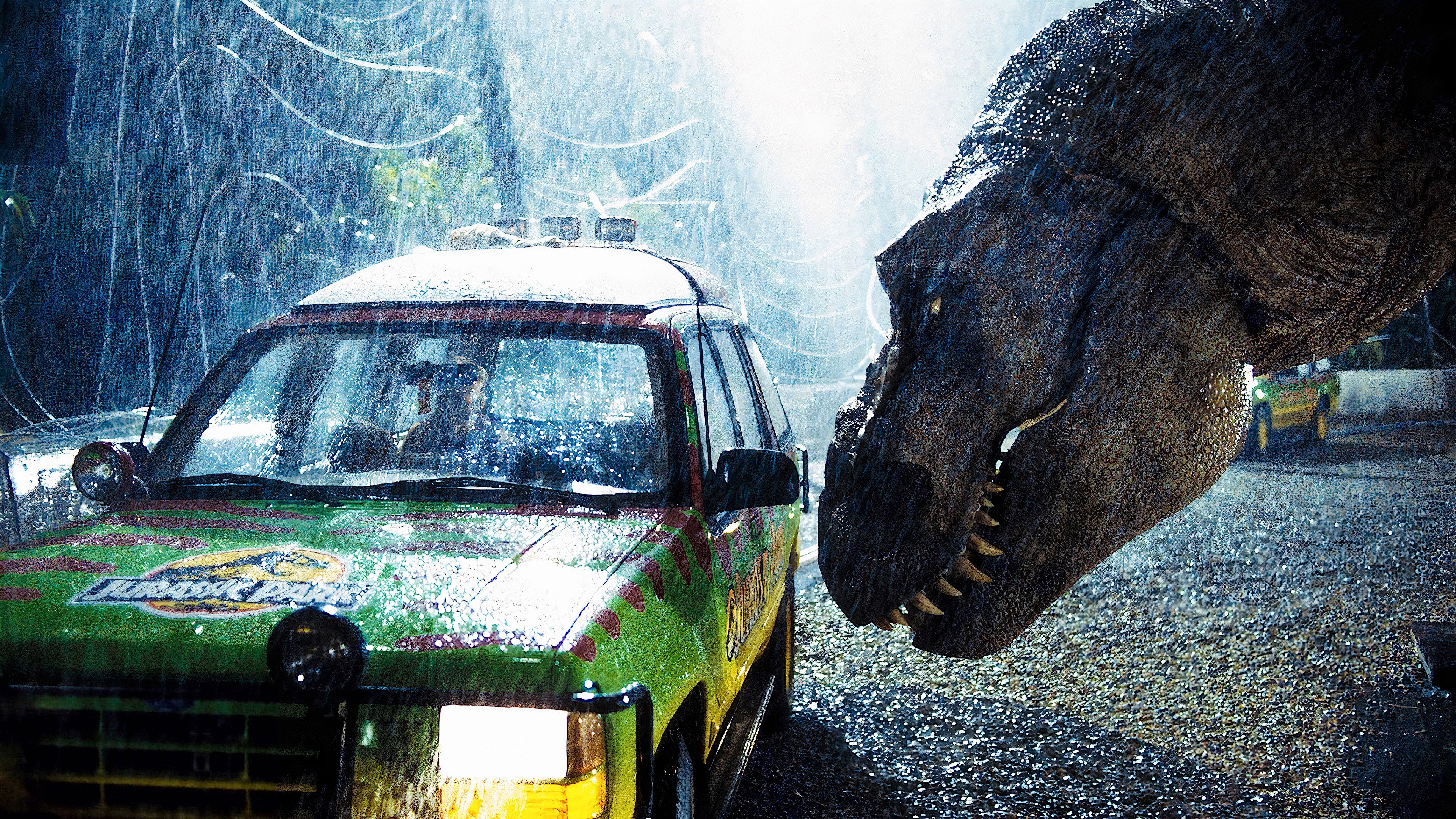
Dean Cundey’s cinematography is crucial to that persuasion: the dinosaurs look as though they occupy the same space as the people. We believe in their weight and proximity, which makes the human figures beside them seem suddenly ill-equipped. Rick Carter’s production design has the less conspicuous job of making the surroundings feel as substantial as the animals, and it succeeds. We spend little time mentally separating the creatures from the places they inhabit, or admiring the technical work instead of watching what happens.
Michael Kahn’s editing lets the menace build before giving sustained peril its turn. We were surprised by how quickly our delight gave way to fear. The dinosaurs seem solid enough to hurt the people beside them, and suddenly their size matters differently. John Williams’s music gives the wonder room to register, so that the film’s affection for its animals survives even when they become dangerous.
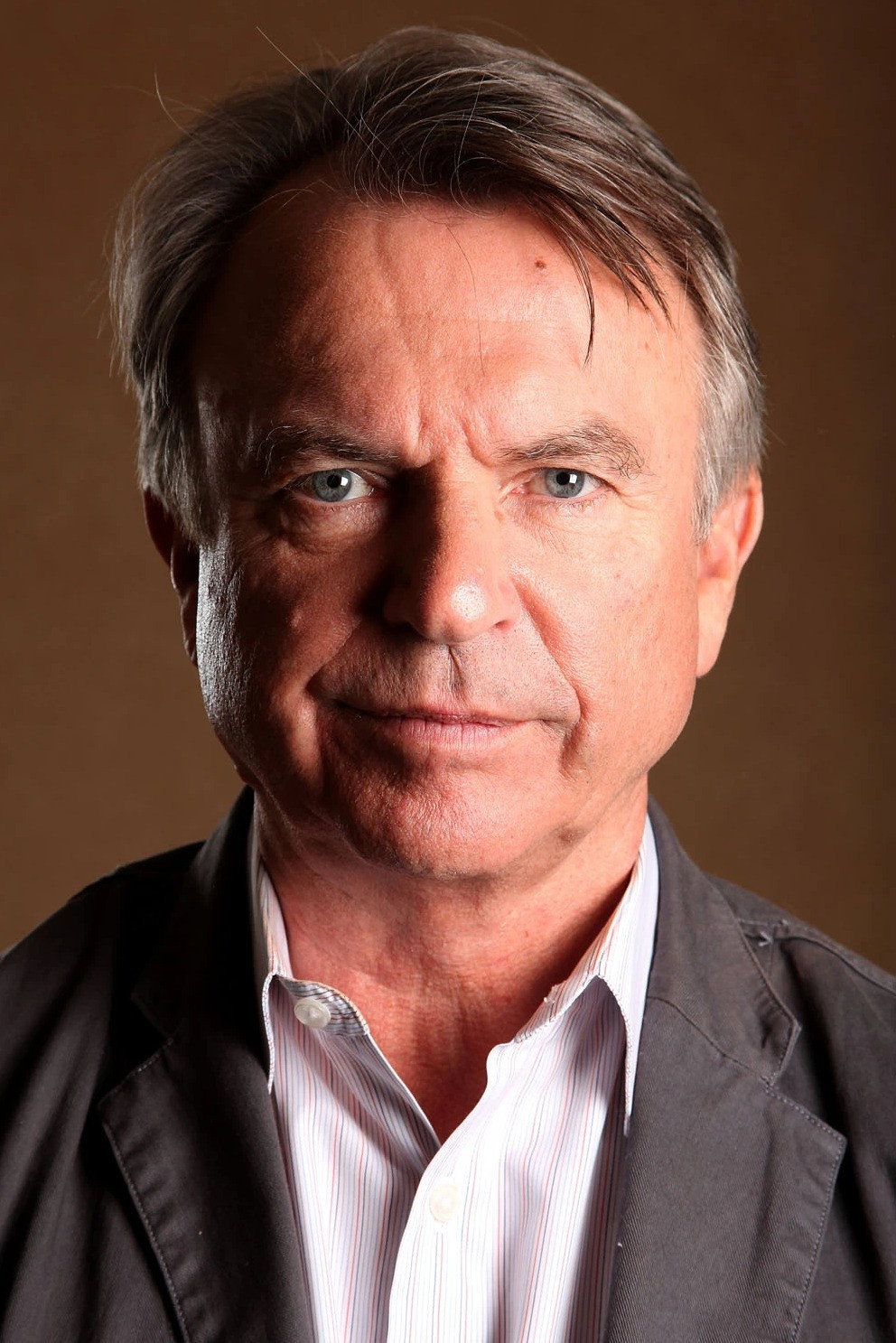
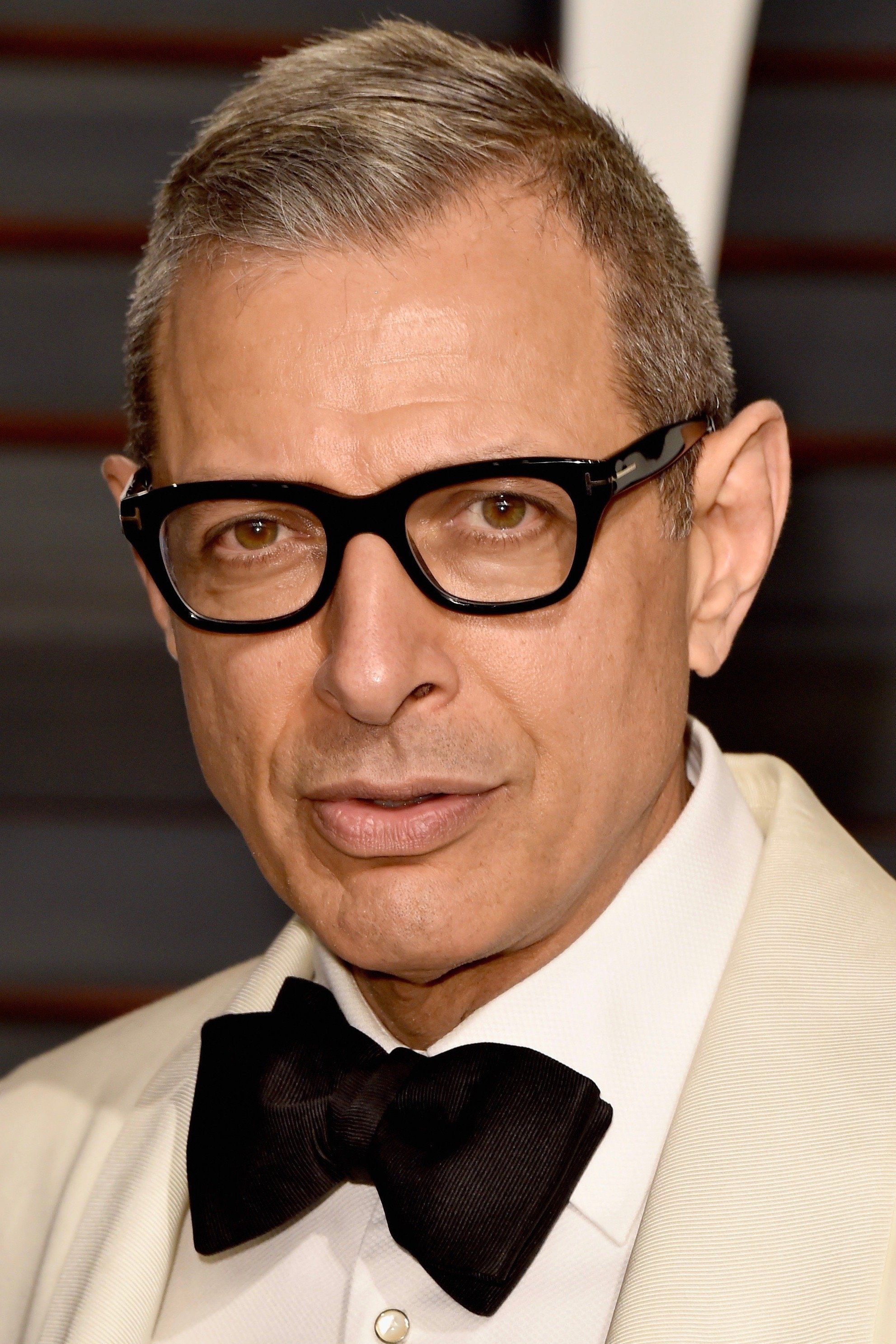
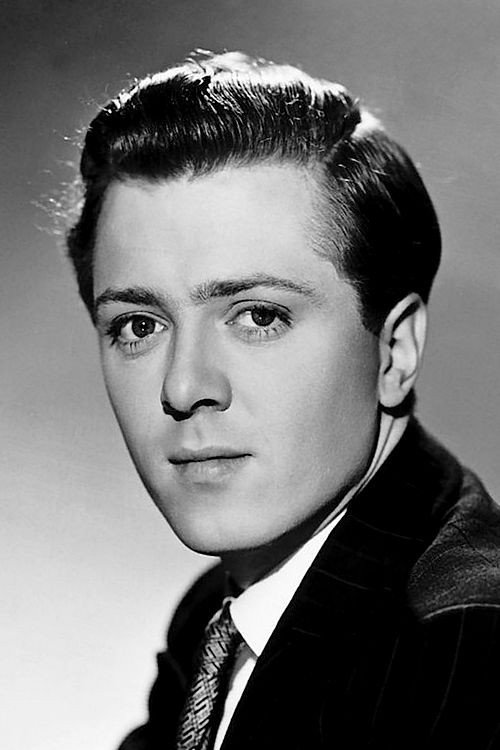
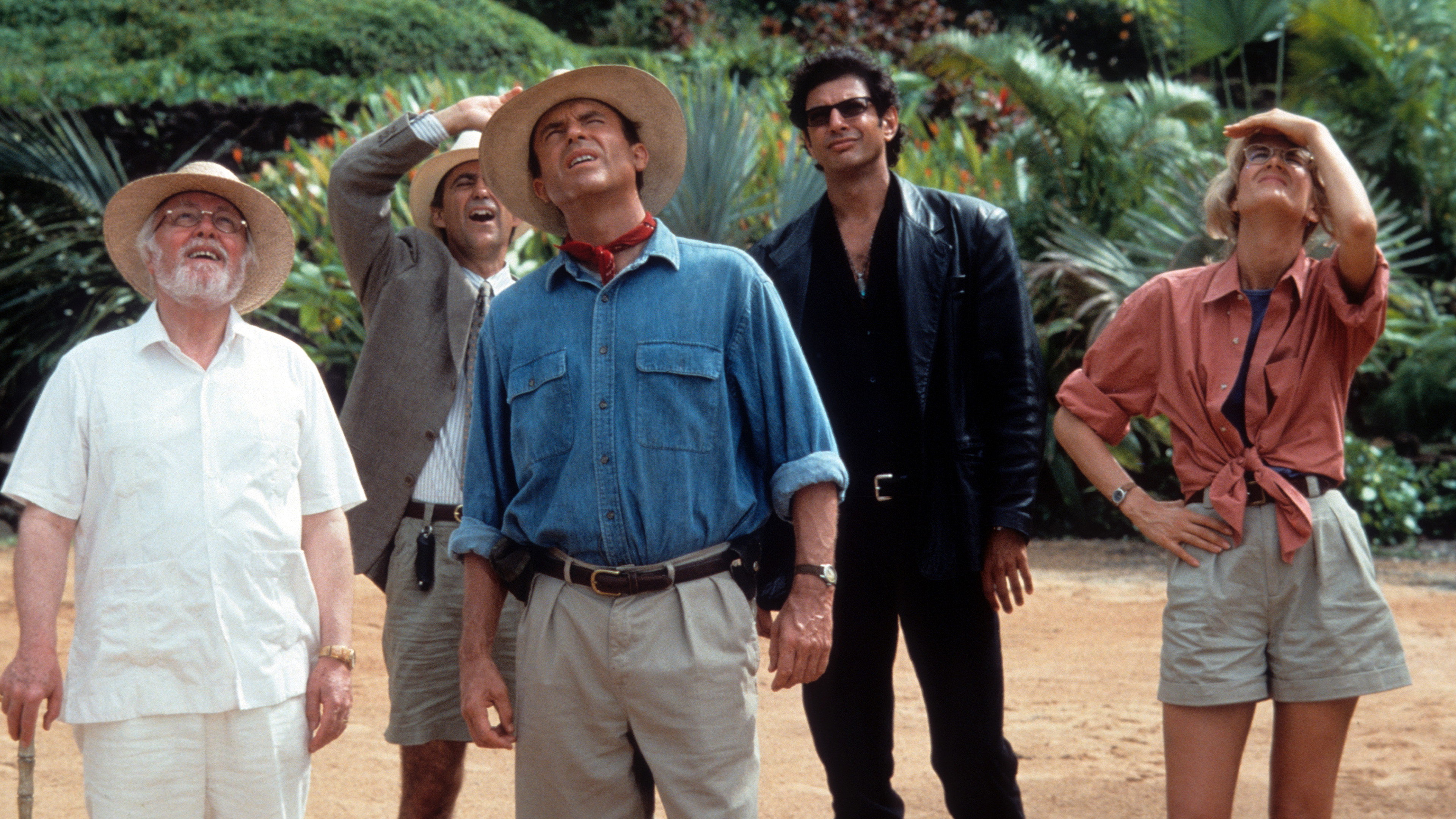
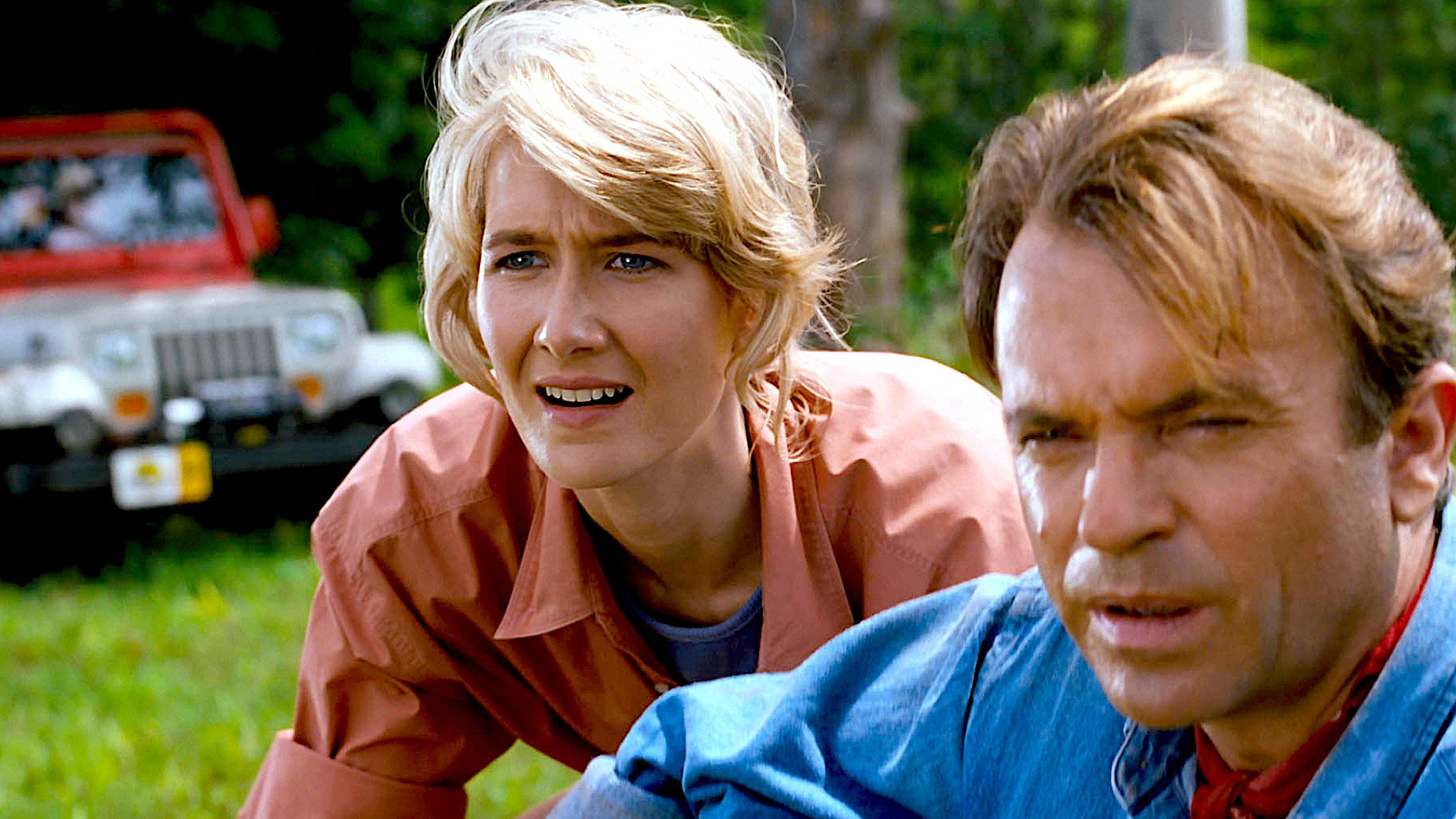
The people are less fully imagined. Sam Neill’s Grant and Laura Dern’s Ellie give us enough to stay interested, while Jeff Goldblum’s Malcolm brings a welcome suggestion that solemnity might not be the appropriate response to all this. Richard Attenborough’s Hammond supplies warmth, though warmth alone cannot supply the complexity that the writing leaves out. Michael Crichton and David Koepp’s screenplay is efficient about moving human beings towards danger and much less interested in giving them lives we can imagine beyond it.
Crichton also supplies the source novel, and the caution about reckless ambition remains clear even when Spielberg is enjoying the results. Money and the wish to control nature give the disaster a cause more interesting than simple bad luck. The film does soften its criticism when it turns towards reassurance, and some of that comfort feels supplied for an audience the danger might otherwise upset. We could have done with less of it, especially when the dinosaur sequences are so confident about how much fear we can take.
Most critics disagree with us about just how good this is. Their complaints about thin characters are fair, but we think they give that weakness too much weight: the dinosaur sequences make us care about people whose lives away from the island are scarcely sketched. Within the monster-film tradition, Spielberg understands the value of letting us become interested in the creatures before asking us to fear them. The effects make that possible, but the patient build gives them their force.
At 127 minutes, the film gives its creatures room without requiring much patience from anyone who has come to meet them. The PG certificate should not be mistaken for an assurance that the fear is mild. See it with someone who claims they no longer get frightened by dinosaurs.