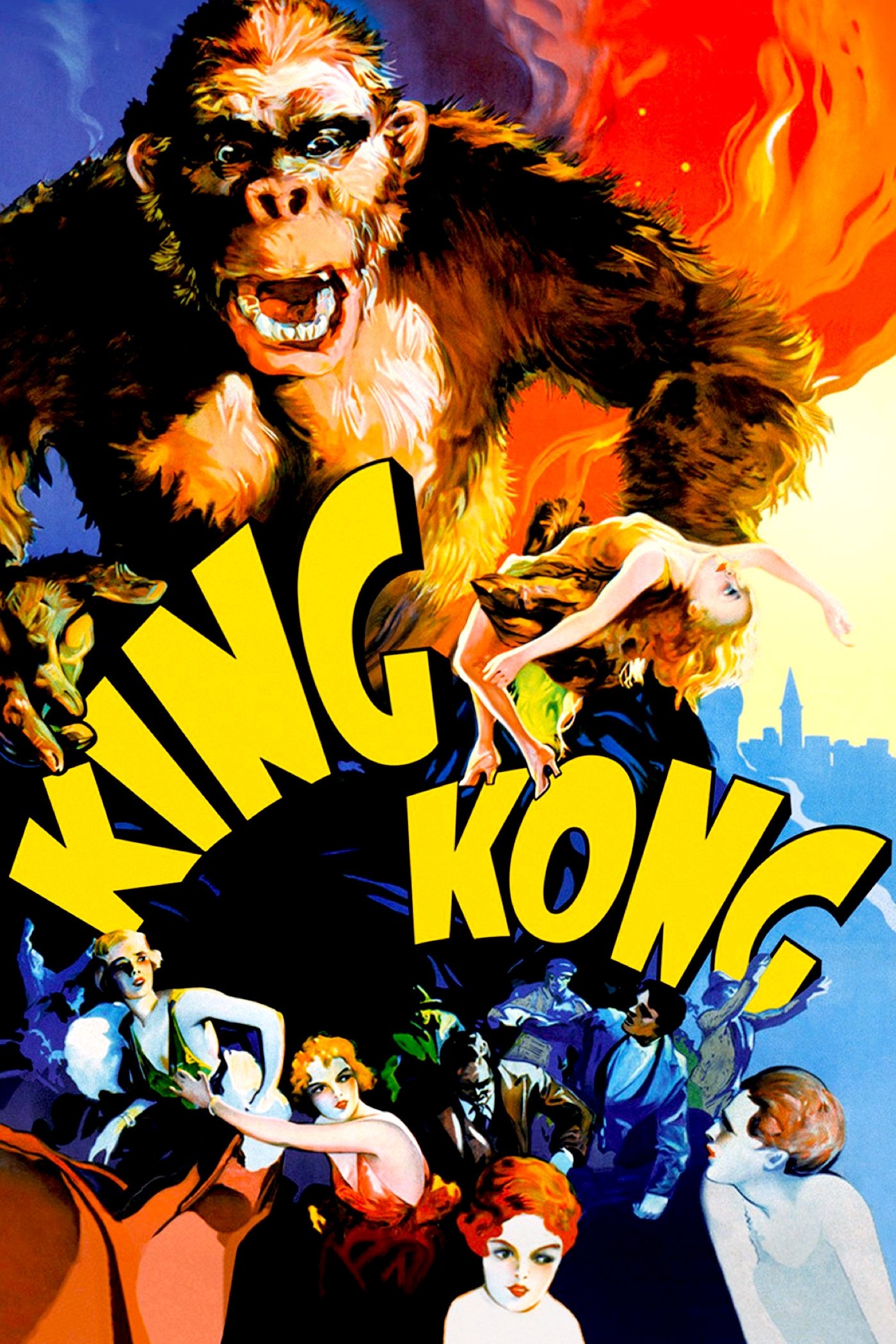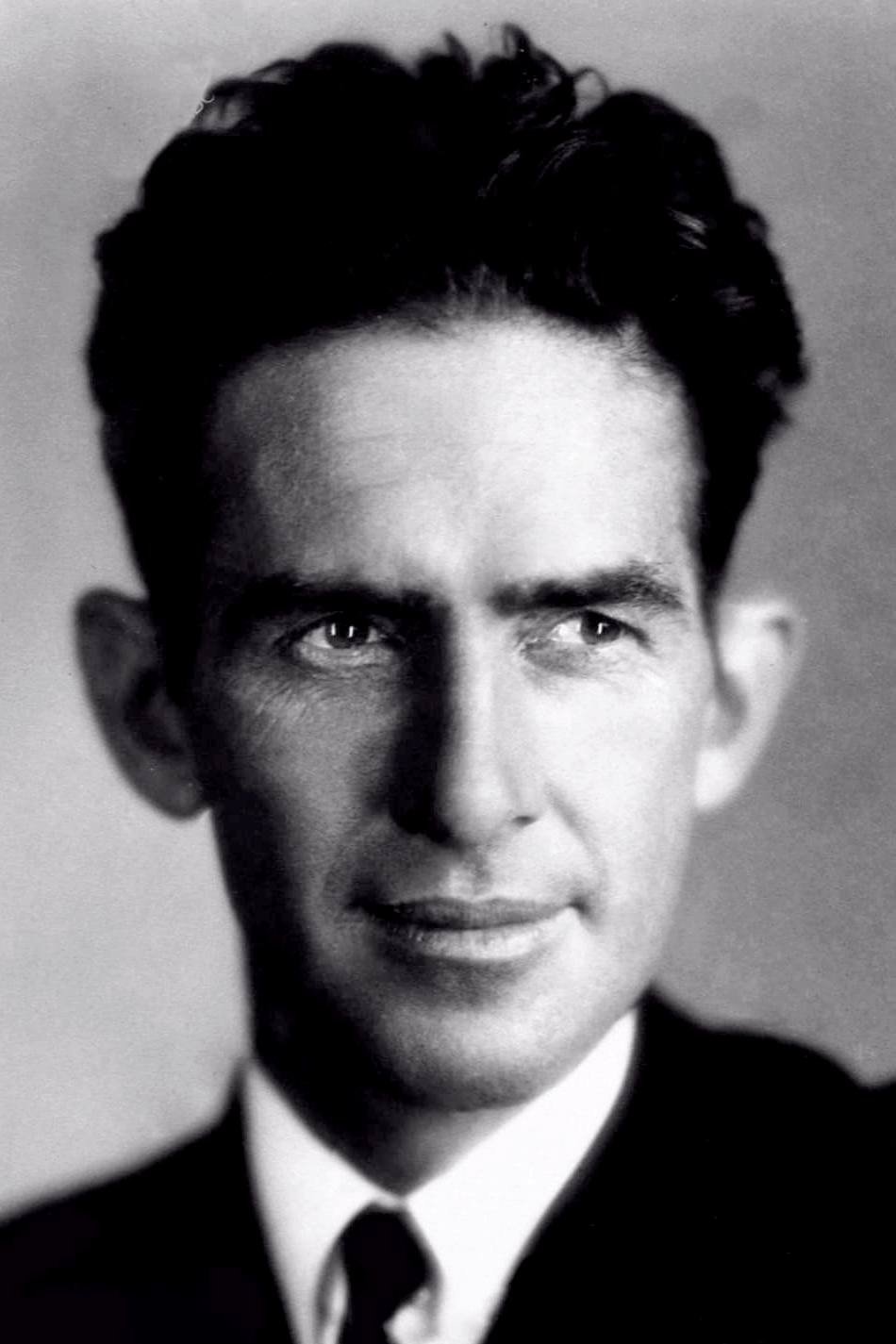
Ernest B. Schoedsack shot real tribes crossing real mountains before he ever pointed a camera at a stop-motion ape, and the patience he learned on those expeditions is the reason King Kong keeps us waiting, and why the wait is worth it.
Fi1m perspective
The ship takes a long time to reach the island. King Kong (1933) spends its opening stretch on a showman, his crew and a long voyage with too much talk in it, and only then lets the jungle in. We fidgeted through the voyage, and then, when the ship reached the island, found we were leaning forward, because the film had made us want to be there before it showed us what was there. That is the Schoedsack method, and he learned it a long way from a studio.
He came up as a cameraman for Mack Sennett in 1914, served in the Army Signal Corps in the First World War, and met Merian C. Cooper in the early 1920s. Together they made what they called natural dramas: Grass (1925), which followed the Bakhtiari tribe on its migration, and Chang (1927), shot in Siam. These were real people in real places, the footage shaped afterwards into a story with a beginning and an end. The two men made eight films together.
Then the pair went indoors. The Most Dangerous Game (1932) built a jungle on a soundstage, and King Kong reused it the following year. On Kong the labour was split: Cooper ran the effects, Schoedsack directed the actors. That is an awkward thing to say about the man on this page, because the actors are the part of the film that has dated. The human performances are stiff and a few of the early exchanges run long, while the ape, built by other hands, is the character we end up minding about. What Schoedsack does own is the shape: the slow approach, the island established before its tenant appears, the sense that we have travelled somewhere. His wife Ruth Rose wrote for him on five films, drawing on the expeditions they had shared, and the film about a showman who drags a camera crew to an uncharted island was partly a film about the men who made it.
After that the work thins. Son of Kong came out the same year, and Dr. Cyclops (1940), in early Technicolor, shrank its cast instead of enlarging its monster. Mighty Joe Young (1949) brought the Kong team back together for another big ape, and a prologue to This Is Cinerama (1952) was his last work. Most of it is remembered, when it is remembered, for being made by the man who made King Kong, and we are not going to argue.
Start with Kong, and give it its first half hour. If the patience suits you, Grass and Chang are where he learned it, and there the mountains are real.
Biography
Ernest B. Schoedsack was an American film director, producer and cinematographer. Born in Council Bluffs, Iowa, he began his career as a cameraman for Mack Sennett in 1914 and served in the US Army Signal Corps during the First World War.
He collaborated frequently with Merian C. Cooper. Their joint projects included the documentaries Grass (1925) and Chang: A Drama of the Wilderness (1927), and the features The Most Dangerous Game (1932) and King Kong (1933), on which Schoedsack served as director and producer. He also directed The Son of Kong (1933), Dr. Cyclops (1940) and Mighty Joe Young (1949).
Schoedsack married screenwriter Ruth Rose in 1926. He suffered a severe eye injury while testing photographic equipment during the Second World War, after which his output was limited.