Film review

Casino

1995 · Directed by Martin Scorsese · 2h 59m · MPA R

In a sentenceThe casino accounts are fascinating; the management could use some time apart

CrimeDrama

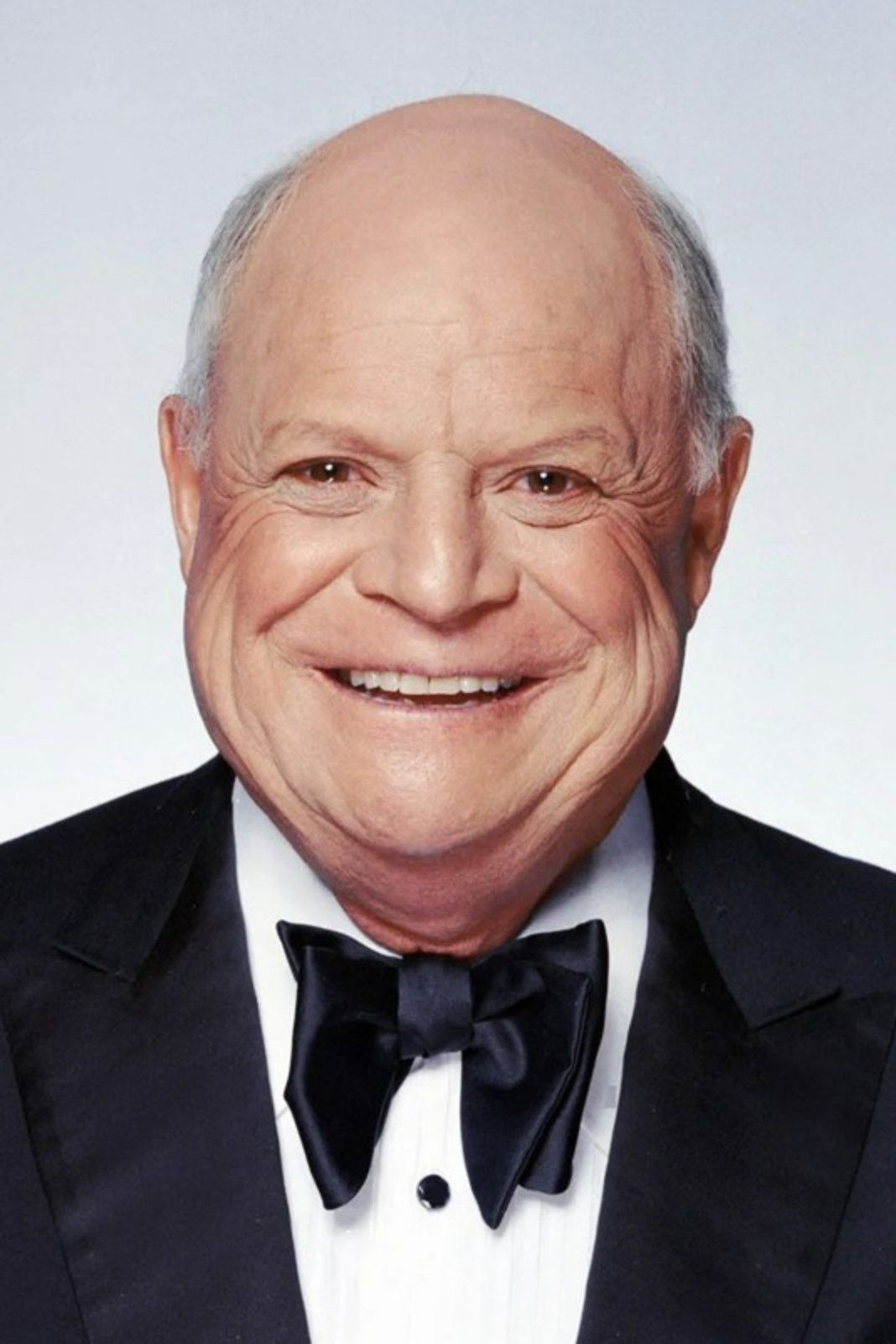
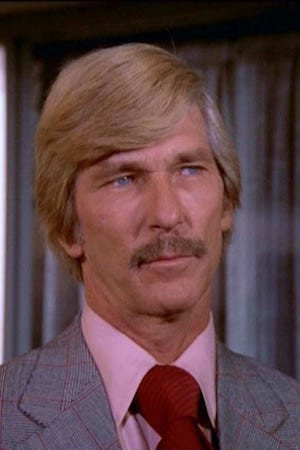
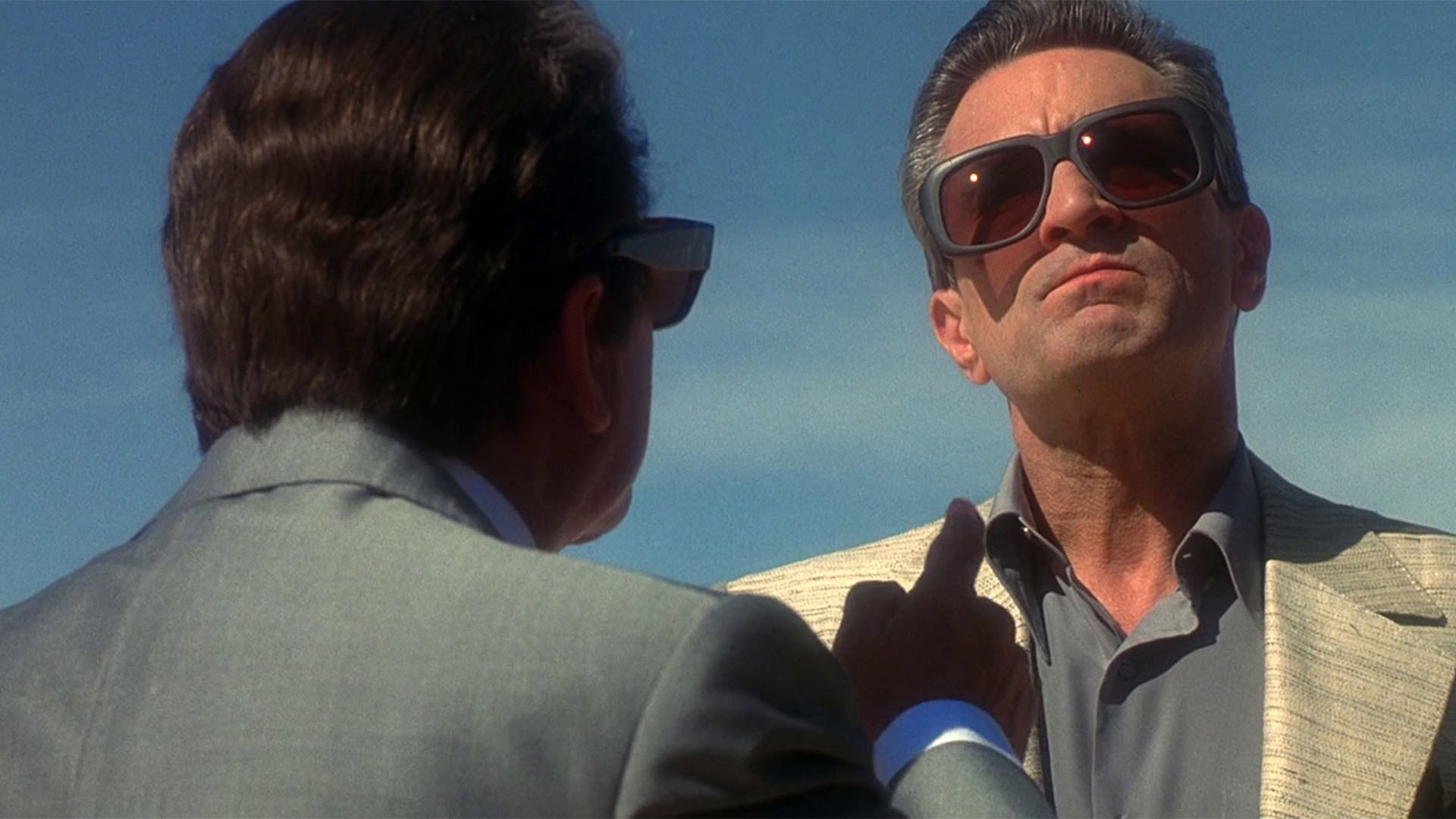
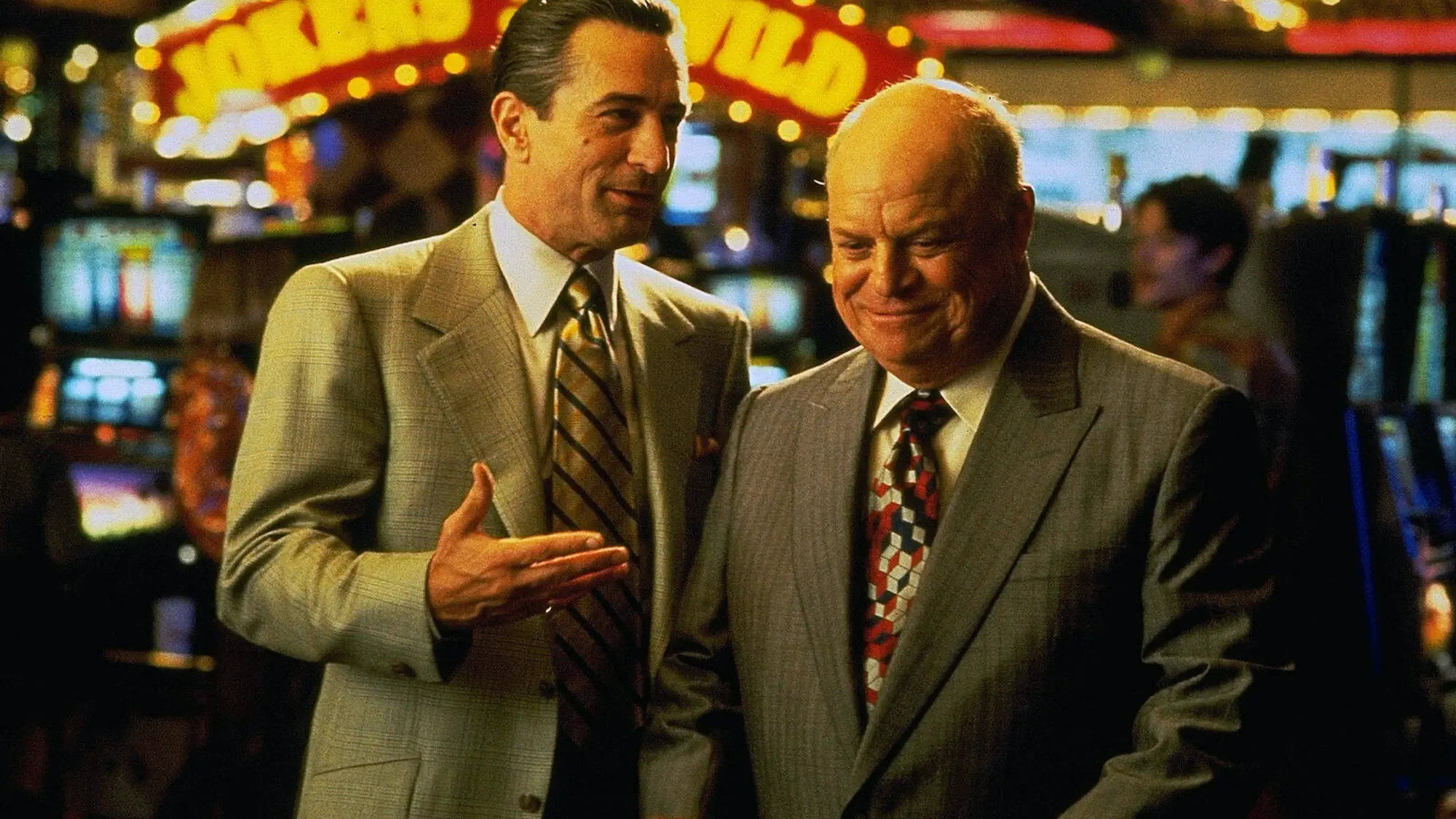
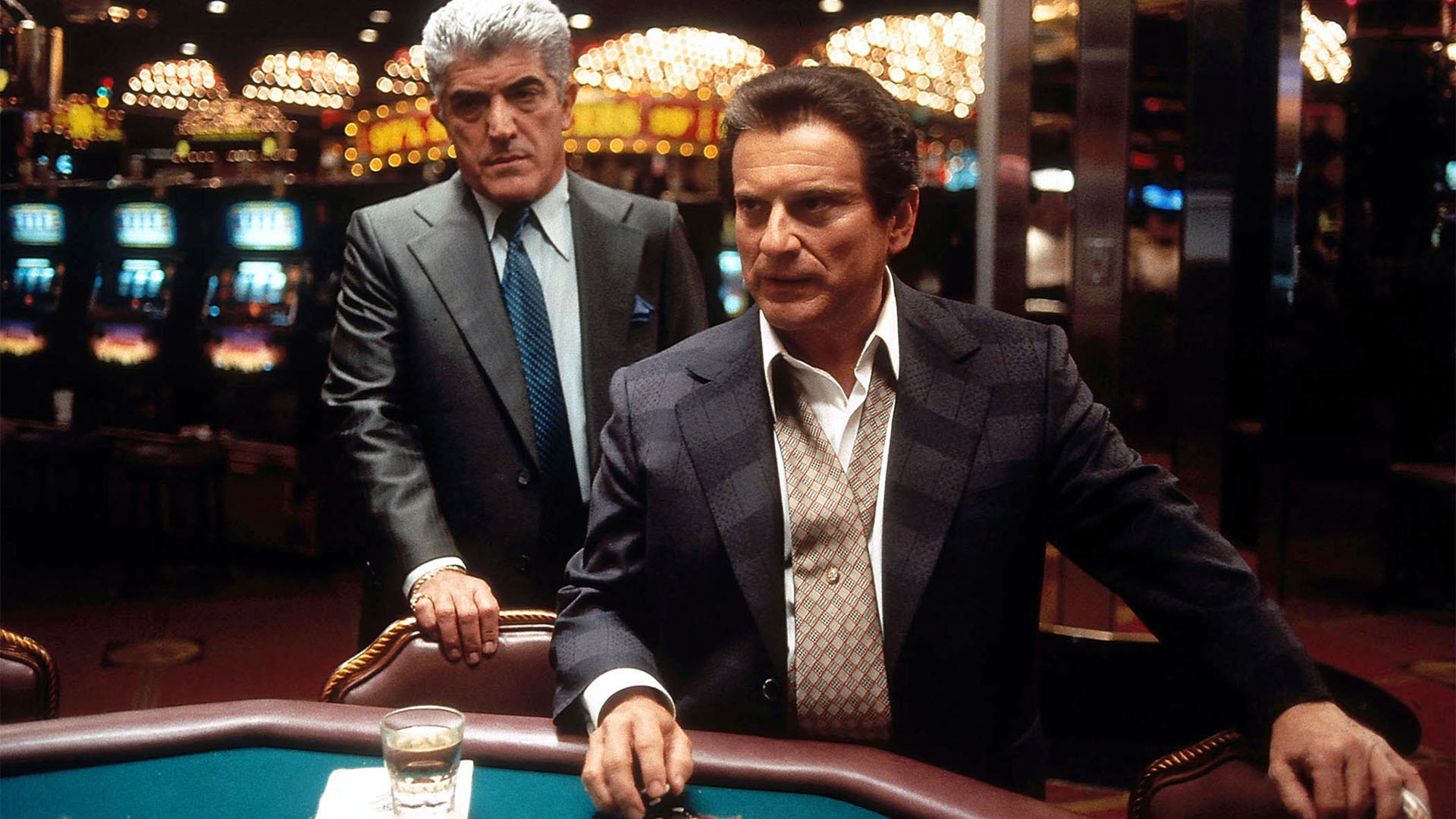
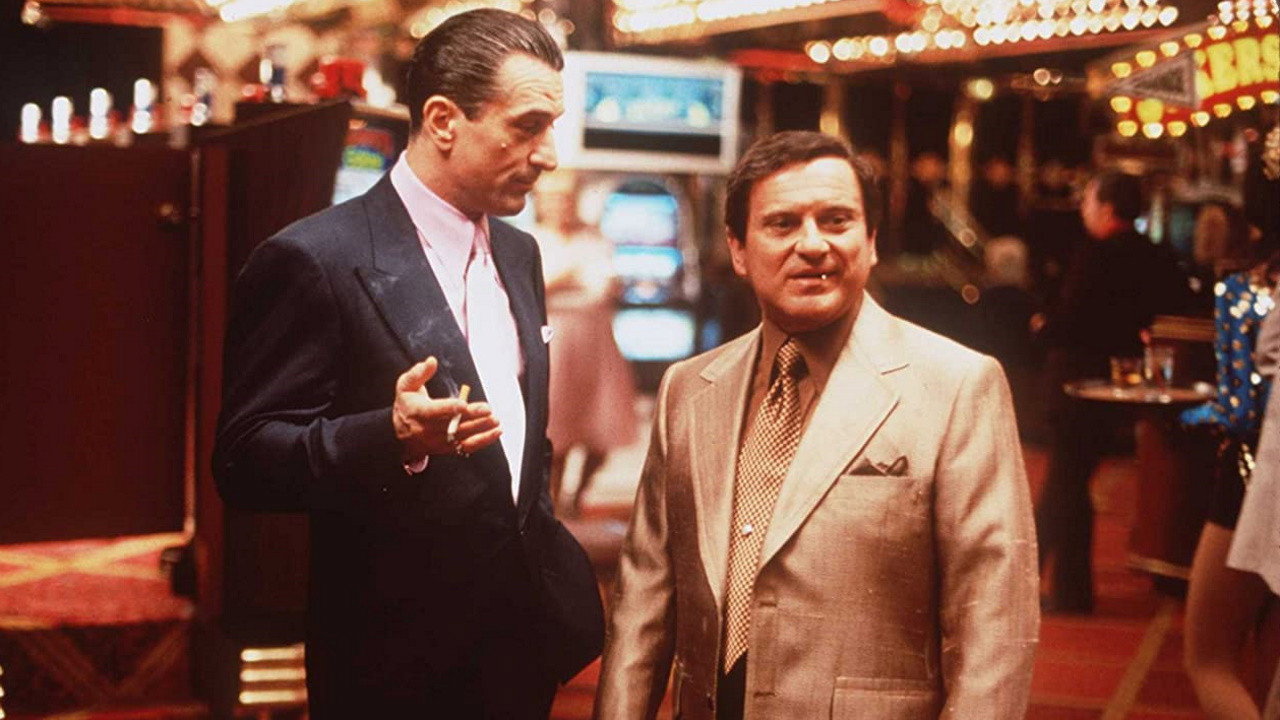
Sam ‘Ace’ Rothstein (Robert De Niro), Ginger McKenna (Sharon Stone) and Nicky Santoro (Joe Pesci) are at the centre of a story about the Mafia’s casino business in Las Vegas. As money moves through the gambling operation, their personal conflicts become entangled with the struggle for power. Narration explains how the business works, following the people who run it and the deals that keep it going. Martin Scorsese directs this crime drama, with James Woods as Lester Diamond and Don Rickles as Billy Sherbert among the supporting cast.

Plays from YouTube when you press play; nothing loads from them until then.

Fi1m review

Martin Scorsese’s crime drama is gripping when it explains the casino business, and Sharon Stone makes the personal turmoil matter. The repeated confrontations wear us down, but there is enough here to justify the long evening.

Martin Scorsese’s Casino is at its most gripping when it explains how the Mafia makes money in Las Vegas. We recommend it for that close attention to the business and for a cast that makes the people around it worth watching. It is also too willing to repeat a personal quarrel once we have understood what is at stake. At 179 minutes, that costs it some force, though seldom our interest.

The screenplay, by Scorsese and Nicholas Pileggi, treats the casino operation as something we can follow if somebody takes the trouble to explain it. Its heavy use of narration is justified most clearly in these opening passages, where information keeps giving us another reason to pay attention. Thelma Schoonmaker’s editing handles the detail without making the business seem either simple or impossible to grasp. We were absorbed by the account of how the money is made; understanding the operation makes the struggle to control it matter.

Robert Richardson photographs Las Vegas with an extravagance that can become oppressive, and that seems right for this story. Dante Ferretti’s production design makes the casino’s display of wealth convincing enough that the explanations never feel detached from the place we are looking at. Neither gives us much relief from the excess, which is effective but tiring over a long film. The music, credited to Roy Hawkins, adds to that pressure, sometimes unnecessarily: the images and performances are quite capable of keeping us unsettled.

Robert De Niro gives Sam ‘Ace’ Rothstein an authority that makes the business side persuasive, while Joe Pesci keeps Nicky Santoro troubling company. Both are compelling, though the film’s insistence on their importance can make the people around them feel secondary. De Niro’s assurance is especially useful in a film so concerned with power: Ace’s importance is easy to accept. Pesci supplies the unease that stops all this expertise from becoming reassuring.

Sharon Stone, as Ginger McKenna, is the performance that stays with us. Ginger’s volatility could easily become a convenient explanation for whatever goes wrong around the men, and the writing sometimes encourages that reading. Stone gives the anger enough hurt to make such a dismissal feel inadequate. She makes the personal drama worth attending to even when its scenes are repeating themselves, and keeps the film from becoming too comfortable with the men’s account of events.

The difficulty comes when Scorsese allows the confrontations to go on making the same point. Bitterness is established, then restated, and the narration sometimes explains a feeling the performances have already made clear. More space between these exchanges would have helped; so would trusting Stone, De Niro and Pesci to tell us less directly. The violence is disturbing, but repetition elsewhere can leave us tired before it has had its full effect.

Gangster films do not always take such an interest in how the business actually works. Here, that attention makes the struggle for money and authority more convincing, and the characters’ ambitions easier to understand. We would not ask Scorsese to make these people more agreeable, only to stop them repeating themselves. Give it an uninterrupted evening, and do not expect to feel rested afterwards.
Critical consensus AI synthesised

80
Positive
5
Mixed
1
Negative
0

Most critics respond warmly to Casino, with praise centred on Scorsese’s direction, the detail of the casino operations and the film’s account of Mafia power in Las Vegas. The reviews admire its period atmosphere and visual style, though the performances receive just as much attention. De Niro and Pesci draw strong notices, while Sharon Stone is repeatedly singled out for bringing emotional depth to the film. For its admirers, the detailed narration helps make a complicated criminal enterprise absorbing.

The disagreement concerns whether that technique sustains the personal drama. Reservations cluster around length, heavy voice-over and repetition, with a sizeable gap between the strongest praise and the dissent. The Los Angeles Times admires the opening account of casino operations but finds the ensuing drama exhausting and excessively violent. Time Out goes further, arguing that flashy technique sidelines the characters and makes the film feel like a tired return to GoodFellas.

RogerEbert.com
22 November 1995 · ★★★★/4 · Roger Ebert
100

Scorsese's film excels at capturing the Mafia's operations in Las Vegas through detailed narration and period specifics. The director gets the feel and mood of the city exactly right, with strong performances from De Niro, Pesci, and especially Stone.

Read the full review →
The Hollywood Reporter
17 November 1995 · Duane Byrge
90*

The critic declares Casino a big winner commercially and aesthetically, comparing it favorably to GoodFellas and praising its direction, visuals, and cast. Sharon Stone's sensational performance is highlighted as the standout element.

Read the full review →
Radio Times
★★★★ · Alan Jones
80

The critic calls Casino a hugely underrated and shocking tale of power, money and depravity, essentially about the Mafia adrift in the 1970s without its usual codes. It praises absorbing realism, intriguing subplots and expertly drawn characters, singling out Sharon Stone as an absolute revelation in her demanding role.

Read the full review →
The New York Times
22 November 1995 · Janet Maslin
80*

Scorsese delivers a dazzlingly stylish portrait of Las Vegas as a surreal, money-obsessed mirage with blistering bitterness and peacock extravagance. The film features spectacular performances, particularly from Sharon Stone, and fits perfectly into the director's canon of histrionic mob stories.

Read the full review →
Los Angeles Times
22 November 1995 · Kenneth Turan
50*

Scorsese proves himself a master of imagery but struggles to make his personal obsessions accessible, resulting in an exhausting and claustrophobic film. The movie shines in its opening cinematic sequences detailing casino operations but loses momentum in repetitive personal drama and excessive violence.

Read the full review →
Empire
1 January 2000 · Phil Thomas

The critic finds Casino a powerful, disturbing and fascinating examination of a specific time and place, and of the nature of deals we make. They single out the lead performances of De Niro, Stone and Pesci for particular praise while noting the film's length and voiceover elements.

Read the full review →

Cast

Stills

Awards

Academy Awards, 1996

Nominated
Best Actress

If you liked this, try…

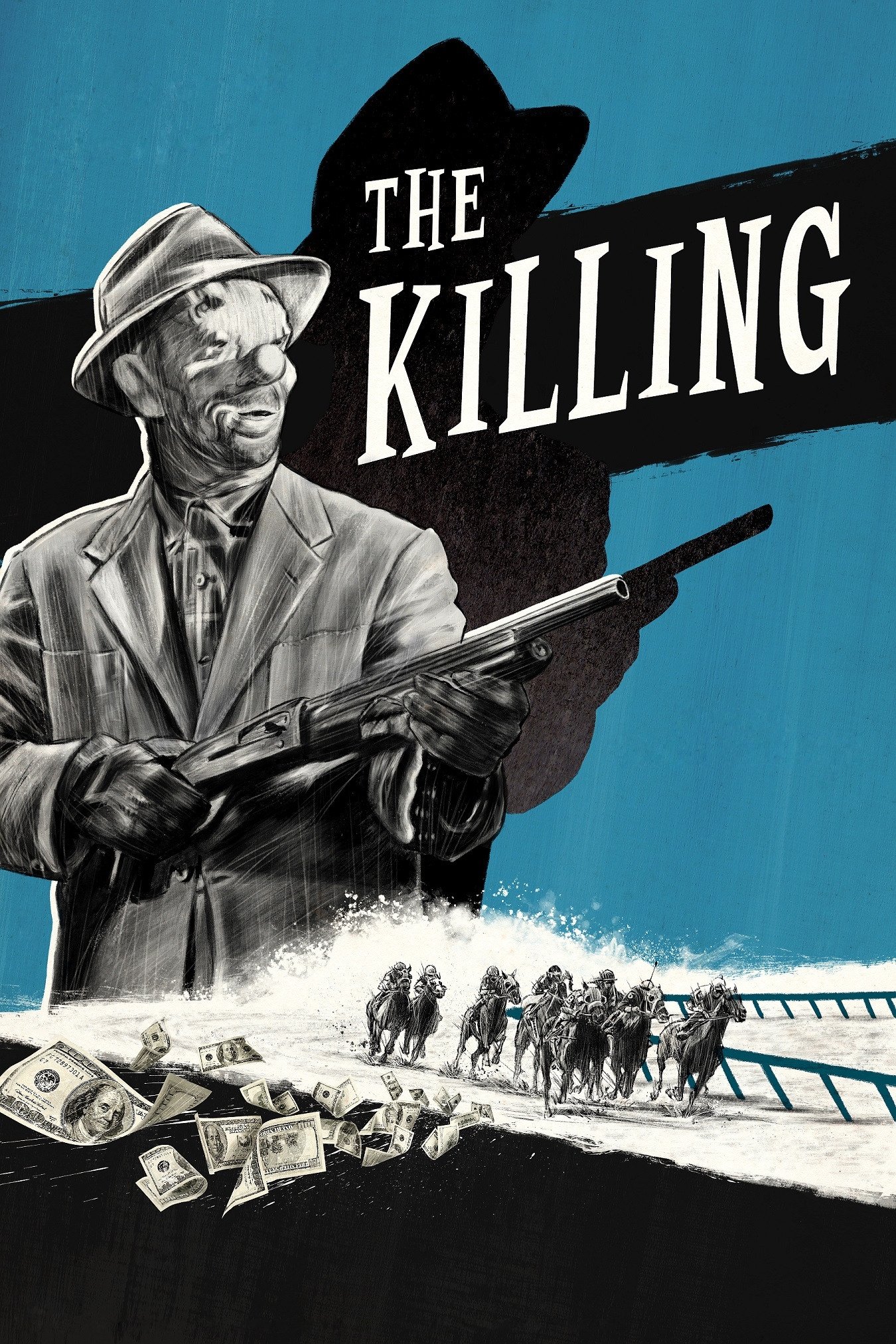
The Killing poster

The Killing

1956 · Another criminal enterprise examined closely enough for every practical mistake to matter.

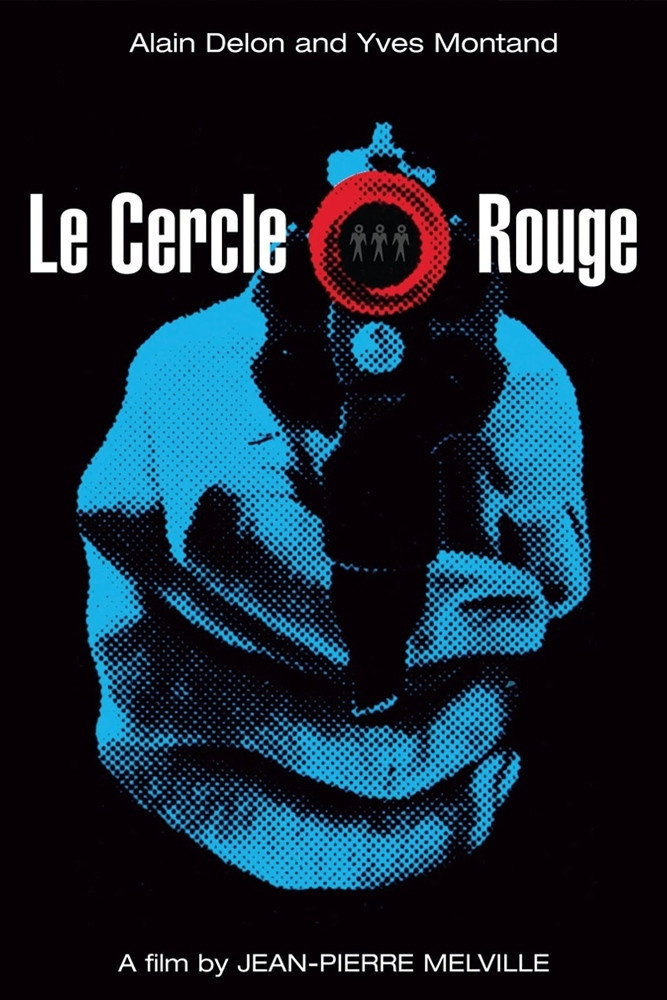
Le Cercle Rouge poster

Le Cercle Rouge

1970 · For criminal professionalism observed with patience, and far less explaining out loud.

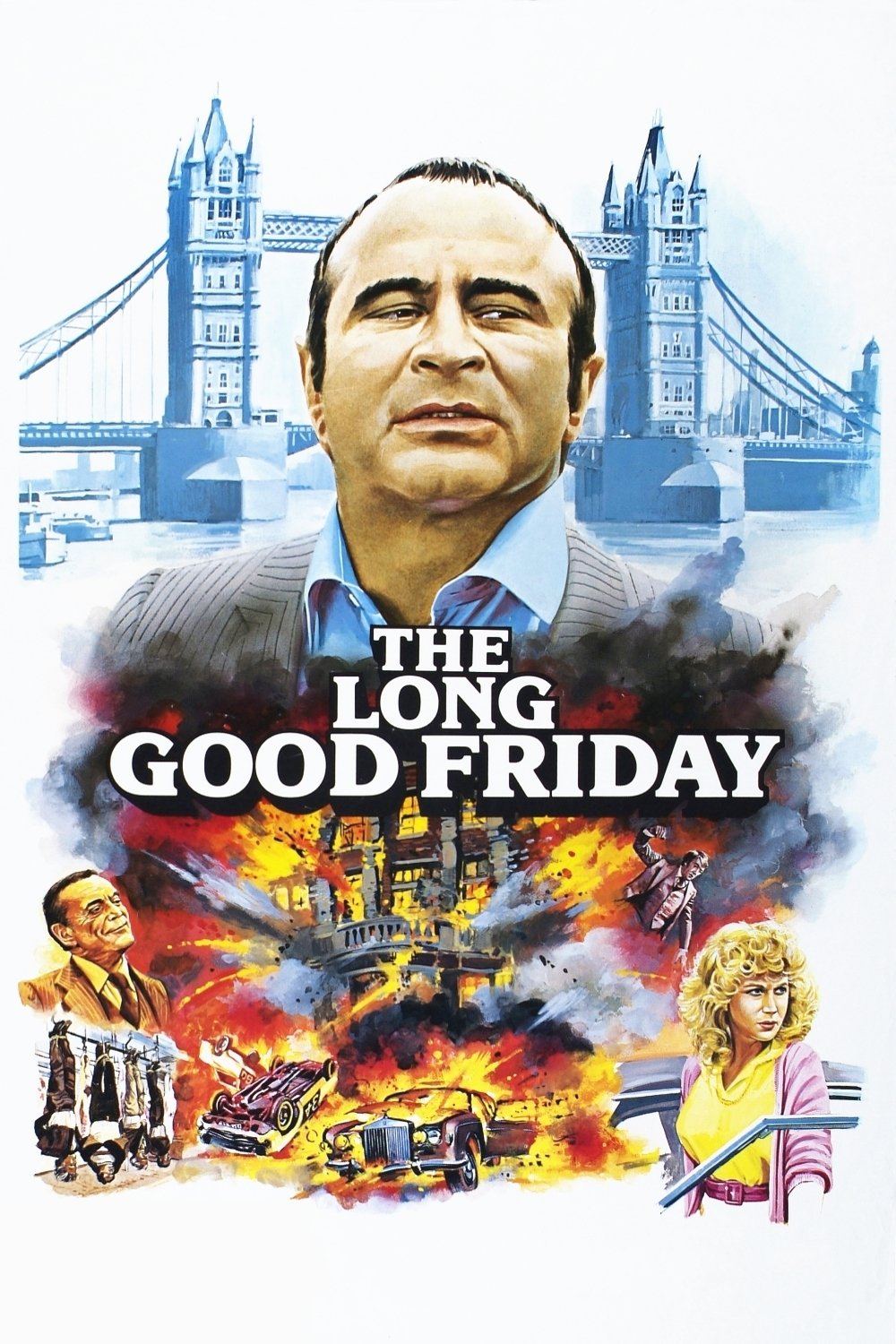
The Long Good Friday poster88

The Long Good Friday

1980 · A crime boss discovers that ambition is no substitute for understanding the business.

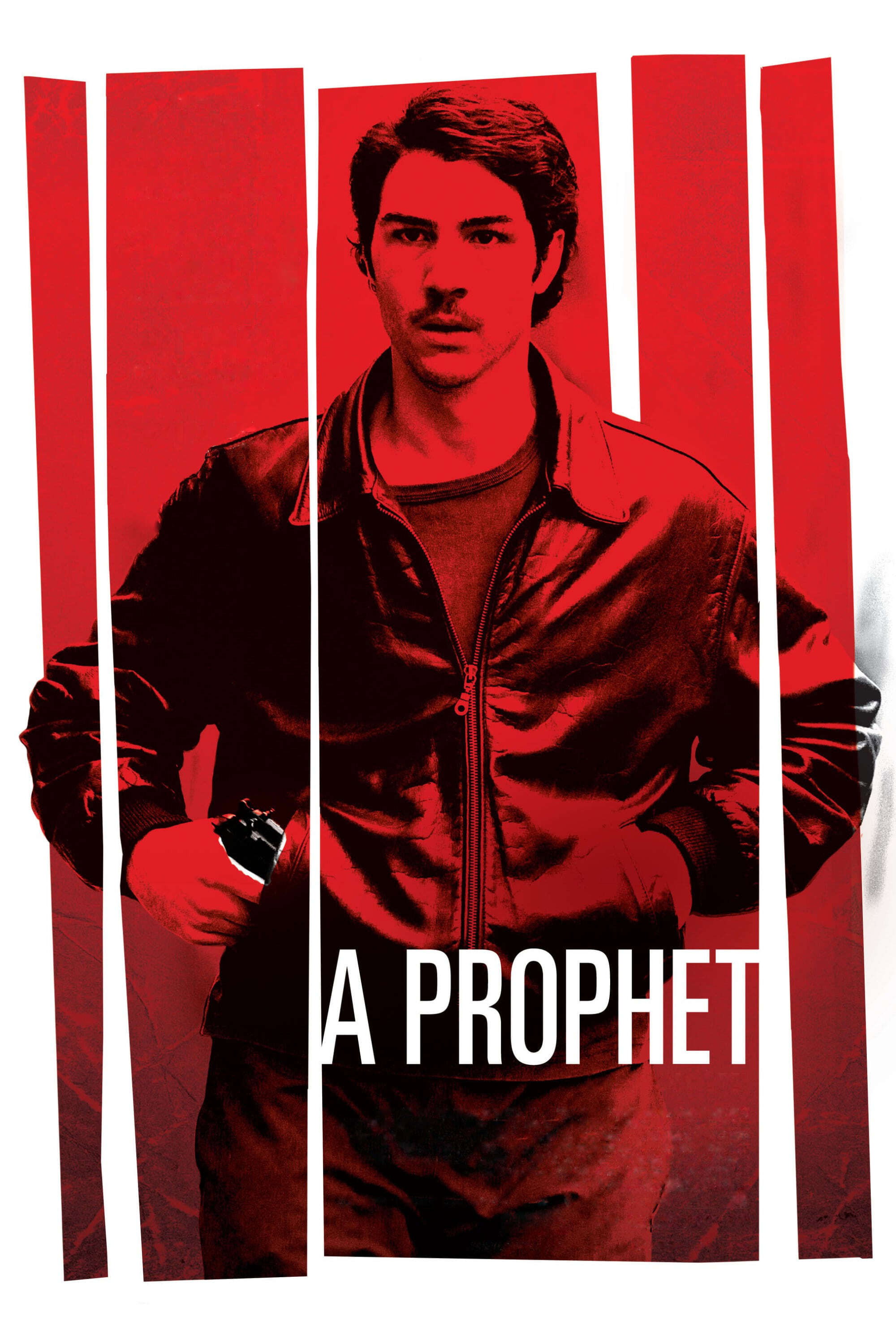
A Prophet poster

A Prophet

2009 · Criminal leadership becomes a matter of procedure, loyalty and carefully managed violence.

Uncut Gems poster

Uncut Gems

2019 · Money and compulsion drive another exhausting drama whose characters cannot leave things alone.