Adam Sandler makes a compulsive gambler maddeningly persuasive in this tightly controlled, punishingly noisy thriller. We recommend it, with a warning: the strain is deliberate, but the people around Howard do not always get the attention they deserve.
Uncut Gems is a gripping thriller about a man whose appetite for risk makes him exhausting company, and we recommend it with some caution. Directors Josh Safdie and Benny Safdie want us to understand the pleasure Howard Ratner gets from gambling, even while we can see how badly he manages his life. Their film keeps us close enough to share his excitement without making him admirable. At 136 minutes, that closeness becomes tiring, and there are stretches when a little distance would help.
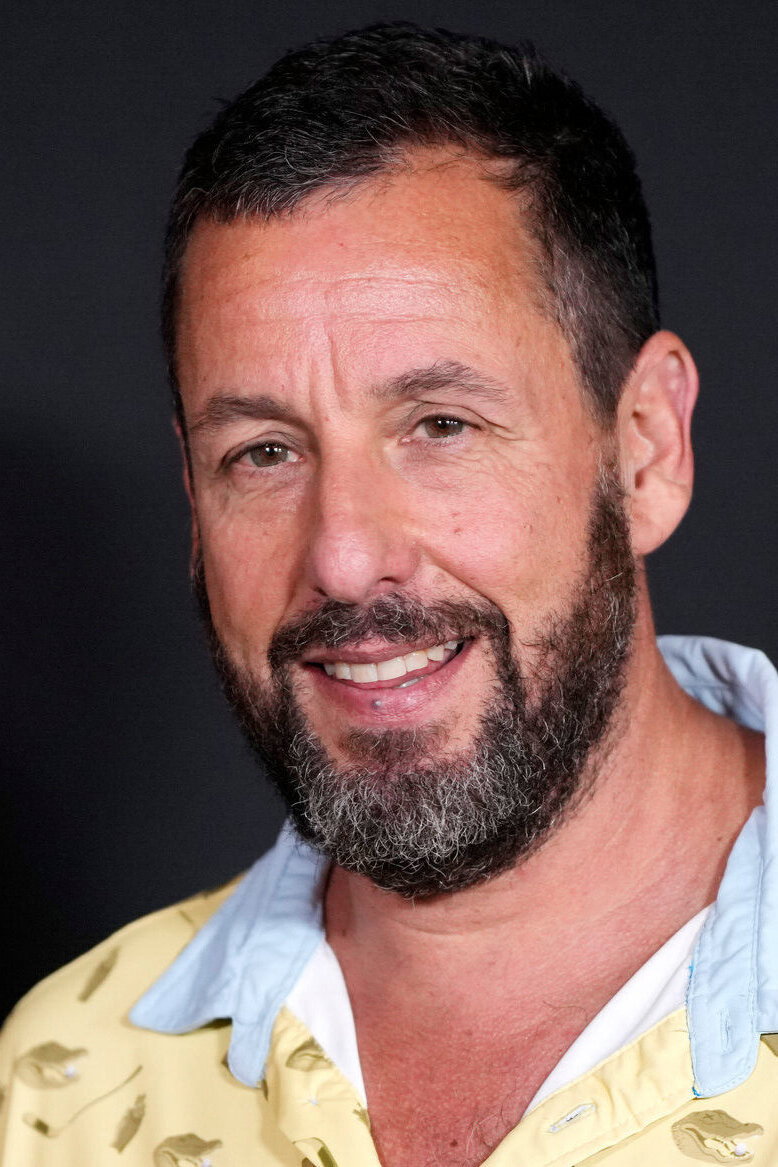
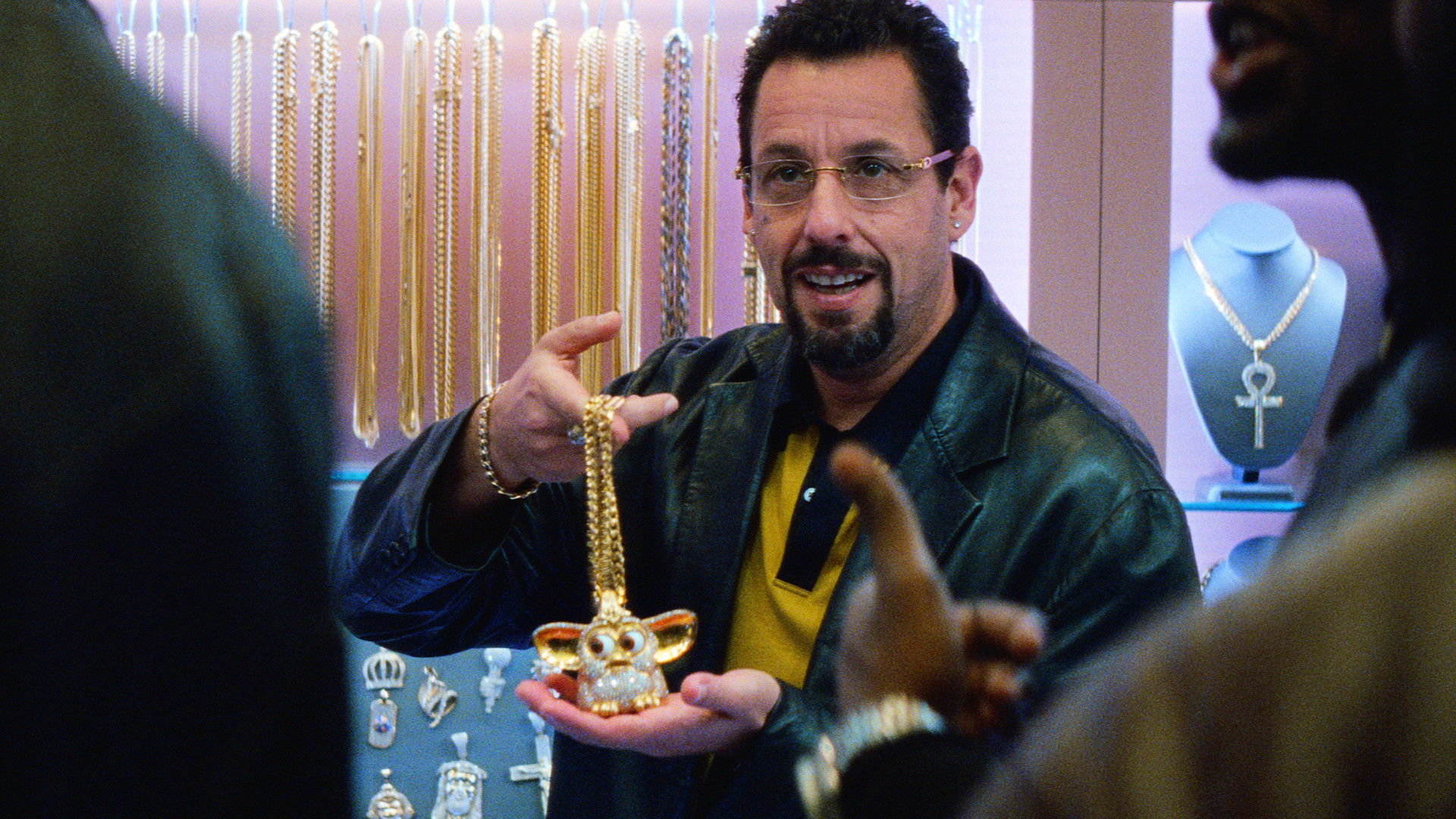
Adam Sandler is the reason we stay. As the New York jewellery dealer, he makes fast talk sound like a practical means of getting past the next objection. The charm, anger and neediness arrive so close together that we cannot settle into a comfortable opinion of him. We found ourselves hoping his gambling would pay off, and were irritated with ourselves for it. That response comes from the confidence with which he plays Howard’s delusion; for a moment, taking another risk seems reasonable.
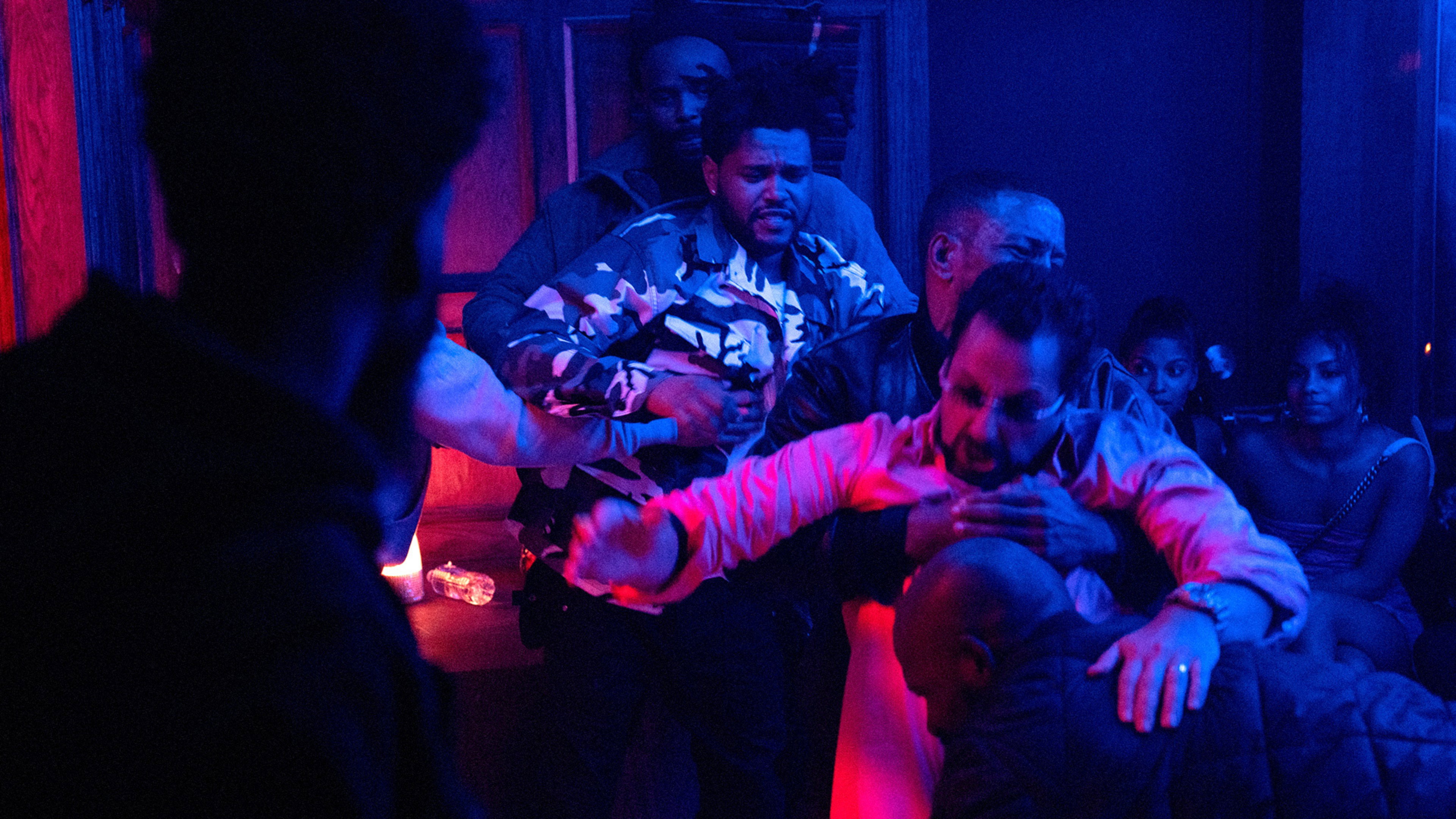
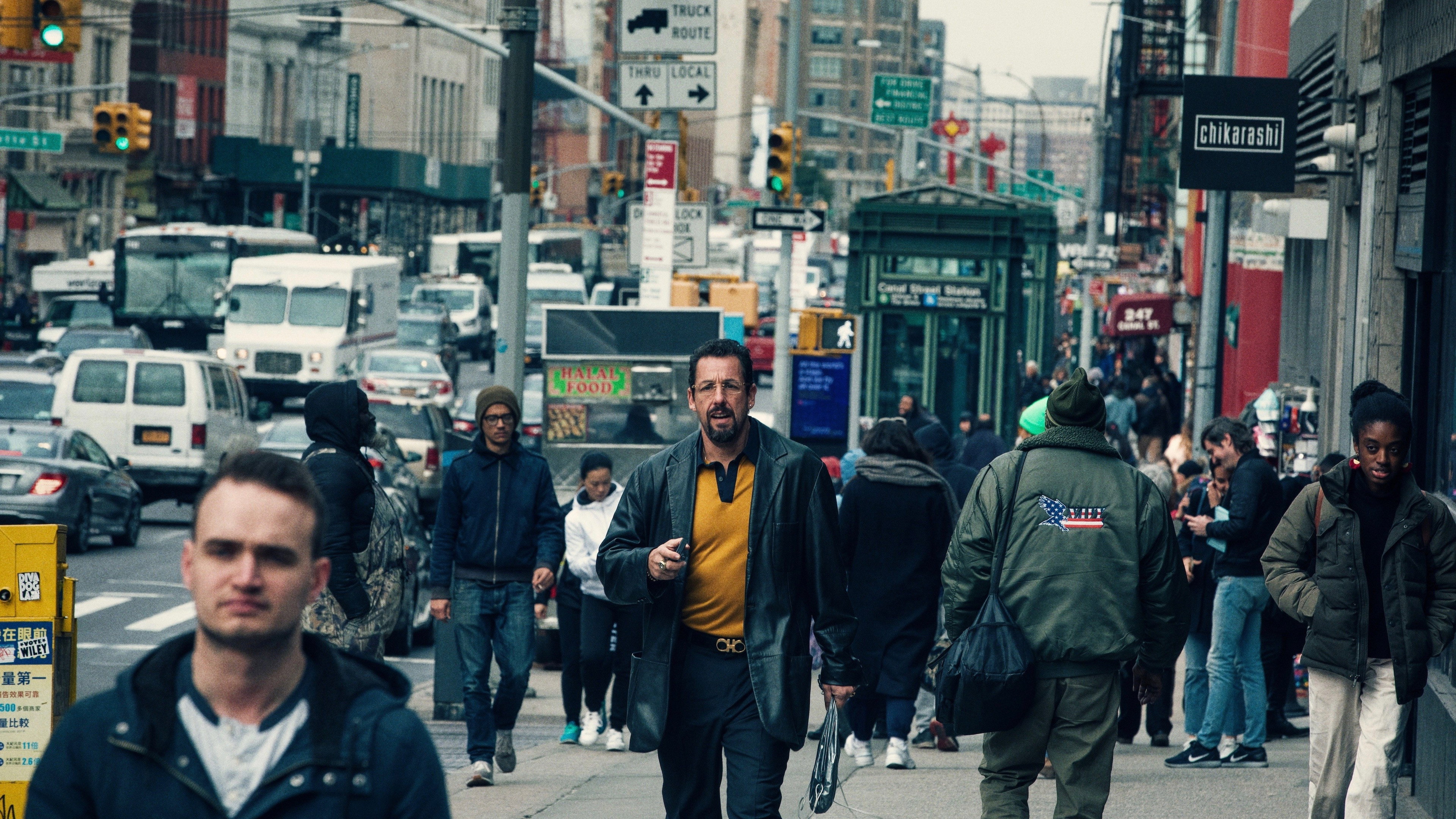
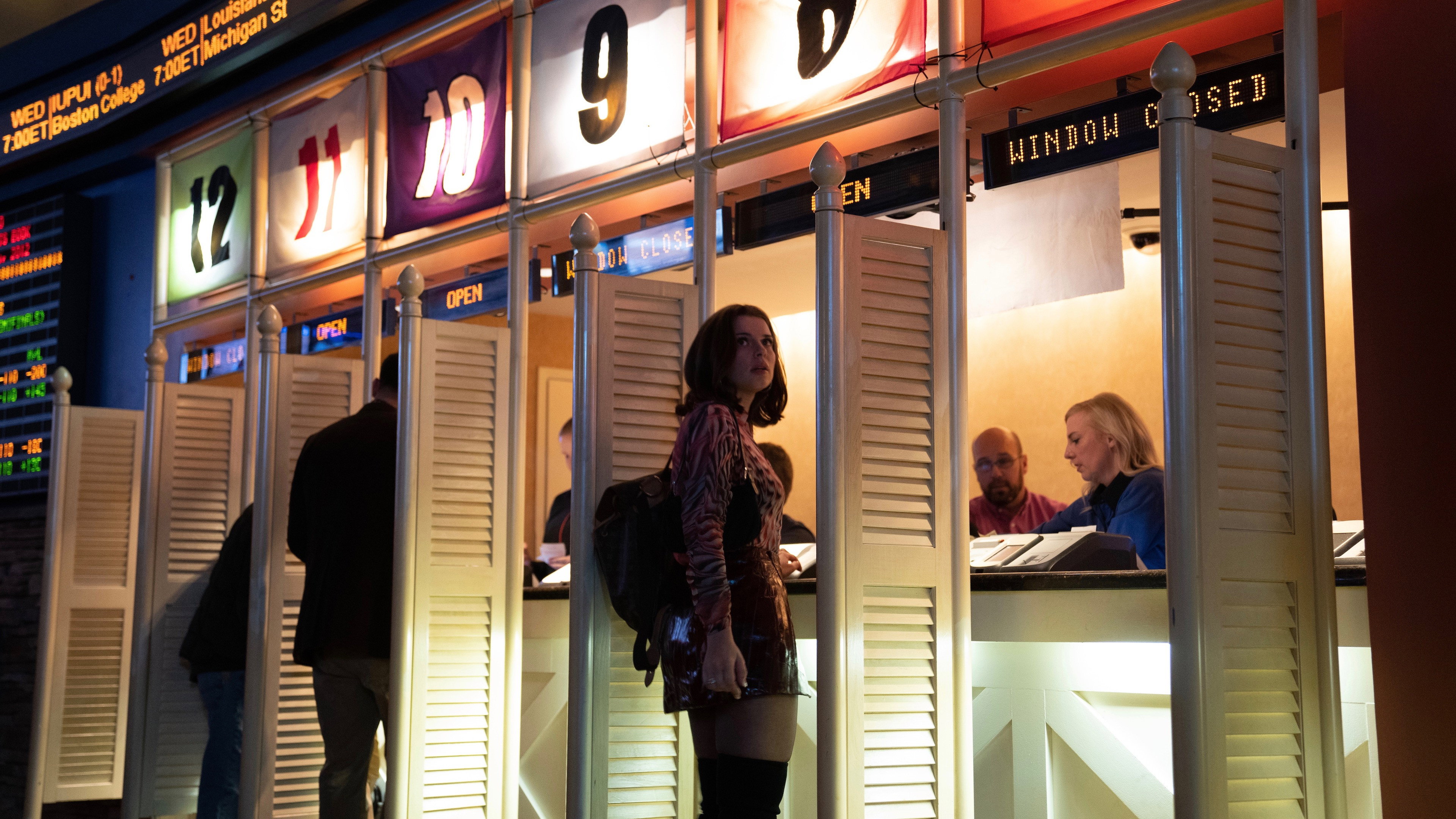
Darius Khondji’s claustrophobic cinematography keeps the surrounding bustle pressing against Howard, with little room for us to relax and take stock. The images can be flashy, but the close, crowded feeling does useful work: Howard seems unable to get clear of his own business. Sam Lisenco’s production design contributes to that crowded feeling, giving the jewellery business a grubby practicality that suits Howard and makes the surrounding commotion credible.
Ronald Bronstein and Benny Safdie cut the accumulating trouble into a rhythm that scarcely allows one problem to finish before another demands attention. We are kept busy catching up, which makes Howard’s rush to act feel horribly plausible. Daniel Lopatin’s electronic score gives his risky business an outsized importance, making it easier to understand why he finds this existence exciting. All that competing sound makes the simple business of getting someone to listen feel like an achievement.
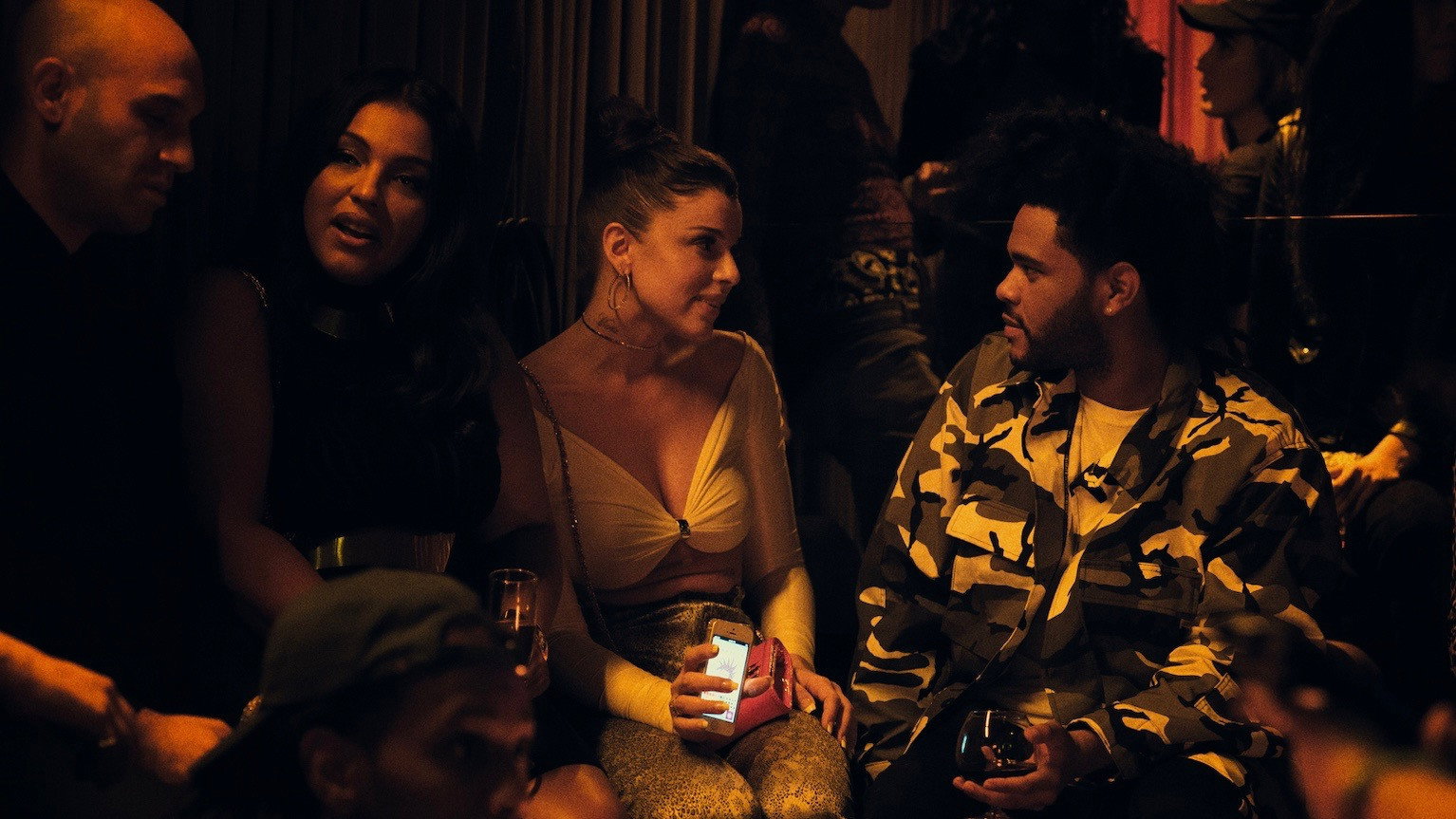
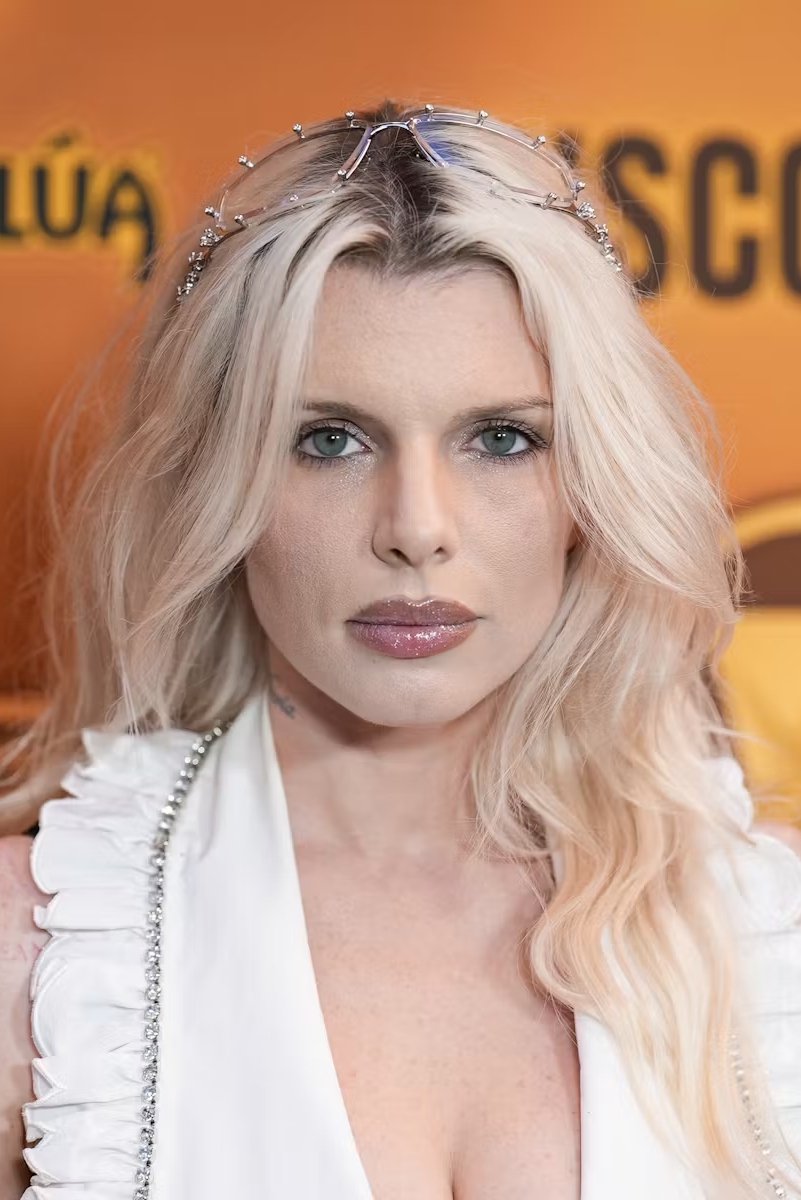
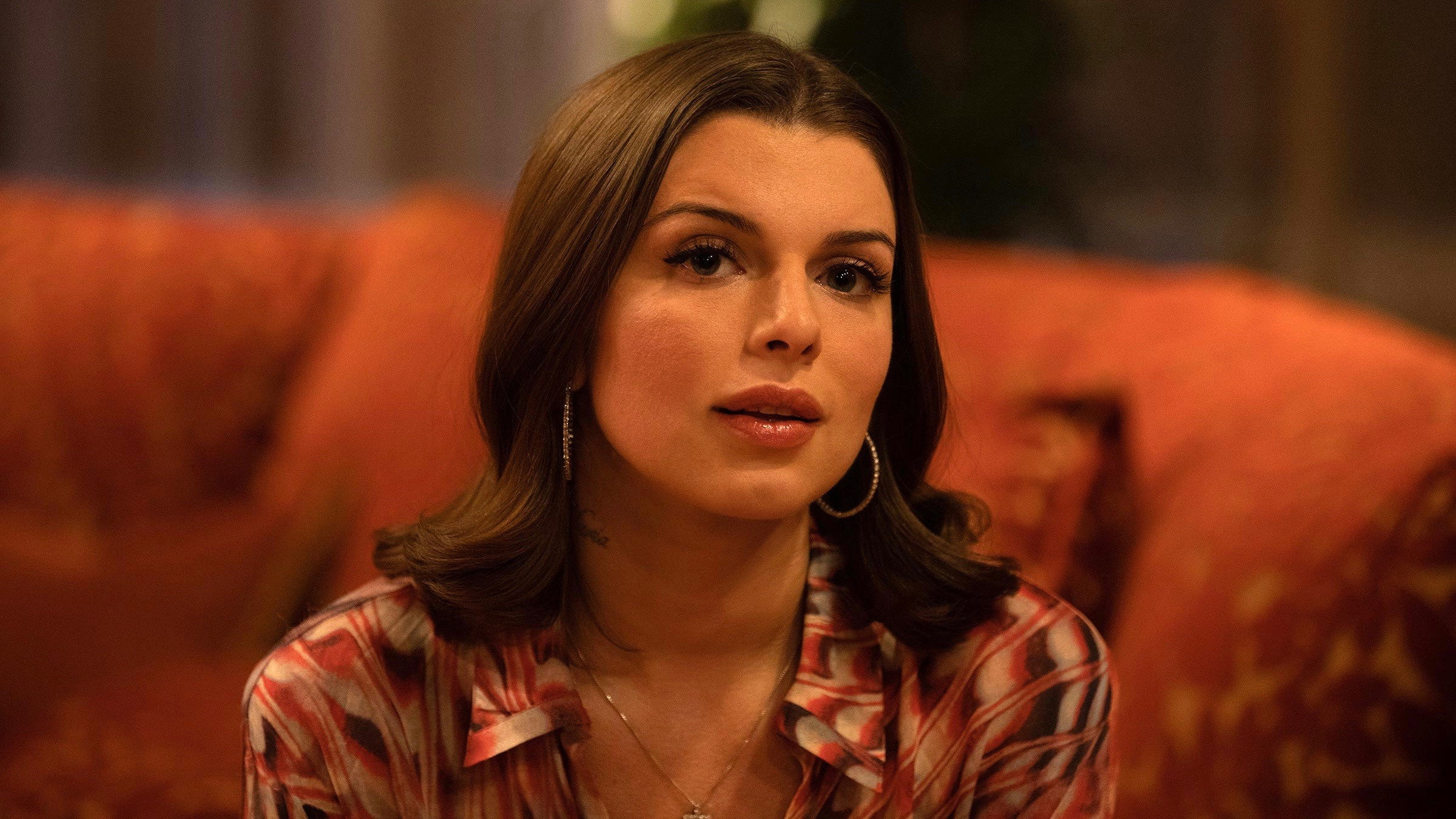
The supporting performances give the film some welcome resistance to Howard’s frantic demands. Julia Fox as Julia De Flore and Idina Menzel as Dinah Ratner are sharp enough to suggest lives beyond his immediate needs. The writing does not pursue those lives with anything like the interest it gives his next risk, and we wanted more of both. The directors’ concentration on Howard makes sense, but it leaves some capable actors with too much reacting to do.
As a crime thriller, the film is unusually willing to let its central character be tiresome. It gets considerable black comedy from his insistence on pressing ahead, and the laughter never requires us to believe that he is harmless. The weakness is the repeated intensity: once another crisis becomes the expected response to the last one, some of the suspense starts to flatten. The film could occasionally let a scene breathe without suggesting Howard has suddenly acquired good judgement. Watch it when nobody needs a quiet evening.