Film review

Tinker Tailor Soldier Spy

2011 · Directed by Tomas Alfredson · 2h 07m · MPA R

In a sentenceGary Oldman barely moves, and somehow everyone else looks as though they ought to apologise

DramaThrillerMystery

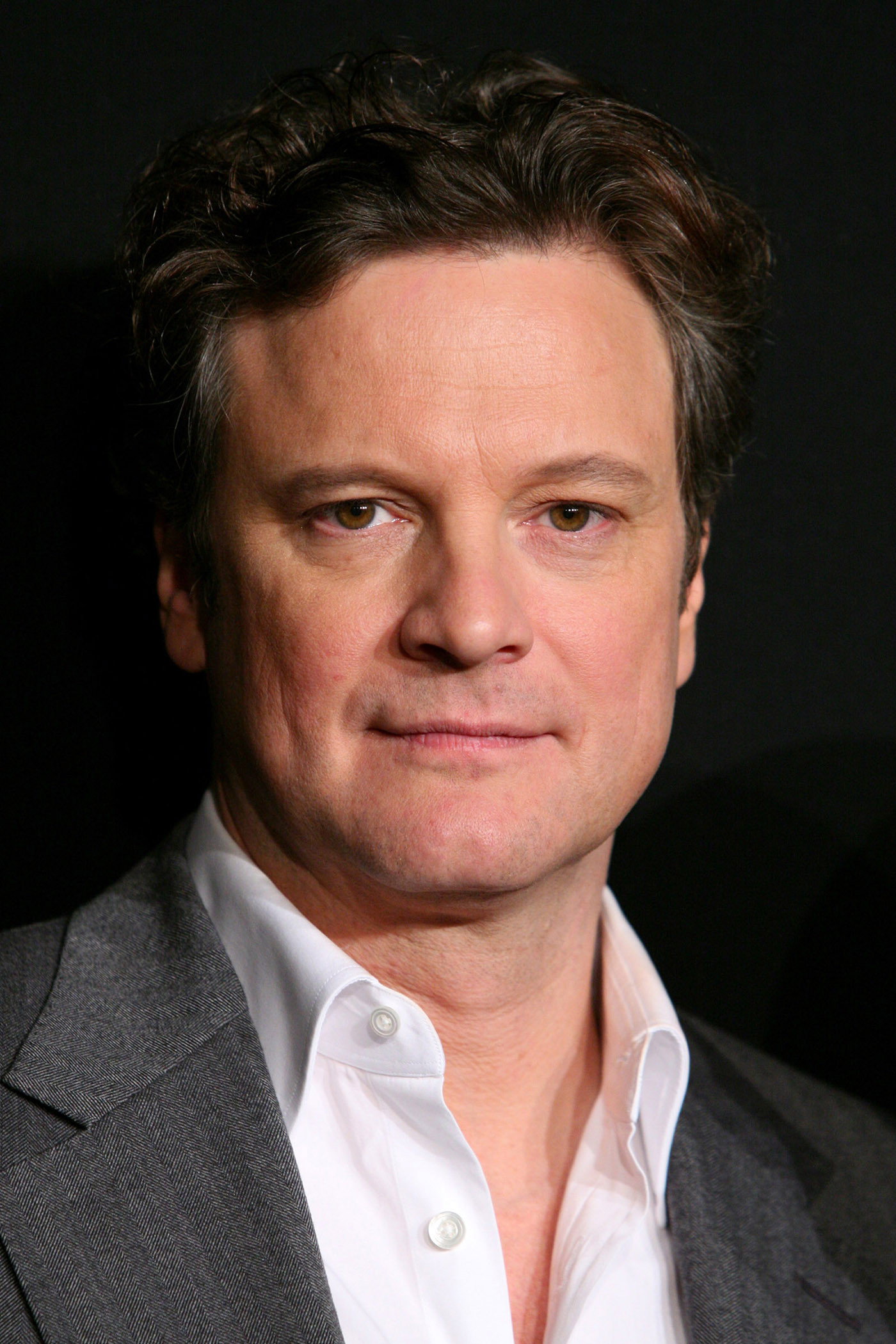
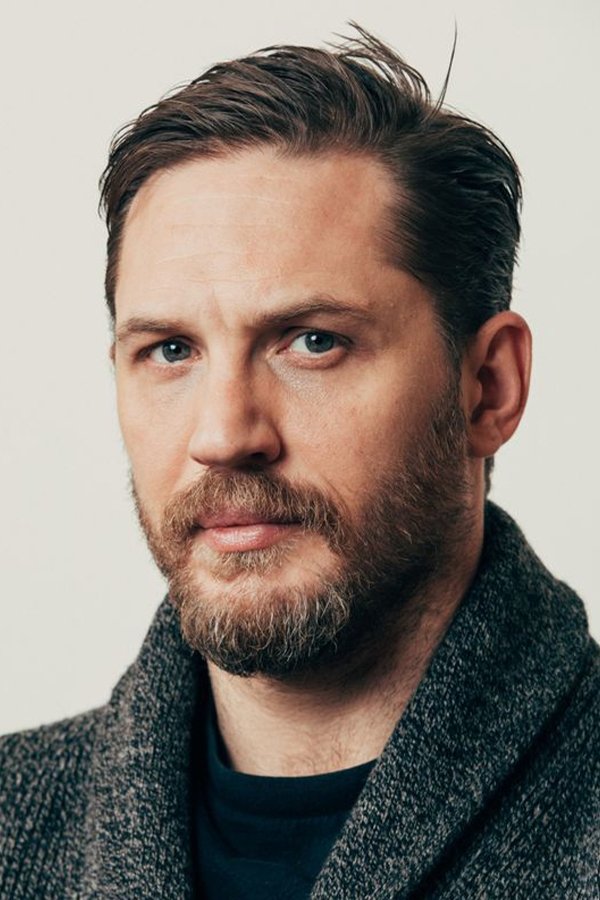
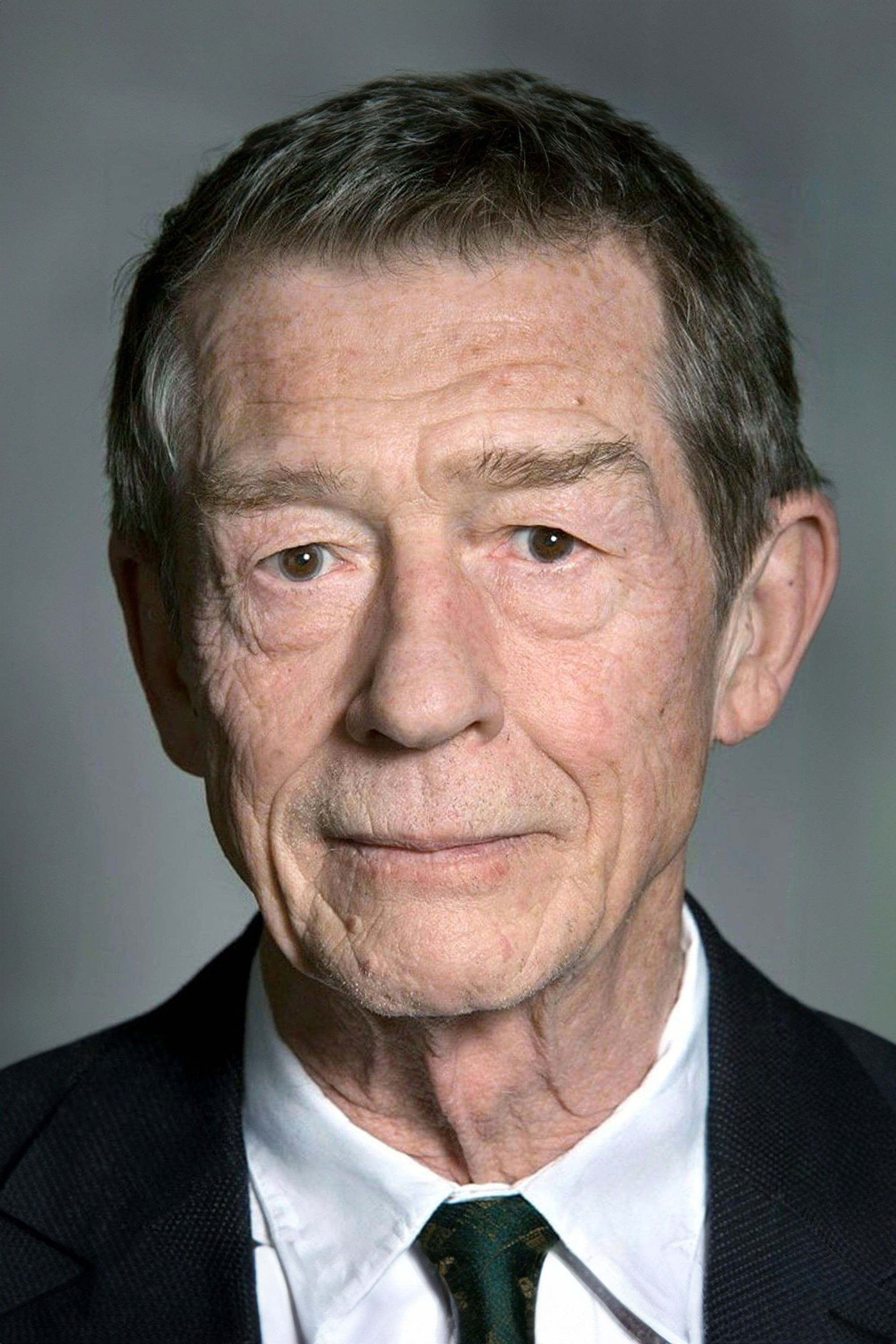
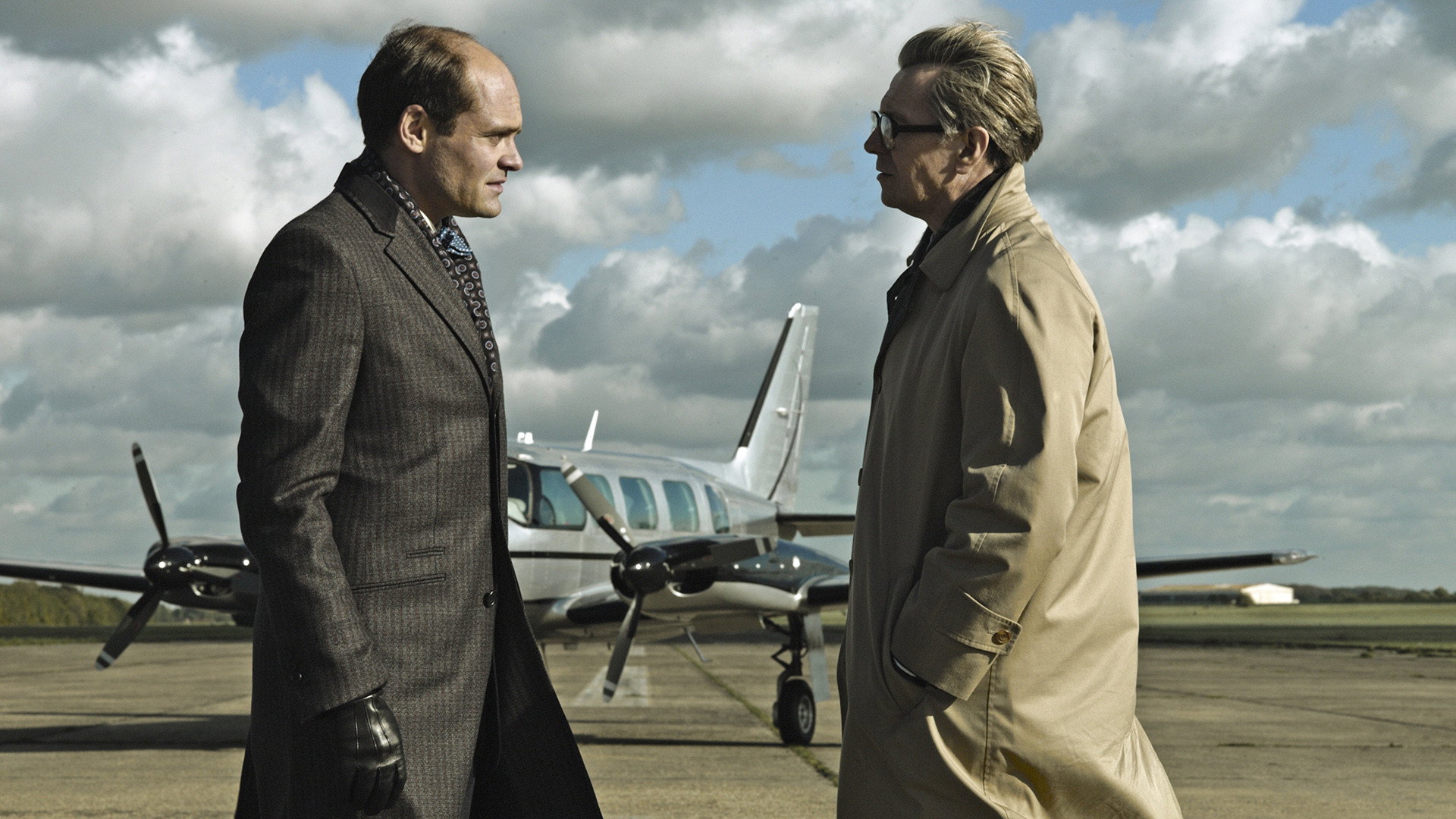
George Smiley (Gary Oldman) hunts a mole within British intelligence during the Cold War. The search involves men whose work depends on keeping secrets, with loyalties to colleagues and country coming under scrutiny. Colin Firth plays Bill Haydon, John Hurt is Control, and Tom Hardy plays Ricki Tarr, among an ensemble that also includes Benedict Cumberbatch as Peter Guillam and Kathy Burke as Connie Sachs. Adapted from John le Carré’s novel, the film follows espionage through the concealed allegiances and personal betrayals of the people who practise it.

Plays from YouTube when you press play; nothing loads from them until then.

Fi1m review

Tomas Alfredson’s spy thriller is tense, melancholy and worth the concentration it demands. Gary Oldman makes Smiley’s stillness compelling, though the compressed storytelling sometimes leaves us sorting out the chronology when we should be worrying about people.

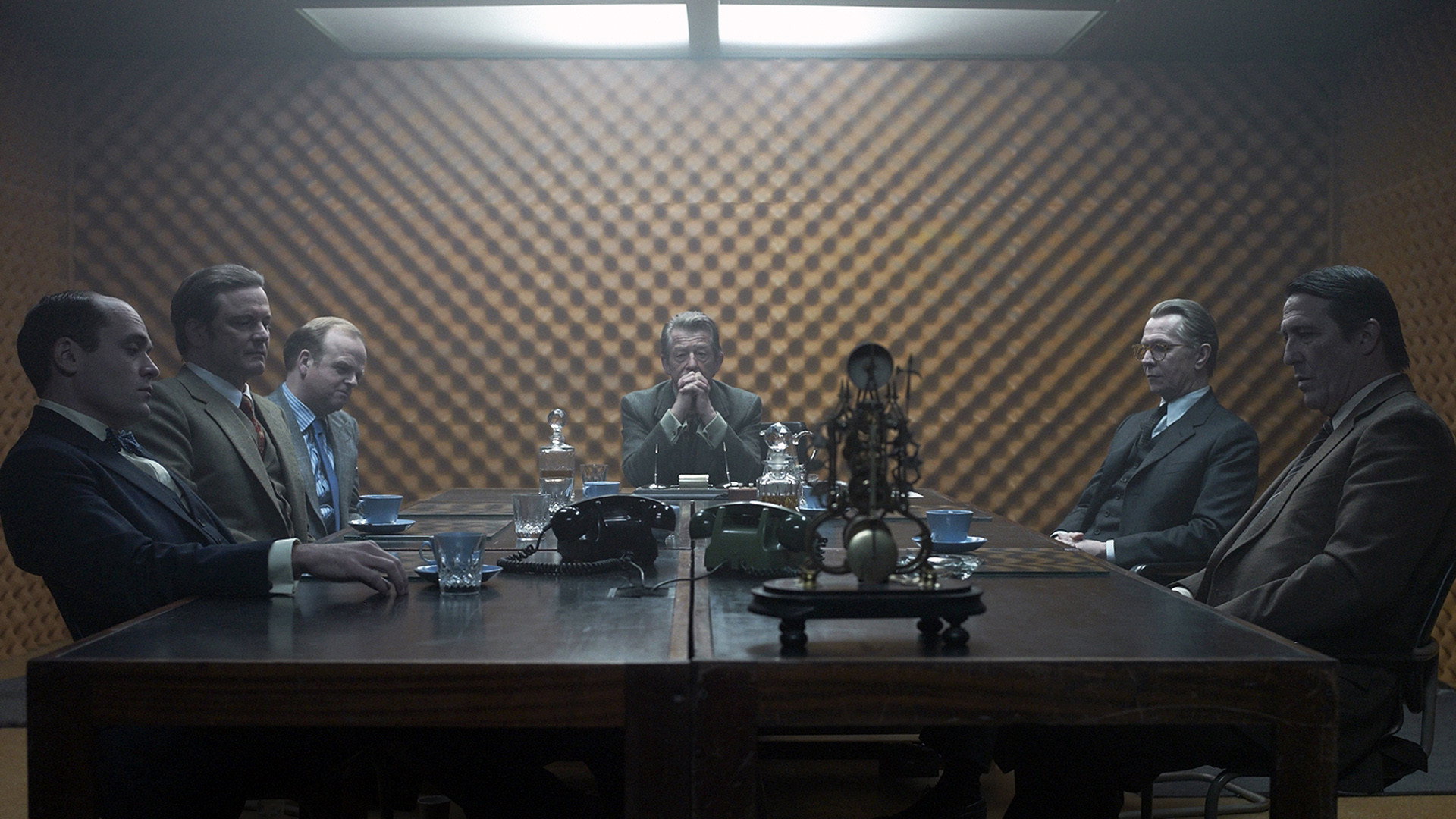
Tomas Alfredson makes the hunt for a mole in British intelligence feel like work performed by people who have forgotten how to do anything else. His adaptation of John le Carré’s novel is a tense, absorbing spy film, provided we accept that keeping up will take some effort. The Cold War setting supplies the official reasons for secrecy, but loyalty between colleagues matters just as much. Alfredson keeps our attention on the people conducting the search, and on how little reassurance they offer one another.

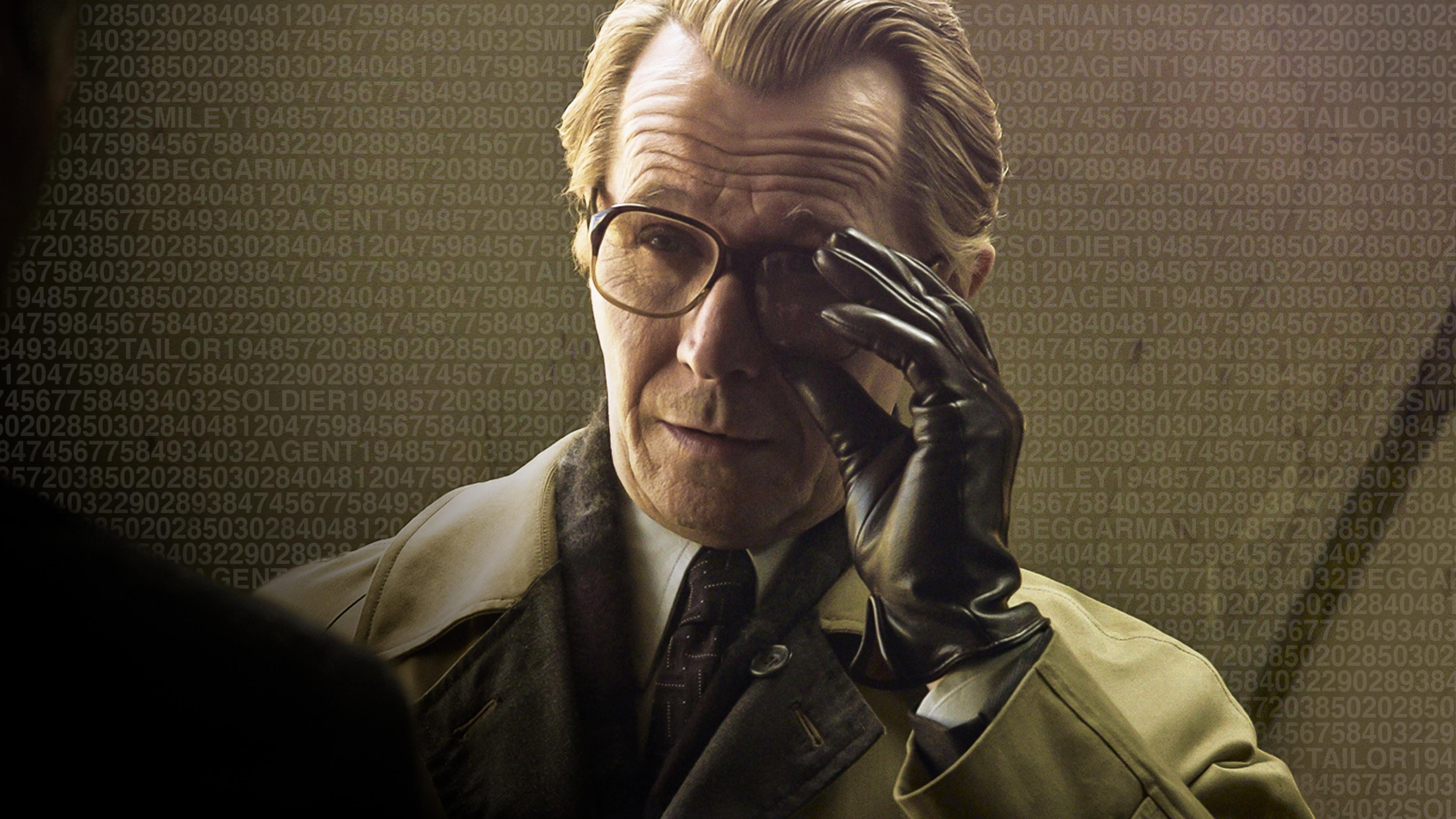
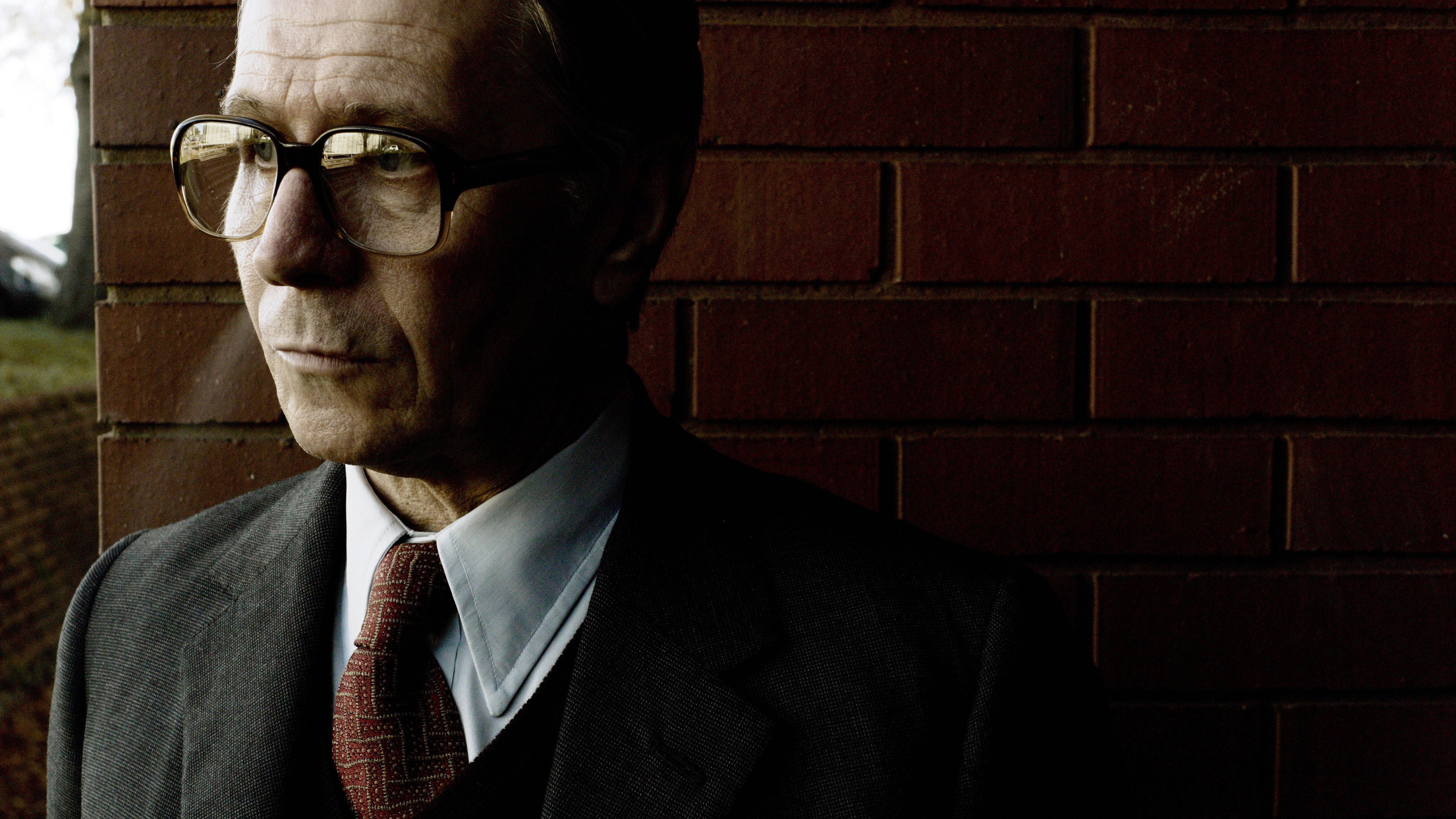
Gary Oldman’s George Smiley gives us little help, which is part of the pleasure. His stillness makes the slightest change of expression seem worth checking, and his reserve never suggests that there is nothing happening underneath. We felt uneasy watching his almost motionless face; Oldman makes it difficult to tell how much Smiley has understood, or how much he is prepared to forgive. Alfredson allows that uncertainty to persist without pushing the performance towards an obvious display of feeling.

Hoyte van Hoytema’s muted colours make this a dispiriting place to spend a working life, and that is an effective choice for a story about compromised loyalties. Maria Djurkovic’s production design gives the 1970s setting a convincing everyday drabness rather than inviting us to admire the period recreation. The details suggest an institution whose habits have lasted longer than anybody’s enthusiasm for them. These surroundings help explain why the characters seem so contained: nothing about the place encourages candour.

The difficulty lies in how much Bridget O’Connor and Peter Straughan have to compress into 127 minutes. Their screenplay assumes we can keep track of the people and their divided loyalties while Dino Jonsäter’s editing moves between different points in time. We welcome a thriller that expects concentration, but some of those shifts need clearer bearings. For a stretch, working out when something happened takes attention away from what it means to the person involved. That is a real limitation in a film already so reluctant to let its characters speak plainly.

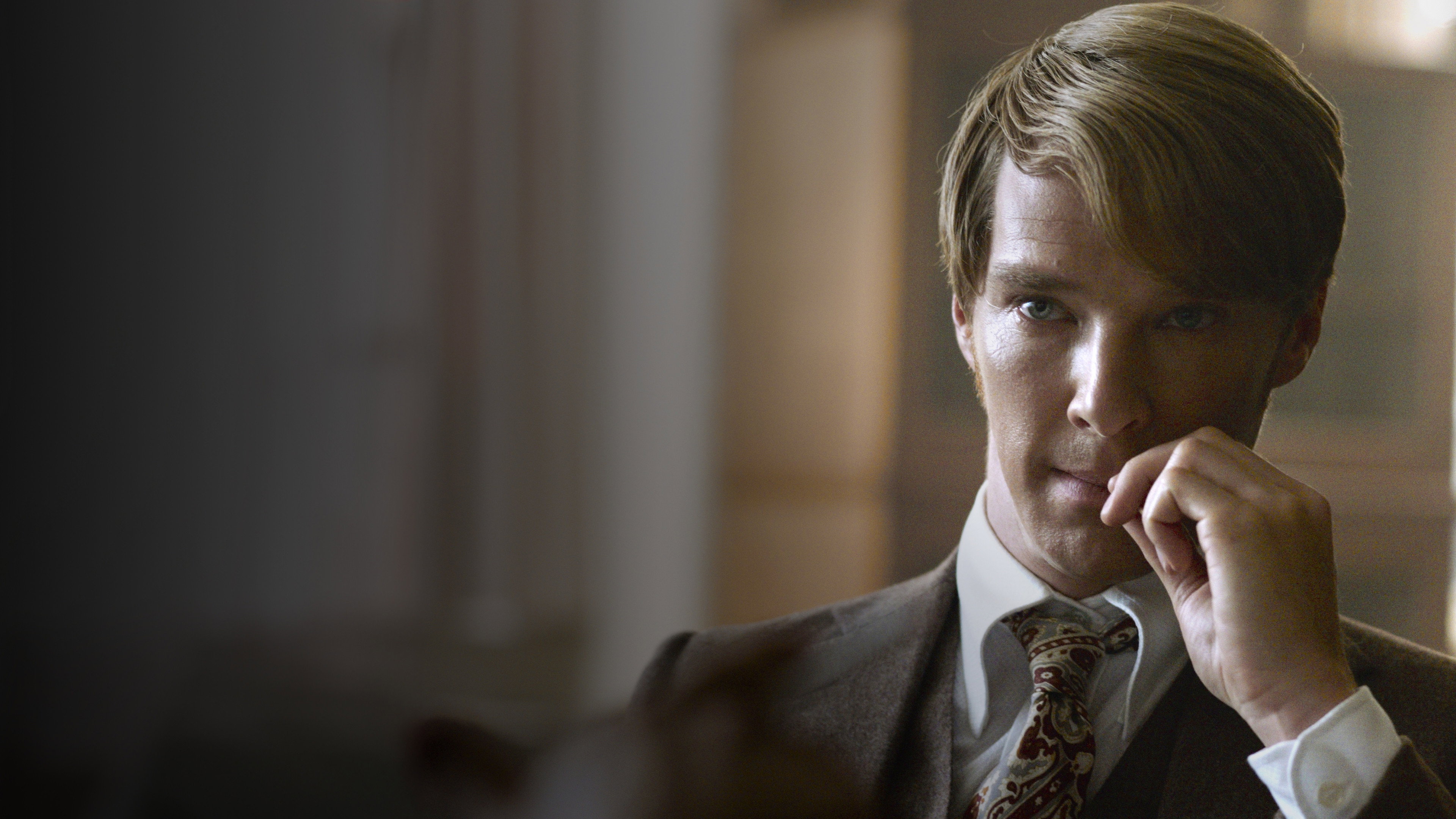
Alberto Iglesias’s score helps sustain the tension without trying to make the espionage seem exciting in the conventional sense. It suits Alfredson’s steady pace, although music cannot supply the human connection that the compressed plotting occasionally misses. The ensemble does supply it, particularly Benedict Cumberbatch as Peter Guillam and Colin Firth as Bill Haydon. Their performances make the personal stakes felt even when the exact arrangement of the intrigue remains hard to follow.

The film’s restraint does sometimes harden into remoteness, and several supporting characters deserve more time than the screenplay can spare. That matters in a story where betrayal ought to hurt as well as help the investigation along. Yet the complaint that the film is emotionally empty seems wrong to us. The weariness in Oldman’s performance, and the loneliness running through Alfredson’s account of these secretive lives, give the search consequences beyond the solution to a puzzle.

As a spy thriller, Tinker Tailor Soldier Spy gets considerable suspense from the everyday labour that more hurried films would skip. Its patience pays off, even if its tangled chronology occasionally does not. Give it an evening when following a difficult conversation sounds more inviting than escaping one, and keep the distractions out of reach.
Critical consensus AI synthesised

77
Positive
13
Mixed
3
Negative
0

Most critics respond warmly to Tinker Tailor Soldier Spy, with praise clustering around Tomas Alfredson’s restrained direction, the oppressive period atmosphere and Gary Oldman’s understated Smiley. The ensemble earns broad approval, as do the production detail and a screenplay that compresses a complicated novel without abandoning its moral unease. Admirers find the slow pace absorbing: the quiet exchanges and unglamorous spywork build dread without relying on action.

The main division concerns how much that restraint asks of the audience. For many, the dense plotting rewards attention; for others, it obscures both the investigation and the people involved. Den of Geek and Digital Spy admire the craft but find too little emotional involvement, while the Evening Standard regards the film as slow and mannered. The spread runs from strong enthusiasm to qualified disappointment, with even the less persuaded reviews acknowledging the performances and visual craft.

Los Angeles Times
9 December 2011 · Kenneth Turan
90*

Turan praises the film as an enormously impressive piece of work and perhaps the great spy tale of our time. He singles out the masterful direction that creates rich atmosphere and personality while artfully compressing the complex novel.

Read the full review →
Empire
5 September 2011 · Angie Errigo
85*

The critic hails the film as a superior, grown-up whodunit that succeeds on its own terms, praising the literate screenplay, Alfredson's precise direction, and Oldman's subtle, expressive performance as Smiley amid an excellent ensemble.

Read the full review →
Slant Magazine
3 December 2011
85*

The impeccably crafted film excels at conveying ambiguity and ethical unease through its atmospheric details and unemphatic presentation of spywork as gruntwork rather than glamour, though it leaves a sense that little has ultimately been achieved.

Read the full review →
The New York Times
9 December 2011 · Manohla Dargis
85*

Dargis calls the film a superb adaptation that is a pleasurably sly and involving puzzler. She singles out the persistent dread that permeates the murky world of British intelligence and Gary Oldman’s delicate, understated performance as Smiley.

Read the full review →
Little White Lies
16 September 2011 · 4/4/4 · Adam Woodward
80

Alfredson's elegant, authentic slow-burn eschews thriller clichés for unmitigated period detail and duplicity. Gary Oldman's career-best turn as the principled Smiley anchors the compelling ensemble and grainy 1970s recreation.

Read the full review →
The Independent
18 September 2011 · Jonathan Romney
80*

The critic finds the adaptation a dense, rewarding puzzle that demands attentive viewing, praising its visual atmosphere, complex narrative restructuring, and standout performances, especially Gary Oldman's inscrutable Smiley.

Read the full review →

Cast

Stills

Awards

Academy Awards, 2012

Nominated
Best Actor
Nominated
Best Original Score
Nominated
Best Writing, Adapted Screenplay

European Film Award for Best Actor, 2012

Nominated
European Film Award for Best Actor

European Film Award for Best Cinematographer, 2012

Nominated
European Film Award for Best Cinematographer

European Film Award for Best Composer, 2012

Won
European Film Award for Best Composer

European Film Award for Best Production Designer, 2012

Won
European Film Award for Best Production Designer

European Film Award – People's Choice Award for Best European Film, 2012

Nominated
European Film Award – People's Choice Award for Best European Film

If you liked this, try…

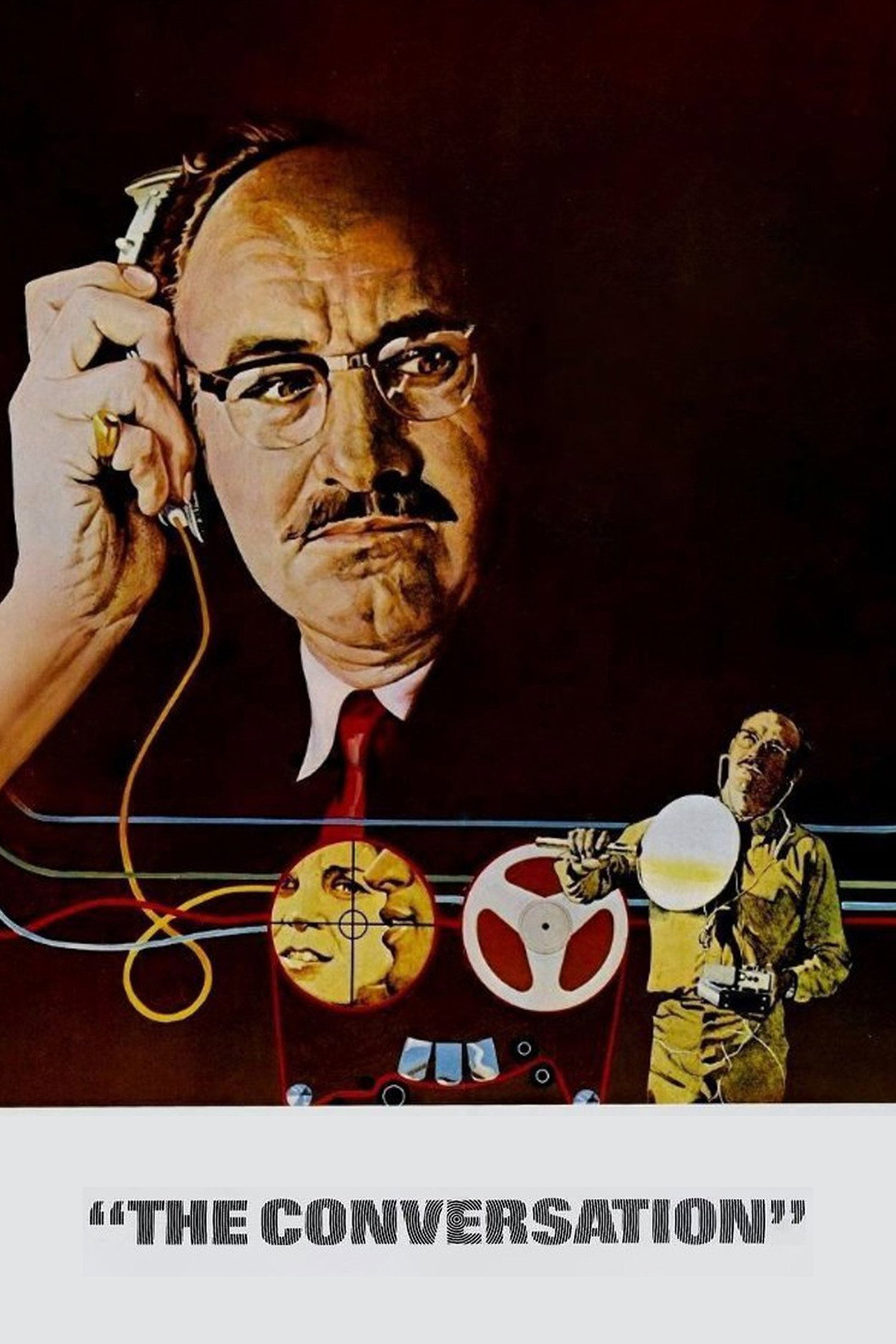
The Conversation poster

The Conversation

1974 · Patient surveillance work and an isolated professional make ordinary listening feel dangerous.

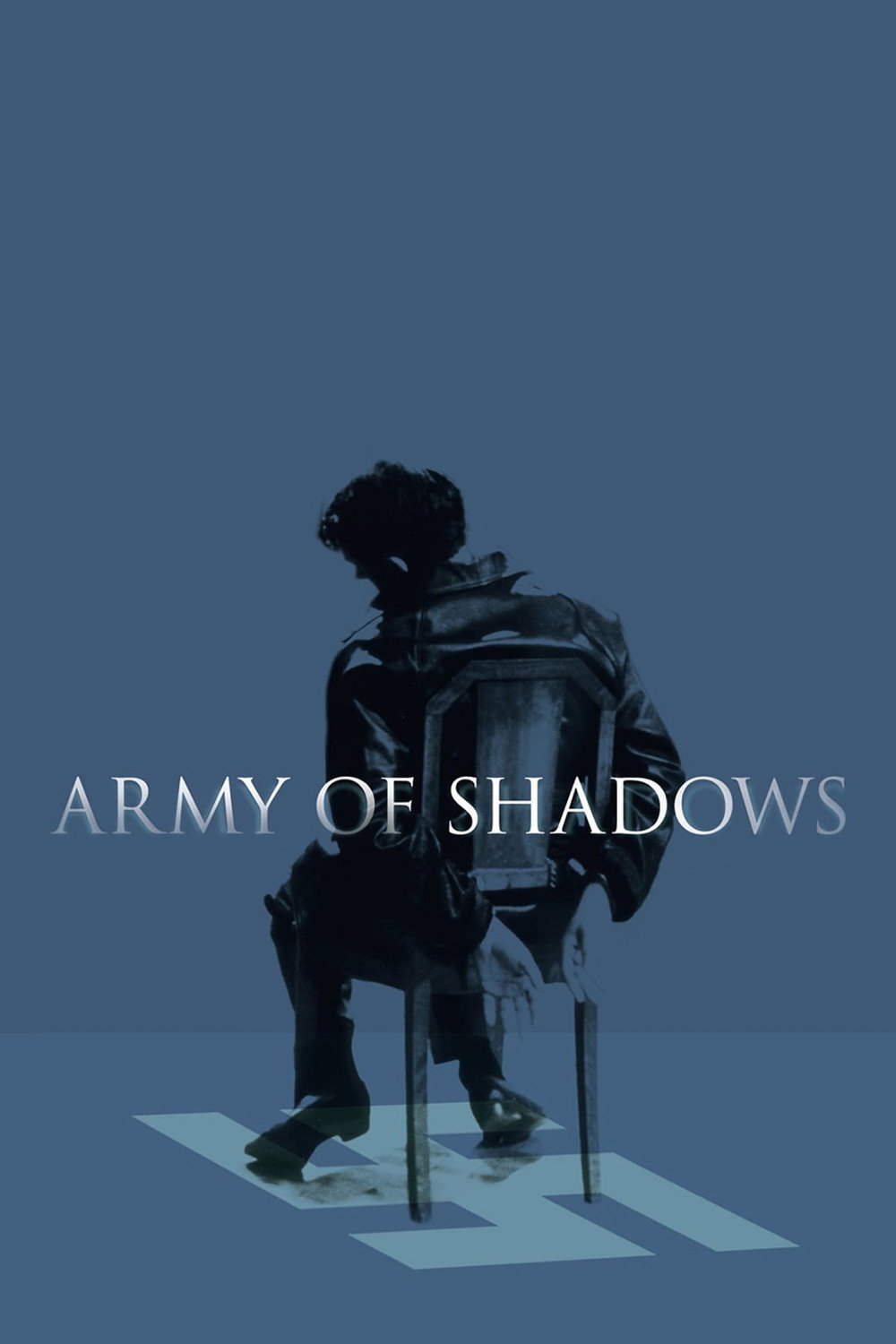
Army of Shadows poster

Army of Shadows

1969 · Secrecy and compromised loyalties put pressure on every human connection.

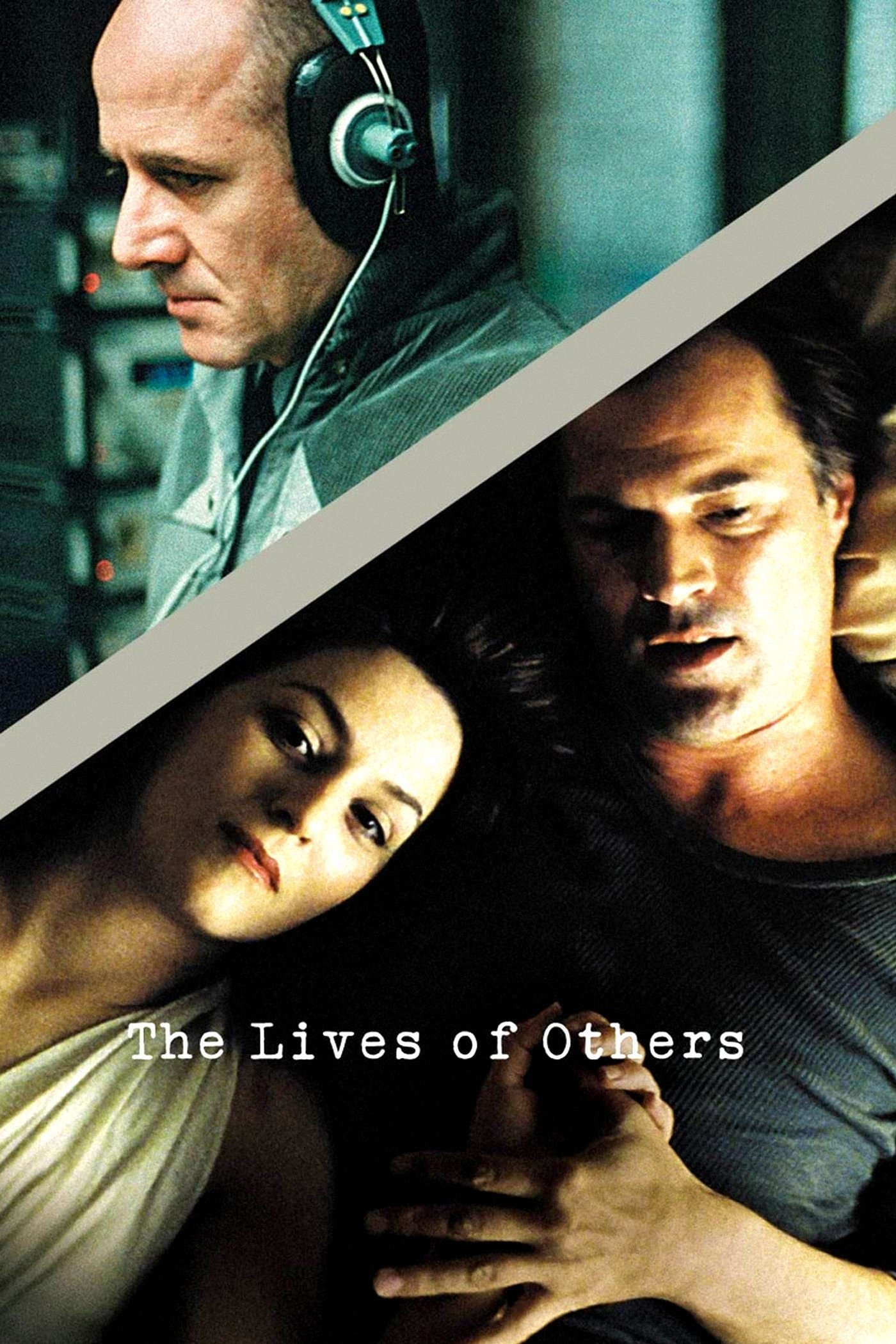
The Lives of Others poster84

The Lives of Others

2006 · Another watchful account of surveillance, with more room for openly expressed feeling.

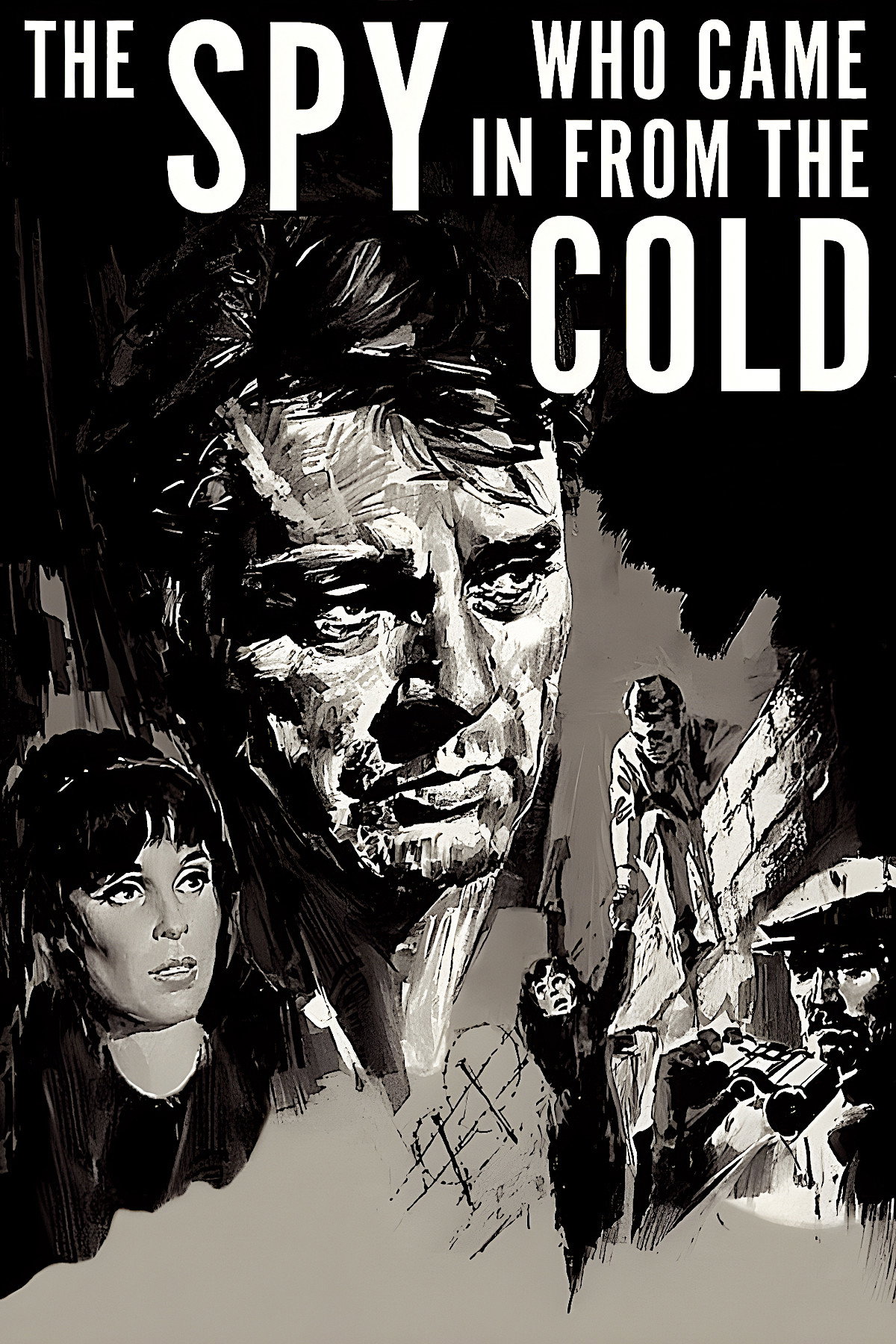
The Spy Who Came in from the Cold poster

The Spy Who Came in from the Cold

1965 · Le Carré’s spies endure another bleak examination of loyalty and institutional usefulness.

The Bureau poster

The Bureau

2015 · The longer form gives professional secrecy and personal attachments time to clash.