John le Carré’s spy stories are worth the concentration because he makes misplaced trust matter. On screen, we prefer the patient attention to people in Tinker Tailor Soldier Spy to the more straightforward pleasures of The Night Manager.
Fi1m perspective
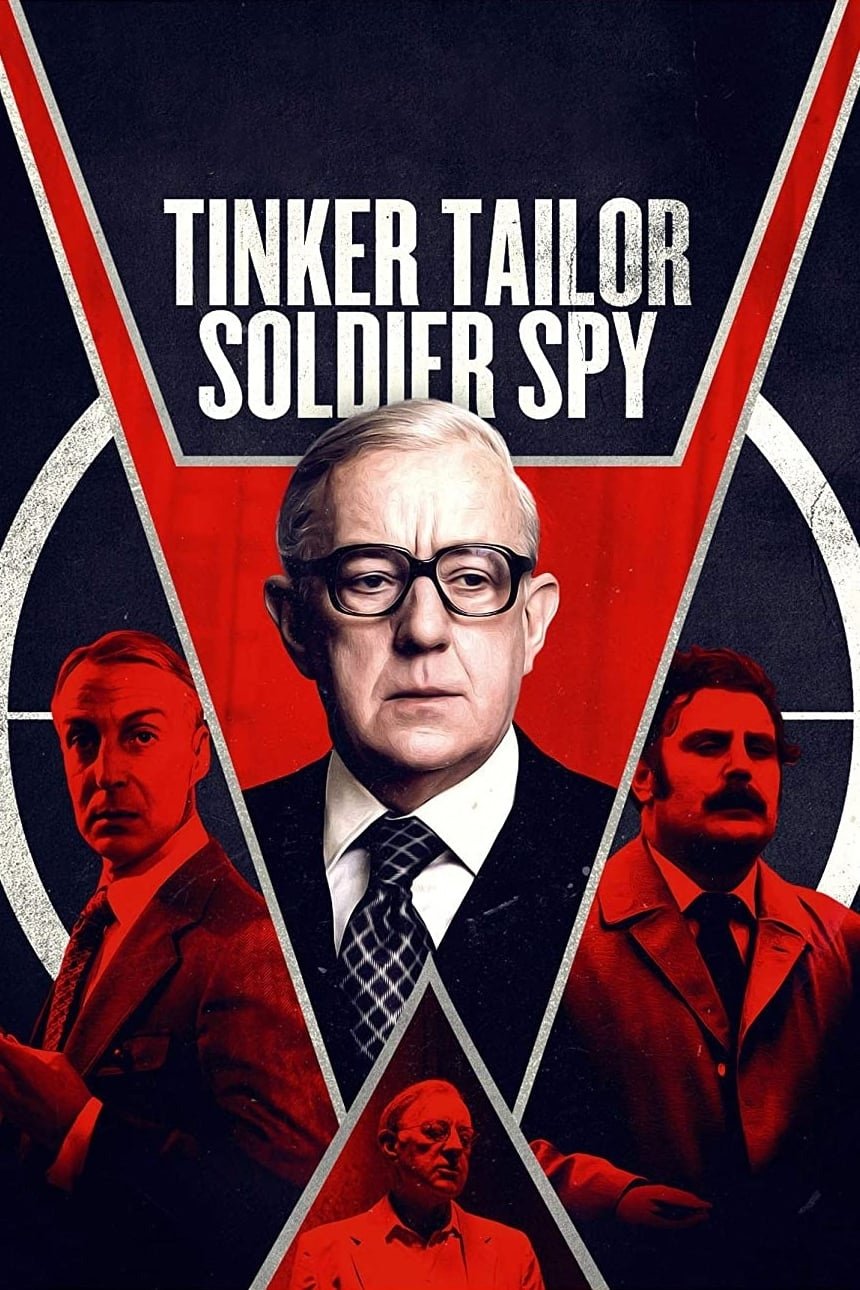
George Smiley has to identify a traitor among Britain’s master spies, but the investigation hurts because these people have trusted one another. In Tinker Tailor Soldier Spy (1979), Alec Guinness makes that disappointment worth watching across seven deliberately unhurried episodes. We were moved by its attention to the cost of misplaced loyalty; the search keeps returning us to the people involved. Arthur Hopcraft’s adaptation, directed by John Irvin, gives them time to matter without losing the question of who has betrayed whom. The pace sometimes tests us, but this is the le Carré adaptation we would start with.
The Spy Who Came in from the Cold (1963) established le Carré’s reputation for espionage in which doing the job could mean doing something wrong. The Smiley/Karla trilogy followed between 1974 and 1979, beginning with the novel Tinker Tailor Soldier Spy (1974). By The Night Manager (1993), he was writing in a post-Cold War setting. The recurring concern is what secrecy does to people and how much loyalty they can afford. These are useful questions for actors, because they leave something to play beyond competence.
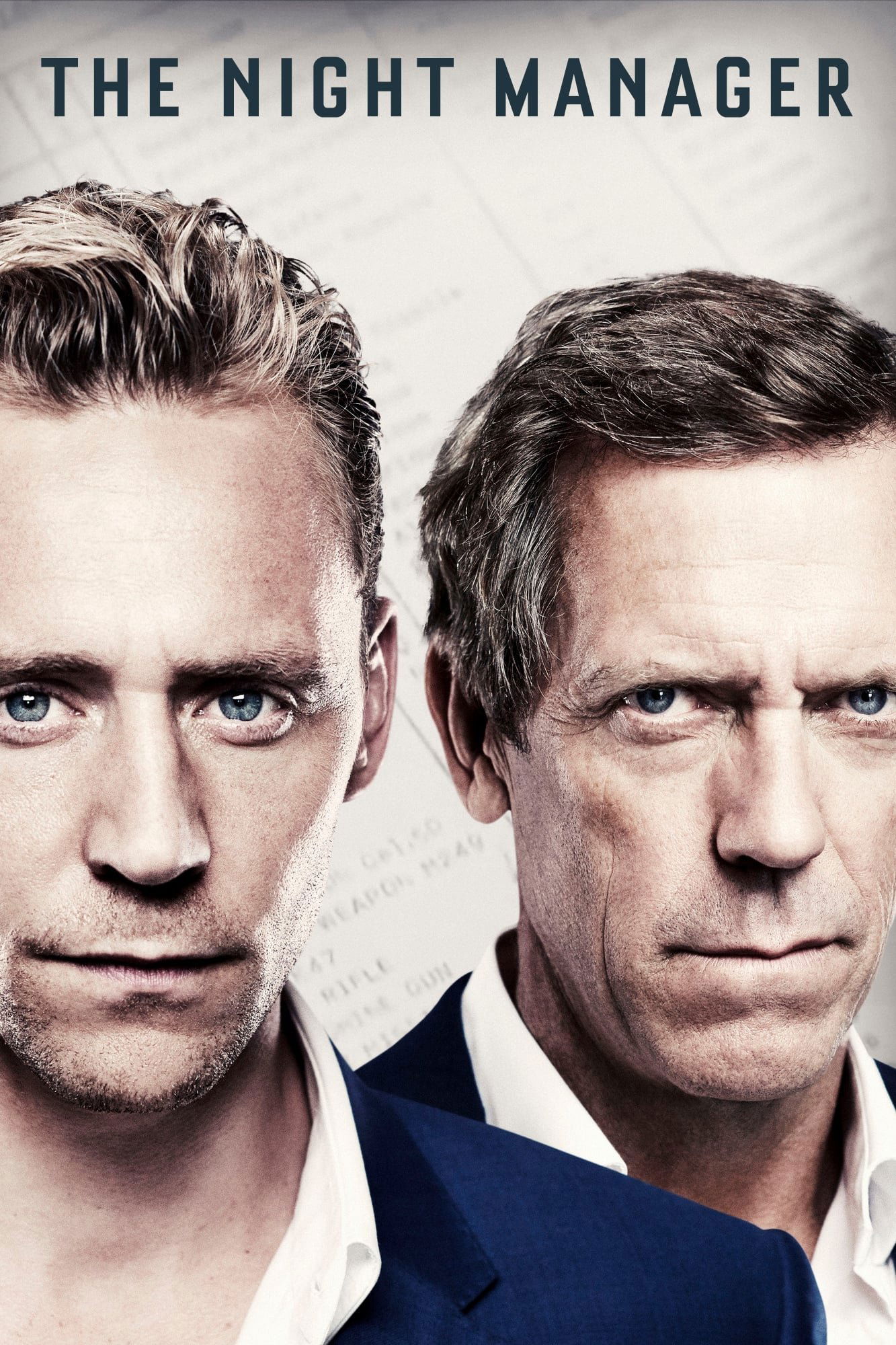
The Night Manager (2016) offers a more straightforward pleasure in watching Tom Hiddleston and Hugh Laurie size each other up. Susanne Bier directs with assurance, and David Farr’s adaptation puts that mutual assessment close to the centre. The suspense holds, and watching those actors remains a pleasure even when we can anticipate the plotting. It is thoroughly enjoyable television, though it offers less uncertainty about whom to trust than le Carré’s name leads us to expect.
But Farr’s supporting characters have too little independent life, and their functions become apparent too soon. The actors suggest complications the writing does not supply, a limitation of this adaptation that we should not simply attribute to the novelist. Le Carré’s recurring interest in divided loyalties gives us good reason to expect more, without requiring every version of his work to move at Smiley’s pace. Choose the 1979 series when there is time to concentrate; The Night Manager asks less of us and still earns its evening.
Biography
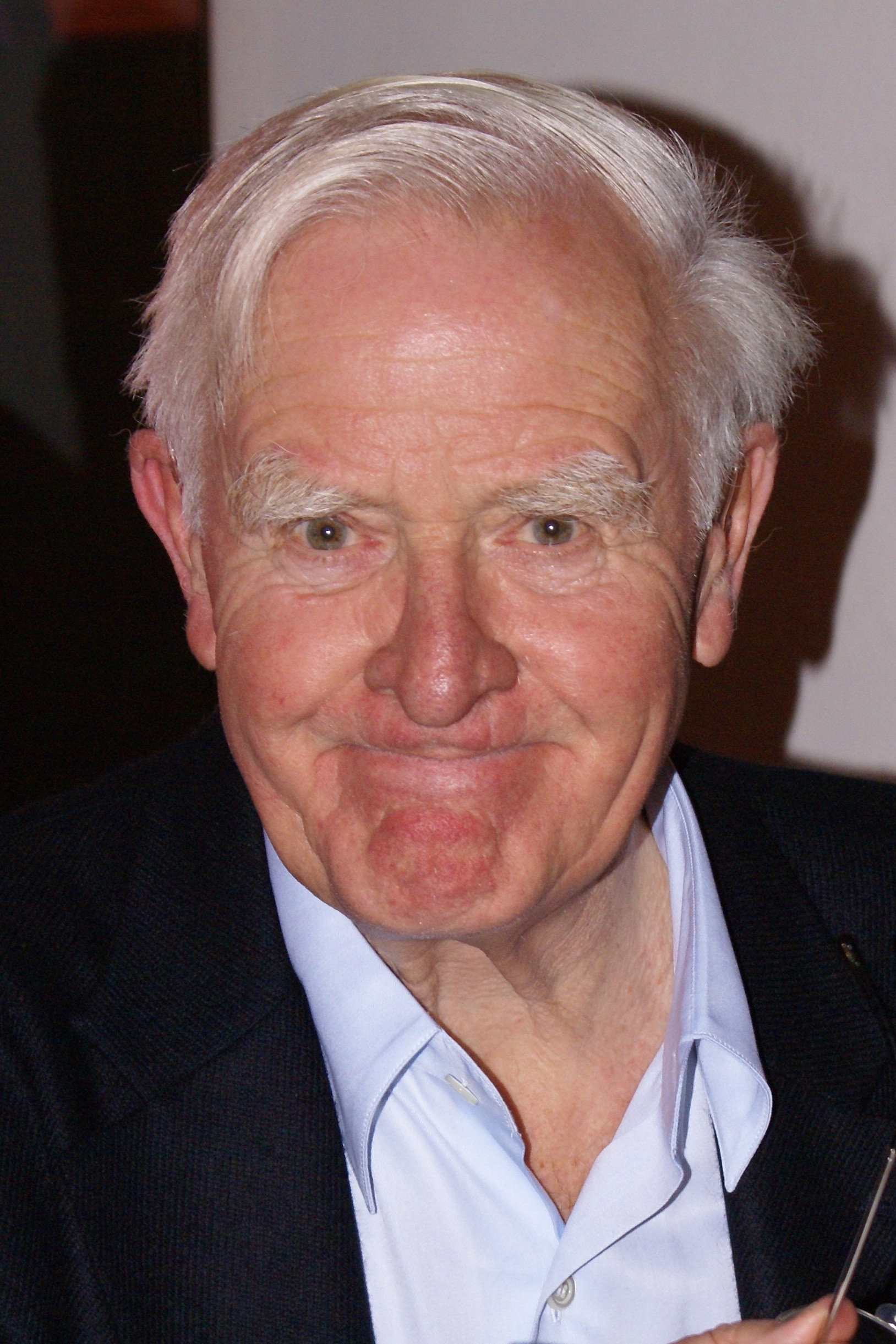
John le Carré, the pen name of David John Moore Cornwell, was a British writer of espionage novels. Born in Poole, Dorset, on 19 October 1931, he was educated at Sherborne School, the University of Bern and Lincoln College, Oxford, where he read Modern Languages. He taught briefly at Eton before joining the British Foreign Service in 1959, serving in Bonn and Hamburg until 1964.
He published his first novel, Call for the Dead, in 1961 and went on to write more than twenty-five novels. His best-known works include The Spy Who Came in from the Cold (1963), the Smiley trilogy beginning with Tinker Tailor Soldier Spy (1974), The Night Manager (1993) and The Constant Gardener (2001). Many were adapted for film and television, including the 1979 BBC series of Tinker Tailor Soldier Spy, on which he is credited as creator, and the 2016 series of The Night Manager, on which he is credited for the novel.
Le Carré died on 12 December 2020.