Alec Guinness makes this patient spy series absorbing and unexpectedly sad. The pace sometimes tests us, but its attention to the cost of misplaced loyalty makes the search for a traitor worth the concentration.
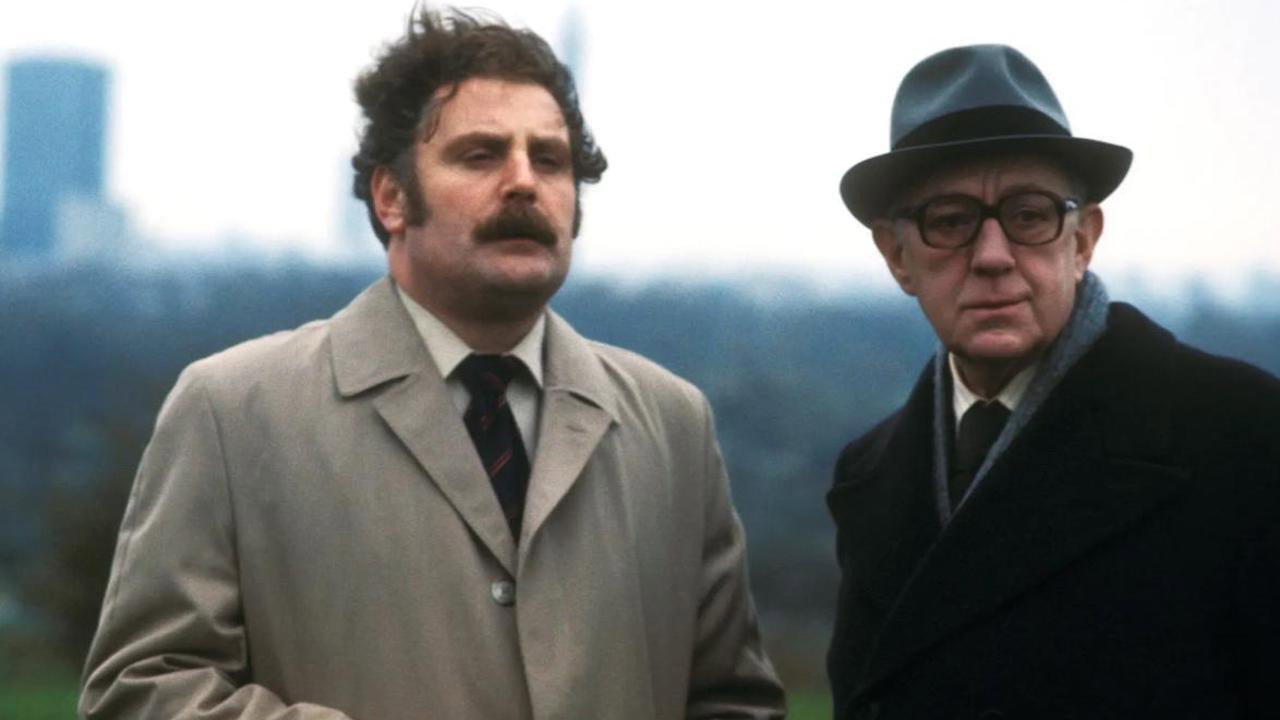
Tinker Tailor Soldier Spy is an excellent spy series that asks for more patience than most evening entertainment. John Irvin’s adaptation of John le Carré’s novel makes the hunt for a traitor absorbing without hurrying past the people involved. The premise is simple: one of Britain’s master spies is working for the enemy, and George Smiley must identify him. Across seven episodes, that question acquires the weight of a professional and personal disappointment. We recommend it, with some tolerance for its slow pace.
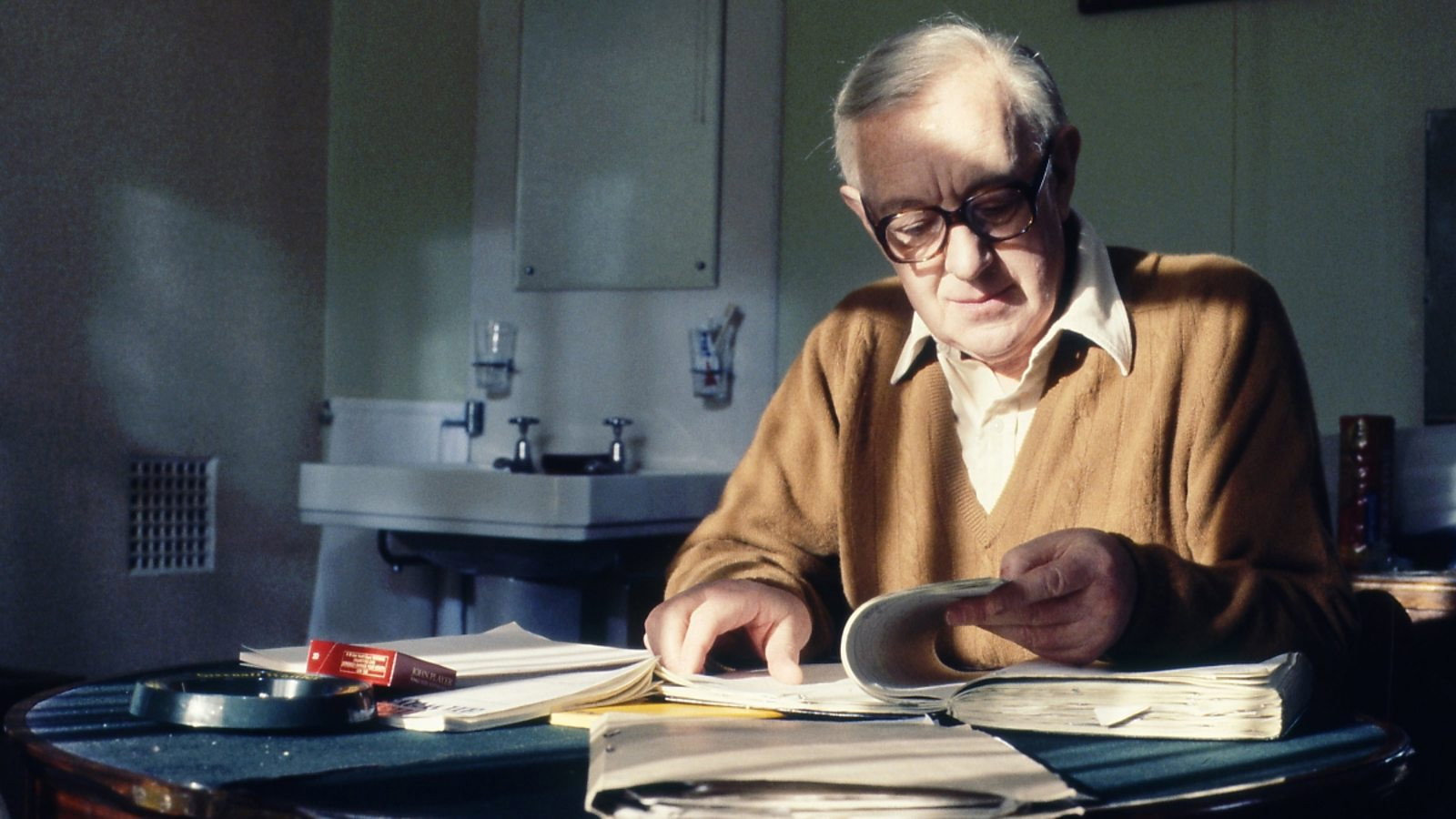
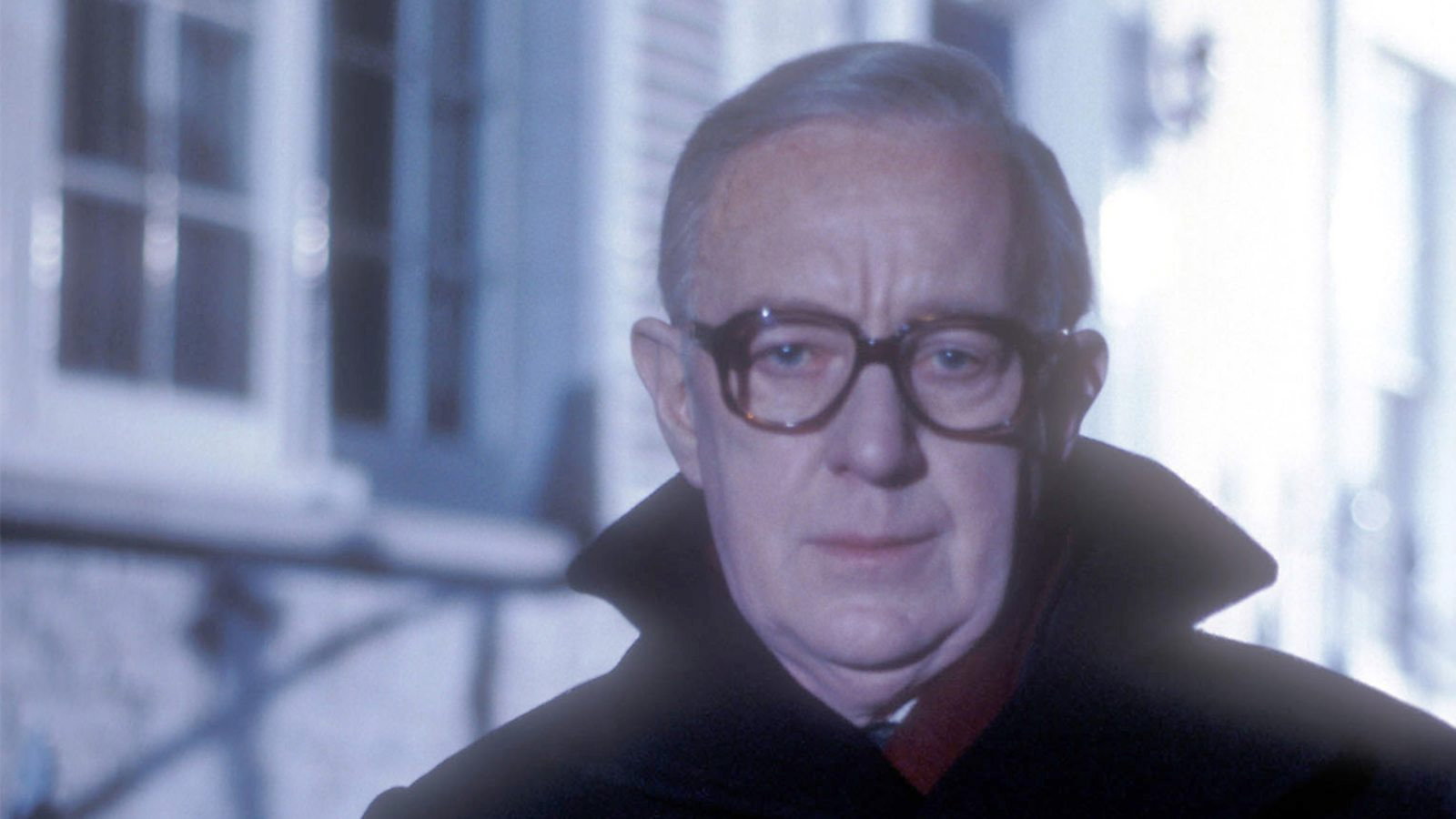
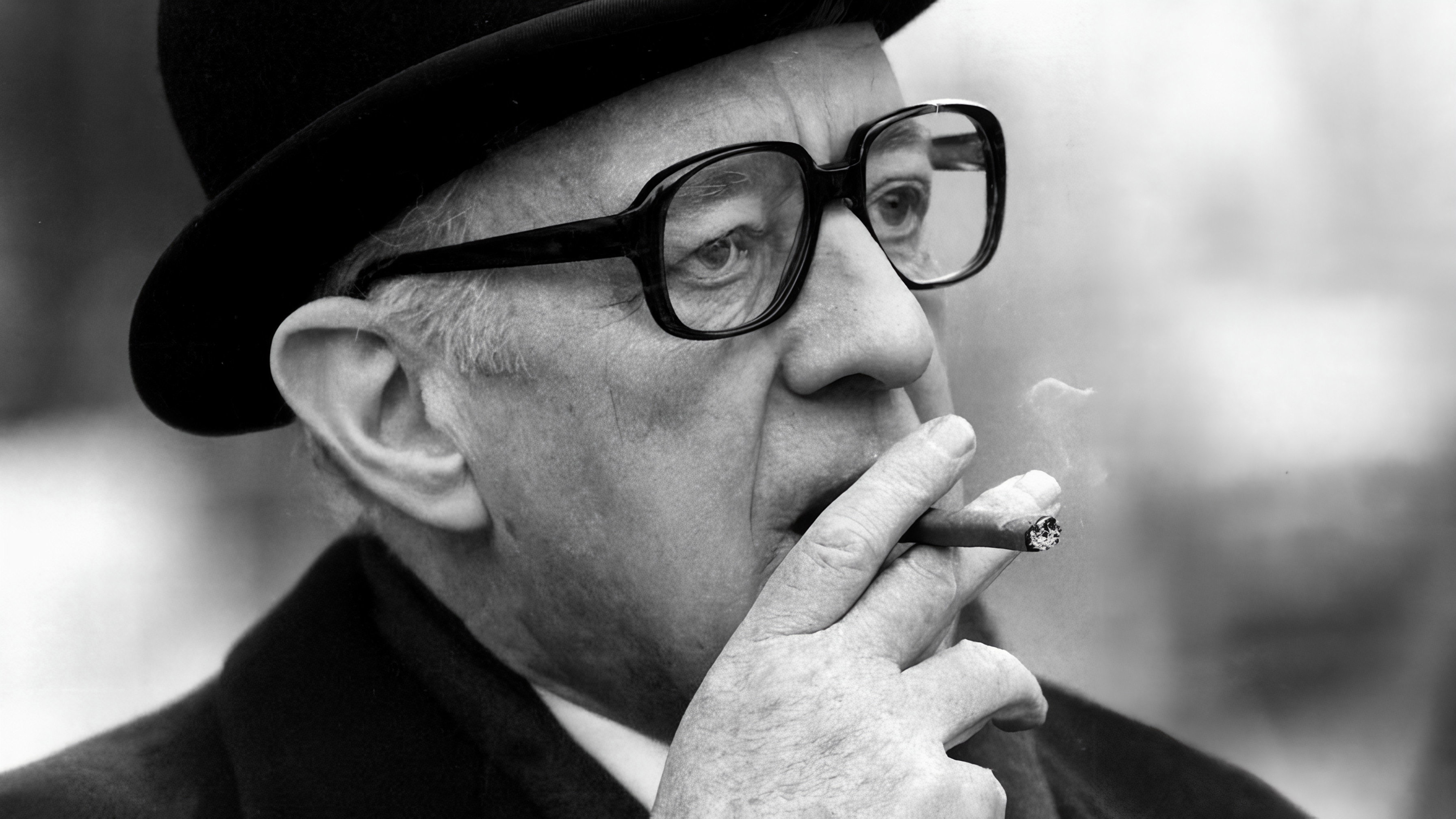
Alec Guinness gives Smiley a quiet obsession that can be uncomfortable to watch. The disillusionment matters because it never seems to release him from his work; he still has to find out. We found his persistence unexpectedly moving. Guinness makes the investigation feel like a task that has become impossible to put aside, even as faith in the profession wears thin. The performance keeps us interested in the damage this work does to a person, as well as in the answer he might reach.
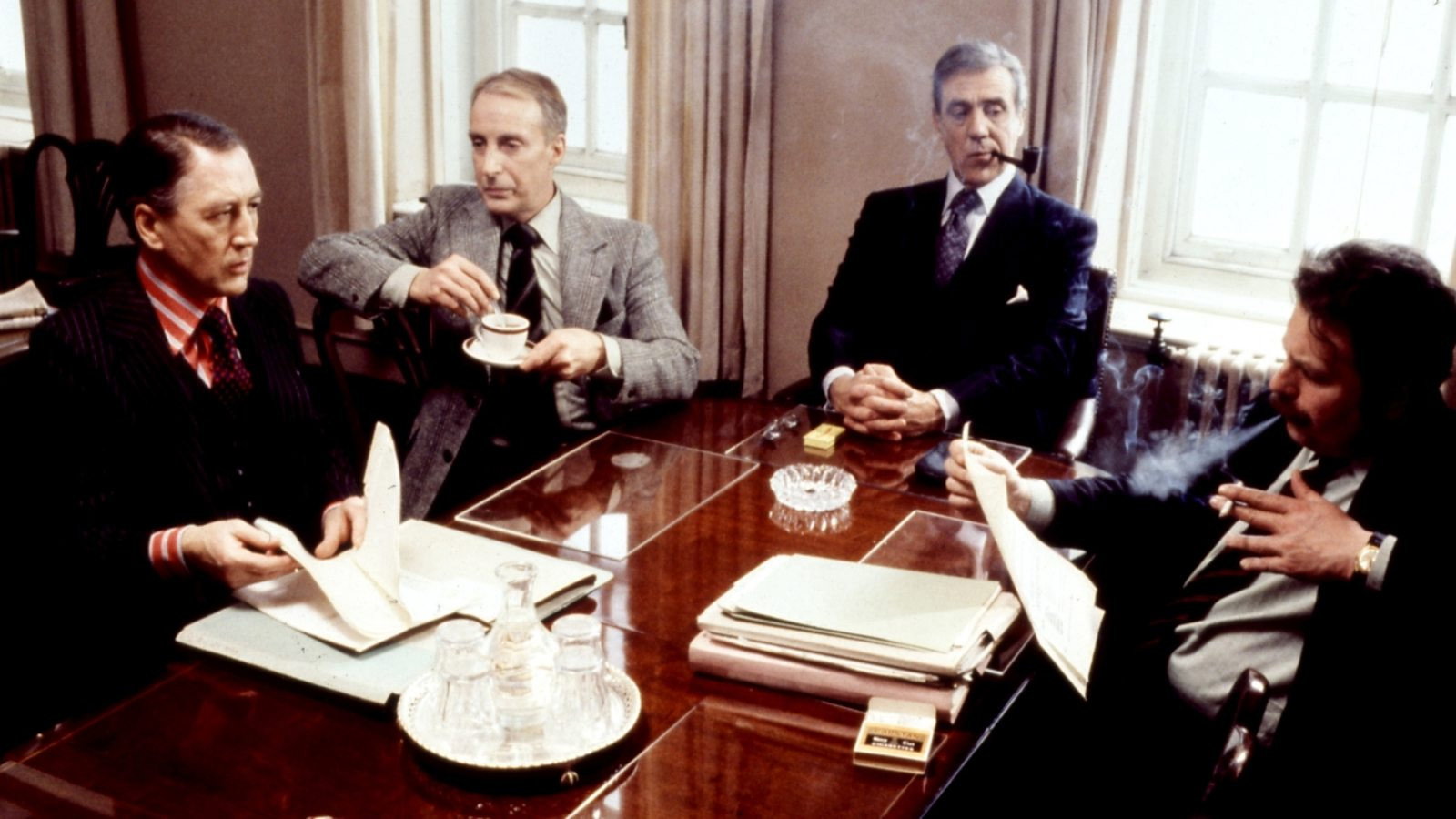
Arthur Hopcraft’s writing preserves room for the bureaucratic side of espionage. Professional loyalty matters here, along with the awkward possibility that knowing how someone works tells us little about whom they serve. Irvin gives those uncertainties time to trouble us. The leisurely treatment is effective because the traitor is already inside a trusted profession, so ordinary working relationships are enough to sustain suspicion. That emphasis makes the stakes easier to understand, even when following the investigation demands close attention.
Tony Pierce-Roberts’s cinematography keeps our attention on Smiley’s watchfulness, where it belongs. We have time to consider the man doing the investigating, including the weariness that Guinness brings to him. Austen Spriggs’s production design helps make this a convincing workplace, which matters when so much depends on professional loyalty. The people seem to belong there, and that makes the prospect of disloyalty troubling. We understand why their positions matter to them, without much wishing to take their places.
Editors Clare Douglas and Chris Wimble allow the leisurely pace to remain a defining part of the series. That gives Guinness’s performance room, though there are stretches when we would welcome a firmer sense of progress. At those points, the investigation feels further away than it should, and maintaining concentration begins to take effort. Geoffrey Burgon’s music works particularly well with the prevailing sadness, without making Smiley’s disillusionment feel self-important. It helps us stay with the unhappiness of the work when the mystery alone might not be enough.
Within espionage drama, the distinction here is the sustained interest in the people who have to live with the answer. That will not suit every evening; sometimes it really is slow, and respect for the acting will not make it quicker. But anyone drawn to the unhappy business of loyalty should find plenty here to justify the attention. Start it when there is time to concentrate, and leave the next episode for tomorrow if tiredness begins to win.