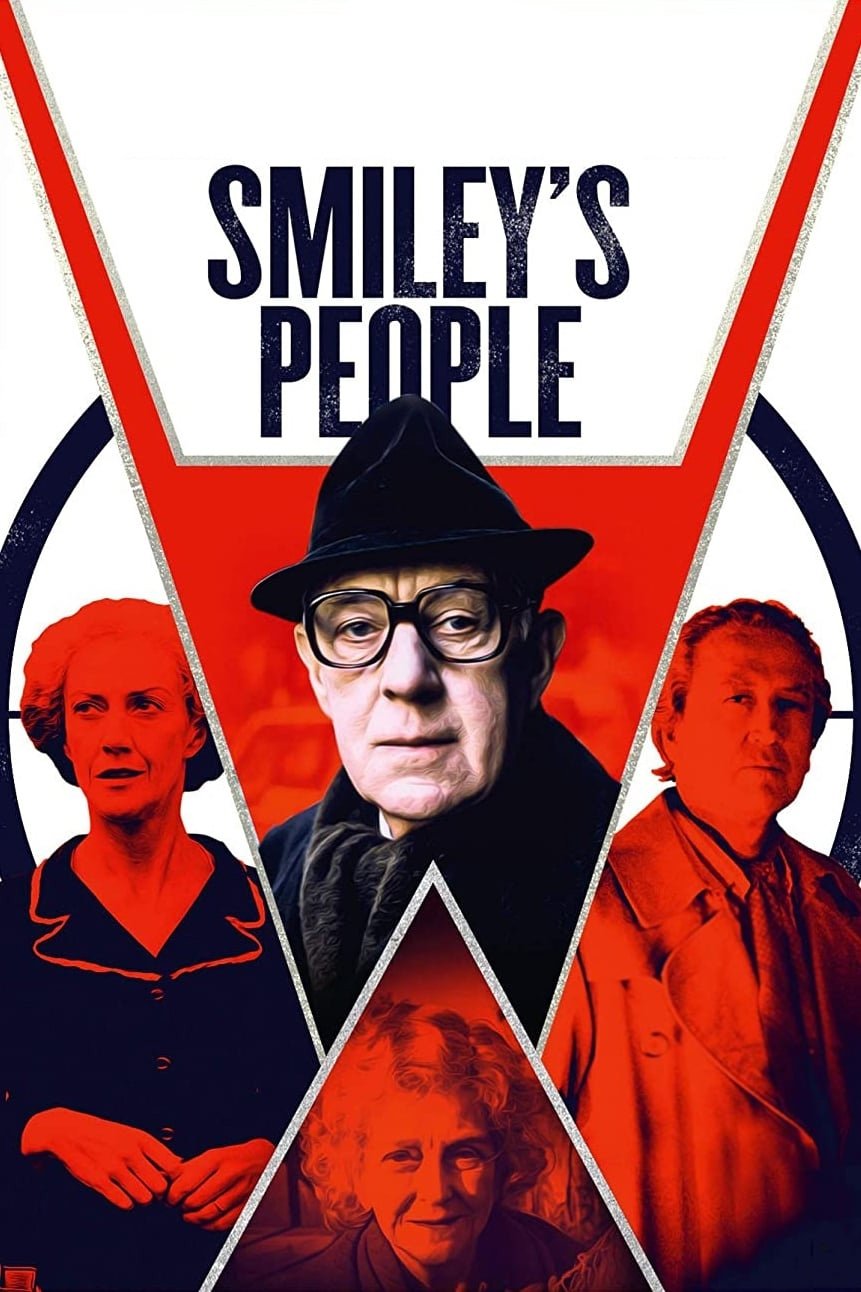
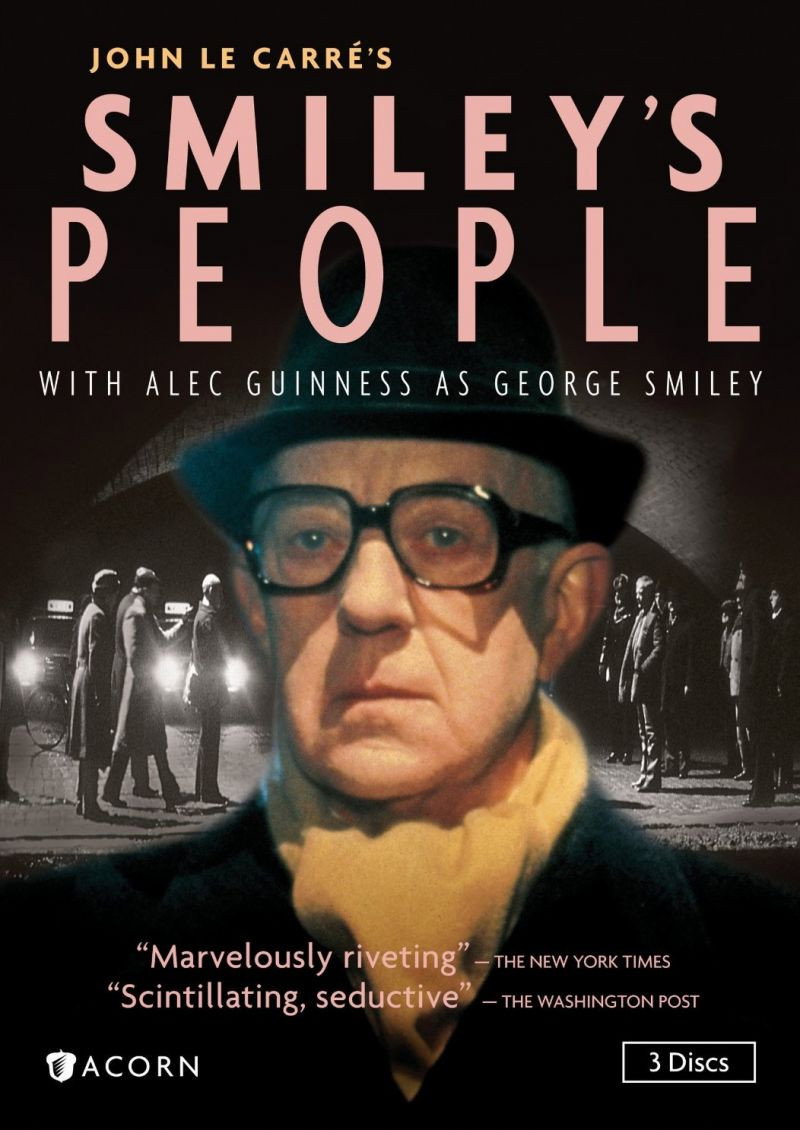
Smiley’s People rewards close attention, chiefly because Alec Guinness makes George Smiley’s restraint so unsettling. The intricate plotting can keep feeling at a distance, but the performances make the effort worthwhile.
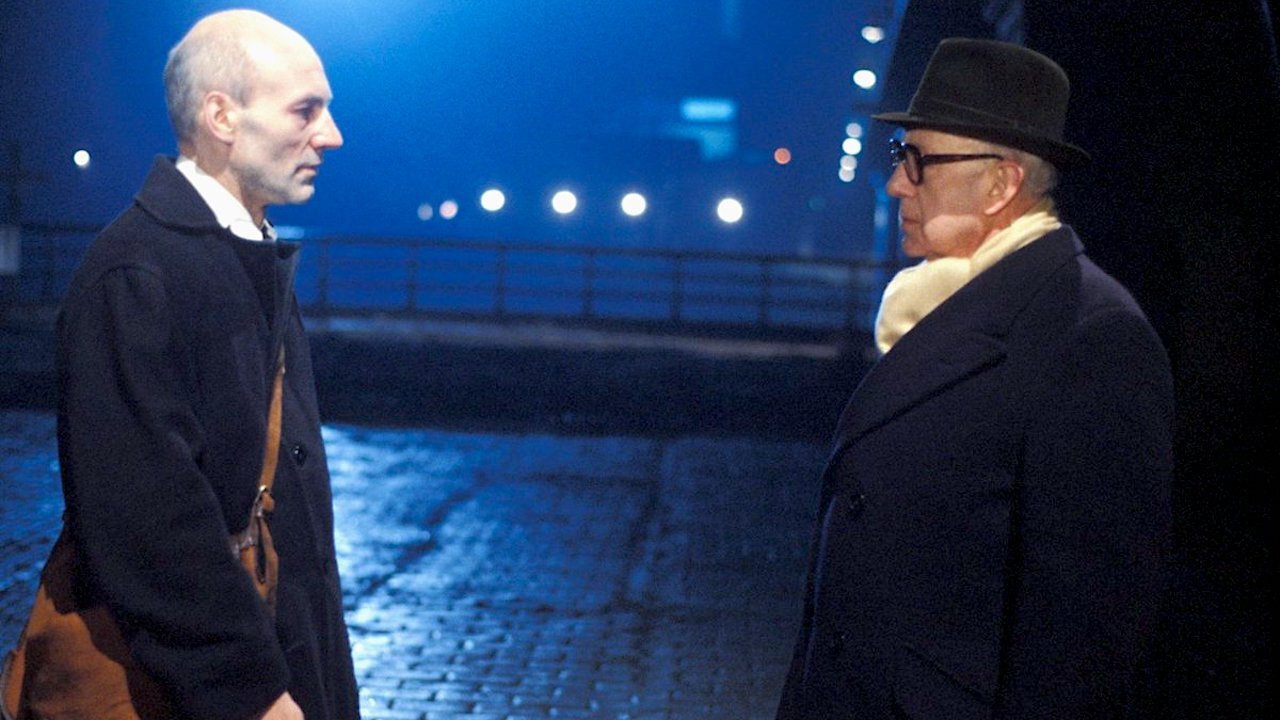
Smiley’s People is absorbing television, with acting good enough to justify the work its intricate plotting demands. Simon Langton directs this six-episode adaptation of John le Carré’s novel, written for television by John le Carré and John Hopkins. Alec Guinness plays George Smiley with a restraint that makes close attention feel necessary. The pleasure is in watching a performance that gives us little help in deciding how comfortable we should feel about the man at its centre.
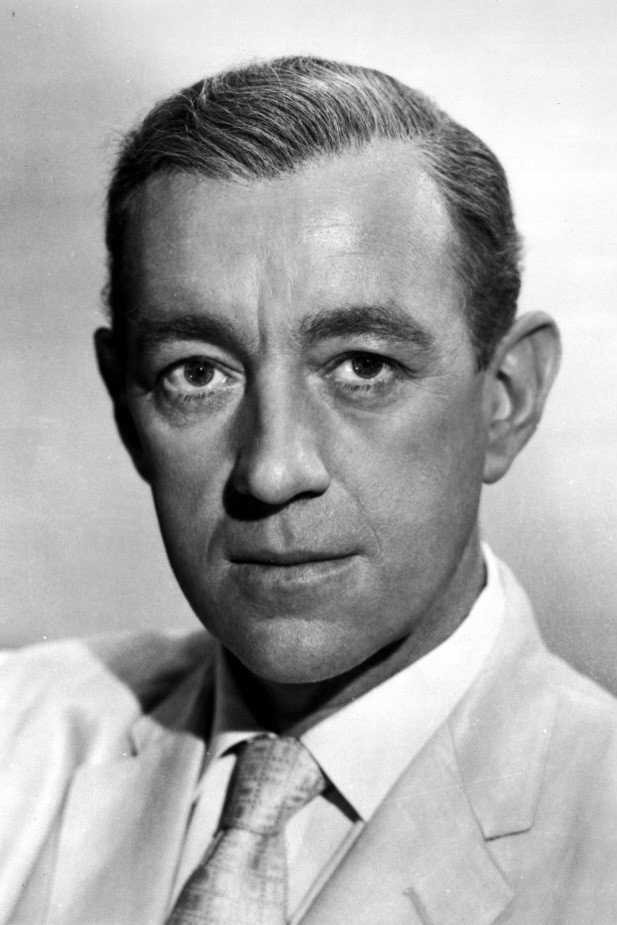
We found Alec Guinness unsettling. His controlled playing allows Smiley’s ruthlessness to emerge without the actor signalling a change into somebody more obviously dangerous. A quiet manner is easy to accept as reassurance, and the performance makes us conscious of having done just that. He gives us enough to keep looking, but does not tidy the character into someone we can simply approve of or condemn. It is exacting work, and the series benefits from his unwillingness to explain the man for us.
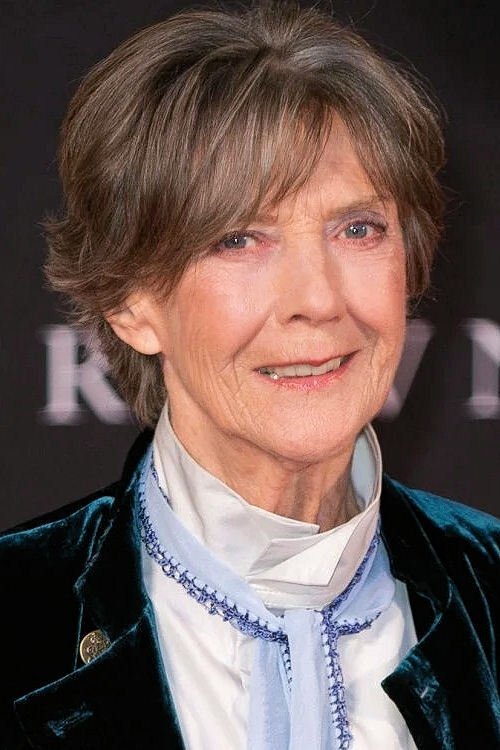
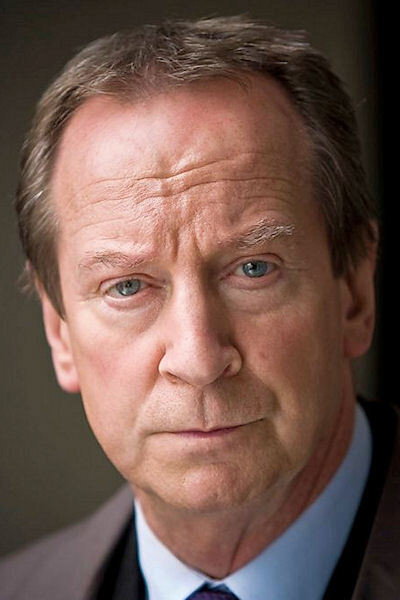
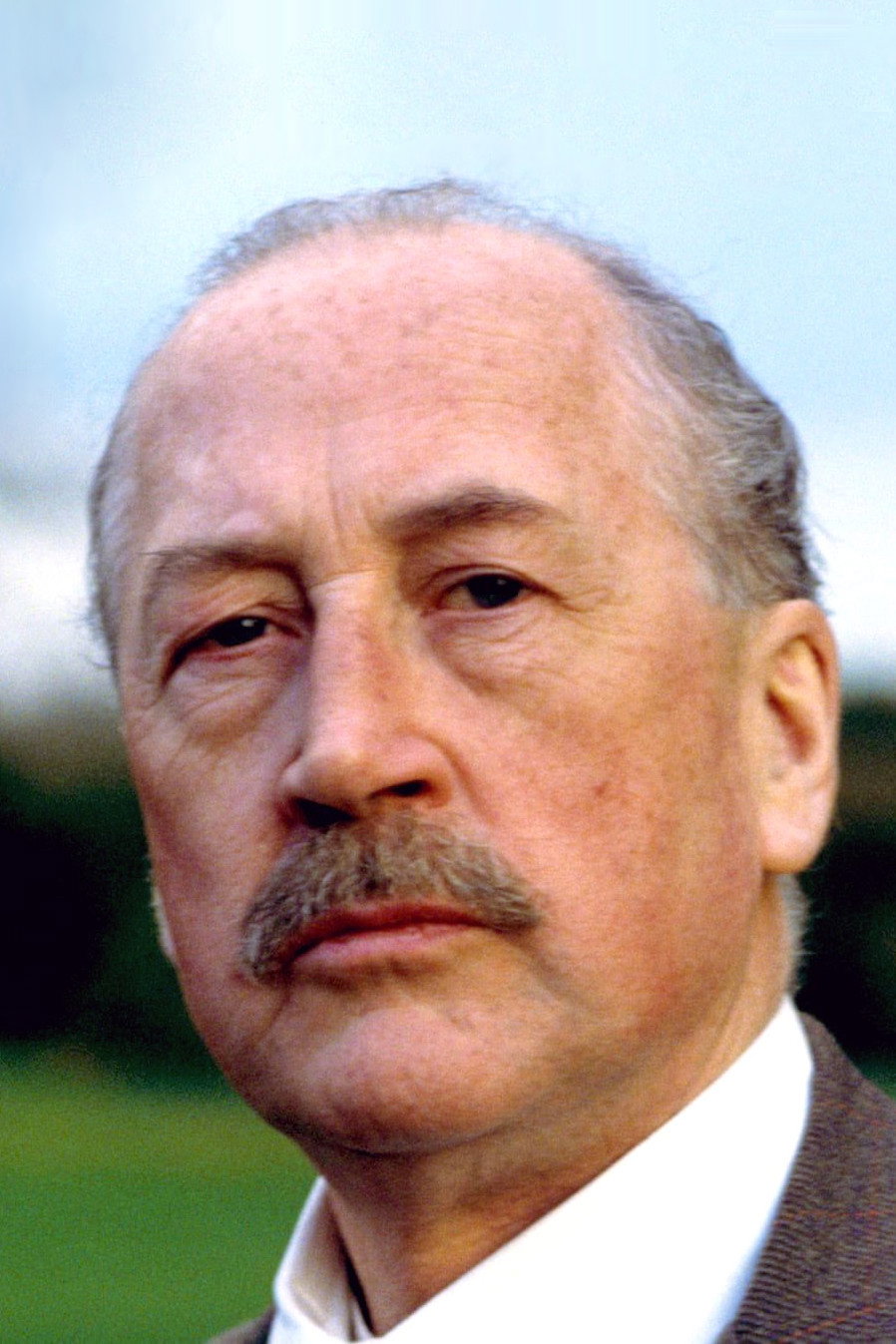
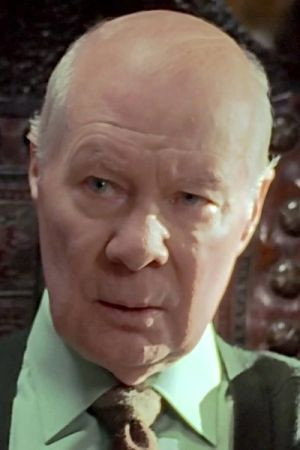
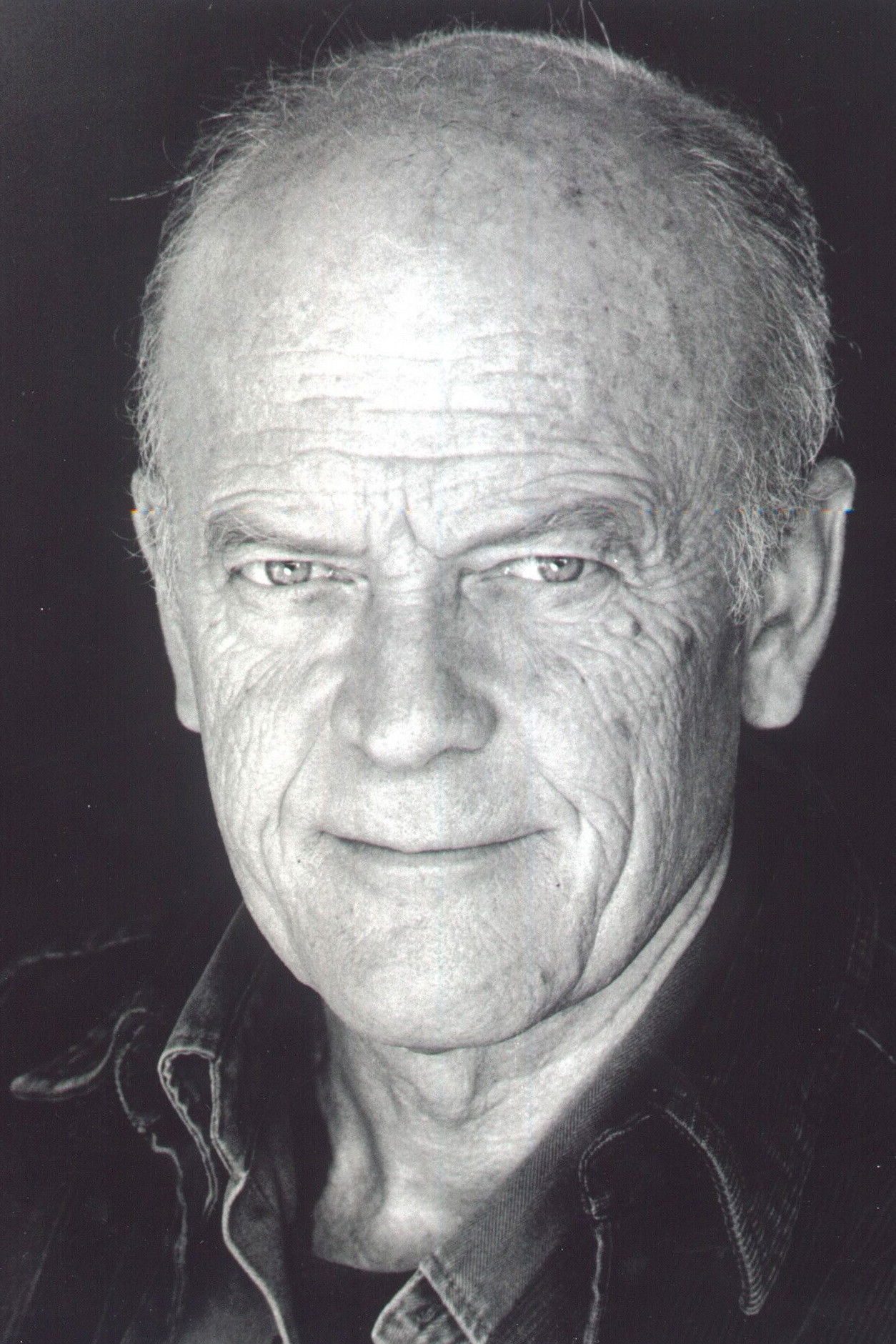
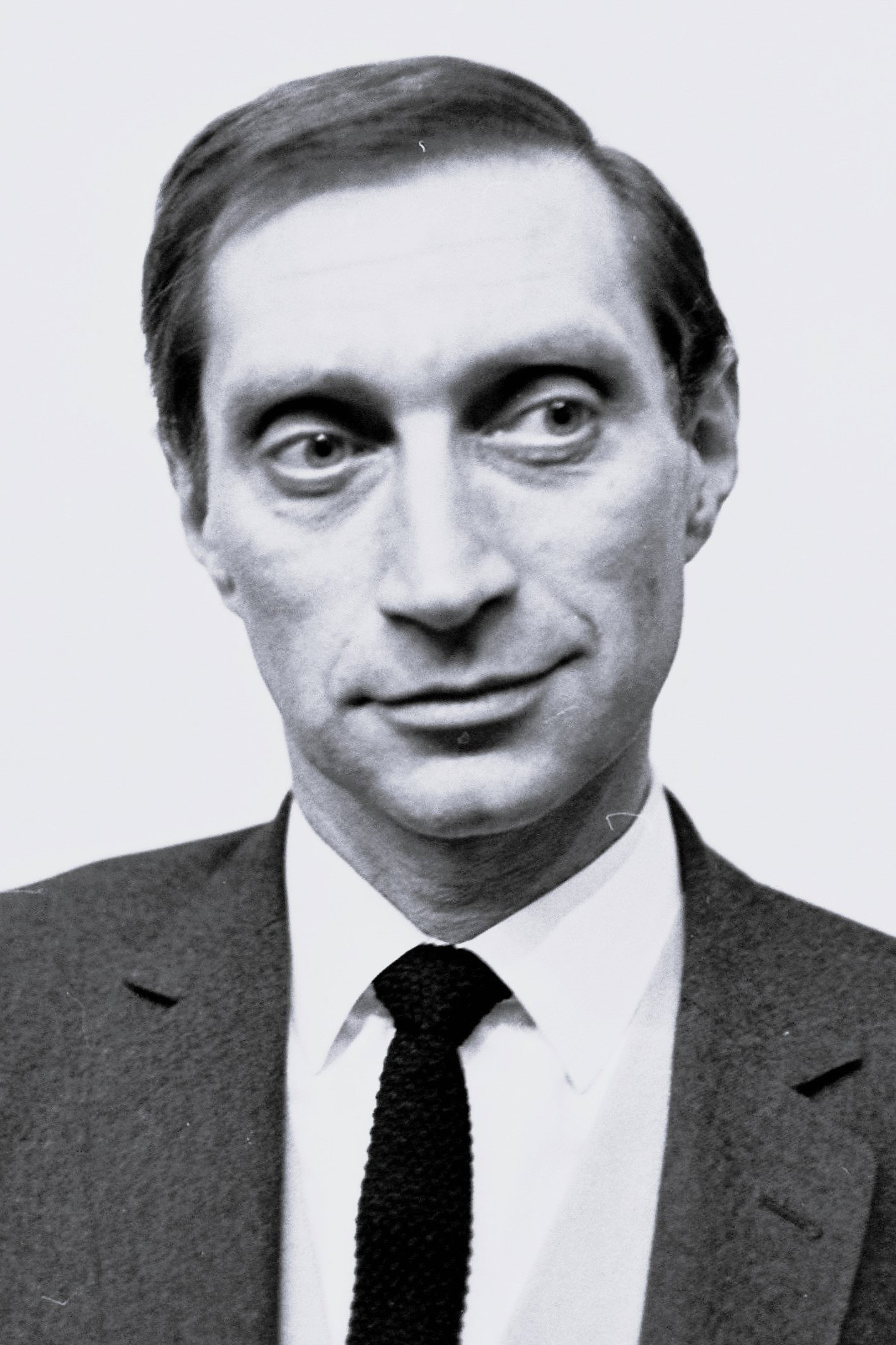
Bernard Hepton’s Toby Esterhase is the supporting performance that most rewards attention. He holds his own beside the lead without making the drama feel like a competition for our notice. Eileen Atkins plays Madame Ostrakova, Michael Byrne plays Peter Guillam, and Bill Paterson plays Lauder Strickland. The ensemble is essential to making the complicated story engaging: we need to care who these people are before we can care how they fit together. The actors give us reason to keep following them.
Kenneth MacMillan’s cinematography and Austen Spriggs’s production design help sustain the atmosphere that makes this more than an exercise in keeping track of names. Their work supports the concentration on people, rather than distracting us from it. Chris Wimble and Clare Douglas give the performances room in the editing, while Patrick Gowers’s music contributes to the unease. These are effective choices for a mystery that asks us to watch closely, although the measured pace occasionally makes that request feel rather stern.
Our reservation concerns the demands of the plotting. John le Carré and John Hopkins sometimes make the business of following the story so demanding that our interest in the people temporarily recedes. We understand why this sort of story needs complications, but understanding the need does not make every complication equally absorbing. The drama is more affecting when the human cost becomes clear, and it takes patience to get there. Anyone who finds intricate plotting pleasurable in itself will have fewer objections.
There is a particular satisfaction in a television mystery that expects us to remember what we have seen. The series has that confidence, and we would not exchange its patient approach for a brisker programme that explained every connection twice. It does ask for the sort of uninterrupted attention that a complicated book gets more readily than television, and that is worth allowing for before starting. Choose an evening when nobody is likely to interrupt with a question about who somebody is.