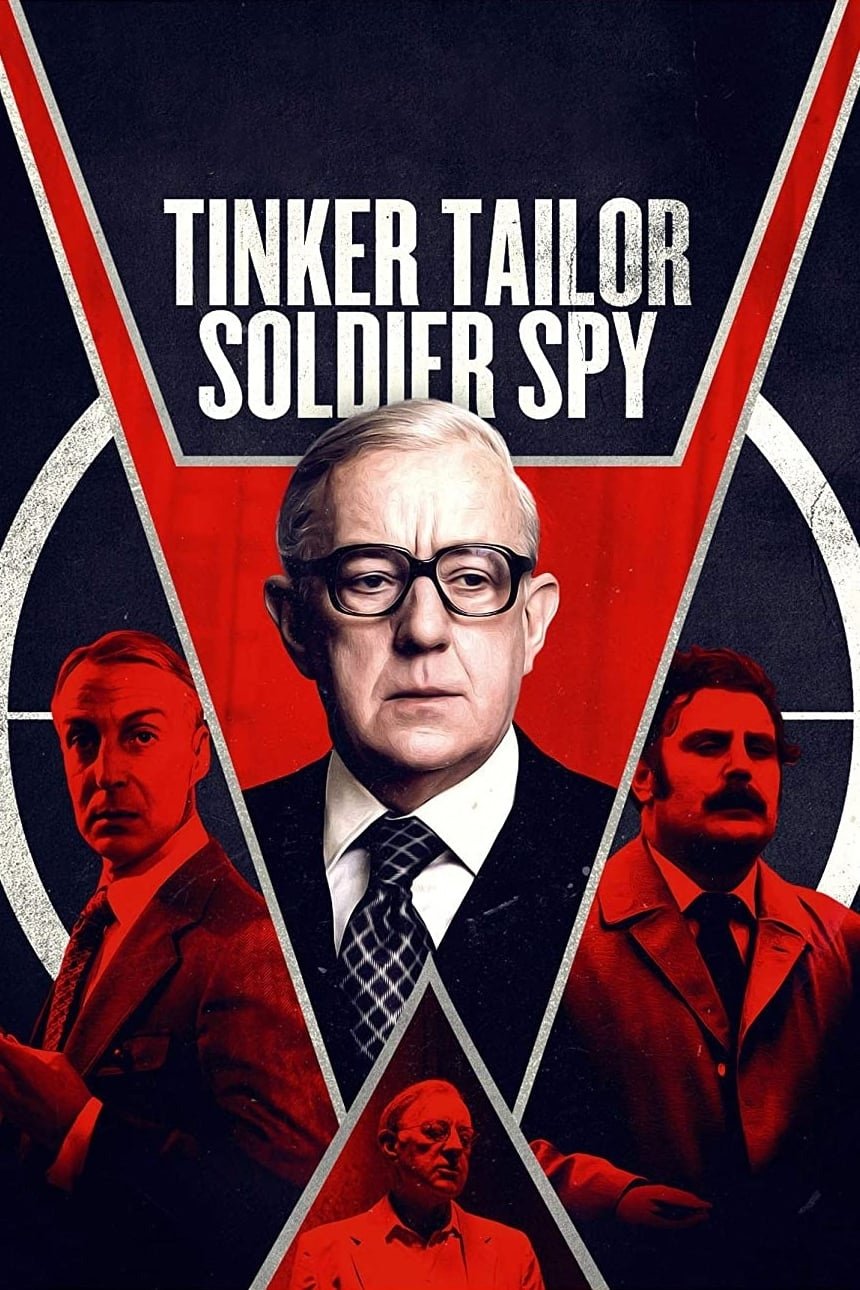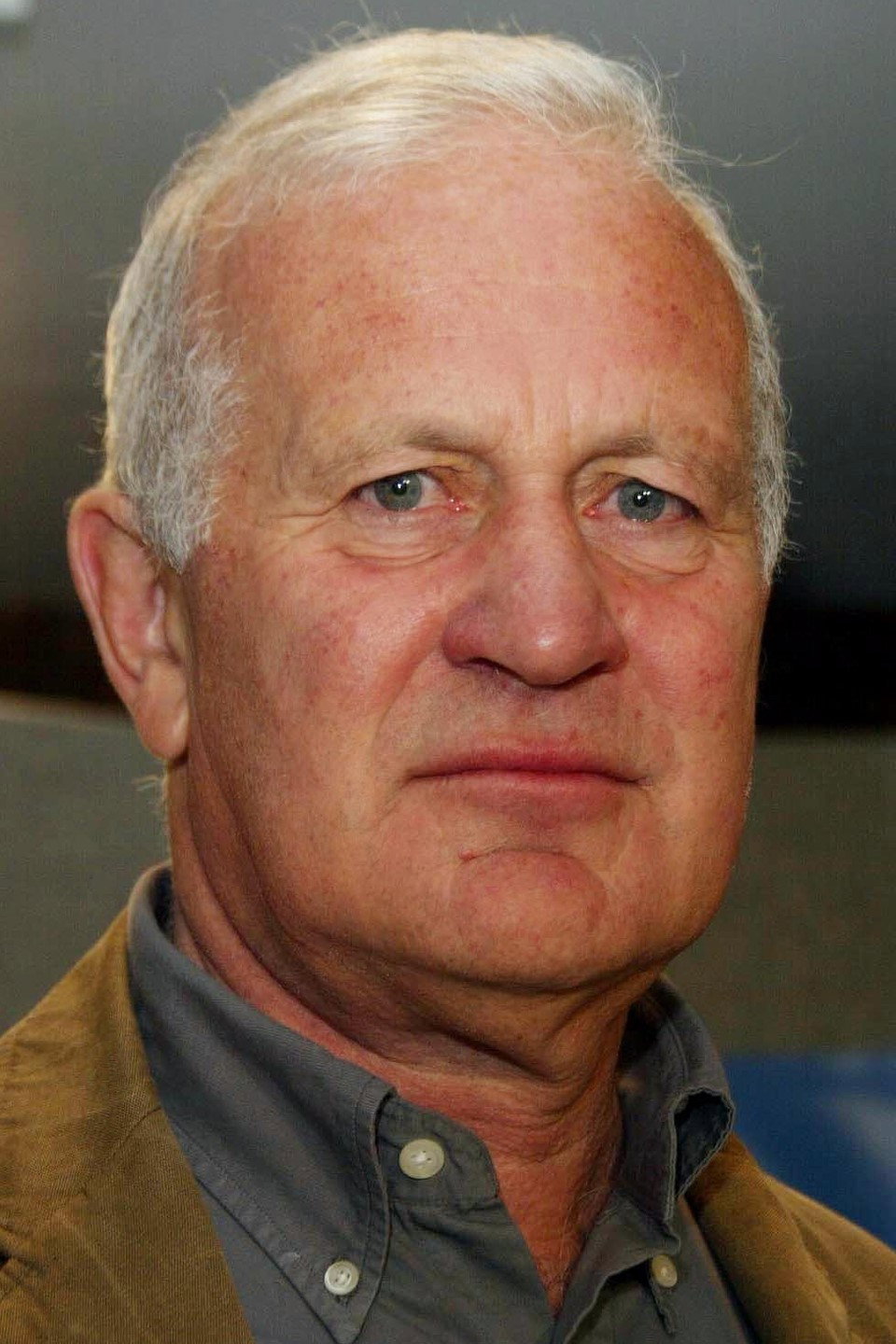
John Irvin is worth following for the time he gives actors and the seriousness he brings to people at work. Tinker Tailor Soldier Spy is our strongest recommendation, though its pace asks for concentration.
Fi1m perspective
In Tinker Tailor Soldier Spy (1979), ordinary working relationships are enough to sustain suspicion. John Irvin gives George Smiley seven episodes to search for a traitor, with time to consider what betrayal means to the people involved. Alec Guinness makes that patience absorbing, giving us a reason to stay attentive when the investigation becomes demanding. We rate the series highly because Irvin refuses to hurry past the hurt that comes with discovering how little colleagues know one another.
Arthur Hopcraft’s writing leaves room for the bureaucracy of espionage, and Irvin understands how much uncertainty an ordinary professional relationship can hold. Knowing how a colleague works is no guarantee of knowing whom he serves. We found the series unexpectedly sad because its misplaced loyalty makes the hunt for a traitor feel like a personal hurt. There is a cost to taking such care: the leisurely pace sometimes tests us, even when the subject warrants it.
His work in documentaries and short films in the 1960s was followed by television drama, including Hard Times (1977). The spy series’ success opened the way to Hollywood and The Dogs of War (1980), an adaptation of Frederick Forsyth. Raw Deal (1986) put him to work on an Arnold Schwarzenegger action film; Hamburger Hill (1987) shows his preference for unromanticised combat. Its war sequences are direct and immersive, without treating the fighting as an occasion for thrills. The hard-edged thriller City of Industry (1997) belongs to a later phase, as he continued with British and international productions.
Across those changes of genre, his gift for working with actors gives us the clearest reason to follow him. Guinness makes Tinker Tailor Soldier Spy absorbing even when its pace is trying, and Hopcraft’s writing keeps the inquiry tied to the people conducting it. Irvin’s restraint works because those collaborators give him something worth spending time on. Begin there, on an evening when nobody on the sofa is likely to talk over it.
Biography
John Irvin (7 May 1940 – 11 August 2026) was an English film and television director. A graduate of the London Film School, he began his career directing documentaries and television dramas before moving into feature films.
His early television work included the 1979 BBC miniseries adaptation of John le Carré's Tinker Tailor Soldier Spy. He later directed action and drama films such as The Dogs of War (1980), Raw Deal (1986), Hamburger Hill (1987), Next of Kin (1989) and Robin Hood (1991). Irvin received three BAFTA Award nominations over his career.