Film review

The Constant Gardener

2005 · Directed by Fernando Meirelles · 2h 09m · MPA R

In a sentenceRalph Fiennes looks ready to apologise for uncovering a pharmaceutical conspiracy

DramaMysteryThriller

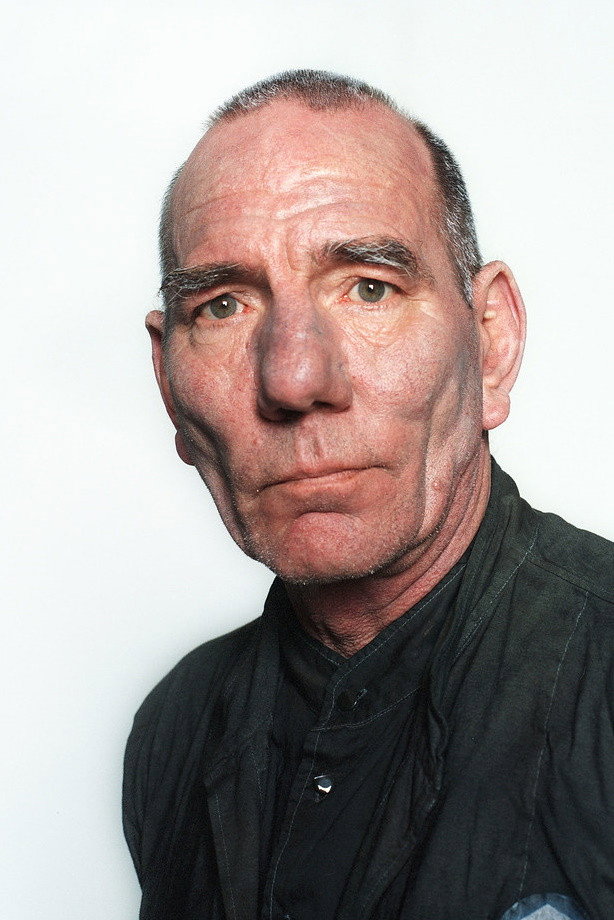
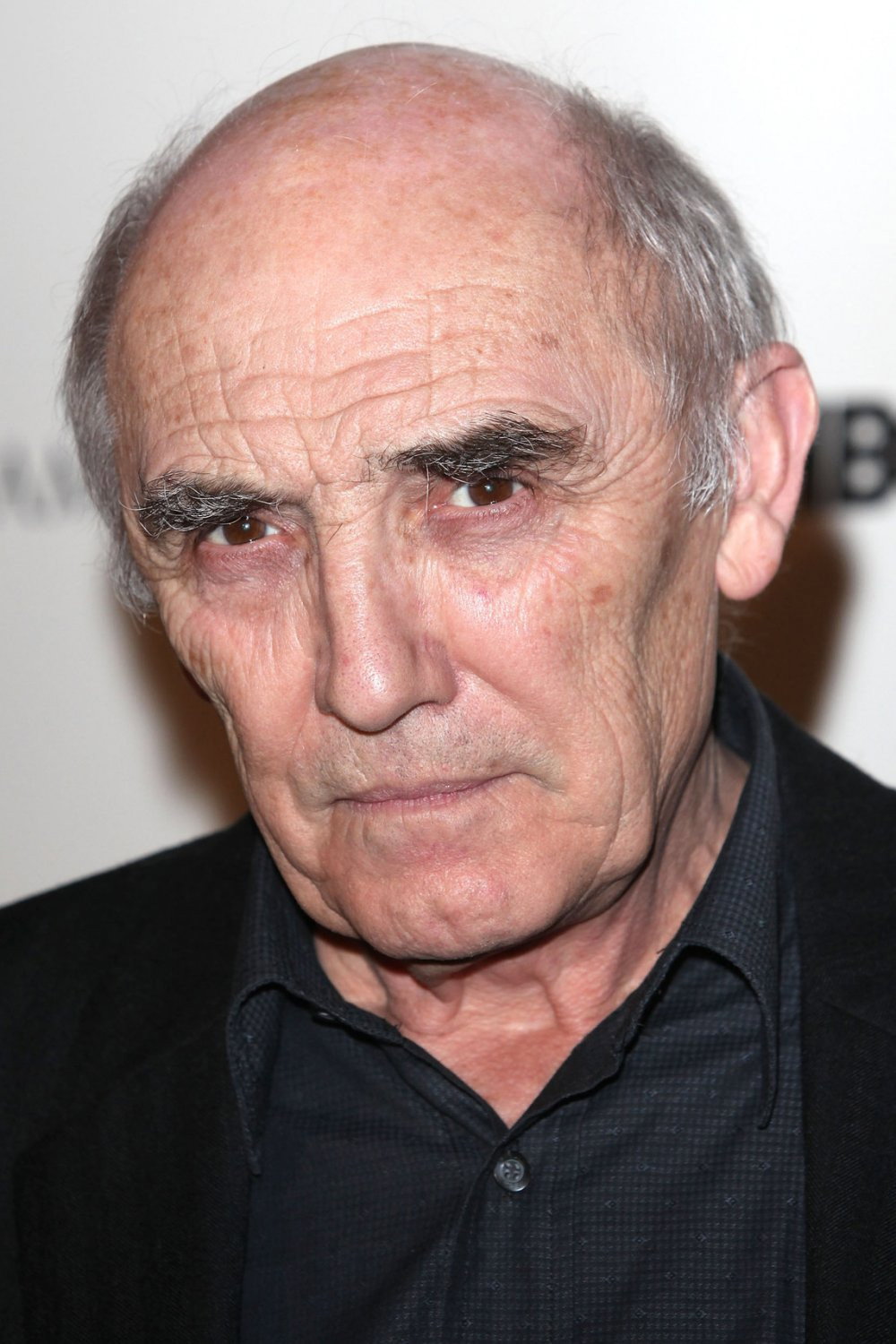
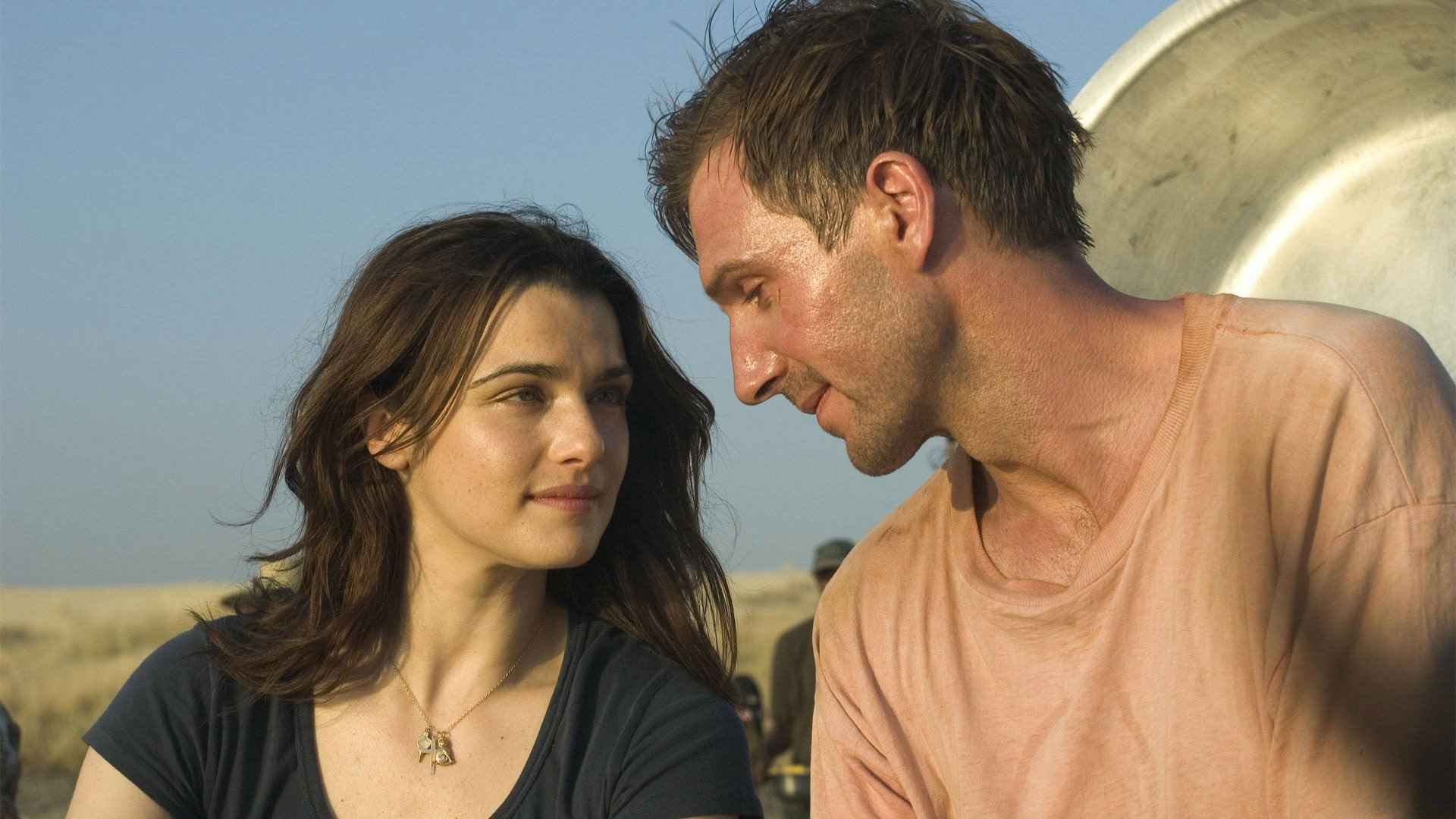
Justin Quayle (Ralph Fiennes) is a diplomat whose wife’s murder draws him into an investigation of pharmaceutical corruption in Africa. The story returns to his marriage to Tessa (Rachel Weisz), revisiting their relationship as his enquiry proceeds. His search brings the treatment of the African poor into view, alongside questions about how well he knows his wife. Fernando Meirelles directs Jeffrey Caine’s adaptation of John le Carré’s novel, with Danny Huston as Sandy Woodrow and Bill Nighy as Sir Bernard Pellegrin.

Plays from YouTube when you press play; nothing loads from them until then.

Fi1m review

Fernando Meirelles makes a persuasive, troubling thriller out of a husband’s belated understanding of his wife. Ralph Fiennes and Rachel Weisz give it feeling, though its African characters deserve more of its attention.

Fernando Meirelles’s The Constant Gardener is a moving political thriller, strongest when it stays close to a husband discovering how much he has failed to understand about his wife. Justin Quayle, played by Ralph Fiennes, is a diplomat investigating Tessa’s murder and the pharmaceutical corruption surrounding it. Jeffrey Caine’s adaptation of John le Carré’s novel gives that investigation a second, more private purpose. Justin has to reconsider the marriage as he pursues the conspiracy, and the film gives both enquiries enough weight to matter.

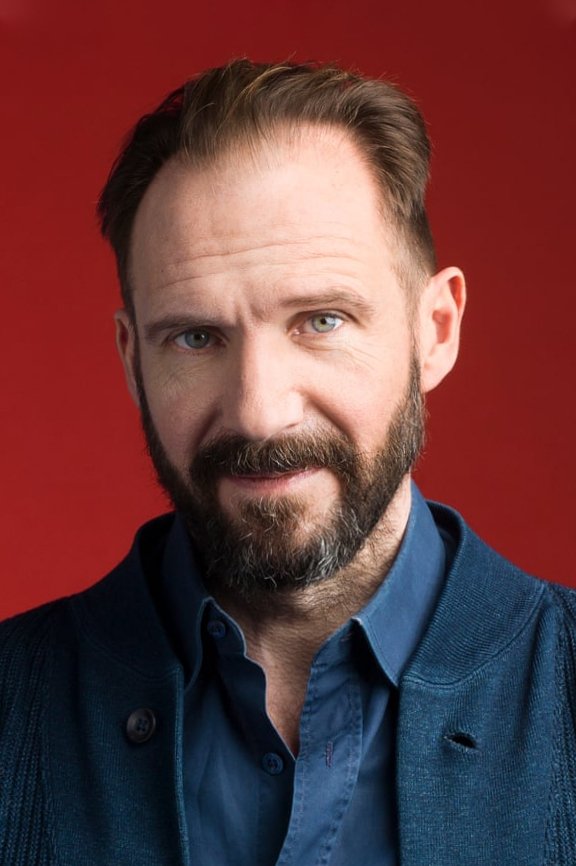
Fiennes is persuasive because Justin’s reserve never looks like a performance of decency. He seems to need time to admit a feeling even to himself, and the effort gives the investigation much of its tension. Rachel Weisz’s Tessa has an impatience that makes their relationship convincing without making it comfortable. We were moved by the return to their life together: Fiennes makes Justin’s restraint look painfully inadequate beside her eagerness to engage with the world.

Claire Simpson’s editing lets the returns to the marriage alter our understanding of the couple, so the past remains an active part of the investigation. The non-linear telling gives us room to revise an impression of Tessa instead of fixing her in place as the reason for a man’s distress. Alberto Iglesias’s score supports the affection between them without insisting that Justin become any more demonstrative. It helps us take the relationship seriously while leaving Fiennes space to be awkward.

César Charlone’s photography is most persuasive in the Kenyan streets, where the activity around the characters keeps the investigation from feeling sealed off. The aerial views are impressive, but Meirelles’s insistence on movement occasionally makes a scene feel urgent before we know why it matters. Mark Tildesley’s production design makes differences in wealth easy to read, helping to explain the conditions behind the pharmaceutical story. Yet the attention given to the surroundings is not always matched by attention to the people living there.

This is the film’s substantial limitation. It is angry about pharmaceutical exploitation of the African poor, yet the people suffering it remain secondary to the English couple whose story brings us here. Caine and Meirelles spend so much care on Justin’s growing understanding that other lives are largely explained through what they mean to him. The anger is convincing, but we wanted the people being exploited to have more to do than provide reasons for his enquiry.

The plotting also becomes more tangled than it needs to be, and Caine occasionally makes us work harder to follow the conspiracy than to understand its consequences. Danny Huston as Sandy Woodrow and Bill Nighy as Sir Bernard Pellegrin help keep those passages watchable. Both make reserve interesting, with performances that encourage us to pay attention to how something is said. A little less narrative complication would have left more room for that kind of scrutiny.

As a conspiracy thriller, The Constant Gardener benefits from having a lead who never seems eager to be in one. Fiennes makes Justin’s reluctance worth watching, and the relationship with Tessa gives his investigation a force that complicated plotting alone could not supply. The 129 minutes ask for concentration, particularly when the private story has to share space with the corporate one. Give it an uninterrupted evening, and watch Fiennes as closely as the clues.
Critical consensus AI synthesised

77
Positive
8
Mixed
0
Negative
1

Most critics respond warmly to The Constant Gardener, praising its combination of political thriller, love story and character study. The performances draw consistent approval, particularly Ralph Fiennes’s slow-burning lead, with Rachel Weisz also frequently singled out. Fernando Meirelles’s direction earns credit for sustaining anger at pharmaceutical exploitation without losing sight of the central relationship. Several reviews find the Kenyan locations essential to the film’s immediacy, rather than merely a backdrop to the conspiracy.

The disagreement concerns how that anger reaches the screen. Some critics describe Meirelles’s handling as restrained and subtle; others find the visual style hectic, though still effective. Reservations include a risk of didacticism and emotional reserve, but the spread is largely positive apart from a sharp dissent. Slant Magazine argues that African suffering remains secondary to a schematic story about white characters, finding condescension where most critics see urgency and compassion.

RogerEbert.com
1 September 2005 · ★★★★/4 · Roger Ebert
100

The critic praises the film's angry story of corporate greed and injustice in Africa, combined with its emotional depth as a love story and character study. Fiennes and Weisz deliver strong performances in a narrative grounded in Kenyan locations.

Read the full review →
Empire
· William Thomas
80*

The film is serious, topical filmmaking of a very high order that sticks with the viewer longer than a typical thriller. It singles out Meirelles's restrained direction and sensitive handling of the political subtext and character development.

Read the full review →
The AV Club
31 August 2005 · Scott Tobias
80*

The review praises the adaptation for its dual focus on corporate abuses in the third world and a widower's personal discovery, highlighting Fernando Meirelles's realistic depiction of African slums and Ralph Fiennes's slow-burning lead performance. It notes the film's urgency as both political indictment and intimate character study.

Read the full review →
The New York Times
31 August 2005 · A.O. Scott
80*

The film is an unusually satisfying political thriller thanks to its subtle direction and sensitive cast, particularly Fiennes. It risks didacticism on corporate malfeasance but succeeds as well-executed entertainment that lingers.

Read the full review →
Evening Standard
festival review · Derek Malcolm
75*

The film is constantly gripping with outstanding performances from Fiennes and Weisz and an authentic depiction of Africa. It singles out Meirelles's ability to match le Carré's anger at pharmaceutical company exploitation while delivering a subtle thriller.

Read the full review →
The New Yorker
29 August 2005 · Anthony Lane
75*

The adaptation captures le Carré's themes with a hectic visual style that contrasts the novel's elegance. It succeeds as a docu-drama exposing corruption while exploring the protagonists' relationship.

Read the full review →

Cast

Stills

Awards

Academy Awards, 2006

Nominated
Best Film Editing
Nominated
Best Original Score
Nominated
Best Writing, Adapted Screenplay
Won
Best Supporting Actress

European Film Award for Best Non-European Film, 2005

Nominated
European Film Award for Best Non-European Film

If you liked this, try…

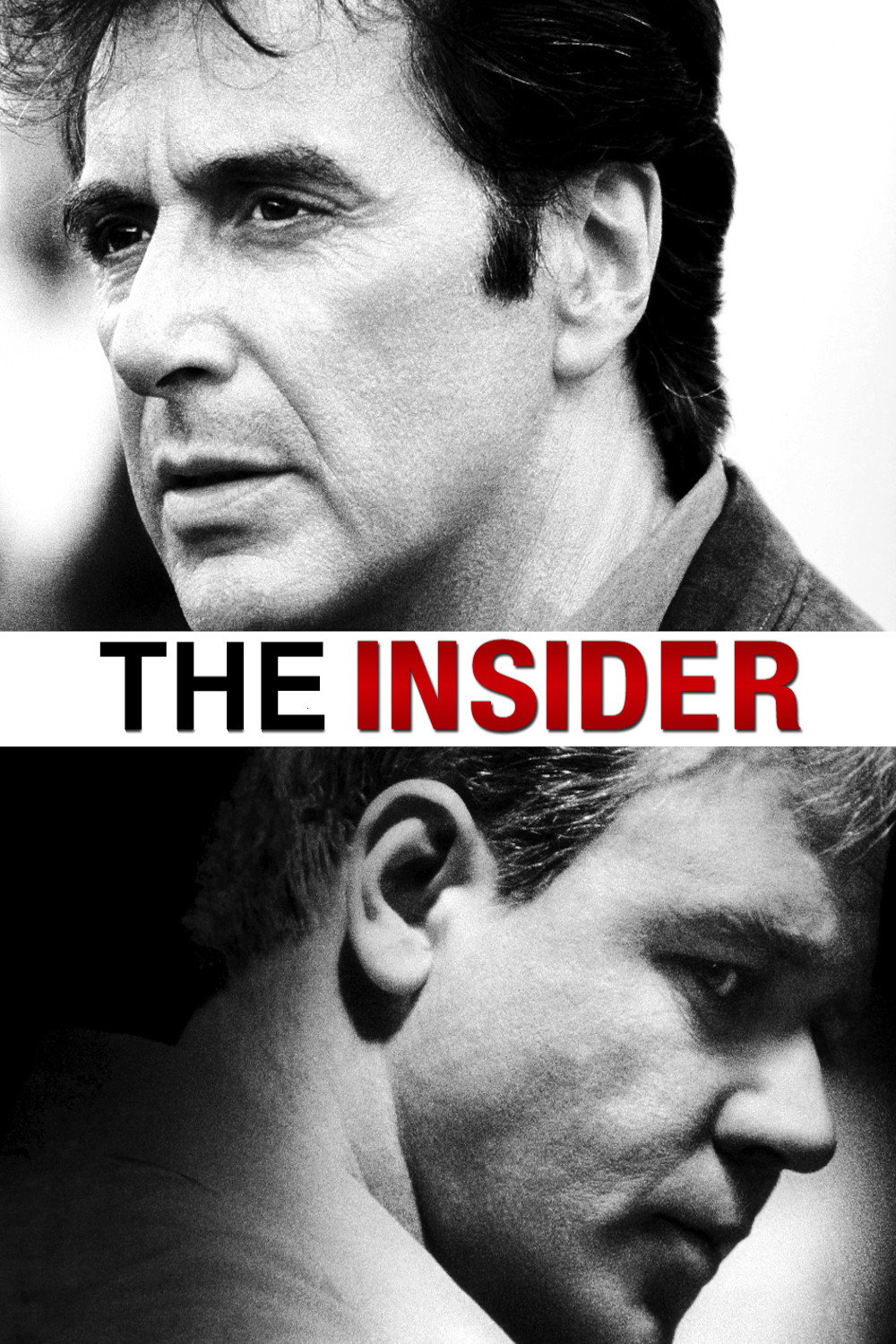
The Insider poster89

The Insider

1999 · Another patient investigation of corporate harm, with private lives bearing the strain.

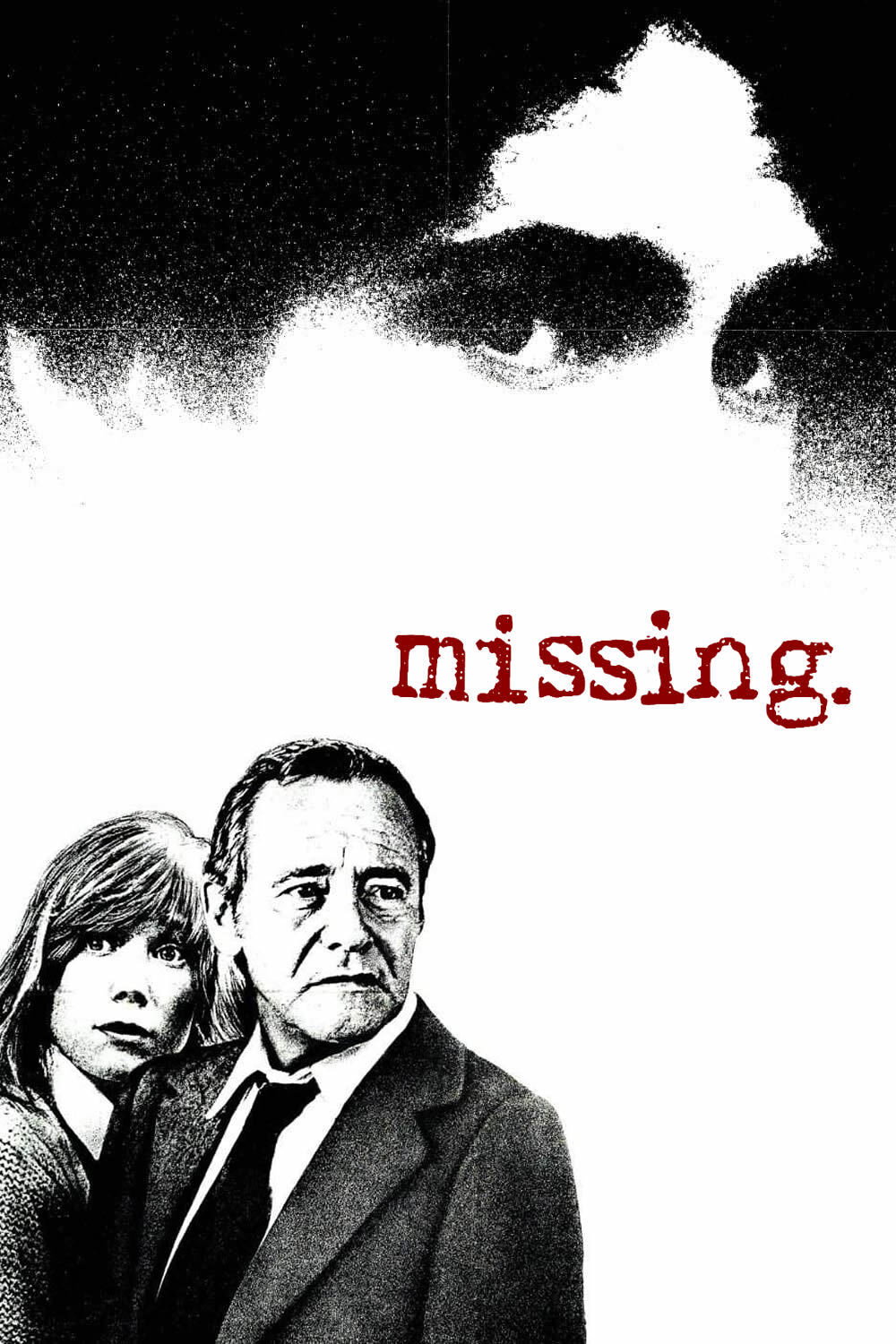
Missing poster

Missing

1982 · Political terror becomes painfully personal through a parent’s search for his son.

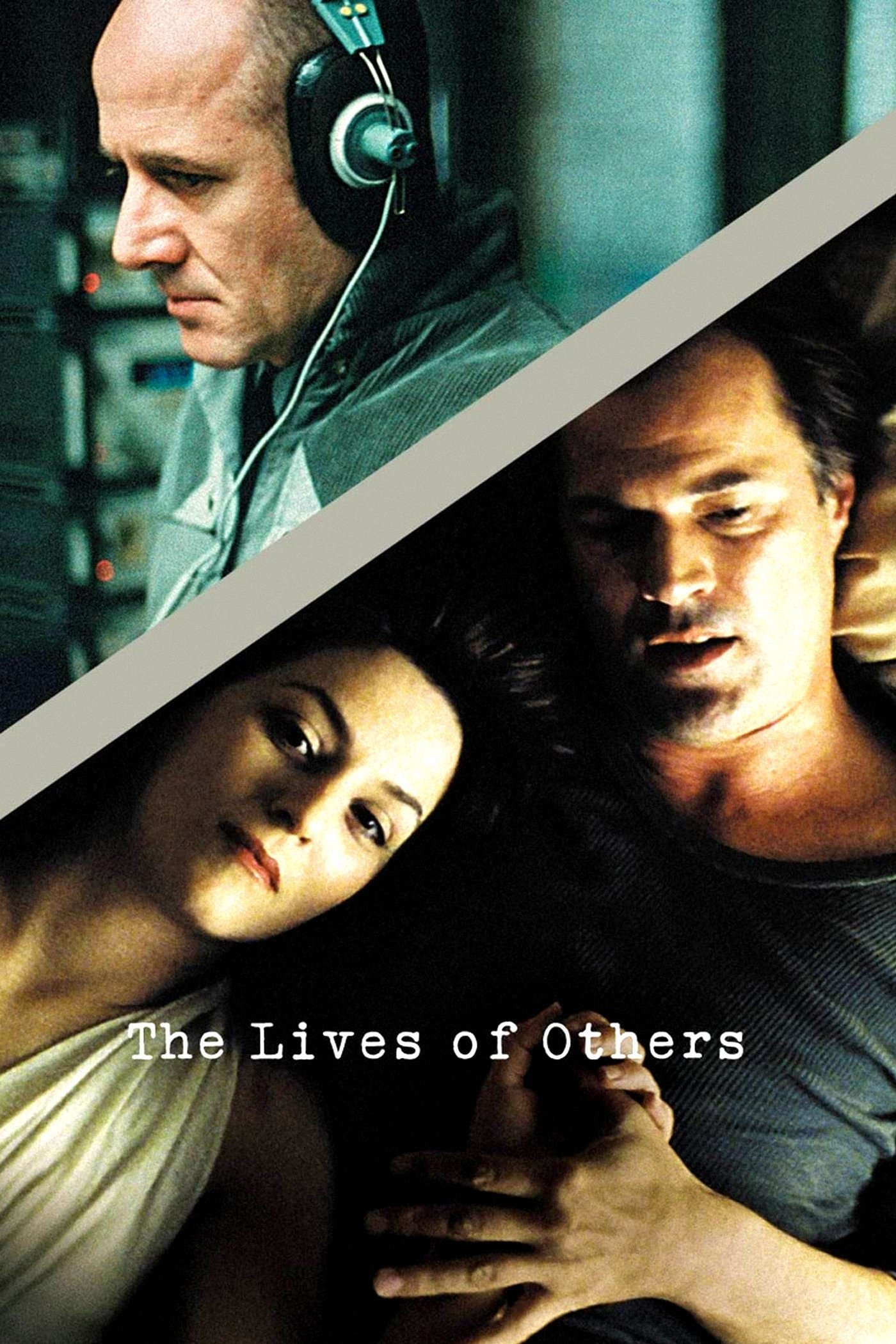
The Lives of Others poster84

The Lives of Others

2006 · For another restrained performance built around watching, complicity and a belated moral awakening.

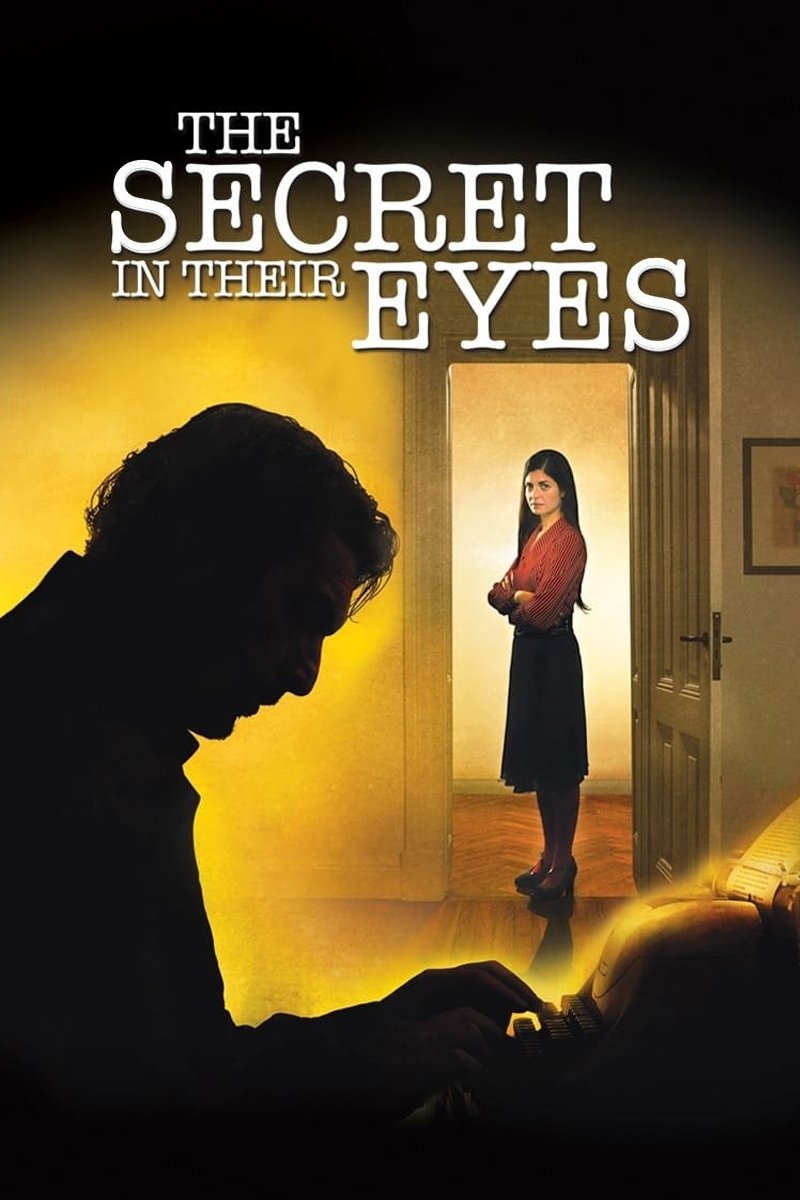
The Secret in Their Eyes poster

The Secret in Their Eyes

2009 · An investigation keeps returning to an old attachment, with regret doing much of the work.

Timbuktu poster

Timbuktu

2014 · For fuller attention to African lives under pressure, with tenderness surviving the fear.