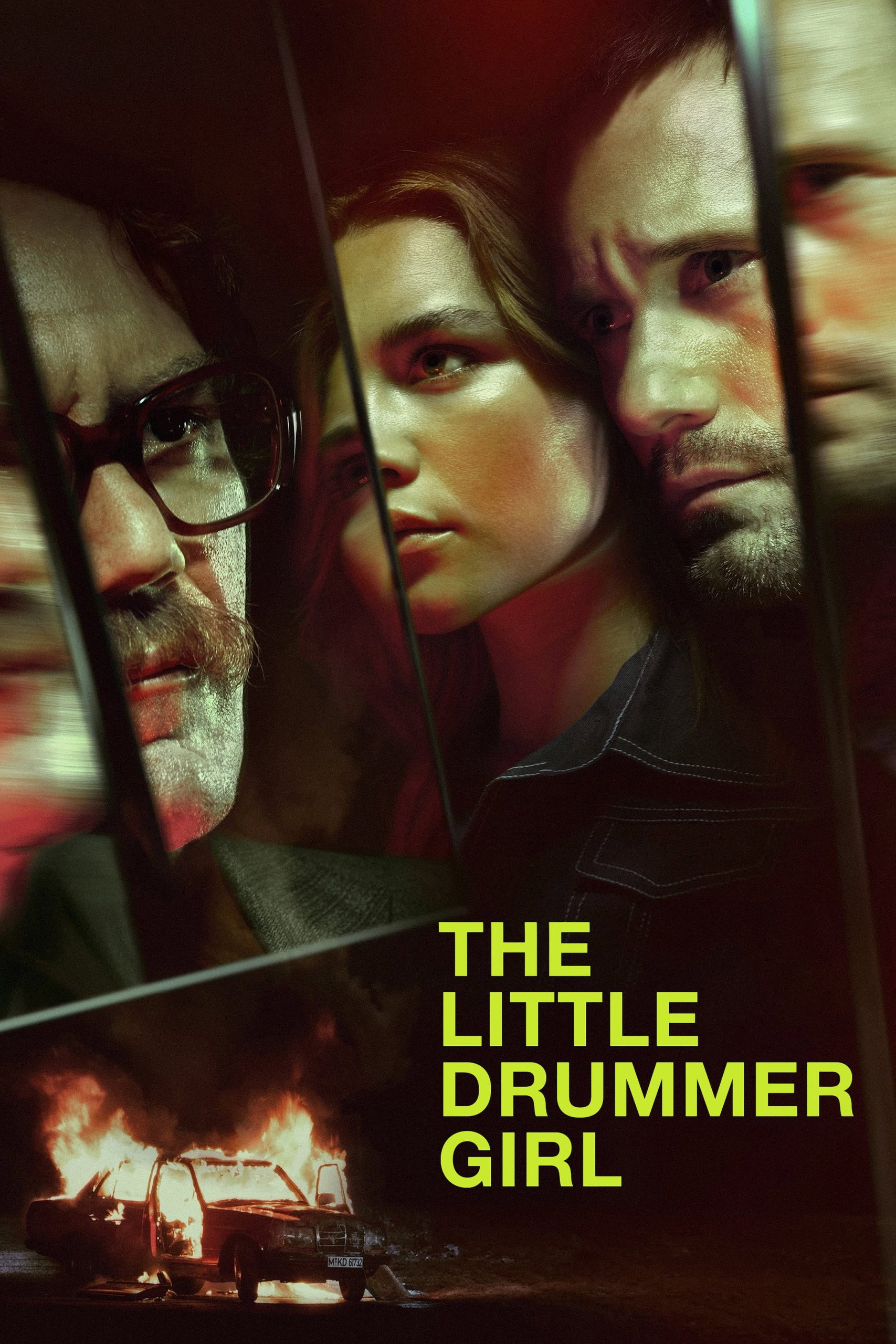
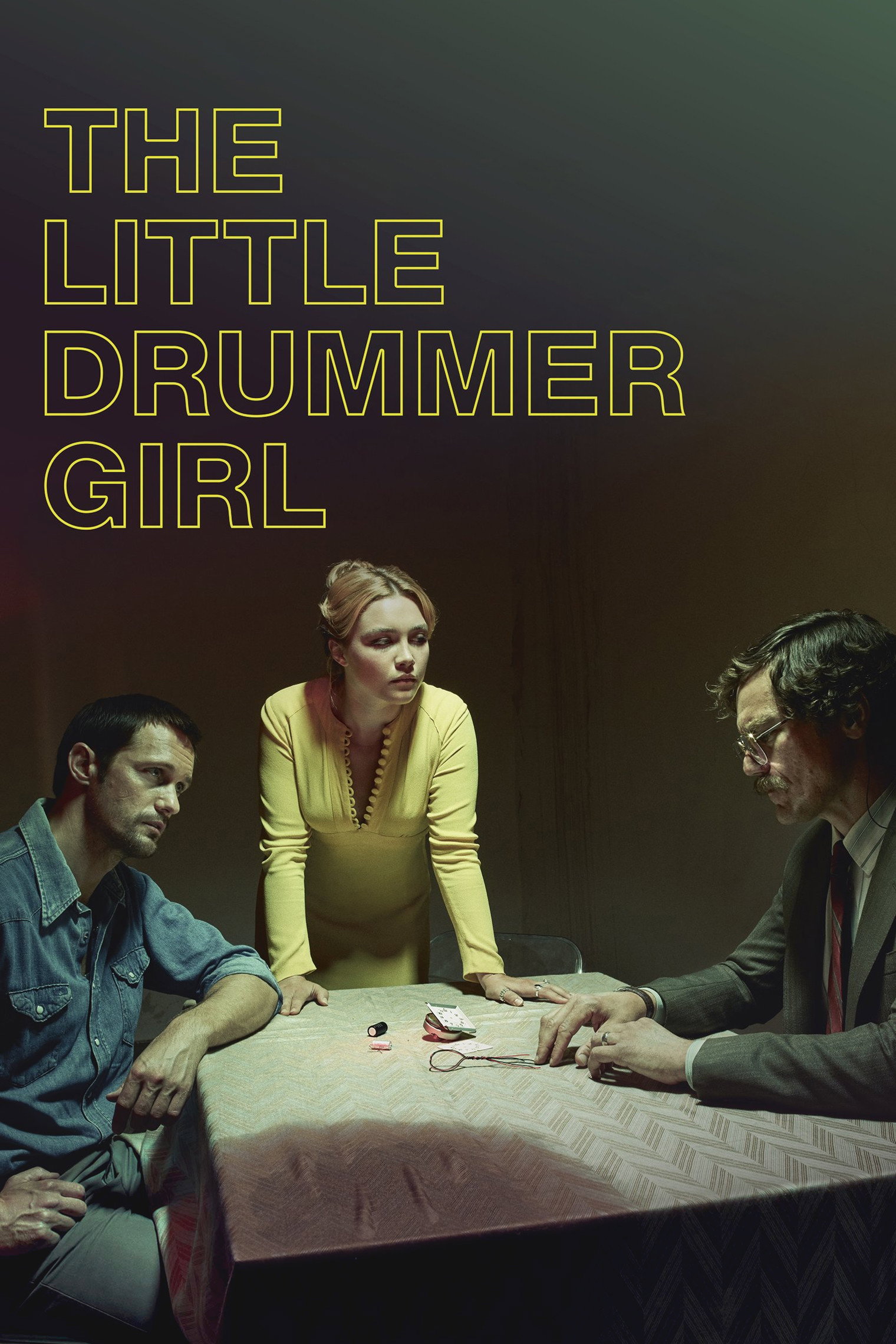
Park Chan-wook shoots John le Carré’s novel in the loudest colours the seventies had to offer, and Florence Pugh holds the centre of every frame. It dawdles in the middle and the romance goes round twice, but the last two episodes are properly tense.
Park Chan-wook, the Korean director of Oldboy (2003) and The Handmaiden (2016), has taken John le Carré’s novel and stretched it over six episodes written by Michael Lesslie and Claire Wilson. The idea is le Carré’s best: Martin Kurtz (Michael Shannon), an Israeli intelligence officer, recruits Charlie (Florence Pugh), an English actress, to play the lover of a Palestinian bomber she has never met, and to play it so well that his people take her in. Spying, the series keeps saying, is acting for an audience that will kill you if you forget your lines. It is a good series, slow and sometimes too pleased with its own furniture, and Pugh is the reason to see it.
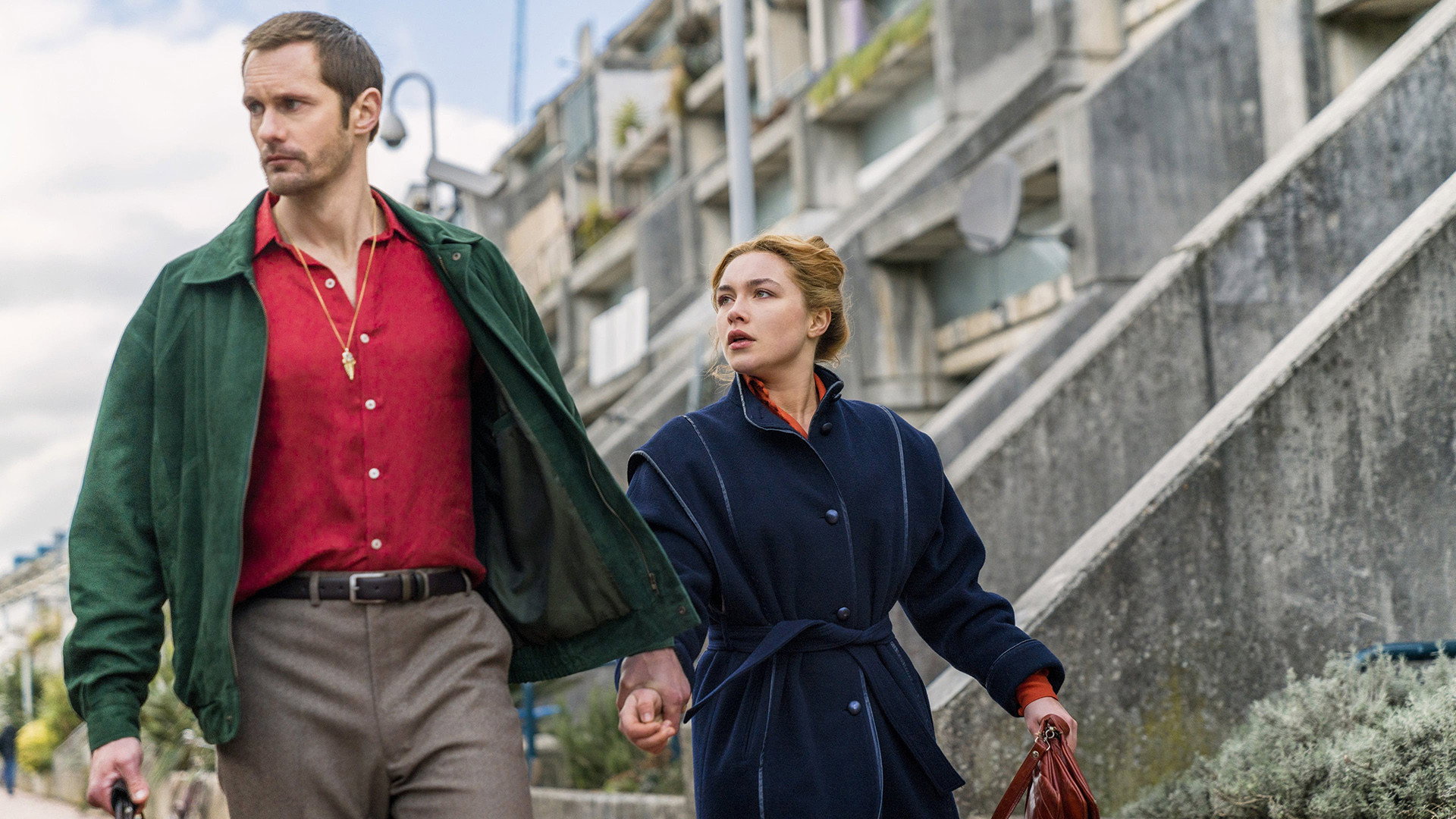
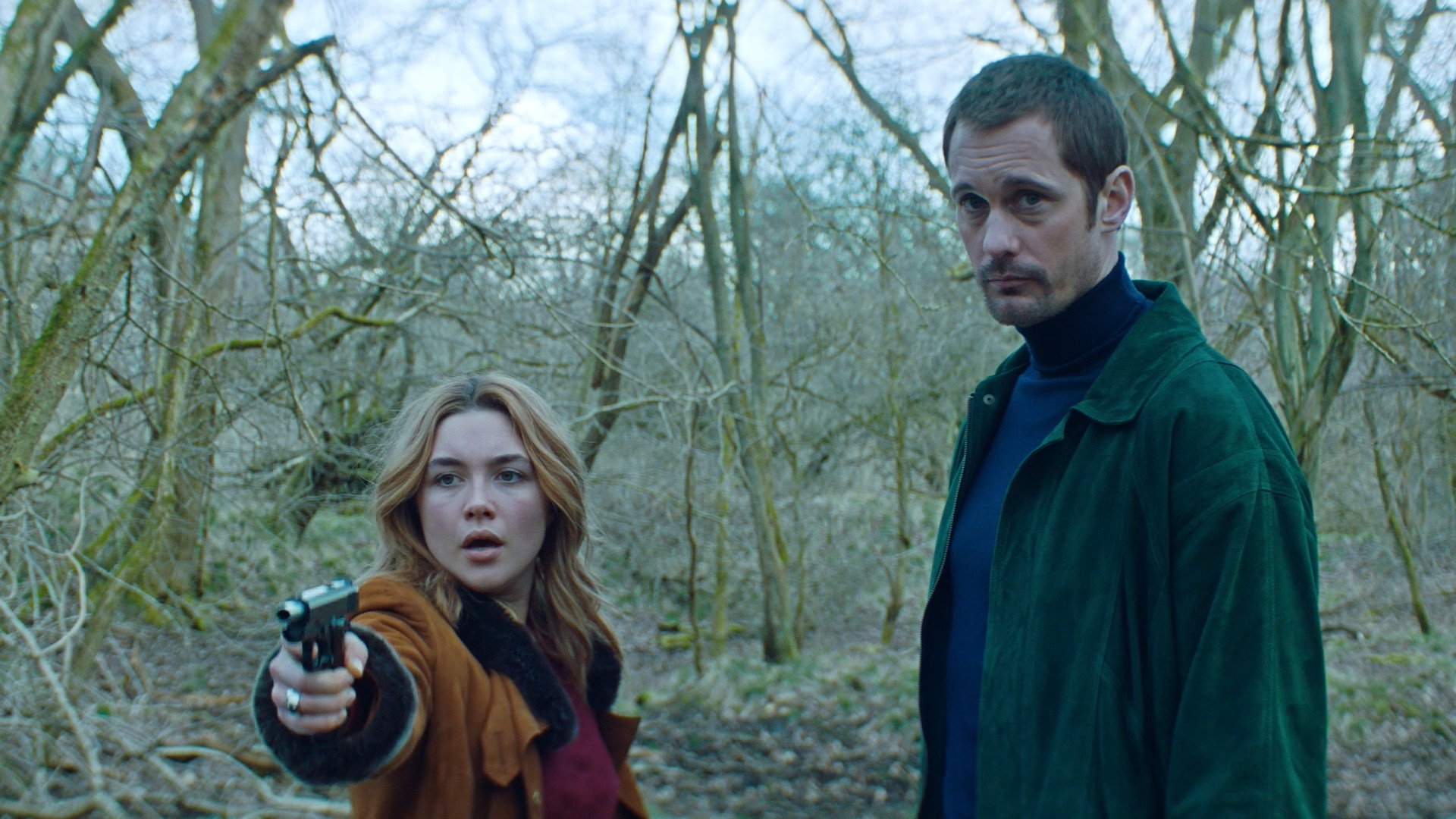
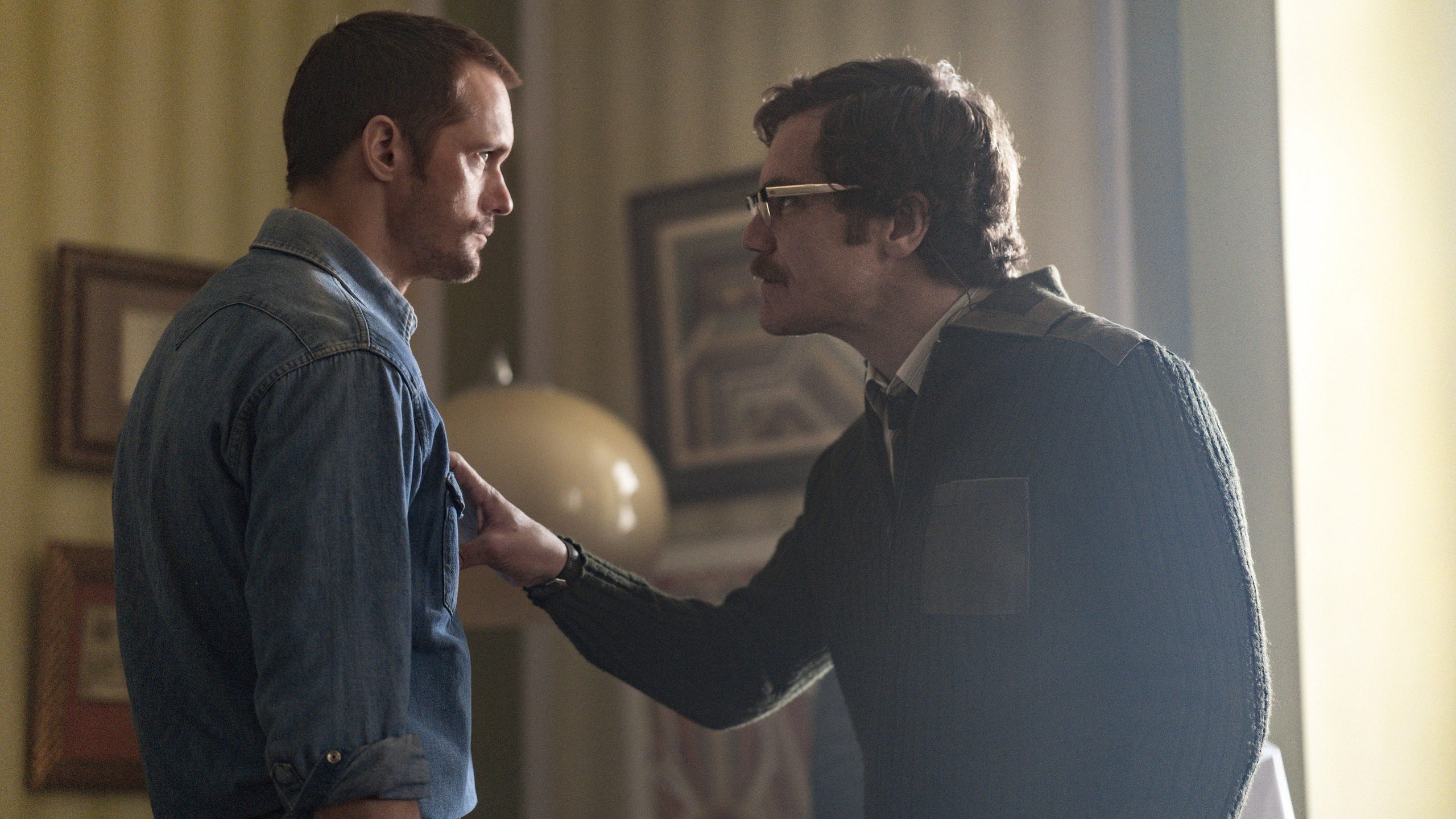
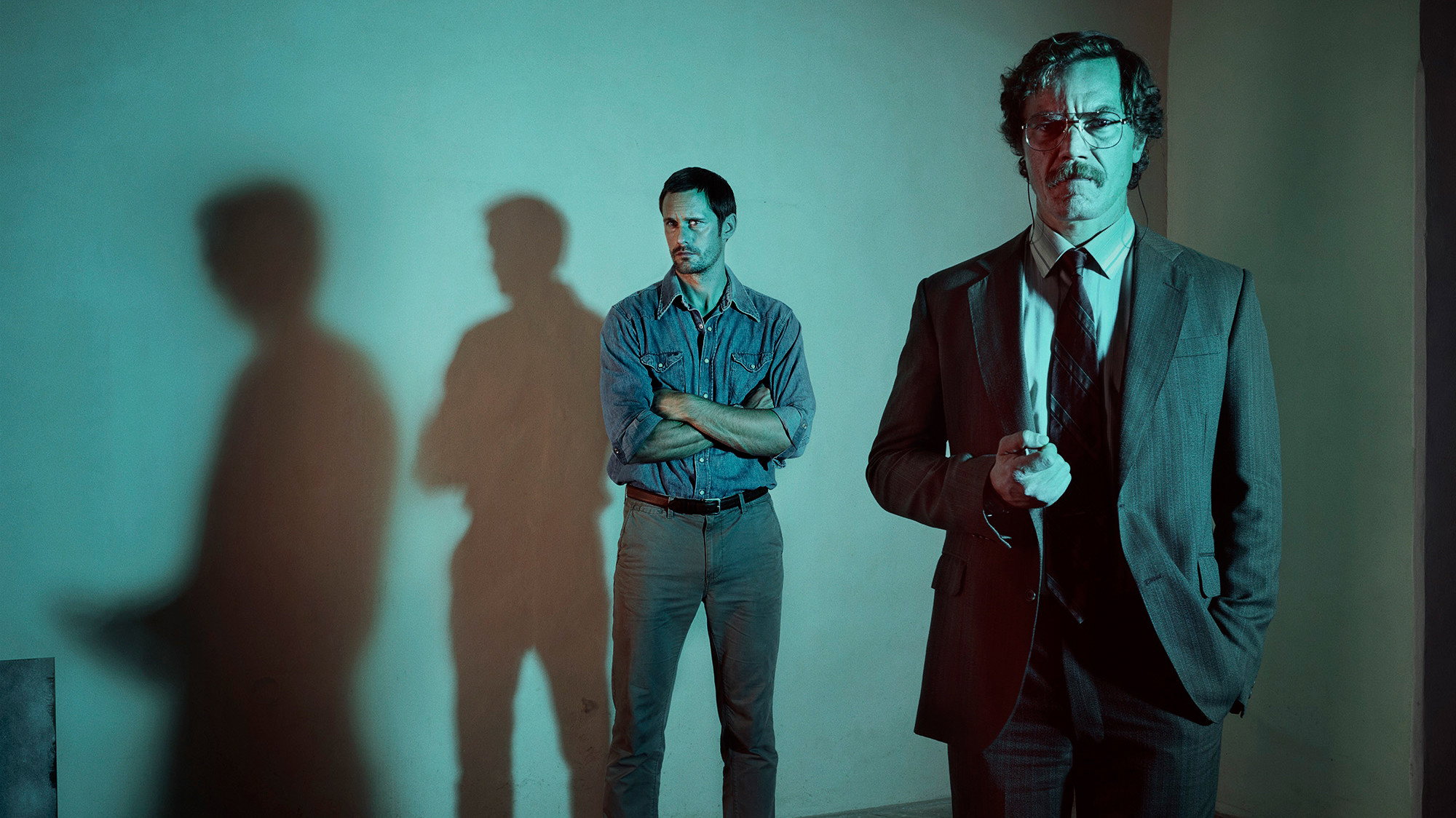
She plays Charlie as a woman who lies fluently and badly at the same time, changing her story halfway through a sentence and daring you to notice. She is vain about her politics and hungry for a bigger part, and Pugh lets us watch her work out, scene by scene, that she has been given one. Shannon’s Kurtz is the opposite temperature: courteous, patient, a director who has already cast the play and is only waiting for the actress to agree. Alexander Skarsgård’s Gadi Becker, the handler Charlie calls Joseph, barely speaks. He is a man playing a man who is playing another man, and Skarsgård does most of it with his shoulders and a pair of sunglasses.
The scene that got at us comes early. Becker sits across from Charlie and tells her, in the first person, about a love affair she had with Michel (Amir Khoury), and the camera holds on Pugh while she decides to believe it. It is seduction done as paperwork, and it unsettled us more than any of the gunfire, because by the end of it we could not say which of the two men she had fallen for and we doubt she could either. Every later scene between them runs on that doubt.
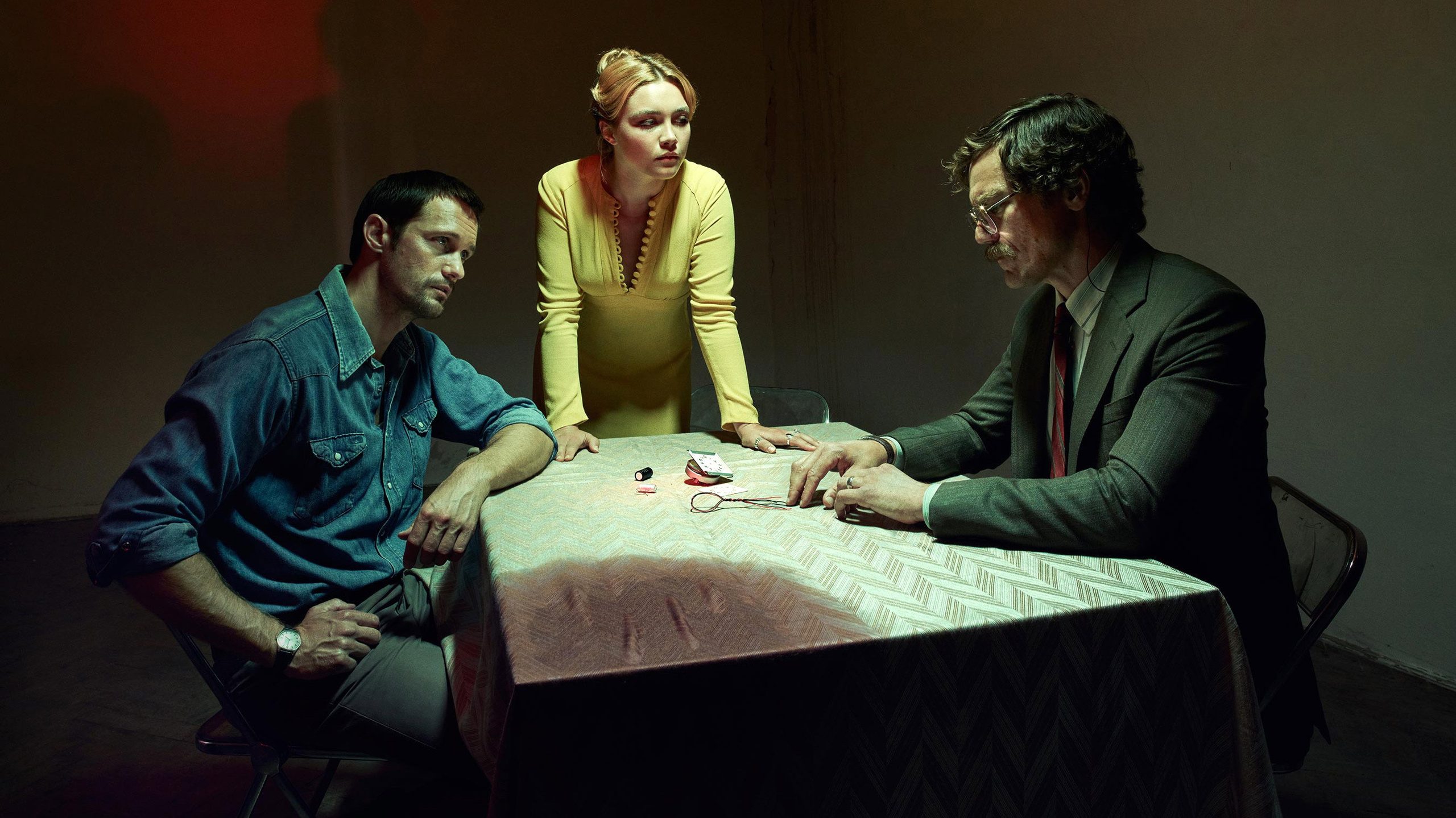
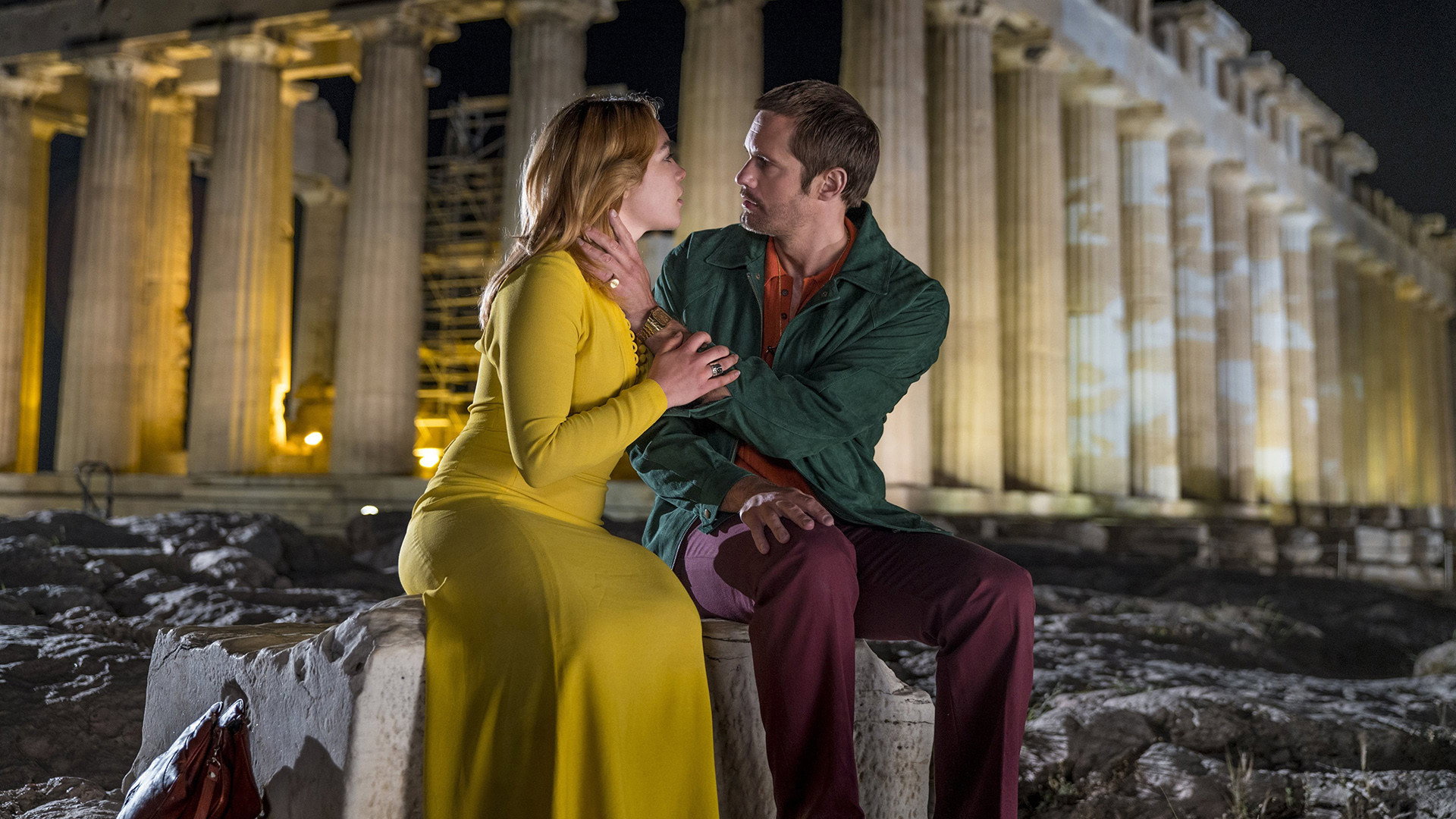
Kim Woo-hyung shoots it in colours the decade itself might have found loud. Mustard, teal and a hard orange sit in every frame, and Park likes to put his actors dead centre in a doorway or a corridor so that you notice the building as much as the person in it. Maria Djurkovic’s interiors, hotel lobbies of brown glass and flats where the sofa matches the ashtray, tell you the year before anyone says a line. Stephen Noble dresses Charlie in red among men in beige, which is not subtle and is not meant to be. Cho Young-wuk’s score, strings with low brass underneath, is the one element that never raises its voice. The three editors, Fiona DeSouza, Michael Harrowes and Justine Wright, cut the talk long and the action short, so a car journey lasts a minute and a lie takes ten.
The trouble is the middle. Episodes three and four go over the same ground, Charlie doubting, Becker withholding, Kurtz waiting, and the romance is restated so often that we began to suspect Park was more interested in how it looked than in where it was going. Michael Moshonov’s Shimon Litvak, Kurtz’s deputy, spends a great deal of time in vans. The Palestinian side gets less room than the argument deserves, though Lubna Azabal makes every minute she has as Fatmeh count. Charles Dance arrives as Commander Picton to be rude to the Israelis in a tremendous suit, and Katharina Schüttler’s Helga Stern is the one person on screen who seems to find the whole business funny.
Some critics found it bloodless. We did not. Its people have decided to put off feeling until the job is done, and the series does not do their feeling for them. Where it does lose something is the politics. Le Carré’s novel spends as much time on the rights and wrongs of the Israeli-Palestinian fight as on the tradecraft; the series treats that argument as scenery for a story about acting, and anyone who has read the book will notice the missing weight.
Next to The Night Manager (2016), the previous BBC le Carré, this is slower, stranger and less fun, and far more interested in what is going on inside its heroine. Give it two episodes. If the Acropolis scene has not hooked you by the end of the first, the middle will lose you; if it has, the last two hours are as tense as the genre gets, and Pugh’s final scenes are worth the wait. It carries a 15.