Steven Spielberg’s revenge thriller is tense, disturbing and worth the long evening. Eric Bana makes the doubts hurt, even when the screenplay insists on explaining what his performance has already made clear.
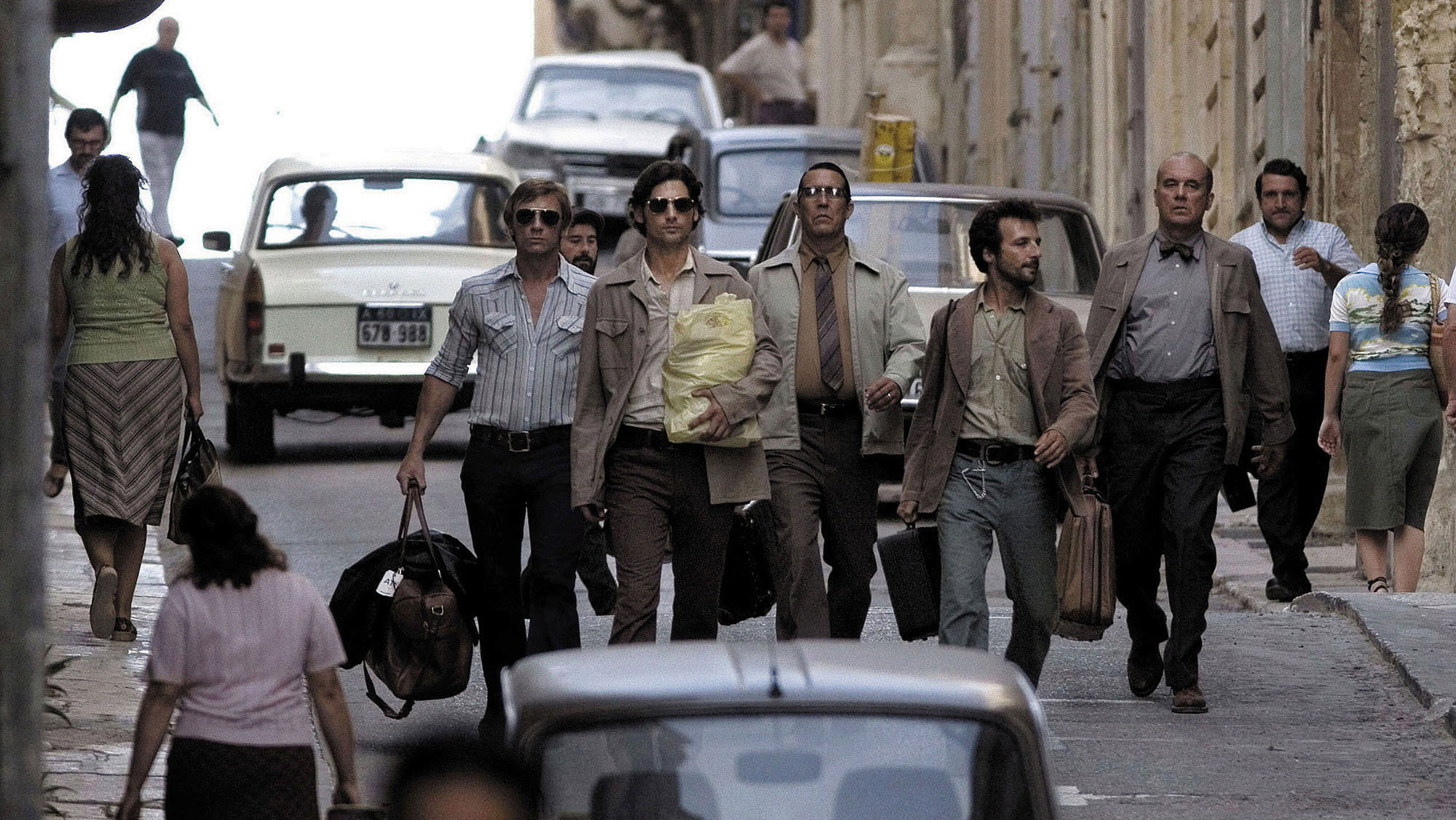
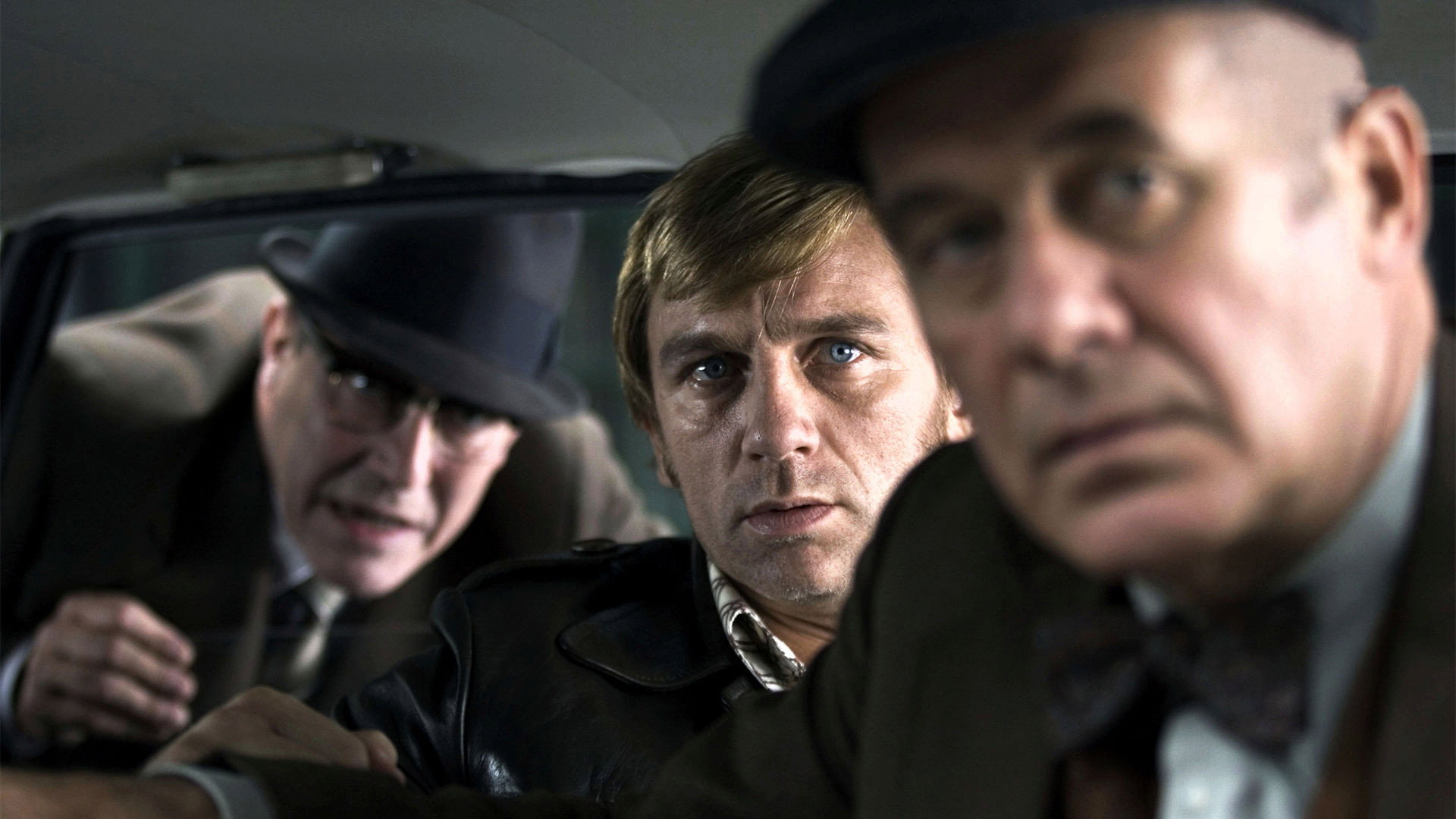
Steven Spielberg’s Munich is a gripping, troubling thriller that occasionally talks past the point at which we have understood it. Following the murder of eleven Israeli athletes at the 1972 Munich Olympics, it follows an Israeli hit squad on a revenge mission. Spielberg wants us to feel the practical urgency of that work and question the belief that another killing will make anyone safer. He is more persuasive when the men are at work than when the screenplay pauses to spell out the consequences.
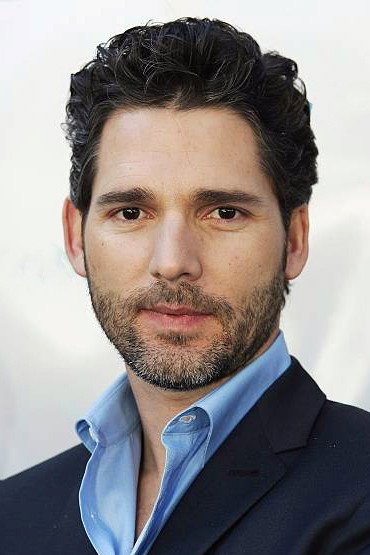
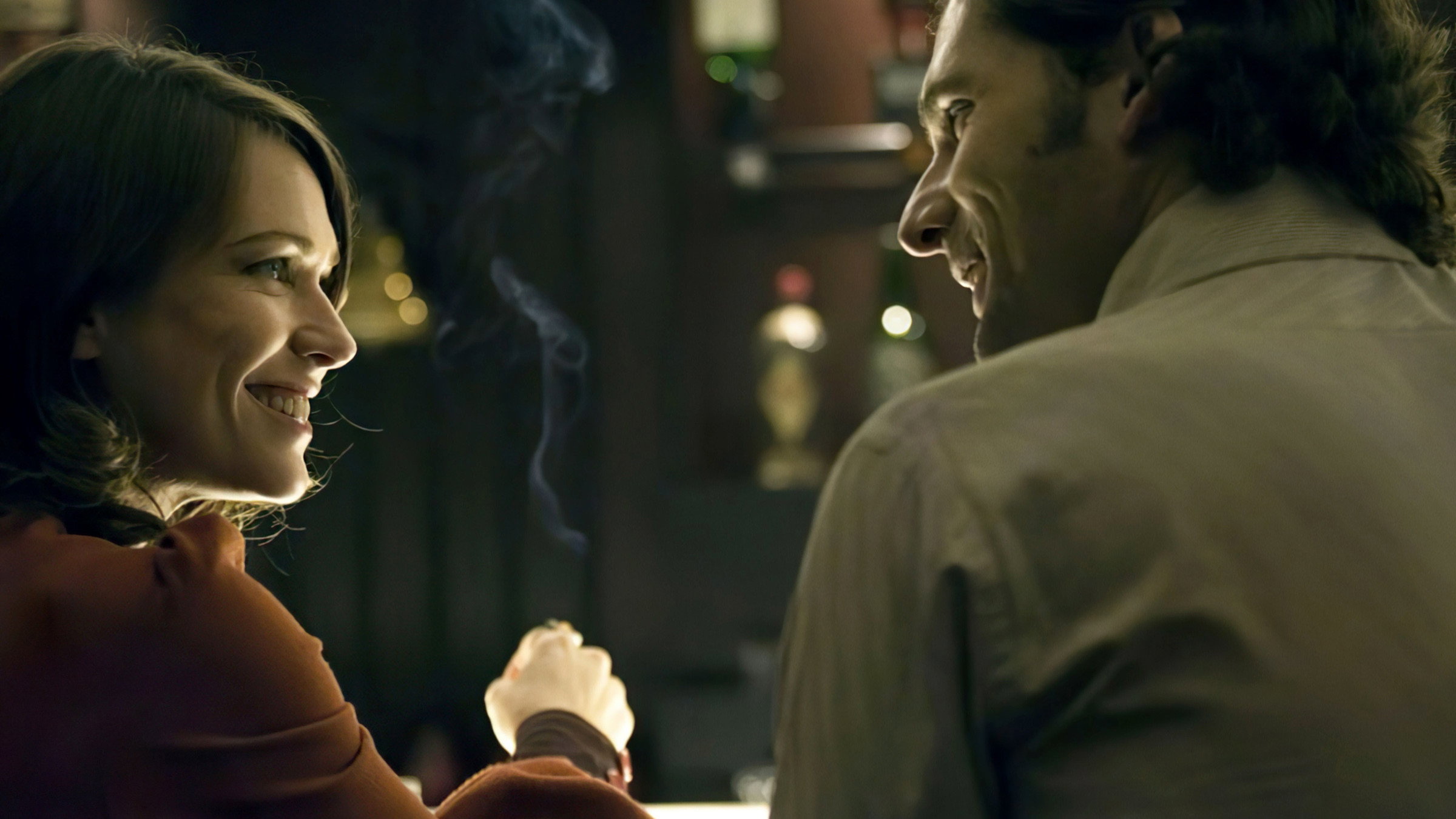
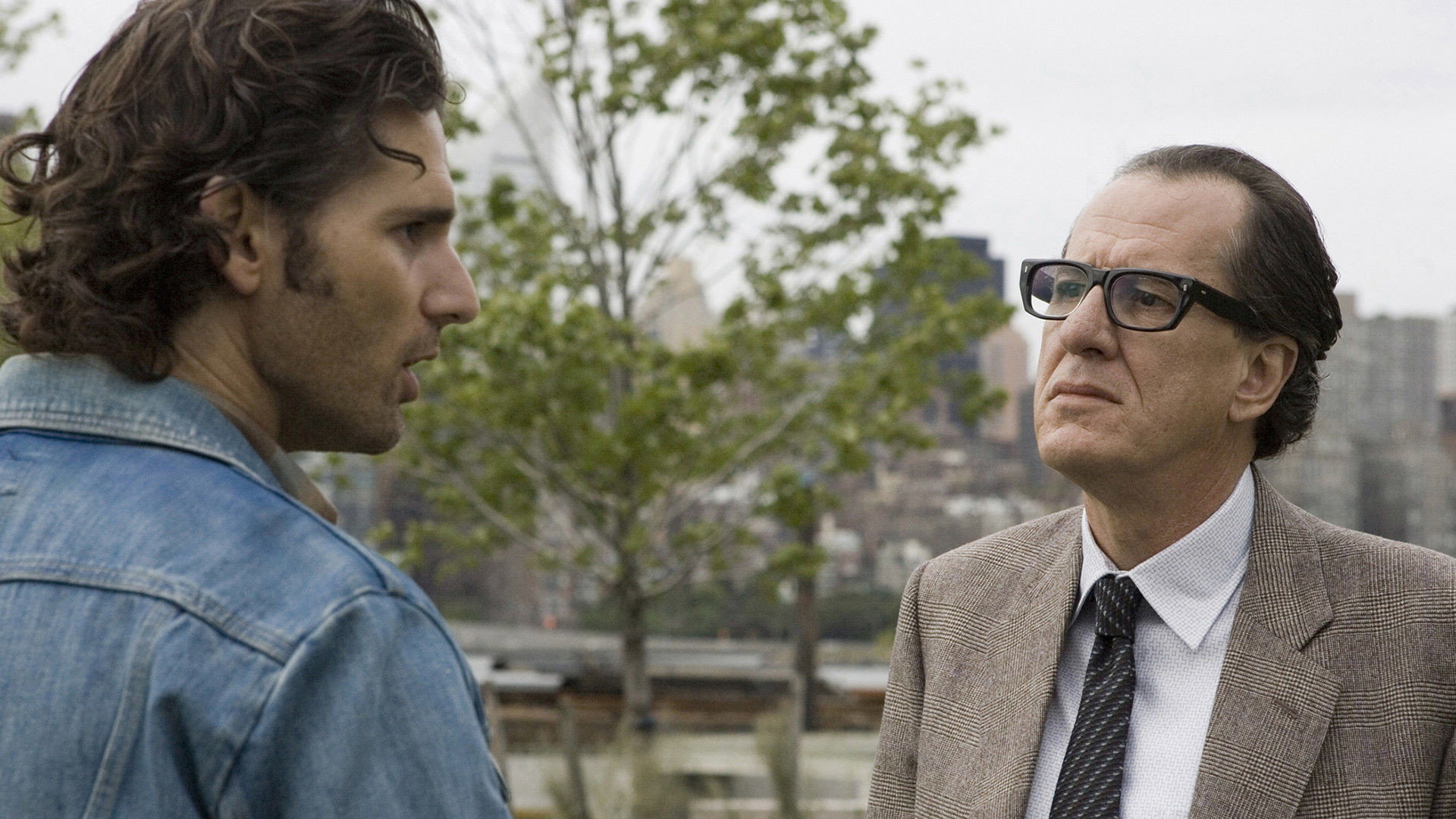
Eric Bana gives Avner the conviction the film needs if its doubts are going to hurt. He seems committed to the mission, and questioning it takes an effort that Bana makes us feel. There is no reassuring sense that he has been placed among assassins simply to provide the audience with a decent man to follow. The other members of the squad are less involving as individuals, which leaves him carrying a disproportionate amount of our concern for the people doing the killing.
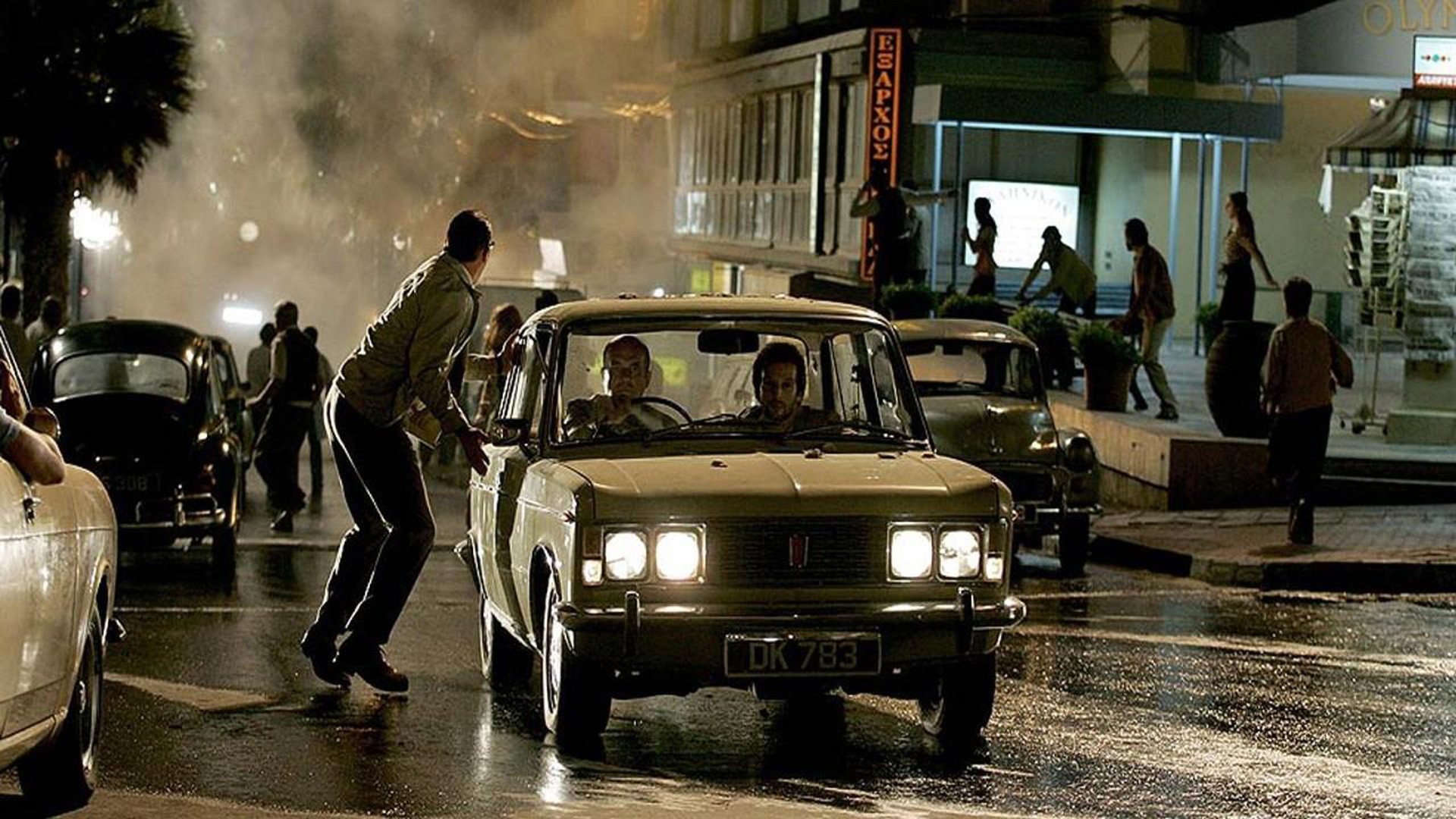
Janusz Kamiński’s grainy photography helps to make the violence feel dirty and immediate. Michael Kahn’s editing keeps the business of an assassination urgent and legible, so that suspense grows from the work itself. We were frightened, then disturbed by how much we wanted the killings to go to plan. Spielberg has made us concentrate on the success of a mission whose justification we ought to be questioning. Kahn gives those sequences enough momentum that we have little time to congratulate ourselves on having reservations.
Rick Carter’s production design makes the period convincing without inviting us to admire the furnishings. John Williams’s music allows grief to register alongside the tension, and we think that restraint is right for a film already so forceful in its action. These contributions matter because the screenplay keeps returning to the defence of home. The film needs us to understand what the men hope to preserve, or its objections to their methods would come too easily.
The problem is the screenplay by Tony Kushner and Eric Roth, which sometimes puts into speeches what Bana has already made us feel. Its concern with home, protection and revenge is serious, but the dialogue can sound too prepared for the discussion it wants us to have afterwards. Some of these exchanges could have been shorter. The effort to consider the Israeli-Palestinian conflict from more than one position is welcome, even when the characters sound appointed to speak for those positions.
As an assassination thriller, Munich is unusually willing to let the work feel exhausting and morally unrewarding. It still relies on our appetite for a well-staged operation, and Spielberg does not pretend that appetite disappears because the subject is grave. We leave the action passages with enough unease to doubt that a cleaner or more efficient mission would solve anything. At 164 minutes, there is time to feel the repetition, even if the length also makes the mission wear on us. Choose it when there is time to sit with the discomfort afterwards.