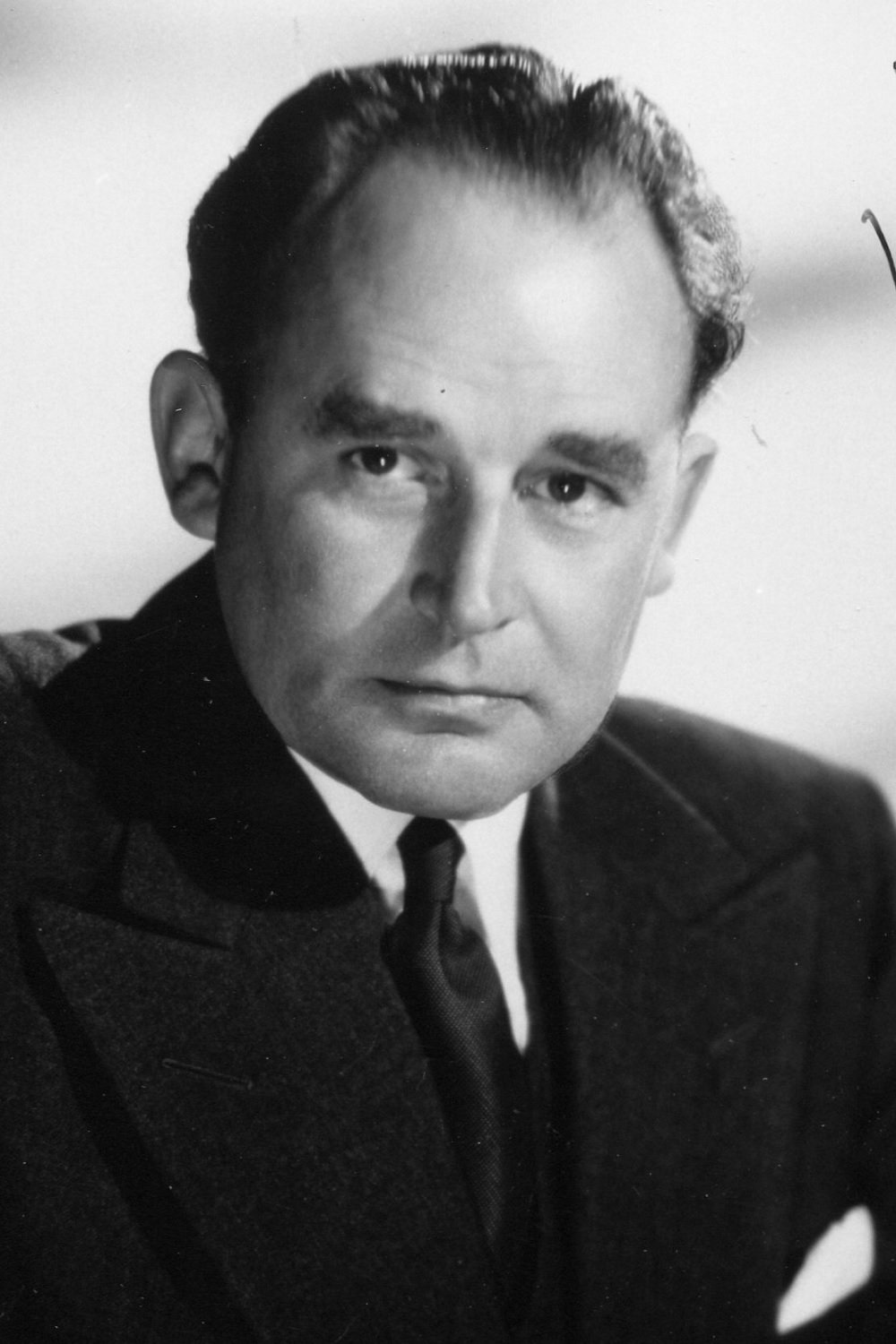
Geoffrey Keen spent forty years being the least amused man on screen, and made a living of it. The Minister of Defence in six Bond films was the most visible of a hundred cold, bald, disapproving officials, nearly all better company than the script deserved.
Fi1m perspective
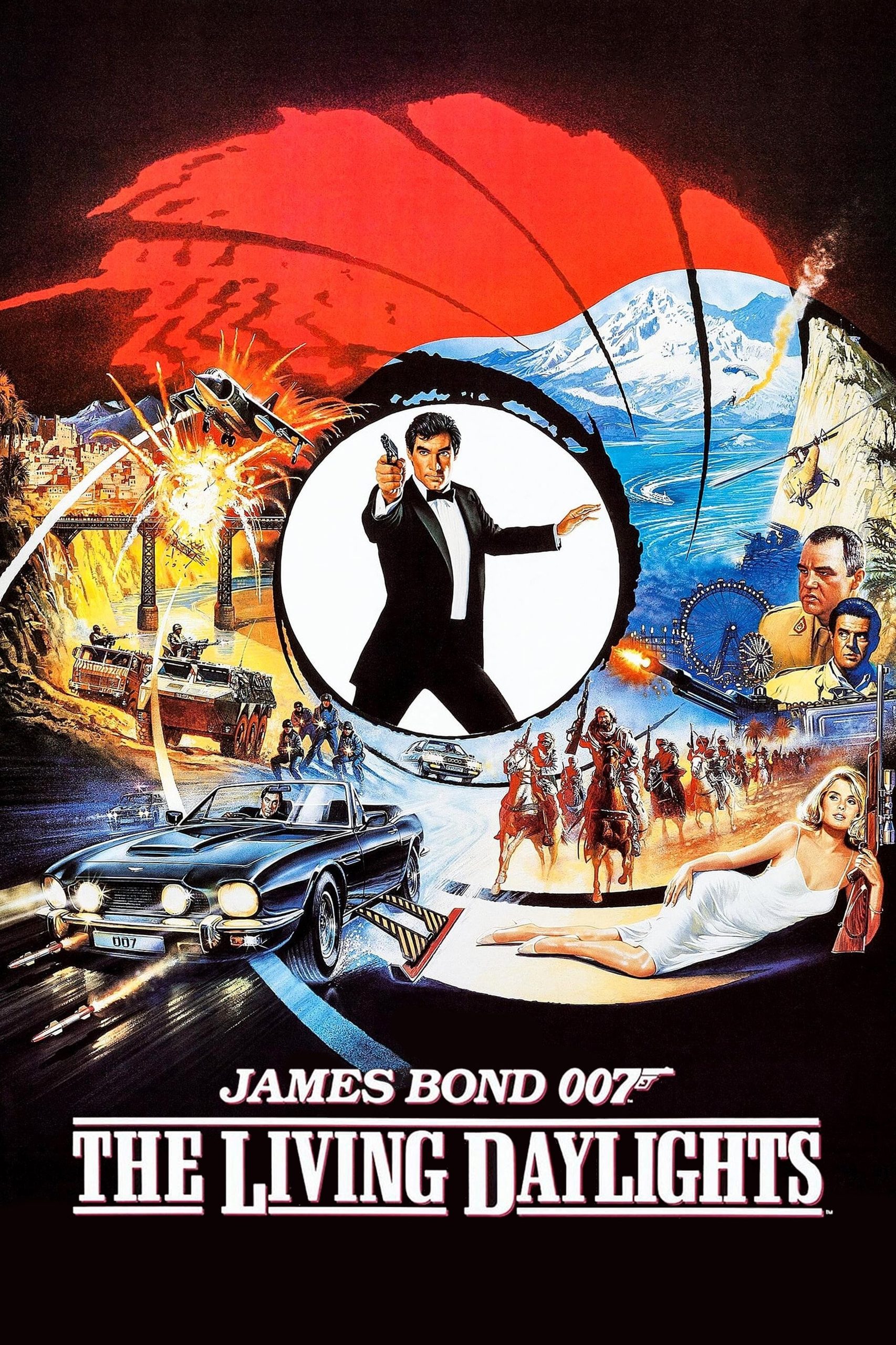
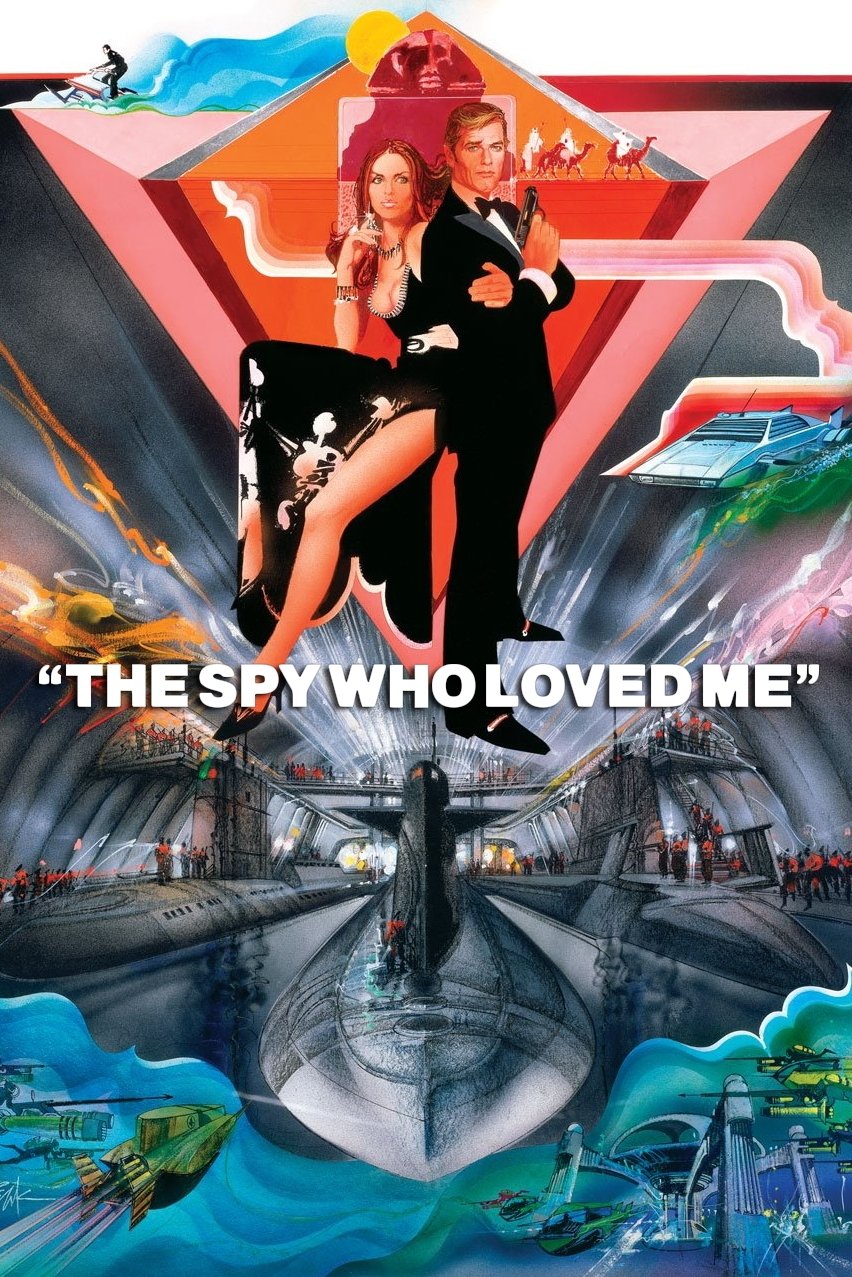
In The Spy Who Loved Me (1977), Bernard Lee's M and Walter Gotell's General Gogol share a base in Egypt and behave like colleagues who have worked the same corridor for years. Geoffrey Keen's Sir Frederick Gray fusses. That is the part, and it is the part Keen played, under one title or another, for most of his working life: the man who has read the budget, dislikes the plan and has not been asked. He would go on fussing for ten years, through six Bond films, until The Living Daylights (1987), which was also his last film.
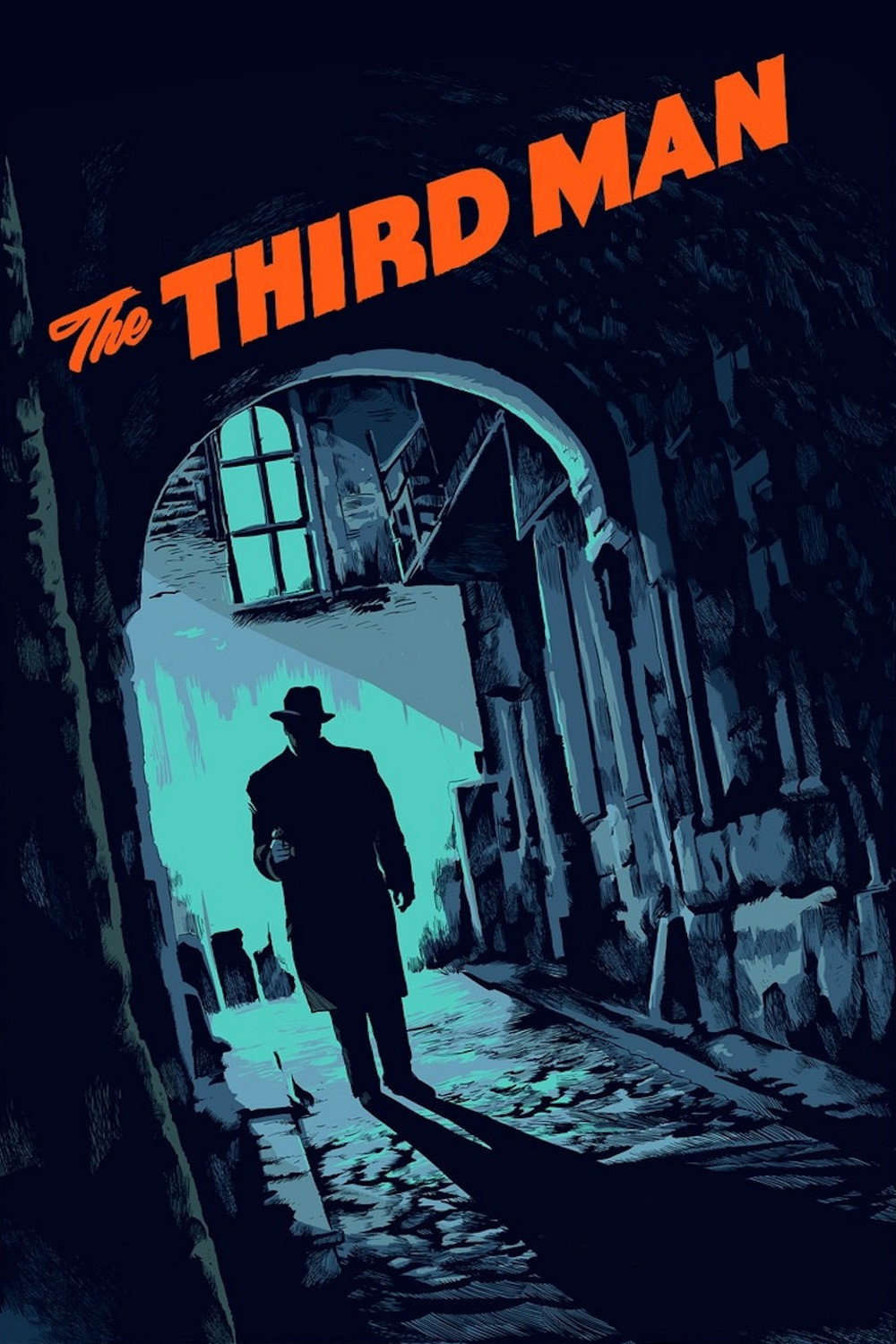
By then he had been at it a long time. He made more than a hundred films from 1946, nearly all in support, and the casting directors knew what they wanted from him: executives, lawyers, senior officers, men with authority and no warmth. Carol Reed used him four times, starting with an uncredited military policeman in The Third Man (1949). Disney gave him Israel Hands in Treasure Island (1950); David Lean gave him a medical professor in Doctor Zhivago (1965). Television, for once, gave him the lead, as Brian Stead in The Troubleshooters from 1965 to 1972. And he made ten films with Bernard Lee, so that when the two of them sat at a table in a Bond film the ease between them was not acting.
He was clear-eyed about the work. "Most of the stuff I do is rubbish, but it’s a very exciting thing to get a mediocre part and give it a third dimension - to make a character a real chap instead of being cardboard." That is exactly what he did, and it is why his scenes in the Bonds hold. In The Spy Who Loved Me we found ourselves watching him while Moore had the lines, because the irritation looked earned: a civil servant surrounded by people enjoying themselves at his department's expense. It is a small effect, and a real one, and the film would be thinner without it.
The cost was that nobody ever asked him for anything else. The parts were dour, and then they were dour and smaller, and the minister exists in most of his films to be told that Bond has done something expensive. Keen could suggest superiority and a little menace in a look, and a script that had used those for more than disapproval might have found a different actor in him. None did.
If you want to see what he could do when the part had some room, go back to the Reed films, where he was on screen for minutes and stayed in the memory. Otherwise watch the minister once more and notice that the disapproval never slackens across ten years. Somebody in those rooms had to be unimpressed by the swimming car, and Keen never once let on that he might have enjoyed it.
Biography
Geoffrey Keen (1916–2005) was an English actor. He appeared in supporting roles in more than 100 films between 1943 and 1991.
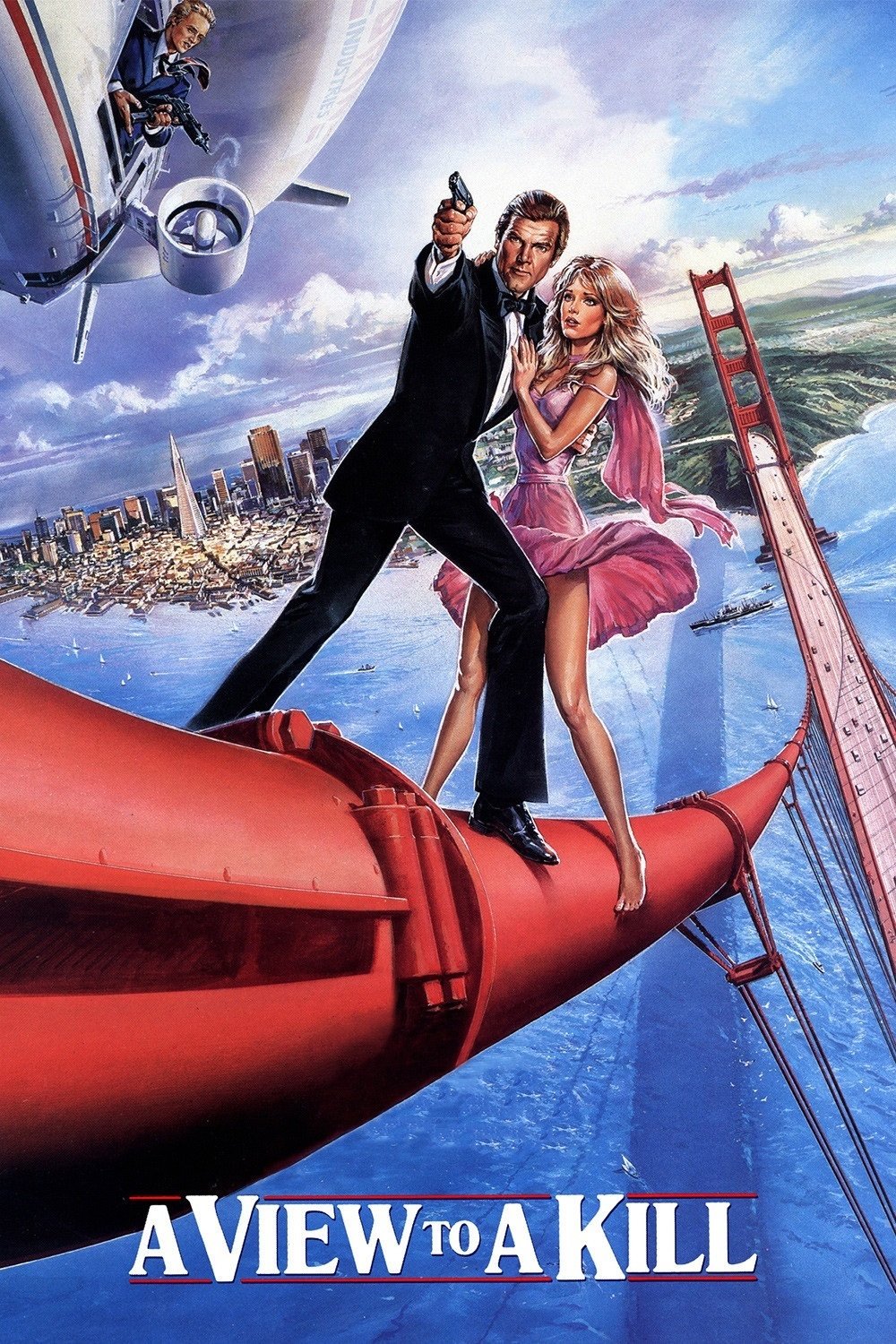
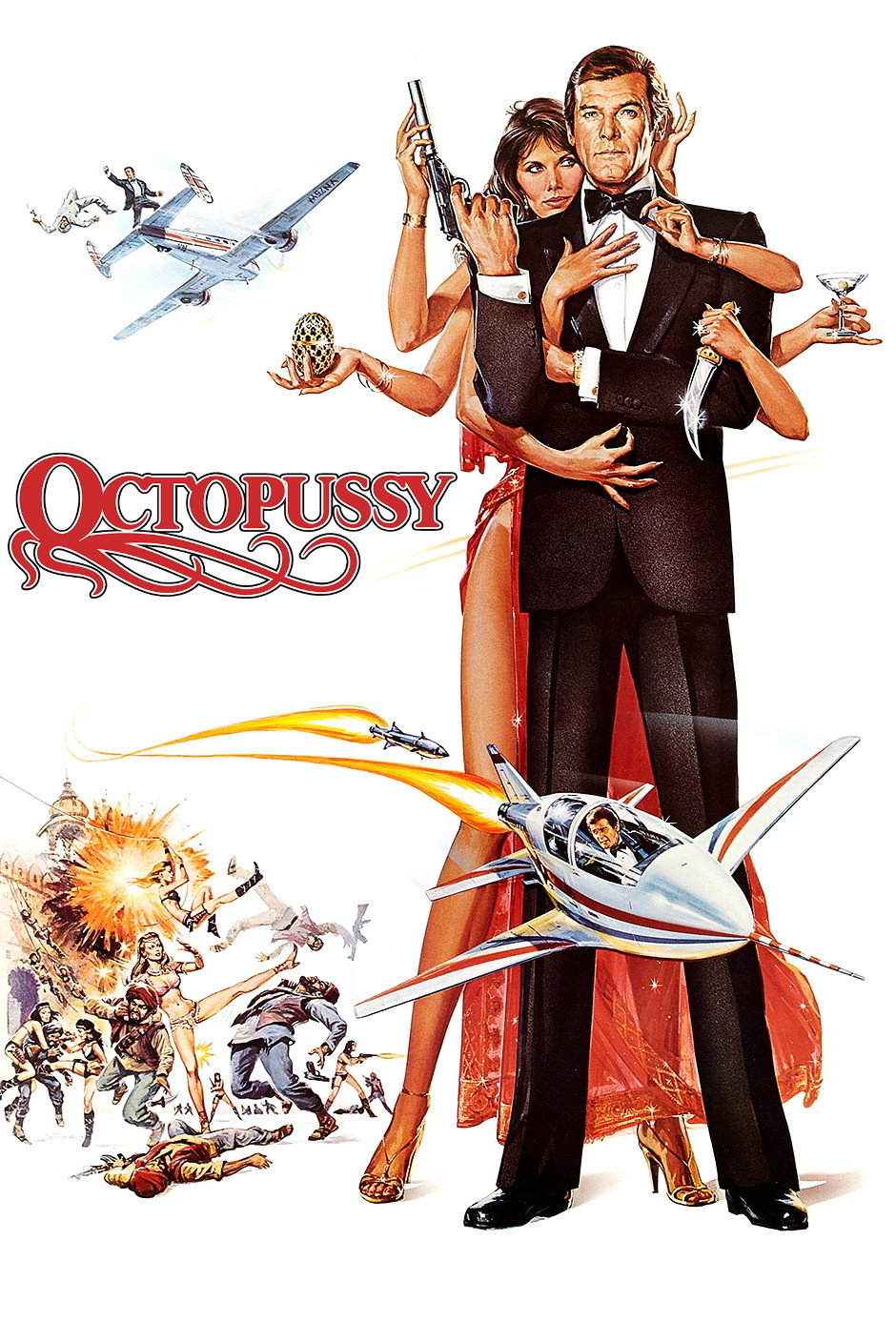
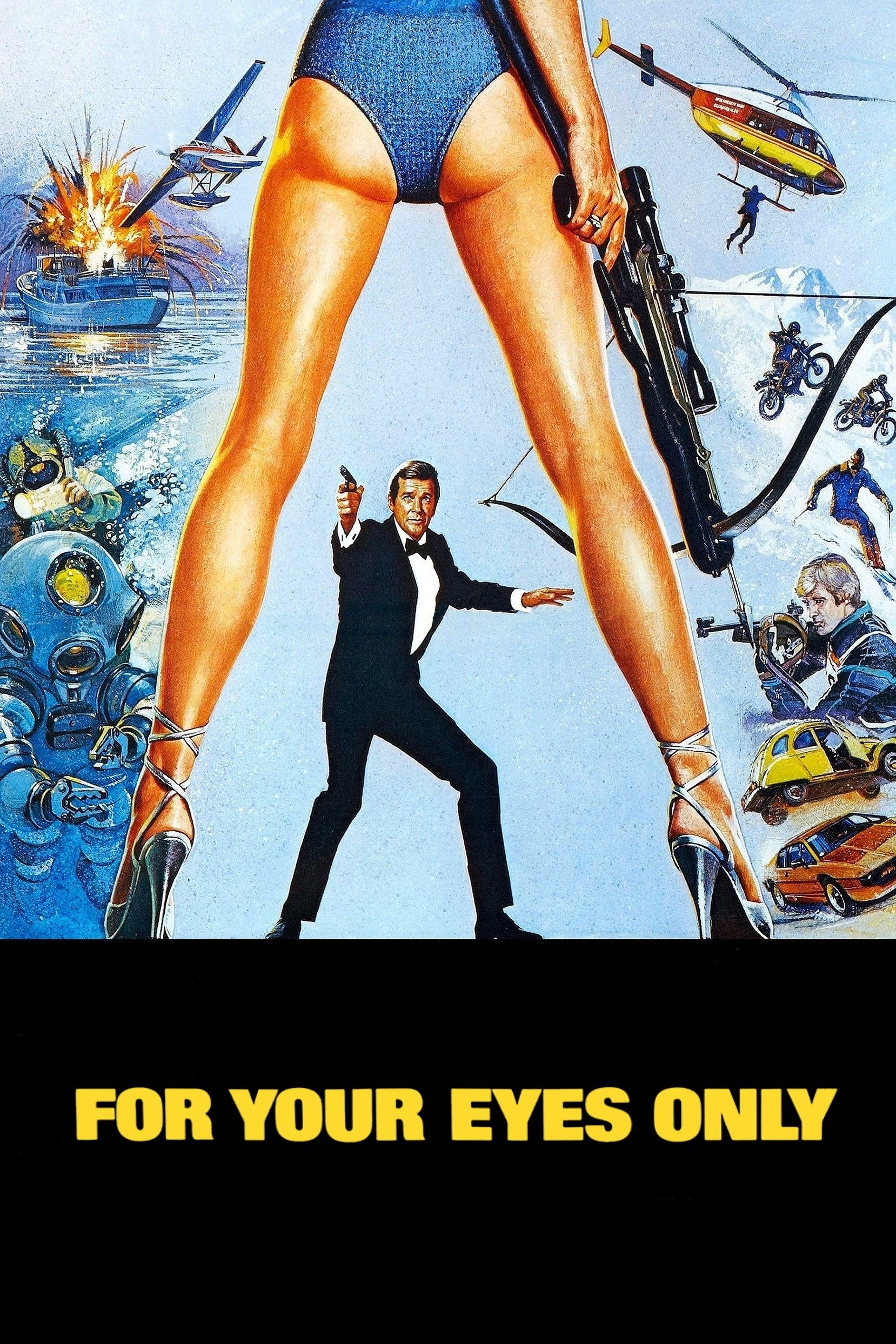
He is best known for playing Sir Frederick Gray, the Minister of Defence, in six James Bond films: The Spy Who Loved Me (1977), Moonraker (1979), For Your Eyes Only (1981), Octopussy (1983), A View to a Kill (1985) and The Living Daylights (1987). Other film credits include The Third Man (1949), Treasure Island (1950) and Doctor Zhivago (1965). On television he was a lead in the BBC series The Troubleshooters (1965–1972).
Keen was the son of stage actor Malcolm Keen. He trained at the Royal Academy of Dramatic Art after education at Bristol Grammar School and began his career on the stage.