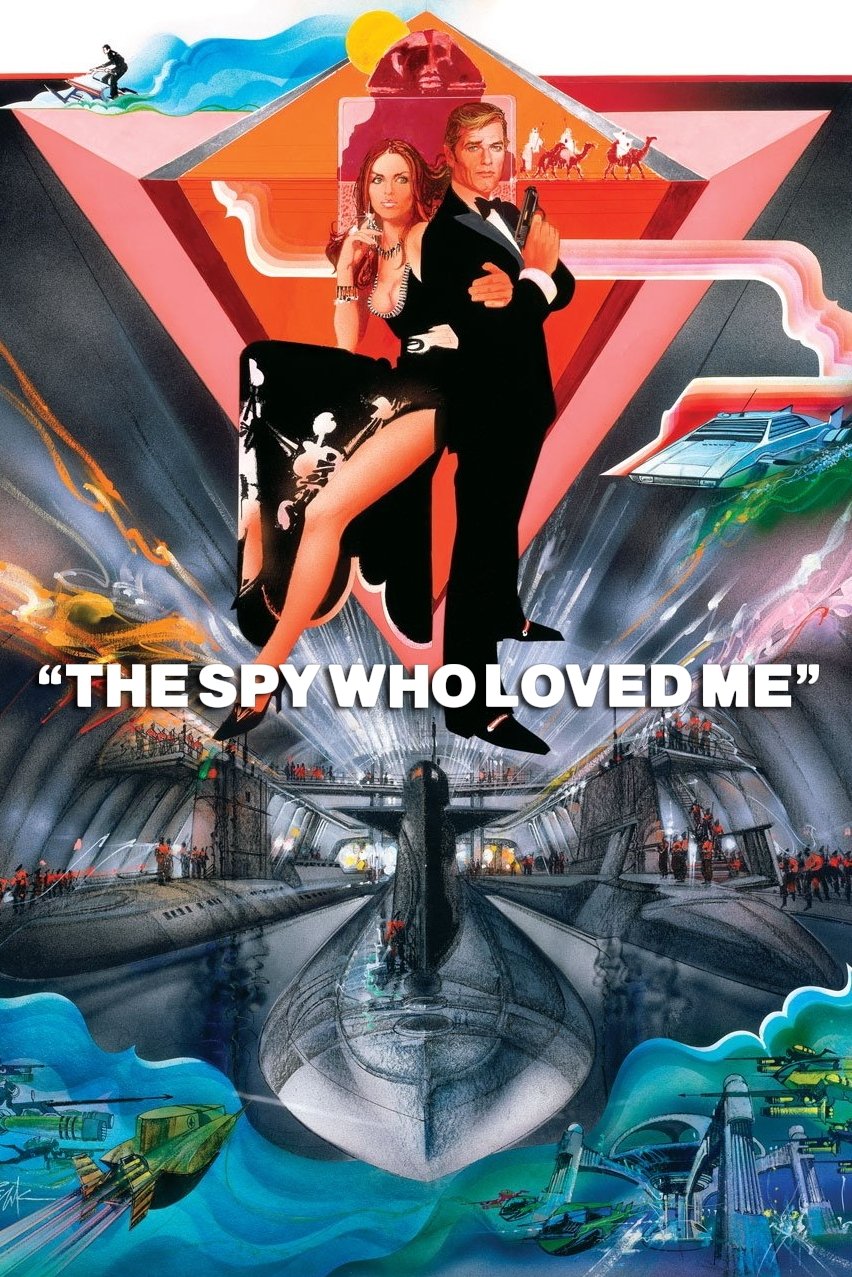
Most critics take this as the high point of Roger Moore’s run, and the praise clusters around the same things: Moore’s deadpan, the scale of the set-pieces, and a heroine treated as his equal rather than his prize. The pre-credits ski jump, the Lotus that turns into a submarine and Richard Kiel’s Jaws come up in nearly every notice, and several reviews argue the film plays its Bond staples straight enough to stay clear of camp. Ken Adam’s sets and Claude Renoir’s photography draw approval even from the less enthusiastic.
The reservations are about the writing. Sight and Sound finds the plot barely coherent, a string of borrowed set-pieces held together by seaside innuendo, and Time Out goes further, calling the flag-waving and schoolboy smut desperately weak and sparing only Jaws. Variety sits between the camps, enjoying the props while conceding the story is comic-strip parody. The spread is wide: seven critics rate it warmly, but the two dissenters are not mild about it.