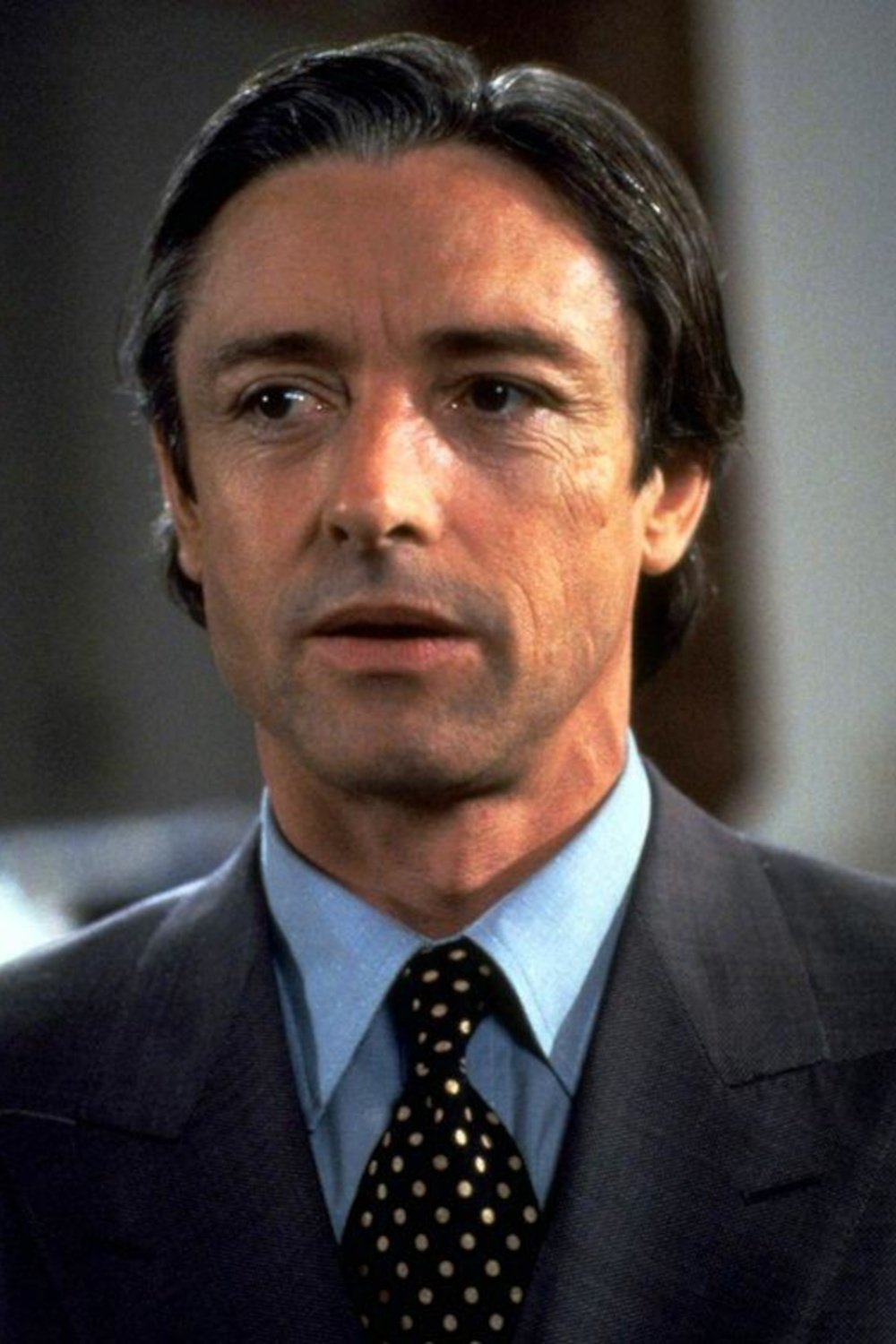
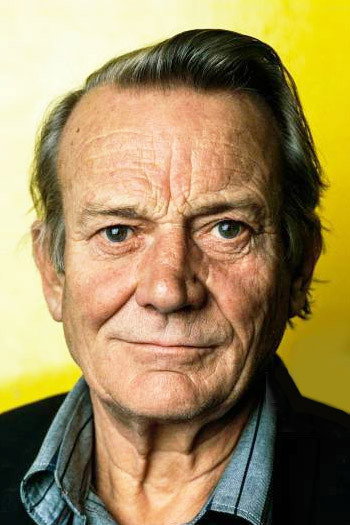
Steven Spielberg’s adventure earns its excitement through clear action and Harrison Ford’s knack for looking battered but capable. We would recommend it to almost anyone, though its violence is rougher than the playful tone might suggest.
Raiders of the [Lost](/film/lost) Ark is an adventure we would recommend even to people who think they have had enough of chases. Steven Spielberg understands that speed alone will not keep us interested: we need to grasp the danger, wonder how anyone can escape it and care about the person attempting to do so. He makes that look straightforward, which it is not. The film draws on serial adventures without treating their pleasures as something to be embarrassed about.
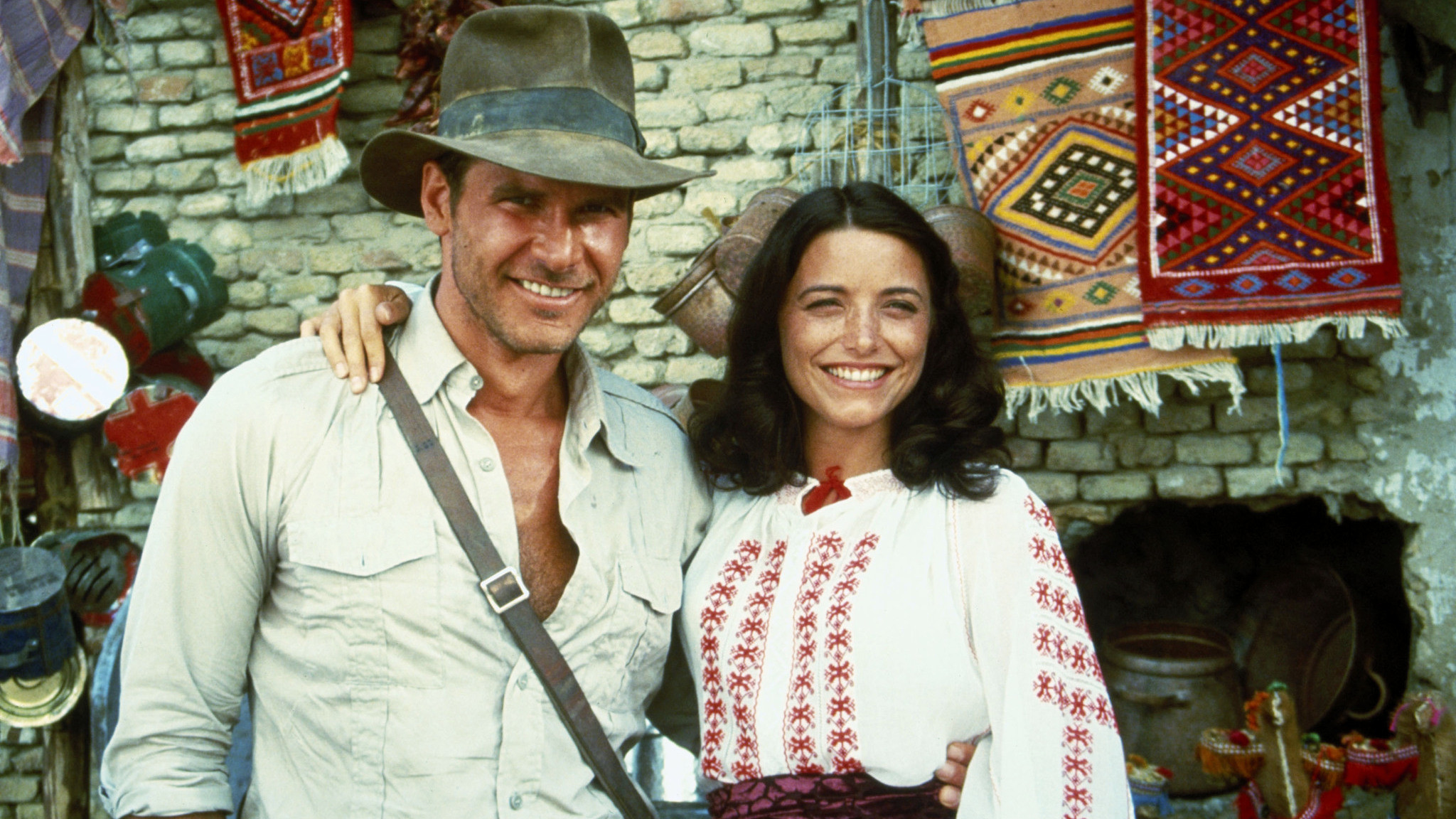
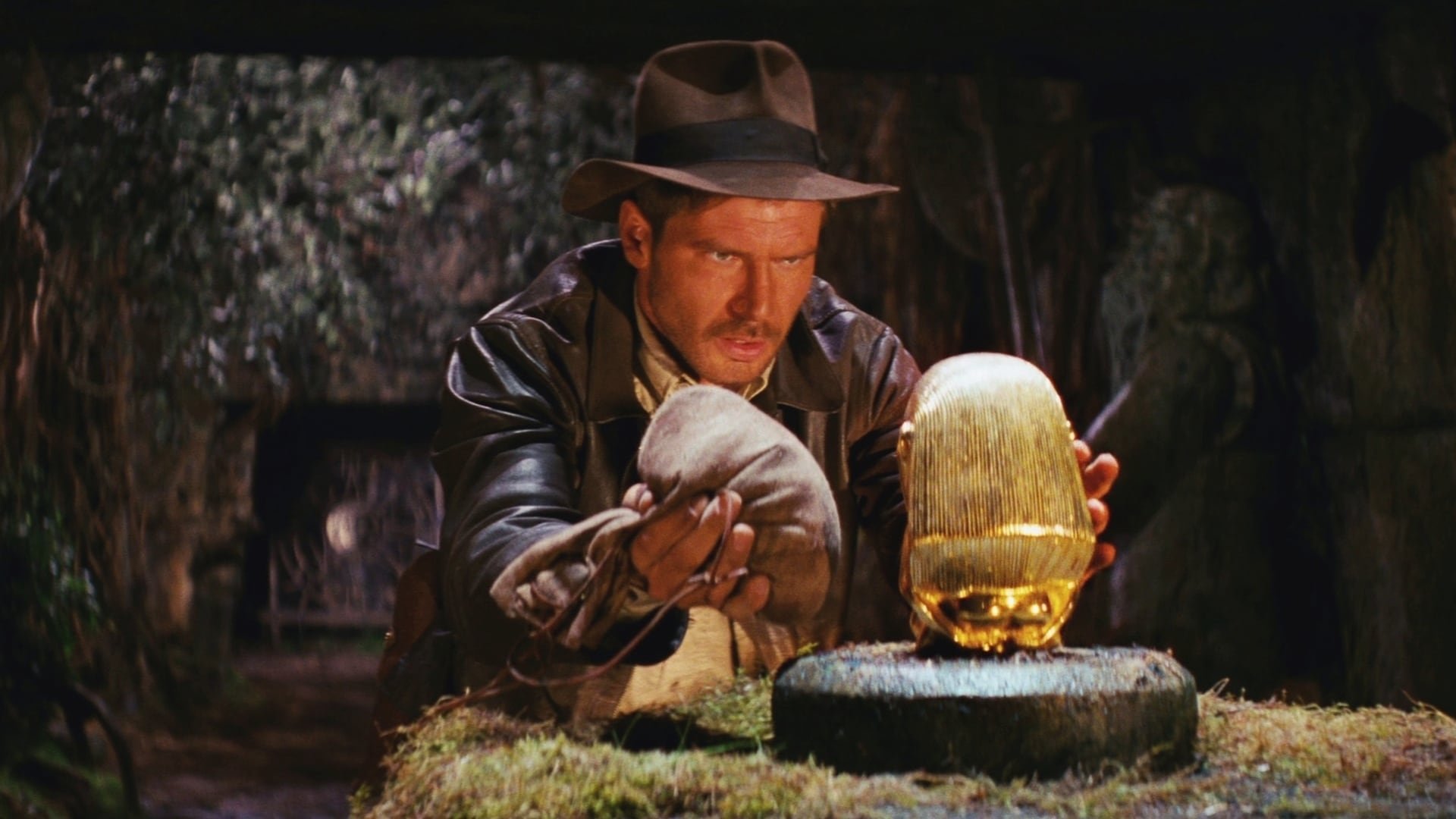
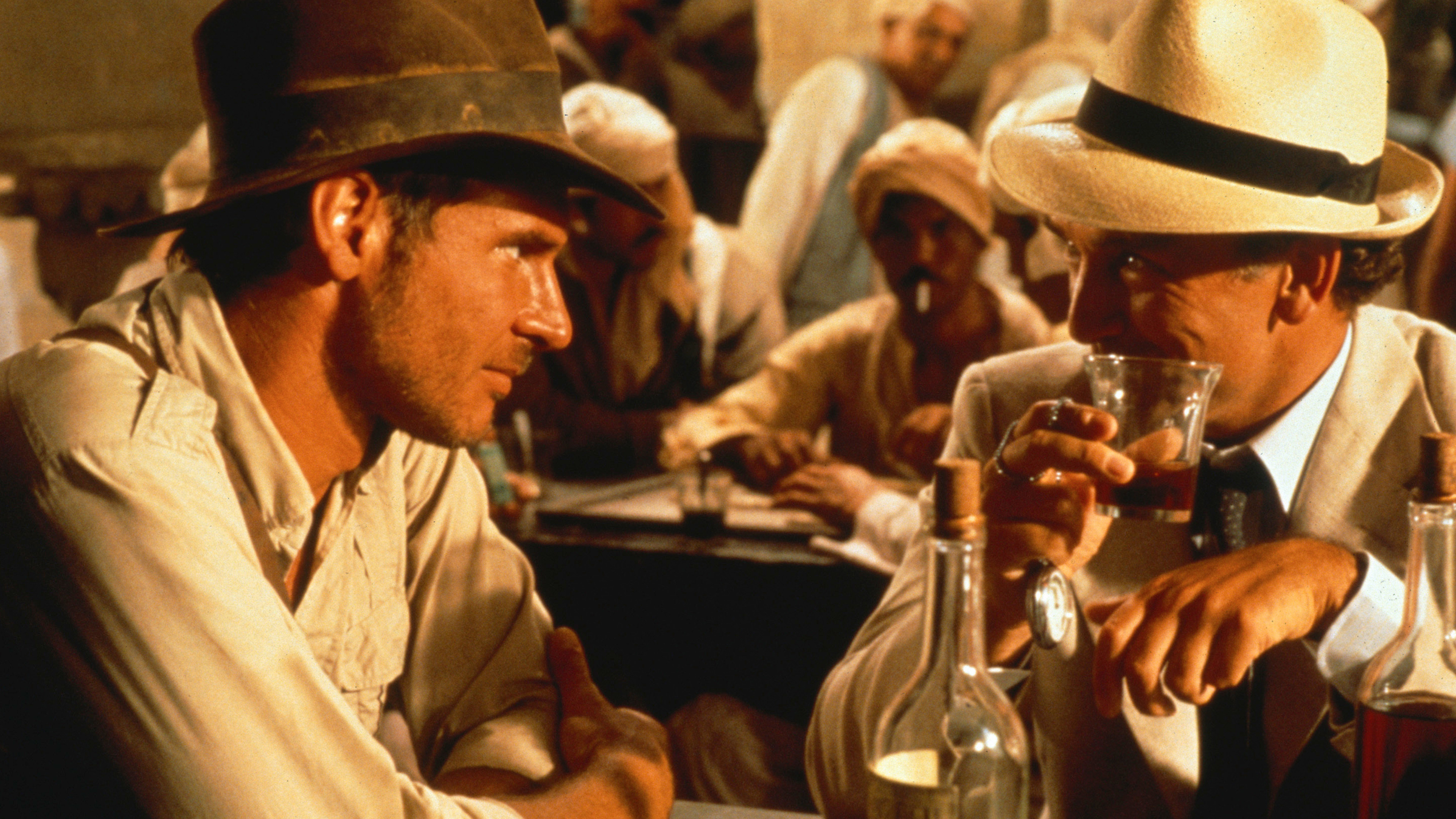
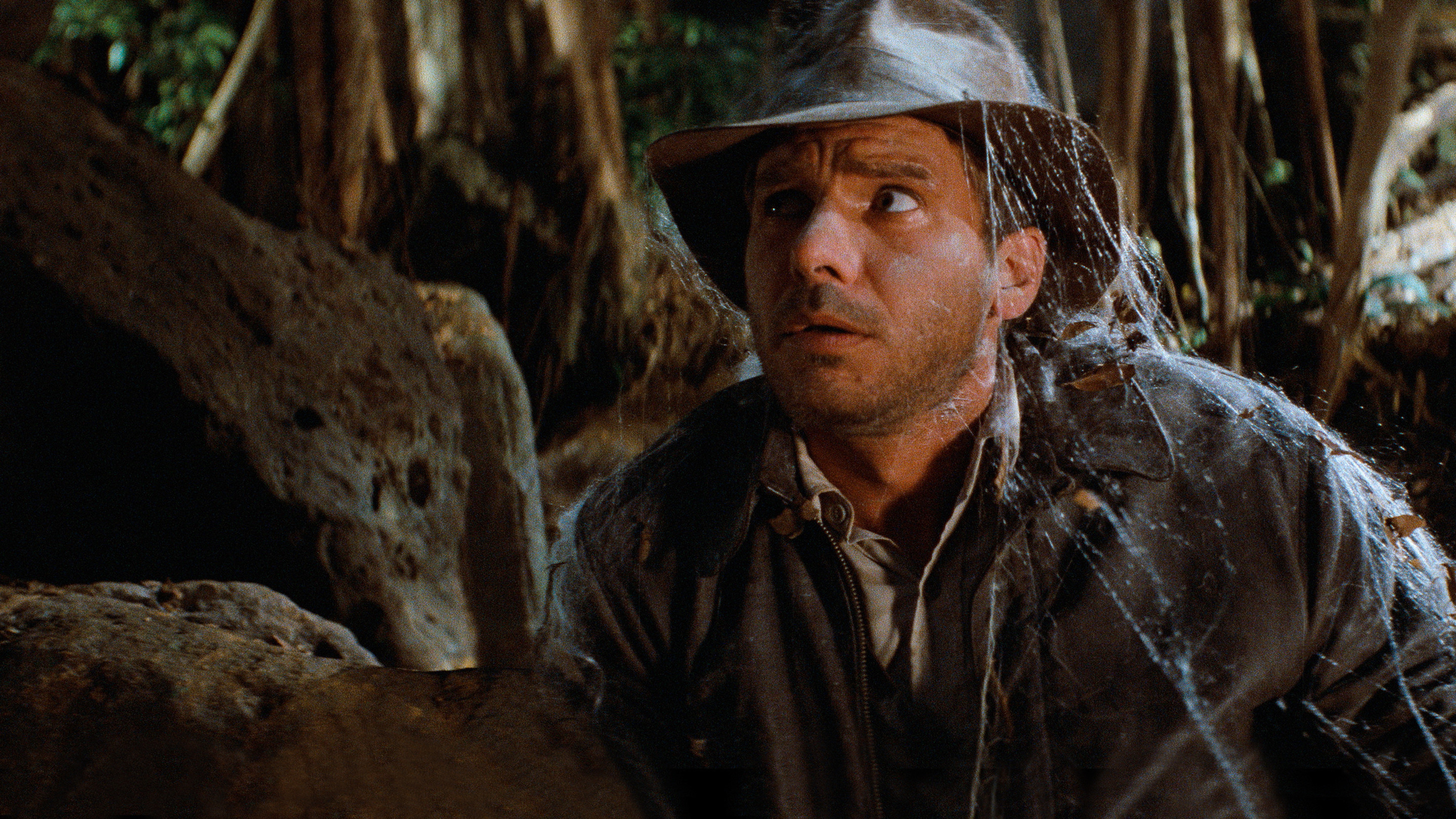
Harrison Ford makes Indiana Jones worth following because he allows the effort to show. He looks determined enough to tackle the next obstacle and tired enough to regret it, which makes the physical punishment count. We laughed at how little dignity Ford brings to escaping the rolling boulder; he makes getting out alive seem quite enough to ask. His willingness to look harried keeps Jones likeable, even when the danger is plainly outlandish.
Karen Allen’s Marion Ravenwood is a welcome match for that performance, with enough force and humour to make us want more of her. Lawrence Kasdan’s screenplay is at its most enjoyable when it gives the actors room to spar rather than sending them towards the next emergency. Our reservation is that the appetite for another chase sometimes wins too easily. We would happily trade a little forward movement for longer in Allen’s company, especially when the dialogue is doing more than supplying information.
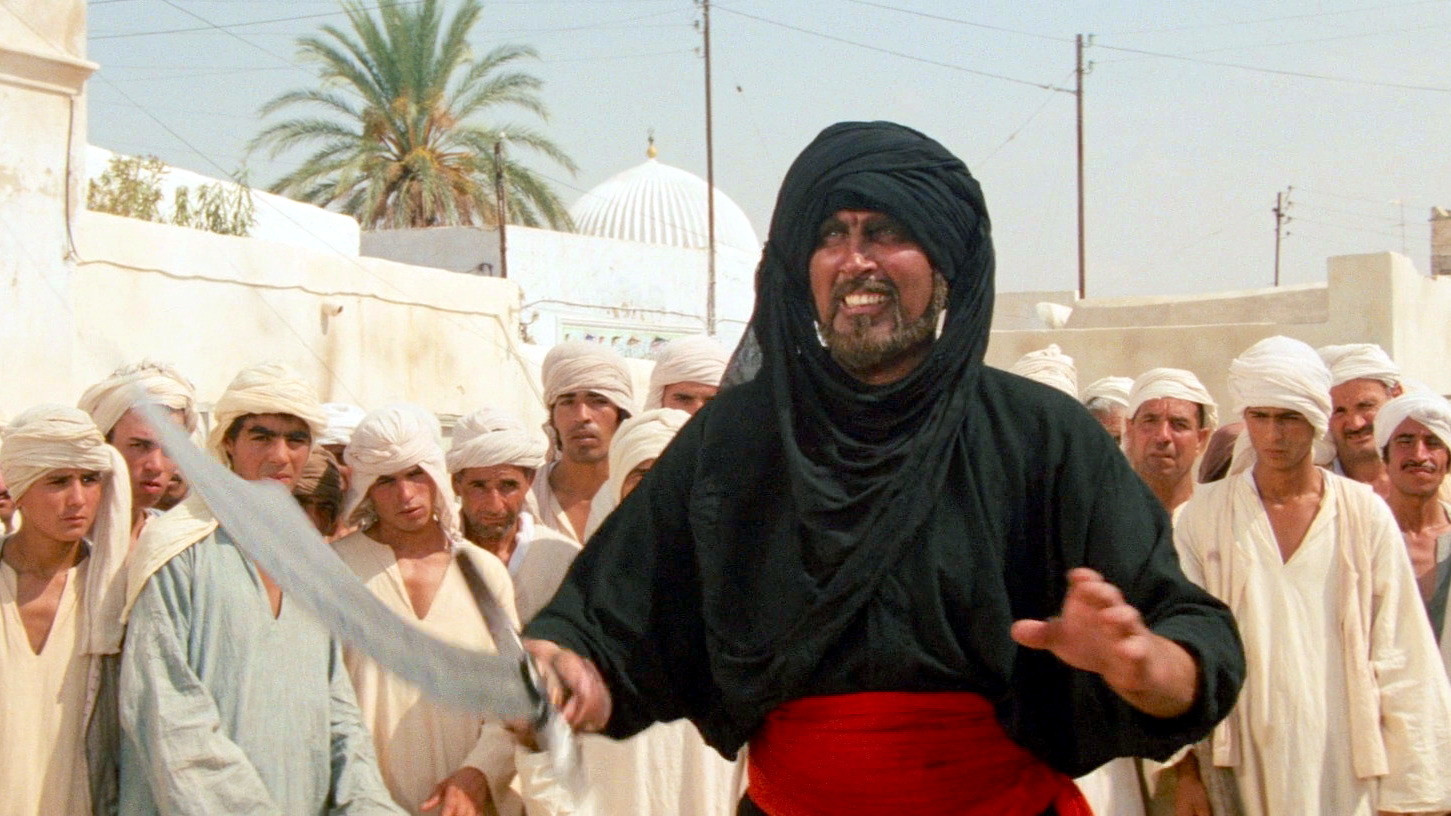
The truck chase shows how carefully the film makes a threat readable. Douglas Slocombe’s photography keeps the truck’s size and Ford’s vulnerability clear, so the danger never becomes a jumble of movement. Michael Kahn’s editing keeps the sequence urgent without making us work out what has happened after the danger has passed. We can anticipate trouble and still be startled by it. Few action films are so attentive to our need to understand where everyone is before they start moving again.
Norman Reynolds’s production design helps the hazards feel solid. The sets have a scale that makes Ford look exposed, and their apparent weight gives the stunt work something convincing to push against. Spielberg uses that space with a practical eye for how a body might move through it, so the scenery earns the attention it receives. We believe in the immediate physical difficulty even when the adventure is asking us to accept something unlikely.
John Williams’s music is generous with encouragement, making Jones sound a little more assured than Ford ever lets him appear. The score gives the action lift without smoothing away its roughness, and its readiness to enjoy the adventure matters. Spielberg is not pretending that this is sensible behaviour, but neither is he nudging us to feel superior to it. It is a relief to watch an adventure that does not keep apologising for being silly.
The caveat is the force of the violence, which can be more unsettling than the joking prepares us for. A PG certificate should not be taken to mean that every child will find the danger comfortably pretend. At 115 minutes, the film is brisk enough to make its occasional thinness between set pieces forgivable. Choose it for an evening when everyone wants an adventure, but do not assume the youngest person on the sofa will take the punishment as lightly as the adults.