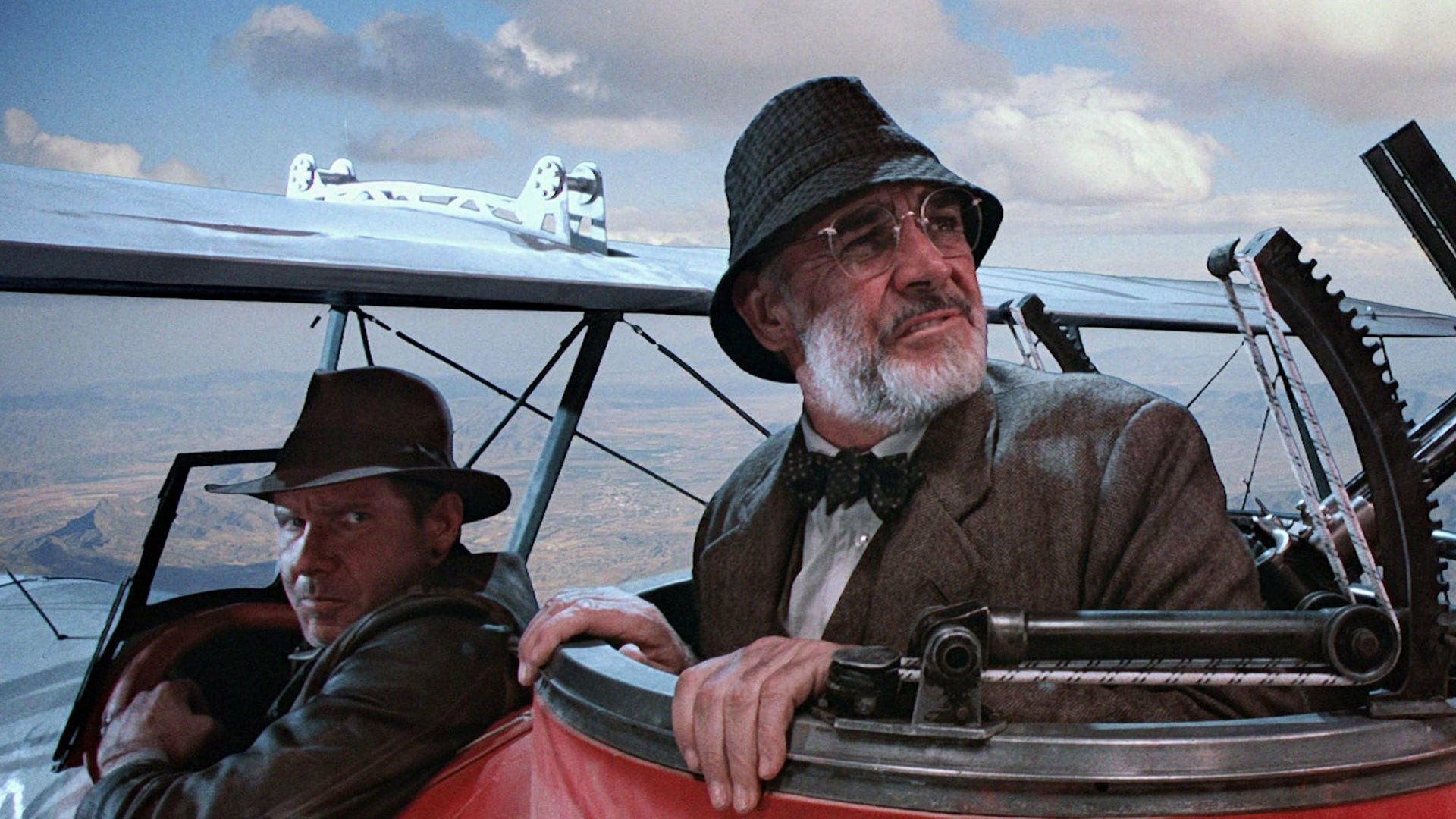
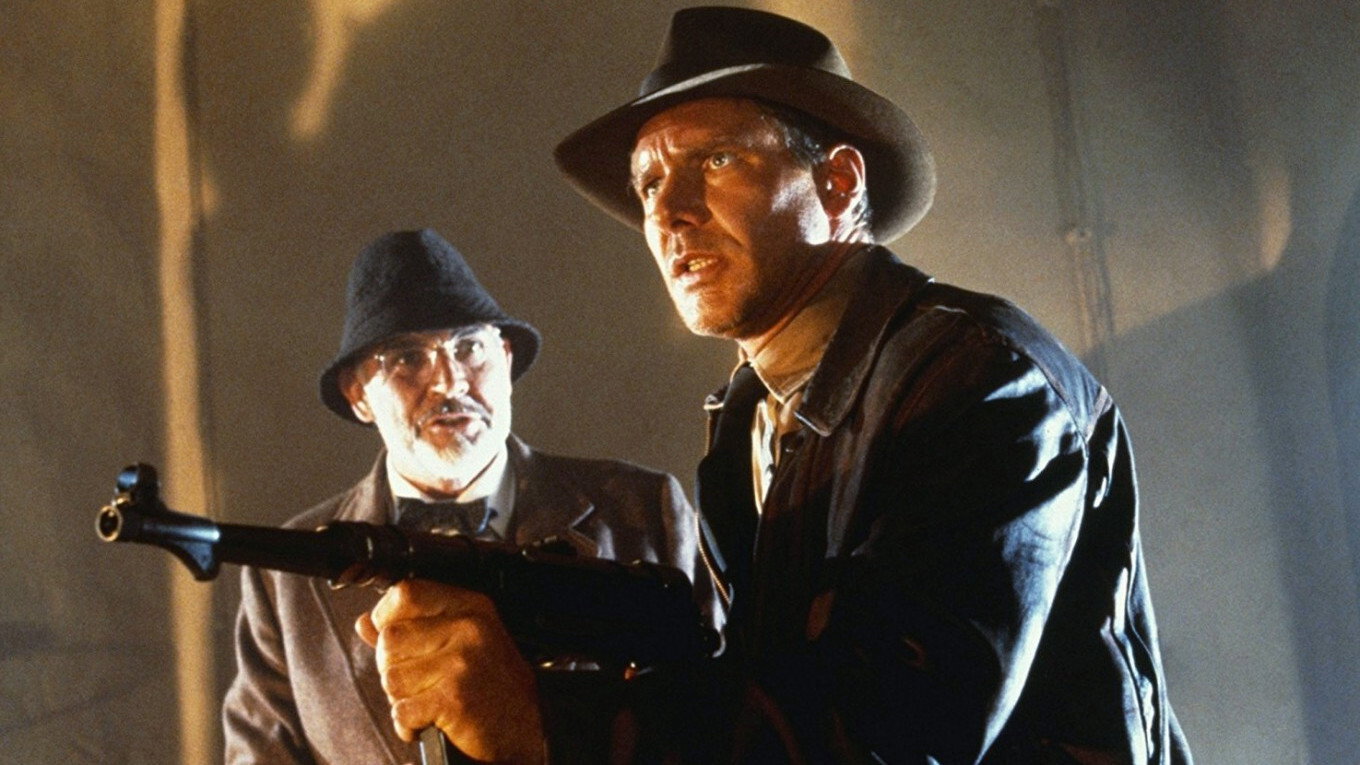
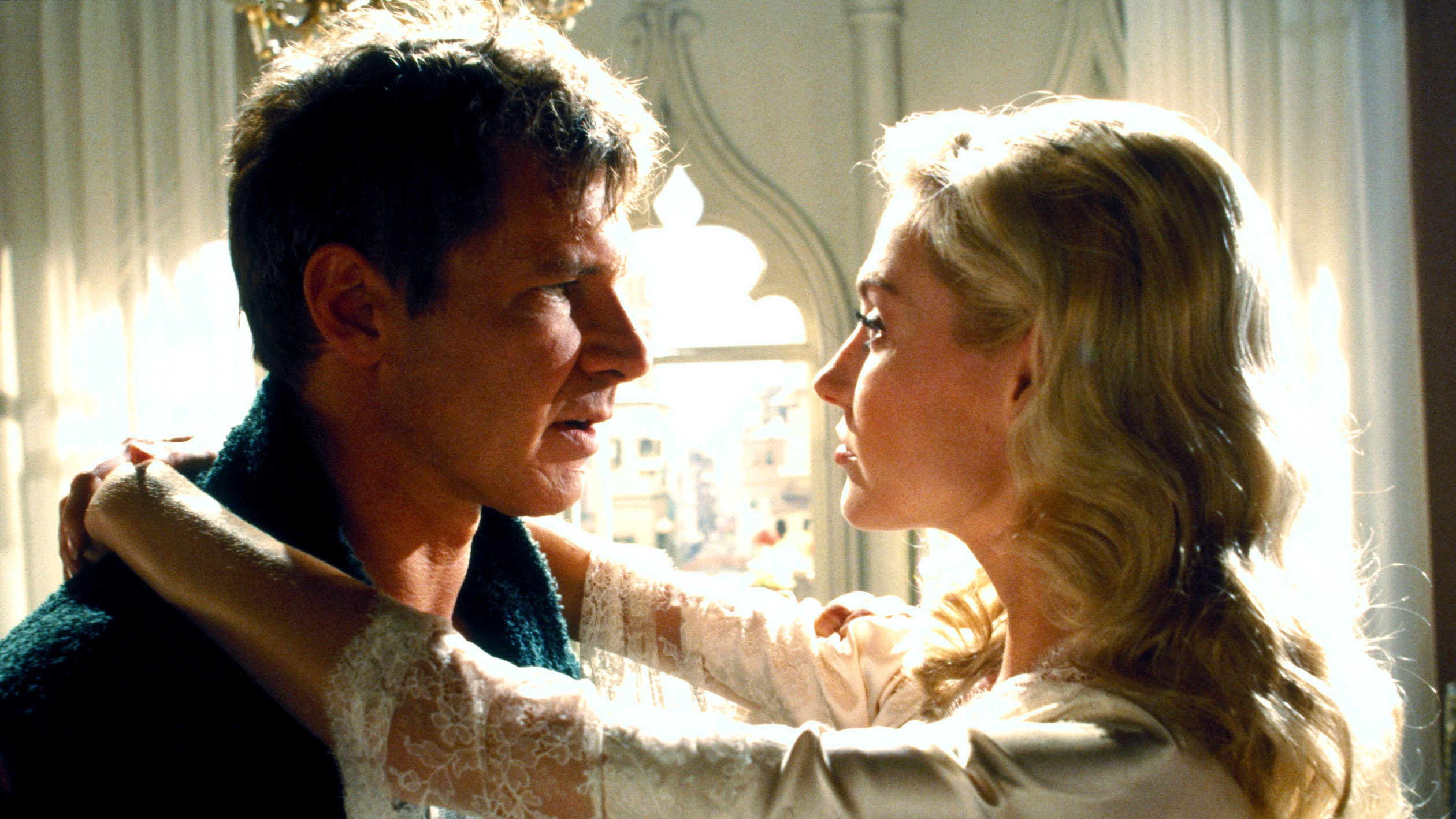
Harrison Ford and Sean Connery make this a funny, affectionate adventure worth returning to. The action sometimes repeats familiar pleasures, but the father-and-son friction gives Steven Spielberg’s film enough life to compensate.
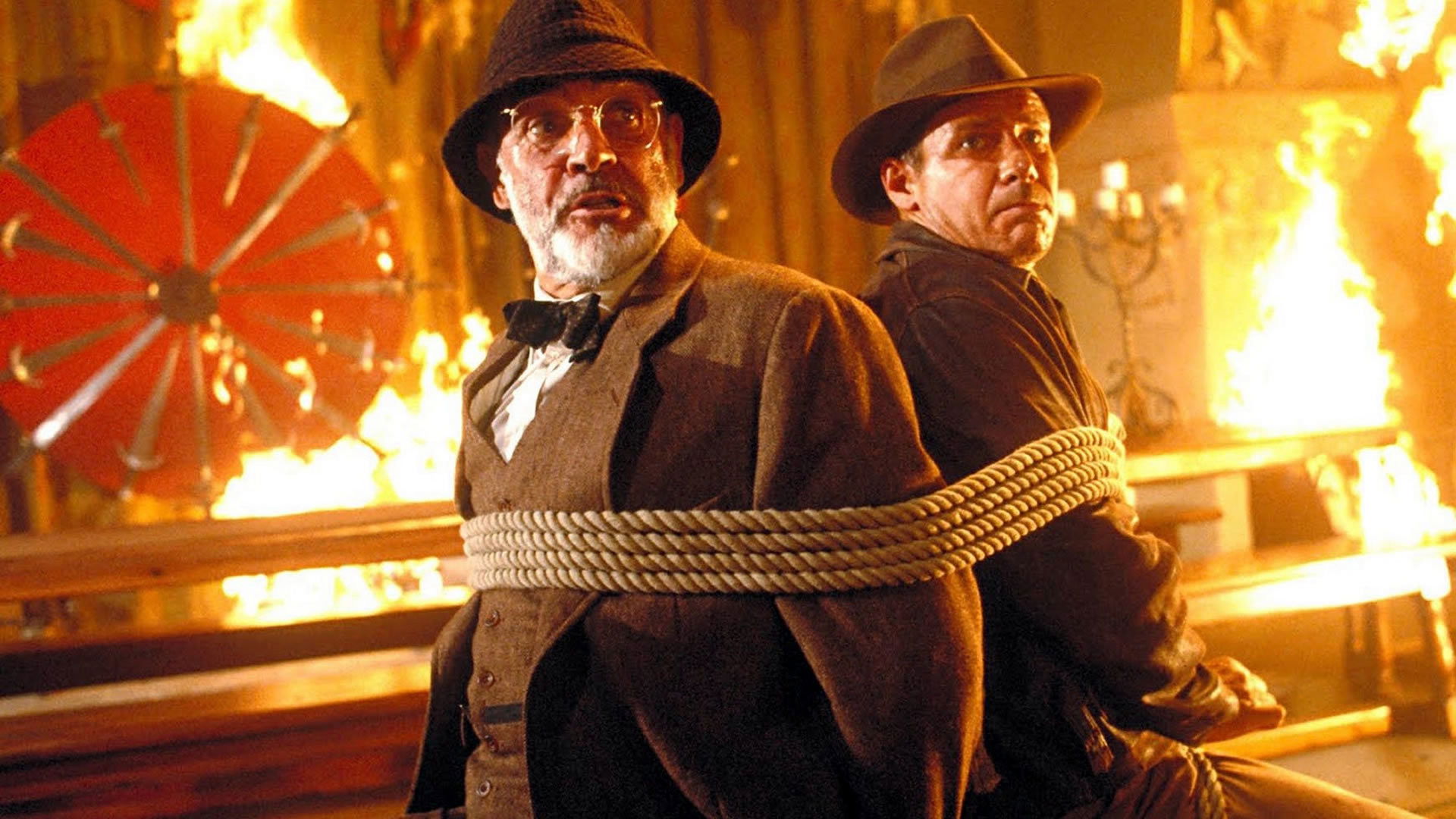
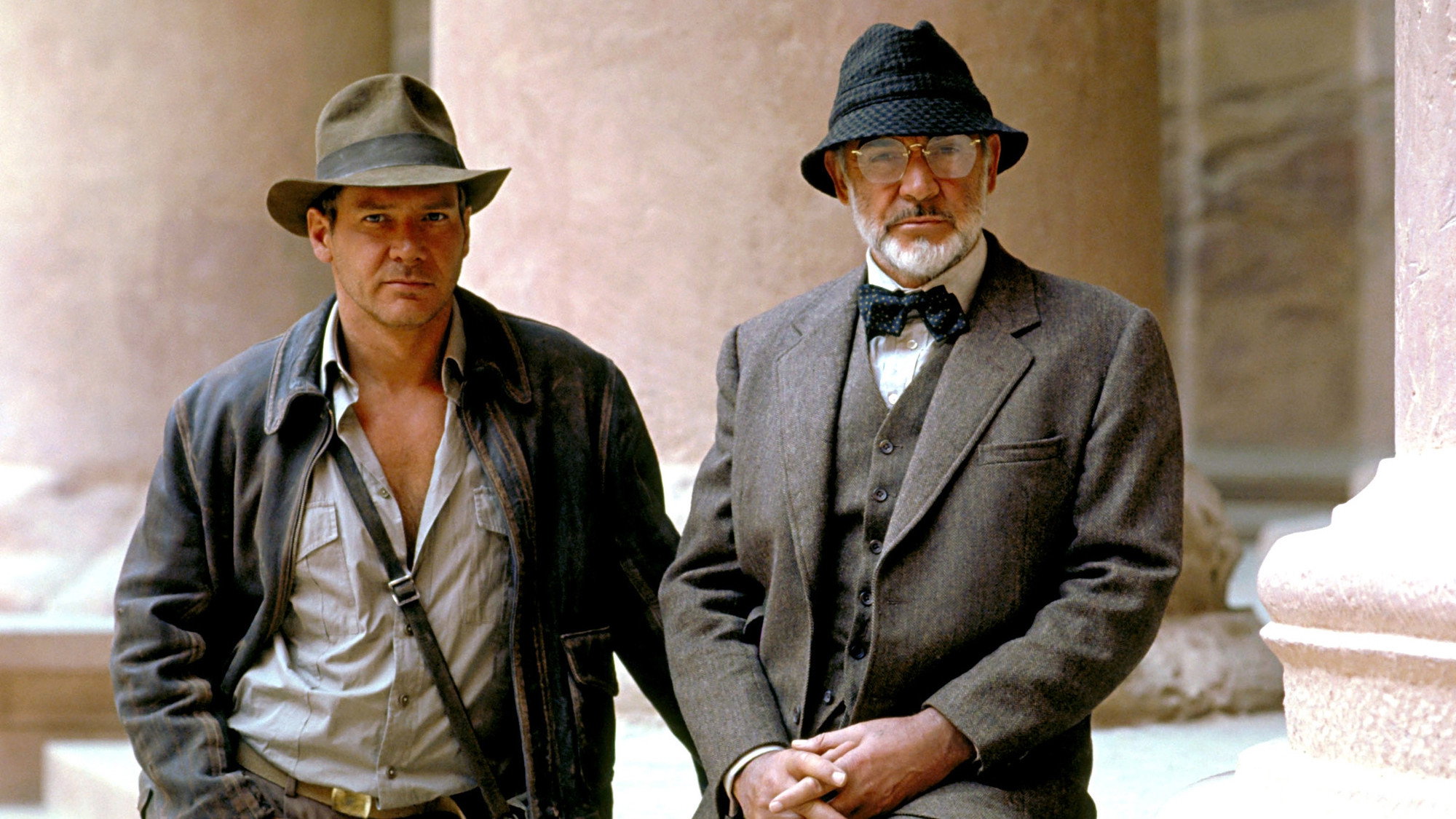
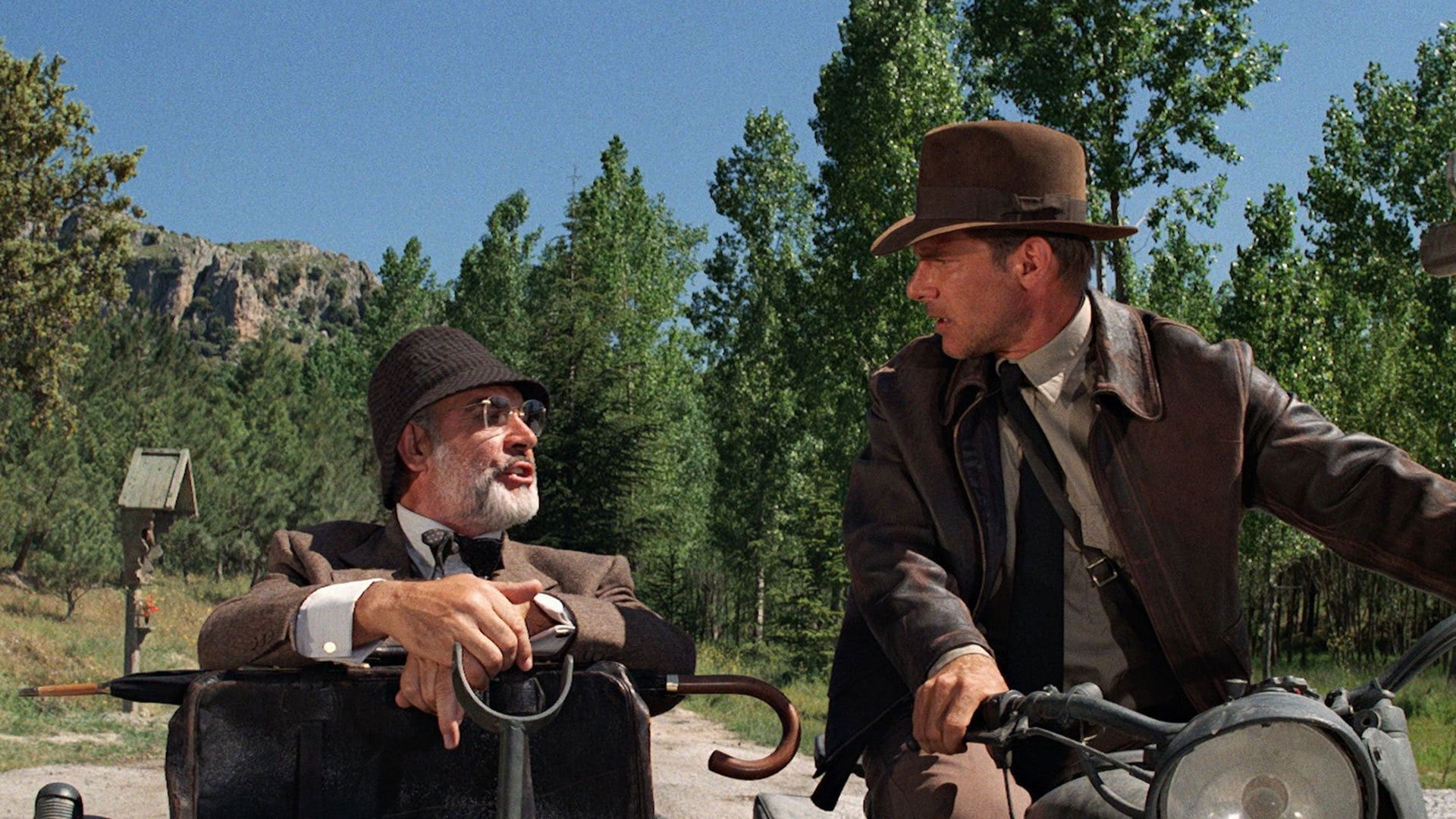
Indiana Jones and the Last Crusade is funny, affectionate and worth an evening, even when its action feels familiar enough to anticipate. Steven Spielberg has the good sense to put Harrison Ford opposite Sean Connery as Indiana’s father and let them irritate each other. Indiana’s confidence is much more entertaining when someone close to him declines to be impressed by it. Their disagreements keep the film lively when the journey itself starts to feel predictable.
The prologue with River Phoenix as the young Indy is entertaining, though Spielberg crams in more activity than it needs. The main story takes its time arriving, and the opening begins to feel like a separate adventure demanding equal attention. Phoenix brings enough energy to make the detour enjoyable on its own terms. We would still happily lose some of the bustle to reach the father-and-son business sooner.
Jeffrey Boam’s screenplay is strongest when it lets the two men disagree without making either of them entirely ridiculous. Connery plays paternal certainty with such ease that Ford scarcely has to do anything except look increasingly put out. We laughed at that exasperation: Indiana seems much less equipped to cope with his father’s opinions than with the expedition. There is affection in Connery’s performance, but no suggestion that affection obliges Henry to concede a point. Ford lets Indiana look thoroughly annoyed without making him unpleasant.
Douglas Slocombe’s cinematography keeps Ford readable within the action, so the pleasure of watching him struggle is not lost in the size of the spectacle. We can follow the danger and still catch the expression that makes it funny. Michael Kahn’s editing gives those reactions time to register without stopping everything for a joke. Spielberg remembers that watching the effort on Ford’s face is part of the entertainment.
Elliot Scott’s production design gives the action spaces a solid, imposing look that usefully offsets the clowning. That solidity matters when the film is this keen to make us laugh. John Williams’s score is buoyant and assertive, giving the action momentum even when the story is following an easily guessed course. The music also suits the broad comedy; it allows the adventure to be fun without constantly demanding our awe.
The comparison with Raiders of the [Lost](/film/lost) Ark does expose the limits. This film is looser and more indulgent, and the familiar rhythms of the expedition occasionally make it seem as though Spielberg is relying on our goodwill. At 127 minutes, it has enough room for that repetition to become noticeable, especially when the leads are not supplying the entertainment. It remains enjoyable through those stretches, but the prospect of the next action sequence does not always bring much curiosity about it.
The father-and-son relationship supplies enough feeling to make the indulgence forgivable. Connery and Ford allow the irritation to remain even when the affection is apparent, which is a large part of why their partnership is so enjoyable. Watch it with someone who knows how quickly a conversation with a parent can become an argument.