Film review

Hunt for the Wilderpeople

2016 · Directed by Taika Waititi · 1h 41m · MPA PG-13

In a sentenceAn entire wilderness, and still no escape from a child who wants to chat

AdventureComedyDramaFamily

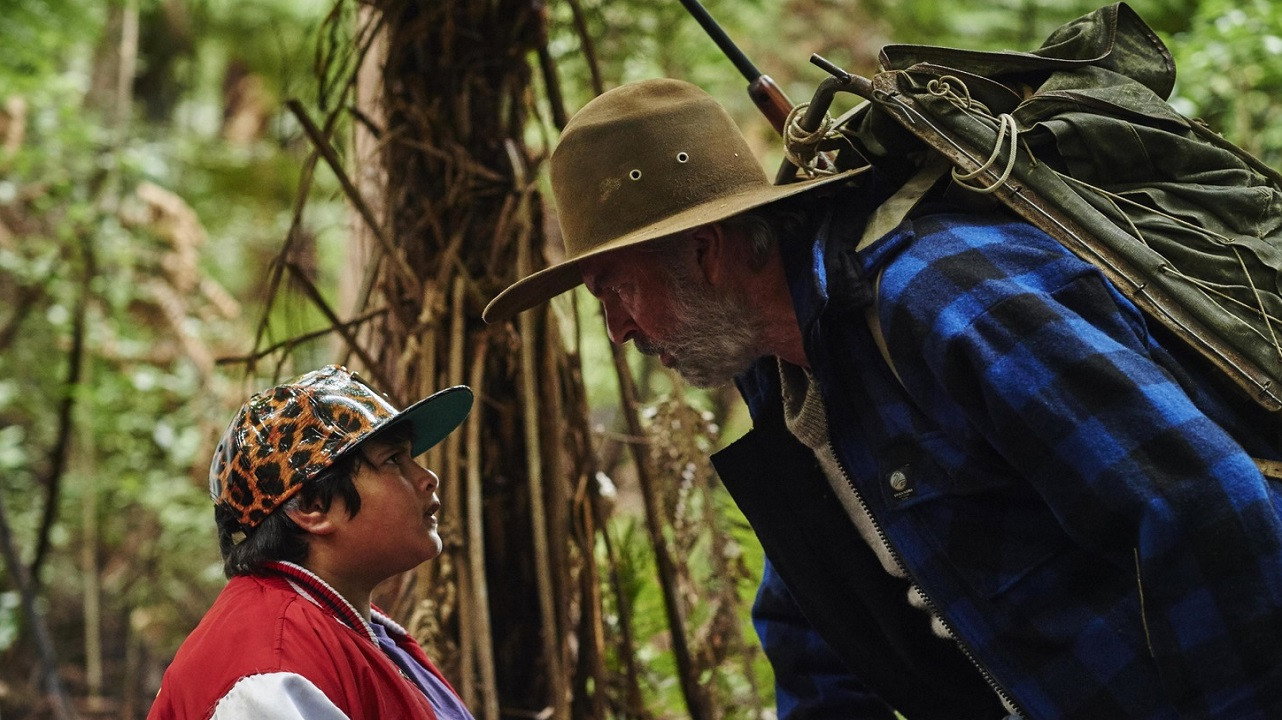
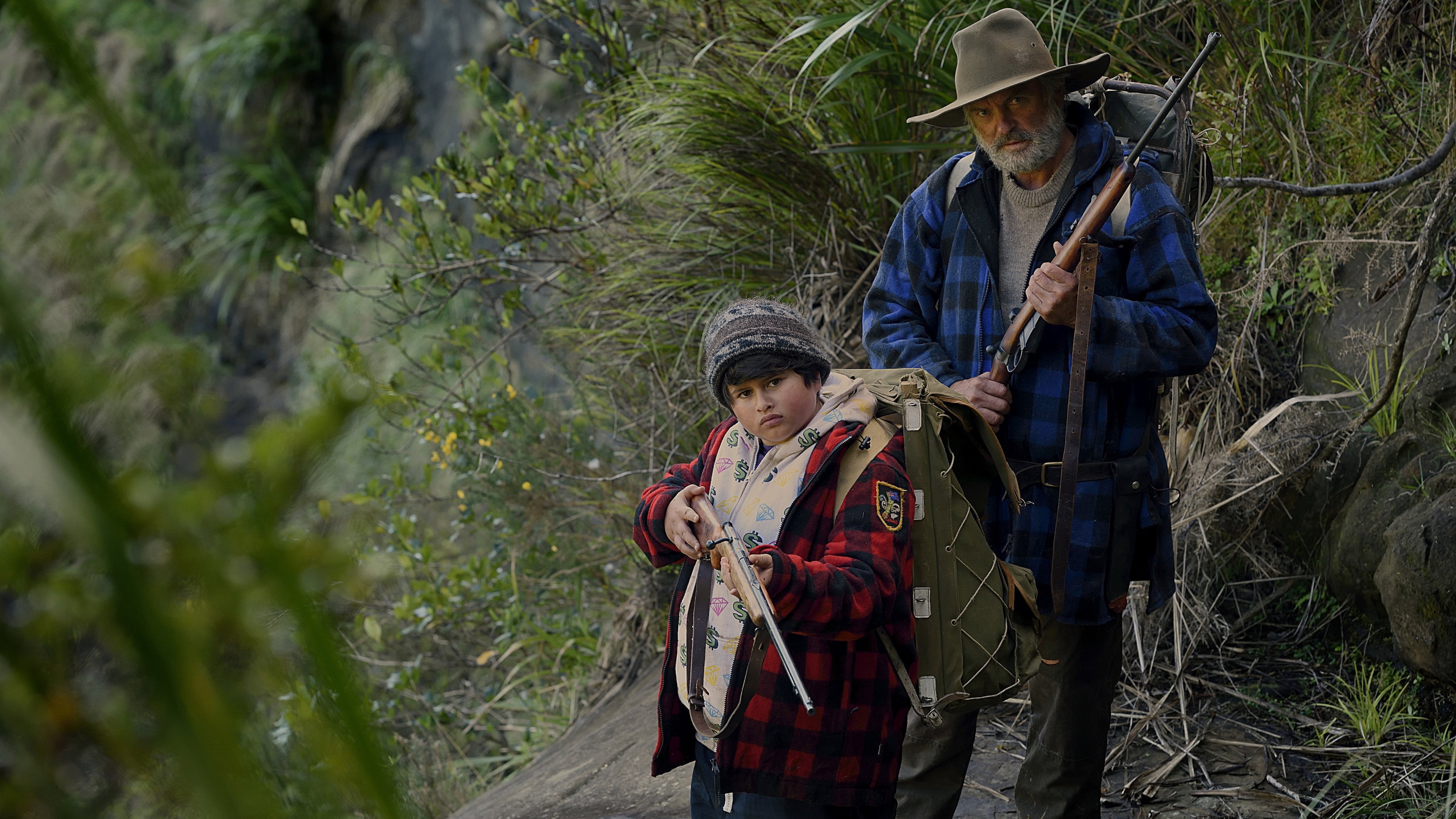
Ricky (Julian Dennison), a troubled foster child, is looking for somewhere to belong in New Zealand. Around him are Bella (Rima Te Wiata) and Hec (Sam Neill), a bushman with little enthusiasm for his role as foster uncle. Ricky wants acceptance; Hec would prefer some peace. When the boy and the man go on the run in the wilderness, they have to get along without either getting much of what he wants. Ricky depends on Hec’s knowledge of the bush, while Hec has to contend with a companion who is still a child.

Plays from YouTube when you press play; nothing loads from them until then.

Fi1m review

Julian Dennison and Sam Neill make this wilderness comedy funny and unexpectedly moving. Taika Waititi occasionally fusses over the quirks, but the friendship is persuasive enough to earn the film’s considerable sweetness.

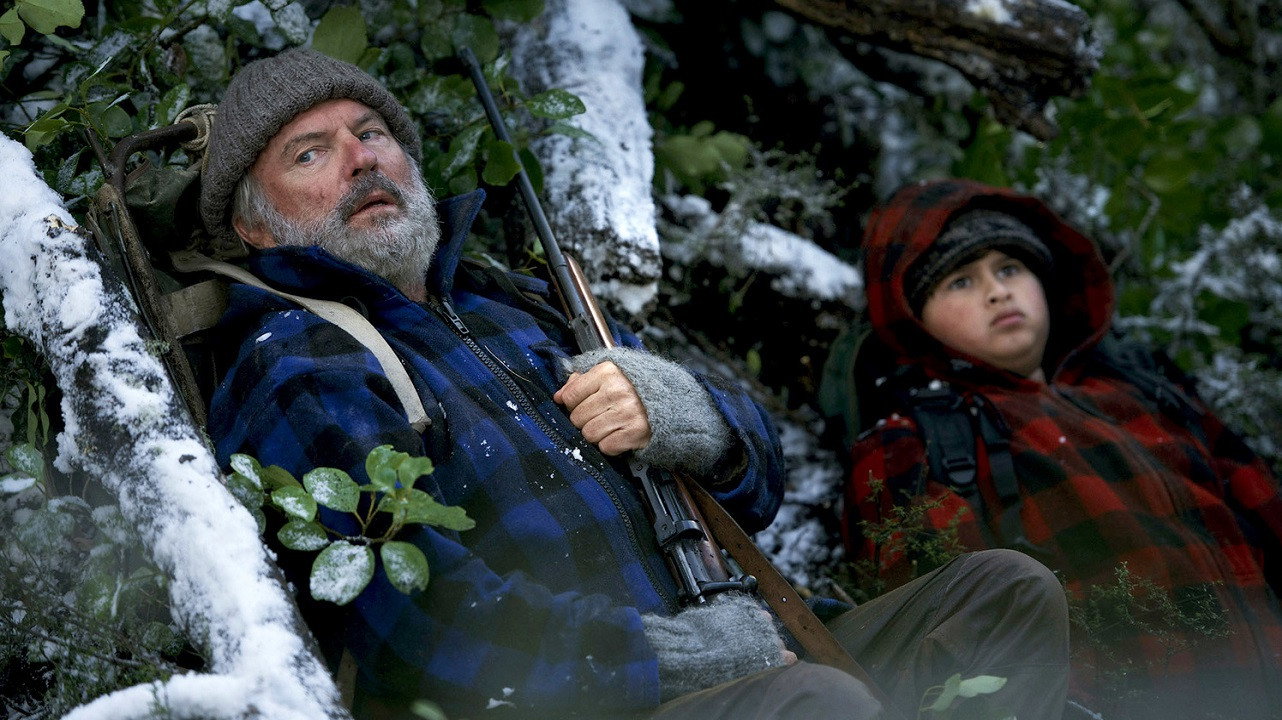
Hunt for the Wilderpeople is a warmly funny adventure that earns its sentiment, even when Taika Waititi makes too much fuss over a joke. Its chief pleasure is the company of Ricky, a troubled foster child, and Hec, the bushman who becomes his reluctant companion. Their flight into the New Zealand wilderness gives a familiar mismatched pair plenty of opportunities to irritate each other. The film lets that irritation remain part of their relationship, rather than tidying it away once affection becomes possible.

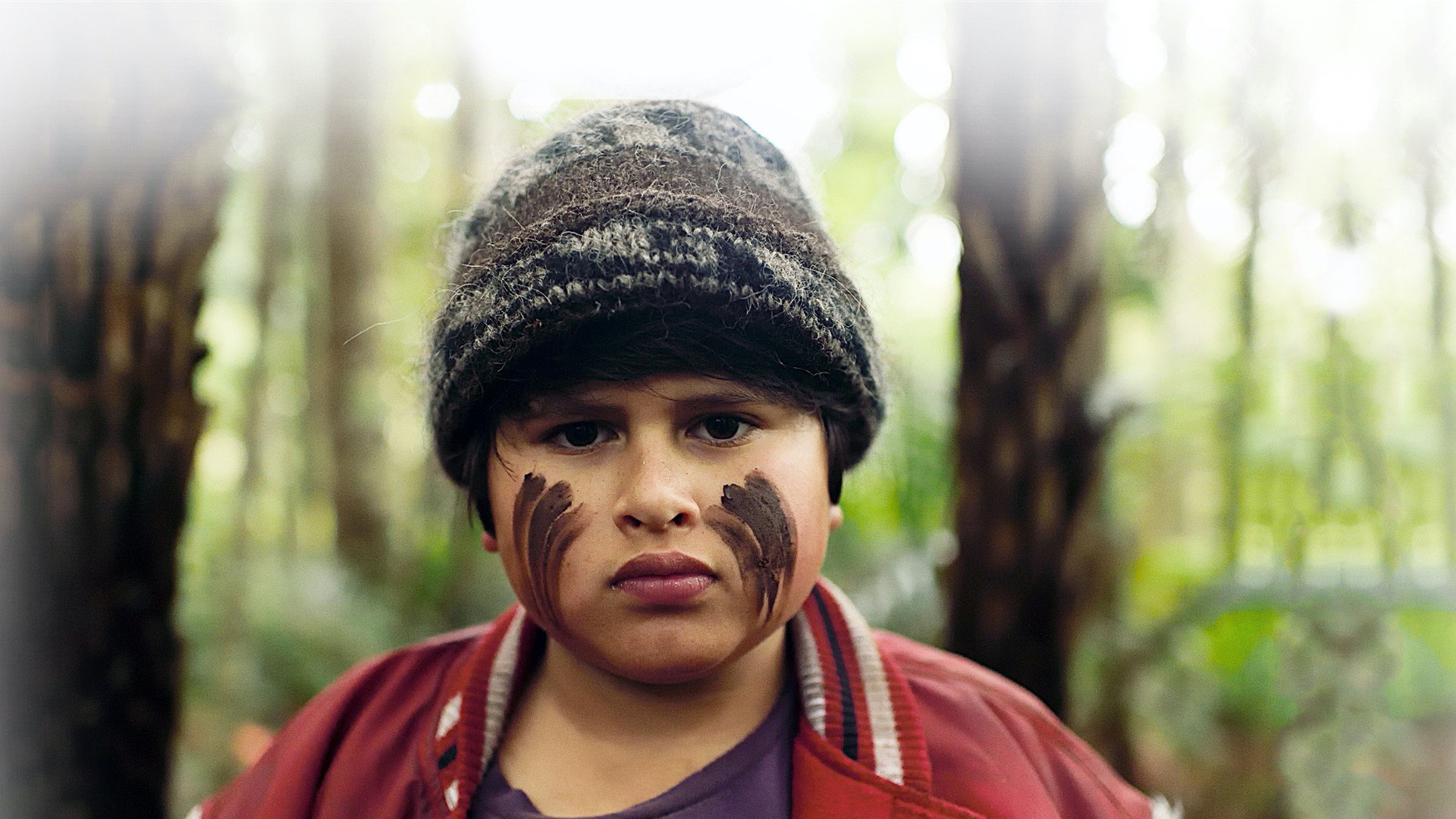
Julian Dennison understands how funny a child can be when he takes himself more seriously than the adults do. He gives Ricky enough self-importance to be annoying, and enough uncertainty to make that annoyance bearable. The performance never asks us to pretend that looking after this boy would be straightforward. We laughed at Ricky’s persistence with the unresponsive Hec, then felt protective of him; Julian Dennison makes the need for company painfully clear.

Sam Neill gives that persistence something solid to push against. His irritation has enough weight that the exchanges do not become a routine in which a lovable child improves an obligingly grumpy adult. Hec can be difficult without the performance continually reassuring us that he means well underneath. That restraint matters, because the film’s broader comedy supplies plenty of encouragement to like everybody, and this particular friendship needs some resistance if it is going to persuade us.

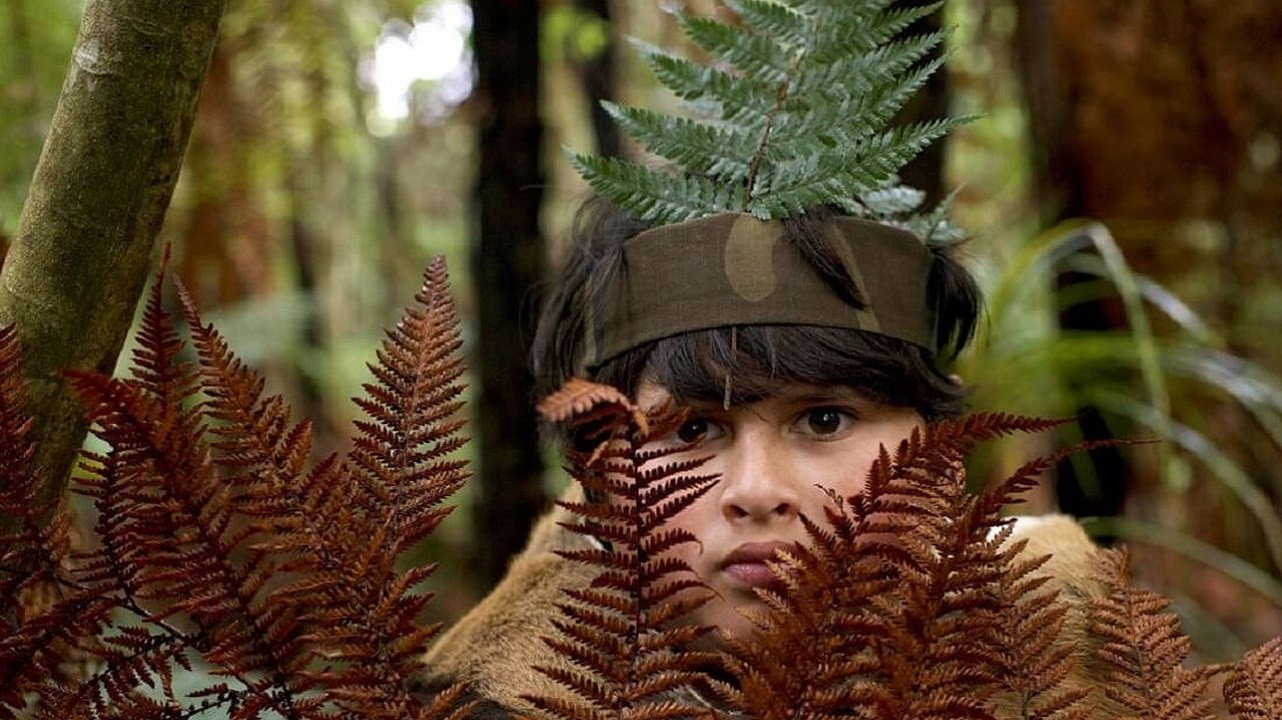
Lachlan Milne’s cinematography makes the bush feel like somewhere worth getting lost in, although its appeal also softens the danger. The wilderness can seem rather hospitable for a survival adventure, and the practical difficulty of staying alive never weighs heavily enough. Neville Stevenson’s production design supports the storybook mood without competing with the landscape for attention. The surroundings suit the comic exaggeration, but anyone hoping for an arduous account of life outdoors may find the whole excursion too comfortable.

The chapter divisions give the adventure a pleasingly episodic shape. Editors Yana Gorskaya, Tom Eagles and Luke Haigh keep it moving without sacrificing the exchanges that make the central pairing worth following. The music by Conrad Wedde, Lukasz Pawel Buda and Samuel Scott encourages the playful mood, though its enthusiasm sometimes makes the sweetness feel over-insisted upon. The film works more comfortably when the humour allows a little awkwardness to linger. It does not always need another nudge towards delight.

Taika Waititi’s weaker moments come when a comic detour seems to interest him more than the people taking it. Some supporting characters arrive with their eccentricity too prominently advertised, and the plotting occasionally moves the companions along with suspicious convenience. These are interruptions rather than lasting damage, but they make the adventure feel more carefully arranged than its scruffy participants suggest. Within the familiar child-and-reluctant-guardian story, the two leads provide enough interest without quite so much decorative oddness.

The film runs 101 minutes and has the good sense not to exhaust the central pairing. Choose it for a shared evening, especially if one person claims not to like sentimental films. There is enough bad temper here to give them something else to talk about.

Critical consensus AI synthesised

75
Positive
12
Mixed
2
Negative
1

Most critics respond warmly to Hunt for the Wilderpeople, with praise centring on Julian Dennison and Sam Neill’s mismatched double act. The reviews credit their performances with giving the wilderness adventure emotional weight, while finding plenty to enjoy in Taika Waititi’s deadpan dialogue and absurd humour. His handling of comedy and sadness also earns broad approval: the growing attachment between the boy and the older man generally feels touching without becoming sugary.

The disagreement concerns how much substance lies beneath that charm. Some favourable reviews acknowledge familiar storytelling or a setting that begins to feel restrictive. Slant Magazine admires the leads but finds the adventure inconsequential and its wilderness too tame. The New Yorker is the clearest dissent, finding the comedy facile, the plotting mechanical and the sentiment calculated. The spread is wide, then, but the reservations remain a minority response to the performances and humour.

Empire
11 September 2016 · ★★★★★ · Dan Jolin
100

The film showcases Taika Waititi’s exuberant sense of humour and flair for inventive absurdity in a comically heightened world. It features strong performances, particularly from the young lead, and inventive absurdity throughout its chaptered structure.

Read the full review →
Film Comment
1 May 2016 · Michael Sragow
85*

The critic praises the film's rambunctious comedy adventure about an unlikely kinship between a troubled boy and a gruff bushman in the New Zealand wilderness. It highlights the strong performances by Julian Dennison and Sam Neill along with Waititi's deft tonal shifts and direction.

Read the full review →
Radio Times
★★★★ · Stephen Carty
80

This charming comedy combines endearing characters with generous helpings of deadpan humour as a misfit teen and his grumpy foster uncle form a delightful double act while on the run in the New Zealand wilderness. The film is packed with amusing moments and witty exchanges.

Read the full review →
Screen Daily
23 January 2016 · festival review
80*

Warmly funny and deeply delightful, this odd-couple adventure blends action, laughs and sentiment into a modest but rich charmer with consistent good humour and sneakily touching moments. Waititi sharpens his deadpan style while populating the story with funny characters.

Read the full review →
Time Out
13 September 2016 · ★★★★ · Tom Huddleston
80

This charming and offbeat comedy is an absolute pleasure and possibly the best kids’ movie since Up, with a script that borders on genius in places. A few flaws like an irritating cameo do not detract from the overall enjoyment.

Read the full review →
Little White Lies
16 September 2016 · 4/3/3 · Anton Bitel
60

The critic finds Waititi's adaptation a charming merger of the literary and cinematic in this storybook adventure about a young Maori orphan on the run. Subversive humour prevents the sentiment from becoming too treacly.

Read the full review →

Cast

Stills

If you liked this, try…

Boy poster

Boy

2010 · Taika Waititi gives another child’s disappointment room beside the jokes and daydreams.

The Kid poster84

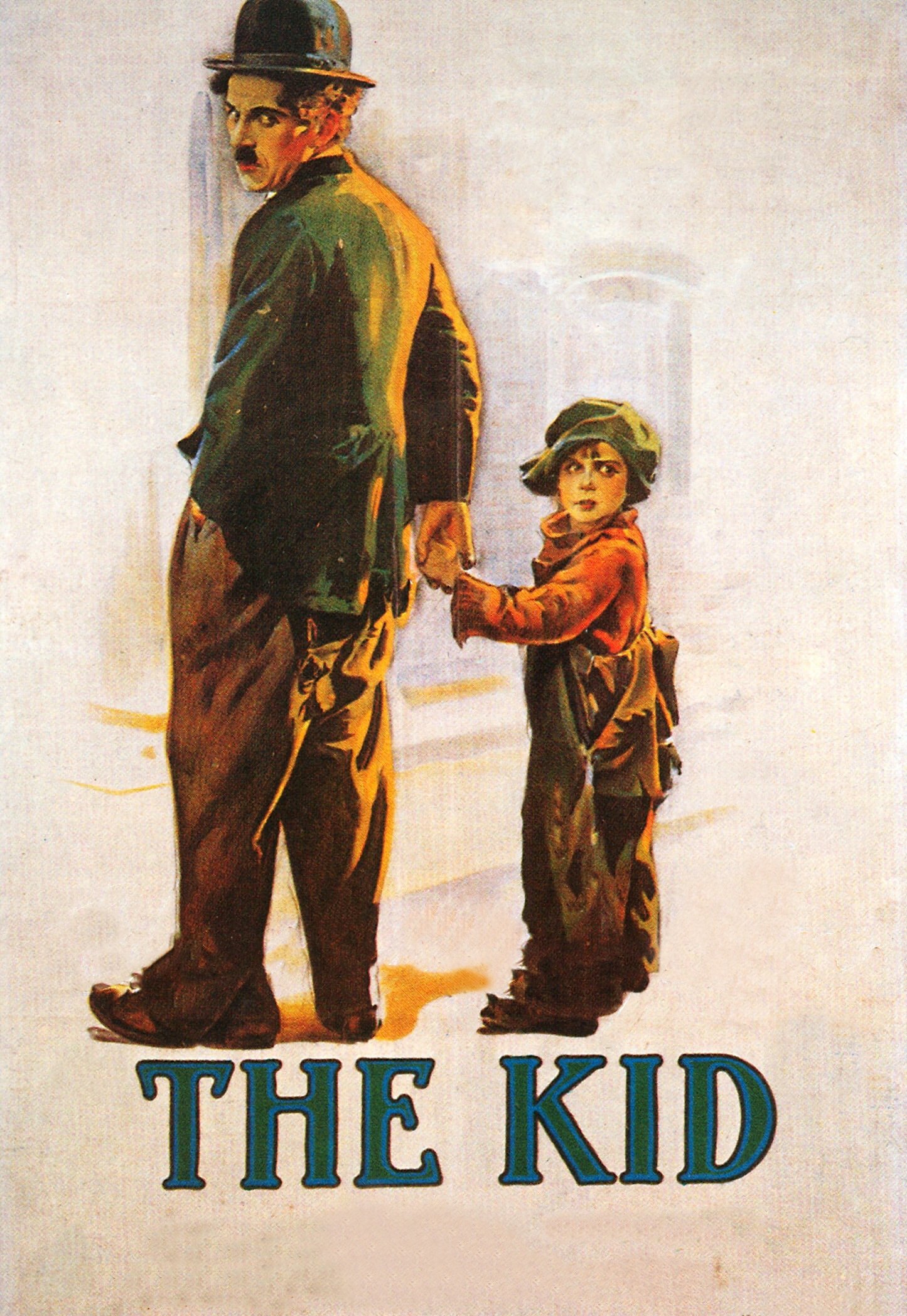
The Kid

1921 · A makeshift family, stubborn affection and comedy that allows hardship to remain visible.

Kikujiro poster

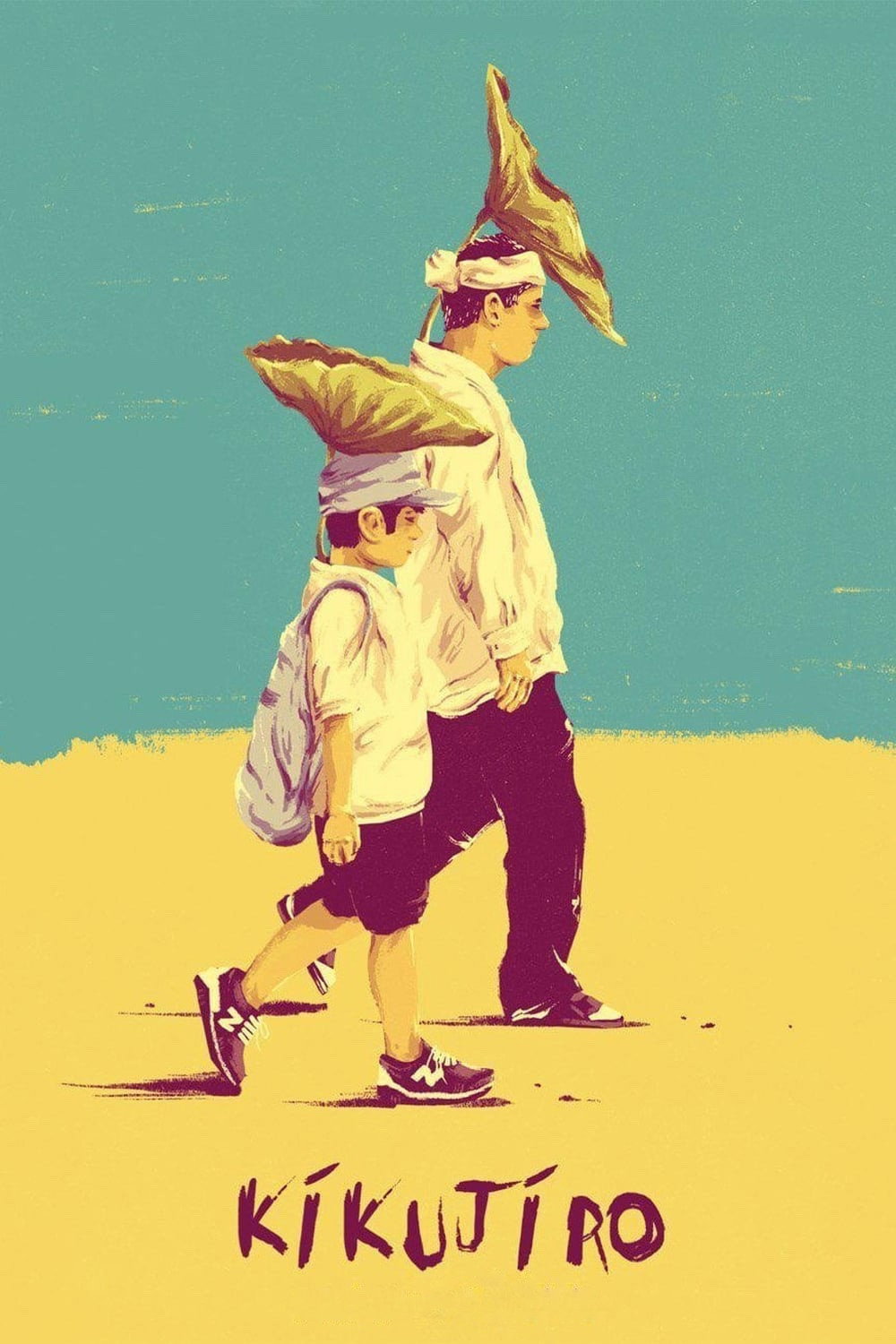
Kikujiro

1999 · An ill-matched man and boy take a journey full of awkward, reluctant kindness.

Son of Rambow poster

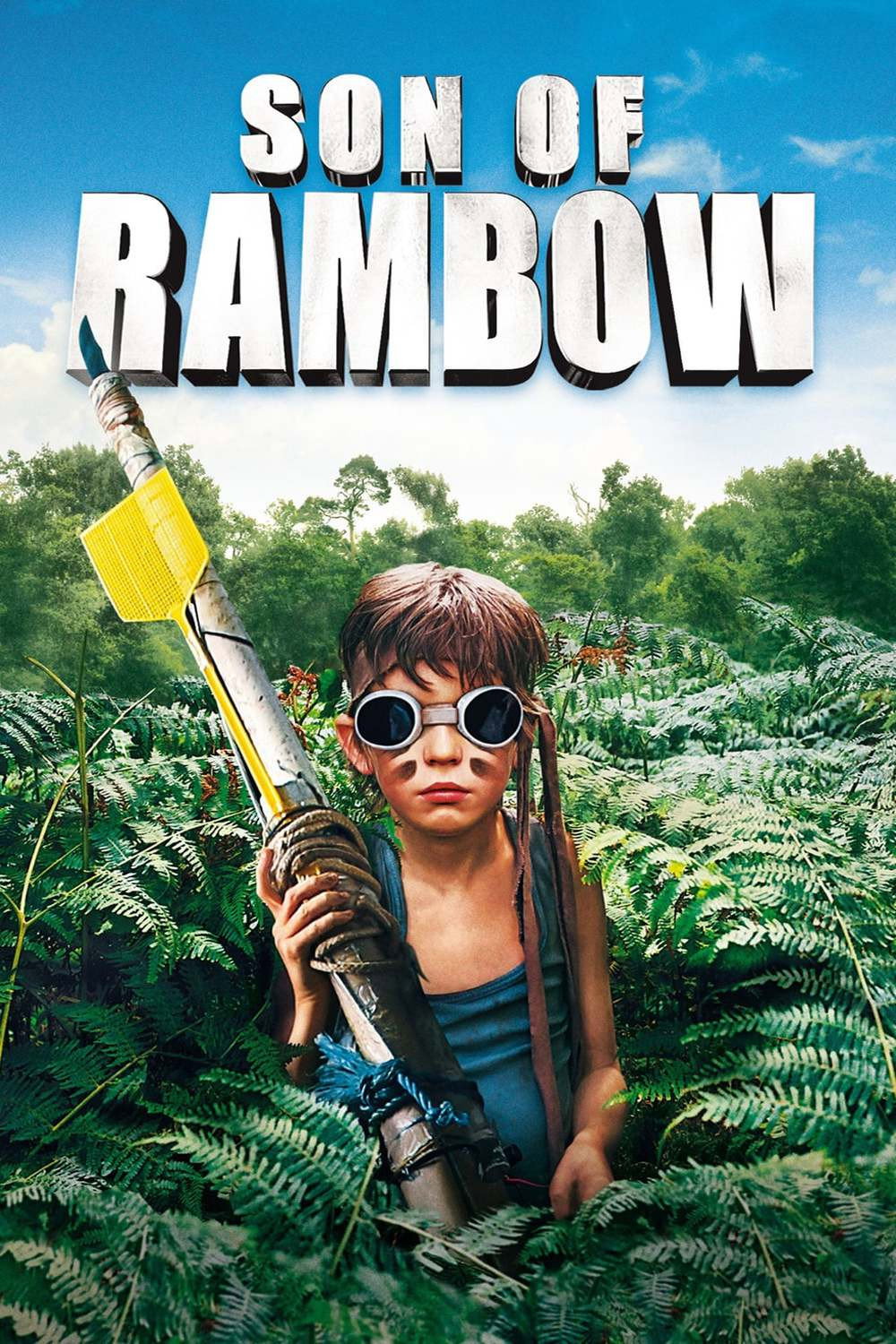
Son of Rambow

2007 · Two boys turn private loneliness into an unruly adventure of their own making.

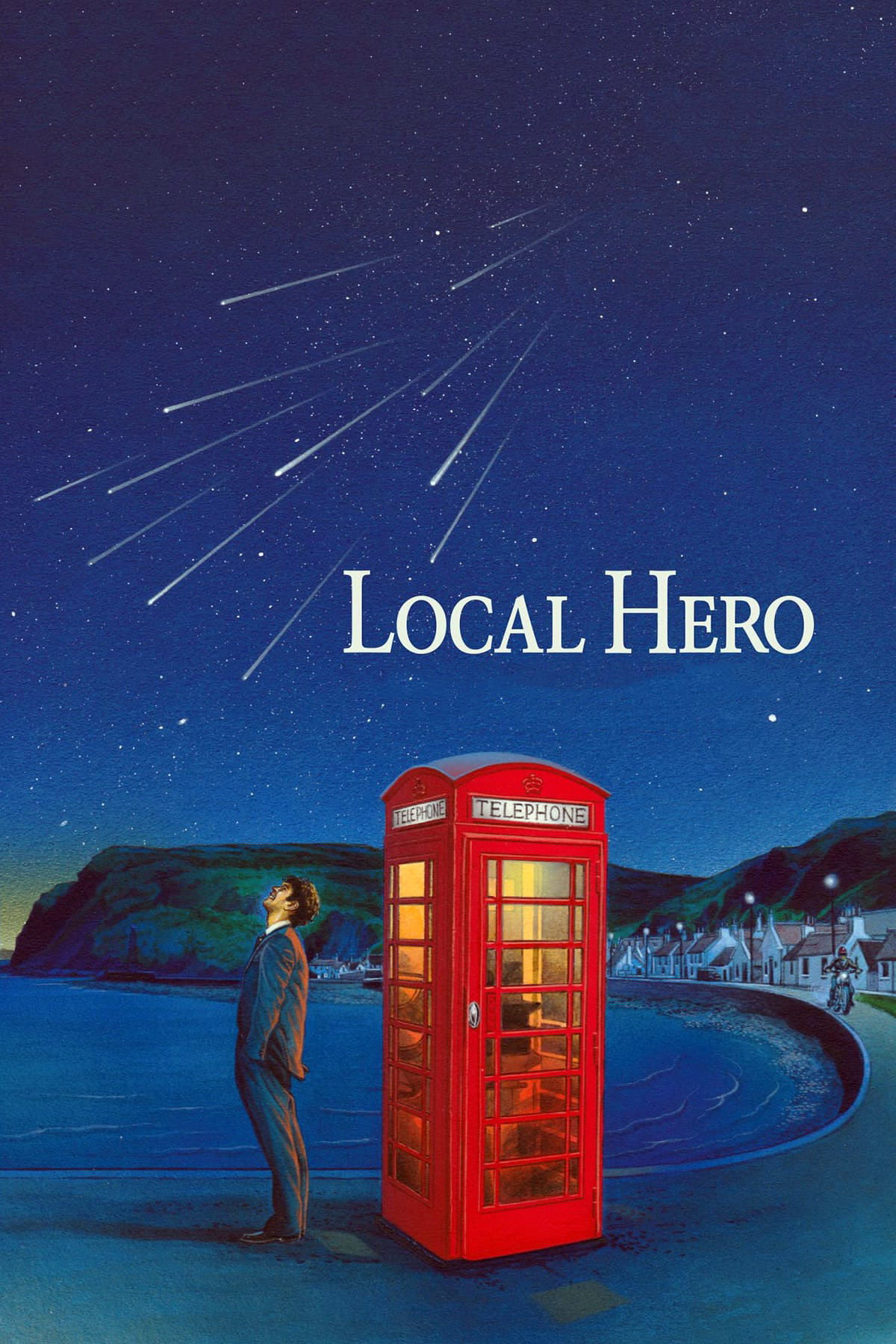
Local Hero poster86

Local Hero

1983 · Landscape, eccentric company and dry humour gradually unsettle a visitor’s carefully organised life.