Film review

Badlands

1973 · Directed by Terrence Malick · 1h 34m

In a sentenceA young woman narrates a killing spree as though it were a disappointing courtship

DramaRomanceCrime

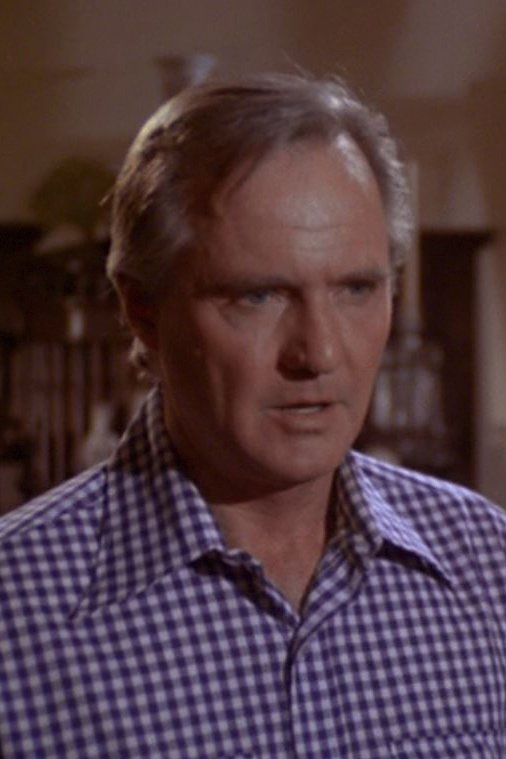
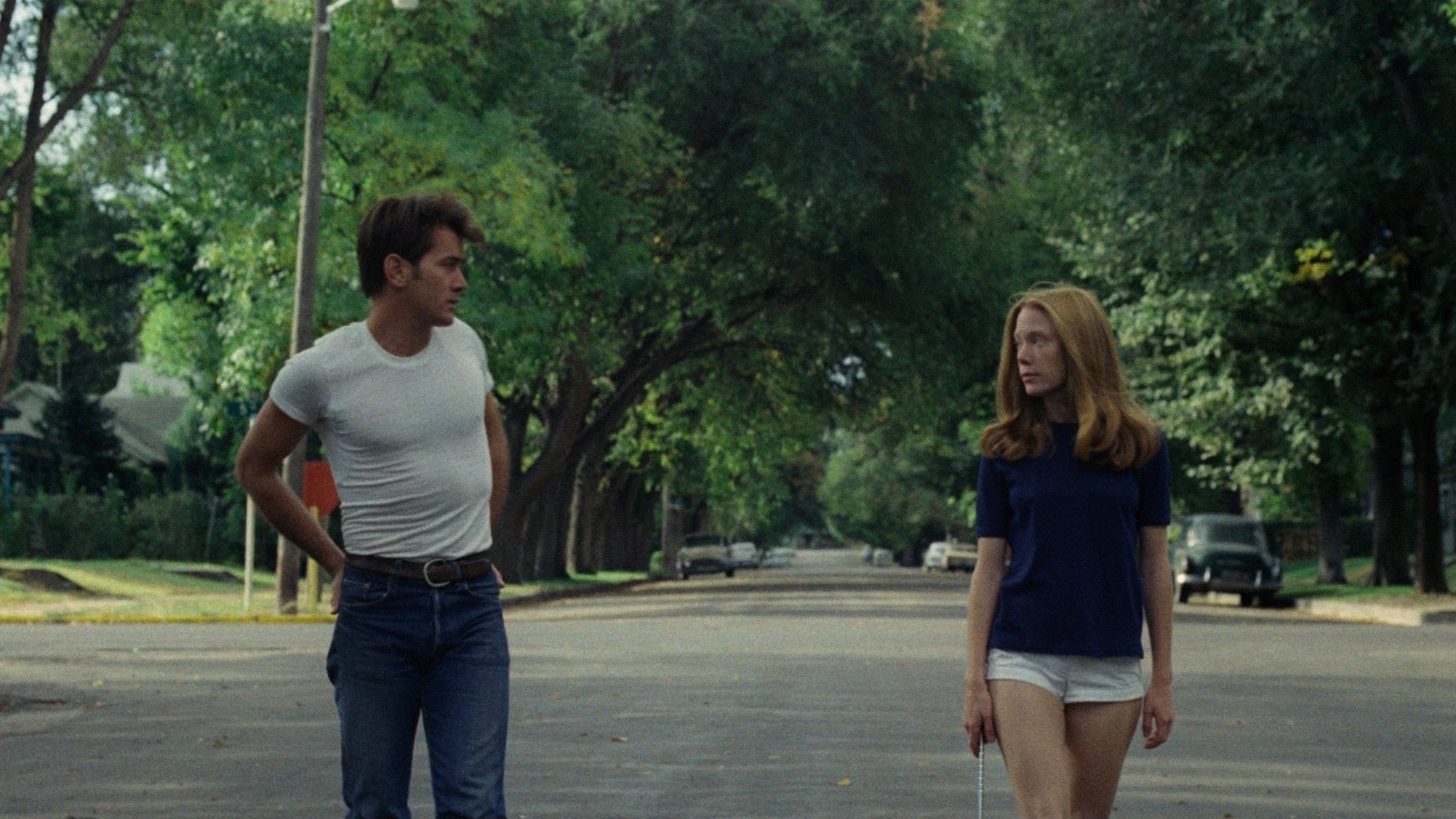
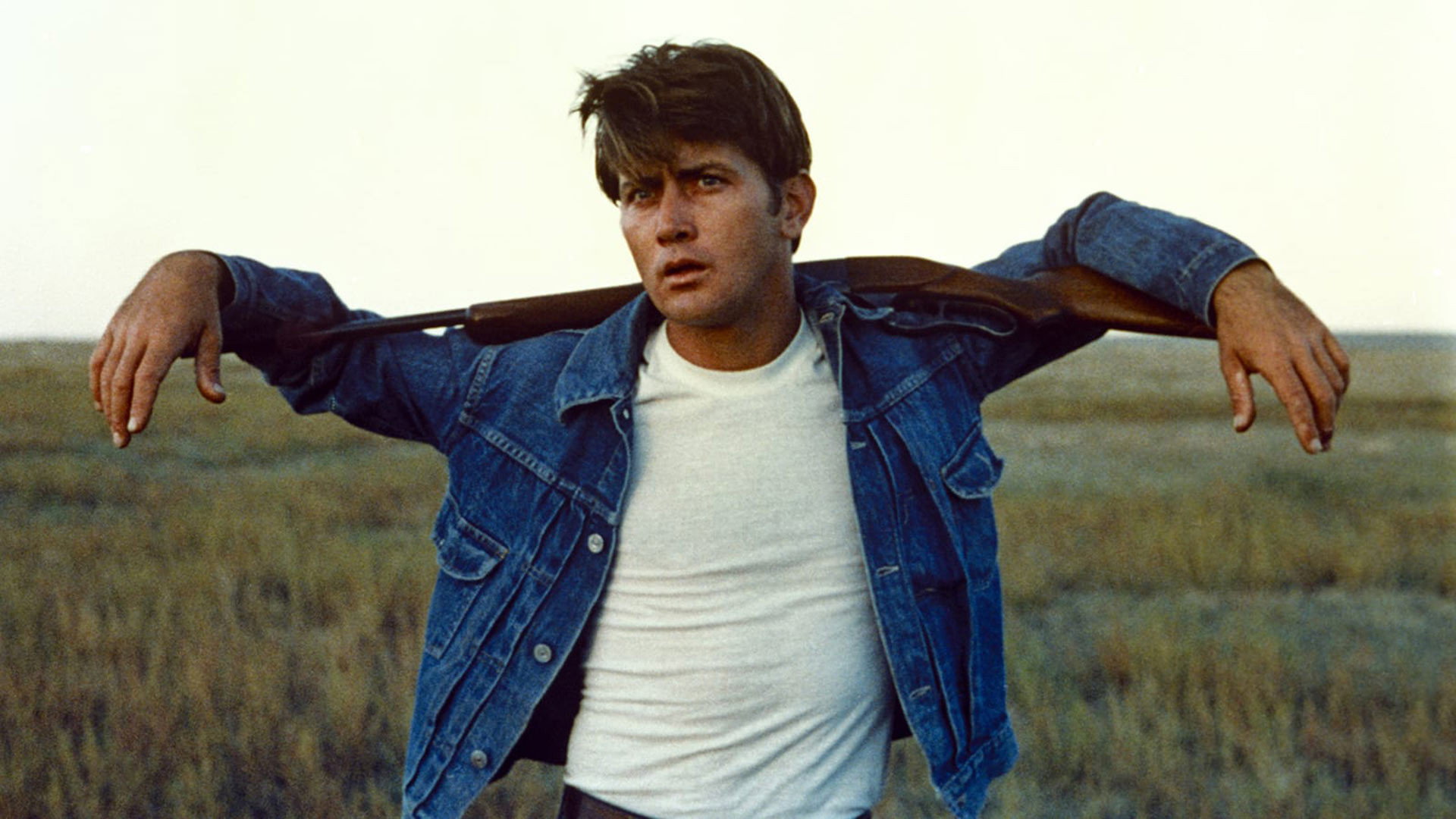
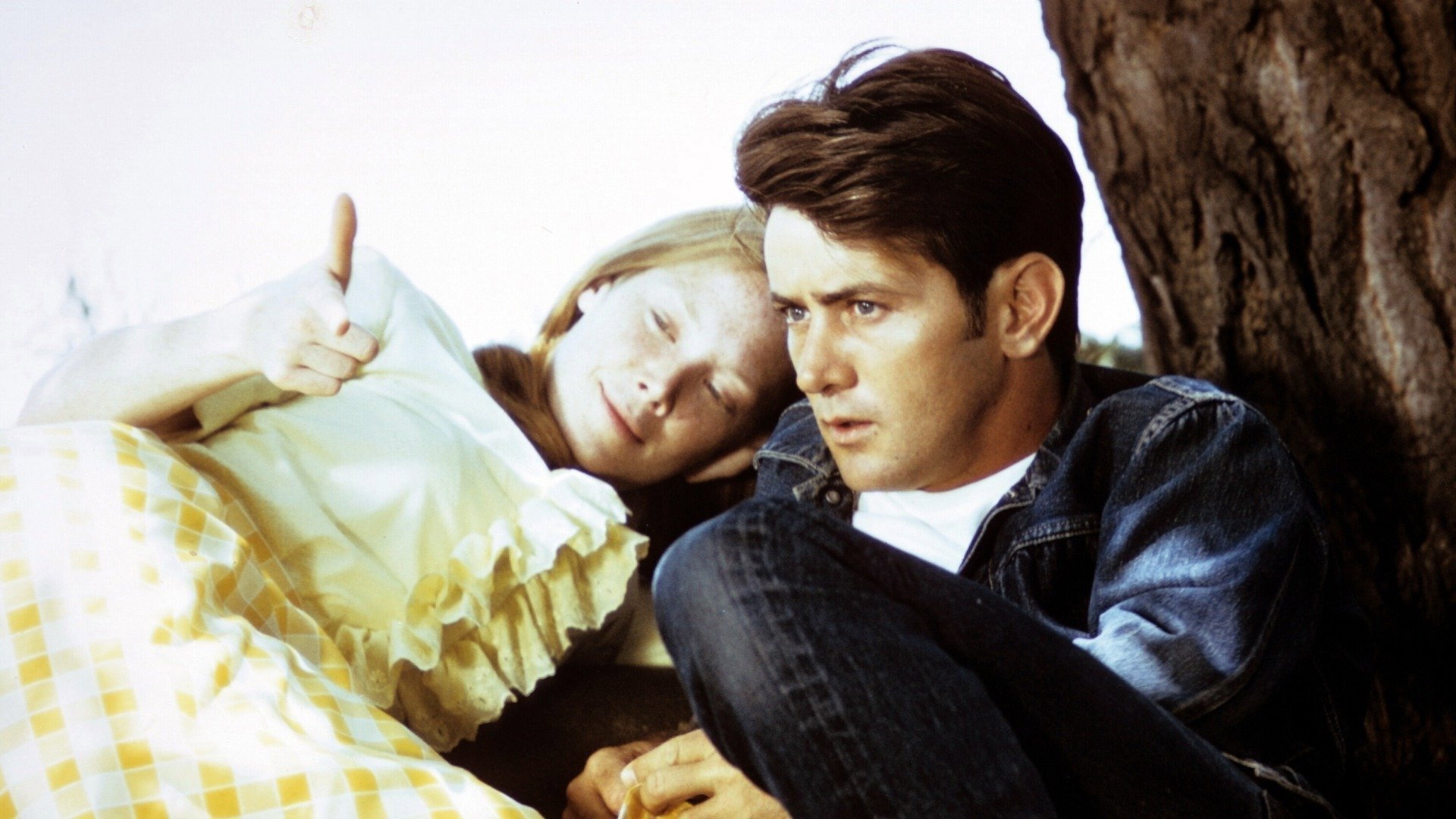
In 1959, Kit Carruthers (Martin Sheen) and Holly Sargis (Sissy Spacek) begin a romance in otherwise empty lives. Kit wants Holly, and Holly narrates their relationship with the confidence of someone who thinks she understands him. Holly’s Father (Warren Oates) is also in the picture as their courtship develops. The couple’s story moves towards crime and a life on the run, with sudden violence interrupting their time together. Holly’s account keeps its matter-of-fact tone, even when the events she describes no longer resemble an ordinary story of falling in love.

Plays from YouTube when you press play; nothing loads from them until then.

Fi1m review

Terrence Malick’s crime romance is funny, frightening and unusually clear about how little its lovers understand themselves. Martin Sheen and Sissy Spacek make the couple compelling company, though the film’s distance from those around them occasionally feels too easy.

Badlands makes a frighteningly persuasive romance out of two people who have little to offer each other beyond company and trouble. Terrence Malick allows us to enjoy their company without pretending that their violence has a noble purpose. We recommend it without hesitation, though its coolness can be hard to take. The film understands how appealing a young couple on the run can look, then keeps asking us to notice how little they seem to understand about anyone else.

Martin Sheen gives Kit Carruthers enough charm to make Holly’s attraction credible, but never enough depth to explain away his behaviour. There is something funny about the confidence of a man who seems to assume that being interesting excuses being dangerous. He lets that confidence remain attractive longer than is comfortable. Sissy Spacek’s Holly Sargis has a quieter certainty: she can tell this story, so she must have understood it. Together they make the romance convincing without turning the couple into people we would want to know.

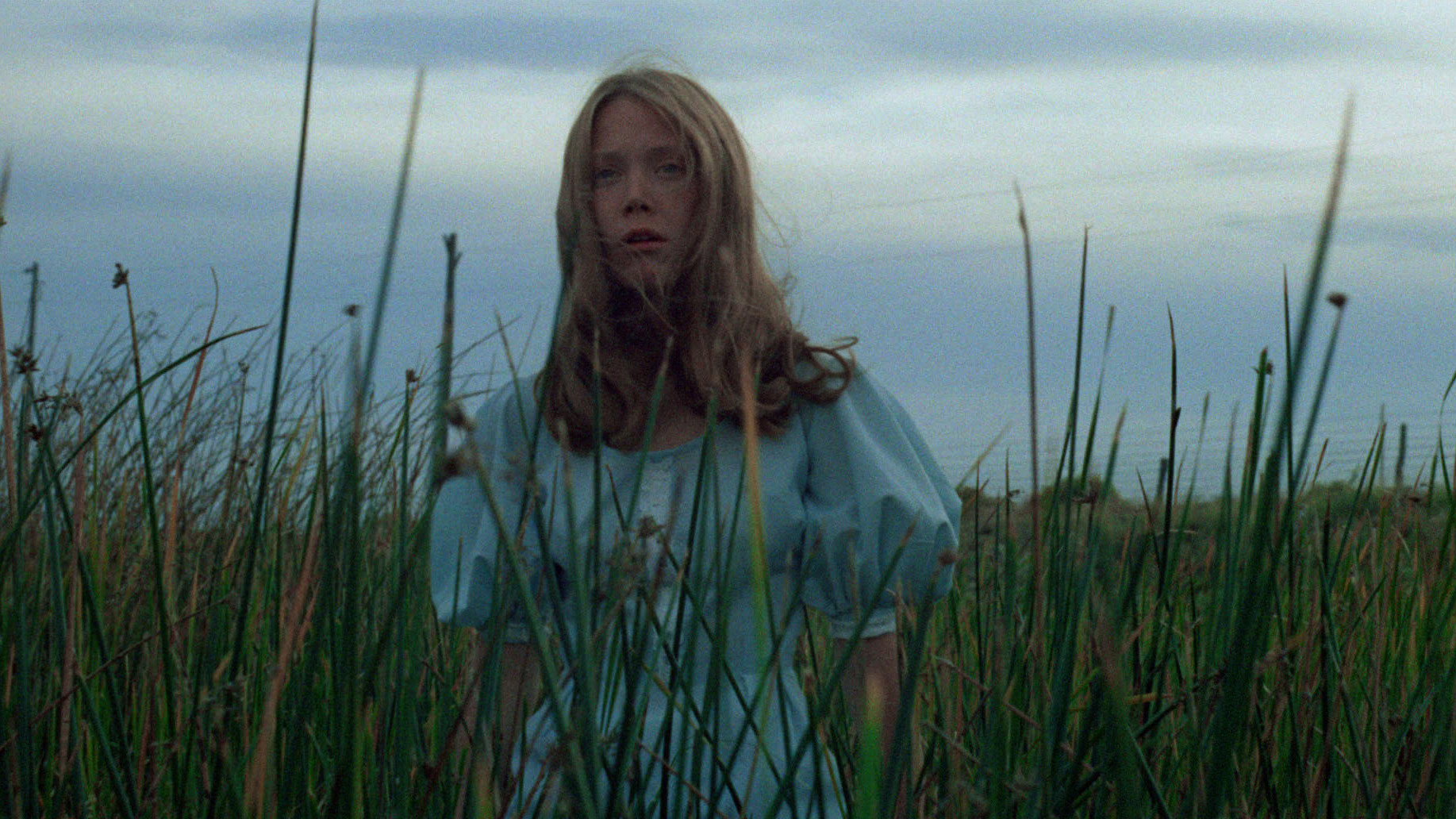
We were chilled by Holly’s voiceover, because her level account gives sudden violence no more weight than the business of being in love. Sissy Spacek does not lean on the irony or ask us to congratulate ourselves for seeing what Holly misses. Her narration can sound almost reassuring while describing something that ought to stop her short. It is a precise performance, and her ordinary conversational tone makes the indifference harder to dismiss as something belonging only to these two people.

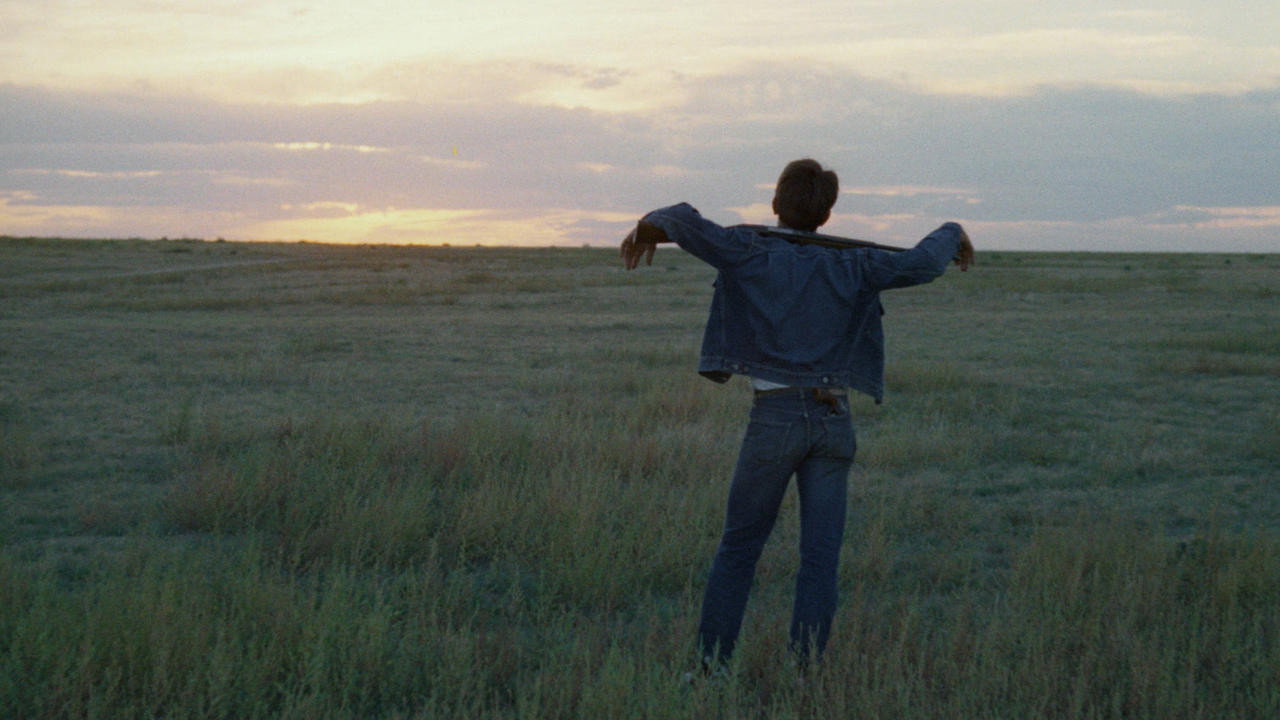
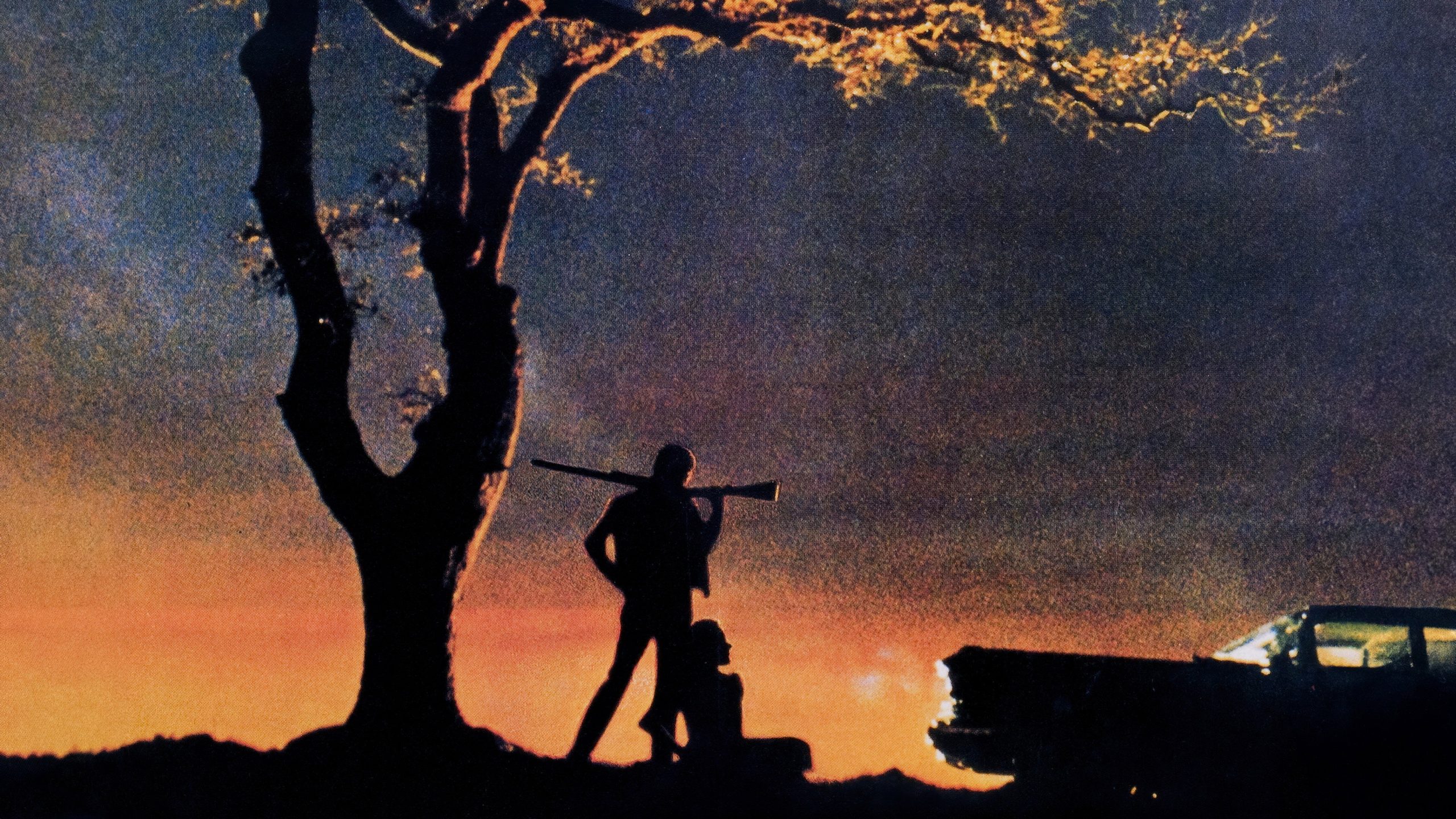
Stevan Larner, Brian Probyn and Tak Fujimoto share the cinematography credit, and the open country is given more attention than a getaway story strictly needs. The desolate views and sunset light can hold our interest quite apart from whatever Kit and Holly are doing. That matters: the beauty never seems to have been put there to flatter them or to make their crimes look important. At times the scenery is so inviting that we have to remind ourselves what has brought the couple into it.

Robert Estrin’s editing keeps the journey loose, resisting the steady acceleration a crime thriller usually promises. At 94 minutes, the film has room to wander without making that freedom feel like an indulgence. The sparse soundtrack, with music credited to George Tipton, also avoids telling us how alarmed we should be at every moment. That restraint makes the abrupt violence more disturbing, because we have not been told to prepare for it.

The reservation is that this distance can occasionally make the people outside the romance feel less substantial than the country around it. We understand the couple’s failure to care, but the film sometimes leaves us too close to their incuriosity. A little more attention to those affected would not require a speech explaining every action. For a few stretches, we wanted the film to look away from its lovers and stay with someone else.

Anyone coming for the gathering pressure of a pursuit thriller should adjust expectations: the film is interested in what the lovers think about themselves. Holly’s narration is worth listening to as closely as the dialogue. Leave time afterwards to disagree about how much she understands.
Critical consensus AI synthesised

86
Positive
15
Mixed
0
Negative
0

The consensus is strongly positive, with all 15 reviews praising Terrence Malick’s debut and particular agreement on Martin Sheen and Sissy Spacek’s performances. Critics repeatedly single out the landscape photography, Spacek’s naive, deadpan narration and the music, noting how their beauty and apparent innocence make the violence more disturbing. Most describe the film’s restraint as a strength: it observes its characters without supplying easy explanations or telling the audience how to judge them.

The differences concern emphasis more than approval, with responses ranging from measured admiration to considerable enthusiasm. The Times finds the drama slight, though it praises the film’s shifting moods and desolate vistas; Paste stresses the straightforward genre plot and manageable ambitions rather than the complexity admired elsewhere. Across the reviews, the central distinction is between those who see a psychologically precise portrait of lonely people and those who emphasise an American myth about freedom, notoriety and random violence.

RogerEbert.com
15 October 1973 · ★★★★/4 · Roger Ebert
100

Ebert finds the film reserved and dispassionate in its observation of two strange, lonely characters whose empty lives lead them into senseless crime without rationalization or deeper meaning. He singles out the strong performances by Martin Sheen and Sissy Spacek for particular praise.

Read the full review →
Time Out
26 August 2008 · ★★★★★ · Wally Hammond
100

Hammond hails the film as a magnificent, still modern debut that is psychologically precise and visually splendid while exuding a timeless mythical quality. He singles out the entrancing soundtrack and non-judgmental essay on freedom and necessity.

Read the full review →
Empire
1 January 2000 · Rob Fraser
95*

The review highlights the film's meditation on the banality of evil through paradoxes in character, relationships, and nature. It praises the confident complexity, central performances, and status as an indisputable masterpiece compared to Bonnie and Clyde.

Read the full review →
The Guardian
29 August 2008
90*

Terrence Malick's 1973 debut, revived at BFI Southbank, looks even more effortless and sublime 35 years on. It is brilliantly composed with a loose swing and a superbly delicate, literate voiceover that conveys the bizarre babes-in-the-wood quality of the couple's life on the run, featuring unforgettable sequences.

Read the full review →
The Times
28 August 2008 · James Christopher
90*

Terrence Malick’s re-released road movie is as magnificent as ever and rightly revered as one of the most astonishing debuts in cinema. The drama feels slight yet exquisitely shifty, with desolate vistas that ache and a cruel magic that has never quite been recaptured.

Read the full review →
Sight and Sound
1 September 2008 · David Thomson
85*

Thomson praises Badlands as one of the great American debuts, a re-released film that blends immediate horror with long-distance wistfulness and emerges as a screwball Western. He singles out the clash between the deadpan narration and killings and the ambitious, comically effective use of Orff and Satie music.

Read the full review →

Cast

Stills

Awards

Golden Shell, 1974

Won
Golden Shell

If you liked this, try…

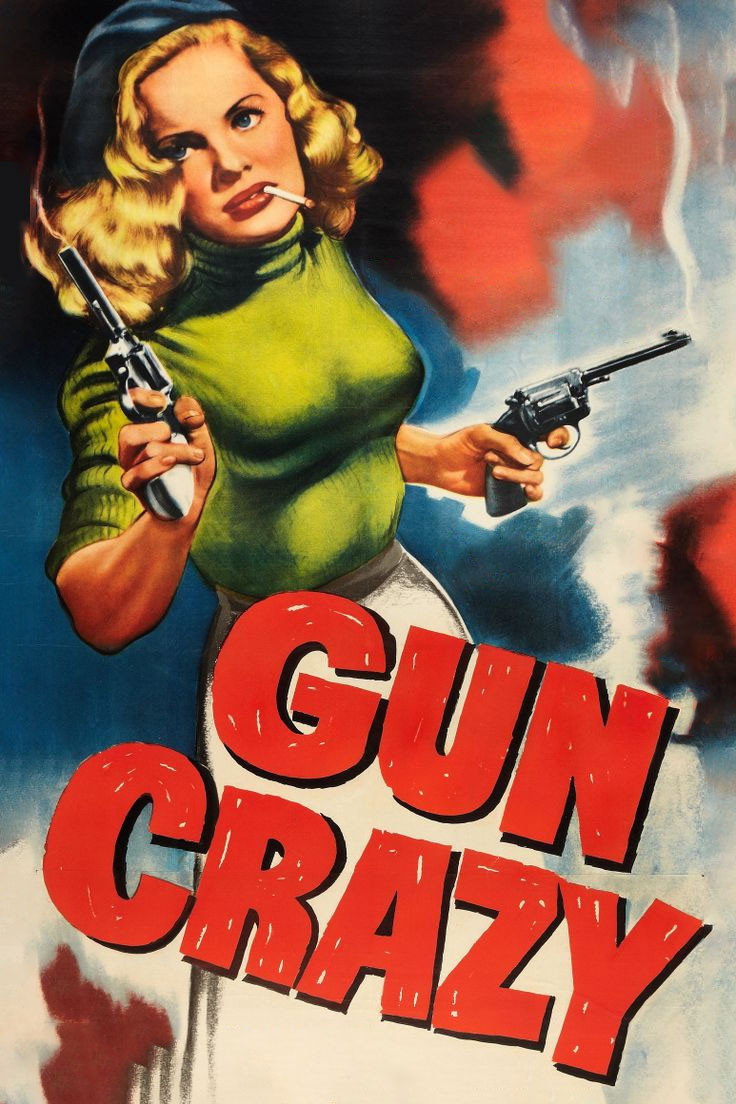
Gun Crazy poster

Gun Crazy

1950 · Another dangerous courtship, with desire making poor decisions seem briefly reasonable.

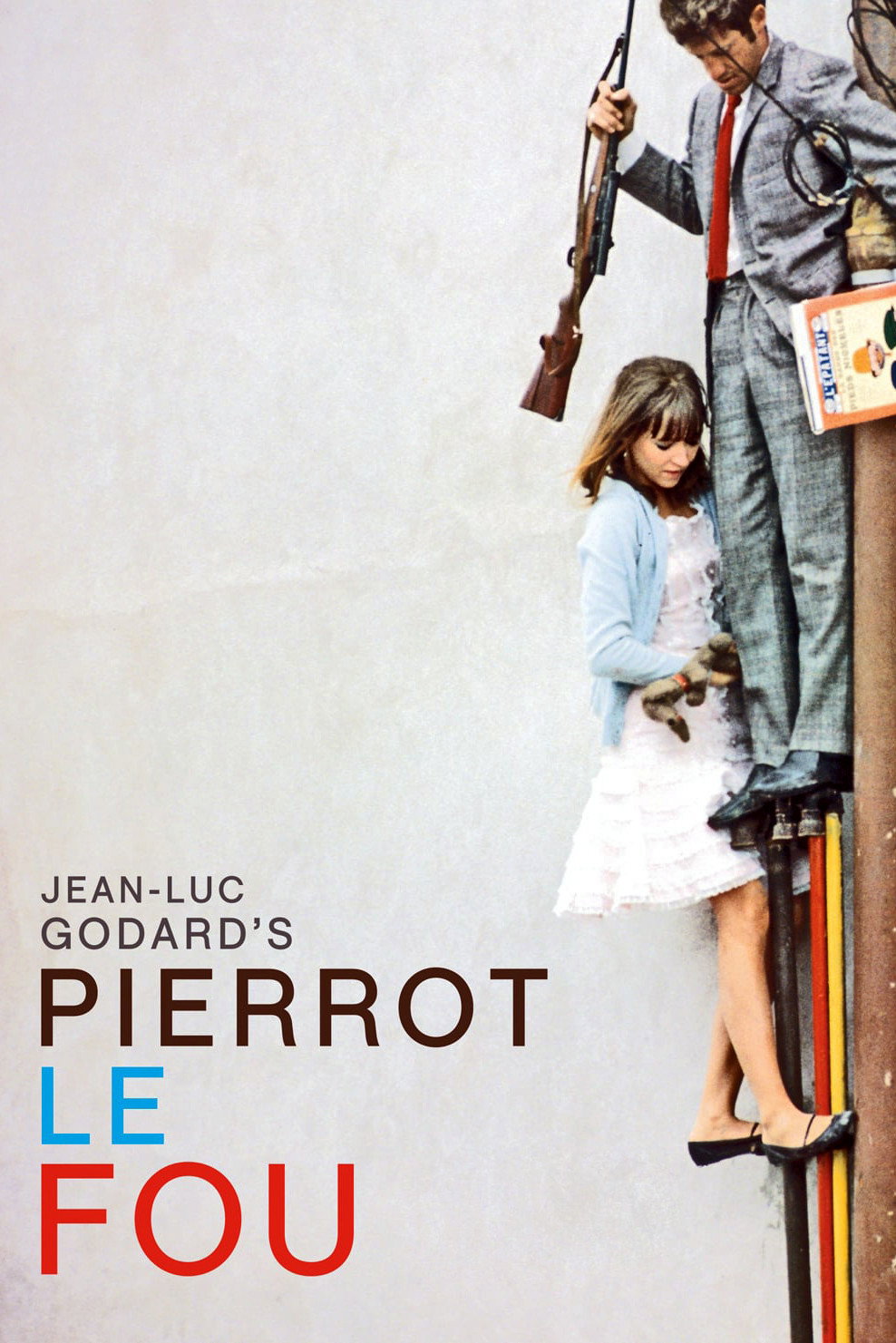
Pierrot le Fou poster

Pierrot le Fou

1965 · Lovers on the run, bright colour and a less patient storyteller.

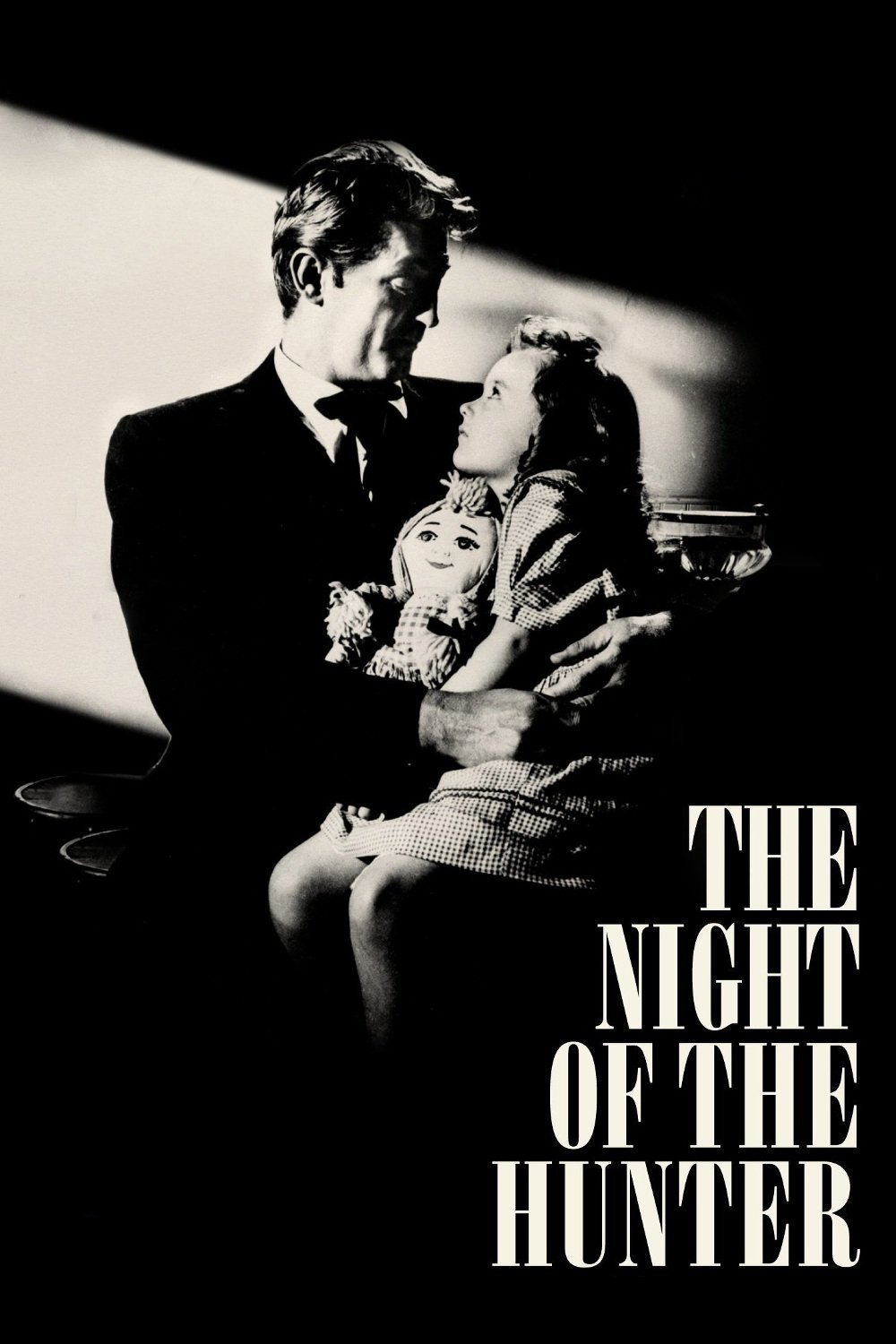
The Night of the Hunter poster

The Night of the Hunter

1955 · Rural beauty and storybook innocence make the threat of violence harder to bear.

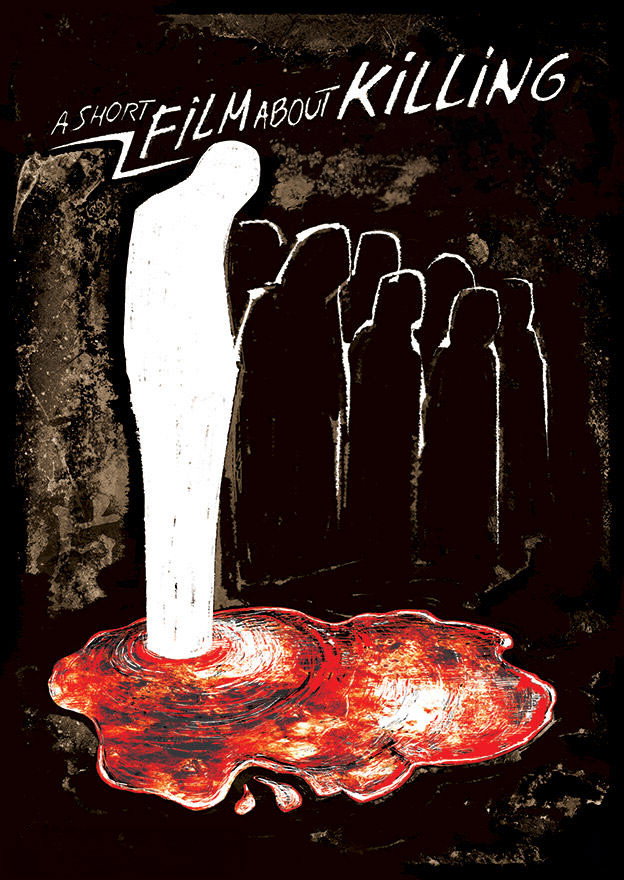
A Short Film About Killing poster

A Short Film About Killing

1988 · A harsher account of violence that gives its victims the time they deserve.

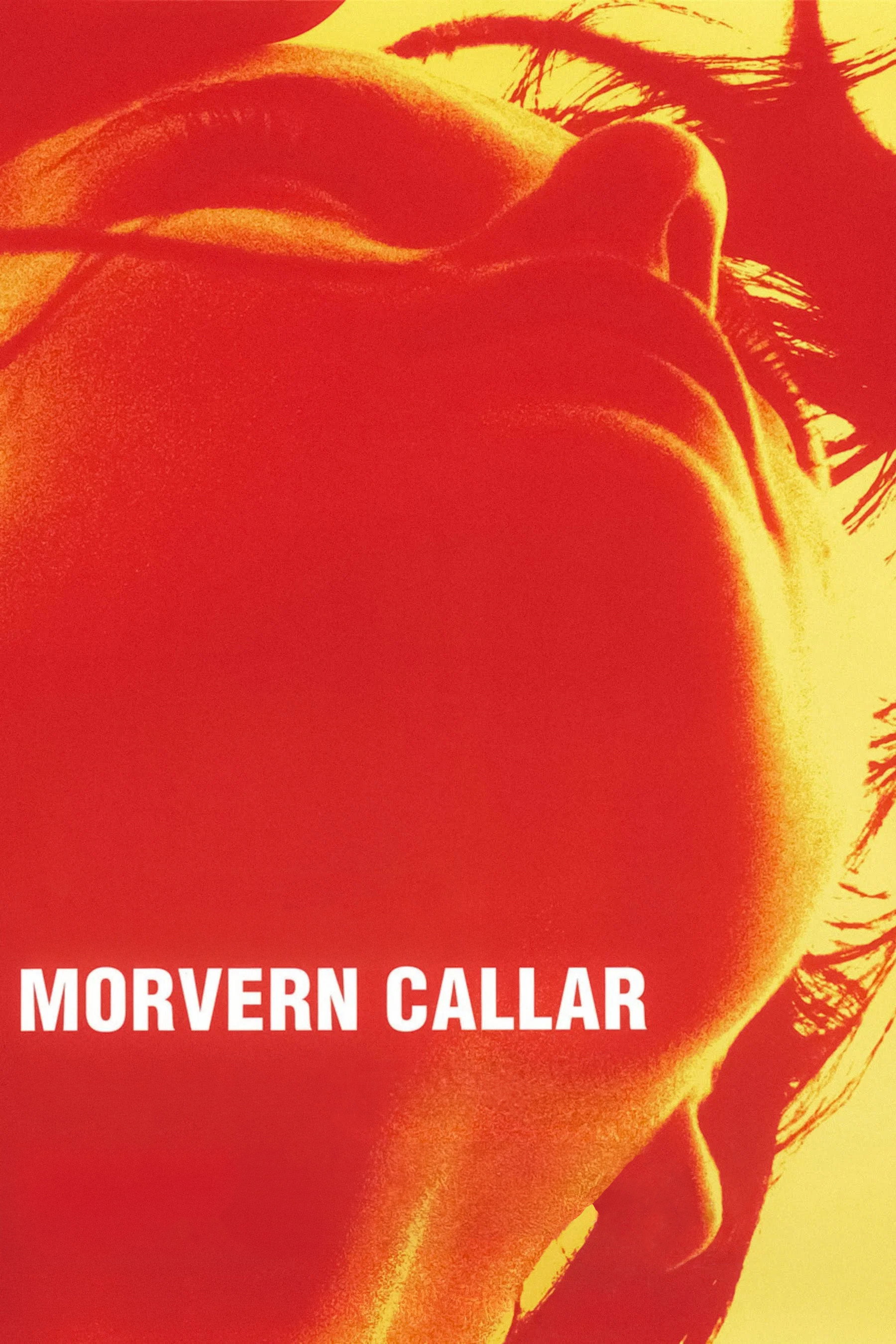
Morvern Callar poster82

Morvern Callar

2002 · Another young woman’s unreadable calm, with music doing what dialogue cannot.