The Expanse builds a convincing setting, then makes meeting its inhabitants needlessly difficult. The detail and cast reward an interest in political science fiction, but the tangled opening and heavy explanations are substantial obstacles.
The Expanse, created by Mark Fergus and Hawk Ostby, is worth trying if political science fiction is already a pleasure. Its opening asks for more patience than it earns. It brings space drama, mystery and political intrigue together, with a seriousness that suits the material. The difficulty is getting these stories to hold our attention at the same time. There is enough promise to justify staying, though anyone hoping for a clear immediate reason to care will have some waiting to do.
The early episodes keep introducing information before the last explanation has become useful. We were frustrated by the switches between political intrigue and mystery, because each demanded fresh concentration before the people involved had begun to matter. The exposition makes this worse: too many conversations seem concerned with making sure we understand the setting. That leaves the characters with less room to be interesting, and the opening can feel busy even while it is moving slowly.
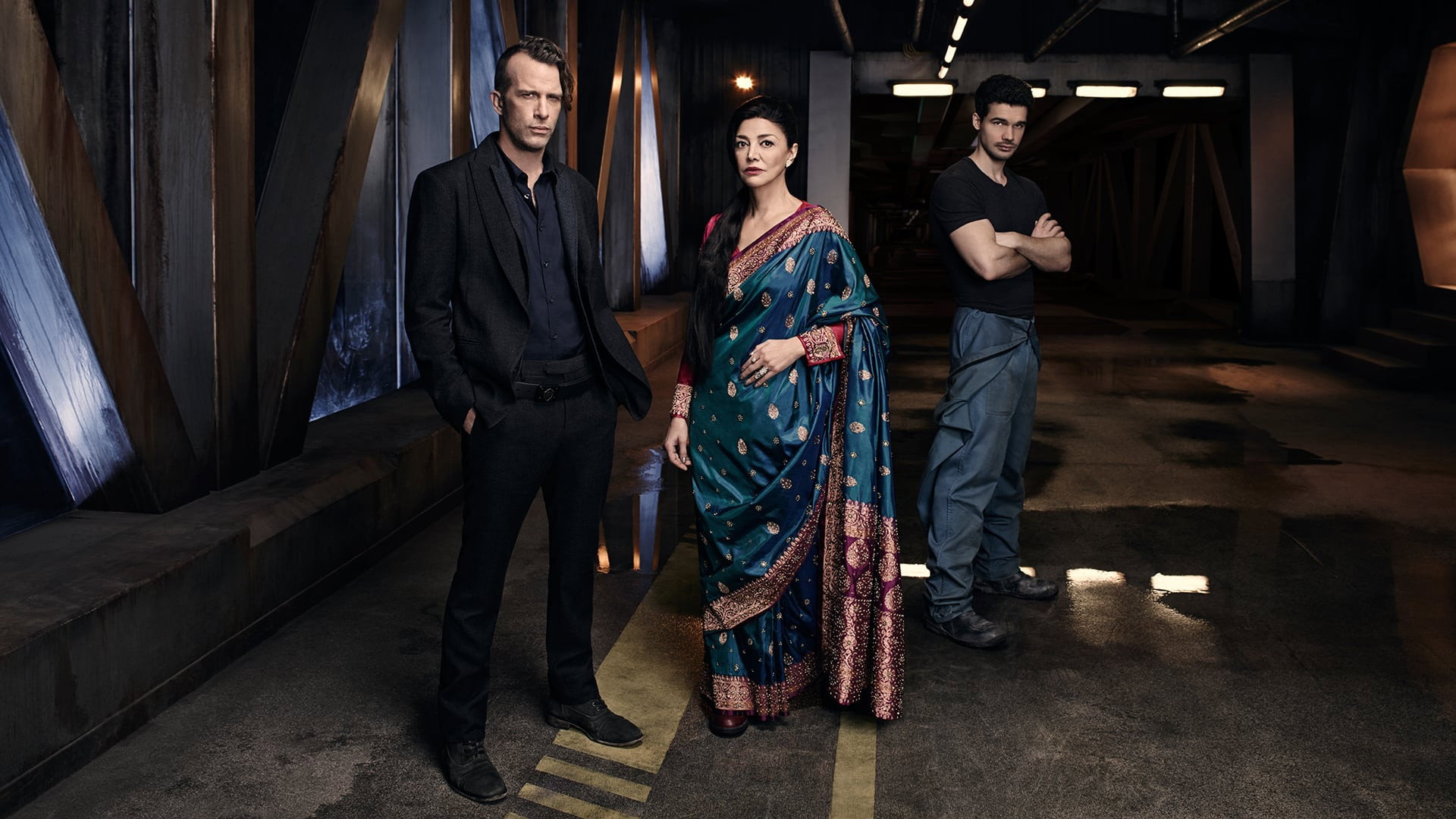
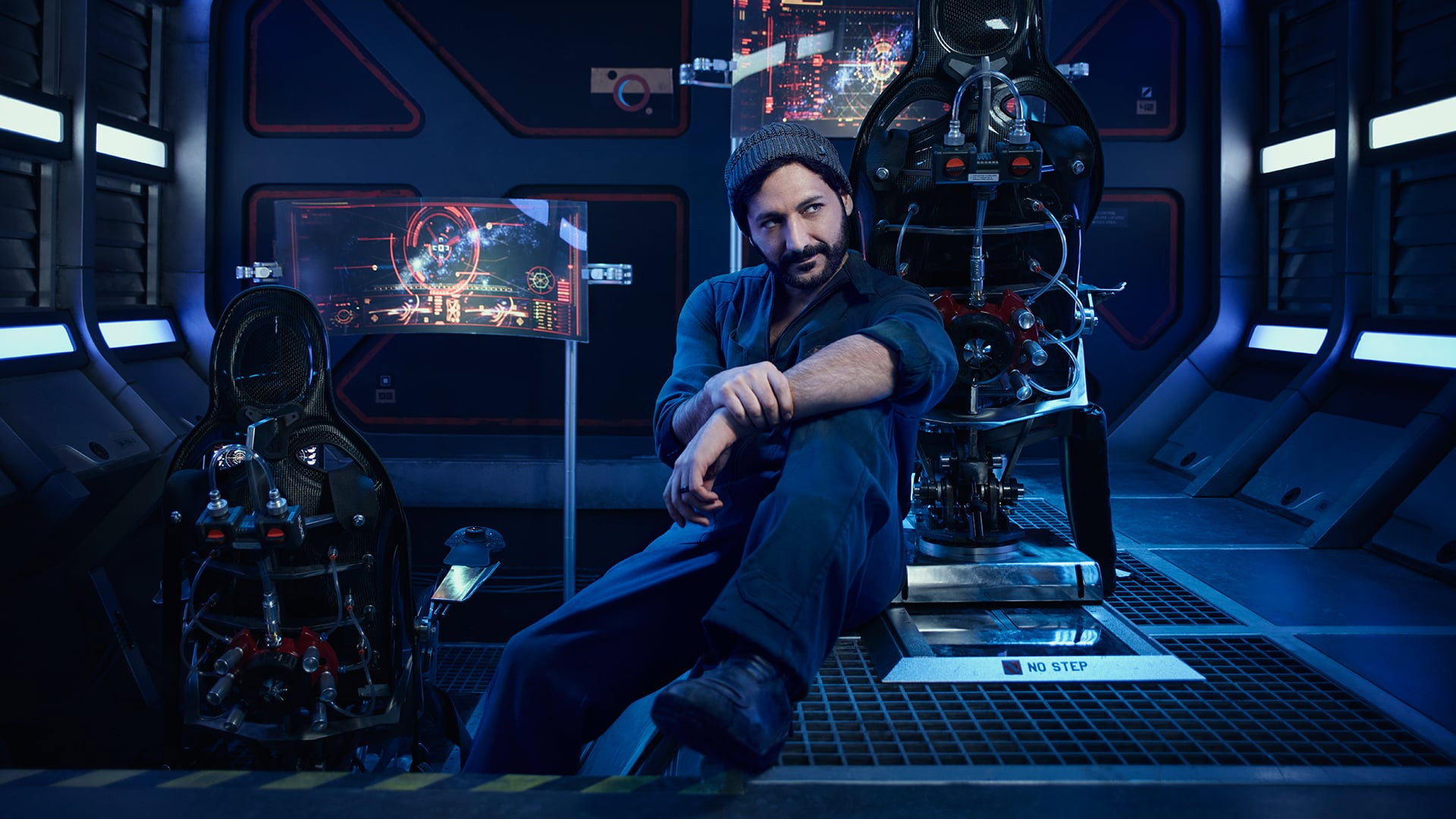
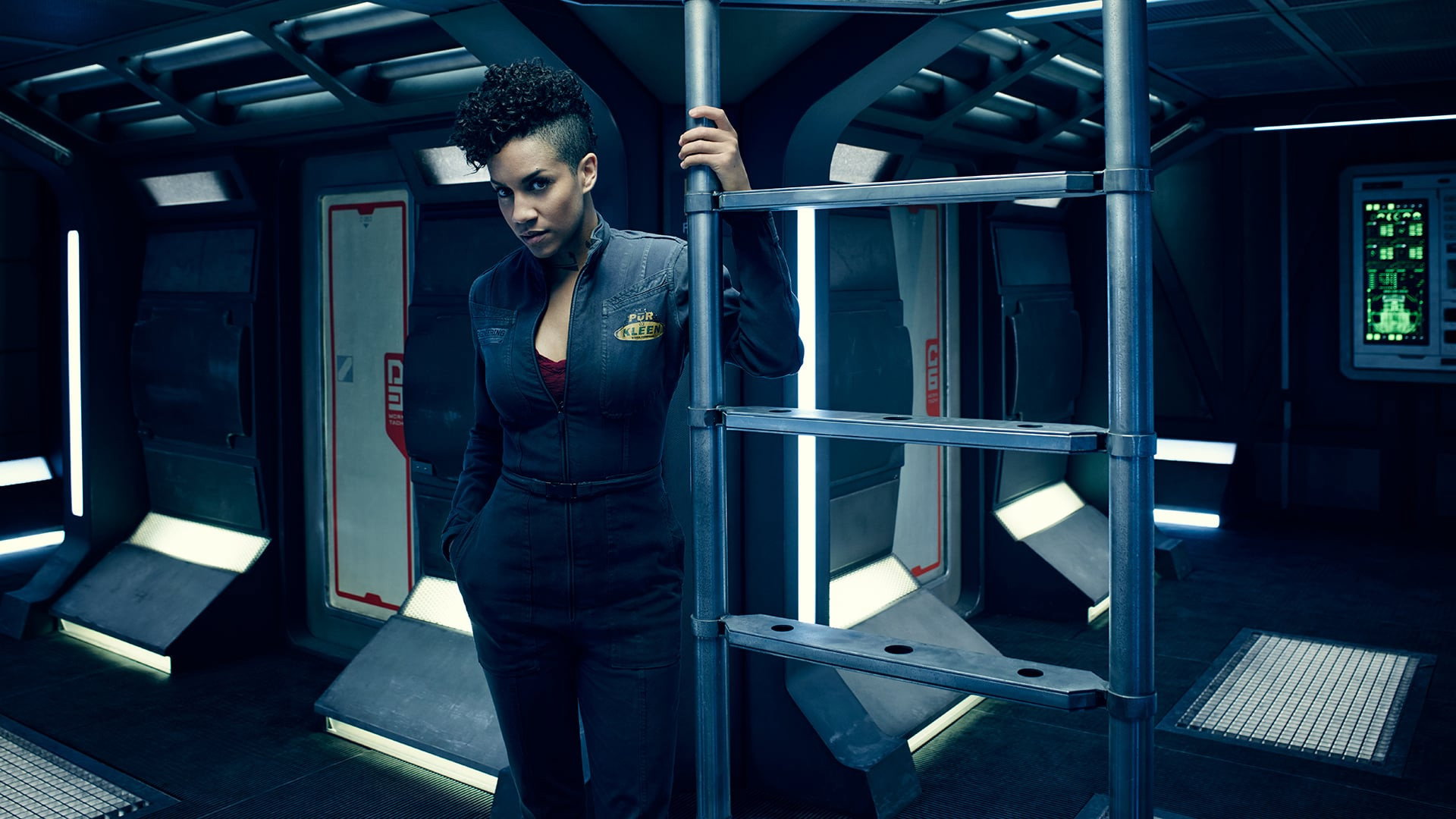
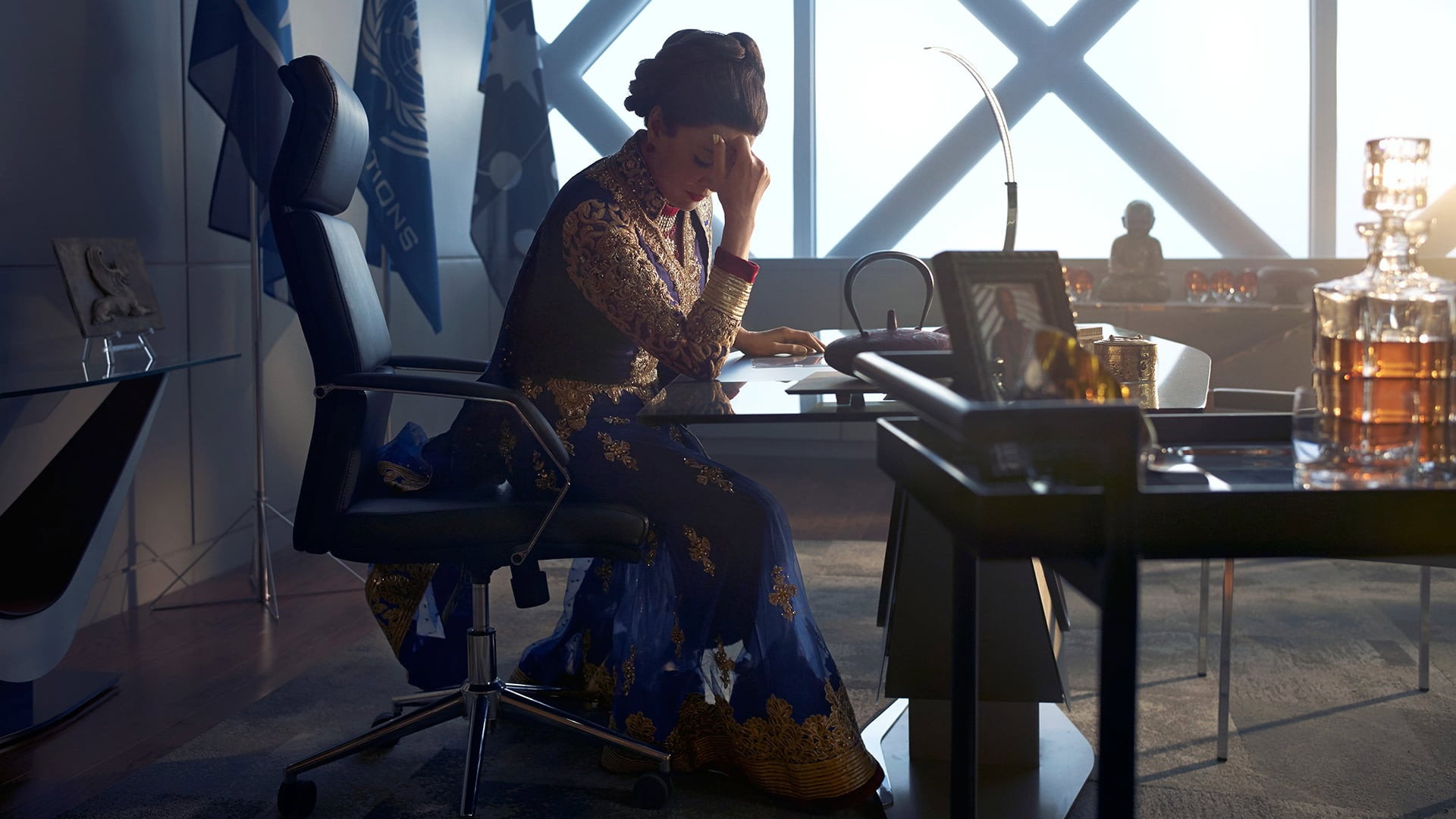
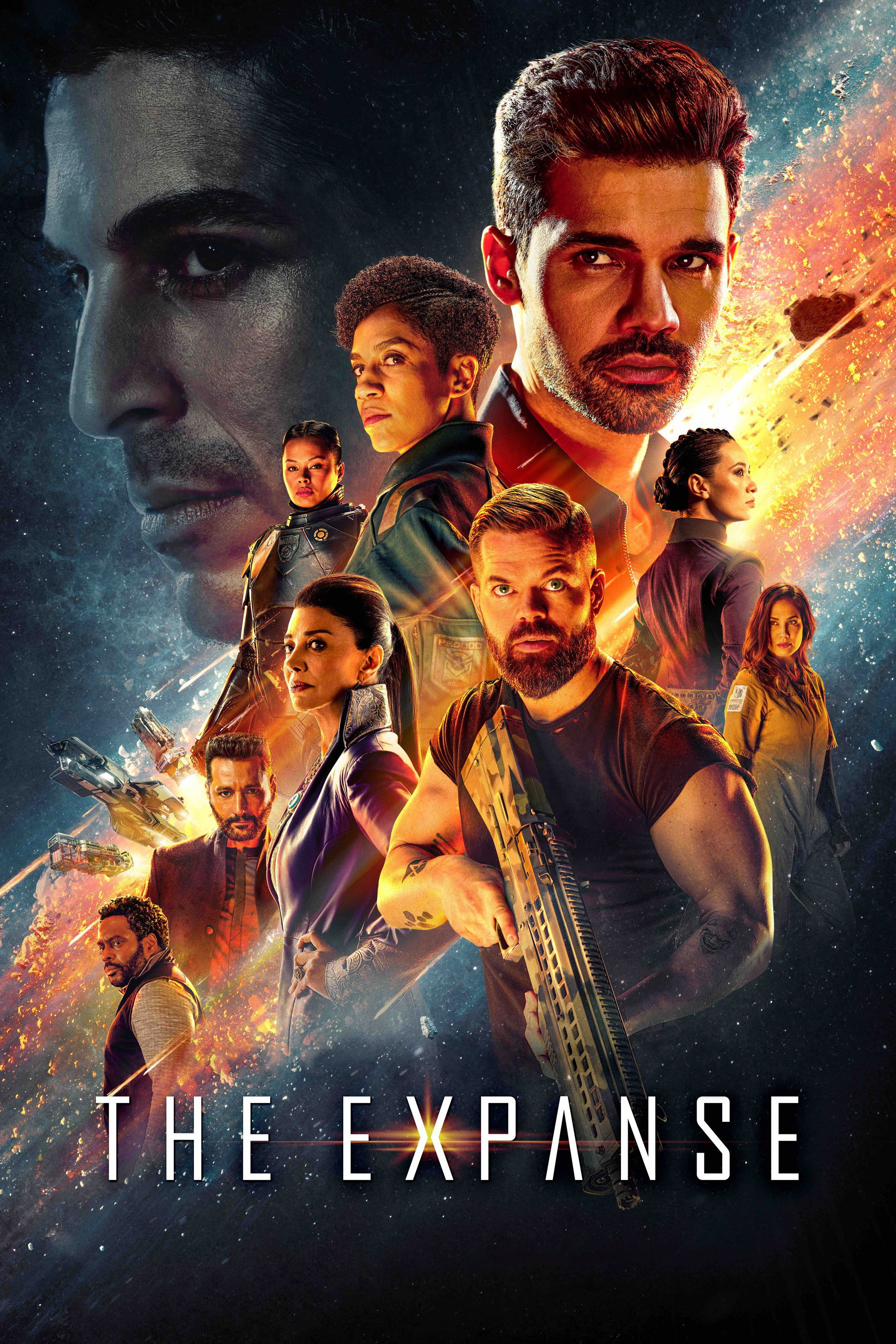
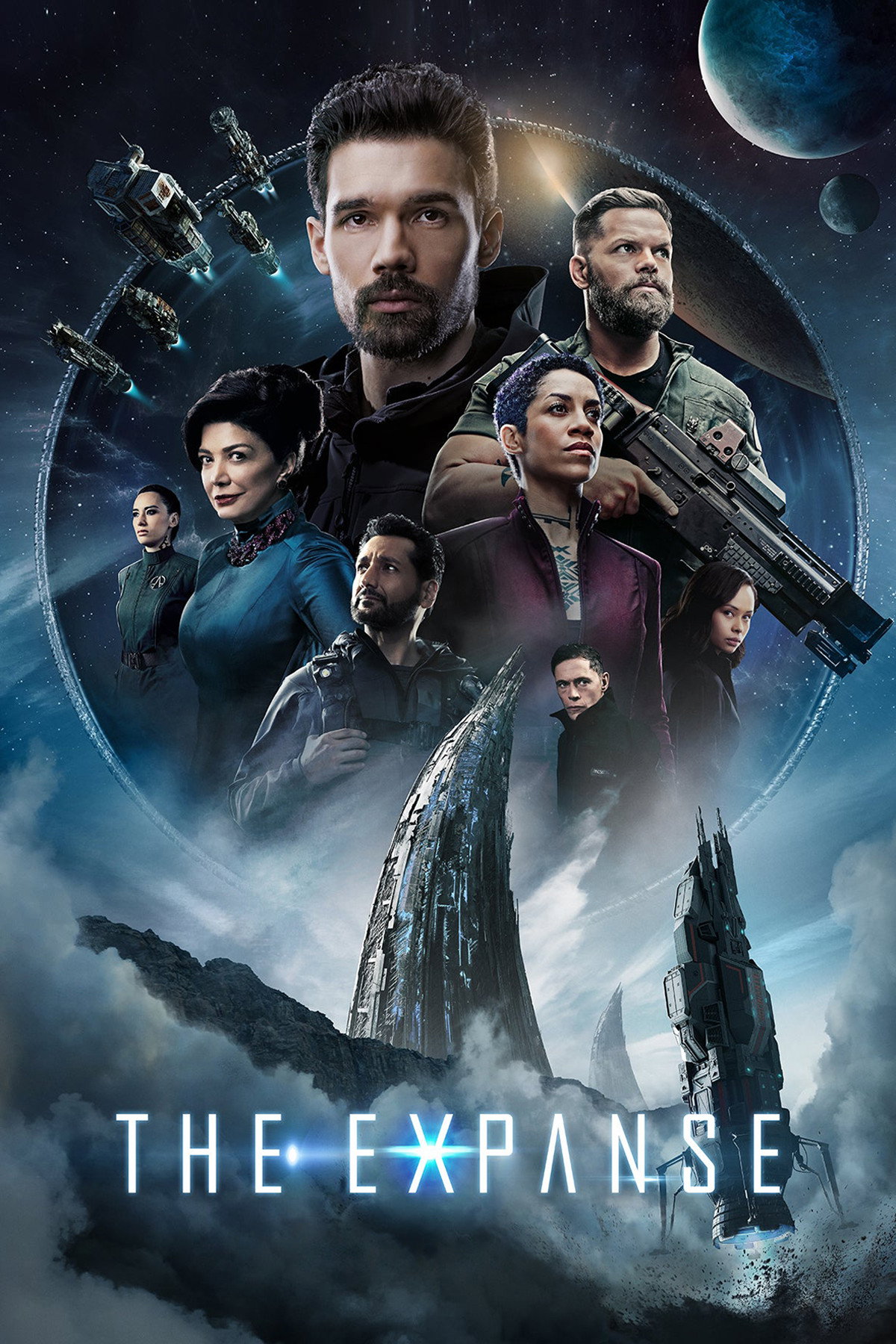
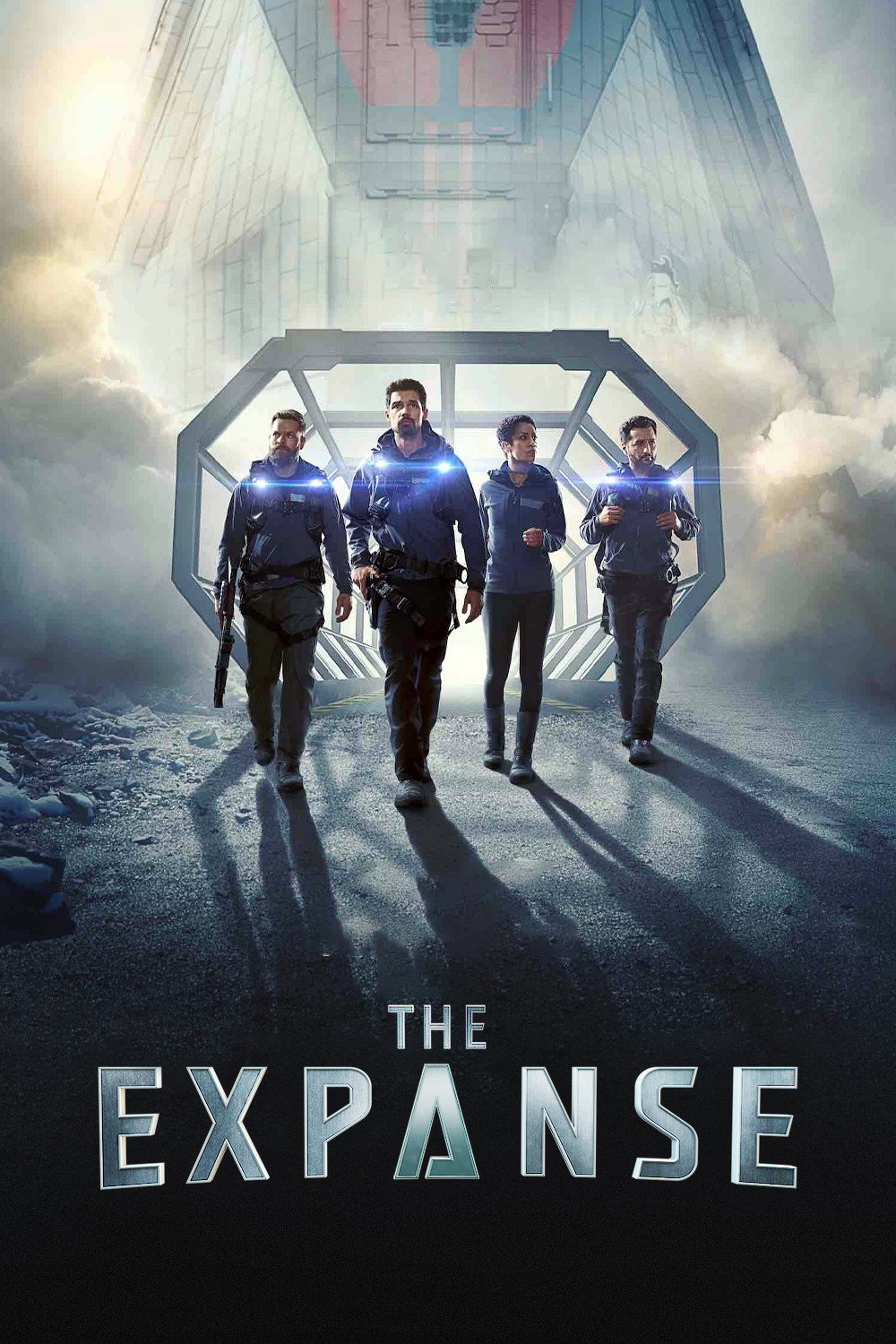
The casting gives the series a better chance than that introduction suggests. Steven Strait’s Jim Holden is a sober centre, though his seriousness becomes wearying when the writing supplies little else to hold on to. Dominique Tipper gives Naomi Nagata a welcome directness, while Wes Chatham gives Amos Burton an edge that keeps him worth watching. Shohreh Aghdashloo’s Chrisjen Avasarala has a firmness that the early storytelling badly needs. These performances encourage us to keep listening when the dialogue has become work.
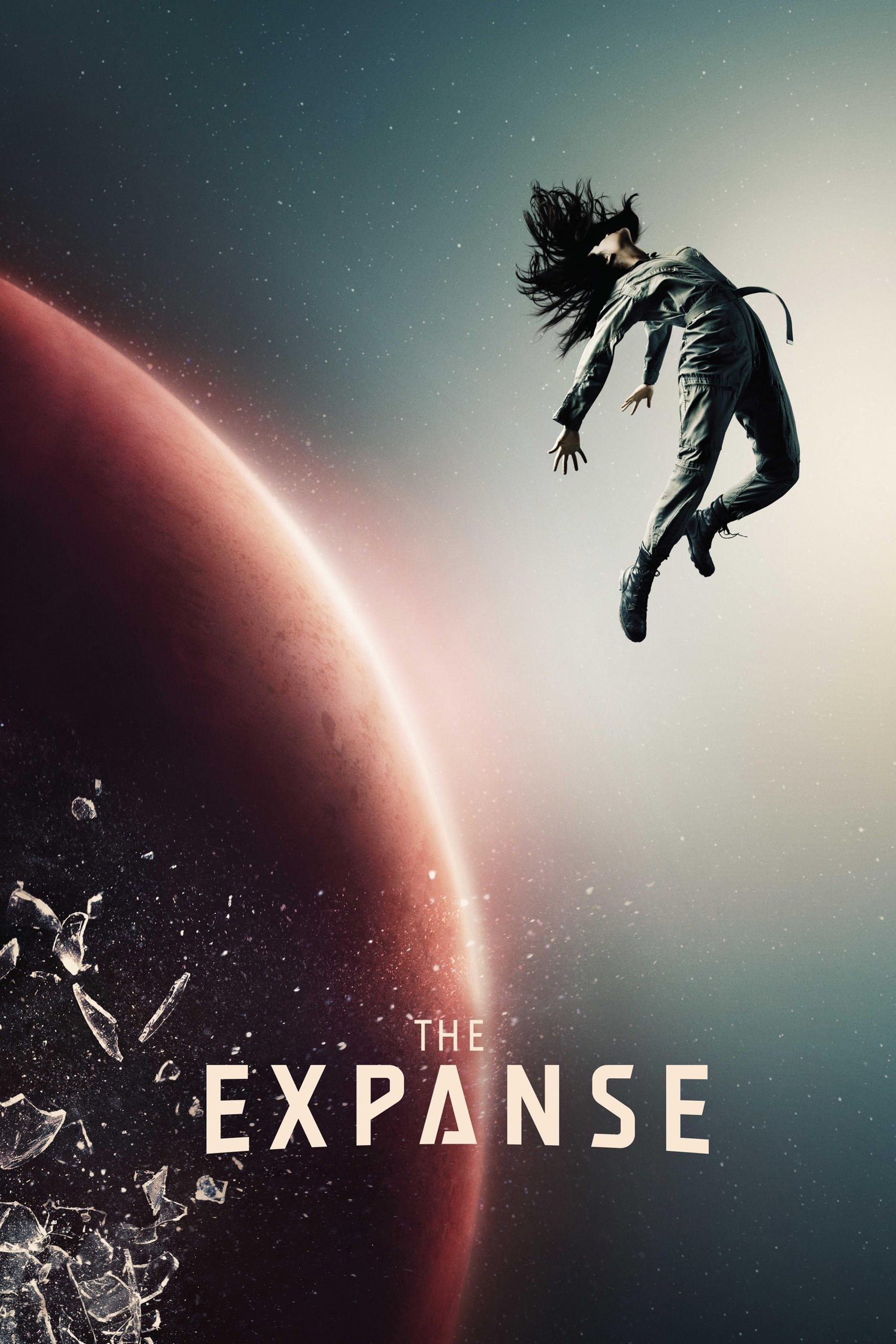
The visual world is more immediately convincing, with the attention to practical detail making the setting feel habitable. We can believe people live here, and that belief helps sustain an interest when the plot is struggling to do so. Clinton Shorter’s music is effective at sustaining unease, although the dialogue sometimes talks it away. The images suggest a coherent place even when the separate storylines are making it difficult to get our bearings.
Stephen Roque’s editing has the difficult job of keeping those stories moving without making every interruption feel like a fresh start. The opening does not always manage it: just as one strand begins to acquire some urgency, our attention is required elsewhere. As the opening stories gather pace, the mixture of mystery and political intrigue becomes more involving, and the care taken over the setting begins to pay off. That improvement makes the hesitation beforehand more irritating, because we can see how much more engaging the series can be.
In a space drama, we want to know what a person needs before being asked to learn how the whole society works. The Expanse is too willing to postpone that part, trusting its larger mysteries to keep us interested while it explains the rules. For some, working through those explanations will be part of the enjoyment, and the improving momentum offers a reason to persist. Try it if political science fiction is already a pleasure, and allow for a start that makes getting to know everyone unnecessarily difficult.