Chris Morris and Charlie Brooker’s six-part comedy about east London media idiots is sharply written, well cast and, twenty years on, uncomfortably accurate. Julian Barratt gives it a heart. It has one joke, and by the fourth episode you will have heard it several times.
Nathan Barley started life as a single listing in Charlie Brooker’s spoof television guide TVGoHome, a rich idiot with a camcorder, and in 2005 Brooker and Chris Morris gave him six episodes, 148 minutes in all, in which to be an idiot at length. The result is one of the sharper British comedies of its decade about the people who make media, and the sharpest thing in it is not Nathan. It is worth your evening if you have ever worked in an office with a table football machine. It also runs out of new things to say around the fourth episode and simply says the old things again, harder.
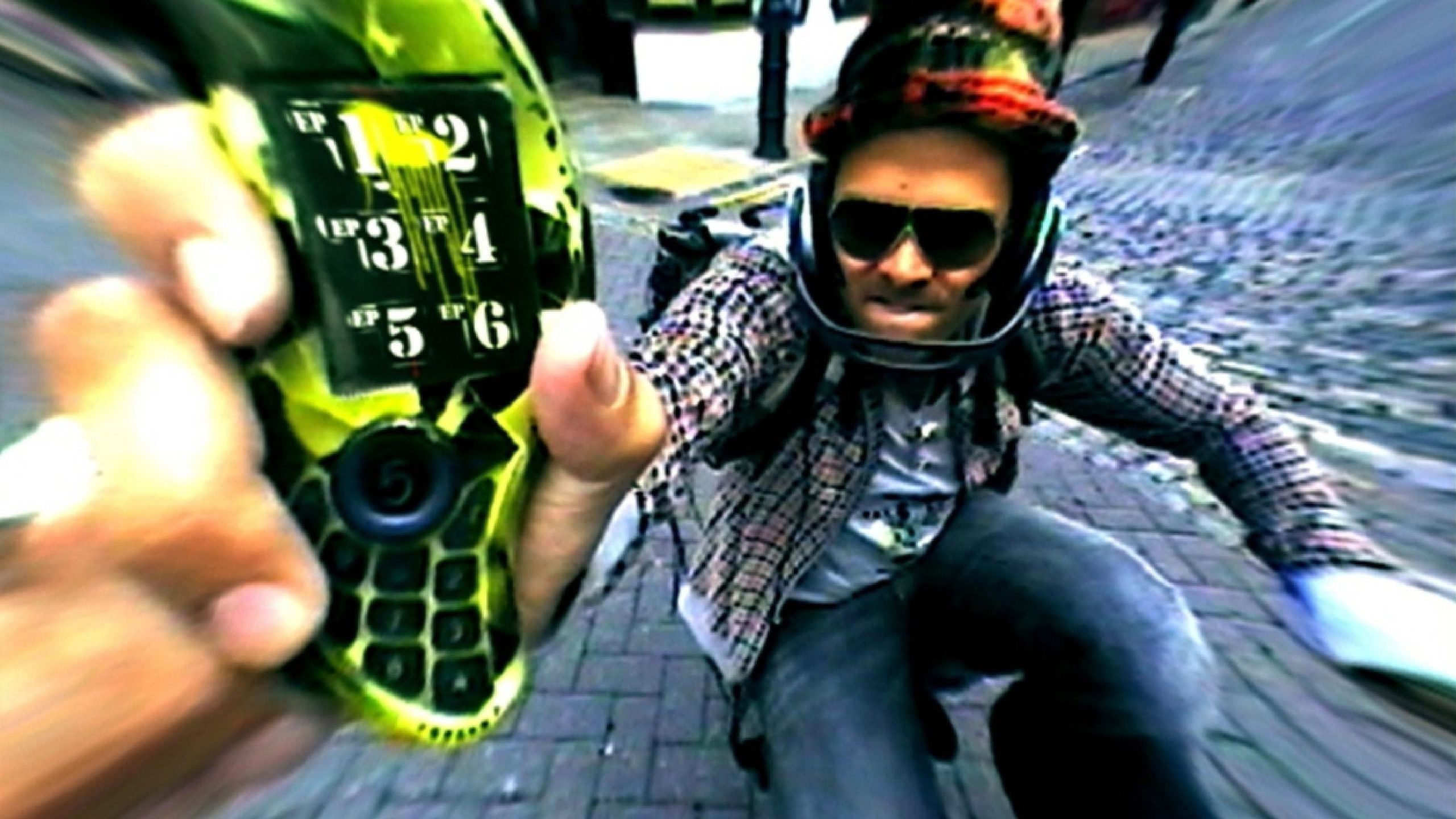
Nicholas Burns plays Nathan with total commitment and no self-knowledge at all. He wears a trilby indoors, rides a small bicycle and waves a phone the size of a paperback at anyone who will look. He runs trashbat.co.ck, a website where he posts films of himself being cruel to people who did not agree to be in them, and he calls this a business. Burns never asks us to like him and never plays him as a monster either. Nathan is a child with money, and the horror is that everyone around him treats the money as a personality.
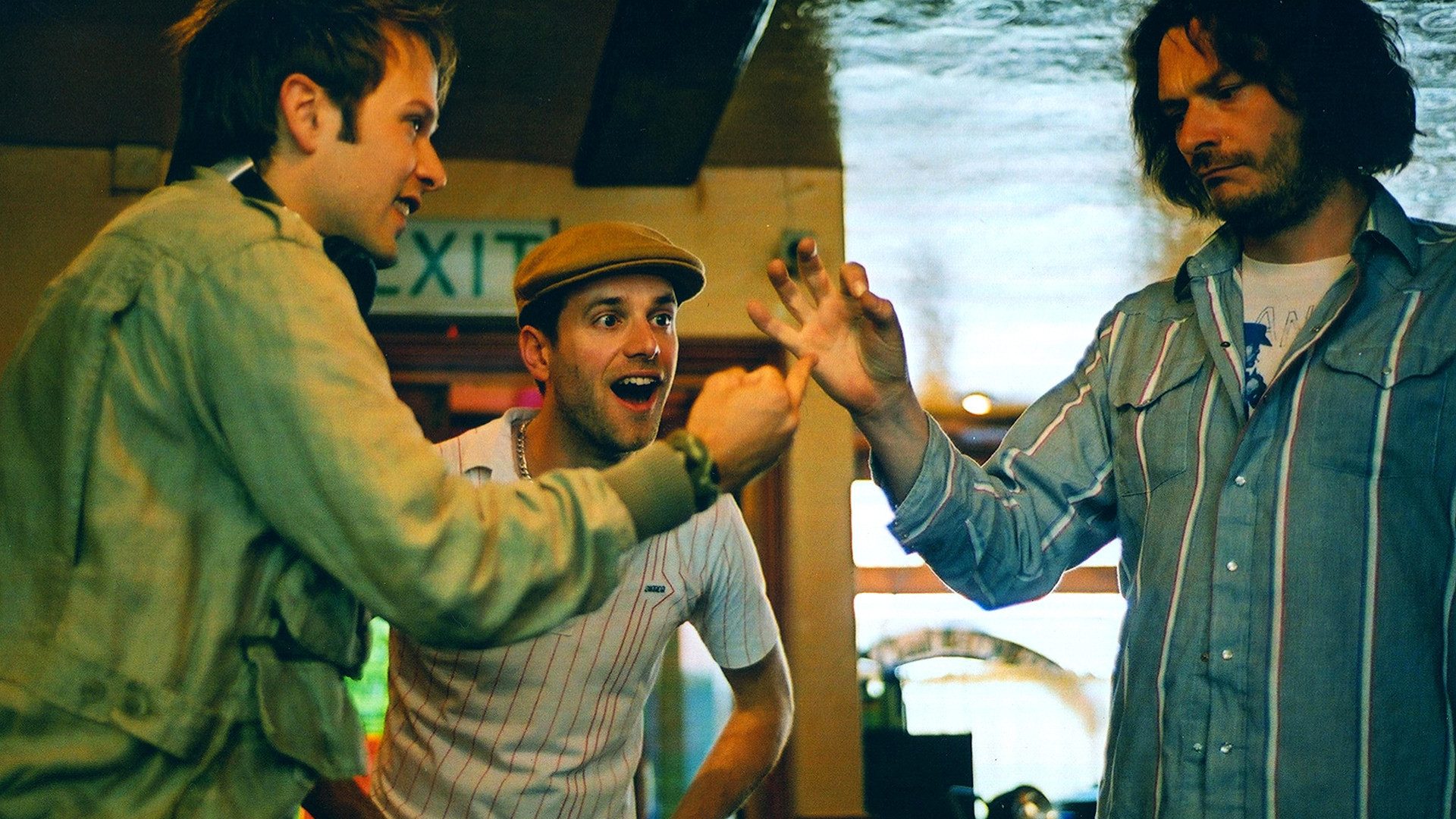
The series belongs to Julian Barratt. His Dan Ashcroft writes for Sugar Ape, a style magazine staffed entirely by the people his article was about, and Barratt plays him as a man who has been tired for about eight years and has stopped expecting to be less tired. He slumps in a coat that looks slept in. His contempt comes out as mumbling. Richard Ayoade and Spencer Brown, as Ned Smanks and Rufus Onslatt, are the office’s resident geniuses, and their scenes together, batting a stupid idea back and forth until it becomes a feature, are the best written in the series. Claire Keelan gives Dan’s sister Claire the only working conscience in the building, and the script mostly uses her to be disappointed by her brother.
Morris directs it drab on purpose. Danny Cohen shoots the streets in flat grey daylight and the parties in sick greens and sodium orange, so that nothing ever looks as glamorous as the people in it believe it does. Luana Hanson’s production design fills Nathan’s flat with things that were expensive last month and the Sugar Ape office with beanbags and one working desk. Leonie Hartard dresses the idiots in mismatched trainers, ugly hats and slogans nobody has read, and the joke is that in 2005 this counted as exaggeration. Nick Fenton cuts Nathan’s trashbat films with the jump-cuts and captions of the real thing. Jonathan Whitehead and Morris’s music is twitchy electro with a faint note of nausea, and it tells us these people are having fun and that it is not fun to watch.
We laughed a great deal, mostly at Ayoade and Brown. Once, when Nathan first quotes Dan’s article back to him in admiration, we laughed and then went quiet, because we recognised the moment. Anyone who has watched their own work be enjoyed for exactly the wrong reasons will know the expression Barratt puts on his face there, and it is not comic.
The trouble is repetition. Each episode puts Dan within reach of something better, has Nathan or the magazine take it away, and leaves him in the pub. By the fourth time this is no longer a pattern but a rut. The series is also crueller than it needs to be to people who are not Nathan; a running thread about the magazine’s photoshoots is designed to appal and does, and the writing then does little with the feeling once it has it. Some reviewers in 2005 thought the show had arrived too late for its target. Watched now it looks early. The phone Nathan waves about is in everyone’s pocket, and the website he runs is called social media.
Against Morris’s own work it sits oddly. The Day Today (1994) and Brass Eye (1997) picked a target, hit it and stopped. This picks a target, hits it, and then keeps hitting it for two more episodes than it needs. Watch two at a time, with someone who has worked in an office where nobody could say what the company did. Then stop and come back the following week, which is what the original audience had to do, and probably why they enjoyed it more than we did.