Chris Morris’s Brass Eye is fiercely funny television satire, with performances precise enough to make nonsense sound official. Its sustained aggression can wear us down, but the jokes earn the discomfort.
Television has a practised way of making a sentence sound important before anyone has checked whether it makes sense. Brass Eye is fiercely funny about that habit, and sufficiently exact about how it works to be unsettling. Chris Morris writes it and Michael Cumming directs, with neither offering much reassurance between jokes. We recommend it with one caveat: the sustained aggression can become tiring. Its six half-hour episodes deserve more attention than a casual run through the lot would allow.
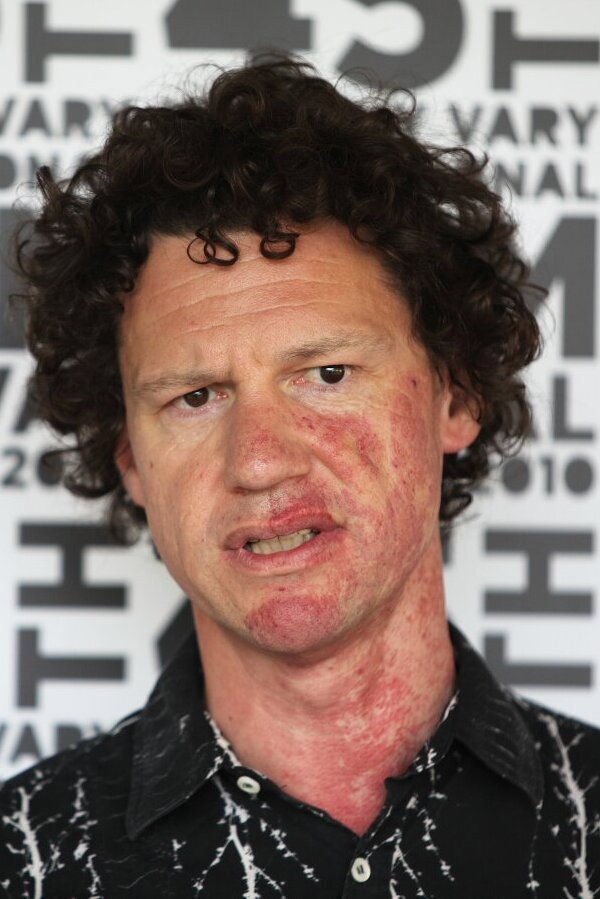
Morris, playing Christopher Morris and Ted Maul among others, understands how much authority comes from delivery. He gives nonsense the weight of something that has already been checked by people too important to name. We found Ted Maul funny and oddly intimidating. The force of Morris’s speech makes questioning him feel, briefly, like an error on our part. It is a precise performance, and its severity makes the ridiculous material harder to brush aside.
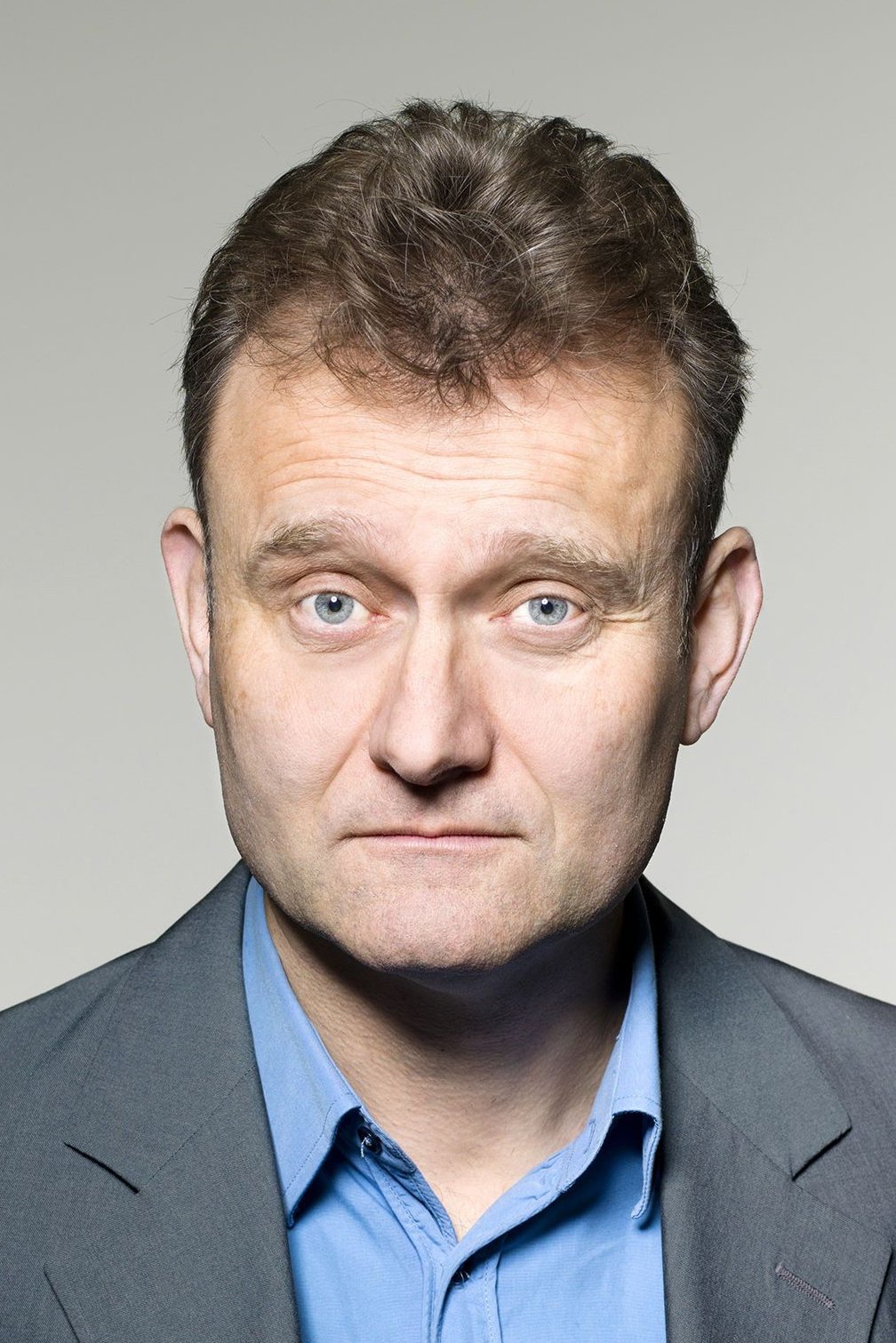
Mark Heap, as Simon Hottrin, Dr. Zeus Spofforth and other characters, is valuable because he makes the effort of remaining plausible funny in itself. His restraint gives Morris’s forcefulness something to work against. Hugh Dennis, playing Dr. Balb Kubrox, also understands that a ridiculous name does not require a ridiculous performance. Cumming keeps the cast committed to these people, so that the comedy does not collapse into a competition to be noticed.
Jonathan Paul Green’s production design helps that commitment: the surroundings seem to take their occupants as seriously as they take themselves. We are never being invited to admire how cheerfully makeshift a comedy set can be. Cumming uses that credibility well, allowing the people to grow absurd without making the programme around them seem embarrassed. The attention paid to appearances matters, because a visibly careless spoof would give us an easy reason to dismiss everyone in it.
Gary Dollner’s editing keeps the jokes arriving quickly enough that some register only after the next has begun. There is pleasure in keeping up, though a second viewing helps with the details. Jonathan Whitehead and Morris’s music also sounds thoroughly convinced that this is important television. Its seriousness is funny because it gives the performers still more support when their words deserve none, and helps sustain the pretence even when the writing has become extravagantly absurd.
The limitation is in how consistently Morris’s writing applies the same pressure. Once we have learnt to distrust a speaker’s confidence, another vehemently delivered absurdity does not always sharpen the joke. Some stretches allow too little space for a good line before the next demands our attention, and the accumulation becomes exhausting. Aggressive television satire needs an occasional change of pace if it wants us to keep listening closely; Cumming and Morris are sometimes too reluctant to ease off.
Give Brass Eye an episode at a time, especially if the household has different tolerances for discomfort. The comedy asks us to listen closely, and it is easy to miss a good joke while still recovering from the previous one. Save the conversation for afterwards; talking over Morris is seldom a rewarding arrangement.